
Best Battery Operated Personal Fan 2026 Picks

A best battery operated personal fan should solve a simple problem without creating three new ones. Strong airflow matters, but so do battery life, noise, weight, and the awkward little details that show up after a week of use. A fan that sounds powerful on paper can become annoying fast if it rattles on a desk, tips over easily, or needs charging halfway through a warm afternoon. The useful models balance portable cooling with controls that don't require constant fiddling.
Battery capacity deserves a closer look because advertised runtime often reflects the lowest speed setting. Crank a compact fan to full power and that long estimate can shrink quickly, especially with older cells or frequent stop-and-start use. Still, a larger battery isn't automatically better, since extra capacity adds weight and makes handheld use less comfortable. The sweet spot depends on whether the fan will sit beside a laptop, clip onto a stroller, travel in a bag, or move around the house during an outage.
Airflow direction can make a modest motor feel far more effective. An adjustable head lets the breeze hit the face and neck instead of blowing past a shoulder or scattering papers across the room. Clip-on designs save precious surface space, though weak clamps may slide on smooth furniture or thick rails. Freestanding bases feel steadier, but bulky footprints can be a nuisance on crowded nightstands and narrow office desks.
Noise is another make-or-break detail, plain and simple. A low hum may fade into the background during chores, yet the same sound can feel surprisingly sharp during calls, reading, or sleep. Brushless motors usually help keep operation smoother, while poorly balanced blades may produce pulsing or clicking sounds at certain speeds. Several speed levels are handy, but a gentle first setting often matters more than an aggressive maximum setting.
Charging options also shape everyday convenience. A USB rechargeable fan pairs easily with wall adapters, laptops, car ports, and power banks, which reduces the need for a dedicated charger. Replaceable batteries can be useful during camping trips or long outages, though disposable cells cost more over time and create extra waste. Some models combine rechargeable power with plug-in operation, and that flexibility can be worth more than a flashy display or decorative lighting.
Practical extras should earn their place rather than pad the feature list. A battery indicator prevents guesswork, a timer limits overnight drain, and a removable grille makes dust cleanup less of a headache. Tiny lights and misting attachments may appeal in certain settings, but they can also shorten runtime and add parts that need attention. The strongest pick isn't the fan with the longest list of features. It's the one that delivers steady personal airflow, fits the intended space, and keeps working without becoming another gadget that constantly needs babysitting.

- LFR Score9.4
LFR Score is a ranking system developed by lightfansreviews.com. LFR Score has no relationship or impact from any manufacturers or sales agent websites. Learn more
- BrandAUIIAH

- LFR Score9.4
LFR Score is a ranking system developed by lightfansreviews.com. LFR Score has no relationship or impact from any manufacturers or sales agent websites. Learn more
- BrandcoldSky
- LFR Score9.2
LFR Score is a ranking system developed by lightfansreviews.com. LFR Score has no relationship or impact from any manufacturers or sales agent websites. Learn more
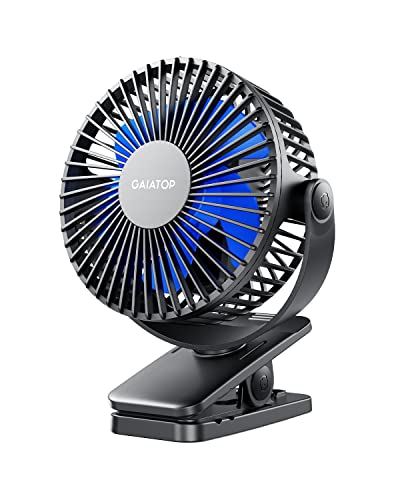
- BrandGaiatop

- LFR Score9.2
LFR Score is a ranking system developed by lightfansreviews.com. LFR Score has no relationship or impact from any manufacturers or sales agent websites. Learn more
- BrandTevelecin
![JISULIFE Handheld Mini Fan, 3 IN 1 USB Rechargeable Portable Fan [12-19 Working Hours] with Power Bank, Flashlight, Pocket Design for Travel/Summer/Concerts/Lash, Gifts for Women (Pink)](https://m.media-amazon.com/images/I/318dfxWKmtL._SL500_.jpg "JISULIFE Handheld Mini Fan, 3 IN 1 USB Rechargeable Portable Fan [12-19 Working Hours] with Power Bank, Flashlight, Pocket Design for Travel/Summer/Concerts/Lash, Gifts for Women (Pink)")
- LFR Score9.2
LFR Score is a ranking system developed by lightfansreviews.com. LFR Score has no relationship or impact from any manufacturers or sales agent websites. Learn more
- BrandJISULIFE

- LFR Score9.2
LFR Score is a ranking system developed by lightfansreviews.com. LFR Score has no relationship or impact from any manufacturers or sales agent websites. Learn more
- BrandiFunSky

- LFR Score9.0
LFR Score is a ranking system developed by lightfansreviews.com. LFR Score has no relationship or impact from any manufacturers or sales agent websites. Learn more
- BrandGazeled

- LFR Score8.6
LFR Score is a ranking system developed by lightfansreviews.com. LFR Score has no relationship or impact from any manufacturers or sales agent websites. Learn more
- BrandAIRPROSSING
- LFR Score8.6
LFR Score is a ranking system developed by lightfansreviews.com. LFR Score has no relationship or impact from any manufacturers or sales agent websites. Learn more
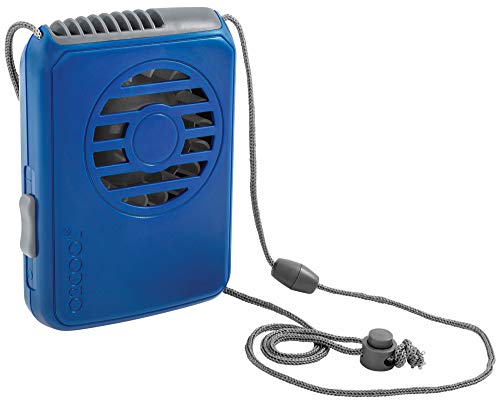
- BrandO2COOL

- LFR Score8.4
LFR Score is a ranking system developed by lightfansreviews.com. LFR Score has no relationship or impact from any manufacturers or sales agent websites. Learn more
- BrandHoneywell
Last update on 2026-07-18 / Affiliate links / Images, Product Titles, and Product Highlights from Amazon Product Advertising API
AUIIAH Turbo Fan for Personal Cooling
Summer heat rarely waits for a convenient outlet, and a weak pocket fan can feel like little more than warm air being shuffled around. The AUIIAH model takes a more forceful approach to the best battery operated personal fan category with a turbo-style motor, five speed settings, and a folding body that adapts to different routines. Its biggest appeal lies in combining strong directional airflow with a frame light enough to carry through commutes, concerts, outdoor lines, or stuffy workspaces. Still, the same concentrated breeze that makes it effective can also bring tradeoffs in noise, battery drain, and comfort at close range.
AUIIAH GS30 Turbo Fan
The GS30 uses a three-phase brushless motor paired with a six-blade fan assembly, and the manufacturer lists a maximum air speed of 10 meters per second. That figure suggests a far more focused stream than the soft, scattered breeze produced by many basic handheld models. The narrow airflow can cool the face and neck quickly, especially after stepping out of a hot car or standing in direct sun. It won’t cool an entire room, though, because this is still a personal cooling device built for short-range relief.
Five speed levels give the fan more flexibility than a simple low-and-high switch. The lower settings make sense during makeup application, reading, or desk work, while the upper levels are better suited to humid outdoor conditions where a faint breeze simply won’t cut it. That wider range helps avoid the all-or-nothing feeling common with cheaper mini fans. Even so, maximum speed will naturally create more motor noise and consume battery power faster than the gentler settings.
The controls appear straightforward, which matters when the fan is being used on the move. A built-in LED display shows wind speed and remaining battery life, removing much of the guesswork that comes with indicator lights made up of vague blinking patterns. Seeing the battery level before leaving home can prevent the frustrating moment when a fan slows down halfway through an event. The display adds genuine daily value rather than serving as a decorative extra.
Strong airflow can become uncomfortable if the fan sits inches from the face on its highest setting. The better approach is to begin at a middle speed and increase only when the heat demands it, particularly during extended desk use. Hair can also drift toward the intake if the fan is held too close, so a little distance is sensible. These are normal limitations for a compact turbo fan, not unusual flaws, but they’re worth keeping in mind.
Foldable Design And Everyday Portability
A 180-degree folding hinge gives the AUIIAH fan more practical range than a fixed handheld design. The body can remain straight for carrying, bend into a freestanding desk position, or work with the included strap as a neck-mounted fan. That three-in-one layout is useful in places where holding a fan becomes tiresome, such as long lines, public transportation, sporting events, or outdoor festivals. The hinge also lets the airflow angle change without requiring the entire base to be repositioned.
At a listed weight of 0.44 pounds, the fan remains light enough for a backpack, purse, or travel pouch without becoming a burden. It may fit in some larger pockets, although the folded shape and thickness will matter more than weight in tight clothing. Compared with bulkier battery fans, the compact form is easier to carry alongside a phone, charger, water bottle, and other daily essentials. Black housing also hides scuffs and dirt better than pale finishes, which is helpful for frequent outdoor use.
Desk mode could be especially handy beside a laptop, on a nightstand, or near a bathroom mirror. The adjustable hinge allows the fan head to point upward instead of pushing air across papers or directly into the eyes. A small body still needs a reasonably flat surface, however, and a narrow footprint may feel less stable if the fan is bumped or operated at full speed. The folding stand adds convenience, but it shouldn’t be mistaken for the broad stability of a full-size desktop fan.
Neck use offers hands-free cooling, though comfort will depend on how the strap sits and how much the fan moves during walking. A single compact fan creates directional airflow rather than the balanced breeze supplied by dual-head neck fans. That makes it better suited to short periods, casual walking, or stationary use than vigorous activity. The adjustable strap is a useful option, but the handheld and desk configurations will likely feel more natural for many everyday situations.
Battery Life And USB-C Charging
The rechargeable battery is designed to cover both gentle overnight use and demanding outdoor sessions, according to the supplied product information. Exact runtime will vary because five airflow levels place very different loads on the battery. Low speed should stretch operating time considerably, while the turbo setting will draw power much more quickly. The LED readout makes that battery tradeoff easier to manage because the remaining charge stays visible.
USB-C charging is a practical choice for modern travel. The fan can share a cable with many phones, tablets, earbuds, and power banks, reducing the need to pack another proprietary adapter. The stated recharge time is around three hours, which is manageable between outings or during a work shift. A USB-C power source also makes emergency charging easier in cars, airports, hotel rooms, and campsites.
Battery performance deserves realistic expectations. Running at maximum power throughout a concert, beach visit, or outdoor event will shorten the usable window compared with intermittent use or a middle setting. Heat, battery age, and frequent charging cycles may also affect endurance over time. Carrying a small power bank provides a sensible backup for long days, particularly when the fan is being relied upon as the main source of portable heat relief.
The fan’s rechargeable format avoids the recurring cost and inconvenience of disposable batteries. That said, the supplied description doesn’t indicate whether the internal battery is user-replaceable, so long-term battery wear could eventually affect the product’s useful life. Charging before storage and avoiding prolonged deep discharge can help preserve capacity. The visible battery percentage makes those habits easier than they would be with a fan that gives little warning before shutting down.
Cooling Performance In Real Situations
Outdoor heat is where the concentrated airflow should make the strongest impression. A listed 10-meter-per-second maximum gives the fan enough headroom for crowded venues, sunny sidewalks, camping areas, and humid travel days where low-powered models struggle. The breeze remains localized, but that’s exactly what a handheld personal fan is supposed to provide. Pointing it toward the neck, forehead, or upper chest can feel more effective than waving it randomly toward the whole body.
Indoor use calls for a lighter touch. At a desk, the lowest or second speed may provide enough movement to reduce stuffiness without distracting coworkers or interfering with calls. Makeup routines benefit from adjustable airflow because too much wind can dry products unevenly or blow loose powder around. The five-speed control gives the GS30 a better chance of fitting those quieter tasks than a turbo fan locked into aggressive airflow.
Travel introduces a different set of concerns, including storage space, charging access, and the need to switch quickly between handheld and tabletop use. The folding body addresses those problems neatly, while the display helps track charge before boarding a train, plane, or bus. Its weight is reasonable for all-day carrying, although the fan still occupies more space than a flat folding hand fan. The practical payoff comes from reusable powered airflow rather than absolute minimalism.
Camping and outdoor events highlight both the strengths and weaknesses of the design. Strong air movement can provide quick relief inside a tent or while sitting near a campsite, but a small fan won’t ventilate a large enclosed area. Dust may also collect around the grille and blades after repeated outdoor use, so occasional cleaning will matter. The supplied details don’t state whether the grille is removable, which leaves maintenance access as an unanswered point.
Strengths, Weaknesses, And Practical Value
The main strength is the balance between power and portability. A brushless motor, six-blade assembly, five settings, and a folding body give the fan more functional depth than a basic single-speed handheld model. The LED screen and USB-C charging improve day-to-day usability in ways that are easy to appreciate after repeated use. Together, those features make adjustable cooling the central reason to consider the AUIIAH GS30.
Its limitations mostly come from the compact format rather than a glaring design problem. High speed may sound noticeable in quiet rooms, the battery will drain faster under heavy use, and the small base may not feel as planted as a conventional desk fan. Neck mode may also be less balanced than designs built with two fans resting across the shoulders. These tradeoffs keep the three-in-one design flexible, though not equally strong in every configuration.
The manufacturer describes the fan as suitable for work, study, travel, beaches, vacations, camping, and outdoor activities. That broad list makes sense because the hinge and speed range allow it to shift between quiet indoor cooling and stronger outdoor airflow. Still, expectations should remain grounded: it cools one person at close range rather than lowering the temperature of a shared space. The focused airflow is most valuable where air conditioning is unavailable, weak, expensive, or simply out of reach.
A quoted product claim calls the fan “three times the power of ordinary fans,” but the provided information doesn’t define the comparison models or testing conditions. The more useful specification is the listed maximum wind speed of 10 meters per second, since that offers a clearer sense of the intended performance level. Buyers who value gentle silence above all else may prefer a slower, larger-bladed desk fan, while those dealing with direct summer heat may appreciate the GS30’s stronger output. Its strongest case rests on portable power, visible controls, and flexible positioning, not on broad marketing language.
coldSky 4000mAh Battery Operated Personal Fan
A sweltering commute, a crowded dressing room, or a bedroom with stubbornly still air can make a small fan feel less like a convenience and more like everyday equipment. The coldSky model approaches the best battery operated personal fan category with a 4000mAh rechargeable battery, five airflow levels, and a body that shifts between handheld, neck, and desk use. Its practical edge comes from pairing portable cooling with a digital display, so speed and remaining power aren't left to guesswork. The design sounds flexible on paper, though its strongest qualities depend on where and how it's used.
coldSky 4000mAh Personal Fan
The fan uses a brushless motor and a seven-blade layout to generate concentrated airflow from a compact housing. ColdSky describes the cooling response as taking about three seconds, which is best read as a claim about how quickly moving air reaches the skin rather than a promise to reduce room temperature. That distinction matters because no handheld fan can replace air conditioning in a large space. What it can do is push air directly across the face, neck, or hands, offering fast relief during makeup sessions, warm commutes, and stuffy desk work.
Five speed settings give the airflow more nuance than a basic two-speed design. The first setting should suit light circulation during reading or quiet office tasks, while the stronger levels make more sense outdoors or in humid rooms. Adjustable wind control also helps prevent the common problem of using more power than necessary. Still, maximum output will likely feel louder and drain the battery faster, so the middle settings may deliver the most balanced everyday experience.
The seven-blade design should create a smoother stream than a fan with fewer, widely spaced blades, at least in principle. More blades can move air with less choppy pulsing, which matters when the fan sits close to the face during makeup or lash work. The supplied description doesn't include airflow measurements, so the exact strength can't be verified beyond the manufacturer's wording. The sensible takeaway is that focused personal airflow, not whole-room circulation, is the core performance goal.
Strong airflow at close range has a downside too. Loose hair can drift toward the intake, and full power may feel harsh against dry eyes or freshly applied cosmetics. Holding the fan a little farther away or using a lower setting can soften that effect without giving up useful cooling. That small adjustment makes the five-speed range more than a spec-sheet extra.
Battery Runtime And Charging Practicality
A built-in 4000mAh battery gives this fan a larger energy reserve than many tiny pocket models. ColdSky lists a working range of roughly seven to twenty hours, with the actual result depending heavily on the selected speed. Low airflow stretches the charge, while the highest setting puts a much heavier load on the motor. That range is broad, but it reflects the reality of rechargeable fans rather than a contradiction.
The listed maximum runtime could cover overnight airflow at a gentle setting or a long travel day with intermittent use. A concert, camping trip, or outdoor event may demand higher speeds, so expecting the full twenty hours under those conditions wouldn't be realistic. Battery endurance is strongest when airflow is matched to the moment rather than left at maximum all day. A moderate setting often provides enough relief without burning through the charge before evening.
The digital screen earns its keep by showing both remaining battery life and the active speed level. Tiny indicator dots can be vague, especially after months of use, but a numerical display gives a clearer sense of whether the fan needs charging before leaving home. That visibility reduces one of the most irritating failures of portable cooling: sudden shutdown with no warning. The smart display also makes it easier to see how quickly different speeds use power.
The supplied details identify the fan as USB powered but don't specify a charging time or connector type. That missing information is worth noting because charging convenience depends on whether the cable matches devices already carried every day. A power bank should still be useful during extended outings if the fan supports operation or charging from a standard USB source. The rechargeable format avoids recurring disposable battery costs, though the internal battery may become harder to service as it ages.
Handheld, Neck, And Desk Use
The three-in-one design lets the same fan move through several routines without requiring separate accessories. Held upright, it works as a traditional handheld fan for lines, walks, or public transportation. Attached for neck use, it can free both hands during sightseeing, light chores, or makeup preparation. Folded onto its base, the multi-position body becomes a compact desk fan for a nightstand, vanity, or workstation.
A 90-degree vertical adjustment helps direct air toward the face rather than across the tabletop. That matters on crowded desks, where a fixed fan may blow receipts, notes, or loose powder around instead of cooling the person sitting nearby. The included base should improve stability compared with balancing a folded handle alone. Even so, a small base can still shift if the surface is uneven or the fan is bumped at higher speed.
Neck mode brings convenience but also a few practical compromises. A single central fan won't distribute air as evenly as a dual-head neck design, and movement may cause the unit to swing against clothing. The weight isn't listed in the provided details, so long-term neck comfort can't be judged confidently. The hands-free option is useful, but desk and handheld modes may feel more natural for longer sessions.
Makeup and lash work are unusually good fits for this style of fan because airflow can be aimed precisely and adjusted in small steps. A low or medium speed may help reduce facial heat without scattering powder, drying products too abruptly, or irritating the eyes. The folding angle also lets the fan sit near a mirror while keeping both hands free. That said, close-range airflow should be used carefully around adhesives, loose lashes, and fine cosmetic particles.
Noise Levels And Indoor Comfort
ColdSky says its silent motor technology produces 30 percent less noise than competing products at the same wind speed. The description doesn't identify the competing models, test distance, or measurement method, so that percentage should be treated as a manufacturer comparison rather than independently verified data. The brushless motor still points in a sensible direction because that type of motor often runs with less mechanical friction than a basic brushed design. Quiet operation remains a likely strength, though exact loudness isn't supplied.
Noise matters most at the lower settings. A fan used beside a bed, during a video call, or near a microphone needs a soft background hum rather than a sharp mechanical whine. The first two speeds will probably be the most suitable in those settings, while the upper levels may become noticeable simply because faster-moving air creates sound of its own. No compact fan is truly silent once the blades are pushing hard.
Sleep use depends on more than volume. A steady sound can fade into the background, but clicking, pulsing, or repeated speed changes are harder to ignore. The provided description doesn't mention a timer, automatic shutoff, or memory function, so operation appears to center on manual speed control. The digital battery readout helps with overnight planning, but anyone sensitive to light may also notice the illuminated screen in a dark room.
Office use presents a different challenge because strong airflow can disturb paper or dry the eyes during long computer sessions. Angling the fan toward the neck or upper chest may feel more comfortable than pointing it directly at the face. A lower speed should also reduce both noise and power consumption. The 90-degree adjustment gives enough flexibility to make that setup practical without moving the entire base.
Strengths, Limits, And Best-Fit Situations
The coldSky fan's clearest strength is its combination of battery capacity and positional flexibility. A 4000mAh cell, five speeds, folding adjustment, and three operating modes cover more situations than a rigid pocket fan with a single button. The display adds useful information rather than visual clutter. Together, these features support day-long personal cooling across desks, travel bags, dressing areas, and outdoor events.
Its limitations are mostly tied to the compact format. It won't cool a room, replace a ceiling fan, or circulate air across a large campsite. Neck mode may feel less stable during brisk movement, and higher speeds will shorten runtime despite the generous battery. The lack of supplied details about charging time, product weight, and grille removal also leaves a few practical questions unanswered.
The claimed seven-to-twenty-hour range gives realistic flexibility as long as expectations stay grounded. A gentle breeze during reading is a very different workload from full power under direct summer sun. The screen makes that tradeoff easier to monitor because remaining power is visible before the fan quits. That feature may matter more in daily use than decorative extras or exaggerated airflow language.
For makeup tables, office desks, travel days, and bedside cooling, the coldSky design offers a thoughtful set of controls without becoming overly complicated. The seven-blade motor system aims for steady airflow, while the folding base and neck option keep the unit from being locked into one role. Its strongest value appears in situations where outlets are inconvenient and airflow needs to stay close and adjustable. The final judgment rests less on raw power claims and more on how well the five speeds, visible battery status, and flexible positioning fit the intended routine.
coldSky 4000mAh Battery Operated Personal Fan
A sweltering commute, a crowded dressing room, or a bedroom with stubbornly still air can make a small fan feel less like a convenience and more like everyday equipment. The coldSky model approaches the best battery operated personal fan category with a 4000mAh rechargeable battery, five airflow levels, and a body that shifts between handheld, neck, and desk use. Its practical edge comes from pairing portable cooling with a digital display, so speed and remaining power aren't left to guesswork. The design sounds flexible on paper, though its strongest qualities depend on where and how it's used.
coldSky 4000mAh Personal Fan
The fan uses a brushless motor and a seven-blade layout to generate concentrated airflow from a compact housing. ColdSky describes the cooling response as taking about three seconds, which is best read as a claim about how quickly moving air reaches the skin rather than a promise to reduce room temperature. That distinction matters because no handheld fan can replace air conditioning in a large space. What it can do is push air directly across the face, neck, or hands, offering fast relief during makeup sessions, warm commutes, and stuffy desk work.
Five speed settings give the airflow more nuance than a basic two-speed design. The first setting should suit light circulation during reading or quiet office tasks, while the stronger levels make more sense outdoors or in humid rooms. Adjustable wind control also helps prevent the common problem of using more power than necessary. Still, maximum output will likely feel louder and drain the battery faster, so the middle settings may deliver the most balanced everyday experience.
The seven-blade design should create a smoother stream than a fan with fewer, widely spaced blades, at least in principle. More blades can move air with less choppy pulsing, which matters when the fan sits close to the face during makeup or lash work. The supplied description doesn't include airflow measurements, so the exact strength can't be verified beyond the manufacturer's wording. The sensible takeaway is that focused personal airflow, not whole-room circulation, is the core performance goal.
Strong airflow at close range has a downside too. Loose hair can drift toward the intake, and full power may feel harsh against dry eyes or freshly applied cosmetics. Holding the fan a little farther away or using a lower setting can soften that effect without giving up useful cooling. That small adjustment makes the five-speed range more than a spec-sheet extra.
Battery Runtime And Charging Practicality
A built-in 4000mAh battery gives this fan a larger energy reserve than many tiny pocket models. ColdSky lists a working range of roughly seven to twenty hours, with the actual result depending heavily on the selected speed. Low airflow stretches the charge, while the highest setting puts a much heavier load on the motor. That range is broad, but it reflects the reality of rechargeable fans rather than a contradiction.
The listed maximum runtime could cover overnight airflow at a gentle setting or a long travel day with intermittent use. A concert, camping trip, or outdoor event may demand higher speeds, so expecting the full twenty hours under those conditions wouldn't be realistic. Battery endurance is strongest when airflow is matched to the moment rather than left at maximum all day. A moderate setting often provides enough relief without burning through the charge before evening.
The digital screen earns its keep by showing both remaining battery life and the active speed level. Tiny indicator dots can be vague, especially after months of use, but a numerical display gives a clearer sense of whether the fan needs charging before leaving home. That visibility reduces one of the most irritating failures of portable cooling: sudden shutdown with no warning. The smart display also makes it easier to see how quickly different speeds use power.
The supplied details identify the fan as USB powered but don't specify a charging time or connector type. That missing information is worth noting because charging convenience depends on whether the cable matches devices already carried every day. A power bank should still be useful during extended outings if the fan supports operation or charging from a standard USB source. The rechargeable format avoids recurring disposable battery costs, though the internal battery may become harder to service as it ages.
Handheld, Neck, And Desk Use
The three-in-one design lets the same fan move through several routines without requiring separate accessories. Held upright, it works as a traditional handheld fan for lines, walks, or public transportation. Attached for neck use, it can free both hands during sightseeing, light chores, or makeup preparation. Folded onto its base, the multi-position body becomes a compact desk fan for a nightstand, vanity, or workstation.
A 90-degree vertical adjustment helps direct air toward the face rather than across the tabletop. That matters on crowded desks, where a fixed fan may blow receipts, notes, or loose powder around instead of cooling the person sitting nearby. The included base should improve stability compared with balancing a folded handle alone. Even so, a small base can still shift if the surface is uneven or the fan is bumped at higher speed.
Neck mode brings convenience but also a few practical compromises. A single central fan won't distribute air as evenly as a dual-head neck design, and movement may cause the unit to swing against clothing. The weight isn't listed in the provided details, so long-term neck comfort can't be judged confidently. The hands-free option is useful, but desk and handheld modes may feel more natural for longer sessions.
Makeup and lash work are unusually good fits for this style of fan because airflow can be aimed precisely and adjusted in small steps. A low or medium speed may help reduce facial heat without scattering powder, drying products too abruptly, or irritating the eyes. The folding angle also lets the fan sit near a mirror while keeping both hands free. That said, close-range airflow should be used carefully around adhesives, loose lashes, and fine cosmetic particles.
Noise Levels And Indoor Comfort
ColdSky says its silent motor technology produces 30 percent less noise than competing products at the same wind speed. The description doesn't identify the competing models, test distance, or measurement method, so that percentage should be treated as a manufacturer comparison rather than independently verified data. The brushless motor still points in a sensible direction because that type of motor often runs with less mechanical friction than a basic brushed design. Quiet operation remains a likely strength, though exact loudness isn't supplied.
Noise matters most at the lower settings. A fan used beside a bed, during a video call, or near a microphone needs a soft background hum rather than a sharp mechanical whine. The first two speeds will probably be the most suitable in those settings, while the upper levels may become noticeable simply because faster-moving air creates sound of its own. No compact fan is truly silent once the blades are pushing hard.
Sleep use depends on more than volume. A steady sound can fade into the background, but clicking, pulsing, or repeated speed changes are harder to ignore. The provided description doesn't mention a timer, automatic shutoff, or memory function, so operation appears to center on manual speed control. The digital battery readout helps with overnight planning, but anyone sensitive to light may also notice the illuminated screen in a dark room.
Office use presents a different challenge because strong airflow can disturb paper or dry the eyes during long computer sessions. Angling the fan toward the neck or upper chest may feel more comfortable than pointing it directly at the face. A lower speed should also reduce both noise and power consumption. The 90-degree adjustment gives enough flexibility to make that setup practical without moving the entire base.
Strengths, Limits, And Best-Fit Situations
The coldSky fan's clearest strength is its combination of battery capacity and positional flexibility. A 4000mAh cell, five speeds, folding adjustment, and three operating modes cover more situations than a rigid pocket fan with a single button. The display adds useful information rather than visual clutter. Together, these features support day-long personal cooling across desks, travel bags, dressing areas, and outdoor events.
Its limitations are mostly tied to the compact format. It won't cool a room, replace a ceiling fan, or circulate air across a large campsite. Neck mode may feel less stable during brisk movement, and higher speeds will shorten runtime despite the generous battery. The lack of supplied details about charging time, product weight, and grille removal also leaves a few practical questions unanswered.
The claimed seven-to-twenty-hour range gives realistic flexibility as long as expectations stay grounded. A gentle breeze during reading is a very different workload from full power under direct summer sun. The screen makes that tradeoff easier to monitor because remaining power is visible before the fan quits. That feature may matter more in daily use than decorative extras or exaggerated airflow language.
For makeup tables, office desks, travel days, and bedside cooling, the coldSky design offers a thoughtful set of controls without becoming overly complicated. The seven-blade motor system aims for steady airflow, while the folding base and neck option keep the unit from being locked into one role. Its strongest value appears in situations where outlets are inconvenient and airflow needs to stay close and adjustable. The final judgment rests less on raw power claims and more on how well the five speeds, visible battery status, and flexible positioning fit the intended routine.
Tevelecin Rechargeable Small Desk Fan
A quiet desk can turn surprisingly uncomfortable once warm air starts sitting still around a laptop, bedside table, or cramped hotel room. The Tevelecin model tackles that everyday nuisance with a seven-inch frame, three airflow settings, and dual battery or USB operation. In the crowded field of the best battery operated personal fan options, its strongest angle isn't flashy styling or extreme wind claims. It's the practical mix of long low-speed runtime, compact placement, and a tilting stand that can sit, fold, or hang.
Tevelecin Small Desk Fan
The fan uses a built-in 2000mAh rechargeable battery, which gives it the freedom to keep running away from a wall outlet. Tevelecin lists up to 12 hours on the first speed, 8.5 hours on the second, and 4.5 hours on the highest setting. Those figures create a clear picture of the main tradeoff: stronger airflow costs battery time, while gentle circulation can stretch through much of a workday or overnight stay. That kind of transparency is more useful than a single vague maximum-runtime claim.
USB operation adds another layer of convenience because the fan can remain plugged in for continuous use. A laptop port, wall adapter, portable power bank, or other compatible USB source can keep it running without waiting for the internal battery to recharge. This makes the dual-power design especially handy on a permanent desk, where battery power can serve as backup rather than the only energy source. It also reduces the frustration of discovering a drained fan during the hottest part of the afternoon.
The seven-inch size lands between tiny handheld models and bulkier room fans. It should move more air across a desk or nightstand than a pocket fan, yet it remains compact enough for limited surfaces. The provided description doesn't list the exact weight, so carrying comfort can't be judged as precisely as battery endurance. Even so, the compact desk footprint suits places where a larger fan would crowd books, chargers, cosmetics, or work equipment.
The fan is supplied with a USB cable and user guide, covering the basic items needed for charging and setup. No wall adapter is mentioned in the package contents, so an existing USB power source may be required. The manufacturer also notes that the blades may arrive in transparent white or in a color matching the housing because the two versions are shipped randomly. That random blade color won't affect cooling, but it may matter to anyone particular about matching desk accessories.
Quiet Airflow For Work And Sleep
Noise can make or break a personal desk fan, especially during calls, study sessions, or light sleep. Tevelecin says the upgraded blade design is engineered to run 25 percent quieter and lists a minimum sound level close to 25 decibels. The exact testing setup isn't supplied, so those numbers should be read as manufacturer specifications rather than independent measurements. Still, the emphasis on low-noise operation fits the product's intended role beside a bed, computer, or reading chair.
The lowest setting will likely be the most useful in quiet spaces. Gentle airflow can keep the immediate area from feeling stale without creating a steady rush of wind across papers or a microphone. That softer speed also offers the longest listed runtime, so the comfort and battery benefits line up nicely. A quiet first speed often matters more in daily life than an aggressive high setting that rarely gets used indoors.
Medium speed fills the middle ground for warmer rooms where the lowest setting feels too mild. It may suit a dorm desk, hotel nightstand, or home office where air conditioning doesn't reach evenly. The listed 8.5-hour runtime at this level is long enough to cover many work or study sessions without constant charging. As always, actual battery life can shift with battery age, temperature, and charging habits, but the supplied figure gives a reasonable baseline.
High speed trades endurance for stronger personal cooling, with a stated runtime of 4.5 hours. That makes sense for short, hot periods such as getting ready in a warm room, sitting through a stuffy afternoon, or using the fan during a brief power interruption. The stronger setting may also produce more audible airflow even if the motor itself remains controlled. The three-stage speed system lets the fan handle those different moments without forcing one fixed level of noise or power use.
Flexible Angles And Space-Saving Placement
A 180-degree swivel stand gives the Tevelecin fan more placement flexibility than a fixed upright model. The fan can stand on a flat surface, tilt toward the face, or hang where its frame and support allow. This matters in cramped rooms because airflow direction often solves more problems than raw motor strength. The adjustable tilt can aim the breeze over a laptop screen, toward a pillow, or across a narrow workspace without moving the entire fan.
The folding structure also makes storage less awkward. A rigid desk fan can take up a surprising amount of suitcase or cabinet space, while a flatter folded profile slips more easily beside clothing, cables, or books. That makes the fan suitable for hotel stays, summer camp, dorm rooms, cruise cabins, and temporary work setups. Its travel-friendly shape is less about carrying it in a pocket and more about avoiding bulky equipment in already crowded luggage.
Hanging the fan creates useful possibilities in places where table space disappears fast. A sturdy hook or suitable edge could position airflow near a bunk, tent opening, or small workstation, though the supplied information doesn't specify a dedicated hook mechanism or maximum hanging load. Careful placement matters because a swinging fan can create noise or fall if the support isn't secure. The stand-or-hang design adds flexibility, but stability still depends on the surface or attachment point.
The fan's seven-inch frame should provide a broader breeze than many mini clip or handheld fans. That wider coverage may feel more natural during desk use because the air isn't concentrated into one sharp stream. On the flip side, the fan isn't designed to cool an entire room or circulate air across a large campsite. Its personal cooling range works best at close distance, where modest airflow can make a noticeable difference without demanding a large motor.
Strengths, Tradeoffs, And Everyday Use
The strongest feature is the balance between portability and usable runtime. Twelve hours on low speed, 8.5 hours on medium, and 4.5 hours on high give a clearer operating picture than products that only advertise an unspecified maximum. USB power also means the fan doesn't become useless after the battery runs down. For a rechargeable desk fan, that combination supports both temporary travel use and everyday plugged-in operation.
The three speeds are simple rather than elaborate, and that simplicity may be a benefit. Five or more settings can offer finer control, but they also require more button presses and often create only small differences between levels. Low, medium, and high cover the essential choices without much fuss. The straightforward controls suit a fan meant to be set beside a desk and adjusted quickly rather than treated like a complicated gadget.
A few limitations deserve plain mention. The 2000mAh battery is practical, but it isn't as large as the batteries used in some heavier portable fans, so high-speed runtime remains limited. The description doesn't provide charging time, exact product weight, battery replacement details, or information about a removable grille. Those missing points leave some uncertainty around long-term maintenance and travel convenience.
The blade-color variation is another small compromise. Some units may arrive with transparent white blades, while others may match the fan casing, and the selection can't be controlled according to the supplied note. That won't change noise, airflow, or battery life, but visual consistency could matter on a carefully arranged desk or vanity. The random color detail is minor, yet it's better known before purchase than noticed after opening the box.
Office workers may appreciate the quieter low setting, while students can use the adjustable angle to keep airflow away from loose notes. Travelers gain a compact fan that can recharge from common USB sources, and campers have the option to run it from a power bank when outlets aren't nearby. Bedside use also makes sense because the fan can stay gentle and angled rather than blowing directly across the face. Each setup benefits from a different part of the design, which is where the fan's practical versatility earns its place.
The Tevelecin model makes the most sense for close-range cooling rather than maximum output. Its appeal rests on steady airflow, low-speed endurance, a folding stand, and the ability to run from battery or USB power. Anyone expecting whole-room circulation will likely need something larger, while anyone wanting a pocket-sized fan may consider this seven-inch frame too substantial. The sweet spot lies between those extremes: quiet personal airflow for desks, bedsides, dorms, hotels, and travel setups where space and outlet access can't be taken for granted.
JISULIFE Rechargeable 3-in-1 Pocket Fan
Hot platforms, packed concert lines, and stuffy makeup rooms expose the limits of a bulky fan pretty quickly. The JISULIFE model takes a different route by folding a fan, flashlight, and backup charger into one pocket-sized body. Among best battery operated personal fan options, its appeal comes from compact storage and several practical functions rather than oversized airflow claims. It’s built for close-range relief, quick access, and situations where carrying less gear matters.
JISULIFE Pocket Bear Fan
The fan’s three-stage folding design is the first detail that sets it apart. Its blades tuck inside the housing during storage, which helps prevent snagging against cables, makeup pouches, or clothing in a crowded bag. Opened to 180 degrees, it works as a handheld fan; folded to 270 degrees, it can rest on a flat surface as a small desktop unit. That shape-shifting design makes sense for travel because the same item can cool a face in transit and sit beside a bed later.
The hidden blades also make the fan easier to carry without needing a separate protective cover. Pocket storage still calls for common sense, since keys and hard objects can scratch the casing or press against the controls. Even so, the enclosed form feels less awkward than carrying a traditional open-blade fan with a fixed handle. The folding body keeps the footprint small while giving the fan a more useful desk position than many straight handheld models.
Desk use works best at close range because the fan remains a compact personal device. It can sit near a laptop, vanity mirror, bedside lamp, or school desk without taking over the surface. The folding angle helps aim airflow upward, although the small base won’t have the planted feel of a wide desktop fan. Its personal cooling range suits one face or upper body area rather than a whole room.
The pink finish adds a playful look, but the design isn’t only decorative. A palm-sized fan is easier to carry through airports, festivals, weddings, and long commutes where bag space disappears fast. The smaller housing may also feel more comfortable in the hand during short bursts of use. Still, anyone wanting a broad breeze across a workspace may prefer a larger fan with wider blades.
Battery Life For Long Travel Days
JISULIFE lists a cooling range of 12 to 19 hours on a single charge. The supplied description doesn’t break that range down by speed, so the longest runtime should reasonably be associated with lighter use rather than maximum output. Actual endurance can also shift with battery age, charging habits, and how often the fan is stopped and restarted. Even with those variables, the stated range is generous for a fan designed to fit in a pocket.
USB recharging makes the fan easier to live with during trips. It can use common USB power sources such as wall adapters, laptop ports, car chargers, or portable battery packs, provided the source is compatible. That flexibility helps during hotel stays or outdoor events where a dedicated outlet may not be nearby. The USB rechargeable design also avoids the recurring cost and waste of disposable batteries.
Long runtime matters most when cooling access is uncertain. A concert queue, delayed flight, outdoor ceremony, or camping afternoon can stretch far beyond the original plan, and a short-lived fan becomes dead weight once its battery fades. This model’s listed operating range gives it a better chance of lasting through those drawn-out situations. The practical benefit is less charging anxiety, not unlimited high-speed operation.
The internal battery also powers the fan’s other functions, so using the flashlight or charging a phone will reduce the energy left for cooling. That tradeoff is easy to overlook because three functions sound independent on a feature list, yet they all draw from the same stored power. Treating the backup charger as emergency support rather than a full phone refill keeps expectations grounded. The shared battery capacity is useful, but every extra task shortens fan runtime.
Backup Power And Flashlight Utility
The built-in power-bank function gives the fan an unusual edge over single-purpose models. A nearly drained phone during travel can create more trouble than a warm face, especially when tickets, directions, or ride details live on the screen. This fan can provide backup power when needed, according to the supplied product details. Its emergency charging function is best viewed as a safety net rather than a substitute for a dedicated high-capacity power bank.
Charging another device from a palm-sized battery will naturally consume a meaningful portion of the stored energy. That means a phone top-up may leave fewer hours available for cooling later in the day. The design still earns points for combining functions without adding another gadget to a small bag. Used sparingly, the backup charger can bridge the gap until a regular outlet or larger power source becomes available.
The flashlight seems like an odd extra until the setting changes. Dark parking lots, tent interiors, dropped items under seats, and nighttime walks all create moments where a small light is genuinely handy. A phone flashlight can handle the same task, but using the fan’s light preserves phone battery. The built-in flashlight adds practical value during travel, camping, and power interruptions without increasing the number of objects being carried.
Multi-function products sometimes become clumsy because every added feature competes for space and controls. Here, the value depends on whether the fan remains simple to unfold, operate, and recharge. The supplied description doesn’t detail button layout, light brightness, or power-bank output, so those points can’t be judged confidently. What can be said is that the three-in-one setup favors convenience over specialized performance in any single role.
Cooling Strengths And Everyday Tradeoffs
The JISULIFE fan is built for direct airflow rather than broad circulation. Held near the face or placed beside a mirror, it can provide quick relief during makeup, lash work, commuting, or outdoor waiting. Its compact blades won’t move air across a large room like a full-size table fan, and that limitation comes with the territory. The main cooling strength is portability, not room coverage.
Makeup use benefits from the folding stand because both hands stay free. Gentle airflow can help reduce facial heat, though too much wind may disturb loose powder, dry products unevenly, or irritate the eyes. Positioning the fan a short distance away gives a softer, more controlled breeze. The adjustable folding angle makes that setup easier than holding the unit continuously.
Concerts and outdoor events play to the fan’s strongest qualities. It fits in a small bag, runs without an outlet, and can be folded away once the temperature drops. The flashlight may help after dark, while the backup charger offers reassurance if a phone battery starts slipping. Those features create a travel-focused package that solves several small annoyances without pretending to replace larger gear.
A few compromises deserve attention. The product details don’t provide airflow speed, charging time, battery capacity, fan noise, or exact operating time at each setting. The flashlight and power-bank features also consume the same battery used for cooling. These missing specifications make it harder to judge raw performance, even though the overall function set is easy to understand.
Best Uses And Realistic Expectations
The fan fits naturally into routines where space and portability matter more than maximum wind. Travel bags, school backpacks, makeup kits, wedding emergency pouches, and concert essentials can all accommodate its folded shape. It’s also easier to keep nearby during a commute than a larger clip-on or desk fan. The pocket-friendly design makes frequent carrying less of a chore.
Home use is possible, but the fan makes the most sense as a close companion rather than a permanent room appliance. It can sit beside a bed, work near a laptop, or provide airflow during a brief power interruption. A larger rechargeable desk fan would offer broader coverage and a more stable base for all-day stationary use. The JISULIFE model instead favors mobility and quick access.
Gift appeal comes from the mix of playful styling and practical functions. A fan alone can feel seasonal, while a flashlight and emergency charger give the device a reason to stay in a bag after summer ends. That broader usefulness suits stocking stuffers, travel kits, and small event gifts without relying on exaggerated promises. The multi-season utility is modest but credible.
The best fit is a routine filled with short bursts of heat, limited storage, and unpredictable access to outlets. A commuter may value the folding body, a traveler may appreciate the flashlight, and a concertgoer may care most about battery endurance. Those needs overlap neatly in one small device, though none of the three functions should be expected to match dedicated full-size equipment. The product’s real difference lies in compact versatility, long listed cooling time, and the convenience of carrying one item instead of three.

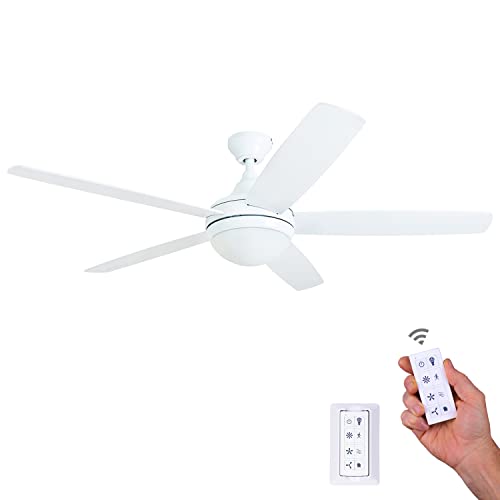
Best Quiet Ceiling Fan For Bedroom 2026 Ultimate Comfort Picks

Best Ceiling Fan For Master Bedroom 2026 With Ultimate Comfort

Best White Ceiling Fan With Light For Bedroom 2026 Top Picks

Best Quorum Medallion Ceiling Fan 2026 With Style & Breeze
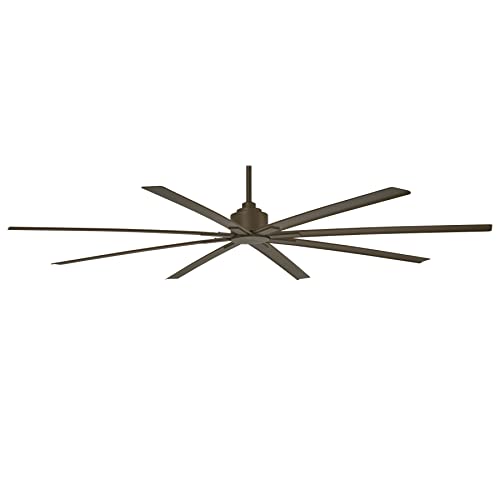
Best Outdoor Fan For Pergola 2026 Comfort Boost

Best Ceiling Fan For Great Room 2026 With Ultimate Comfort

Best Outdoor DC Ceiling Fans 2026 For Breezy Comfort
Best ceiling exhaust bath fan with light and heater 2026





