Best Bluetooth Exhaust Fan for Bathroom 2026 Picks

A steamy bathroom needs more than a speaker tucked into the ceiling. The best bluetooth exhaust fan for bathroom use should pull damp air toward a properly vented duct while keeping music, podcasts, or morning news clear enough to hear over running water. That balance is harder to achieve than glossy product photos suggest. A loud motor can bury spoken audio, while a weak fan may leave mirrors fogged and towels damp long after the shower ends.
Airflow capacity deserves attention before lighting colors, app controls, or speaker effects. A fan must suit the room size, duct layout, and amount of moisture produced during long, hot showers. Higher airflow can help in a larger bathroom, but advertised capacity won't tell the whole story if the duct is narrow, crushed, excessively long, or packed with sharp turns. Proper installation matters just as much as the number printed on the box, which is a bit of a nuisance but worth facing before money disappears into the ceiling.
Noise ratings also shape the daily experience. A quieter fan lets the built-in speaker sound cleaner at moderate volume, so there’s less temptation to crank music loud enough to wake the rest of the house. Still, an ultra-quiet motor isn't automatically better if moisture hangs around afterward. The practical sweet spot is effective ventilation with controlled sound, not silence at the expense of damp walls and peeling paint.
Bluetooth performance can vary with ceiling materials, room layout, and the distance from the connected phone. Reliable pairing, straightforward controls, and quick reconnection matter more than flashy audio claims. Most built-in speakers won't replace a dedicated home audio system, and they don't need to. Clear vocals, balanced volume, and stable playback are far more useful during a ten-minute shower than booming bass that rattles the grille.
Lighting features deserve a reality check too. An integrated LED can simplify the ceiling and reduce visual clutter, especially where the existing fan and light occupy separate fixtures. Adjustable brightness or color temperature may help with early mornings and late-night routines, but colored mood lighting can feel gimmicky after the novelty wears off. A dependable main light, a gentle night setting, and controls that don't require opening an app every time usually provide more lasting value.
Installation is where many promising models become frustrating. Housing dimensions, duct diameter, wiring needs, ceiling access, and switch compatibility should be checked before ordering. A replacement that fits the old opening can save drywall work, while a larger housing may require cutting, framing, or attic access. Hardwired electrical connections and new duct runs are better handled by a qualified professional when the existing setup doesn't match the instructions.
Humidity sensing can reduce the familiar problem of someone forgetting to run the fan. A well-designed sensor starts ventilation as moisture rises and continues long enough to help the room dry. Even so, sensors aren't magic. Placement, calibration, and ordinary bathroom humidity can affect how often the fan starts, so manual control remains useful when quick odor removal or extra drying time is needed.
The strongest choices keep the priorities in the right order: moisture removal first, quiet operation second, dependable audio third. Smart controls, app features, decorative lighting, and voice-assistant support can add convenience, but they shouldn't rescue a poor ventilation system. A simpler Bluetooth fan with suitable airflow and easy controls may feel better every day than a feature-packed model tied to a fussy app. That's the difference between a practical upgrade and a ceiling gadget that causes more head-scratching than enjoyment.

- LFR Score10.0
LFR Score is a ranking system developed by lightfansreviews.com. LFR Score has no relationship or impact from any manufacturers or sales agent websites. Learn more
- BrandHendlabb
- LFR Score8.6
LFR Score is a ranking system developed by lightfansreviews.com. LFR Score has no relationship or impact from any manufacturers or sales agent websites. Learn more
- BrandBroan-NuTone

- LFR Score8.6
LFR Score is a ranking system developed by lightfansreviews.com. LFR Score has no relationship or impact from any manufacturers or sales agent websites. Learn more
- BrandBSEED

- LFR Score8.6
LFR Score is a ranking system developed by lightfansreviews.com. LFR Score has no relationship or impact from any manufacturers or sales agent websites. Learn more
- BrandOREiN

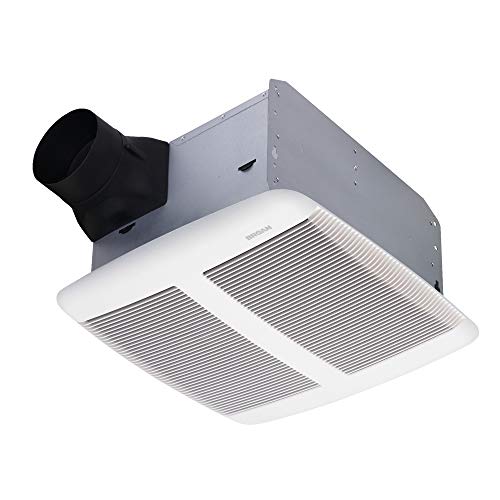
Broan-NuTone SPK110RGBL ChromaComfort Bathroom Exhaust Fan with Sensonic Bluetooth Speaker
View on Amazon- LFR Score8.4
LFR Score is a ranking system developed by lightfansreviews.com. LFR Score has no relationship or impact from any manufacturers or sales agent websites. Learn more
- BrandBroan-NuTone

- LFR Score8.2
LFR Score is a ranking system developed by lightfansreviews.com. LFR Score has no relationship or impact from any manufacturers or sales agent websites. Learn more
- BrandVIVOHOME

- LFR Score8.0
LFR Score is a ranking system developed by lightfansreviews.com. LFR Score has no relationship or impact from any manufacturers or sales agent websites. Learn more
- BrandFroceig

- LFR Score7.2
LFR Score is a ranking system developed by lightfansreviews.com. LFR Score has no relationship or impact from any manufacturers or sales agent websites. Learn more
- BrandOJX
Last update on 2026-07-28 / Affiliate links / Images, Product Titles, and Product Highlights from Amazon Product Advertising API
Hendlabb Bluetooth Bathroom Exhaust Fan
A hot shower can leave more behind than a little fog. Lingering humidity settles on mirrors, walls, towels, and painted surfaces, while a noisy ceiling fan can make the room sound like a workshop. The Hendlabb model approaches the best bluetooth exhaust fan for bathroom idea with a 190 CFM ventilation system, a built-in speaker, adjustable main lighting, and music-responsive RGB effects. It’s an ambitious mix, aimed at making moisture control feel less like a dull household chore.
Hendlabb Bluetooth Bathroom Fan
The basic proposition is straightforward: one ceiling fixture handles ventilation, audio, and lighting without filling the counter with portable speakers or adding another separate light. That consolidation makes sense in bathrooms where outlets are scarce, surfaces are already crowded, or a cleaner ceiling layout matters. Pairing a phone with the integrated Bluetooth speaker also keeps electronics away from splashes and damp countertops. Still, the appeal rests on whether each function remains practical after the novelty wears off.
Hendlabb lists the fan at 190 CFM, which places airflow at the heart of the design rather than treating ventilation as a token feature. Stronger airflow can be useful in a larger bathroom, a shared space, or a room where long showers regularly leave the mirror opaque. The fan is described as clearing steam quickly, though actual moisture removal will also depend on duct length, duct diameter, bends, exterior vent condition, and proper installation. A strong motor can’t fully compensate for cramped or obstructed ductwork, so the ceiling system still needs solid fundamentals.
The stated 1.0-sone noise level is another meaningful detail because sound affects both comfort and speaker clarity. A quieter exhaust motor is less likely to drown out podcasts, spoken audio, or softer music while water is running. Hendlabb also describes the sound level as roughly 30 dB, but room acoustics and installation quality can change what reaches the ear. Loose housings, rigid framing contact, or poorly secured ducting may add vibration that isn’t part of the motor specification.
The product’s broad feature set gives it a slightly playful personality, yet the practical side hasn’t been ignored. The main LED panel works independently of the music function and offers three selectable color temperatures. That separation matters because nobody wants to connect Bluetooth just to get ordinary bathroom lighting. Warm, neutral, and cool settings can support different routines without forcing the room into one fixed tone.
Bluetooth Sound Above The Shower
The integrated speaker is built for the familiar problem of water noise swallowing phone audio. Mounted overhead, the sound source sits closer to the center of the room and doesn’t have to fight through a closed cabinet door or bounce from a distant countertop. Hendlabb describes the playback as clear and strong enough to overcome shower noise, which should be more useful for casual listening than chasing deep bass. The sensible expectation is convenient ceiling audio, not the range or separation of a dedicated stereo setup.
Bluetooth pairing keeps the routine simple on paper: connect a smartphone, start music or a podcast, and leave the phone somewhere dry. That arrangement reduces clutter and removes the awkward habit of balancing a portable speaker near the sink. Wireless playback also lets different household members bring their own audio without learning a specialized control system. Connection stability, however, may vary with phone placement, ceiling materials, wall construction, and the distance between the bathroom and the device.
Speech-heavy content may reveal the real strength of this feature. Podcasts, audiobooks, weather updates, and news don’t require room-shaking low frequencies, but they do need clean vocals and enough volume to remain understandable. A reasonably quiet fan motor supports that goal by leaving more space for the speaker to be heard. Music with dense bass or wide stereo production may sound less impressive through a single ceiling speaker, and that’s a fair tradeoff for an all-in-one bathroom fixture.
The speaker also changes the feel of routine tasks that normally drag. Shaving, skin care, cleaning, or getting ready can feel less tedious with familiar audio overhead. Still, Bluetooth convenience isn’t the same as smart-home integration, and the supplied description doesn’t claim voice-assistant control or app-based scheduling. That restraint is worth noting because it keeps expectations anchored to the actual listed functions.
Music-Sync RGB Lighting
The seven-color RGB system is the feature most likely to split opinion. Its lights are described as automatically syncing with the beat of the music, creating movement rather than leaving a single color static. For an energetic morning shower, music-responsive lighting can add a lively visual layer that ordinary ventilation fans simply don’t offer. During quieter evening routines, the effect may create a softer atmosphere, depending on the music and selected lighting behavior.
That said, beat-synced color isn’t essential to bathroom performance. Some people will use it often, while others may enjoy it for a week and then return to plain white lighting. The feature makes the strongest case in a bathroom where atmosphere matters, especially if the room doubles as a place to unwind after work. In a strictly functional guest bath, the RGB effect may feel like extra complexity rather than a daily benefit.
The more practical lighting feature is the three-color main LED. Warm white can soften late-night routines, neutral white tends to feel balanced for general use, and cool daylight may provide a crisper look for grooming or makeup. Fixed color temperature is a common frustration in integrated fixtures because the wrong tone can make a bathroom feel harsh or dim. Selectable output gives the room more flexibility, even if the preferred setting rarely changes after installation.
Lighting preferences can also expose an overlooked tradeoff. A bright cool setting may help with detail work but feel uncomfortably clinical first thing in the morning. Warm light feels calmer, though it may distort how certain colors appear during grooming. The Hendlabb fan addresses that tension with adjustable color temperature rather than pretending one light tone suits every routine.
Ventilation Performance And Daily Comfort
A bathroom fan earns its keep by moving humid air out of the room, and the listed 190 CFM capacity gives this model a stronger ventilation profile than many compact fixtures. That airflow can help reduce mirror fog, shorten the time damp surfaces stay wet, and make the room feel less stuffy after back-to-back showers. The benefit is especially noticeable where towels struggle to dry or condensation collects on walls. Proper exterior venting remains essential because moving moist air into an attic or ceiling cavity simply shifts the problem out of sight.
The fan’s quietness supports longer run times without making the room irritating to use. People often switch off loud fans too early, leaving moisture behind because the mechanical hum becomes annoying. At a stated 1.0 sone, this unit is designed to be less intrusive while grooming, brushing teeth, or listening to the built-in speaker. A quieter sound profile won’t eliminate every installation noise, but it removes one common reason ventilation gets cut short.
Airflow claims should still be matched to the bathroom rather than treated as automatically better. A very small room may not need the same capacity as a large primary bathroom, and an oversized fan can create stronger air movement than expected. Meanwhile, a long duct run with several bends can reduce real-world performance below the listed figure. Duct compatibility, ceiling access, and exterior termination deserve just as much attention as the CFM number on the product page.
Maintenance will shape long-term results too. Dust and lint can collect around the grille, while bathroom humidity can leave residue on exposed surfaces. Periodic cleaning helps preserve air movement and speaker clarity, particularly in rooms where hairspray, powders, or aerosol products are used. The product description doesn’t specify a cleaning schedule, so routine inspection is a sensible way to judge when the grille needs attention.
Installation Fit And Electrical Safety
Hendlabb specifies an 11.22-inch by 11.22-inch ceiling cutout, which is a crucial measurement rather than a minor footnote. Replacing an older fan may require enlarging the opening, adjusting framing, or patching drywall if the existing housing differs significantly. Ceiling access can make the job easier, but not every bathroom sits below an open attic. Measuring before purchase can prevent the unpleasant surprise of discovering that a simple swap has become a remodeling project.
The fan connects to existing ductwork, yet “existing” doesn’t always mean compatible. Duct diameter, connection position, material, and routing must align with the new housing. Crushed flexible duct or a poorly placed elbow can choke ventilation performance, even when the motor itself is capable. A qualified installer can also verify that moist air exits outdoors rather than terminating in an enclosed roof or ceiling space.
The supplied description states that the power supply and motor are UL certified and include thermal overload protection. Those details address electrical safety and motor protection, which carry extra weight in a humid room. Thermal protection is intended to guard against overheating conditions, though it doesn’t replace correct wiring, proper circuit protection, or installation according to applicable codes. Hardwired ceiling work isn’t the place for guesswork, particularly where moisture and electricity share close quarters.
Installation planning should include control behavior as well. The description confirms independent main lighting, but it doesn’t fully outline every switch arrangement, wiring configuration, or control sequence. That missing detail doesn’t make the product unsuitable, yet it does mean the manual should be reviewed before cutting the ceiling. For a neutral look at a different ceiling-based air and light category, bedroom ceiling fans illustrate how fixture controls can vary widely even when products appear similar at first glance.
Strengths, Weaknesses, And Realistic Fit
The clearest strength is feature consolidation. Ventilation, a ceiling speaker, white lighting, and RGB effects occupy one fixture instead of several separate devices. That can reduce visual clutter and keep portable electronics away from wet surfaces. The design also gives a bathroom more personality without sacrificing the core job of removing humid air.
Another strength is the balance between high listed airflow and low listed noise. A 190 CFM motor paired with a 1.0-sone specification suggests that Hendlabb is trying to avoid the usual bargain where stronger ventilation brings an irritating mechanical roar. That pairing also benefits the Bluetooth speaker because quieter operation leaves speech and music easier to hear. Real results will still lean heavily on the duct system and quality of the installation.
The biggest weakness may be complexity. More functions mean more controls, more wiring considerations, and more features that may matter differently from one household to another. Someone interested only in moisture removal could end up paying for RGB effects and Bluetooth audio that rarely get used. Feature value depends on whether the speaker and lighting genuinely fit daily routines rather than merely sounding fun on a product page.
Audio expectations need restraint as well. A built-in ceiling speaker offers convenience and safer placement, but it may not satisfy anyone expecting deep bass, stereo separation, or detailed music reproduction. The RGB system also leans toward atmosphere rather than necessity, and beat synchronization may feel busy during calmer routines. Those aren’t fatal flaws, just reminders that ventilation remains the practical priority.
The Hendlabb fan makes the most sense where strong moisture removal, quieter operation, overhead audio, and adaptable lighting all solve real annoyances in the same room. Its 190 CFM rating, 1.0-sone specification, three white-light temperatures, seven-color music sync, and integrated Bluetooth speaker create a distinctive package. Installation demands careful measurement and proper ducting, while the speaker and RGB effects should be viewed as convenient extras rather than substitutes for dedicated audio or lighting systems. With those limits understood, the fixture offers a thoughtful blend of bathroom comfort, moisture control, and everyday entertainment.
Broan-NuTone SPK110 Bluetooth Ventilation Fan
Morning routines get old fast when the mirror stays clouded, the ceiling fan grumbles overhead, and a phone speaker strains to compete with running water. The Broan-NuTone SPK110 takes a more practical route to the best bluetooth exhaust fan for bathroom setup by pairing a 110 CFM ventilation fan with concealed dual Sensonic speakers. It keeps the room looking ordinary while adding stereo Bluetooth audio behind the grille, so there’s no loose speaker sitting near a wet counter. The idea isn’t flashy, and that restraint is part of its appeal.
Broan-NuTone SPK110 Fan
The SPK110 focuses on three daily jobs: moving humid air, keeping operating noise under control, and playing audio from common Bluetooth-enabled devices. Its 110 CFM airflow is specified for rooms up to 105 square feet, giving the fan a clear sizing reference instead of a vague promise about powerful ventilation. That capacity can suit many full bathrooms, though room dimensions are only one part of the picture. Duct length, bends, exterior vent condition, and installation quality will still influence how effectively steam leaves the room.
Broan-NuTone rates the motor for continuous operation at 1.0 sone, which supports a calmer sound profile than the rattling ceiling fans found in many older homes. Quiet operation matters for more than comfort because the integrated speakers don’t have to fight as much mechanical noise. Spoken podcasts, radio programs, and audiobooks benefit from that balance, particularly during a shower. The fan won’t be silent, but its listed sound level fits the product’s goal of combining ventilation with usable audio.
The grille hides dual high-fidelity Sensonic speakers, preserving a clean ceiling appearance without advertising that the fixture doubles as a sound source. That concealed layout keeps portable electronics away from splashes and clears clutter from shelves or vanity tops. Bluetooth playback also avoids running a separate audio cable through the ceiling. The tradeoff is that the speaker system is tied to the fan fixture, so replacing or servicing one integrated component may involve more effort than swapping a portable speaker.
The overall design feels deliberately grounded. There are no color-changing lights, app-driven scenes, or decorative effects listed in the supplied details. Instead, the SPK110 puts its attention on ventilation, stereo playback, and durable construction. That narrower feature set can be refreshing in a bathroom where dependable function matters more than turning every shower into a light show.
Bluetooth Audio Without Counter Clutter
The built-in sound system addresses a small but persistent annoyance: phone audio rarely carries well through water noise and hard bathroom surfaces. Placing two speakers above the room gives music and speech a more direct path than a handset resting near the sink. Broan-NuTone describes the audio as compatible with most Bluetooth-enabled devices, which keeps the setup familiar. Pairing behavior can still vary by device, distance, and nearby building materials, so expectations should remain sensible.
Stereo playback is a notable difference from bathroom fans that rely on a single small speaker. Two concealed drivers can create a broader presentation, even though their close placement behind one grille won’t mimic a widely separated home stereo system. The practical benefit is clearer, fuller everyday audio without adding visible equipment to the room. Podcasts and vocal-heavy music may benefit most because intelligibility matters more than deep low-frequency output in a reflective bathroom.
The fan’s 1.0-sone rating helps the speaker feature make sense. A built-in audio system loses much of its value if the exhaust motor howls over every sentence, and the SPK110 is designed to avoid that mismatch. Even so, shower spray, tile reflections, and closed doors can affect how the sound is perceived. Convenient listening is the realistic promise here, not the bass response or detail expected from dedicated room speakers.
Bluetooth also brings a behavioral advantage that’s easy to overlook. A phone can remain outside the immediate splash zone while controlling music, a podcast queue, or a morning news stream. That means fewer cords, fewer objects on the vanity, and less temptation to balance electronics on the edge of a tub. The wireless stereo setup won’t change how the bathroom functions, but it can make repetitive routines feel less tedious.
Ventilation For Everyday Moisture Control
The SPK110’s 110 CFM rating gives it enough listed capacity for bathrooms up to 105 square feet. That specification provides a useful boundary, yet it shouldn’t be treated as a guarantee that every room within that size will clear at the same pace. A short, properly sized duct can support good airflow, while a long route with several sharp turns may reduce performance. The exterior termination flap also needs to open freely, otherwise the motor works against unnecessary resistance.
Moisture removal matters beyond clearing a foggy mirror. Damp air can linger on painted walls, grout lines, towels, and ceiling surfaces after the shower ends. Consistent ventilation helps shorten that wet period, especially where the room lacks a large window or has limited natural airflow. The continuous-operation motor may also suit situations where steady air exchange is preferred, provided the installation and controls are configured appropriately.
A 1.0-sone motor makes longer run times easier to tolerate. Loud fans are often switched off the moment someone leaves the bathroom, even if humidity remains trapped in the room. A quieter fan reduces that urge, which can improve the practical value of the ventilation system. The key strength isn’t silence by itself, but low-noise airflow that people are less likely to interrupt.
The SPK110 doesn’t list a humidity sensor in the supplied description, so operation appears to depend on the chosen wall-control arrangement. That simplicity may suit anyone who prefers direct control without sensor calibration or automated cycling. On the other hand, the fan can’t remind a forgetful household to keep ventilation running after a long shower. Manual operation is straightforward, but it places more responsibility on daily habits.
Housing Durability And Installation Details
Bathrooms are rough on metal components because warm moisture repeatedly settles on nearby surfaces. Broan-NuTone uses a corrosion-resistant galvanized steel housing, a sensible material choice for a ceiling cavity exposed to humid air. The housing won’t eliminate every moisture concern, especially if a duct leaks or condensation forms above the ceiling. Still, corrosion resistance gives the internal structure better protection than untreated metal would offer.
The fan is designed to fit 2-inch by 8-inch ceiling construction and includes a spacer intended for easier I-joist mounting. Those details can simplify installation in compatible framing, particularly during renovation or new construction. Replacement jobs may still involve enlarging an opening, shifting ductwork, or dealing with limited access above the ceiling. “Easy installation” depends heavily on how closely the existing fan housing, wiring, and duct route match the new unit.
DIY-friendly language shouldn’t obscure the electrical work involved. A ceiling-mounted bathroom fan with integrated powered speakers needs proper wiring, secure connections, and installation that follows local requirements. The product is UL listed for installation over a bathtub or shower when connected to a GFCI-protected branch circuit. That condition matters, so the safety listing shouldn’t be separated from the required electrical protection.
The SPK110 is also identified as Type IC, allowing direct contact with thermal insulation. That rating can make ceiling installation less awkward where insulation surrounds the fan housing. It doesn’t remove the need to follow the manufacturer’s clearance, wiring, and duct instructions. A qualified installer remains the sensible route whenever framing access, circuit protection, or existing duct compatibility is uncertain.
Energy Use And Long-Term Practicality
The supplied specifications identify the SPK110 as ENERGY STAR certified. That certification fits a fan designed for continuous operation, where efficiency can matter more than it does for a fixture used only a few minutes each day. Energy performance doesn’t tell the full ownership story, though. Duct restriction, clogged grilles, and poor exterior venting can force even an efficient fan to work within a weak ventilation system.
Routine maintenance should be fairly familiar. Dust can collect on the grille and around air passages, gradually reducing airflow and making the fixture look tired. Speaker openings may also gather fine debris from powders, sprays, and ordinary household dust. Gentle, periodic cleaning helps preserve air movement and audio clarity without waiting for visible buildup to become severe.
The absence of an integrated light may be a limitation in bathrooms where one ceiling opening needs to handle every function. The SPK110 combines ventilation and sound, but the supplied details don’t describe a lighting component. A separate light fixture or existing bathroom lighting will therefore remain necessary. That narrower design may be preferable where the room already has good illumination and the real priorities are quiet ventilation and concealed stereo sound.
Ceiling fixtures can take different approaches to comfort, control, and room layout. A related example appears in low-profile bedroom ceiling fans, where limited overhead clearance shapes the product design more than moisture control does. The comparison is useful because both categories reward careful measurement before installation. Housing depth, framing position, and ceiling access can matter just as much as the visible grille or finished fixture.
Strengths And Tradeoffs In Daily Use
The strongest part of the SPK110 is its focused feature combination. It brings together 110 CFM ventilation, 1.0-sone operation, and dual Bluetooth speakers without adding decorative functions that may go unused. The grille keeps the audio hardware out of sight, which suits bathrooms with a plain, understated finish. Its specifications also provide clear guidance for room size, mounting construction, and safety conditions.
The dual-speaker arrangement gives this model an edge over single-speaker fan combinations. Stereo audio can sound more substantial, while the quieter motor helps preserve speech clarity during ordinary bathroom noise. The galvanized steel housing and Type IC classification add practical construction benefits behind the ceiling. Together, those elements make durability and everyday usability more important than visual novelty.
Its main weakness is the lack of broader convenience features in the provided description. There’s no listed humidity sensor, adjustable lighting, RGB system, or remote control. That can be a plus for simplicity, but it leaves fewer ways to tailor the fixture to different routines. Anyone needing a fan-light combination may also have to keep or install a separate ceiling light.
Installation remains another point that deserves respect. Compatible 2-inch by 8-inch construction and the included I-joist spacer may help, but an older fan opening won’t necessarily match the SPK110 housing. Electrical conditions must satisfy the GFCI requirement for tub or shower placement, and ductwork has to support the intended airflow. The best bluetooth exhaust fan for bathroom use is only as dependable as the path carrying humid air outdoors.
The Broan-NuTone SPK110 suits a bathroom where audio convenience should stay visually discreet and ventilation needs to remain the main event. Its 110 CFM rating, dual Sensonic speakers, corrosion-resistant housing, 1.0-sone motor, ENERGY STAR certification, and continuous-operation design form a balanced package. It won’t replace dedicated stereo equipment, and it doesn’t fold lighting into the same grille. What it does offer is quiet moisture control with concealed Bluetooth sound, delivered without piling on features that distract from the fixture’s core purpose.
BSEED Bluetooth Bathroom Exhaust Fan
Steam hanging over the vanity is annoying enough without a loud motor, a separate speaker, and three different controls competing for ceiling space. The BSEED unit tackles that clutter with a 230 CFM exhaust system, Bluetooth audio, adjustable lighting, and a temperature display in one fixture. That broad setup gives it a credible place among the best bluetooth exhaust fan for bathroom options, especially where long showers regularly leave the room damp. Still, this isn't a stripped-down fan, and its remote-only operation deserves just as much attention as the colorful feature list.
BSEED Bluetooth Bathroom Fan
BSEED describes this fixture as a four-in-one bathroom unit, and the label fits. Ventilation, a Bluetooth speaker, LED lighting, and a digital temperature display share one ceiling-mounted housing. Each function can operate independently or alongside the others, which keeps the fan useful even when music or decorative lighting isn't wanted. The main practical payoff is less ceiling clutter and fewer separate devices competing for outlets or wall space.
The stated 230 CFM airflow is the muscle behind the design. BSEED positions it for bathrooms measuring up to 200 square feet, so the unit is aimed at larger spaces rather than tiny powder rooms. Strong airflow can shorten the time steam remains visible and help damp towels, mirrors, and painted surfaces dry sooner. Real performance will still depend on duct size, routing, bends, and the condition of the exterior vent.
A listed operating level of 1.5 sones keeps the noise specification reasonable for a fan with this much stated airflow. It won't disappear completely into the background, yet it should avoid the harsh mechanical racket associated with many aging ventilation fans. That balance matters because the built-in speaker has less motor noise to compete against. A poorly secured housing or restrictive duct can still introduce vibration, so installation quality remains part of the sound equation.
The fixture also includes a digital temperature display, an unusual extra for this category. A quick glance can show whether the bathroom feels warm because of actual room temperature or simply because heavy humidity is making the air uncomfortable. The display doesn't replace a humidity sensor, and the supplied description doesn't claim automatic moisture-based operation. Even so, it adds useful information without requiring another device on the counter.
Airflow Built For Larger Bathrooms
A 230 CFM rating gives this fan a strong paper specification for clearing humid air. Large bathrooms often hold steam longer because air must travel farther before reaching the exhaust grille, particularly around enclosed showers or deep room layouts. The BSEED fan's high-capacity ventilation is meant to address that problem with faster air exchange. Proper ducting, though, is the difference between useful airflow and a strong motor pushing against resistance above the ceiling.
Duct length deserves a careful look before installation. Every sharp turn, crushed section, or undersized connection can reduce the air that actually reaches the outdoor vent. A straight, properly sized route gives the 230 CFM motor a better chance to perform near its intended level. Sending moist air into an attic or enclosed ceiling cavity isn't acceptable, either, because that merely relocates the condensation problem.
The 200-square-foot room guideline offers a useful reference, but square footage alone doesn't tell the whole story. Ceiling height, shower frequency, room shape, and how long the fan remains running all affect moisture control. A bathroom used for back-to-back hot showers asks more from ventilation than a similarly sized room with lighter use. The BSEED model brings substantial listed capacity, though realistic sizing still calls for attention to the complete room and duct system.
Strong ventilation can also create an overlooked tradeoff in a much smaller bathroom. More airflow isn't automatically better if the fan feels oversized for the space or pulls conditioned air out faster than necessary. This unit makes the most sense where persistent steam and slower drying are already familiar frustrations. A compact half bath with little moisture production probably doesn't need the full capability or feature load offered here.
Lighting That Changes With The Routine
The lighting system has more depth than a basic fan-and-light combination. Three selectable color temperatures are listed at 3000K, 4500K, and 6000K, covering warm, balanced, and cool illumination. Warm light can make late-night routines feel less jarring, while cooler light may provide a clearer view during shaving, makeup, or skin care. Stepless dimming adds another layer of control because brightness isn't limited to a few preset jumps.
A dedicated 200-lumen nightlight handles a different problem entirely. Bright overhead lighting can feel brutal during a midnight bathroom visit, especially after eyes have adjusted to a dark bedroom. The softer output offers enough guidance to move around without flooding the room with full brightness. That small detail may prove more useful over time than some of the decorative modes.
Seven-color RGB lighting brings the playful side of the fixture forward. Music Sync allows the lights to react to audio, while Ripple and Breathing modes create movement without relying on a static color. These settings can make a shower feel more energetic or help soften the mood at the end of the day. Still, dynamic RGB effects are a preference rather than a ventilation benefit, and some households may use them only occasionally.
The strongest lighting feature is flexibility, not spectacle. Ordinary white illumination remains available for daily grooming, the nightlight covers low-level navigation, and RGB modes add atmosphere when wanted. That separation keeps the fixture from forcing colorful effects into every routine. The three-layer lighting setup feels thoughtful because each mode addresses a different situation instead of repeating the same job.
Bluetooth Audio And Music Sync
The built-in Bluetooth speaker moves audio away from wet countertops and crowded shelves. Music, podcasts, or spoken programs can play overhead while the phone stays in a safer spot outside the immediate splash zone. BSEED also lists automatic reconnection, which can reduce the fiddling that makes wireless features feel tedious after the first week. Connection stability may still vary with the phone, distance, walls, and ceiling materials.
Bathroom acoustics are tricky, no two ways about it. Tile, glass, and hard painted surfaces reflect sound, while running water can mask quieter vocals. An overhead speaker has a positioning advantage because it sits closer to the center of the room, but it shouldn't be treated as a replacement for a dedicated audio system. The practical expectation is convenient, room-filling listening rather than deep bass or carefully separated stereo sound.
Music Sync links the audio and RGB systems, allowing the lights to respond to the beat. That feature can make an ordinary morning routine feel less sluggish, especially with upbeat playlists. Slower music may pair more naturally with Breathing or Ripple effects during an evening shower. The combination is fun, though audio clarity and connection reliability matter more over the long haul than how dramatically the lights react.
Podcasts may actually reveal the speaker's day-to-day value better than music does. Clear speech can make grooming, cleaning, or getting ready feel less monotonous without demanding powerful low frequencies. The fan's 1.5-sone specification should leave a workable sound window, although shower spray will remain part of the background. BSEED's speaker is best viewed as built-in convenience, not a hidden concert system.
Remote-Only Control Changes The Experience
The dedicated remote controls the fan, lighting, and speaker functions from one handheld device. That arrangement makes the fixture's many settings easier to manage than a row of specialized wall controls might be. Brightness, color temperature, RGB modes, ventilation, and audio access can all remain under one interface. The supplied description makes a critical point, however: the unit can only be controlled by the remote, not by a wall switch.
Remote-only operation is the product's clearest weakness. A misplaced controller can interrupt ordinary tasks, and a dead battery may temporarily block access to functions that a basic wall switch would handle instantly. Bathrooms also aren't kind to small handheld accessories because damp hands, crowded counters, and drawers full of toiletries make them easy to lose. A permanent storage spot near the doorway would be sensible, though that doesn't fully replace the instinctive convenience of a switch.
The remote may feel convenient for adjusting light modes from the tub or changing speaker behavior without reaching for a phone. It also provides direct access to settings that would be cumbersome on a simple toggle switch. Still, permanent dependence on one controller is a meaningful design tradeoff rather than a minor footnote. Anyone who strongly prefers conventional wall operation may struggle with this setup despite liking the fan's other features.
Control systems shape how ceiling fixtures feel long after installation. A neutral example appears in horizontal tower fans, where remote placement and button layout can matter almost as much as airflow. The same principle applies here because convenience fades quickly when a controller isn't within reach. BSEED offers many adjustable functions, but the remote needs to stay accessible for those options to remain practical.
Installation And Metal Construction
BSEED specifies an 11.22-inch by 11.22-inch ceiling opening, giving installers a clear cutout requirement before work begins. That measurement matters during replacement projects because an existing fan housing may be smaller, larger, or shaped differently. Enlarging a ceiling opening can be manageable, but reducing one may require framing or drywall repair. Measuring first can prevent a supposedly quick swap from turning into an afternoon of patching.
A spring-clip mounting system is intended to simplify placement. Spring clips can reduce some of the awkward fastening work involved with overhead fixtures, especially where ceiling access is limited. The rest of the job still includes duct connection, electrical wiring, and making sure the housing sits securely without vibration. Easy mounting hardware doesn't remove the need for careful installation or code-compliant electrical work.
The housing uses galvanized steel, a practical choice for a fixture living above a humid room. Rust resistance matters because repeated exposure to warm, moisture-laden air can be hard on untreated metal components. Galvanized construction won't compensate for duct leaks or condensation collecting above the ceiling, but it gives the housing a sturdier defensive layer. Periodic inspection remains worthwhile, particularly in bathrooms with frequent long showers.
The supplied details list UL and FCC certifications. Those certifications support the electrical and wireless sides of the product as described, but they don't make every installation automatically safe. Proper circuit protection, secure wiring, suitable ducting, and adherence to the manual still matter. A licensed professional is the safer route where the existing ceiling setup doesn't closely match the required opening, wiring, or ventilation path.
Daily Strengths And Practical Weaknesses
The strongest feature is functional consolidation. One ceiling unit replaces a separate exhaust fan, light fixture, Bluetooth speaker, and room-temperature display. That can make a crowded bathroom look cleaner while reducing the number of loose electronics near water. Independent operation also prevents the all-in-one format from forcing every feature to run at the same time.
Ventilation capacity is another obvious strength. The 230 CFM rating and stated suitability for spaces up to 200 square feet give the fan a large-room focus that many decorative speaker fans lack. A 1.5-sone noise specification keeps that airflow from being paired with an especially aggressive sound rating. The resulting combination targets strong moisture removal without a harsh mechanical presence.
Lighting flexibility adds genuine daily value. Three white color temperatures, stepless dimming, a nightlight, and decorative RGB modes cover practical grooming, low-light navigation, and occasional atmosphere. Yet all those choices also make the control experience more involved than a simple fan-light combination. The feature depth is useful only when the remote feels easy to manage rather than becoming one more object to keep track of.
The remote-only design is the most serious drawback because it affects every major function. A wall switch is familiar, fixed in place, and hard to misplace, while a handheld controller demands a small routine of its own. The product description is commendably direct about this limitation, so there shouldn't be any surprise after purchase. Still, control dependence could outweigh the lighting and audio advantages in a busy shared bathroom.
The BSEED fan suits a larger bathroom where lingering steam, limited ceiling space, plain lighting, and inconvenient portable speakers all need attention at once. Its 230 CFM airflow, 1.5-sone rating, adjustable white light, 200-lumen nightlight, RGB effects, Bluetooth speaker, temperature display, and galvanized steel housing form a broad feature set. Expectations should stay grounded because duct design influences airflow, a ceiling speaker has natural audio limits, and decorative lighting won't matter equally every day. The decision ultimately hinges on whether the convenience of one multifunction fixture outweighs the very real compromise of remote-only operation.
OREiN Bluetooth Bathroom Exhaust Fan
A bathroom can feel stuffy long after the water stops, especially when steam settles on the mirror and the old ceiling fan barely keeps up. OREiN answers that everyday headache with selectable ventilation, broad white-light control, Bluetooth audio, and mood lighting packed into one fixture. Those features place the unit firmly in the conversation around the best bluetooth exhaust fan for bathroom use, but its strongest advantage isn’t the colorful ceiling effect. The more meaningful benefit is having 110 or 160 CFM airflow available instead of being locked into one ventilation speed.
OREiN Bluetooth Bathroom Fan
OREiN combines ventilation, ceiling lighting, and wireless audio in a single housing. That setup can replace a plain exhaust fan, a separate speaker, and part of the room’s general lighting without crowding the vanity or adding another device near water. Each feature has a practical role rather than existing only for decoration. The fan handles moisture, the LED panel supports grooming, and the speaker gives podcasts or music a clearer overhead position.
The selectable airflow is a smart touch. A 110 CFM setting can handle lighter ventilation needs, while the 160 CFM setting offers more muscle for heavier steam or a larger bathroom. OREiN states that the unit is suitable for rooms up to 160 square feet, though actual clearing speed will depend on ceiling height, duct routing, bends, and exterior vent condition. A capable motor can move only as much air as the duct system allows, so cramped tubing can still put a cork in the bottle.
Noise is listed at 1.0 sone, which supports the fan’s multipurpose design. A loud motor would undermine the Bluetooth speaker and make longer run times irritating, so quieter operation matters here more than it might on a basic utility fan. The stated sound level suggests a controlled mechanical presence rather than a roaring ceiling box. Loose mounting, vibrating ductwork, or a poorly seated housing can still create extra noise that isn’t reflected in the motor rating.
The feature mix feels broad without being completely overstuffed. OREiN includes adjustable white lighting, RGB effects, a night light, Bluetooth playback, and remote control, yet the fan still keeps ventilation at the center. That distinction matters because decorative features can’t rescue weak moisture removal. Here, the dual airflow settings give the product a practical backbone beneath the more playful extras.
Two Airflow Settings Add Useful Flexibility
Most exhaust fans offer one fixed airflow level, so OREiN’s adjustable ventilation changes how the fixture can be used day to day. The lower setting may feel sufficient during a quick shower, ordinary grooming, or light odor removal. The higher setting can step in after a long, hot shower or during back-to-back bathroom use. That 110 and 160 CFM choice helps avoid running maximum airflow every single time.
Selectable airflow can also make the room feel less drafty during lighter use. Pulling air aggressively from a smaller bathroom isn’t always necessary, especially during colder months when heated indoor air is being exhausted outdoors. The lower setting offers a more measured response while the higher level remains available for stubborn humidity. It’s a small bit of control, but one that connects directly to daily comfort rather than novelty.
The stated coverage of up to 160 square feet gives this model a clear use range. Larger primary bathrooms, rooms with enclosed shower areas, and spaces that dry slowly may benefit most from the stronger setting. Still, square footage isn’t the only yardstick. A tall ceiling or long duct run can demand more from the fan than a compact room with a short, straight exhaust path.
Duct resistance deserves special attention because the unit supports both 6-inch and 4-inch duct connections. A wider duct can generally allow airflow to move with less restriction, while the included reducer makes the fan compatible with a 4-inch route. Using the smaller connection may be convenient during replacement work, though bends and long runs can still trim real-world performance. The motor rating and duct layout need to work as a team, plain and simple.
Bluetooth Sound Without A Wet Countertop
The integrated Bluetooth speaker removes the need to park a phone or portable speaker near the sink. Audio plays from the ceiling while the connected device stays farther from splashes, wet hands, and crowded toiletries. That placement also helps sound reach the shower more directly than a phone tucked behind bottles on the vanity. The wireless speaker is designed for convenience, not for replacing a dedicated home audio system.
Podcasts and spoken programs may be the sweet spot. Clear voices don’t need heavy bass, and the fan’s stated 1.0-sone operation leaves less motor noise for the speaker to overcome. Music can still add energy to a rushed morning or soften an evening routine, but bathroom tile and glass tend to create reflections. The realistic benefit is easy overhead listening, not studio-like detail.
Running water will remain part of the soundscape. A ceiling speaker can improve placement, yet it can’t make shower spray vanish or turn one fixture into a full stereo arrangement. Volume may need adjustment depending on where the shower sits in relation to the fan. That limitation is normal for the category and shouldn’t overshadow the convenience of removing loose electronics from damp surfaces.
The remote includes access to music-related functions, which makes the speaker easier to manage from the shower or tub area. That’s handy, though it also means the controller needs a sensible storage spot where it won’t disappear into a drawer. Remote convenience can quickly become remote dependence if the handset is misplaced. A wall-mounted holder near the entrance would make the routine feel more natural.
Bright White Light And Softer Night Use
The main LED delivers a listed 1500 lumens, giving the fixture enough brightness to serve as meaningful bathroom illumination rather than a faint accent. Grooming, shaving, cleaning, and makeup all benefit from broad overhead light that reaches across the room. Brightness alone doesn’t guarantee flattering illumination, though. Placement, wall color, mirror lighting, and ceiling height will shape how the output feels in practice.
Color temperature adjusts from 2700K to 6500K, covering warm, neutral, and cool white tones. Warm light can feel easier on tired eyes before bed, while cooler light may make detail work feel clearer in the morning. The broad adjustment range helps avoid the common frustration of being stuck with one overly yellow or sharply blue ceiling light. A household can settle on one favorite setting or shift it with the routine.
The built-in night light handles a different task. Full ceiling brightness can be jarring during a late trip to the bathroom, especially after waking in a dark room. Softer illumination provides enough orientation without blasting every reflective surface with bright light. That low-level nighttime setting may turn out to be more valuable than the decorative effects simply because it solves a recurring annoyance.
Lighting control also makes the fixture more adaptable across seasons. Dark winter mornings may call for brighter, cooler illumination, while a warm setting can feel less stark during slower evening routines. The unit’s range gives the room a bit of personality without requiring replacement bulbs or separate fixtures. Still, overhead light can create facial shadows, so dedicated mirror lighting may remain useful for detailed grooming.
RGB Effects Bring A Playful Side
Seven-color RGB lighting gives OREiN a more expressive personality than a standard fan-and-light combination. The colors can change the mood of the room, while Music Sync lets the effects respond to playing audio. An upbeat playlist paired with moving light can make a sleepy morning feel less sluggish. A calmer sound track may suit slower color changes during an evening shower.
The RGB feature is fun, but it isn’t essential. Some households will use it often, while others may try it a few times and return to ordinary white light. That’s the honest tradeoff with decorative modes. They add atmosphere and variety, yet ventilation and practical lighting will carry more weight after the novelty settles down.
Music Sync works best as an occasional mood feature rather than the main reason to buy the fan. The lights responding to audio can make the room feel lively, but the quality of the experience will depend on music style, brightness, and personal tolerance for movement overhead. Fast effects may feel energizing to one person and distracting to another. Having independent controls helps because the RGB system doesn’t need to run every time the speaker does.
The separation between white lighting, night illumination, and RGB effects gives the system better balance. Ordinary routines aren’t forced into colorful mode, and low-light navigation doesn’t require the main panel. That layered lighting design makes the feature set more useful than a single decorative strip tacked onto an exhaust fan. It allows practical light and atmosphere to coexist without pretending they serve the same purpose.
Remote Control Shapes Daily Use
The included remote controls airflow, white-light brightness, color temperature, RGB effects, the night light, and music mode. That range would be cumbersome on a row of wall switches, so a handheld controller makes sense from a feature-management standpoint. Adjustments can be made without leaving the bath or stepping out of the shower. The convenience is real, especially for fine-tuning light or switching fan speed mid-routine.
A remote also introduces a familiar headache: it can wander. Shared bathrooms, crowded counters, damp hands, and hurried mornings aren’t friendly to small controllers. If the remote is the main path to advanced functions, losing it can turn a flexible fixture into a frustrating one. The control experience will be much better with a fixed storage location within easy reach.
The supplied description doesn’t state that every feature can be managed from ordinary wall switches, so that behavior should be confirmed in the manual before installation. Wiring expectations matter because a multifunction ceiling unit may not operate like a basic fan-light combination. A related control issue also appears with portable air movers such as oscillating table fans, where remote access feels useful only while the controller remains easy to locate. The same everyday truth applies here, even though the products serve different rooms.
Remote access does offer one benefit that wall controls can’t match easily. Sitting in a tub while changing light warmth, dimming the main panel, or increasing airflow is more comfortable than getting up with wet feet. That flexibility fits the product’s relaxation angle without forcing the room into constant decorative mode. The tradeoff is simple: more control options require better controller habits.
Installation Demands Careful Measuring
OREiN calls for an 11.39-inch by 10.42-inch ceiling cutout, and those dimensions need to be verified before purchase. Existing fan openings vary widely, so replacement work may involve cutting drywall, adjusting framing, or patching gaps. A housing that looks close in product photos can still miss the opening by enough to create extra work. Measuring the actual ceiling cavity is far safer than assuming a standard fit.
The fan installs between ceiling joists with the included mounting bracket. Secure joist attachment can help limit vibration and keep the housing stable during operation. That matters for both motor noise and speaker performance because a loose fixture may buzz or transmit sound into the framing. The mounting bracket simplifies support, but ceiling access and joist spacing will still shape the difficulty of the job.
Compatibility with 6-inch and 4-inch ducts gives installers more options. OREiN includes a 6-inch to 4-inch reducer, allowing the housing to connect to narrower existing ductwork where appropriate. The description also notes that a replacement reducer can be requested if the included part is missing. Even with the adapter, duct condition and routing should be inspected rather than automatically reused.
Electrical wiring, duct sealing, and joist mounting all need to be handled correctly for the unit to perform as intended. A small air leak above the ceiling can reduce ventilation and deposit humid air where it doesn’t belong. Poor fastening may introduce vibration, while an undersized or crushed duct can choke the higher airflow setting. A qualified installer makes sense where the old opening, wiring, or duct path differs from the stated requirements.
Strengths, Weaknesses, And Everyday Fit
The clearest strength is adjustable performance. Choosing between 110 and 160 CFM gives the fan more flexibility than a fixed-speed model, especially where bathroom use changes throughout the day. The 1.0-sone specification also supports longer operation without pairing higher airflow with an aggressive sound rating. That combination speaks directly to moisture control and comfort rather than relying only on decorative appeal.
Lighting is another strong point. A 1500-lumen panel, wide 2700K to 6500K adjustment, RGB effects, and a separate night light cover several distinct needs. Daily grooming, soft nighttime navigation, and occasional mood lighting don’t have to share one fixed setting. The lighting range is broad enough to feel genuinely useful, though dedicated mirror lights may still provide better facial illumination.
Bluetooth audio adds convenience, but expectations need a steady hand. The speaker keeps electronics off wet surfaces and places sound overhead, yet it won’t behave like a full stereo system. Hard bathroom surfaces and running water will shape clarity and bass response. The feature makes the most sense for casual music, podcasts, and relaxing sounds rather than critical listening.
The remote is both a benefit and a weakness. It gives easy access to a long list of settings, but the fixture’s convenience drops if the controller is lost, damaged, or kept out of reach. Installation is another possible sticking point because the rectangular cutout, joist bracket, and duct arrangement must match the ceiling. Those are manageable issues, though they deserve attention before the old fan is removed.
OREiN’s fixture fits bathrooms where weak ventilation, rigid lighting, loose speakers, and nighttime glare all create separate little annoyances. The 110 and 160 CFM settings, 1.0-sone operation, adjustable 1500-lumen LED, seven-color RGB system, Bluetooth speaker, night light, and dual-duct compatibility form a thoughtful bundle. Its value drops in a tiny bathroom that needs only basic exhaust, and the remote may feel like needless complexity for anyone who prefers simple switches. In the right room, though, the blend of moisture control, adaptable light, and overhead audio feels practical rather than merely flashy.
Broan-NuTone ChromaComfort Bluetooth Fan
A steamy room can turn a peaceful shower into a race against fogged glass, damp walls, and a ceiling fan that sounds rougher than it should. Broan-NuTone takes a different route with a fixture that handles 110 CFM ventilation, adjustable LED color, and wireless audio from behind one understated grille. That combination gives the ChromaComfort a serious claim among the best bluetooth exhaust fan for bathroom choices for people who value atmosphere but still need dependable moisture removal. Its mobile app, battery-powered wall control, and roomside installation add convenience, although phone compatibility deserves a careful look before the old fan comes down.
Broan-NuTone ChromaComfort Fan
The SPK110RGBL combines three functions that often live in separate fixtures: bathroom ventilation, adjustable illumination, and Bluetooth sound. Keeping them together reduces ceiling clutter and avoids placing a portable speaker on a wet vanity. The white grille looks fairly restrained, so the technology stays out of sight until the light or speaker is switched on. That low-key appearance should suit bathrooms where a colorful gadget hanging overhead would feel out of place.
Airflow is rated at 110 CFM, giving the fan enough stated capacity for many ordinary full bathrooms. It isn’t positioned as a massive high-output model for sprawling rooms, but it offers more substance than a decorative speaker fixture with weak ventilation. Steam removal will still depend on duct diameter, total duct length, exterior termination, and how many bends sit between the housing and the outdoors. Even a capable fan can feel underwhelming if the air path is pinched or poorly sealed.
The motor operates at a listed 1.5 sones, which keeps noise within a moderate range while the fan is running. That matters because the Sensonic speaker shouldn’t have to compete with a harsh mechanical rumble. The product isn’t described as silent, and 1.5 sones will remain audible in a quiet room. Still, the sound specification fits a fixture designed to ventilate while music or spoken audio plays overhead.
The overall concept favors personalization without abandoning practical bathroom duties. A 24-color LED system handles mood, the speaker covers casual entertainment, and the fan deals with moisture. Each piece contributes something distinct rather than repeating the same function. The key question is whether the app-based controls and device compatibility fit the household using it.
Sensonic Audio Behind The Grille
The built-in Sensonic speaker gives music and speech a cleaner path into the room than a phone resting near the sink. Positioned overhead, the sound source sits away from splashes, damp hands, and crowded toiletries. Broan-NuTone describes the output as crisp and bold, though those words are best understood within the limits of a ceiling-mounted bathroom speaker. The feature is intended for convenient listening, not for replacing a dedicated stereo arrangement.
Podcasts, audiobooks, and talk radio may show the speaker’s practical side better than bass-heavy music. Spoken voices benefit from direct placement, and the 1.5-sone motor should leave enough room for dialogue to remain understandable. Running water and hard tile surfaces will still affect clarity. Bathrooms echo, plain and simple, so audio can sound livelier and less controlled than it would in a furnished bedroom.
Bluetooth removes cables from the equation and lets a compatible phone supply the audio. That means playlists can change without installing a separate media system or leaving electronics beside the tub. The wireless connection also makes the fixture easier for several household members to use with their own devices. Pairing range and stability may vary with walls, ceiling materials, and phone placement, so keeping the device reasonably close is the sensible approach.
The fan’s moderate noise rating supports the audio feature, but it doesn’t erase every competing sound. Shower spray, running faucets, and an open door can all influence the volume needed for comfortable listening. Turning the speaker up aggressively may create more reflection rather than better detail. The sweet spot is likely casual background audio that makes grooming or showering feel less routine.
Twenty-Four Colors Change The Mood
The LED system offers 24 selectable colors, giving the bathroom far more visual flexibility than a standard white fan light. Softer tones can make an evening bath feel calmer, while brighter colors may add energy to a rushed morning. The effect is decorative, yet it also lets the same room shift character without changing paint, fixtures, or bulbs. That kind of flexibility can be appealing in a bathroom shared by people with very different preferences.
Color choice is managed through the ChromaComfort system rather than a basic mechanical switch. Themes can be changed from the compatible mobile app, and the included wall control provides another route to daily operation. That setup allows the fixture to move beyond simple on-and-off behavior. At the same time, digital customization adds a layer of complexity that a plain fan-light combination doesn’t have.
The decorative lighting is best treated as an atmosphere feature rather than task lighting alone. Certain saturated colors may look striking during a shower but won’t help much with shaving, makeup, or judging clothing colors accurately. A bathroom still benefits from balanced white illumination around the mirror. The ChromaComfort light is most convincing when used to shape mood, while dedicated vanity lights handle precise grooming.
Twenty-four choices can sound excessive until different routines are considered. A dimmer, warmer-looking color may feel comfortable late at night, while a brighter theme can make the space feel more alert in the morning. Households with children may enjoy playful colors, and adults may prefer muted tones during a bath. The wide color selection is useful because it doesn’t assume one atmosphere suits every hour of the day.
App Control Adds Freedom And Friction
The ChromaComfort app lets users change themes, adjust the fan, and manage other fixture behavior from compatible Apple or Android devices. Phone control can feel natural for people who already use apps for lighting, audio, and household devices. It also allows adjustments without crowding the wall with several switches. The convenience is real, though it depends heavily on reliable app compatibility.
Broan-NuTone lists a factory-set PIN of 1234 for the connection process. That detail may make initial setup more straightforward, provided the instructions are followed carefully. A preset PIN is easy to remember, but the app workflow still introduces pairing steps that don’t exist with a basic fan. Anyone uncomfortable troubleshooting Bluetooth devices may prefer to lean on the wall control for ordinary operation.
The supplied information specifically states that the app is not compatible with the Samsung Galaxy S21 or Google Pixel 6. That limitation isn’t a minor technical footnote because it can affect access to customization features. Owners of those phones may still be able to use the wireless wall control and speaker functions in other ways, but the exact behavior should be confirmed in the product documentation. Checking phone compatibility before installation can prevent a frustrating mismatch between expectations and actual control options.
Mobile operating systems and app requirements can also change over time. The provided details confirm Apple and Android support in general, yet they don’t list every compatible model or software version. A fixture mounted in the ceiling may remain in place far longer than a phone, so long-term app dependence is worth considering. Physical control provides a useful backup when a device is replaced or an app behaves differently after an update.
Battery-Powered Wall Control
The included wall control runs on two AAA batteries, which aren’t included according to the supplied description. Battery power can simplify placement because the controller doesn’t need a dedicated low-voltage control wire. It offers a fixed control point that’s harder to misplace than a handheld remote. That balance helps the product avoid relying entirely on a smartphone for everyday use.
A wall-mounted controller also feels familiar during hurried routines. Reaching for a switch near the doorway is quicker than locating a phone, unlocking it, opening an app, and waiting for a connection. The unit can still offer advanced customization through the app while keeping basic control physically accessible. That combination of digital flexibility and fixed access is more practical than forcing every task through one interface.
Batteries introduce their own maintenance, of course. The control can stop responding when the cells run low, and replacements need to remain on hand. Bathroom humidity also makes secure mounting and sensible placement important, particularly if wet hands will frequently touch the control. A battery-powered switch is convenient, but it isn’t maintenance-free.
The wall control may prove to be the feature that keeps the system pleasant after the novelty settles down. Apps are handy for adjusting colors and settings, while a physical control handles ordinary morning use without fuss. The two approaches complement each other rather than fighting for the same role. That practical split gives the ChromaComfort a more usable control arrangement than a product managed solely by phone.
Ventilation And Noise Balance
The fan’s 110 CFM output should be considered alongside bathroom size and layout. A compact or medium full bathroom with a reasonable duct run may be a natural match. A very large primary bathroom, enclosed wet room, or space with an unusually long exhaust route may need a higher-capacity solution. Choosing airflow based only on colorful lighting would put the cart before the horse.
At 1.5 sones, the fan is quiet enough on paper to avoid dominating the room, yet audible enough that users may know it’s running. Some people prefer a small amount of fan sound for privacy, while others want the lowest possible noise. The ChromaComfort sits between those preferences rather than chasing near-silent operation. Its moderate sound profile also leaves room for the speaker without demanding an unusually powerful audio system.
Moisture control depends on runtime as much as airflow. Switching the fan off immediately after a shower can leave damp air trapped even if the motor is properly sized. A quieter unit may encourage longer use because the sound is less irritating during grooming or cleanup. The fixture doesn’t claim an automatic humidity sensor in the supplied information, so ventilation habits still matter.
Ductwork can make or break the experience. Crushed flexible duct, loose joints, sharp elbows, and a stuck exterior flap can reduce airflow and add noise. The fan housing should be connected to a clear outdoor route rather than venting into an attic or ceiling cavity. Proper air discharge protects the building just as much as it clears the mirror.
Roomside Installation Makes A Difference
Broan-NuTone uses an EZDUCT connector designed for roomside installation without attic access. That feature can be a major advantage in bathrooms beneath another floor or in homes where the ceiling cavity is difficult to reach. Working entirely from below may reduce disruption and spare installers from crawling through insulation. The process can still involve cutting, wiring, and duct adjustment, so “easy” remains relative to the existing setup.
The listed housing dimensions are 10 inches by 9.25 inches by 5.75 inches. Those measurements need to be checked against the current ceiling opening, joist spacing, and available depth. An older fan may have a smaller or differently shaped housing, turning replacement into more than a simple swap. Careful measuring before removal can save a patching job later.
Roomside access also helps with future service because the major components are approached from the bathroom rather than above the ceiling. That doesn’t guarantee every repair will be effortless, but it lowers one common barrier. In multifloor homes, no-attic installation can be the difference between a realistic project and a much larger renovation. The EZDUCT design is therefore more than a marketing detail for the right building layout.
Electrical and duct connections still need to be secure and code-compliant. Bluetooth electronics, lighting, a motor, and a wall control create a more involved system than a single-function fan. A qualified installer may be warranted where wiring is outdated, the duct route is uncertain, or the ceiling opening needs modification. Convenience at the housing doesn’t remove the need for careful work behind the grille.
Strengths That Stand Out
The most obvious strength is balanced multifunction design. The fan doesn’t merely bolt a speaker onto a weak ventilation unit; it supplies 110 CFM airflow while adding Sensonic audio and 24-color lighting. That makes the fixture useful even on days when nobody plays music or changes the theme. Ventilation remains the core job, and the extras build around it.
The control arrangement is another advantage. The mobile app handles deeper customization, while the battery-powered wall control offers a fixed point for regular operation. That division reduces dependence on a phone without stripping away personalization. Many multifunction products stumble by making simple tasks complicated, but the dual-control approach helps keep routine use manageable.
Roomside installation broadens the range of bathrooms where replacement may be practical. No attic access is required according to the supplied description, and the EZDUCT connector is intended to simplify the process. The rectangular housing dimensions still need verification, but the installation concept addresses a real remodeling obstacle. This is especially relevant in finished homes where opening the ceiling from above isn’t an option.
The ChromaComfort system also keeps visual clutter low. Its speaker and light sit behind a single white grille, leaving countertops and shelves free from extra equipment. A related ceiling-design perspective appears in boho ceiling fans with light, where visible style carries more weight than concealed bathroom technology. Here, the design priority is discretion, with color and sound appearing only when activated.
Weaknesses And Realistic Expectations
App compatibility is the clearest weakness. The listed lack of support for the Samsung Galaxy S21 and Google Pixel 6 proves that “Android compatible” doesn’t automatically mean every Android phone will work. Similar limitations could matter with other devices or future software changes, although no additional exclusions were provided. Anyone relying heavily on app control should treat phone compatibility as a purchase requirement, not an afterthought.
The 24-color lighting system may also be more elaborate than some bathrooms need. People who want simple white light and straightforward ventilation could end up paying attention to controls they rarely use. Saturated colors add mood, but they aren’t a substitute for accurate task lighting near a mirror. The value of the LED system depends on whether changing the room’s atmosphere is genuinely part of the routine.
Audio expectations should remain grounded. Sensonic speakers are concealed and convenient, but a bathroom grille can’t provide the same separation, bass extension, or placement flexibility as dedicated speakers. Tile reflections and shower noise will influence the result. The strongest use case is casual music and spoken audio, not critical listening.
The wall control needs batteries, and the app needs a compatible device, so neither control path is completely free of upkeep. Replacement cells are inexpensive, yet a dead controller can still be irritating on a busy morning. The factory PIN and app instructions add setup steps that basic exhaust fans avoid. More capability brings more moving parts, and that tradeoff shouldn’t be brushed aside.
The Broan-NuTone ChromaComfort fits a bathroom where moderate ventilation, concealed Bluetooth sound, and customizable atmosphere all have a real purpose. Its 110 CFM airflow, 1.5-sone motor, Sensonic speaker, 24-color LED system, app controls, battery-powered wall control, and roomside EZDUCT installation create a well-rounded package. The phone restrictions are significant, the speaker has natural acoustic limits, and the lighting may be excessive for a purely functional room. For a compatible household that values both moisture control and flexible ambience, the fixture offers a thoughtful mix without turning the ceiling into visual clutter.

Best Quiet Ceiling Fan For Bedroom 2026 Ultimate Comfort Picks

Best Ceiling Fan For Master Bedroom 2026 With Ultimate Comfort

Best White Ceiling Fan With Light For Bedroom 2026 Top Picks

Best Quorum Medallion Ceiling Fan 2026 With Style & Breeze
Best Outdoor Fan For Pergola 2026 Comfort Boost

Best Ceiling Fan For Great Room 2026 With Ultimate Comfort

Best Outdoor DC Ceiling Fans 2026 For Breezy Comfort
Best ceiling exhaust bath fan with light and heater 2026