9 Best Camera Setting For Low Light of 2026 For Grain-Free Video

The single setting that separates clean evening video from a muddy disaster is manual shutter speed control, which keeps the sensor from dragging frames to hunt for light. Left on auto, most webcams compensate for dim rooms by slowing the shutter down to a crawl and boosting digital gain into overdrive. That quick software shortcut triggers heavy visual noise, unnatural skin tones, and distracting motion blur whenever hands move. Instead of looking sharp and composed during late meetings or live streams, the picture ends up dark and stuttery, wasting valuable hours on failed software tweaks that cannot fix a lack of physical light.
Getting a crisp, broadcast-level picture in a dark room does not require a Hollywood studio, just a better balance between hardware exposure and illumination. Locking your camera to a steady frame rate and capping the internal gain stops digital artifacts before they start. From there, pairing your lens with a high-CRI dimmable light feeds the sensor enough clean photons to render lifelike skin tones without harsh facial glare. The options below combine the right gear and dialed-in adjustments to keep your video smooth, bright, and completely grain-free.

- LFR Score8.2
LFR Score is a ranking system developed by lightfansreviews.com. LFR Score has no relationship or impact from any manufacturers or sales agent websites. Learn more
- BrandGalyimage

- LFR Score9.5
LFR Score is a ranking system developed by lightfansreviews.com. LFR Score has no relationship or impact from any manufacturers or sales agent websites. Learn more
- BrandULANZI
- LFR Score7.4
LFR Score is a ranking system developed by lightfansreviews.com. LFR Score has no relationship or impact from any manufacturers or sales agent websites. Learn more
- BrandAngetube
- LFR Score7.1
LFR Score is a ranking system developed by lightfansreviews.com. LFR Score has no relationship or impact from any manufacturers or sales agent websites. Learn more
- BrandAnker

- LFR Score9.1
LFR Score is a ranking system developed by lightfansreviews.com. LFR Score has no relationship or impact from any manufacturers or sales agent websites. Learn more
- BrandEvershop

- LFR Score7.5
LFR Score is a ranking system developed by lightfansreviews.com. LFR Score has no relationship or impact from any manufacturers or sales agent websites. Learn more
- BrandWESECUU

- LFR Score7.9
LFR Score is a ranking system developed by lightfansreviews.com. LFR Score has no relationship or impact from any manufacturers or sales agent websites. Learn more
- BrandRaLeno
- LFR Score7.2
LFR Score is a ranking system developed by lightfansreviews.com. LFR Score has no relationship or impact from any manufacturers or sales agent websites. Learn more
- BrandULANZI Select

- LFR Score9.6
LFR Score is a ranking system developed by lightfansreviews.com. LFR Score has no relationship or impact from any manufacturers or sales agent websites. Learn more
- BrandInsta360
Last update on 2026-10-29 / Affiliate links / Images, Product Titles, and Product Highlights from Amazon Product Advertising API
Why does video stutter and look grainy in low light?
Auto-exposure algorithms drop shutter speeds and amplify digital gain when room illumination falls below threshold levels. Lowering the shutter speed introduces motion blur and frame lag during movement, while digital sensor gain boosts background visual noise and washes out natural skin tones. Hardware low-light correction, such as the feature built into the Anker PowerConf C200, adjusts exposure automatically, but camera sensors still require physical light photons to maintain smooth frame rates. Checking that ambient light reaches your face prevents your webcam software from compensating with aggressive gain.
What exposure settings stop video noise without causing blur?
Manually locking your camera shutter speed and reducing digital gain in your streaming software stops video noise without introducing blur. Setting a constant shutter speed prevents the camera from dropping frames in dim scenes, while capping gain forces the image processor to stay clean. When you lower the gain manually, you must add external light so the shot stays visible. If you record mobile outdoor footage at night, specialized setups like the best bike front lights supply forward illumination, but desktop streaming calls require dedicated diffuse fixtures placed right in front of you.
Can a dedicated ring light or mini LED panel replace software adjustments?
Yes, adding physical illumination solves the dark exposure problem at the source so software gain can stay turned down. Compact units like the Evershop 5-inch ring light clip directly onto laptop monitors to cast uniform light across your face during video calls. Standalone dimmable panels such as the ULANZI VL49 provide a CRI 95+ rating and an adjustable color range between 2500-9000K, which keeps skin tones accurate without forcing software filters to fake brightness. For remote workspaces outdoors, fixtures like the best awning lights for rvs light the surroundings, but an on-camera bi-color panel directly illuminates your subject.
How does sensor size affect low-light video performance?
Larger camera sensors physically collect more light per pixel, producing a cleaner image before any digital processing takes place. For example, the Insta360 Link 2C Pro features a 1/1.3-inch sensor with HDR and low-light optimization, which captures significantly more detail in dim conditions than compact standard webcam sensors. A larger physical surface area reduces the need for heavy digital gain amplification, keeping noise artifacts low. Verify your camera sensor dimensions in the product specifications if you frequently take calls in unlit or shaded workspaces.
What color temperature and CRI rating should you look for in a video light?
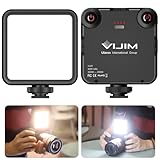
Look for a high color rendering index of CRI 95+ or CRI>95 and an adjustable color temperature range to match your room lighting. Portable panels like the RALENO LED Video Light feature CRI>95 with an adjustable 3200K-5600K range, and the VL-81 LED Video Light offers CRI95+ with a built-in softbox across that same 3200K-5600K span. These ratings ensure your face looks natural rather than sallow or overly cool on camera. Broader ranges like the 2500-9000K output on the ULANZI VL49 let you balance between warm interior lamps and cool daylight.
Should you choose a webcam with a built-in ring light or a standalone LED panel?
Built-in ring lights save desk space, while standalone panels provide more flexible positioning and battery power. Webcams like the Galyimage 4K Webcam and Angetube 4K Webcam integrate ring lights directly around the lens, which eliminates extra desktop cables and mounts for simple home office setups. Standalone lights like the RALENO LED Video Light offer a 4000mAh battery with Type-C USB power, while the VL-81 includes a 3000mAh rechargeable battery and cold shoe mounting. If you need portable angling or diffuse softer illumination, separate panels prevent direct facial glare better than fixed lens rings.


Best Lighting For Makeup 2026 Bright Ideas For Flawless Looks

Best Wall Sconces For Staircase 2026 Brighten Your Home
Best Lighting For Computer Desk 2026 For Focused Work

Best Boat Black Lights 2026 For Nighttime Adventure

Best Black 30 Inch Light Bar Reviews – Top Picks of 2026

Best Black Light For Aquarium 2026 For Vibrant Glow

Best Black Light for Authenticating Glass 2026 Top Picks
Best Waterproof Spotlight 2026 That Outshines Expectations