
Best Ceiling Fan For Living Room Wood Stove 2026

Best ceiling fan for living room wood stove setups has one job that sounds simple but gets tricky fast: move trapped heat without turning the room into a drafty mess. Wood heat loves to climb, sit near the ceiling, and leave the lower half of the room feeling cooler than it should. A well-chosen fan helps pull that warm layer back into the living space, so the stove feels less like a hot spot and more like steady comfort. That matters most in rooms with tall ceilings, open layouts, exposed beams, or one stubborn corner that never seems to catch up.
Air direction makes a bigger difference than many people expect. During cold months, the fan usually works best on a low reverse setting, nudging warm air down the walls instead of blasting air straight at the sofa. That gentle circulation keeps the room from feeling stale, and it can help reduce the urge to overfeed the stove just to warm distant seating areas. Still, the fan needs enough motor control to run slowly and quietly, because a loud wobbling fan over a cozy fire gets old in a hurry.
Blade size should match the room, not just the ceiling height. A wide living room often needs a larger span to move air evenly, while a smaller stove room can feel chilly if the fan pushes too much air at once. Wood blades or wood-look finishes also fit the visual mood nicely, especially around stone hearths, timber mantels, leather seating, and rustic shelving. But looks shouldn’t outrank balance, because a handsome fan that hums or shakes will ruin the calm pretty quickly.
Mounting height deserves a close look before buying. Low ceilings usually need a flush or low-profile design, while vaulted spaces may need a downrod to place the blades where air actually moves well. Too high, and the fan may stir heat near the ceiling without helping much below. Too low, and the airflow can feel pushy, especially beside a stove that already creates strong temperature shifts.
Remote control or wall control can feel like a small detail until the fire is going and the room starts changing temperature by the hour. Low speed after startup, a slight bump once the stove is hot, then back down later, that kind of adjustment feels normal in real life. A reversible motor is also non-negotiable for this setup, since summer airflow and winter heat circulation need different behavior. The best pick won’t just look good above the living room; it’ll quietly smooth out the weird warm-and-cool pockets that wood heat often creates.

- LFR Score9.4
LFR Score is a ranking system developed by lightfansreviews.com. LFR Score has no relationship or impact from any manufacturers or sales agent websites. Learn more
- BrandZronon

- LFR Score9.2
LFR Score is a ranking system developed by lightfansreviews.com. LFR Score has no relationship or impact from any manufacturers or sales agent websites. Learn more
- BrandBvenuBigLite

- LFR Score9.0
LFR Score is a ranking system developed by lightfansreviews.com. LFR Score has no relationship or impact from any manufacturers or sales agent websites. Learn more
- BrandIKTYUW

- LFR Score8.8
LFR Score is a ranking system developed by lightfansreviews.com. LFR Score has no relationship or impact from any manufacturers or sales agent websites. Learn more
- Brandaddlon

- LFR Score8.8
LFR Score is a ranking system developed by lightfansreviews.com. LFR Score has no relationship or impact from any manufacturers or sales agent websites. Learn more
- BrandZMISHIBO

- LFR Score8.8
LFR Score is a ranking system developed by lightfansreviews.com. LFR Score has no relationship or impact from any manufacturers or sales agent websites. Learn more
- BrandDepuley

- LFR Score8.6
LFR Score is a ranking system developed by lightfansreviews.com. LFR Score has no relationship or impact from any manufacturers or sales agent websites. Learn more
- BrandPellethead
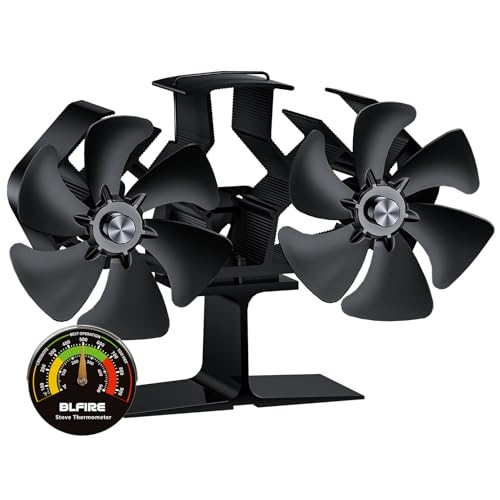
- LFR Score8.2
LFR Score is a ranking system developed by lightfansreviews.com. LFR Score has no relationship or impact from any manufacturers or sales agent websites. Learn more
- BrandBLFIRE
Last update on 2026-06-24 / Affiliate links / Images, Product Titles, and Product Highlights from Amazon Product Advertising API
Zronon 60 Inch Wood Ceiling Fan
A wood stove can make one side of a living room feel cozy while the far corner still feels like it missed the memo. That uneven warmth is exactly where the best ceiling fan for living room wood stove setups needs to earn its keep. The Zronon 60 Inch Wood Ceiling Fan aims for that balance with a wide blade span, solid wood blades, and reversible airflow that can help move warm ceiling air without turning the room into a chilly wind tunnel.
Zronon Wood Ceiling Fan
The first thing that gives this fan some character is its 100% natural solid wood blades. A lot of large ceiling fans use ABS blades, which can be practical outdoors, but they don’t bring the same warm texture that wood does above a stove-centered living room. The walnut finish has a rustic pull without looking too heavy, so it can sit over stone, brick, exposed beams, or a simpler modern room without shouting for attention. For a space already shaped by firelight and wood tones, that matters more than it sounds.
The 60-inch size also feels right for a living room that needs broad air movement rather than a small breeze in one spot. With three propeller-style blades, the design looks clean and open, not bulky or overly decorative. That’s useful in rooms where the stove already acts as the visual anchor. Still, this size won’t make sense in every room, because a compact living area with a low ceiling may feel overwhelmed by such a wide fan.
The no-light design is another practical detail. Many wood stove rooms already have lamps, sconces, or recessed lighting, so a fan light can feel unnecessary or even awkward. By skipping the light kit, the Zronon keeps the ceiling line calmer and avoids attracting flying insects around patios or semi-open areas. The tradeoff is simple: no built-in lighting means the room needs a separate lighting plan.
Warm Air Movement In Winter
The biggest reason this fan fits the keyword is its seasonal reversible airflow. In winter, warm air from a wood stove rises and parks itself near the ceiling, especially in rooms with vaulted ceilings or open layouts. A reversible ceiling fan can help nudge that warmth back into circulation instead of letting it sit overhead. Run slowly, it can make the room feel more even without creating that uncomfortable “fan blowing on the fire” feeling.
The fan’s DC motor is described as quiet and energy efficient, which matters in a living room where the goal is comfort, not constant background noise. A stove room often has its own rhythm: crackling wood, low conversation, maybe a book or a movie. A fan that hums too much can break that mood fast. The Zronon’s quiet DC motor is a useful match for that calmer setting, though actual sound will still depend on installation quality and ceiling stability.
Six speeds give more control than a basic pull-chain fan. That’s helpful because wood heat changes through the evening, starting slow, peaking once the stove is hot, then tapering down. A lower speed can keep air moving gently, while a higher setting can help after the room has developed obvious hot and cool pockets. The key is restraint, because slow circulation usually feels better around a wood stove than aggressive airflow.
Solid Wood Blades And Room Feel
The solid wood blades aren’t just about looks. The product description highlights a smooth natural surface and positions the blades as an alternative to industrial synthetic fan blades. That can appeal in a newly renovated room where materials are being chosen carefully, especially around children, older family members, or anyone sensitive to strong material odors. Still, natural wood blades also deserve thoughtful care, especially in damp outdoor spaces or changing seasonal humidity.
For living rooms with wood stoves, the walnut tone makes visual sense. It can echo stacked firewood, stained beams, darker flooring, or a mantel without making the ceiling feel crowded. The design leans farmhouse and modern at the same time, which is a nice middle ground if the room isn’t fully rustic. That said, wood finish matching can be tricky, so it may not blend as neatly with very pale Scandinavian rooms or glossy contemporary interiors.
The fan is also wet rated for indoor and outdoor use, which gives it a wider comfort zone than a basic indoor-only model. Patios, gazebos, and covered outdoor spaces are mentioned in the product details, so the build is aimed beyond a standard bedroom ceiling. In a living room, that added rating may feel like extra reassurance rather than a daily necessity. Separately, portable airflow around campsites is handled differently, and a related reference sits naturally in rechargeable camping fan for off-grid cooling and light.
Installation Flexibility And Ceiling Fit
Zronon includes three downrods: 5 inches, 10 inches, and 15 inches. That’s a useful setup because ceiling height changes how well a fan performs above a stove-heated room. Too close to the ceiling, the blades may not grab enough air; too low, the fan can feel visually heavy or physically intrusive. The included three downrod options make it easier to adjust the fan to low, medium, or higher ceilings.
Sloped ceiling support also matters more than people expect. Many wood stove living rooms have vaulted ceilings, cabins have angled rooflines, and larger great rooms often place the stove beneath a tall open ceiling. A fan that can handle a sloped ceiling gives more placement freedom, especially when the goal is to move trapped heat. The Zronon’s sloped ceiling compatibility makes it more suitable for those layouts than a flat-ceiling-only fan.
The product description says most functional parts are already assembled, which can make the install feel less intimidating. Still, ceiling fan installation is one of those jobs where confidence matters. Electrical connections, ceiling box support, blade balance, and downrod length all affect safety and performance. DIY-friendly or not, secure mounting should come first, because a 60-inch fan needs a proper ceiling setup.
Remote Control And Everyday Use
The remote control adds real convenience in a stove room. Nobody wants to get up every time the fire settles down or the ceiling heat starts building again. With six speeds and timer settings for 1, 4, and 8 hours, the fan can be adjusted around real living patterns instead of one fixed setting. That makes remote control operation more than a small luxury.
The timer feature is especially useful at night or during long winter evenings. A living room can stay warm after the stove has done its work, but airflow may not need to run all night. Setting a timer can keep circulation going during the hottest part of the burn cycle, then shut it off later. For anyone who dislikes fiddling with controls, simple timer settings can make the fan easier to live with.
The product description mentions light on/off functions, but this model is described as a ceiling fan without light. That detail may be tied to remote compatibility across fan versions, so buyers should read the specific listing carefully before assuming lighting features apply. For this no-light walnut model, the stronger selling point is air movement rather than illumination. That distinction matters because clear expectations prevent disappointment after installation.
Energy Use, Limits, And Best Fit
The energy-saving claims are bold, including A-class energy consumption and low electricity use over long operating hours. Since those figures come from the provided product description, they should be treated as brand-stated performance rather than independently verified results. The practical takeaway is that a DC motor ceiling fan is generally positioned for lower energy use than older AC motor designs. Around a wood stove, that efficiency matters because the fan may run for hours at low speed during cold weather.
The size and airflow potential make the Zronon a better match for larger living rooms, patios, gazebos, and open spaces than cramped rooms. A 60-inch fan can feel balanced over a broad seating area, especially where heat needs help traveling away from the stove. In a narrow room, though, it may feel oversized and visually dominant. The best fit is a room where wide air circulation is needed and the ceiling can support the scale.
The biggest limitation is the lack of integrated light, followed by the need for careful installation. Some people will prefer a fan with a built-in LED if the ceiling box is the main lighting point. Others will appreciate the cleaner look and fewer parts overhead. For a wood stove living room, the Zronon makes the most sense when quiet winter circulation, solid wood style, and broad coverage matter more than built-in lighting.
BvenuBigLite 72 Inch Ceiling Fan
Big rooms have a funny way of making heat feel uneven, especially once a wood stove gets rolling and the warm air drifts straight upward. A sofa near the stove can feel toasty while the far side of the living room still has that stubborn chill hanging around. That’s where the best ceiling fan for living room wood stove setup needs more than a pretty set of blades. The BvenuBigLite 72 Inch Ceiling Fan brings oversized coverage, reversible airflow, and built-in lighting into the conversation without pretending every room needs the same kind of breeze.
BvenuBigLite Ceiling Fan
The BvenuBigLite fan is built around a 72-inch blade span, and that size tells you right away what kind of room it wants. This isn’t a small den fan or a low-ceiling afterthought. It’s meant for larger spaces over 18 feet by 18 feet, where warm air has room to wander and settle in all the wrong places. In a living room with a wood stove, that wider sweep can help soften the hot-near-the-hearth, cool-near-the-wall problem.
The eight-blade layout gives the fan a stronger visual presence than a slim three-blade design. Some rooms can carry that look nicely, especially great rooms, covered porches, barns, workshops, or open-plan living areas with taller ceilings. In a smaller room, though, eight large blades may feel like too much ceiling furniture. Scale matters here, and this fan rewards the room that gives it breathing space.
The dual-finish blades add a practical style choice instead of locking the room into one look. One side has a classic black finish, while the other side offers a warmer wood grain tone. That’s handy if the room has mixed materials like black stove pipe, wood trim, stone, or darker furniture. The reversible blade finish makes the fan easier to match with the existing room rather than forcing a full design compromise.
Airflow That Fits Stove Heat
A wood stove creates comfort, sure, but it also creates layers. Warm air rises, hangs near the ceiling, and sometimes refuses to come back down unless airflow gently pulls the room together. The BvenuBigLite uses a reversible DC motor, which is the feature that makes it relevant for winter stove use. Reverse direction can help circulate warm air more evenly instead of blasting cold-feeling air straight downward.
The six-speed control gives more room to fine-tune the airflow. That matters because stove heat changes over time, from the slow first burn to the stronger heat after the firebox is fully active. A low setting may be enough once the room has warmed up, while a stronger setting may help in a large open space with tall ceilings. The best experience usually comes from controlled circulation, not from treating the fan like summer cooling in the middle of January.
The product description mentions quiet operation as low as 30dB, which points toward a fan designed for calmer spaces. A living room with a wood stove should feel peaceful, not like a shop fan is running overhead. Still, quiet performance depends on proper installation, balanced blades, and a solid ceiling box. Even a quiet motor can sound annoying if a large fan is mounted poorly.
The fan’s wide coverage may also reduce the need for several smaller fans in one large space. That’s especially useful in great rooms where one fan can handle the central air movement instead of cluttering the ceiling with multiple fixtures. But bigger doesn’t automatically mean better in every home. A 72-inch ceiling fan needs the right ceiling height and enough open floor area to feel natural.
Lighting And Smart Control Feel
The built-in light gives this model a different personality from no-light wood stove fans. Instead of leaving lighting to lamps or wall sconces, the BvenuBigLite includes a dimmable fixture with brightness adjustment from 10% to 100%. That can be useful in a living room that shifts from daytime activity to softer evening firelight. The dimmable light lets the room avoid that harsh overhead glare nobody wants beside a cozy stove.
Color temperature adjustment from 3000K to 6000K adds another layer of control. Warmer light can feel better in the evening, while cooler light may help in a garage, workshop, or game room where visibility matters more. In a wood stove living room, the warmer end will probably feel more natural with firelight and wood tones. Still, adjustable color temperature is useful because not every room plays the same role all day.
The remote and app controls make everyday use less fussy. Heat from a stove doesn’t stay fixed, so being able to adjust speed, light level, and settings without walking across the room has real value. The memory function also helps because the fan can return to the last light and fan settings instead of starting from scratch every time. That little detail can save some irritation during daily use.
The wall switch support adds a familiar backup for anyone who doesn’t want every ceiling fixture to depend on an app. That balance feels sensible. App control is convenient, but a basic wall switch still matters when guests are over or the remote goes missing under a cushion. A multi-control setup gives the fan a more livable feel.
Ceiling Fit And Installation Notes
The included 5-inch, 10-inch, and 24-inch downrods help this fan adapt to different ceiling heights. A living room with a wood stove often has either a tall ceiling, a vaulted shape, or an open floor plan where blade placement really affects circulation. Too close to the ceiling, and the fan may not move the warm layer well. Too low, and a large fan can feel visually heavy and physically awkward.
The fan supports vaulted ceilings up to 15 degrees, which helps in many sloped-ceiling rooms. That matters because stove-centered living rooms often show up in cabins, lodge-style homes, and great rooms with angled rooflines. A standard flat-ceiling fan may limit placement too much in those spaces. The sloped ceiling support makes the BvenuBigLite more flexible, though it won’t suit every steep pitch.
The product description says the fan can fit a range of ceiling heights, but the listed “12-32 inches” wording appears tied to downrod configuration rather than full ceiling height. That’s worth reading carefully before installation. Large fans need clearance, balance, and the right mounting box, especially with eight blades and a 72-inch sweep. The installation details deserve attention before anyone assumes this is a quick swap for a small old fan.
The motor also has built-in protection that stops it from running without blade load. That notice may surprise someone testing the fan before the blades are installed. In plain English, the DC motor needs the blades attached to operate correctly. This safety behavior is useful to know upfront because it can prevent confusion during setup.
Strengths, Tradeoffs, And Best Use Cases
The biggest strength is the combination of large-room airflow, lighting control, and reversible winter circulation. For a living room with a wood stove, that mix can help even out warmth while keeping the ceiling fixture useful year-round. Summer cooling, winter heat movement, and general room lighting all sit in one unit. That makes sense where the ceiling fan is expected to do more than stir air once in a while.
The main tradeoff is size. A 72-inch fan can look impressive in a big room, but it can overpower a modest living room fast. The eight-blade design also has more visual weight than cleaner propeller-style fans. If the stove room is cozy, low, or narrow, the large fan footprint may feel like too much overhead.
The covered outdoor rating expands its use to patios and porches, but the product notes say it should not be exposed directly to rain. That distinction matters. Covered outdoor use is not the same as open-sky weather exposure, and ignoring that can shorten the life of any fan. The covered patio limitation should be treated as a real boundary, not a minor footnote.
The warranty details in the provided information, up to five years on the motor and two years on the rest of the fan, add some reassurance without needing inflated claims. For a large fan with app control, lighting, and a DC motor, support can matter if setup questions pop up. Still, the fan’s real value depends on fit: a large room, proper ceiling structure, and a need for broad airflow. In that setting, the BvenuBigLite feels like a serious candidate for best ceiling fan for living room wood stove comfort with lighting included.
IKTYUW 52 Inch Wood Ceiling Fan
Some living rooms don’t need a monster-size fan to make wood heat behave better. They need steady air movement, a calmer ceiling profile, and lighting that doesn’t fight the glow from the stove. The best ceiling fan for living room wood stove setup often comes down to control, not brute force, and the IKTYUW 52 Inch Wood Ceiling Fan leans into that idea with solid wood blades, a dimmable LED light, wall control, remote control, and a quiet DC motor that suits daily home use without turning the room into a wind tunnel.
IKTYUW Wood Ceiling Fan
The IKTYUW fan has a more balanced footprint than oversized great-room fans. At 52 inches, it fits many living rooms where a 72-inch fan would look like it wandered in from a barn or commercial space. That size still gives enough presence to help with air circulation around a wood stove, especially in a standard living room with a central seating area. It feels less dramatic, sure, but that can be a good thing when the ceiling already has beams, lighting, or a visible stove pipe nearby.
The three-blade design keeps the look clean and slightly rustic without loading the ceiling with too much visual weight. Those walnut paulownia wood blades bring warmth to the room, and the curved shape gives the fan a softer profile than flat utility-style blades. Around a wood stove, that natural tone can sit nicely beside brick, black metal, stone, and stacked firewood. Still, anyone trying to match exact wood finishes should expect some variation, because real wood rarely behaves like a printed catalog swatch.
The product details describe paulownia wood with more than 20 years of growth, which gives the fan a natural-material angle that feels right in a stove room. The wood blade choice also separates it from many plastic-blade ceiling fans that can look too plain in a farmhouse or cabin-inspired space. That said, solid wood fan blades are still part of a mechanical product, so installation, balance, and ceiling support matter just as much as appearance. A pretty fan that wobbles is still a headache.
Airflow For Stove-Heated Rooms
Wood stove heat is cozy, but it’s not always polite. It rises fast, gathers overhead, and leaves the seating area cooler than expected unless the air gets gently mixed. The IKTYUW fan lists airflow up to 4847 CFM, based on the provided product details, which gives it enough muscle for a moderate living room without jumping straight into oversized-fan territory. That makes it a sensible candidate for rooms where heat pooling is annoying but ceiling space is limited.
The six-speed control helps because stove heat doesn’t stay the same from hour to hour. Early in the burn, a lower setting may be enough to keep air from sitting still. Later, once the stove is hot and the ceiling has trapped plenty of warmth, a middle setting may help smooth out the room. The key benefit is adjustable airflow, because one fixed speed would feel too blunt for a living room that changes with every log added.
The product also uses a quiet DC motor, which matters more than people admit. A wood stove room usually invites slower evenings, background conversation, and that soft crackle that gets buried under a noisy fan. The quiet motor design supports that kind of atmosphere better than a rough, buzzing ceiling fan. Of course, noise can still show up if the fan is mounted on a weak box or the blades aren’t balanced properly.
Reverse airflow is implied by the ceiling fan category and control setup, but the provided details focus more on speed, lighting, and motor behavior than winter reverse instructions. For a stove room, direction control is worth checking during setup because winter circulation works best when warm air is moved gently instead of pushed straight down too hard. A helpful side note for tricky setups belongs naturally in change ceiling fan direction because switch placement can affect how easily seasonal airflow is managed. That small detail can make the difference between useful warmth circulation and an annoying draft.
Light Control That Matches The Room
The 20W LED light gives this fan a practical edge over no-light models. A living room with a wood stove often needs flexible lighting because the mood changes from daytime chores to quiet evening heat. The IKTYUW light adjusts from 10% to 100% brightness, so it can provide brighter general light or settle into a softer glow. That range is useful if the ceiling fixture is part of the room’s main lighting plan.
The color temperature options also help shape the feel of the space. Warm 3000K lighting can sit more comfortably beside firelight, while 4000K gives a more neutral everyday look. The cooler 6000K setting may be better for tasks, cleaning, or brighter activity, though it can feel a little sharp in a cozy stove room. Having 3000K, 4000K, and 6000K gives more control than a fixed-color fan light.
The memory function is a small but useful convenience. Nobody wants to reset brightness and color tone every time the wall switch gets touched. The product details say the wall switch can remember preferred lighting settings, which makes daily use smoother. That kind of lighting memory matters in real homes because comfort is often about fewer tiny annoyances.
Controls That Feel Less Fussy
The dual control setup is one of the stronger practical points here. The fan can be managed by both remote and wall switch, which keeps it from becoming one of those “where did the remote go?” appliances. In a room warmed by a stove, speed adjustments can happen often enough that control access matters. The remote and wall switch combination feels more livable than relying on only one method.
The timer settings are simple: 30 minutes or 2 hours. That’s not an endless menu, and honestly, that may be a plus. A short timer can help after the fire has warmed the room, while the longer setting can keep air moving through an evening without leaving the fan running longer than needed. The timed shutdown feature works best for people who like comfort but don’t want another thing to babysit.
Six fan speeds also keep the fan from feeling all-or-nothing. A living room with a wood stove doesn’t always need strong airflow, especially once the room has settled into a comfortable temperature. Lower settings can help mix warm air quietly, while upper speeds can help during warmer months or in larger covered areas. The best use of this fan is probably low-speed circulation for winter and stronger airflow when cooling matters.
Installation Fit And Outdoor Limits
The included 5-inch, 10-inch, and 14-inch downrods give the fan some flexibility for different ceiling heights. That matters because blade height affects both comfort and airflow. Too high, and the fan may stir warm air near the ceiling without changing much near the sofa. Too low, and even a quiet fan can feel too present in the room.
The fan supports flat or sloped ceilings up to 8 degrees. That works for mild ceiling angles, but it’s not the same as broad vaulted-ceiling compatibility. Some stove rooms have steep cabin ceilings or dramatic rooflines, and those spaces may need a fan rated for a higher slope angle. The 8-degree slope limit is worth noting before assuming it will fit every farmhouse or lodge-style ceiling.
The product is described for bedrooms, patios, farmhouse spaces, and living rooms, but outdoor installation comes with a clear caution. It should avoid direct rain and is recommended for covered areas. That makes it better suited for a covered patio or protected porch than a fully exposed outdoor location. The covered-area requirement shouldn’t be brushed aside, especially with wood blades and an integrated light.
Installation is described as easy, with instructions and components included. That’s reassuring, but ceiling fans still need proper electrical handling and a secure fan-rated ceiling box. The fan’s three-blade wood construction may look simple, yet balance and support decide whether it feels smooth after installation. A careful setup will matter more than rushing the job just because the parts seem straightforward.
Strengths, Tradeoffs, And Real Fit
The IKTYUW fan’s main strength is its blend of moderate size, solid wood style, dimmable lighting, and easy control. It doesn’t try to dominate the room like a huge eight-blade fan, which makes it better for living rooms that need airflow help without a dramatic ceiling statement. The 52-inch span is familiar and practical, especially over a main seating area. Around a wood stove, that balance can feel just right.
The biggest tradeoff is that it may not be enough for a very large great room. A wide open space with tall ceilings, multiple seating zones, or a faraway stove corner may need a bigger fan or more strategic airflow planning. The listed 4847 CFM airflow is helpful for many rooms, but it shouldn’t be treated as a cure-all for every cold corner. Room shape, ceiling height, stove placement, and insulation still matter.
The lighting setup is another strength, though not everyone wants a fan with a central light. Some stove-centered rooms look better with lamps, wall sconces, or softer layered lighting. For those spaces, the integrated light may feel less necessary, even with dimming and color control. But in a living room that needs one fixture to handle both air movement and illumination, the 20W dimmable LED makes the fan more practical.
The after-sales support listed at 2 years gives the product a service angle without needing inflated promises. That can matter for a ceiling fan with multiple controls, a dimmable light, and a DC motor. The real appeal, though, is everyday comfort: easier speed changes, warmer air that doesn’t stay trapped overhead, and a wood-blade look that belongs near a stove. For a standard living room, the IKTYUW feels like a thoughtful pick for best ceiling fan for living room wood stove use, especially where style and control matter as much as raw size.
Addlon 52 Inch Wood Ceiling Fan
A stove-heated living room can feel oddly split, warm at shoulder height near the fire and cooler across the seating area where people actually settle in. That uneven comfort makes the best ceiling fan for living room wood stove more about gentle control than flashy airflow numbers. The addlon 52 Inch Wood Ceiling Fan brings a practical middle ground with carved wood blades, reversible air movement, dimmable lighting, and a quiet DC motor that suits rooms where comfort needs to feel steady, not forced.
Addlon Wood Ceiling Fan
The addlon fan feels like it was built for rooms that need warmth in both senses of the word. Its three carved wood blades give it a softer, more natural look than flat plastic blades, which helps around a wood stove, stone surround, brick hearth, or darker walnut furniture. The black walnut finish has enough contrast to look modern, but it doesn’t lose that farmhouse-friendly edge. That balance matters in a living room where the ceiling fan should support the room instead of stealing the whole show.
The 52-inch size is a sensible fit for many living rooms, bedrooms, patios, gazebos, and balconies. It won’t cover a huge great room the way a 72-inch fan might, but it also won’t look oversized in a regular space. That makes the 52-inch blade span useful for homes where the stove sits in a main gathering room rather than a wide open lodge-style layout. Scale can be the quiet difference between a fan that feels intentional and one that feels like it was chosen by guesswork.
The product details mention blades carved from natural wood and described as formaldehyde-free. That detail fits well in a room where people already care about natural materials, indoor comfort, and a calmer home environment. The solid wood blades are also described as firm and non-sagging after long use, which speaks to durability without needing made-up claims. Still, real wood construction deserves proper indoor humidity awareness and protection from direct outdoor rain.
The fan includes a light, which gives it more everyday usefulness than a no-light model. In a wood stove living room, overhead lighting can be tricky because harsh brightness can flatten the cozy mood fast. This model gives the room both air movement and adjustable illumination in one fixture. That can be helpful when the ceiling box is already the natural center point for the room.
Winter Circulation And Stove Comfort
Wood heat has a habit of rising quickly and camping out near the ceiling. The addlon’s reversible DC motor helps address that by improving air circulation across seasons, with winter warmth movement and summer cooling both covered in the provided details. Around a stove, the winter value comes from moving warm air gently instead of blasting people with a noticeable draft. Done right, the room feels less patchy and more settled.
The six speed levels give the fan enough range for changing stove behavior. Early in the burn, a light speed may be enough to keep air from sitting still. Later, when the room gets warmer and heat builds overhead, a stronger setting can help spread that comfort farther from the hearth. The real win is airflow control, because a wood stove room rarely needs the same fan speed all evening.
The fan offers comfortable wind, natural wind, and strong wind modes through its speed settings. That range sounds simple, but it matters when a room shifts from quiet winter lounging to warmer weather use. A low, steady setting can work better near a wood stove, while stronger airflow may suit patios or summer living rooms. The seasonal flexibility makes the fan useful beyond just cold nights.
Noise is another big piece of stove-room comfort. The product description says the running volume is as low as 35dB, using a soft comparison to quiet natural sounds. That figure comes from the provided product information, not independent testing, so it’s best treated as a brand-stated detail. Still, a quiet ceiling fan is a real advantage in rooms where crackling fire, conversation, and low evening light are part of the appeal.
Lighting That Does More Than Glow
The light system gives this fan more flexibility than basic on-off ceiling fixtures. Brightness adjusts from 10% to 100%, which helps a room move from practical use to softer evening comfort. A cozy night beside the stove doesn’t need the same light level as cleaning, reading, or helping with homework. That dimming range can keep the room from feeling washed out.
The three color temperature choices are also useful: 3000K, 4500K, and 6000K. Warm 3000K lighting will likely feel more natural near firelight, while 4500K can suit everyday activity without looking too cold. The 6000K setting may feel sharper, which can help in a patio, work area, or task-heavy space, though it may be less relaxing beside a stove. Having three light tones keeps the fan from being locked into one mood.
The fan and light can be turned on separately, which is a practical detail that often gets overlooked. Some evenings call for air movement without overhead light, especially after the stove has warmed the room and lamps are enough. Other times, the light may be useful even when the fan isn’t needed. That separate control gives the fixture a more livable daily rhythm.
The remote handles brightness, speed, timing, and power, and it can also be fixed to work like a wall switch. That helps prevent the classic missing-remote problem. A ceiling fan can have plenty of features, but they only matter if people use them without grumbling. The remote-as-wall-switch setup makes the addlon easier to manage in a busy room.
Controls, Timer, And Practical Details
The timer settings cover 1, 2, and 4 hours, which fits how a stove room often works. Heat builds, settles, and lingers after the strongest part of the burn has passed. A timer lets the fan keep moving air during that useful stretch without running longer than needed. That makes sleep shutdown handy for bedrooms too, not just living rooms.
The remote control setup also helps in rooms where the stove changes comfort levels throughout the evening. Nobody wants to keep walking across the room just to nudge the fan down one speed. With six levels available, small changes feel easier and more natural. That kind of fine adjustment is what makes a ceiling fan feel like part of the room instead of another chore.
The fan is listed for indoor and outdoor scenes, including patios and gazebos, but the direct-rain warning matters. Covered spaces are fair game based on the provided detail, while open exposure is not the right match. Wood blades, lighting components, and outdoor moisture need some common sense. The avoid direct rain note should be treated as a real boundary, not tiny print.
Rooms with lower ceilings also need careful fan selection, especially with lighting included below the motor housing. Ceiling height affects comfort, clearance, and how the fan feels visually once installed. For ceiling-height planning in tighter spaces, a related fit reference appears naturally in ceiling fans for 8 foot ceilings because blade placement can change the whole feel of a room. That matters even more when furniture, stove clearance, and sightlines already compete for space.
Strengths, Limits, And Room Fit
The strongest case for this fan is its mix of solid wood style, reversible airflow, dimmable light, and quiet operation. It doesn’t chase the oversized industrial look, and that makes it easier to place in a living room where the wood stove already provides a strong focal point. The carved blades add texture without making the ceiling feel overloaded. For many homes, that restraint is exactly the appeal.
The main limitation is coverage. A 52-inch fan can help a standard living room, bedroom, or covered patio, but a large vaulted great room may need more span or a different airflow plan. Stove placement also matters, since a fan centered far away from the heat source may not move warm air as effectively as hoped. The room size match should be taken seriously before choosing it for a very open layout.
The integrated light is both a strength and a possible mismatch. Homes that rely on ceiling lighting will appreciate the adjustable brightness and three color temperatures. Rooms that already use layered lamps and sconces may not need another light overhead, even if it dims nicely. The fan-light combination works best where one fixture needs to handle both comfort and practical illumination.
The warranty details in the provided description mention up to 120 months on the motor and 2 years on the rest of the fan. That adds reassurance for a product with a DC motor, lighting, and remote functions, though service experiences can vary. The addlon feels best suited to a living room that needs quiet, moderate airflow and a natural wood look rather than huge commercial-style coverage. For best ceiling fan for living room wood stove use, it makes the most sense where comfort, lighting control, and warm visual texture all matter at once.
ZMISHIBO 52 Inch Ceiling Fan
A stove room can feel calm one minute and oddly uneven the next, especially after warm air gathers above the seating area instead of settling where people actually sit. That’s the kind of everyday comfort problem a best ceiling fan for living room wood stove setup has to handle with patience, not brute force. The ZMISHIBO 52 Inch Ceiling Fan takes a more low-profile route, pairing a flush-mount body with app control, remote control, dimmable LED lighting, and reversible airflow for rooms where ceiling height, lighting, and steady warmth all matter at once.
ZMISHIBO Ceiling Fan
The ZMISHIBO fan has a 52-inch size, which puts it in a practical middle lane for living rooms, bedrooms, apartments, and kitchens. It’s not the giant fan meant to dominate a vaulted great room, and it’s not a tiny bedroom fan that struggles to move air across a shared space. That balance makes sense for a stove-warmed living room where air needs to move gently across the room without making the ceiling feel crowded. The flush-mount design also helps where a hanging downrod would feel awkward or too low.
The low-profile build is a big part of its personality. A living room with an 8-foot ceiling, apartment ceiling, or compact layout may not have much vertical space to spare. The flush mount ceiling fan design keeps the fixture closer to the ceiling, which can help preserve headroom while still adding air movement and light. The tradeoff is that very tall or vaulted rooms may need a downrod-style fan for better warm-air mixing.
The brown farmhouse look gives it a softer home-friendly feel than a plain white utility fan. That matters around a wood stove, where the room often already has wood tones, darker metal, stone, or cozy fabrics. The high-quality tough plywood mentioned in the details adds a grounded material note without pretending this is the same as carved solid wood. For style, brown fan blades can blend nicely with rustic shelves, wood flooring, or a mantel-heavy room.
Airflow For Wood Stove Rooms
Warm air from a stove has a habit of rising fast and hanging around the ceiling like it owns the place. The ZMISHIBO fan lists an average airflow of 3057 CFM, based on the provided product details, which suggests moderate room circulation rather than oversized commercial force. That’s often enough for smaller or medium living rooms where the goal is to reduce warm-and-cool pockets. It won’t replace smart stove placement or insulation, but it can help the room feel less lopsided.
The reversible blade feature is the most relevant winter detail. In colder months, reverse airflow can help move trapped warm air without pushing a direct chill onto the sofa. That makes year-round comfort more realistic, since the same fan can support cooling in summer and warmth circulation in winter. Around a wood stove, the slowest useful setting is usually the one that feels right.
The product details mention a quiet, high-RPM motor and strong airflow without noise. That matters because a stove room usually isn’t a place where people want mechanical hum fighting the sound of a fire or TV. A quiet DC motor can help the fan feel less intrusive during long evenings. Still, proper installation matters, because even a quiet motor can become annoying if the fan is mounted on a weak ceiling box.
The pure copper high-performance DC motor also gives the product a more efficiency-focused angle. Since the provided details describe it as energy efficient, the useful takeaway is that it’s designed for regular use without feeling like a heavy appliance overhead. A wood stove room may need the fan running for hours at low speed, so efficient operation is a meaningful strength. The fan should be treated as a comfort helper, not a miracle fix for every cold corner.
Lighting That Works With A Cozy Room
The built-in 20W LED light is rated at 2000LM in the provided description, giving the fan a serious lighting role as well as airflow. That can be handy in a living room where the ceiling fixture does more than decoration. A stove already adds glow and mood, but it doesn’t replace practical light for reading, cleaning, or evening tasks. The fan’s light helps fill that gap without needing a separate ceiling fixture.
The dimming range from 10% to 100% gives the room more flexibility. Full brightness may fit family activity, cooking-adjacent spaces, or general cleanup, while a lower setting can sit better beside a wood stove at night. The dimmable LED light makes the fan feel more useful across different routines. Nobody wants a cozy room ruined by a harsh overhead blast at the wrong time.
The stepless color temperature control from 3000K to 6500K gives even more room to tune the atmosphere. Warm white can feel better near firelight, while cooler white may help with tasks that need sharper visibility. The 3000K to 6500K range is wider than basic three-color fan lights, which gives this model a more adjustable feel. That said, cooler settings may feel too crisp in a room meant to feel relaxed.
The memory function is one of those small features that saves irritation. Once brightness and color temperature feel right, the fan can retain those settings instead of making the room start over each time. That’s especially useful in a living room where comfort depends on repeated little choices. A related fit reference for smaller ceiling spans can sit naturally in 44 inch ceiling fan discussions because room size can change whether a 52-inch model feels balanced or too broad.
App And Remote Control Feel
The app and remote control setup makes the ZMISHIBO feel more modern without making it overly complicated. Speed, brightness, color temperature, and likely routine adjustments become easier from the couch. That matters in a stove room because comfort shifts as the fire burns down or flares back up. The app and remote control pairing keeps those small changes from turning into a hassle.
The remote is useful for quick adjustments, while app control gives another option if the remote disappears. And yes, remotes disappear. They slip between cushions, land on side tables, or end up wherever nobody checked first. Having dual control access can make the fan less fussy in real daily use.
The light and fan combination also helps simplify a ceiling setup. Instead of needing one fixture for air movement and another for illumination, this model handles both in a compact body. That’s a good match for apartments or living rooms where ceiling space is limited. The built-in light kit adds practical value, though anyone who prefers lamp-only ambiance may not need it.
Flush Mount Fit And Room Limits
The flush-mount design is the feature that will either make this fan attractive or limit its fit. Lower ceilings benefit from a fan that stays close to the ceiling, especially in a living room where sightlines and clearance matter. The low profile housing can help the fixture feel less intrusive. In a tall room, though, the same close-to-ceiling design may not move warm air downward as effectively as a downrod fan.
Living rooms with wood stoves can vary wildly, from tight apartment spaces to wide open rooms with peaked ceilings. The ZMISHIBO seems better suited to standard-height rooms than dramatic vaulted spaces. Its average airflow and flush-mount build make sense where the fan sits near the main seating area. For a huge great room, larger blade span or a different mounting style may be more appropriate.
The product description mentions living rooms, bedrooms, kitchens, and apartments, which lines up with the fan’s overall size and profile. A kitchen near a stove-heated living area could also benefit from air mixing, especially in open layouts. Still, wood stove warmth depends heavily on room shape, ceiling height, and how far the fan sits from the heat source. The room layout should guide expectations more than the product name alone.
The support details mention 5-year motor support and 2-year support on other parts. That’s useful information for a fan with electronics, lighting, and app features. Remote and app-controlled fans are convenient, but they also include more parts than a simple pull-chain fan. The support coverage adds some reassurance without needing to stretch the product beyond the information provided.
Practical Strengths And Tradeoffs
The strongest argument for this fan is its mix of low-profile installation, dimmable light, reversible airflow, and app-friendly control. It fits the kind of room where comfort needs to be adjusted quietly throughout the day. Around a wood stove, that means soft circulation during winter and brighter airflow use during warmer months. It’s practical without looking too industrial.
The biggest tradeoff is that flush-mount fans aren’t always the strongest choice for moving warm air down from high ceilings. If the room has a tall peak, exposed rafters, or a big open second-story space, this fan may not reach the warm air layer as well as a downrod model. The 3057 CFM average airflow also suggests reasonable coverage, not oversized great-room power. That’s fine, as long as the room matches the fan.
The lighting system is a clear benefit for rooms that need a central light, but it may feel unnecessary in spaces built around lamps and stove glow. Some people prefer ceiling fans without lights because the profile looks cleaner. Others need one fixture to handle everything. The 20W LED light makes this fan more useful where overhead lighting is part of the plan.
The ZMISHIBO 52 Inch Ceiling Fan feels most convincing in standard living rooms, apartments, and compact stove-adjacent spaces where ceiling clearance matters. It brings enough control to handle shifting warmth without asking the room to accommodate a giant fan. The design has limits, but they’re easy to understand: not for direct outdoor exposure based on the provided details, not for huge vaulted rooms, and not for people who dislike integrated lighting. In the right room, it can be a sensible best ceiling fan for living room wood stove candidate with everyday comfort baked into the details.

Best Quiet Ceiling Fan For Bedroom 2026 Ultimate Comfort Picks

Best Ceiling Fan For Master Bedroom 2026 With Ultimate Comfort

Best White Ceiling Fan With Light For Bedroom 2026 Top Picks

Best Quorum Medallion Ceiling Fan 2026 With Style & Breeze
Best Outdoor Fan For Pergola 2026 Comfort Boost

Best Ceiling Fan For Great Room 2026 With Ultimate Comfort

Best Outdoor DC Ceiling Fans 2026 For Breezy Comfort
Best ceiling exhaust bath fan with light and heater 2026





