Best Ceiling Fan For Loft Cooling 2026 Picks

Best ceiling fan for loft cooling isn’t just about buying the biggest fan on the shelf and hoping the air moves. Loft spaces are tricky because warm air climbs, settles, and turns the upper level into a stuffy pocket while the lower space still feels uneven. A fan with the right blade span, motor strength, and mounting setup helps pull that trapped heat into motion instead of letting it sit overhead. That small shift can make the room feel calmer, fresher, and less like a greenhouse after lunch.
Ceiling height matters more in a loft than in a standard bedroom. A short downrod can leave the fan too close to the ceiling, where it mostly stirs air above your head instead of pushing it through the living zone. Too long, though, and the fan may feel visually heavy or awkward in the open space. The sweet spot usually comes from matching the downrod to the ceiling slope, room height, and the area where people actually sit, sleep, or work.
Airflow control also deserves a closer look because lofts rarely behave like box-shaped rooms. High CFM sounds tempting, and yes, stronger airflow helps in open layouts, but speed range matters just as much. A fan that jumps from barely moving to too breezy can feel annoying during quiet evenings or video calls. Smooth speed settings make it easier to nudge warm air around without papers fluttering, plants drying out, or lights swaying overhead.
Blade size should fit the open footprint, not just the square footage printed on a box. A 52-inch fan may work in a compact loft nook, while a wider 60-inch or larger model often feels more useful in open-plan rooms with high ceilings. Still, bigger doesn’t always mean better if the motor can’t support steady movement at lower speeds. A balanced fan with solid blades and a reliable DC motor usually feels more comfortable than a huge fan that wobbles or hums.
Reversible rotation is one of those quiet features that earns its keep year-round. During hot months, downward airflow helps skin feel cooler without cranking the air conditioner. During cooler months, reverse mode can gently push trapped warm air down from the ceiling, which is handy in lofts where heat collects upstairs like it owns the place. Used wisely, it helps smooth out temperature layers without making the room feel windy.
Noise level can make or break the whole setup. Lofts often combine sleeping, working, cooking, and relaxing in one shared space, so a motor buzz or blade tick gets old fast. DC motor fans tend to be quieter and more efficient than many older AC motor designs, though installation quality still matters. A sturdy ceiling box, correct blade balancing, and a proper downrod angle can keep the fan from turning into background irritation.
Lighting choices need the same practical eye. Some ceiling fans include bright LED kits, but lofts with tall ceilings may need layered lighting instead of one overhead source doing all the work. A dimmable light can be useful, especially if the fan sits over a living area or bed. Still, a no-light fan may look cleaner in industrial, rustic, or minimalist lofts where pendant lights and wall fixtures already handle the mood.
Style and scale shouldn’t be an afterthought because loft ceilings put the fan on display. Matte black, brushed nickel, wood-tone blades, or simple white finishes can either blend in or become part of the room’s architecture. Thick blades can feel grounded in large spaces, while slim profiles suit modern lofts with clean lines. The best pick feels intentional, not like a hardware-store compromise hanging in the middle of the room.

- LFR Score9.8
LFR Score is a ranking system developed by lightfansreviews.com. LFR Score has no relationship or impact from any manufacturers or sales agent websites. Learn more
- BrandAHAWILL

- LFR Score8.8
LFR Score is a ranking system developed by lightfansreviews.com. LFR Score has no relationship or impact from any manufacturers or sales agent websites. Learn more
- BrandDepuley

- LFR Score8.8
LFR Score is a ranking system developed by lightfansreviews.com. LFR Score has no relationship or impact from any manufacturers or sales agent websites. Learn more
- BrandBell+Howell
- LFR Score8.8
LFR Score is a ranking system developed by lightfansreviews.com. LFR Score has no relationship or impact from any manufacturers or sales agent websites. Learn more
- Brandaddlon

- LFR Score8.6
LFR Score is a ranking system developed by lightfansreviews.com. LFR Score has no relationship or impact from any manufacturers or sales agent websites. Learn more
- BrandOOWOLF

- LFR Score8.6
LFR Score is a ranking system developed by lightfansreviews.com. LFR Score has no relationship or impact from any manufacturers or sales agent websites. Learn more
- BrandOhniyou

- LFR Score8.6
LFR Score is a ranking system developed by lightfansreviews.com. LFR Score has no relationship or impact from any manufacturers or sales agent websites. Learn more
- BrandEonini

- LFR Score8.4
LFR Score is a ranking system developed by lightfansreviews.com. LFR Score has no relationship or impact from any manufacturers or sales agent websites. Learn more
- BrandAmico

- LFR Score8.4
LFR Score is a ranking system developed by lightfansreviews.com. LFR Score has no relationship or impact from any manufacturers or sales agent websites. Learn more
- BrandSCOOYEEES
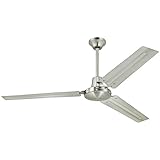
Westinghouse Lighting Westinghouse 7861400 Industrial 56-Inch Three Indoor Ceiling Fan,
View on Amazon- LFR Score8.4
LFR Score is a ranking system developed by lightfansreviews.com. LFR Score has no relationship or impact from any manufacturers or sales agent websites. Learn more
- BrandWestinghouse
Last update on 2026-06-24 / Affiliate links / Images, Product Titles, and Product Highlights from Amazon Product Advertising API
AHAWILL 23-Inch Outdoor Hanging Fan With Light
Heat has a sneaky way of collecting in high corners, covered patios, garage bays, and loft-like outdoor shelters, especially where air barely gets a chance to move. That’s where the best ceiling fan for loft cooling starts to feel less like a decorative fixture and more like a practical comfort tool. The AHAWILL 23-Inch Outdoor Hanging Fan With Light aims at that exact kind of stubborn air pocket, with a plug-in setup, adjustable airflow direction, and lighting built into one compact hanging unit.
AHAWILL Outdoor Hanging Fan
The first thing that stands out is the 23-inch fan size, which gives this model more reach than a tiny clip fan or a basic tabletop fan. It’s still not a full-size residential ceiling fan, so expectations need to stay grounded, but the wider blade diameter helps spread air across small to medium outdoor zones. For loft cooling, that matters because rising heat can sit overhead like a blanket. A smaller fan often creates a narrow breeze, while this design is built for broader air movement.
The 360-degree rotatable fixed angle is the feature that makes the fan feel more flexible than a standard hanging fan. Instead of pushing air straight down only, it can be angled toward a seating area, workbench, tent opening, or warm corner. That’s useful in loft-style spaces where the fan may not hang directly above the hottest spot. Locking the angle also keeps the airflow from drifting away after adjustment.
Setup is refreshingly simple because the plug-in installation avoids hardwiring. That’s a big plus for covered patios, garages, gazebos, camping tents, or temporary setups where permanent electrical work isn’t worth the hassle. The tradeoff, of course, is cord management. A plug-in fan needs a safe outlet path, and in open spaces, loose cords can look messy or become something to trip over.
The 2-in-1 hanging and standing design adds another layer of convenience. Hang it from a gazebo ceiling or tent pole, then move it to the floor when the breeze needs to come from a different direction. That kind of portability fits spaces that change from day to day. Still, as a standing fan, it may not deliver the same overhead circulation effect needed for serious loft heat buildup.
Airflow Control For Stuffy Upper Spaces
Loft cooling usually fails when airflow stays too local, and this fan tries to avoid that with six speed settings. A gentle setting can keep air from feeling dead during quiet evenings, while stronger speeds help clear out muggy corners after the sun has been beating down. The range gives more control than a simple on-and-off fan. Nobody wants a breeze that feels either too weak or annoyingly aggressive.
The wide-angle air supply makes the fan feel better suited for semi-open layouts than a narrow personal fan. In a covered patio or garage loft, air often needs nudging across uneven zones rather than blasting one chair. That’s where adjustable direction and speed control work together. The fan won’t replace a large central ceiling fan in a big vaulted room, but it can help tame smaller hot spots.
The reversible rotation adds real seasonal value, especially in spaces where warmth gathers overhead during cooler months. Forward rotation supports summer cooling, while reverse circulation helps move trapped warm air around instead of letting it sit unused above head level. That feature is practical, not flashy. It simply gives the fan a reason to stay installed after the hottest months pass.
The built-in timer function is handy for overnight use or casual outdoor evenings. It helps prevent the fan from running longer than needed, which is especially useful during camping or patio setups where people forget to switch things off. The timer also makes the fan feel more relaxed to use. Set it, settle in, and let the air keep moving without babysitting the controls.
Lighting That Fits Different Outdoor Moods
The integrated light gives the AHAWILL fan more purpose than airflow alone. With 3CCT adjustable lighting, it can shift between warm, neutral, and cool color temperatures depending on the moment. Warm light feels better for relaxed evenings, while cooler light makes more sense in a tool room or garage. That range helps the fan fit both comfort spaces and task-heavy spots.
Dimmable lighting also keeps the fan from feeling too harsh in close quarters. A bright overhead light can ruin the mood under a gazebo, yet weak lighting can make grilling, sorting tools, or cleaning up feel clumsy. The adjustable light output gives more control over that balance. It’s a small detail, but in outdoor living areas, small details often decide whether something gets used often or ignored.
The fan and light combination also saves space. Instead of hanging a separate light and placing a fan nearby, this unit handles both jobs from one location. That’s especially helpful where outlets, hooks, or ceiling points are limited. The combined fan-light design keeps the setup cleaner, though it also means one device carries two responsibilities.
There’s a practical limitation here: lighting placement depends on where the fan can safely hang or stand. In some layouts, the best airflow position may not be the best lighting position. That’s not a dealbreaker, but it’s worth thinking through before relying on this as the only light source. A separate lamp may still be useful for detailed work.
Where This Fan Makes The Most Sense
The AHAWILL fan seems most comfortable in covered outdoor and utility spaces rather than polished indoor living rooms. Gazebos, patios, camping tents, garages, and tool rooms all match the product’s plug-in, movable personality. It’s practical, a bit industrial, and not trying to pretend it’s a luxury chandelier fan. That honesty works in its favor.
For best ceiling fan for loft cooling situations, the fit depends on the size and shape of the space. A small lofted garage corner, work area, or covered mezzanine can benefit from directed airflow. A large open loft with tall ceilings may need a bigger permanent ceiling fan to move enough air. This AHAWILL model feels more like a targeted cooling helper than a whole-room powerhouse.
The outdoor-specific build gives it broader use across changing conditions, based on the provided product details. That doesn’t mean it should be treated carelessly in exposed weather, though. Covered placement still makes sense, especially around electrical cords and plug-in connections. Outdoor-friendly design should support practical use, not encourage risky installation.
A separate cooling reference belongs in a different lane, but it may still matter for smaller personal airflow needs around strollers or travel days, as noted in portable rechargeable fan options. That link doesn’t replace the AHAWILL’s ceiling-style circulation role. It simply points to a different kind of fan for close-range cooling.
Strengths, Tradeoffs, And Realistic Expectations
The strongest advantage is mobility. A traditional ceiling fan is locked into one location, while this plug-in model can move between a patio, garage, gazebo, and tent. That makes it easier to solve temporary heat problems without committing to wiring or permanent mounting. For rented spaces or seasonal setups, that flexibility carries a lot of weight.
The main tradeoff is that convenience comes with less permanence. A hardwired ceiling fan usually looks cleaner and may handle larger rooms more confidently. The AHAWILL fan, by contrast, depends on outlet access, hanging points, and safe cord routing. Easy setup is the win, while cable planning is the catch.
The reversible function, six speeds, timer, and adjustable lighting make the fan feel thoughtfully equipped. None of those features should be treated like magic fixes for a poorly ventilated loft, but together they give better control over comfort. Air direction, speed, and light tone can all be tuned to the situation. That’s exactly what awkward spaces need.
Noise expectations should stay realistic because the provided details don’t include measured sound levels. A fan used in quiet sleeping areas or echo-prone lofts may feel different than the same fan running outdoors. Proper placement can help reduce annoyance from vibration or swinging. Stable mounting matters just as much as the motor design.
Daily Use Feels Practical, Not Fussy
A fan like this earns its spot by being easy to move, easy to aim, and easy to live with. The angle-locking rotation means the breeze can be pointed where heat actually lingers instead of where the ceiling hook happens to sit. That sounds simple, but loft-style cooling often depends on simple adjustments. Air has to be guided, not just stirred.
The standing mode adds a nice backup plan for days when hanging isn’t convenient. A camping tent, open garage door, or patio gathering may need airflow at ground level rather than overhead. Switching modes keeps the fan useful in more than one routine. Still, the hanging mode is the better match for rising heat and overhead stuffiness.
The light settings make evening use more comfortable, especially in outdoor spaces that shift from daytime heat to nighttime hangout mode. Warm light keeps things relaxed, neutral light feels balanced, and cool light suits task areas better. The 3CCT lighting keeps the fan from being stuck in one mood. That flexibility makes it easier to leave installed for longer stretches.
For the keyword best ceiling fan for loft cooling, this model fits a specific slice of the category. It’s not the fan for a huge vaulted living room that needs permanent, whole-room circulation. It makes more sense for covered loft-adjacent spaces, garages, gazebos, patios, tents, and warm utility areas where directional airflow and plug-in convenience matter more than architectural polish. That’s a fair lane, and the AHAWILL stays in it pretty well.
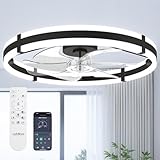
Depuley 19-Inch Flush Mount Ceiling Fan
A low ceiling can turn warm air into a stubborn little problem, especially in a loft-style room where heat drifts upward and refuses to leave quietly. The best ceiling fan for loft cooling needs to move air without stealing headroom, buzzing through the night, or making the room feel crowded. Depuley’s 19-inch flush mount fan leans into that tight-space challenge with an enclosed design, smart controls, adjustable LED lighting, and a quiet DC motor built for everyday comfort.
Depuley Flush Mount Fan
The Depuley Flush Mount Fan makes sense in rooms where a traditional downrod fan would feel awkward or flat-out impractical. Its 19-inch low-profile body sits close to the ceiling, which helps protect vertical clearance in bedrooms, kids rooms, and compact loft areas. That matters because loft cooling often happens in spaces already dealing with angled ceilings, bunk-like layouts, or furniture tucked under overhead fixtures. A bulky fan can solve airflow and create a new space problem at the same time.
The enclosed fandelier style gives this fan a safer, cleaner look than exposed blades. That’s especially useful in rooms where beds, shelves, or play areas sit close to the ceiling fixture. The bladeless-style enclosed design doesn’t mean there are no moving parts inside, but it does reduce the exposed-blade feel that can make small rooms look busier. Visually, the white finish keeps the fan from shouting for attention.
The fan’s compact size also sets realistic expectations. This isn’t the kind of ceiling fan meant to cool a giant open loft with cathedral-height ceilings and a wide living area below. Its strength sits in small-room circulation, close-range comfort, and low-profile placement. Used in the right space, that narrow focus can be a real advantage.
The flush mount format is the big selling point, but it’s also the main limitation. Airflow from a compact enclosed fan may feel more contained than airflow from a wider-blade ceiling fan. For a loft cooling setup, that means placement matters a lot. The fan works best where the heat pocket is near the ceiling fixture rather than far across an open room.
Quiet Airflow For Low-Ceiling Comfort
Depuley lists the fan’s operation at below 25dB, which points to a design aimed at sleep, study, and quiet evening routines. That’s a meaningful detail for a bedroom or kids room because fan noise can wear on the nerves fast. A low hum might be tolerable in a garage, but near a bed, even a small rattle can feel ten times louder. Quiet airflow is the difference between comfort and annoyance.
The DC motor also fits the purpose of a modern low-profile ceiling fan. DC motors are often used in fans that need smoother speed control and quieter operation, and this model pairs that motor with six wind speeds. That range gives more room to fine-tune the breeze instead of jumping from too soft to too pushy. In a loft-style sleeping area, that control can matter more than raw power.
The reversible airflow adds seasonal usefulness without making the fan feel complicated. Forward airflow helps with cooling during hot months, while reverse direction supports warm air circulation during colder weather. Loft spaces often trap warmer air near the ceiling, so gentle redistribution can make the room feel less uneven. It won’t replace heating or cooling equipment, but it can help the air behave better.
The enclosed build may soften the airflow compared with a wider open-blade fan. That’s not necessarily bad, though. A compact bedroom often needs steady air movement, not a gust that flips papers, dries eyes, or makes sleeping uncomfortable. Depuley’s setup feels aimed at controlled comfort rather than dramatic wind.
Lighting Controls Add Everyday Flexibility
The adjustable LED light is more than a bonus stuck onto the fan. With 0-100% dimming, the light can shift from soft nighttime brightness to a clearer setting for cleaning, reading, or getting dressed. That flexibility matters in loft rooms because a single fixture often has to do too much. Harsh ceiling light can make a small room feel tense, while dim lighting can make everyday tasks clumsy.
The color temperature range from 3000K to 6500K gives the fixture a wider personality. Warmer light feels better for winding down, while cooler light supports tasks that need sharper visibility. A loft bedroom or kids room may use both moods in the same day. Having both fan and lighting control in one ceiling unit cuts down on extra lamps and clutter.
The memory function is a small feature that can feel surprisingly helpful. Nobody wants to reset brightness, color temperature, fan direction, and speed every time the switch comes back on. The last-setting memory helps the fan feel less fussy in daily use. Small conveniences like that often decide whether a smart fixture feels helpful or just busy.
The remote and app control setup gives two ways to adjust comfort without standing under the fan. That’s handy in bedrooms, raised loft sleeping zones, or rooms where the switch isn’t close to the bed. The dual control design also gives a backup if the remote goes missing under a blanket. Still, app control may be less appealing for anyone who prefers simple physical buttons over phone-based settings.
Maintenance Feels More Practical Than Precious
The removable mesh cover is one of the more grounded details in the product description. Dust builds up quickly on ceiling fixtures, especially where airflow pulls fine particles toward the fan body. A removable cover makes cleaning less awkward than trying to wipe through tight vents with a cloth. That matters in small rooms where dust on lights and fans becomes visible fast.
Tool-free wiping keeps the fan from becoming a weekend chore. Ceiling fans often get ignored because cleaning them means ladders, awkward angles, and a face full of dust. This Depuley design sounds easier to maintain because the accessible surfaces are made to be wiped down. Simple upkeep is a quiet strength, especially in bedrooms and kids rooms.
The enclosed design also helps keep the fixture looking tidier from below. Open blades collect dust along the edges, and that buildup can look rough once sunlight catches it. A covered fan still needs cleaning, but the shape can hide less attractive dust patterns between maintenance sessions. That doesn’t remove the chore, but it makes the fixture feel less needy.
Maintenance expectations should stay realistic, though. A mesh cover can still trap lint, fine dust, and airborne residue over time. Rooms with pets, fabric-heavy bedding, or frequent window ventilation may need more frequent wiping. The easy-clean design helps, but it doesn’t make the fan maintenance-free.
Best Fit, Weak Spots, And Use Cases
The best fit is a compact room where headroom, quiet operation, and lighting control matter as much as airflow. Bedrooms, kids rooms, small loft sleeping spaces, and low-ceiling areas line up well with the fan’s design. It’s not trying to be a giant statement fan. It’s trying to make a smaller room more comfortable without hanging low or sounding busy.
The biggest weak spot is scale. A 19-inch enclosed fan can support localized air circulation, but it shouldn’t be expected to cool a large open loft by itself. Big lofts usually need larger blade spans, stronger whole-room airflow, or multiple circulation points. This fan belongs in the small-to-medium comfort lane, not the warehouse-loft lane.
The timer options, listed as 1H and 2H, also fit bedtime routines nicely. A short timer keeps airflow going while the room settles, then shuts things down without leaving the fan running all night. That’s useful for people who like a breeze while falling asleep but wake up chilled later. The timer function adds comfort without overcomplicating the controls.
The warranty and return support mentioned in the product details add reassurance, though those terms should always be checked directly before purchase because policies can vary by seller and timing. The listed lifetime warranty, 30-day return policy, and anti-afterglow controller support suggest the brand expects questions after installation. That matters with fan-light combos because lighting behavior, app setup, and remote functions can be more complex than a plain ceiling fixture.
How It Handles Loft Cooling Expectations
The phrase best ceiling fan for loft cooling can mean very different things depending on the room. In a big loft with tall ceilings, a compact flush mount fan may not move enough air across the full space. In a smaller loft bedroom or low-ceiling nook, though, this Depuley model starts to make more sense. Its job is comfort close to the ceiling, not brute-force air movement across a huge open floor plan.
The fan’s quiet motor, enclosed blades, and dimmable lighting make it feel more bedroom-friendly than garage-style powerful. That’s a useful distinction. Some fans move plenty of air but feel too loud, too industrial, or too visually heavy for a room meant for sleep. The low-profile enclosed build keeps the comfort practical and the look softer.
Smart control adds polish, but the core value still comes from basic daily comfort. Adjust the speed, soften the light, set a timer, and let the memory function bring back the same setup next time. That rhythm feels natural after a while. The remote and app controls matter because they reduce the little annoyances that make ceiling fixtures feel dated.
Depuley’s 19-inch flush mount fan is a sensible pick for tight overhead spaces that need quiet air movement and adjustable light in one fixture. It’s less convincing for large loft cooling where serious airflow coverage is the main goal. Used in a bedroom loft, kids room, or compact low-ceiling space, though, the mix of quiet performance, reversible airflow, smart control, and easy cleaning gives it a clear place.
Bell+Howell Socket Breeze Fan Light
Small rooms can get weirdly warm even when the rest of the place feels fine, and a loft corner makes that problem even more obvious. Heat climbs, the ceiling socket sits unused except for lighting, and a bulky fan may not fit without making the room feel cramped. The Bell+Howell Socket Breeze Fan Light takes a different route for best ceiling fan for loft cooling, using a screw-in socket design that blends air circulation and bright overhead lighting in one compact fixture.
Bell+Howell Socket Breeze
The Bell+Howell Socket Breeze is built around a very simple idea: use the light socket that’s already there. Instead of dealing with brackets, downrods, wiring, or a permanent ceiling fan install, this model screws into a standard E26 socket like a regular bulb. That makes it especially interesting for tight rooms, rentals, older homes, and loft spaces where ceiling work feels like a headache. It’s not a full-size ceiling fan, and honestly, it shouldn’t be judged like one.
The 15.4-inch blade span keeps the fan compact enough for low ceilings and smaller rooms. That size helps it avoid the heavy visual footprint of a traditional fan, especially in a bedroom, kitchen, living room nook, or loft sleeping area. The low-profile design also makes sense where headroom is already limited. Still, the smaller size means airflow coverage will be more local than room-wide.
The fan weighs about 1 pound and 4 ounces, based on the provided details, which supports the idea of easy handling. A lighter screw-in fixture is less intimidating to install and remove than a fixed ceiling fan. The included socket extender adds a bit more flexibility if the existing socket is recessed or awkwardly placed. That little part can matter more than expected in older ceiling fixtures.
The biggest strength is installation convenience. No hardwiring. No separate fan stand. No cord trailing across the floor. For a space that needs fast air movement without a renovation project, that’s the whole pitch in a nutshell.
Airflow That Suits Tight Cooling Zones
The Socket Breeze uses five fan speeds, which gives more adjustment than a basic single-speed screw-in fan. That matters because small loft rooms can go from stale to too breezy pretty quickly. A lower speed can keep air from feeling dead near the ceiling, while higher settings are better for cooking heat, afternoon sun, or stuffy sleeping areas. Flexibility is the point here, not brute force.
The product fits the best ceiling fan for loft cooling conversation in a specific way. It’s useful where the loft area is compact, the ceiling is low, and the existing fixture sits near the heat pocket. In a wide open loft with high ceilings, this small socket fan won’t replace a larger ceiling fan with long blades. In a small overhead zone, though, it can make trapped air feel less stubborn.
The remote control keeps operation easy from across the room. The fan button cycles through the five power settings, while the off button shuts down both fan and light. That sounds basic, but it’s practical when the fan is installed over a bed, small kitchen table, or raised loft area. Remote control access saves the awkward reach for a pull chain that doesn’t exist.
Airflow expectations need to stay fair. This fan is small, socket-powered, and designed for convenience more than heavy-duty circulation. It can help move warm air around a close zone, but it won’t push air across a large vaulted room. The compact airflow pattern is best treated as personal room comfort rather than whole-home cooling.
Lighting Built Into The Same Socket
The built-in LED light is one of the most practical parts of the Socket Breeze. It gives the fixture two jobs from one socket, which is useful where there’s no room for both a ceiling fan and a separate light. The product description lists 1,000 lumens, so the light is meant to handle real overhead illumination rather than soft accent glow. That can help in kitchens, bedrooms, closets, and small living zones that feel dim with a weaker bulb.
The listed 5,000K cool light creates a brighter, more alert feel than warm yellow lighting. That can be helpful for task-heavy spaces like a kitchen or work corner, where clearer visibility matters. In a bedroom, though, cool light may feel a little sharp at night. That’s a tradeoff worth noting because light color affects the whole mood of a small room.
The remote cycles the light through low, medium, high, and off settings. That gives some control over brightness without needing a wall dimmer. A small loft space often needs different light levels through the day, especially if it doubles as a sleeping area and work spot. Adjustable brightness makes the fixture easier to live with than a fixed-output bulb.
The fan-light combination also reduces clutter. There’s no floor fan to kick around, no tabletop fan stealing counter space, and no extra lamp fighting for an outlet. For tight interiors, that’s a real advantage. Ceiling socket use turns an ordinary light point into a more useful comfort source.
Everyday Use Feels Simple And Slightly Clever
The screw-in format gives this fan a plug-and-play feel without actually using a plug. Twist it into place, use the remote, and the room gets both light and air from the same spot. That simplicity makes it feel handy for temporary cooling needs. The wireless setup is especially nice where cords would look messy or create a tripping risk.
The remote mount is a small but useful detail. A tiny remote tends to disappear into couch cushions, junk drawers, and nightstands. Mounting it on a vertical surface helps keep controls where they belong. Simple storage can make the difference between a convenient gadget and one that becomes annoying after a week.
The included socket extender adds another practical wrinkle. Some ceiling fixtures are recessed enough that a fan body can sit too close to the fixture housing. The extender can help lower the fan slightly for better clearance. That said, the setup still depends on the socket location and ceiling shape.
The phrase best ceiling fan for loft cooling usually brings big fans to mind, but this one plays in a smaller lane. It works best where the fan can sit close to the zone that needs relief. A related airflow detail that often comes up during summer is covered in ceiling fan direction, especially for understanding how downward air movement changes comfort. That reference fits the broader cooling discussion without pretending this socket fan behaves like a full-size ceiling fan.
Strengths Worth Noticing
The strongest advantage is speed of setup. A traditional ceiling fan can involve mounting hardware, electrical wiring, balancing blades, and sometimes a call to someone who knows what they’re doing. The Socket Breeze skips most of that and uses the existing bulb socket instead. That’s a big deal for quick fixes and low-commitment rooms.
The second strength is space saving. Floor fans can be awkward in tight rooms, especially around pets, kids, laundry baskets, chairs, or narrow walkways. A ceiling socket fan keeps airflow overhead and leaves the floor alone. In a loft, where every bit of usable space counts, that can feel surprisingly freeing.
The combined light and fan design also saves money in a practical sense, based on the product’s own positioning. One fixture handles illumination and air movement rather than requiring two separate products. That doesn’t mean it replaces a serious cooling system, of course. It simply stretches the usefulness of a single socket.
The remote-operated brightness and speed settings make the fan feel less gimmicky than a one-mode socket accessory. Five fan speeds and multiple light levels allow quick adjustments as the room changes. Morning brightness, afternoon heat, and nighttime comfort don’t ask for the same settings. Control variety gives the product more staying power.
Limitations Before Putting It In A Loft
The small size is both the charm and the catch. A 15.4-inch fan can’t move air like a 52-inch ceiling fan, and it shouldn’t be expected to. In a larger loft, the airflow may feel too concentrated near the fixture. Limited coverage is the main compromise for the easy socket installation.
The light color may also be too cool for some rooms. The provided details describe a 5,000K cool light, which can feel crisp and clean but not always cozy. Bedrooms and relaxed living spaces often feel better with warmer tones. Cool white lighting suits task areas more naturally than soft evening spaces.
The product depends completely on socket placement. If the ceiling socket sits off-center, behind a beam, too close to a wall, or far from the warmest area, the fan’s usefulness changes. A normal floor fan can be moved around, but this one goes where the socket is. Fixed socket location can limit airflow direction and coverage.
There’s also no detail provided about reversible airflow, smart app control, or timers for this model. That doesn’t make it bad, but it does separate it from more advanced ceiling fans. For loft cooling, those missing controls may matter if year-round air circulation is the goal. The Socket Breeze is better for quick, simple comfort than advanced climate control.
Best Use Cases And Realistic Expectations
This Bell+Howell fan makes the most sense in smaller rooms that already have a useful ceiling socket. Bedrooms, kitchens, laundry rooms, compact living areas, and small loft nooks fit its strengths. It’s especially appealing where adding a full ceiling fan would feel like overkill. Low-profile convenience is the real personality here.
The fan also suits spaces where a floor fan would be annoying. Tight apartments, shared rooms, narrow kitchens, and loft sleeping zones don’t always have spare floor space. A socket fan keeps the air moving without adding another object to step around. That practical neatness is easy to appreciate after a few hot days.
For serious best ceiling fan for loft cooling needs, this model should be viewed as a small-space helper. It can improve comfort near a ceiling socket, brighten the room, and cut down on clutter. It won’t solve the heavy heat stacking that happens in large open lofts. That’s not a flaw so much as a boundary.
The Bell+Howell Socket Breeze feels clever because it uses what many rooms already have: a standard light socket. Its value comes from easy installation, bright LED output, five fan speeds, remote control, and a compact body that doesn’t dominate the ceiling. For the right room, it’s a tidy little fix. For a big loft, it’s more of a supporting player than the main cooling plan.
Addlon 24-Inch Flush Mount Ceiling Fan
Low ceilings can make summer heat feel oddly personal, like the warm air is parked right above your head and refusing to budge. A bulky downrod fan doesn’t always fit the room, yet a tiny fixture may not move enough air to matter. The Addlon 24-Inch Flush Mount Ceiling Fan steps into that middle lane for best ceiling fan for loft cooling, offering wider airflow than a smaller fandelier while keeping the profile tight enough for bedrooms, kitchens, and compact living spaces.
Addlon 24-Inch Flush Mount Fan
The Addlon 24-Inch Flush Mount Fan immediately feels more serious than the smaller enclosed fan designs that only handle a tight personal zone. Its 24-inch body is still compact, but the upgraded size gives it more reach for rooms where heat spreads beyond one chair or one corner. That matters in loft-style areas where warm air collects near the ceiling and then drifts unevenly through the room. The fan doesn’t pretend to be a giant open-blade model, but it gives the category a bit more muscle.
The product description mentions 80% wider airflow compared with Addlon’s 20-inch model, which helps explain the jump in room coverage. That kind of upgrade makes sense for medium-sized spaces where a 19- or 20-inch fan may feel a little too polite. A bedroom with a tall corner, a kitchen that gets warm during cooking, or a living room with poor air movement can benefit from that extra spread. Still, wider airflow doesn’t automatically mean whole-loft cooling in a large open-plan space.
The flush mount design is the right call for rooms where headroom matters. A traditional ceiling fan can hang too low, especially in converted loft rooms, finished attic spaces, or apartments with lower overhead clearance. The low-profile fandelier shape keeps the fan close to the ceiling while still adding airflow and light. It’s a practical compromise, and honestly, that’s often what awkward rooms need.
The black finish gives the fan a sharper modern look than plain white enclosed models. It can work nicely in rooms with black hardware, dark window frames, metal fixtures, or a cleaner contemporary style. The modern small ceiling fan look is a strength, though black can feel visually heavier in very small rooms with light ceilings. Style helps, but scale still has to feel right.
Airflow That Feels Better Sized
The six fan speeds give the Addlon more room to dial in comfort. Some days only need a soft air shuffle, while muggy afternoons need something firmer. With six-speed airflow, the fan can handle small shifts without making the room feel blasted. That’s useful in loft cooling because heat buildup isn’t always dramatic, sometimes it’s just that stale, sleepy air that makes the room feel off.
The 24-inch size helps the fan reach farther than smaller socket or enclosed fans, but it still belongs in a realistic lane. A medium bedroom, kitchen, or living room is a better match than a huge loft with a high ceiling and open stairwell. For best ceiling fan for loft cooling, this model makes sense where the loft area is compact or where the fan sits near the warmest zone. Big open spaces may still need a larger fan span or more than one circulation point.
The reversible DC motor adds year-round usefulness. Downdraft mode supports summer cooling by pushing air down where it can be felt, while updraft mode helps circulate warmer air during cooler months. In loft-style rooms, that reversible airflow can help smooth out the temperature layers that form near the ceiling. It won’t replace heating or cooling equipment, but it can make the air feel less stuck.
The fan’s quiet DC motor also fits bedrooms and shared living spaces better than a rougher, noisier fan. The provided details don’t give a sound rating, so it’s best not to assume silence. Still, DC motors are generally chosen for smoother operation, and Addlon positions this model around quiet, steady circulation. Smooth airflow matters more than a dramatic breeze when the fan runs for hours.
Lighting Control Has Real Daily Value
The integrated LED panel brings a useful amount of control to a room that may only have one central fixture. Brightness adjusts from 10% to 100%, so the light can soften at night or brighten up for chores, cooking, and getting dressed. That range makes the fixture feel more flexible than a basic ceiling light. Small rooms often need one fixture to play several roles, and this one seems built with that in mind.
The three color temperatures cover common daily moods. The 3000K warm white setting suits relaxed evenings, the 4500K natural white setting feels balanced for routine tasks, and the 6000K cool white setting fits brighter work moments. That spread is helpful in loft rooms that shift from sleeping area to work corner to hangout spot. Lighting tone can change how comfortable a small room feels, even before the fan turns on.
The memory function deserves attention because it removes a tiny irritation from daily use. Nobody wants to reset the same brightness and color temperature over and over. Addlon notes that the last-used light setting can be restored, with a specific wall-switch timing note for activating memory. That detail is practical, but it also means the feature has a small learning curve.
The remote and app control options make the fan easier to live with from across the room. A loft bed, sofa, or kitchen table isn’t always near the wall switch, and climbing down just to change fan speed gets old fast. The remote and app controls handle speed, timer, light settings, and on-off adjustments with less hassle. The app may feel unnecessary for some, but having both control paths gives more flexibility.
Flush Mount Design And Room Fit
The Addlon fan is clearly shaped for low ceilings. Its flush mount build keeps the fixture close overhead, which helps preserve space in bedrooms, kitchens, and living rooms. That’s especially useful where a standard fan would feel too close to heads, cabinet doors, or loft railings. Headroom-friendly design is one of the biggest reasons this fan fits the loft cooling discussion.
The enclosed fandelier style also adds a safer feel than exposed blades. That can matter in rooms with bunk beds, raised sleeping platforms, or furniture placed close to the ceiling fixture. The blade design is described as safety-enhancing while still supporting stronger airflow. It’s a sensible choice for compact spaces where open blades can look or feel intrusive.
Medium-sized spaces are the sweet spot based on the product description. A bedroom that holds heat, a kitchen that warms up during meal prep, or a living room with limited air movement can all fit the fan’s strengths. A full open loft with tall ceilings and broad square footage may ask for more fan than this compact unit can provide. Room size matching is the difference between satisfaction and disappointment.
The black housing can also influence where it looks best. In a modern room, it can anchor the ceiling and add definition. In a small white room, though, it may stand out more than expected. The visual presence is stylish, but not invisible.
Controls, Timer, And Everyday Use
The 1- and 2-hour timer options are simple but useful. A short timer works well for bedtime, cooking cooldowns, or warm afternoons when the room only needs temporary circulation. The fan can run long enough to take the edge off without being left on by accident. Timer control is one of those features that feels minor until it becomes part of the routine.
The app control adds a more modern layer, but the remote may still be the everyday favorite. Physical buttons are faster when someone just wants to drop the speed or dim the light. The dual-control setup keeps the fan from relying too heavily on a phone. That’s smart because comfort controls should be quick, not buried behind extra taps.
The memory rule tied to the wall switch is worth remembering. Addlon says the wall switch needs to be turned off for more than 5 seconds to activate the memory function, while the remote doesn’t require waiting time. That’s not difficult, but it is a detail people may miss. Memory behavior can feel smoother once the habit is understood.
The warranty support also adds a practical note to the overall package. The product details mention a 10-year motor warranty, 2-year warranty on other parts, and 24-hour customer support. Warranty terms should always be checked directly at purchase, but the listed coverage gives the fan a more reassuring profile. Support coverage matters with fan-light combinations because installation and control questions can pop up.
Strengths, Limits, And Best Placement
The biggest strength is balance. The Addlon fan gives more airflow coverage than smaller enclosed fans while staying low-profile enough for tight ceilings. It brings dimmable lighting, adjustable color temperature, remote control, app control, and reversible airflow into one ceiling fixture. That combination makes it feel useful without being overly complicated.
The main limitation is still coverage. A 24-inch fan can do more than a tiny socket fan, but it won’t behave like a large 52-inch or 60-inch ceiling fan in a big open loft. For best ceiling fan for loft cooling, it’s better for targeted room comfort than full-volume air movement across a tall, open space. That’s not a knock, just a realistic boundary.
The fan’s design also favors clean indoor rooms over rugged spaces. The provided details position it for bedrooms, kitchens, and living rooms, not patios, garages, or damp areas. A related style reference can sit naturally alongside indoor design planning through good-looking indoor fans when appearance matters as much as airflow. That connection fits because this Addlon model clearly cares about looks, not just function.
The Addlon 24-Inch Flush Mount Ceiling Fan feels like a smart pick for low ceilings that need more than decorative airflow. It’s best in medium rooms where the ceiling height is limited, the light fixture matters, and comfort needs to shift through the day. The stronger 24-inch airflow, DC motor, reversible circulation, and adjustable LED panel give it a more complete feel than many compact fan-light fixtures. Its only real catch is scale, so the room has to match the fan’s reach.
OOWOLF 20.5-Inch Socket Ceiling Fan
A small loft can feel fine in the morning, then oddly stale by late afternoon, especially when the ceiling holds warm air and the only overhead fixture is a plain bulb socket. The OOWOLF 20.5-Inch Socket Ceiling Fan takes that overlooked spot and turns it into a compact cooling and lighting setup for best ceiling fan for loft cooling. It’s not built like a big downrod fan, and that’s actually the point. This is a screw-in fan-light combo for tight spaces, quick upgrades, and rooms where permanent wiring feels like too much fuss.
OOWOLF Socket Ceiling Fan
The OOWOLF Socket Ceiling Fan starts with one very practical advantage: it uses a standard E26 screw base. That means it installs more like a light bulb than a traditional ceiling fan, which can be a relief in garages, walk-in closets, laundry rooms, small bedrooms, or loft corners where wiring work isn’t welcome. No ceiling fan box upgrade is described in the provided details, so the appeal here is simple placement in an existing socket. That makes it feel less like a remodeling project and more like a room fix.
The 20.5-inch size gives it more presence than tiny socket fans while still keeping the profile compact. For loft cooling, that middle size matters because cramped ceiling areas don’t always have space for wide blades. The low profile flush mount design keeps the fan close to the ceiling, helping preserve headroom in rooms where a regular fan might hang too low. Still, this isn’t the fan to expect across-the-room airflow from in a large open loft.
The bladeless-style enclosed body also helps the fixture feel safer and cleaner in tight areas. Exposed blades can look awkward above bunk-style sleeping areas, narrow rooms, or low ceilings. The enclosed fan design keeps the moving parts tucked inside, which can be reassuring in busy spaces where people walk close beneath the fixture. It also gives the fan a modern, less mechanical look.
The best use case is a room where heat sits close to the ceiling and the existing socket is already near the problem area. A poorly placed socket can limit the fan’s usefulness, so placement still matters. The fan’s design solves installation headaches, not room layout problems. That’s the honest tradeoff behind easy screw-in installation.
Airflow Built For Close-Range Comfort
The OOWOLF fan offers three wind speeds: soft, medium, and strong. That range is simple, but it’s enough for the small-room situations this fan appears built around. Soft airflow can keep a sleeping area from feeling stuffy, while stronger airflow helps a garage corner or laundry room feel less trapped. The controls don’t sound overly complicated, which is a good thing for a fixture meant for everyday use.
The fan fits the best ceiling fan for loft cooling category in a very specific way. It’s best for smaller loft zones, not giant vaulted rooms with heat stacked ten feet above the floor. A compact socket fan can move air near the fixture and improve comfort in a close area. It won’t act like a large 52-inch ceiling fan with broad blade sweep and deeper circulation.
The product description mentions whisper-quiet operation, which matters in bedrooms, small workspaces, and tucked-away loft sleeping corners. Noise gets amplified in tight rooms, especially when the fan sits directly above a bed or desk. A loud motor would ruin the whole point of a convenient overhead fan. Quiet circulation is the feature that makes this type of fixture easier to live with.
The airflow should feel practical rather than dramatic. A 20.5-inch fan can help stir stale air, but it may not push strong airflow into distant corners. That’s fine if the goal is localized comfort. The weakness shows up when the room needs whole-space air movement instead of a compact breeze source.
Lighting Control Does More Than Fill Space
The built-in LED light adds real value because the fan uses the same socket that would normally hold a bulb. OOWOLF lists adjustable color temperatures from 3000K to 5000K, covering warm, natural, and white light. That range lets the fixture shift from relaxed evening lighting to clearer task lighting. In a loft, where one room may handle several routines, that flexibility matters.
The dimmable lighting also keeps the fan from feeling too harsh overhead. A small room can feel uncomfortable fast when the ceiling light is too bright or too cold. The brightness control gives more room to soften the mood at night or brighten the area for sorting laundry, working at a bench, or cooking nearby. It’s the kind of feature that sounds basic until it becomes part of the daily rhythm.
The high color rendering claim in the provided details suggests the light is intended to make colors appear more natural. That can be useful in closets, laundry rooms, and work areas where color accuracy helps more than people realize. Still, no specific CRI number was provided, so it’s better to treat this as a practical lighting feature rather than a measured performance claim. Clearer visual comfort is the fair way to frame it.
The memory function is a small but welcome touch. Once the preferred brightness and color temperature are set, the fan can remember that setting the next time the light comes on. That saves the little annoyance of cycling through modes again and again. For a ceiling fixture used every day, last-setting memory can make the whole setup feel less fiddly.
Remote Control And Timer Convenience
The remote control keeps the fan practical from across the room. Speed, brightness, color temperature, and timer settings can be adjusted without standing under the fixture. That’s useful in a loft sleeping area, a compact bedroom, or a garage workspace where the switch may not be within easy reach. Independent fan and light control also means airflow and lighting don’t have to be used together.
The 2H and 4H automatic off timer fits real life nicely. A fan running during sleep, laundry, or garage work doesn’t always need to stay on all day. The timer function helps reduce unnecessary runtime without turning comfort into a chore. It’s especially handy for rooms that heat up temporarily rather than staying hot around the clock.
Remote-controlled fixtures can get annoying if the remote disappears, so consistent storage matters. The product details don’t mention a wall mount, so that’s something to keep in mind. A small remote belongs in a predictable spot, not buried between cushions or tucked behind a detergent bottle. Tiny convenience can turn into tiny frustration pretty quickly.
The controls sound straightforward, and that suits the fan’s purpose. This isn’t a feature-heavy smart fan with app menus and setup steps. It’s more of a direct-use fixture that gives enough adjustment for comfort. That simplicity supports low-maintenance daily operation.
Safety Details And Durability Notes
The sudden-stop protection feature is one of the more practical details in the description. If an obstruction is detected, the fan is designed to halt the blades. That’s helpful for a compact ceiling fan used in small rooms, closets, or work areas where objects may get moved around close to the fixture. Safety-focused blade protection fits the enclosed design well.
The listed LED chip lifetime is 50,000 hours, according to the provided product details. That gives the fixture a long-use positioning, though real lifespan can depend on heat, usage patterns, and installation conditions. It’s fair to see the LED design as a low-maintenance advantage, but not a guarantee that every part will last forever. Long-lasting lighting is useful, especially because the light is built into the fan.
The high-quality motor claim in the description supports the idea of steady airflow, but the real value is how the fan behaves in the right space. A compact socket fan has to stay balanced, quiet, and easy to control to feel worthwhile. If it buzzes, wobbles, or needs constant adjustment, convenience loses its shine. The provided features suggest OOWOLF is trying to avoid those common small-fan annoyances.
Maintenance should be easier than with a large open-blade fan, simply because the unit is smaller and enclosed. Still, dust will gather around vents, light surfaces, and airflow openings. A quick wipe now and then will matter, especially in laundry rooms, garages, or closets. Simple cleaning habits help compact fan lights stay useful instead of grimy.
Strengths, Limits, And Best Placement
The biggest strength is installation freedom. A standard E26 socket can turn into a fan-light fixture without the usual ceiling fan process. That makes the OOWOLF model attractive for small rooms, rental-friendly setups, or areas where a full installation feels like overkill. It solves the “I need air movement here, but I don’t want a project” problem pretty neatly.
The biggest limitation is airflow scale. A 20.5-inch enclosed fan can help with close-range circulation, but large loft cooling usually needs wider blades, stronger coverage, or multiple airflow points. For best ceiling fan for loft cooling, this model belongs in compact loft nooks, low-ceiling rooms, and utility spaces. It’s not the answer for a large open living loft with heat sitting high above the floor.
The lighting flexibility gives the fan another reason to stay installed. Warm, natural, and white light settings help it adapt to different rooms and routines. A related room-cooling reference can sit naturally beside utility-space planning through basement fan options, especially where air movement matters in compact, enclosed areas. That connection stays separate from the OOWOLF’s ceiling-socket role while still fitting the broader airflow problem.
The OOWOLF 20.5-Inch Socket Ceiling Fan feels best for practical rooms where space is tight, wiring is a hassle, and comfort needs a quick lift. Its E26 screw-in base, dimmable LED light, three wind speeds, timer, memory function, and sudden-stop protection give it a useful set of everyday tools. The fan won’t replace a full-size ceiling fan in a big loft, but in a smaller room with the right socket placement, it can make stale air feel less stuck. That’s a narrow job, and this design seems built to handle it without much drama.

Best Quiet Ceiling Fan For Bedroom 2026 Ultimate Comfort Picks

Best Ceiling Fan For Master Bedroom 2026 With Ultimate Comfort

Best White Ceiling Fan With Light For Bedroom 2026 Top Picks

Best Quorum Medallion Ceiling Fan 2026 With Style & Breeze
Best Outdoor Fan For Pergola 2026 Comfort Boost

Best Ceiling Fan For Great Room 2026 With Ultimate Comfort

Best Outdoor DC Ceiling Fans 2026 For Breezy Comfort
Best ceiling exhaust bath fan with light and heater 2026