
Best Ceiling Fans With Long Downrods 2026 Picks

Best ceiling fans with long downrods solve a problem that standard ceiling fans often leave hanging in the air, quite literally. A fan mounted too close to a vaulted or extra-high ceiling may spin without pushing much noticeable air into the occupied part of the room. Lowering the motor and blades to a more useful height can create a steadier breeze where chairs, beds, and gathering areas actually sit. Still, the downrod length has to suit the ceiling height rather than simply being the longest size available.
Blade span matters just as much as mounting height. Large living rooms, lofts, workshops, and covered patios can feel stuffy when a small fan concentrates airflow in one narrow patch. A wider fan usually spreads air across more of the floor, but squeezing oversized blades into a tight space can cause visual clutter and poor clearance near walls or beams. Measure the room width, ceiling slope, and nearby obstacles before getting carried away by an impressive diameter.
Motor stability deserves a close look because a long downrod can make minor balance problems easier to notice. A poorly balanced fan may wobble, click, or shake after installation, especially at higher speeds. Solid mounting hardware, matched blade weights, and a properly secured ceiling box help keep that annoying movement under control. Even a strong motor can't make up for a loose bracket or an electrical box that wasn't designed to support a ceiling fan.
Remote controls and wall controls can spare a lot of hassle in rooms with very high ceilings. Pull chains become impractical once the fan hangs well above normal reach, and climbing a ladder every time the speed needs changing gets old fast. Reversible rotation, timer settings, dimmable lighting, and multiple speed levels are useful, provided the controls aren't needlessly complicated. Smart features can be handy too, though they may add setup steps and create dependence on an app or wireless connection.
Lighting kits need realistic expectations. A fan-mounted light can brighten a seating area, but one fixture may not spread enough light through a large vaulted room. Integrated LED designs look tidy and often reduce bulb maintenance, yet replacing a failed light module can be less convenient than changing a standard bulb. Models with replaceable bulbs offer more flexibility in color temperature and brightness, although the fixture may look bulkier.
Outdoor-rated construction is essential for covered porches, pergolas, and other damp spaces. Indoor fans may develop rust, warped blades, or electrical trouble when exposed to moisture and shifting temperatures. Damp-rated models suit protected outdoor ceilings, while wet-rated fans are built for harsher exposure. That distinction isn't decorative fine print, so don't brush it aside just because two fans share a similar style.
Installation compatibility can make or break the project. Some fans accept only brand-specific downrods, while others work with standard threaded sizes, so rod diameter and threading should be checked before ordering parts separately. Sloped ceilings may also require an angled mounting adapter, particularly when the pitch exceeds the limit of the included canopy. Measure twice, read the mounting requirements, and make sure the wiring can reach through the full rod length.
The strongest pick balances airflow, proportion, control, and safe mounting without turning the ceiling into a mechanical eyesore. A long downrod improves performance only when it places the blades at a sensible height and maintains proper clearance from the floor. Very long drops may require extra stabilization in breezy outdoor areas or unusually open interiors. So, rather than chasing the biggest fan or longest rod, match every part to the room's actual dimensions and daily use.

- LFR Score9.4
LFR Score is a ranking system developed by lightfansreviews.com. LFR Score has no relationship or impact from any manufacturers or sales agent websites. Learn more
- BrandFanbulous

- LFR Score9.4
LFR Score is a ranking system developed by lightfansreviews.com. LFR Score has no relationship or impact from any manufacturers or sales agent websites. Learn more
- BrandXCWIIE

- LFR Score9.2
LFR Score is a ranking system developed by lightfansreviews.com. LFR Score has no relationship or impact from any manufacturers or sales agent websites. Learn more
- BrandDPXMYG

- LFR Score9.2
LFR Score is a ranking system developed by lightfansreviews.com. LFR Score has no relationship or impact from any manufacturers or sales agent websites. Learn more
- BrandBvenuBigLite
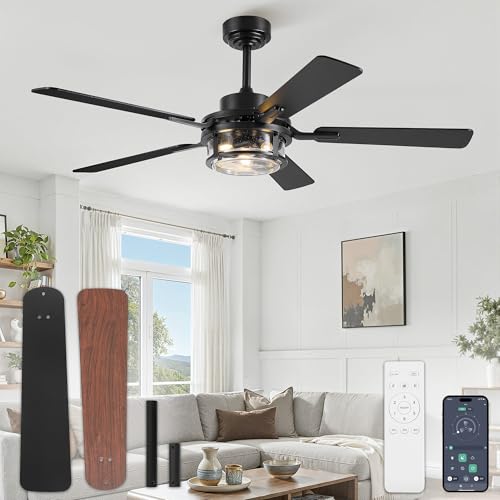
- LFR Score9.0
LFR Score is a ranking system developed by lightfansreviews.com. LFR Score has no relationship or impact from any manufacturers or sales agent websites. Learn more
- BrandFanbulous
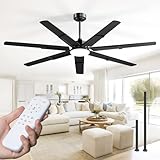
- LFR Score9.0
LFR Score is a ranking system developed by lightfansreviews.com. LFR Score has no relationship or impact from any manufacturers or sales agent websites. Learn more
- BrandAmico

- LFR Score8.8
LFR Score is a ranking system developed by lightfansreviews.com. LFR Score has no relationship or impact from any manufacturers or sales agent websites. Learn more
- BrandOPONL

- LFR Score8.6
LFR Score is a ranking system developed by lightfansreviews.com. LFR Score has no relationship or impact from any manufacturers or sales agent websites. Learn more
- BrandFUMLTP

- LFR Score8.0
LFR Score is a ranking system developed by lightfansreviews.com. LFR Score has no relationship or impact from any manufacturers or sales agent websites. Learn more
- BrandZMISHIBO
Last update on 2026-07-17 / Affiliate links / Images, Product Titles, and Product Highlights from Amazon Product Advertising API
Fanbulous 72-Inch Fan For Tall Indoor And Outdoor Spaces
Large rooms have a way of exposing undersized ceiling fans fast. The blades may spin faithfully overhead, yet the sofa area still feels muggy, the garage remains stuffy, and warm air lingers near a vaulted ceiling. Among the best ceiling fans with long downrods, this Fanbulous model tackles that mismatch with a broad 72-inch span, eight blades, and three included downrods for adjusting the hanging height. It’s built around practical reach rather than merely looking oversized.
Fanbulous 72-Inch Ceiling Fan
The Fanbulous fan pairs an eight-blade layout with a 64-watt DC motor designed for rooms measuring up to 650 square feet, according to the supplied product details. That makes its scale better suited to open living rooms, large bedrooms, barns, garages, and high-ceiling gathering spaces than to a compact office or narrow guest room. The broad blade sweep is the main attraction here because airflow in a big room needs coverage, not just speed concentrated beneath the motor. Still, careful measurements matter since a 72-inch fan can feel crowded when walls, beams, or tall cabinets sit too close to the blade tips.
Six speed settings give the fan more range than a basic low-medium-high setup. A gentle setting can keep air moving during quiet evenings, while the upper speeds are available for humid afternoons or work areas that heat up quickly. The reversible DC motor also changes direction, creating a downward breeze in summer and circulating trapped warm air during cooler months. That seasonal flexibility won’t replace heating or air conditioning, but it can help reduce the uncomfortable temperature layers that develop in tall rooms.
Fanbulous states that the DC motor uses up to 80 percent less power than traditional AC fan motors while maintaining a quiet operating level. That efficiency claim comes from the supplied manufacturer description rather than independent testing, so it’s best treated as a product specification instead of a guaranteed household saving. Even so, DC motors generally make sense in a fan that may run for hours at a time because they support multiple speeds and reversible operation through the remote. The lack of pull-chain dependence is especially welcome once the unit is mounted well above normal reach.
Long Downrods Make The Size More Useful
A large fan mounted too close to a very high ceiling can churn air where nobody feels it. Fanbulous includes 5-inch, 10-inch, and 20-inch downrods, giving the installation more flexibility across standard, vaulted, and taller ceilings. The 20-inch rod is the key reason this model belongs in a discussion of best ceiling fans with long downrods, since it lowers the blades farther into the occupied part of the room without requiring an immediate separate rod purchase. For ceilings above the stated range, however, the included options may still be too short, so compatibility with longer rods should be confirmed before planning the installation.
The mounting system supports slopes up to 15 degrees, which covers modestly angled ceilings but not every steep cathedral pitch. A sharper slope may require a compatible adapter or a different mounting arrangement, and that extra hardware isn’t identified in the supplied details. This is one of those unglamorous checks that can prevent a real headache later. Ceiling angle, floor clearance, blade clearance, and electrical-box support should all be settled before the ladder comes out.
Three rod lengths also make visual proportion easier to manage. A short rod may keep the fan tucked neatly into a room with an ordinary ceiling, while the longer option prevents it from looking stranded near the peak of a tall space. The adjustable hanging height is useful, but longer suspension can make poor balancing more noticeable, especially with eight wide blades. Secure mounting and careful blade installation matter every bit as much as choosing the right rod.
Lighting Controls That Remember The Last Setting
The integrated light offers three selectable color temperatures: 3000K, 4500K, and 6000K. Warm 3000K light can soften a bedroom or covered porch, 4500K provides a more neutral tone for everyday tasks, and 6000K creates a cooler, brighter appearance that may suit garages or work areas. Those choices help one fixture adapt to several moods without swapping bulbs. On the flip side, anyone strongly attached to replaceable bulbs may prefer a fan with standard sockets rather than an integrated LED assembly.
Brightness adjusts from 12 percent to 100 percent through stepless dimming, so the controls aren’t limited to a few preset levels. That’s handy in a multipurpose room where full brightness feels useful during cleanup but harsh during a late-night movie. The wide-angle light design is intended to spread illumination across a larger area, though a single ceiling fixture may still need help from lamps in a very broad room. A fan light can fill the center of a space, but it won’t automatically solve every shadow near corners or tall furniture.
The smart memory function restores the most recently selected brightness and color temperature instead of forcing repeated cycling after the wall switch is used. Small convenience, big difference. Anyone who has tapped through several unwanted light tones just to return to a warm evening setting will understand why this feature matters. In a separate cooling context, compact personal airflow is discussed through portable rechargeable stroller fans, though that category serves close-range mobility rather than the whole-room circulation handled by this 72-inch fixture.
Remote Operation And Everyday Comfort
The remote gathers the fan’s major controls in one place, including six speeds, motor reversal, lighting adjustments, and timers. Timer options of one, four, or eight hours are useful when the fan runs at bedtime, during an evening on the patio, or while finishing work in a garage. The controls keep routine adjustments within reach even when the blades hang from the longest included rod. Just remember that remote dependence means the handset needs a sensible storage spot, or it’ll inevitably disappear into the couch cushions at the wrong moment.
Motor reversal supports different seasonal airflow patterns without requiring manual access to a switch on the fan housing. Summer downdraft creates the breeze people expect, while winter updraft gently pulls cooler air upward and helps move accumulated warm air back through the room. The year-round circulation is particularly relevant under tall ceilings, where temperature stratification can be obvious. It won’t make an uninsulated room efficient by itself, but it can make the existing heating system feel less uneven.
Noise is described as quiet in the product information, though no measured decibel figure is provided. That means expectations should stay grounded: a large eight-blade fan still moves a substantial amount of air, and higher speeds may produce some audible air movement even if the motor remains restrained. The quiet DC motor sounds promising for bedrooms and living rooms, but balanced installation will influence the real experience. Clicking, wobbling, or vibration often points to mounting and blade alignment rather than motor design alone.
Damp-Rated Construction And Reversible Blades
Covered patios, gazebos, and sheltered outdoor shops bring humidity and temperature shifts that ordinary indoor fans aren’t designed to handle. This model carries a damp-rated designation, making it suitable for protected outdoor locations that don’t receive direct rain. Damp-rated doesn’t mean waterproof, though, so an exposed pergola or open deck may call for a wet-rated fixture instead. Keeping that distinction straight protects both the fan and the electrical installation.
The eight wooden blades use a warp-resistant material intended to maintain shape and balance over time. That feature matters more on a 72-inch fan than it might on a smaller model because even slight drooping or unevenness becomes easier to spot across a wide span. Moisture, heat, and seasonal changes can be rough on thin blade materials, particularly under covered outdoor ceilings. The supplied description doesn’t identify the exact blade composition, so the claim should be understood as the manufacturer’s stated design benefit.
Dual-sided reversible finishes allow the visible blade color to change without buying another set. That’s useful when a dark finish suits exposed beams but a lighter side blends better with a bright ceiling or casual porch. The reversible blade design adds decorating flexibility, although flipping eight blades takes more effort than changing a setting on the remote. It’s usually a decision made during assembly, not something most people will swap every season.
Installation Tradeoffs Worth Considering
The package includes mounting hardware and three downrods, which removes some of the guesswork from a standard installation. Even so, a 72-inch ceiling fan is a sizeable overhead fixture, and its weight must be supported by a fan-rated electrical box and secure framing. High ceilings add ladder height and awkward handling to the job, while sloped ceilings demand closer attention to clearance. Professional installation may be the sensible route when the existing box, wiring, or structural support is uncertain.
Eight blades create a full, substantial appearance, but they also mean more pieces to align during assembly. Tightening hardware evenly and following the blade sequence can help prevent wobble before it starts. The wide blade span also needs breathing room around walls, beams, and hanging lights, so room square footage alone doesn’t tell the whole story. A long rectangular room may still need more than one fan if airflow has to reach distant corners.
This Fanbulous model makes the strongest case in large rooms where adjustable drop length, broad airflow, and remote lighting control solve real layout problems. Its limitations are just as clear: the 15-degree slope allowance won’t suit every vaulted ceiling, the damp rating requires overhead protection outdoors, and the longest supplied rod may not be sufficient for exceptionally tall spaces. Those aren’t deal breakers, but they shape whether the fan fits the room or merely fits the product description. Measured against the actual ceiling, nearby obstacles, and preferred hanging height, its oversized design becomes easier to judge without getting swept up by the spec sheet.
XCWIIE 60-Inch Smart Wood Ceiling Fan
A tall room can look polished and still feel oddly stagnant once warm air settles near the ceiling. Standard mounting hardware often leaves a large fan too high to create a noticeable breeze where people actually sit, work, or relax. Among the best ceiling fans with long downrods, this 60-inch XCWIIE model stands out for including three rod lengths and offering longer alternatives for unusually high installations. Its mix of solid wood blades, smart controls, reversible airflow, and damp-rated construction gives it a practical role in both spacious interiors and protected outdoor areas.
XCWIIE 60-Inch Smart Wood Fan
The first thing that separates this model from many oversized fixtures is its three-blade solid wood design. Rather than relying on a crowded ring of narrow blades, it uses broad propeller-style blades intended to move a substantial volume of air while keeping the silhouette clean. The supplied product information lists a maximum airflow of 9,660 CFM, which is a manufacturer-provided specification rather than an independently verified result. Even with that caveat, the combination of a 60-inch span and aerodynamic blade shape clearly positions the fan for broad rooms rather than tight bedrooms or narrow hallways.
The manufacturer describes the blades as being made from natural walnut wood sourced from trees more than 20 years old. That claim gives the fan a warmer, less manufactured appearance than molded composite blades, especially in rooms with exposed beams, wood furniture, or rustic finishes. Natural wood grain also means the blades may show slight visual variation instead of looking perfectly uniform, which some people will appreciate and others may consider less predictable. The product description also emphasizes reduced dependence on synthetic blade materials, though no separate material certification is provided in the supplied information.
Balance matters on any large fan, and it matters even more when the fixture hangs from a long rod. The product details state that the blades undergo repeated balancing checks to support stable rotation. A well-balanced 60-inch blade assembly should produce less visible wobble and place less strain on the mount, but installation quality still plays a major role. Uneven screw tension, a weak ceiling box, or a poorly seated downrod can undo the benefit of carefully matched blades in a hurry.
Three Downrods Handle More Ceiling Heights
The included 5-inch, 10-inch, and 24-inch downrods give this fan more installation flexibility than models packaged with only one short rod. The shorter options suit standard or moderately raised ceilings, while the 24-inch rod lowers the blades farther into the usable part of a tall room. That longer drop can make a real difference in great rooms, workshops, lofts, and covered patios where a fan mounted near the roofline would otherwise stir air far above head level. It’s a practical advantage, not just another accessory in the box.
The supplier also mentions the availability of a free 40-inch downrod or an even longer option upon request. That statement comes directly from the provided description, so availability, compatibility, and ordering steps should be confirmed with the seller before installation plans depend on it. Extremely tall ceilings often need more than a standard 24-inch extension, particularly when the roof peak rises well above the occupied zone. Still, longer isn’t automatically better because blade height must preserve safe floor clearance and sensible visual proportion.
Sloped ceilings up to 20 degrees are listed as compatible with the mounting system. That covers many angled installations, though steeper cathedral ceilings may require an additional adapter or different canopy arrangement. The extra rod length can also increase visible movement if the fan isn’t mounted squarely, so the fan-rated electrical box and structural support deserve careful attention. A large solid wood fan hanging several feet below the ceiling isn’t the place to cut corners on anchoring.
The product description presents the installation as straightforward and says a video guide is provided. A clear video can help with blade orientation, wiring order, receiver placement, and remote pairing, all of which tend to cause more confusion than the basic bracket itself. Even so, the claim that anyone can install it within an hour should be treated as an estimate rather than a guarantee. Ceiling height, existing wiring, box condition, and ladder access can turn a simple job into a longer project, especially outdoors or on a slope.
Airflow Suited To Wide, Open Areas
A three-blade fan can look deceptively simple, but broad blades may move plenty of air when the pitch and motor are matched properly. This model is designed around large-area circulation, making it more logical for open living spaces, covered patios, workshops, breezeways, and similar settings than for small enclosed rooms. The listed airflow figure suggests an emphasis on strong movement rather than a barely noticeable decorative breeze. At full speed, however, even a quiet motor can’t eliminate the sound created by air passing over large blades.
The 60-inch span offers a useful middle ground between standard residential fans and extra-wide 72-inch models. It can cover more space than a compact 44-inch or 52-inch fixture without dominating every room visually. That said, blade clearance still needs careful measuring around walls, beams, garage doors, hanging lights, and tall shelving. A wide fan placed too close to an obstacle may look cramped and can create uneven airflow or unwanted turbulence.
Outdoor circulation presents another wrinkle because open-sided spaces don’t hold conditioned air the way indoor rooms do. A fan on a covered patio won’t lower the actual outdoor temperature, but steady airflow can make humid or still conditions feel less oppressive. The propeller-style blades are intended to push enough air across a broad seating or work area, provided the fan hangs at a useful height. Mounting it too close to a high patio roof can waste much of that benefit.
DC Motor Efficiency And Seasonal Reversal
The fan uses a DC inverter motor with a stated operating range of 32 to 45 watts. The supplied description contrasts that figure with traditional AC fans that may draw up to 75 watts at full speed. Those numbers come from the manufacturer’s product information, not a separate energy test, but they still illustrate the intended efficiency advantage. A lower-wattage motor can matter in rooms where the fan runs for long stretches rather than only a few minutes at a time.
Six speeds provide more control than the familiar three-speed arrangement. Lower settings can maintain gentle circulation while reading, sleeping, or dining, and higher settings can push more air through a garage or covered exterior area during warmer weather. The wide speed range also helps compensate for different mounting heights because a fan hanging farther down may not need to run at maximum speed to create a noticeable breeze. Fine control is useful here, since an oversized fan can feel overly aggressive in mild conditions.
The motor reverses direction for seasonal use. Downdraft mode creates the familiar cooling breeze during warm months, while updraft mode helps move trapped warm air away from a high ceiling during cooler weather. That reversible operation can make temperature layers feel less pronounced in vaulted spaces, though it won’t replace adequate insulation or heating. It simply helps redistribute the air that’s already in the room.
Noise is described as whisper quiet, but the supplied details don’t include a measured decibel level. That means the safest expectation is a restrained motor sound rather than complete silence. Blade movement, installation balance, ceiling resonance, and mounting hardware can all affect what reaches the ear. Stable mounting and careful assembly will likely matter just as much as the motor design, especially with the 24-inch or optional longer rods.
Smart Controls Add Convenience With A Catch
The fan supports control through a remote, the TUYA app, Alexa, and Google Assistant. That gives several ways to adjust six fan speeds, light brightness, and timer settings without reaching for a wall switch or pull chain. Voice control can be especially helpful in tall rooms where the fan is well out of reach, and app access may simplify changes from across a large space. The included remote remains important, though, because it doesn’t depend on a phone, account login, or wireless connection.
Wi-Fi pairing requires a 2.4 GHz network, according to the product description. That’s common for smart home devices, but it can frustrate anyone whose router combines 2.4 GHz and 5 GHz bands under one network name or prioritizes the faster band during setup. Once paired, the app can manage fan speed, lighting, and timers from one interface. If the connection drops, basic operation should still rely on the remote, though the supplied details don’t spell out every offline behavior.
The timer can be set from one to twelve hours, offering more flexibility than fixed one-, four-, or eight-hour presets. That range suits overnight use, extended workshop sessions, or a covered patio that stays occupied through the afternoon. A timer also prevents the fan from running indefinitely after a room empties. Still, smart scheduling can become more complicated than necessary if several household members use different apps, voice assistants, and remote settings at the same time.
Damp-Rated Use Has Clear Boundaries
The fan carries a damp-rated designation for covered outdoor spaces such as patios, gazebos, pergolas, breezeways, and workshops. Damp-rated construction is intended to tolerate humidity and occasional moisture in the air, but it isn’t the same as a wet-rated fan built for direct rain exposure. The fixture should stay beneath a solid roof or other dependable cover. An open structure where wind regularly blows rain onto the motor and light calls for a different rating.
Solid wood blades bring warmth and character outdoors, yet natural materials can react to prolonged moisture and temperature changes. The product description emphasizes balancing and natural walnut construction, but it doesn’t provide a detailed weatherproof coating specification. That leaves a small question mark around long-term blade care in very humid climates. Covered placement, decent ventilation, and protection from direct water should help preserve both appearance and balance.
The integrated light broadens the fan’s usefulness on patios and in workshops where one ceiling connection needs to handle both airflow and illumination. Brightness adjustment through the app or remote makes it easier to shift from task lighting to softer evening light. The product details don’t specify color-temperature choices or lumen output, so expectations should remain moderate. Adjustable brightness is useful, but the fan light may still need support from wall fixtures or lamps in a large exterior area.
Practical Strengths And Real Tradeoffs
The strongest part of this model is the combination of long downrod flexibility and broad 60-inch airflow. Three included rods cover more ceiling situations than a single standard extension, and the stated option for a 40-inch or longer rod addresses unusually tall spaces. Smart controls, six speeds, and motor reversal add everyday convenience once the fan is mounted beyond easy reach. Those features solve practical problems rather than simply decorating the specification sheet.
The main tradeoff is complexity. Remote control is simple enough, but app pairing, voice integration, 2.4 GHz Wi-Fi requirements, angled mounting, and multiple rod choices create more setup decisions than a basic fan. A three-blade design also produces a particular modern or rustic look that won’t blend into every traditional room. Natural walnut grain adds character, yet it may vary from blade to blade and won’t deliver the perfectly uniform finish of painted composite material.
The installation claims sound reassuring, but a large ceiling fan still demands patience and proper support. Handling solid wood blades on a tall ladder, routing wires through a 24-inch or longer downrod, and securing a sloped-ceiling mount can be awkward even with a video guide. The one-hour installation estimate may be realistic for an experienced installer working with a ready fan-rated box, but it’s less certain in older homes or outdoor structures. Planning the mount carefully will do more for smooth operation than rushing to meet a time claim.
This XCWIIE fan fits the best ceiling fans with long downrods category because the mounting options directly address tall and sloped ceilings rather than treating the downrod as an afterthought. Its broad wood blades, damp rating, efficient DC motor, and smart controls make sense in spacious rooms and sheltered exterior settings. The weak spots are mostly situational: direct rain exposure is off-limits, very steep ceilings exceed the stated angle, and smart features depend on compatible Wi-Fi. Measured against the room’s dimensions and installation conditions, those limits are clear enough to judge before the box is opened.
DPXMYG 72-Inch Ceiling Fan Downrod
A ceiling fan can have the right blade span, a capable motor, and attractive styling, yet still feel useless when it hangs too close to a soaring ceiling. Air stays trapped above the living zone, the breeze barely reaches the furniture, and the whole installation looks oddly undersized. For rooms where ordinary rods fall short, the DPXMYG 72-inch downrod offers a six-foot extension designed to lower compatible fans into a more effective position. It belongs in conversations about the best ceiling fans with long downrods, although compatibility checks matter far more here than brand names or decorative finishes.
DPXMYG 72-Inch Fan Downrod
This accessory is a 72-inch metal extension rod rather than a complete ceiling fan, and that distinction shapes the entire buying decision. Its job is simple: replace a shorter original rod so the fan hangs lower beneath a tall, vaulted, or unusually high ceiling. The outside diameter measures one inch, and both ends are unthreaded. That last detail is crucial because a threaded fan connection won't suddenly cooperate with a smooth tube, no matter how close the dimensions appear.
The manufacturer says the rod fits many ceiling fans sold through major online marketplaces, but “many” isn't the same as universal. The safest comparison involves the original downrod's outside diameter, attachment method, pin holes, hanging ball, and wire path. A one-inch tube may look standard at first glance, yet brands often use their own mounting hardware or slightly different hole positions. A quick measurement before ordering can save an afternoon of muttering at parts that almost fit.
At six feet long, this isn't a casual replacement for a normal eight-foot ceiling. The extended hanging length is intended for rooms where a standard 5-inch, 10-inch, or 24-inch rod leaves the fan stranded near the roofline. Great rooms, barns, workshops, lofts, and high covered spaces are the more sensible settings. Floor clearance still has to remain safe, though, so the rod length should be chosen from actual ceiling measurements rather than a bigger-is-better hunch.
Compatibility Is The Make-Or-Break Detail
The rod is not threaded on either end, which immediately rules out fans that depend on screw-in downrods. The supplied product information says it won't fit when the original fan rod is threaded. That's refreshingly direct, and it should be treated as a hard stop rather than a minor inconvenience. Adapters, improvised drilling, or mismatched hardware can compromise stability, so forcing the connection isn't worth the risk.
DPXMYG instructs the installer to remove the hanging ball from the fan's original rod and transfer it to the new extension. That approach assumes the original ball assembly can slide onto a one-inch tube and secure correctly using the existing pin or fastener. The reused hanging ball becomes part of the compatibility puzzle, along with the canopy and mounting bracket. If any of those pieces rely on a proprietary shape, the rod may be the right diameter and still fail to seat properly.
The pin holes deserve attention too. The description doesn't provide their exact placement, quantity, or diameter, so those dimensions should be checked against the fan's original hardware before installation. A secure clevis pin or retaining bolt prevents the motor assembly from rotating or slipping on the rod. Small mismatches can become serious once a heavy fan hangs six feet below the ceiling, where leverage magnifies movement.
Decor also enters the picture once a long black rod becomes a prominent visual line in the room. Gray walls, wood beams, black hardware, and mixed-metal fixtures can all change how noticeable the extension appears, and a related design reference appears in ceiling fan colors for gray walls. The neutral black finish can blend neatly with dark fan housings or exposed structural details. Paired with a white or brushed-metal fan, however, the rod may look intentionally contrasted rather than invisible.
Six Feet Of Drop Changes Fan Performance
Lowering a fan can improve airflow where it matters because the blades move closer to the occupied part of the room. A fan tucked near a 20-foot ceiling may circulate plenty of air overhead while people below feel next to nothing. The 72-inch drop helps close that gap, especially in spaces where warm air collects near rafters. Still, the finished blade height must remain appropriate for the room, furniture placement, and local installation requirements.
Long rods can also reveal wobble that wasn't obvious with a short mount. The extra length acts like a lever, making loose hardware, uneven blades, or an off-center mounting box easier to see. A solid fan-rated electrical box, properly tightened set screws, and correctly installed safety hardware become non-negotiable. Even a sturdy metal rod can't compensate for a weak ceiling connection or a badly balanced fan.
The rod's one-inch diameter gives it a substantial profile, and the product description identifies the material as high-strength metal. No wall thickness or load rating is supplied, so it would be unwise to assume compatibility with every oversized commercial fan. The fan's weight and mounting specifications should remain the deciding references. A decorative residential fan and a massive industrial-style unit may share a rod diameter while demanding very different support.
Air movement can become more useful after lowering the fan, but the rod itself doesn't increase motor output or blade efficiency. A weak fan will still be weak, only closer. The real benefit is placement: bringing an already suitable fan down from dead space so its airflow reaches seating areas, work zones, or open floor sections. That's a meaningful correction, though it shouldn't be confused with upgrading the fan's mechanical performance.
The Included Extension Wire Saves A Separate Errand
A six-foot rod creates an obvious wiring challenge because the original fan leads may be far too short. DPXMYG includes an extension cable matching the rod length, which removes the need to buy wire separately before assembly. That convenience sounds minor until the fan is unpacked, the ladder is set, and the existing leads stop halfway through the tube. Having the cable in the package keeps the project from stalling over one missing component.
The manufacturer's installation tip recommends feeding the wires through the rod before attaching the hanging ball. That's sensible because the ball assembly may narrow the opening and make wire routing more awkward afterward. The wire-first sequence also reduces tugging and twisting around the upper hardware. Gentle handling matters since damaged insulation inside a metal tube can create a serious electrical problem that remains hidden after assembly.
The supplied description doesn't specify the wire gauge, conductor count, insulation rating, or connector type. Those details need to match the fan's wiring requirements, especially when separate conductors serve the motor, light kit, grounding, or control receiver. The included cable is convenient, but electrical compatibility shouldn't be assumed solely because the length is right. Connections should remain secure inside an approved enclosure rather than floating loosely above the canopy.
Installation Sounds Simple But Demands Care
The basic procedure is straightforward on paper: remove the original hanging ball, slide it onto the new rod, route the wires, and continue with the fan assembly. That makes the transfer-style installation less complicated than replacing an entire mounting system. Yet the physical reality of handling a long steel tube, a heavy motor, and ceiling hardware high above the floor is another story. A second pair of hands can make alignment and wire management much less clumsy.
The rod may need to pass through the canopy, receiver area, and hanging ball before the motor is attached, depending on the fan design. Tight spaces can make the six-foot tube awkward to maneuver indoors, particularly beneath beams or on narrow scaffolding. The installation environment matters almost as much as the parts themselves. A clear floor, stable ladder or platform, and organized hardware will reduce the usual dropped-screw chaos.
Sloped ceilings introduce an extra layer of scrutiny. The original fan's hanging system must accommodate both the ceiling angle and the added rod length without binding against the canopy. The DPXMYG description doesn't state a supported slope angle, so that limit comes from the fan's mounting bracket rather than the extension tube alone. A long suspended fan on an angled ceiling needs enough clearance to hang vertically and rotate without the rod rubbing against the canopy opening.
Professional installation may be the sensible choice where ceiling height, fan weight, old wiring, or structural uncertainty complicates the job. The rod itself is presented as easy to install, but that claim assumes the existing fan is compatible and the mounting point is already sound. The biggest weakness isn't the simple design; it's the number of hidden variables around it. One mismatched thread, hole, wire, or bracket can stop the project cold.
Practical Strengths And Clear Limitations
The strongest feature is obvious: six feet of additional drop in a single metal rod. That length can solve a problem that shorter factory-supplied extensions simply can't touch. The included wire adds practical value, while the black finish suits many modern, industrial, farmhouse, and commercial-style fans. For compatible unthreaded systems, the design is refreshingly uncomplicated.
The main limitation is equally plain. This rod does not support threaded connections, and the one-inch diameter must match the original assembly closely. The lack of universal fit means shoppers can't rely on the product title alone. Measurements and hardware inspection come first, otherwise the package may arrive as a perfectly sturdy tube with nowhere safe to go.
Another tradeoff is visual scale. A 72-inch black rod becomes part of the room's architecture rather than disappearing above the fan. In an open barn or dark-beamed great room, that can look balanced and intentional. Against a low-contrast ceiling with a small fan body, the long black extension may draw more attention than expected.
The DPXMYG downrod makes sense where an existing fan already performs well but hangs far too high. Its high-strength metal construction, included extension cable, and transferable hanging-ball setup address the central needs of a tall-ceiling installation without piling on unnecessary pieces. It won't rescue an incompatible threaded fan, and it won't correct weak mounting support. Properly matched, though, it offers a direct route to getting airflow out of the rafters and back into the room.
BvenuBigLite 72-Inch Ceiling Fan With Lights
Oversized rooms can make an ordinary ceiling fan feel like it’s stirring air in a closet while the rest of the space sits warm and still. A broad blade span helps, but mounting height, control range, lighting, and noise matter just as much once the fan hangs above a great room or covered porch. The BvenuBigLite 72-inch ceiling fan enters the best ceiling fans with long downrods discussion with eight reversible blades, three included rod lengths, app control, adjustable lighting, and a reversible DC motor. It’s a large fixture with a practical feature set, though its size and installation limits deserve a sober look before it goes anywhere near the ceiling.
BvenuBigLite 72-Inch Smart Ceiling Fan
The fan uses an eight-blade layout across a full 72-inch diameter, giving it the visual weight and coverage expected in broad rooms. The supplied description recommends it for spaces larger than 18 by 18 feet, including living rooms, game rooms, workshops, barns, covered patios, and commercial-style interiors. That scale makes sense because a smaller fan can leave distant corners untouched even while the area directly beneath it feels breezy. Still, a 72-inch fixture needs generous clearance from beams, walls, hanging lights, shelving, and garage doors.
Each blade carries two finishes, with black on one side and warm wood grain on the other. That reversible design lets the fan lean modern and graphic or warmer and more relaxed without requiring a second blade set. It’s a useful decorating choice during assembly, especially in rooms where black hardware competes with wood furniture or exposed rafters. Switching the finish later is possible, but removing and flipping eight blades isn’t exactly a five-minute mood change.
The fan’s large footprint may replace several smaller fixtures in some open layouts, according to the product description. One centralized fan can create a cleaner ceiling line and reduce the visual clutter of multiple motors and light kits. The wide airflow coverage is the reason to consider that approach, not merely the oversized appearance. Long, divided rooms may still circulate more evenly with multiple fans, so shape matters alongside total square footage.
Three Downrods Support Tall And Vaulted Ceilings
The package includes 5-inch, 10-inch, and 24-inch downrods, covering more mounting situations than a fan supplied with one short extension. A 5-inch rod keeps the motor closer to a moderate ceiling, while the 10-inch option adds a little more breathing room around the canopy. The 24-inch downrod is the meaningful inclusion for tall ceilings because it brings the blades farther down from vaulted peaks. That can help the fan move air through the lived-in part of the room instead of circulating it near the rafters.
The description states a hanging range of roughly 12 to 32 inches, depending on the selected rod and assembled fixture height. That flexibility puts the BvenuBigLite among the best ceiling fans with long downrods for rooms that need more drop than a basic flush or short-rod installation can provide. Even so, very tall ceilings may require an extension longer than the included 24-inch option. The supplied information doesn’t confirm compatibility with third-party rods, so that point should be settled before planning an extra-long installation.
Vaulted ceilings are supported up to a maximum slope of 15 degrees. That allowance works for modest angles, but dramatic cathedral ceilings may exceed the canopy’s stated range. A compatible slope adapter could be necessary in those cases, assuming the mounting system accepts one. Guessing at the angle is a bad bet, so measuring the pitch ahead of time can prevent a half-finished installation.
Longer rods also make balance and structural support more noticeable. A minor wobble that barely shows on a short mount may become obvious when a heavy 72-inch fan hangs two feet lower. The fan-rated electrical box, bracket alignment, blade hardware, and downrod fasteners all need to be secure. Big fan, long lever, little room for shortcuts.
Six Speeds Offer More Than Basic Air Movement
The DC motor provides six speed settings, giving more control than a traditional three-speed fan. Lower settings can maintain gentle movement during sleep or quiet evenings, while higher settings suit hotter afternoons, workshops, or large gathering spaces. The product description refers to gentle breeze, natural wind, and strong airflow modes, though it doesn’t provide a measured airflow figure. That means the motor’s real output should be judged by the stated size and settings rather than an invented performance number.
A reversible motor changes the airflow direction for seasonal use. Summer downdraft creates a direct breeze, while winter updraft helps circulate warm air that collects near high ceilings. The reversible airflow is especially relevant in tall rooms because temperature layers can become pronounced between the floor and roofline. It won’t reduce heating demand by magic, but it can help the room feel less uneven.
The supplied information lists operating noise as low as 30 decibels. That figure comes from the manufacturer’s description and isn’t presented as an independent test result, so expectations should remain realistic. Motor hum may be restrained, yet large blades moving air at higher speeds can still produce audible wind noise. Careful balancing matters too, since clicking or vibration can quickly spoil an otherwise quiet setup.
The DC motor includes a built-in protection feature that stops operation when the blades aren’t installed. That behavior may look like a malfunction during setup, but the description explains that the motor requires a proper load before it will run normally. The no-load protection is intended to prevent overheating or damage. Installers testing the motor before attaching the blades should expect it to shut down rather than spin freely.
Lighting Controls Cover Work And Relaxation
The integrated light adjusts from 10 percent to 100 percent brightness, offering a broad dimming range for different routines. Full output may suit a workshop, game room, or cleanup session, while lower brightness can soften a living room or covered porch after dark. That flexibility helps one ceiling fixture handle more than a single lighting mood. Still, a very large room may need floor lamps or wall lights because one central fixture can leave distant areas dim.
Color temperature can shift from 3000K to 6000K. The warmer end creates a softer evening tone, while cooler settings feel crisper for tasks, garages, or utility spaces. Adjustable color temperature is useful in multipurpose rooms where the same light needs to feel comfortable at night and practical during the day. The description doesn’t specify lumen output, so the exact brightness level can’t be judged from the provided information alone.
A memory function saves the most recent fan and light settings. That means the fixture can return to the preferred speed, brightness, and color temperature rather than resetting every time it powers on. The setting memory removes the annoying ritual of tapping through several options after using the wall switch. Small detail, sure, but it can make daily operation feel noticeably less fussy.
Kitchen ventilation solves a different kind of air problem than room circulation, and that distinction is covered in ceiling exhaust fans for kitchens. A ceiling fan redistributes room air, while an exhaust fan removes heat, moisture, smoke, and odors through ducting. Mixing up those roles can leave a kitchen breezy but still full of cooking fumes. The BvenuBigLite belongs in circulation duty, not as a substitute for mechanical exhaust.
Remote And App Controls Add Reach
The fan can be operated through a remote, app, or wall switch, which is helpful once it’s mounted on the longest included rod. Remote access handles everyday changes without requiring a phone, while app control can manage settings from elsewhere in the room. The wall switch keeps basic power control familiar. That three-way arrangement offers flexibility, although households may need a moment to decide which control method becomes the default.
App operation is convenient for changing fan speed, brightness, and color temperature without keeping track of another handheld device. Yet apps introduce their own tradeoffs, including setup, account access, phone compatibility, and occasional connection problems. The physical remote remains valuable because it avoids most of that friction. A dedicated wall holder would make sense, since remotes have a knack for vanishing under cushions.
The product description doesn’t state whether the app requires a particular Wi-Fi band, smart-home platform, or permanent internet connection. That missing detail matters for anyone with a tightly managed home network or limited wireless coverage in a detached workshop or barn. The smart control feature should be treated as an added convenience rather than the only way to operate the fan. Basic functions need to remain practical even when the phone isn’t nearby.
Damp-Rated Use Requires Overhead Protection
The BvenuBigLite is described for covered patios and porches, with a clear warning against direct rain exposure. That makes it suitable for damp locations where humidity or occasional airborne moisture is present under a protective roof. It isn’t positioned as a wet-rated fan for exposed pergolas, open decks, or areas where wind-driven rain regularly reaches the motor. The distinction matters because outdoor appearance doesn’t automatically mean weatherproof construction.
Large covered spaces can benefit from a 72-inch span because open sides allow moving air to disperse quickly. The fan won’t lower the outdoor temperature, but it can create enough circulation to make still conditions feel less oppressive. The eight-blade coverage should be most useful over seating areas, dining tables, or work zones where the breeze has a clear path. Mounting too high under a tall patio roof could weaken that effect, which brings the longer downrod back into the picture.
Outdoor installation also exposes blade surfaces and hardware to dust, pollen, humidity, and temperature shifts. The reversible finishes look attractive, but both sides will eventually need cleaning, especially on a porch near trees or a gravel driveway. The black finish may show pale dust, while the wood-grain side may hide it a bit better. Neither side removes the maintenance, though, and eight blades mean more surface area to wipe down.
Warranty Coverage Adds Some Reassurance
The supplied details list a five-year warranty on the motor and two years on the remaining fan components. That split reflects the motor’s central role while acknowledging that electronics, lighting parts, blades, and control hardware may follow a shorter coverage period. Warranty terms can vary in what they include, so the written policy should be reviewed for labor, shipping, replacement parts, and registration requirements. The headline duration alone doesn’t answer every service question.
The seller also states that customer support is available around the clock for installation or operating questions. That could be useful during remote pairing, blade assembly, or troubleshooting the no-load motor protection. The 24-hour support claim comes from the product description, and no response-time record is provided. It’s a helpful promise on paper, but the practical value depends on how clearly and quickly support handles real problems.
Large fans involve more parts and more installation variables than compact models, so accessible replacement components matter over time. A lost remote, failed LED module, damaged blade, or receiver issue can sideline features even when the motor remains healthy. The two-year component warranty offers some protection during the early ownership period. Beyond that window, parts availability may matter more than the original purchase price.
Size And Complexity Are The Main Tradeoffs
The biggest strength is the combination of 72-inch coverage, three downrods, and flexible controls. Those features directly address the usual frustrations of tall rooms: weak airflow at floor level, unreachable controls, and lighting that can’t adapt to different activities. Reversible blades also help the fan fit more than one decorating scheme. Nothing here feels random; most features support the practical demands of a large installation.
The size can also become its chief weakness. Eight blades, a 72-inch sweep, a light kit, receiver hardware, and a long downrod create a substantial fixture that may overwhelm a room with marginal clearance. The visual weight is more noticeable with the black blade finish, while the wood-grain side softens it somewhat. Careful measurement beats wishful thinking every time.
Installation won’t be as casual as swapping a small bedroom fan. High ceilings, sloped mounting, eight blades, app setup, and no-load motor behavior add steps that may confuse an inexperienced installer. The built-in motor protection is sensible, but it could lead to unnecessary troubleshooting if the installation guide isn’t read first. A fan this large also deserves two-person handling or professional help where ladder height and motor weight become awkward.
The BvenuBigLite has a credible place among the best ceiling fans with long downrods because the included 24-inch rod, wide span, reversible motor, and multi-method controls address real tall-room problems. Its limits are clear enough: direct rain is off-limits, ceiling slopes stop at 15 degrees, exceptionally high spaces may need a longer compatible rod, and the app details remain somewhat sparse. The design makes the most sense where the room genuinely needs a 72-inch fan rather than where oversized styling is doing all the talking. Properly scaled and securely mounted, it offers broad circulation with enough adjustment to handle both quiet evenings and hotter, busier stretches of the day.
Best Ceiling Fans With Long Downrods For Tall Rooms
High ceilings can make even a large fan feel strangely ineffective if the blades sit too close to the roofline. Air moves, sure, but most of that movement stays well above the seating area, dining table, workshop bench, or bed. A careful review of the best ceiling fans with long downrods should therefore begin with mounting height, motor compatibility, and blade clearance rather than decorative finish alone. Since no specific model information was supplied, the practical details below focus on the measurable strengths, weaknesses, and installation demands that separate a sensible tall-ceiling setup from an expensive ceiling ornament.
Long-Downrod Ceiling Fan Guide
The downrod controls where the fan actually does its work. A short rod beneath a vaulted ceiling may leave the blades spinning in a pocket of warm air that barely affects the occupied part of the room. A properly sized downrod lowers the fan into a more useful position, helping the breeze reach furniture and walking areas instead of fading near the rafters. Too much drop creates a different problem, though, because the fan still needs safe clearance above the floor.
Ceiling height alone doesn’t settle the measurement. The motor housing, blade position, canopy, and rod all contribute to the fan’s final hanging height. A product advertised with a 24-inch rod may hang several inches lower once the rest of the assembly is included. The finished blade height, not the rod length printed on the box, is the figure that matters in the room.
Long rods also put more leverage on the mounting point. Any looseness in the fan-rated electrical box, bracket, ball joint, or retaining pin becomes easier to notice once the motor hangs farther below the ceiling. The mounting hardware and structural support deserve the same attention as the motor and blades. Skipping that check can lead to wobble, clicking, visible sway, or a fan that never feels properly settled.
Downrod Compatibility Can Stop The Project Cold
Ceiling fan downrods aren’t universally interchangeable. Some use threaded ends, some rely on smooth tubes with cross pins, and others pair with brand-specific hanging balls or proprietary couplers. The rod diameter and connection style must match the fan before length enters the conversation. A rod that looks right from across the room can still be useless if the threads, holes, or upper hardware don’t line up.
Wire length creates another compatibility issue. Dropping a fan several feet requires conductors long enough to run through the full tube without being pulled tight or joined in an unsafe location. A long-downrod package that includes an appropriately rated wire extension can simplify the job, but the conductor count and gauge still need to match the fan. Motors with lights, receivers, or separate wall controls may require more wiring than a basic fan-only design.
The canopy and hanging ball need enough room to move freely on a sloped ceiling. A long rod should hang vertically while the ball pivots inside the bracket, without scraping the canopy opening. The fan’s stated maximum ceiling angle becomes especially important under steep cathedral ceilings. Exceeding that limit may require an angled adapter rather than a longer rod alone.
Third-party extensions can make sense, but they shouldn’t be treated as generic metal pipes. Load rating, wall thickness, hole placement, finish, and connection hardware all influence the finished installation. A manufacturer-approved rod removes some uncertainty, while an aftermarket option demands closer measurement. Improvised drilling or loosely fitted adapters introduce risk where there’s little room for error.
Blade Span Needs To Match The Room Shape
A tall ceiling often appears in a large room, but those two traits don’t always travel together. A narrow loft with a high roof may not have enough side clearance for a 72-inch fan, while a broad great room can make a 52-inch model look lost. The blade span should suit the usable width of the room and avoid beams, pendant lights, walls, cabinets, and tall storage. Square footage helps, but the room’s shape tells the fuller story.
Wide fans usually distribute air across a larger area, yet they don’t automatically move more air than every smaller model. Motor torque, blade pitch, blade shape, and speed settings all influence actual circulation. A product page should provide a measured airflow specification rather than leaning only on dramatic blade diameter. Without that number, the fan’s output is harder to judge from the listing alone.
Extra blades can create a fuller appearance, though blade count by itself isn’t a reliable performance shortcut. Three broad blades may move air efficiently, while eight narrow blades may emphasize smoother coverage or visual presence. The blade geometry and motor pairing matter more than the raw count. More blades also mean more pieces to align, tighten, clean, and rebalance if wobble develops.
Motor Quality Shapes Noise And Control
A DC motor is common in large modern fans because it supports multiple speeds, reverse operation, and relatively modest power use. That doesn’t make every DC model quiet, however. Motor sound, air noise, canopy vibration, and blade balance all contribute to what reaches the ear. A credible noise specification is useful, but the stated figure should be treated as a manufacturer claim unless independent testing is provided.
Six-speed controls offer more useful adjustment than a simple low-medium-high arrangement. A tall-room fan may need stronger airflow during hot afternoons but only a gentle setting overnight. The wider speed range helps prevent the fan from feeling either ineffective or overly aggressive. Remote operation becomes especially valuable when the housing hangs far beyond normal reach.
Reversible rotation helps redistribute warm air that collects near a high ceiling during cooler months. Updraft mode draws cooler air upward and pushes the warmer ceiling layer outward and down along the room’s perimeter. The seasonal reverse function won’t replace insulation or heating, but it can make temperature differences feel less severe. A remote-controlled reverse setting is easier to live with than a manual switch hidden on the motor housing.
Timers can reduce unnecessary runtime in bedrooms, workshops, and covered patios. Useful presets might range from a short one-hour session to an overnight setting, depending on the fan. A remote timer is practical, though app-only scheduling can become irritating if Wi-Fi pairing fails or a phone isn’t nearby. Physical controls still matter, even on a smart fan.
Smart Features Add Convenience And Friction
App control can handle speed, direction, lighting, and schedules from across a large room. Voice assistants add another layer of convenience when hands are full or the remote has wandered off. The tradeoff is setup, because many ceiling fans connect only through 2.4 GHz Wi-Fi and may need a specific app account. Detached workshops or distant patios can also sit at the edge of the home network’s coverage.
A good smart fan should remain usable without the app. Remote control and wall-switch compatibility protect basic operation during router changes, service interruptions, or phone replacement. The offline control options are often more important over the long term than flashy app screenshots. A ceiling fan may stay installed for years, while apps and mobile platforms change much faster.
Memory functions can save the last speed, brightness, and color-temperature settings. That keeps the fan from resetting to an unwanted light tone every time power is restored. The setting memory is a small feature with real daily value, particularly in bedrooms or living rooms where lighting preferences stay consistent. Still, product descriptions should explain whether memory works after remote shutdown, wall-switch shutdown, or a full power outage.
Lighting Can Help Or Complicate The Choice
An integrated light reduces the number of ceiling fixtures, but it may not provide enough illumination for a very large room. Adjustable brightness helps shift between cleanup, work, and relaxed evening use. Selectable color temperatures add flexibility, with warm light feeling softer and cooler light appearing crisper. Lumen output matters more than vague descriptions such as bright or wide-angle.
Integrated LED modules look clean and avoid routine bulb changes. The downside appears later if the light module or driver fails and replacement parts are difficult to source. A fan with replaceable bulbs can be easier to maintain, though the fixture may look bulkier and provide fewer dimming options. Neither approach is universally better; the repair path deserves a place in the decision.
Some spaces already have recessed lighting, wall sconces, or hanging fixtures and don’t need another light overhead. That can make a fan-only design visually cleaner and mechanically simpler. In a related outdoor setting, the differences are discussed through outdoor ceiling fans without lights, where airflow takes priority over adding another source of illumination. Long downrods remain relevant there because covered patios and porches often have tall or sloped roofs.
Outdoor Ratings Need Plain-English Scrutiny
Damp-rated fans belong in covered areas where humidity and moisture are present but direct rain is kept away. Wet-rated fans are built for harsher exposure and may tolerate wind-driven rain, depending on their certification and installation requirements. The environmental rating should match the actual location, not the seller’s broad use of the word outdoor. A fan under a deep porch roof faces different conditions from one beneath an open pergola.
Blade material matters outdoors because heat, humidity, and seasonal temperature swings can affect balance and appearance. Solid wood brings natural character but may require better protection from moisture. Composite or ABS blades can be less sensitive to damp conditions, though they may feel less substantial visually. The blade construction and protective finish should be judged against the climate and amount of exposure.
Long rods outdoors may also allow more movement during strong crosswinds. Covered breezeways, barns, and open-sided patios can funnel air around a suspended fan even when it’s turned off. The longer hanging assembly needs secure hardware and enough clearance to avoid contact with nearby structures. A sheltered location and proper support reduce trouble, but extreme exposure may call for a different mounting strategy.
Installation Claims Deserve Realistic Expectations
Listings often describe installation as quick, simple, or possible within an hour. That may be true with a ready fan-rated box, accessible wiring, a flat ceiling, and an experienced installer. Tall ceilings change the equation by adding ladder height, awkward lifting, and longer wire runs. The actual installation time depends more on the room and existing electrical work than on the number of steps in the manual.
A large fan is easier to assemble with another person nearby. One person can support the motor or rod while the other handles wiring, hardware, and canopy alignment. The two-person setup is especially sensible with a 24-inch, 40-inch, or longer extension. Wrestling a heavy motor and a long metal tube from the top of a ladder is no time for stubborn independence.
Balancing kits help with minor blade variation, but they won’t fix a loose bracket or crooked downrod. Every fastener should be tightened evenly, and each blade should be installed in the intended position. The source of wobble needs to be identified rather than hidden by adding random weights. A stable fan starts at the ceiling box and continues through every connection down to the blade screws.
Practical Limits Matter As Much As Features
The strongest long-downrod setup solves a specific problem: it lowers a compatible, appropriately sized fan to a height where its airflow becomes useful. It does not increase a weak motor’s output or turn an undersized blade span into broad room coverage. The downrod improves placement, not the underlying mechanical capability. That distinction keeps expectations grounded.
Extra-long rods can make the fan more visible, more sensitive to imbalance, and harder to service. Cleaning blades, replacing a receiver, or troubleshooting a light becomes more involved once the fixture hangs high above the floor. The maintenance access should be considered before choosing the maximum possible drop. A slightly shorter installation may be easier to live with if airflow remains effective.
Style can’t be ignored because a long rod becomes a strong vertical line in the room. Black finishes suit industrial, modern, and dark-beamed spaces, while white or brushed metal may blend more quietly into lighter ceilings. The rod and fan finish should look intentional together rather than like mismatched parts gathered at the last minute. Even a mechanically sound setup can feel awkward when the proportions or colors fight the room.
A credible candidate among the best ceiling fans with long downrods should provide clear rod dimensions, connection details, ceiling-angle limits, airflow data, motor controls, environmental rating, and warranty terms. Missing specifications aren’t automatically proof of poor construction, but they create uncertainty around fit and performance. Without a named product or supplied feature list, a responsible review can’t assign strengths that haven’t been documented. Measurements, compatibility, and verified specifications remain the dependable foundation for selecting the right fan.

Best Quiet Ceiling Fan For Bedroom 2026 Ultimate Comfort Picks

Best Ceiling Fan For Master Bedroom 2026 With Ultimate Comfort

Best White Ceiling Fan With Light For Bedroom 2026 Top Picks

Best Quorum Medallion Ceiling Fan 2026 With Style & Breeze
Best Outdoor Fan For Pergola 2026 Comfort Boost

Best Ceiling Fan For Great Room 2026 With Ultimate Comfort

Best Outdoor DC Ceiling Fans 2026 For Breezy Comfort
Best ceiling exhaust bath fan with light and heater 2026





