Best Clip On Led Light For Planted Aquarium 2026 Picks

Best clip on led light for planted aquarium setups usually comes down to balance, not brute brightness. A tiny tank can look washed out fast, while a weak lamp leaves stems stretching, moss looking dull, and red plants turning a tired green. The sweet spot is a full spectrum clip on aquarium light with enough usable plant light, a stable clamp, and controls that don't make daily care feel like homework.
PAR matters more than raw lumens because aquatic plants need usable light in the right range, not just a bright glare on the glass. Low-light plants like Java fern, Anubias, and Cryptocoryne don't need a floodlight blasting all day. But carpeting plants, red stems, and compact aquascapes ask for stronger output, better spread, and a timer that keeps the routine steady.
A good clip-on design should sit firmly on rimless or framed glass without wobbling every time the lid moves. Adjustable height helps a lot, since raising the lamp softens hotspots and spreads light across the tank instead of cooking one corner. That little detail saves a ton of fuss, especially on nano tanks where every inch counts.
Timer control is worth paying attention to because inconsistent lighting invites algae faster than most people expect. A daily schedule around 6 to 8 hours is often easier to manage than leaving the lamp on until bedtime. Also, dimming matters, because new plants, fresh substrate, and lean fertilizer routines don't always handle full power right away.
Color tone deserves a closer look too. A daylight-style white with red, blue, and green support usually keeps plants natural-looking without turning the tank purple or overly cold. Still, stronger blue-heavy settings can make algae feel like it got an open invitation, so softer custom levels often work better than max brightness.
The tradeoff is simple. Smaller clip-on lights save space and look cleaner, but they may struggle on deeper tanks or dense layouts with tall hardscape. Wider fixtures handle coverage better, though they can feel bulky on a sleek desktop aquarium.
The smarter move is to match the light to the actual tank, not the loudest product claim. Shallow nano tanks need clean spread and gentle control. Deeper planted tanks need more punch, better heat handling, and a clamp that won't slowly sag over the week.
- LFR Score9.2
LFR Score is a ranking system developed by lightfansreviews.com. LFR Score has no relationship or impact from any manufacturers or sales agent websites. Learn more
- BrandAqueon

- LFR Score9.2
LFR Score is a ranking system developed by lightfansreviews.com. LFR Score has no relationship or impact from any manufacturers or sales agent websites. Learn more
- BrandSEAOURA

- LFR Score9.2
LFR Score is a ranking system developed by lightfansreviews.com. LFR Score has no relationship or impact from any manufacturers or sales agent websites. Learn more
- BrandSEAOURA

- LFR Score9.2
LFR Score is a ranking system developed by lightfansreviews.com. LFR Score has no relationship or impact from any manufacturers or sales agent websites. Learn more
- Brandhygger
- LFR Score9.0
LFR Score is a ranking system developed by lightfansreviews.com. LFR Score has no relationship or impact from any manufacturers or sales agent websites. Learn more
- Brandhygger

- LFR Score8.8
LFR Score is a ranking system developed by lightfansreviews.com. LFR Score has no relationship or impact from any manufacturers or sales agent websites. Learn more
- Brandfishkeeper
- LFR Score8.8
LFR Score is a ranking system developed by lightfansreviews.com. LFR Score has no relationship or impact from any manufacturers or sales agent websites. Learn more
- Brandhygger

- LFR Score8.6
LFR Score is a ranking system developed by lightfansreviews.com. LFR Score has no relationship or impact from any manufacturers or sales agent websites. Learn more
- BrandAQQA

- LFR Score8.6
LFR Score is a ranking system developed by lightfansreviews.com. LFR Score has no relationship or impact from any manufacturers or sales agent websites. Learn more
- BrandPawfly

- LFR Score8.4
LFR Score is a ranking system developed by lightfansreviews.com. LFR Score has no relationship or impact from any manufacturers or sales agent websites. Learn more
- BrandNICREW
Last update on 2026-06-06 / Affiliate links / Images, Product Titles, and Product Highlights from Amazon Product Advertising API
Best Clip On LED Light For Planted Aquarium
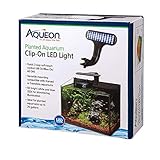
Cloudy glass, pale leaves, and uneven plant growth can make a planted aquarium feel harder to manage than it really should be. Smaller tanks magnify every lighting mistake because weak coverage leaves dead zones while overly harsh LEDs can trigger algae surprisingly fast. The best clip on led light for planted aquarium setups usually favor balance over brute intensity, and that’s exactly where the Aqueon Clip-On LED light settles in. It focuses on stable plant support, cleaner mounting, and practical daily use instead of trying to imitate oversized high-tech aquascape fixtures.
Aqueon Clip-On LED Light
Aqueon Clip-On LED Aquarium Fish Tank Light targets planted aquariums up to 20 gallons with a fairly simple design that skips unnecessary extras. The fixture uses 60 bright LEDs to support plant growth while keeping the overall footprint compact enough for smaller tanks, desktops, or shelf aquariums. Some planted tank lights become awkward once mounted because bulky arms and oversized frames dominate the aquarium visually, but this one stays relatively discreet.
The soft-touch three-way control feels refreshingly direct. Full lighting mode handles regular daytime viewing, while the blue-only option softens the tank during evening hours without turning the room into a glowing blue cave. Tiny control buttons buried underneath fixtures usually get annoying after a few weeks, so the cleaner touch response here genuinely helps everyday use.
Moderate planted tanks tend to respond well under this style of lighting because the intensity avoids pushing things too aggressively. Java fern, Anubias, floating plants, and many beginner-friendly stems generally maintain healthier growth patterns under steady medium output rather than constant extreme brightness. Stronger lighting can absolutely grow demanding carpets faster, though it also increases the odds of algae problems if nutrient balance slips even slightly.
The slim clip-on structure also makes maintenance less clumsy. Water changes, trimming, and feeding become easier when the fixture doesn’t sprawl across the entire tank rim. Smaller planted aquariums especially benefit from cleaner layouts because space disappears quickly once filters, airline tubing, and heaters enter the picture.
Plant Growth And Light Spread
Light coverage matters more than many people expect in planted aquariums. A narrow beam can leave stems leaning toward the center while shaded corners collect weak growth and algae buildup. Aqueon’s LED arrangement spreads light more evenly across smaller aquariums instead of concentrating everything into one intense hotspot.
Stem plants generally stay more compact under consistent lighting schedules, and mosses maintain better color once daily brightness levels stabilize. This fixture doesn’t try to overpower the aquarium, which honestly works in its favor for many low-to-medium light planted tanks. Aggressive lighting often creates more maintenance pressure than casual hobbyists really want.
The blue LED mode adds a calmer nighttime atmosphere without washing out fish coloration completely. Some aquarium moonlight settings push heavy neon tones that make aquascapes feel artificial, but this one stays softer and easier on the eyes. Evening viewing becomes more relaxing instead of overly dramatic.
Heat control also stays fairly reasonable during longer lighting periods. Compact clip-on fixtures sometimes trap warmth around the water surface, especially over shallow tanks, but this model operates cooler than many budget planted lights in the same size range. Smaller aquariums appreciate that stability because temperature swings become noticeable fast.
Dense carpeting plants still deserve realistic expectations. Monte Carlo, dwarf baby tears, and demanding red species usually require stronger PAR output, tighter nutrient balance, and often supplemental CO2 for fuller growth. This fixture feels more comfortable supporting practical planted layouts rather than ultra-demanding competition aquascapes.
Mounting Design And Daily Convenience
The versatile mounting screw works on both framed and frameless aquariums, which removes a lot of frustration during initial setup. Loose clip systems can wobble every time the tank gets bumped or cleaned, but this fixture stays fairly stable once secured properly. Stability matters more than it sounds because shifting lights quickly create uneven plant growth patterns.
Open-top aquariums benefit especially well from this style since the fixture leaves the tank looking cleaner and less cluttered overall. Rimmed aquariums still work perfectly fine, although thicker plastic trims may require small positioning adjustments depending on filter placement. That flexibility helps mixed aquarium setups avoid compatibility headaches.
The compact footprint leaves extra space around hang-on-back filters and feeding access points. Some planted tank lights stretch so far across the rim that simple maintenance tasks become irritating after a while. Smaller details like this end up affecting daily enjoyment more than flashy specs on product packaging.
Moisture handling also feels adequate for normal aquarium conditions. Everyday evaporation and occasional splash exposure don’t seem to create immediate concerns, though heavy condensation buildup should still be avoided whenever possible. A quick wipe during weekly maintenance usually keeps the fixture looking cleaner and operating consistently.
Lighting style often shapes the overall feel of a room, and similar visual balance discussions occasionally appear in buffet table lamp shade ideas because softer directional lighting tends to create a calmer atmosphere in both aquariums and indoor living spaces.
Strengths And Tradeoffs
Ease of use easily stands out as one of the strongest qualities here. The controls stay simple, mounting takes only a few minutes, and daily operation doesn’t demand constant tweaking or complicated schedules. Aquarium routines already involve trimming, water changes, and occasional algae cleanup, so simpler lighting management genuinely helps.
The moderate brightness profile also creates a more forgiving planted tank environment. Excessively powerful fixtures can overwhelm newer planted aquariums before nutrient balance settles properly. Softer balanced lighting usually gives plants time to establish roots while reducing the chances of aggressive algae outbreaks.
Silent operation deserves mention too. Tiny internal cooling fans sometimes develop irritating buzzing noises over time, particularly in quiet rooms or office setups. Passive cooling keeps this fixture quieter and easier to live with during long evening viewing sessions.
Natural color rendering helps fish, plants, driftwood, and stone maintain a cleaner appearance under regular viewing conditions. Greens stay vibrant without glowing unnaturally bright, while darker hardscape materials retain texture instead of looking washed out. That softer presentation tends to suit planted aquariums aiming for a calmer aesthetic.
Heavy high-tech planted systems may eventually outgrow this fixture, especially deeper tanks demanding intense carpeting growth and stronger red plant coloration. Still, moderate planted aquariums often perform better under steady balanced lighting than under extreme brightness levels that constantly require correction and adjustment.
Where This Light Fits Best
Nano planted tanks probably benefit the most from this Aqueon fixture because the light output feels appropriately scaled for smaller aquariums. Oversized planted lights can make compact tanks feel harsh and visually unbalanced, while this setup maintains a softer overall presentation. Desktop aquariums and living room nanos especially gain from that calmer look.
Moderately planted shrimp tanks also pair nicely with this fixture since shrimp-focused aquariums usually avoid aggressive high-light environments anyway. Stable medium lighting tends to encourage healthier moss growth while helping reduce stressful algae swings that clutter hardscape surfaces and plant leaves.
Casual planted aquarium routines feel easier to maintain under this style of lighting. Balanced intensity creates more flexibility with fertilizer schedules and maintenance timing compared to stronger high-output fixtures that punish inconsistency quickly. Busy weeks become less risky once the lighting setup stops demanding constant attention.
Deeper tanks pushing advanced carpeting plants may eventually need stronger fixtures with broader spread and more detailed brightness control. That limitation feels reasonable rather than disappointing because this light clearly focuses on practical everyday planted aquariums instead of specialized showcase builds.
The overall experience leans toward simplicity, steady plant support, and cleaner visual balance. Aqueon avoids overcomplicating the setup while still delivering enough planted tank functionality for smaller aquariums that need reliable lighting without turning routine maintenance into a chore.
Best Clip On LED Light For Planted Aquarium
Late-night algae scraping and pale aquarium plants can suck the fun out of a planted tank surprisingly fast. Tiny aquariums especially react to unstable lighting because every brightness spike or dark corner becomes obvious within days. The best clip on led light for planted aquarium setups usually balance convenience, plant support, and visual comfort instead of blasting harsh light across the glass. SEAOURA’s compact clip-on fixture takes a more flexible route by combining customizable lighting modes, timer scheduling, and full-spectrum color control into a smaller planted tank setup.
SEAOURA Clip On Aquarium Light
SEAOURA Clip On Aquarium Light for Plants feels designed for people who want planted tank lighting without babysitting complicated settings every evening. The fixture combines full spectrum LEDs, seven color modes, and a built-in 24/7 lighting cycle that shifts from warm sunrise tones into cooler daylight and softer moonlight effects later at night. That natural transition gives the aquarium a calmer appearance compared to lights that stay stuck on one aggressive brightness level all day long.
The 24/7 cycle mode changes the mood of the aquarium more than expected. Morning tones appear warmer and softer, while the evening blue setting creates a gentler nighttime atmosphere without making the tank look cartoonishly neon. Fish movement also appears less stressed under gradual changes instead of instant full-brightness lighting.
Customization runs deeper than most compact clip-on fixtures in this size range. The light includes 10 brightness levels, five timer settings, and multiple color combinations that help adapt the fixture to different plant setups and room conditions. Some aquariums need softer intensity during early plant growth stages, while others benefit from brighter daytime periods once root systems stabilize.
The slim aluminum casing keeps the fixture looking cleaner over smaller aquariums. Compact planted tanks often sit on office desks, kitchen counters, or bookshelves where oversized lighting equipment feels visually heavy. SEAOURA’s lower-profile design blends more naturally into tighter indoor spaces without dominating the aquarium itself.
Lighting Quality And Plant Support
Full spectrum lighting plays a huge role in how planted aquariums develop over time. Weak lighting leaves stems stretched and thin, while harsh intensity can trigger algae faster than expected, especially in smaller tanks. SEAOURA mixes 6500K white LEDs with RGB chips to create a more balanced appearance that supports medium-to-low light aquatic plants.
Anubias, Java fern, floating plants, and mosses generally fit comfortably within this lighting range. Stem plants can also perform reasonably well under stable schedules, though heavily demanding carpeting species may still need stronger output and tighter nutrient management. That tradeoff honestly makes sense because this fixture targets manageable planted tanks instead of ultra-high-tech aquascapes.
The flicker-free illumination helps viewing comfort during longer evening sessions. Some budget aquarium lights create subtle flickering that becomes tiring once the room darkens, but this fixture maintains a steadier visual tone. The softer transitions between brightness levels also make the aquarium feel calmer overall.
One genuinely useful feature is the ability to preview color and brightness settings before saving them into the cycle schedule. Plenty of aquarium lights bury customization behind confusing button combinations, but SEAOURA keeps the process more approachable. That extra convenience reduces trial-and-error frustration during initial setup.
Cycle mode limitations still deserve mention because brightness intensity cannot be customized once that automatic schedule is active. Some planted tank hobbyists may prefer deeper manual control over every stage of the lighting cycle. For moderate planted aquariums, though, the preset transitions usually feel balanced enough without constant tweaking.
Daily Convenience And Smart Features
The memory function quietly becomes one of the most practical features after a few weeks of use. Power outages and unplugged timers can completely reset some aquarium lights, forcing annoying schedule adjustments afterward. SEAOURA remembers previous settings and recalculates timer modes automatically once power returns.
Busy schedules benefit heavily from automation like this because planted tanks respond best to consistency. Stable lighting periods help plants settle into predictable growth patterns while reducing unnecessary algae swings caused by random light exposure. Daily routines feel smoother once the aquarium starts managing itself more reliably.
The adjustable-height bracket also improves flexibility for different aquascape layouts. Raising the light softens hotspots and broadens coverage across the tank, while lower positioning increases intensity for shorter plants needing stronger light. That adaptability matters in smaller aquariums where a few inches can noticeably affect plant growth patterns.
Water resistance deserves some appreciation too. Aquarium maintenance gets messy sometimes, and accidental splashes happen whether people admit it or not. SEAOURA’s IP68 waterproof rating adds extra reassurance during water changes, trimming sessions, or accidental drips around the fixture.
Indoor comfort discussions occasionally drift toward airflow and environmental control in smaller rooms, and a similar reference sometimes appears in basement fan options under $200 because lighting heat and room circulation can subtly affect enclosed aquarium spaces over longer periods.
Strengths That Stand Out Over Time
The automatic scheduling system probably creates the biggest everyday benefit. Manual aquarium lights sound manageable at first, but forgetting to switch them off after a late night happens more often than people expect. Stable automatic timing keeps plant growth steadier while reducing stress on fish exposed to inconsistent light cycles.
The color flexibility also adds personality without turning the aquarium into a glowing arcade machine. Softer white settings highlight plant textures naturally, while RGB adjustments create slightly different moods depending on the room and aquascape style. Driftwood-heavy layouts especially benefit from warmer evening tones.
Noise stays completely absent since the fixture relies on passive cooling instead of tiny internal fans. Quiet operation matters more in bedrooms, workspaces, and reading corners where subtle buzzing becomes irritating over time. Silent planted tank setups always feel more relaxing during nighttime viewing.
The compact footprint keeps the aquarium looking tidy around filters and feeding access points. Some clip-on lights become awkward once tubing, heaters, and hang-on-back filters enter the equation, but this one stays relatively manageable around tighter tank layouts. Smaller aquariums appreciate every bit of saved space.
The 30,000-hour lifespan estimate also suggests the fixture is intended for long-term everyday use rather than temporary decorative lighting. Longevity matters because replacing aquarium lights too frequently interrupts plant adaptation and adds unnecessary maintenance expenses down the line.
Tradeoffs And Tank Compatibility
This fixture works best on aquariums between 7 and 12 inches, so larger planted tanks may struggle with uneven coverage beyond that range. Compact nano setups benefit the most because the light spread stays concentrated enough for smaller layouts without wasting brightness outside the tank edges.
Deep aquariums pushing dense carpeting plants or intense red species may eventually outgrow this lighting level. Stronger PAR output and advanced nutrient balancing usually become necessary once aquascapes lean heavily into high-tech planted territory. SEAOURA feels more comfortable supporting moderate planted growth than chasing extreme aquascaping demands.
The timer system simplifies maintenance, though advanced hobbyists wanting highly customized photoperiod stages may still prefer separate external controllers. Simpler planted setups, however, often benefit more from reliability than endless technical adjustments.
Glass and acrylic aquariums both fit the mounting system reasonably well, including rimmed and rimless tank styles. That versatility helps mixed aquarium setups avoid compatibility headaches, especially for smaller planted tanks assembled from leftover equipment or starter kits.
The overall experience leans toward convenience, balanced lighting, and calmer planted tank maintenance rather than raw lighting intensity. SEAOURA manages to make smaller planted aquariums feel easier to live with daily, which honestly matters more than flashy specs once the novelty phase wears off.
SEAOURA 20W Clip On Aquarium Light
A planted tank can look fine in the morning and still feel oddly flat by evening, especially when the light is either too harsh, too dim, or stuck in one mood all day. Mid-size nano aquariums need enough spread to reach the corners, but they don’t need a floodlight that invites algae to the party. The best clip on led light for planted aquarium setups should make daily lighting feel steady, natural, and easy to repeat. This SEAOURA 20W model leans into that routine with a 24/7 cycle, full spectrum output, adjustable brightness, and a clip-on body sized for 12 to 20 inch tanks.
SEAOURA 20W Clip On Light
SEAOURA Clip On Aquarium Light for Plants brings a more flexible personality than a basic on-and-off aquarium lamp. The fixture combines full spectrum lighting, seven single-color modes, and a 24/7 cycle that moves from orange sunrise tones to cooler daylight and then into a soft blue moonlight look. That gradual rhythm helps the aquarium feel less abrupt, especially in rooms where the tank doubles as a calm visual corner.
The 20W output gives this model more breathing room than the smaller 12W version. Tanks between 12 and 20 inches usually need better coverage across the surface, not just a bright patch in the center. This size feels more appropriate for aquascapes with layered plants, driftwood shadows, and a few taller stems fighting for light near the back.
The 24/7 cycle mode is the feature that changes how the light feels day to day. Instead of flipping from darkness to full brightness instantly, the tank gets a softer visual progression. That may sound like a small thing, but fish movement, plant presentation, and room atmosphere all feel more settled with gradual shifts.
The cycle mode tradeoff is worth knowing before expecting total control. SEAOURA notes that intensity customization isn’t available inside that automatic cycle mode. Manual brightness control still exists outside it, so the choice comes down to whether a set-it-and-leave-it routine matters more than fine-tuning every phase.
Light Control And Plant Growth
Full spectrum RGB lighting gives planted aquariums a better shot at looking natural instead of washed out. The blend of 6500K white with RGB support helps greens look fuller while keeping fish and hardscape from turning dull. Low-to-medium light plants benefit most here, especially the steady growers that don’t demand intense high-tech conditions.
Ten adjustable intensity levels make this fixture more forgiving during setup. Freshly planted tanks often need gentler lighting while roots settle, and blasting full brightness too early can stir up algae before plants really start competing. Being able to dial things back helps keep the tank from turning into a glass-cleaning chore.
Five timer settings also help build consistency, which planted tanks quietly depend on. Random lighting hours can throw off the balance between plant growth, algae pressure, and fish behavior. A predictable schedule won’t fix every tank problem, but it removes one common source of chaos.
Color preview adds a practical touch that doesn’t feel gimmicky. Seeing the color and brightness before saving settings makes adjustment less annoying, especially if the aquarium sits in a bedroom, office, or shared living space. Nobody wants to cycle through buttons forever just to avoid a tank that looks too blue at dinner time.
Mounting, Build, And Water Safety
The adjustable-height bracket makes a real difference on planted tanks with uneven layouts. Lower placement gives stronger intensity for shorter plants, while raising the light softens hotspots and spreads coverage more evenly. That flexibility matters in tanks with driftwood, rocks, floating plants, or taller stems creating shade pockets.
The slideable casing helps fine-tune placement without rebuilding the whole setup. Small aquariums don’t leave much room for filters, heaters, tubing, and feeding access, so movable hardware can save a surprising amount of irritation. A light that shifts a little left or right can make trimming and feeding feel less cramped.
The slim aluminum casing keeps the fixture from looking bulky over a compact aquarium. Aluminum also feels easier to wipe down than textured plastic after splashes, dust, or mineral spots collect near the rim. In a planted tank, clean hardware helps the aquascape stay the focus instead of the equipment.
The IP68 waterproof rating gives helpful peace of mind around water changes and accidental splashes. Aquarium lights still deserve careful handling, of course, because cords and electronics don’t love messy maintenance habits. Still, this level of water resistance suits the reality of trimming stems, topping off evaporation, and bumping the light now and then.
Daily Experience In A Planted Tank
Auto on and off control takes away one of the most common planted tank headaches. Leaving lights on too long can feed algae, while forgetting them for a day or two can leave plants looking sluggish. Automation keeps the routine steadier without needing another reminder on the phone.
The memory function is easy to overlook until the power blinks. SEAOURA states that the light remembers the last setting and recalculates timer mode after power returns. That matters in real homes where outlets get unplugged, storms happen, and aquarium schedules shouldn’t collapse over one brief outage.
Flicker-free illumination makes the tank easier to enjoy during longer viewing sessions. Some small aquarium lights create a tiring shimmer or odd visual pulse, especially in darker rooms. A steadier beam feels calmer, and that matters when the aquarium sits near a desk, bed, or reading chair.
Room comfort sometimes overlaps with aquarium care more than people expect, especially in warm or enclosed spaces where humidity, lighting heat, and airflow all add up. A related home cooling reference fits naturally in strong and quiet wall fans because stable air movement can make compact rooms feel less stuffy around aquariums and plant shelves.
Best Fit And Realistic Limits
This 20W SEAOURA light fits best on 12 to 20 inch aquariums where compact coverage and flexible control matter more than extreme intensity. It feels especially useful for planted tanks with Anubias, Java fern, moss, Cryptocoryne, floating plants, and beginner-friendly stems. Those plants usually prefer steady, moderate lighting over dramatic brightness swings.
High-demand carpeting plants may still ask for more than this fixture can comfortably provide. Dwarf baby tears, dense Monte Carlo carpets, and deep red stems often need stronger light, nutrient discipline, and sometimes CO2 support. This light can support attractive planted layouts, but it isn’t trying to replace a heavy-duty aquascaping fixture.
The 16 time points give the schedule more flexibility than many small clip-on lights. That helps match the aquarium’s light cycle to real household routines instead of forcing the tank into a rigid preset. Morning viewing, workday lighting, and evening moonlight can feel more natural when the schedule actually fits the room.
The overall strength sits in convenience rather than raw power. SEAOURA’s 20W clip-on light brings timer control, color variety, memory settings, waterproof reassurance, and adjustable mounting into a compact planted tank format. For medium-to-low light aquariums that need consistency without a lot of fuss, that combination feels practical and honestly pretty easy to live with.
Hygger Nano Clip-On Aquarium Light Review
Small tanks can be fussy little boxes of drama. A lamp that looks harmless on the shelf can still leave one corner dim, push algae too hard, or make a half-gallon setup look like a spotlighted stage. The best clip on led light for planted aquarium use in tiny freshwater tanks needs gentle control, steady timing, and a mount that doesn’t wobble every time the lid gets touched. The hygger 6W nano clip-on light aims at that exact problem with a compact body, adjustable gooseneck, built-in timer, and low-to-mid light support for small planted aquariums.
Hygger Nano Clip-On Light
Hygger Nano Clip-On Aquarium Light is clearly built for very small freshwater tanks rather than wide aquariums or deep planted layouts. The fixture is 5.7 inches long, spreads light around 12 inches, and suits tanks from 0.5 to 5 gallons. That scale matters because oversized lighting can make nano tanks harder to control, especially once algae starts taking advantage of extra brightness.
The 6W LED output fits low-to-mid light plant growth better than demanding aquascape projects. Slow growers like Anubias, Java fern, moss, and smaller Cryptocoryne varieties make more sense here than high-hunger carpeting plants. A tiny tank can still look lush, but it needs realistic plant choices instead of wishful thinking.
The mini size helps keep the setup visually clean. Small aquariums often sit on desks, counters, nightstands, or narrow shelves where bulky lighting looks out of place fast. This hygger light keeps the hardware modest, so the plants, substrate, and fish stay in the spotlight instead of the equipment.
The freshwater-only note deserves attention. This model is not intended for saltwater use, so it’s better suited for planted freshwater bowls, shrimp tanks, betta setups, and tiny desktop aquariums. That limitation is useful rather than annoying because it keeps expectations grounded from the start.
Lighting Modes And Brightness Control
Three lighting modes give this tiny fixture more flexibility than a plain white lamp. It includes blue LEDs, white LEDs, and a full LED mode, which gives the tank different looks depending on the time of day or viewing mood. The blue mode can soften evening viewing, while the white and full modes make plants easier to inspect during feeding or trimming.
Five brightness levels help avoid the usual nano tank mistake: too much light too soon. Fresh plants, fresh substrate, and small water volumes can react badly when brightness stays maxed out all day. Dimming lets the tank ease into a schedule instead of turning plant care into algae control duty.
The full LED setting is the most useful mode for regular plant support. White, blue, and red LEDs together give a fuller appearance than a single-color light, and red support helps planted layouts look less flat. Still, this is a small 6W fixture, so deep penetration and demanding plant color should not be expected.
The low-to-mid light range makes sense for relaxed planted tanks. Tiny aquariums often do better with steady moderate lighting than with aggressive brightness that outpaces nutrients and water changes. In other words, this light favors control over drama, and that’s usually the smarter path for small freshwater setups.
Timer And Memory Function
The built-in timer is one of the more practical features on this hygger light. It offers three lighting periods: 6, 9, and 12 hours. That range covers most daily routines without needing a separate outlet timer or another little device hanging behind the tank.
Automatic on and off control helps reduce one of the most common planted tank problems. Forgetting the light on until midnight can invite algae, while skipping lighting too often can leave plants looking weak and stretched. A consistent schedule keeps the aquarium rhythm steadier, and plants generally respond better to that kind of predictability.
The memory function is another small feature that pays off during real life. After a power failure, the lamp returns to the previous color, brightness, and lighting time once power is restored. That means less fiddling after an outage, unplugged adapter, or accidental reset.
Timer simplicity also keeps the learning curve low. Some aquarium lights bury schedules behind confusing button patterns, but this setup stays easy enough for everyday use. For a small planted tank, fewer settings can actually be a relief because there’s less temptation to keep changing things.
Gooseneck, Clip, And Tank Fit
The 4.5-inch flexible gooseneck gives the light a useful amount of movement. Angle adjustments help aim the beam toward plant-heavy areas instead of wasting light on the back wall or outside the tank. That matters on tiny aquariums where even a slight tilt changes the way plants receive light.
The metal clip bracket uses a screw-tightening design, which feels more secure than simple pinch clips on small tanks. It fits framed or frameless aquarium glass up to 0.98 inches thick. A stable clip matters because loose lights can sag, shift, or slowly point away from the plants after routine maintenance.
The 12-inch light spread fits tanks around 8 to 12 inches long better than wider setups. On a small cube or narrow desktop tank, that coverage can feel tidy and controlled. On a longer tank, though, the edges may look dim, especially if plants are placed heavily at both ends.
The USB cable and 5V/2A adapter make setup straightforward. The included 5.2-foot cable gives enough reach for many desk or shelf layouts without forcing the aquarium right against an outlet. Still, cord routing deserves a little care because small tanks already get crowded with filters, heaters, and airline tubing.
Build Quality And Everyday Care
The aluminum metal shell helps with heat dissipation, which matters on nano aquariums where warmth can build up faster than expected. Small water volumes do not buffer temperature swings as well as larger tanks. A light that manages heat better can make the setup feel a bit less fragile during longer photoperiods.
The sealed PC splash guard adds useful protection against water vapor. Tiny tanks create condensation around the rim, especially in cooler rooms or near lids. The splash guard helps keep moisture from moving directly into the fixture, though basic care still matters during water changes.
Daily cleaning should be simple because the fixture is small and easy to access. A quick wipe can help remove mineral spots, dust, or dried splash marks before they dull the light surface. Little maintenance habits like that keep nano tanks looking sharper without turning cleanup into a big production.
Lighting conversations often overlap with older home fixtures and bulb swaps, and a related technical reference fits naturally in T12 fluorescent to LED conversion because both topics deal with moving from older lighting habits toward more efficient LED setups.
Best Use Cases And Real Limits
This hygger nano light fits best over tiny freshwater planted tanks where space is tight and plant choices stay realistic. Betta tanks, shrimp jars with filtration, small desktop aquariums, and low-tech plant setups are the sweet spots. The compact body keeps things neat without overpowering the tank visually.
Plant selection will make or break the experience. Low-light plants such as moss, Anubias nana petite, Java fern trident, and small Cryptocoryne varieties are better matches than demanding red stems or carpeting plants. Trying to force high-light plants under a tiny low-watt fixture usually leads to frustration, not lush growth.
The main weakness is coverage on larger or oddly shaped tanks. The listed light spread suits smaller aquariums, but tanks longer than the intended range may need a wider fixture or a second light source. Shadows become more noticeable once rocks, wood, and taller plants block the narrow beam.
The strongest value sits in convenience and control. The timer, memory function, dimming levels, flexible gooseneck, and secure clip make this a practical little lamp for nano freshwater tanks. It doesn’t pretend to be a powerhouse, and honestly, that honesty suits the kind of planted aquarium it was made for.
Hygger 14W 24/7 Aquarium LED Light Review
Light timing can quietly make or break a planted tank. Too many hours and algae starts acting like it pays rent, too few and stems stretch toward the surface like they’re chasing a window. The best clip on led light for planted aquarium setups need more than brightness; they need rhythm, control, and coverage that fits the tank instead of fighting it. The hygger 14W clip-on light brings a 24/7 natural mode, DIY settings, seven colors, adjustable brightness, and a flexible mounting style made for 12 to 20 inch planted tanks.
Hygger 14W Clip-On Light
Hygger Clip On 24/7 Aquarium LED Light feels more like a daily lighting system than a simple tank lamp. The default 24/7 natural mode moves through orange sunrise, white daylight, and blue moonlight, then shuts off during the quiet hours. That schedule gives a planted aquarium a more natural visual flow without needing constant button tapping.
The 14W power level makes this model a stronger fit for 12 to 20 inch aquariums than tiny nano lights. It has enough reach for small-to-medium planted layouts with stem plants, moss patches, stones, and driftwood creating shadows. It still isn’t built for deep high-tech tanks, but it gives more breathing room than compact 6W lamps.
The 68 LED layout includes white, blue, red, green, and RGB lamp beads. That mix helps create a fuller-looking tank instead of a flat white shine across the water. Green leaves, darker hardscape, and colorful fish all tend to look more balanced under a wider color blend.
The first impression is practicality. This light doesn’t feel like it’s trying to turn a quiet planted tank into a showroom display. It aims for controlled brightness, softer transitions, and enough customization to handle real aquarium routines without making setup feel like a puzzle.
Natural Mode And Daily Rhythm
The default 24/7 mode is one of the most useful parts of this hygger light. Orange sunrise runs from 6 am to 8 am, white daylight takes over from 8 am to 6 pm, and blue moonlight continues from 6 pm to 10:50 pm. The light stays off outside those periods, which helps avoid the all-too-common problem of leaving aquarium lights running too late.
The adjustable schedule adds flexibility because the overall default time period can be delayed or advanced. That matters in real homes where aquariums don’t always sit in rooms with the same daily routine. A tank near a desk, bedroom, or family room may need a slightly shifted cycle to feel natural.
Gradual transitions make the tank feel calmer than instant on-and-off lighting. Fish don’t get hit with sudden full brightness first thing in the morning, and evening viewing feels softer once the blue moonlight phase begins. It’s a small comfort feature, but small comforts add up fast in a planted aquarium.
The natural mode limitation is that it may not match every planting style perfectly. High-light plant setups sometimes need tighter control over photoperiod and intensity. Low-to-medium planted tanks, though, usually benefit from a steady preset rhythm that keeps light exposure predictable.
DIY Settings And Color Control
DIY mode gives the light a more hands-on personality. It allows timer settings of 6, 10, or 12 hours, along with five brightness levels and several color choices. That flexibility helps tune the tank without needing a separate timer or complicated external controller.
The color options include white, red, blue, green, purple, orange, cyan, and cycle color. White lighting works best for regular plant viewing and maintenance, while warmer or cooler colors can shift the mood during different parts of the day. The cycle color setting adds variety, though brightness selection is not available in that mode.
Five brightness levels are especially helpful during the first few weeks after planting. Freshly added plants often need time to root and settle before handling stronger light. Starting lower can reduce algae pressure while the tank finds its balance.
The 6500K white light suits planted aquarium viewing because it gives a clean daylight look without making the tank feel overly cold. Red light support at 620nm and blue light at 455nm also help round out the spectrum. For everyday freshwater plant care, that blend is more useful than a basic white-only fixture.
Mounting Style And Build Details
The clip-style bracket makes installation fairly straightforward on different glass thicknesses. A good clip matters because planted tanks already have enough equipment sitting around the rim, from filters to heaters to airline tubing. Wobbly mounting can throw the light angle off and create uneven growth over time.
The removable body design adds a clever bit of flexibility. The light can be installed horizontally or vertically, which helps with awkward tank shapes or layouts where plants are concentrated on one side. That kind of adjustment is handy on aquascapes with tall driftwood, sloped substrate, or background stems.
The separable adapter is another practical detail. If the adapter gets damaged, the whole light does not necessarily need replacing. That reduces waste and makes the fixture feel a little more serviceable than sealed all-in-one designs.
Thickened aluminum improves heat dissipation, which matters during longer lighting periods. Aquarium lights that trap too much heat can become uncomfortable to handle and may affect small tank stability over time. Better heat control also helps the fixture feel more reliable during daily use.
Viewing Comfort And Plant Appearance
The CRI rating of 85 suggests this light is designed to render colors closer to natural light. That matters because planted tanks can look strangely artificial under weak or overly blue fixtures. A higher color rendering approach helps green leaves, red accents, fish, substrate, and hardscape look more believable.
The soft lighting quality also helps reduce visual discomfort from harsh glare or stroboscopic effects. Aquarium viewing should feel relaxing, not like staring into a flickering desk lamp. Softer output makes a difference in rooms where the tank stays visible for hours.
The listed 817 lumens gives this 14W model enough visible brightness for many 12 to 20 inch planted tanks. Lumens do not tell the whole plant-growth story, of course, because spread, depth, nutrients, and plant type all matter too. Still, the output feels more appropriate for medium-small planted aquariums than very low-powered nano fixtures.
Lighting comfort often overlaps with reading and room setup, especially when an aquarium sits near a bed, desk, or couch. A related home-lighting reference fits naturally in bed headboard reading lights because both setups depend on soft, controlled illumination that doesn’t strain the eyes at night.
Best Fit And Honest Tradeoffs
This hygger 14W light fits best over 12 to 20 inch freshwater planted tanks with low-to-medium light plants. Java fern, Anubias, mosses, Cryptocoryne, floating plants, and many easy stem plants make more sense than demanding carpets. The fixture gives enough control for a tidy planted layout without pushing the tank into high-maintenance territory.
Demanding red plants may need more careful expectations. Strong color usually depends on stronger lighting, stable nutrients, CO2, and consistent trimming. This light can support an attractive planted tank, but it won’t magically replace a high-output aquascaping fixture in a deep or heavily planted setup.
The 24/7 natural mode is great for convenience, but DIY mode may be better for tanks fighting algae or adjusting after a rescape. Shorter timer settings and lower brightness levels can help calm things down while plants recover. That flexibility gives the light more long-term usefulness than a fixed-schedule lamp.
The strongest appeal is the mix of automation and control. The sunrise-daylight-moonlight cycle keeps the tank feeling alive through the day, while DIY settings let the owner pull things back when algae, new plants, or room brightness demand a different approach. For a compact planted aquarium, that balance feels practical, tidy, and easy to live with.


Best LED Track Strip Lighting 2026: Bright Ideas for Every Space
Best Integrated LED Track Lighting: Top Picks for 2026

Best Round LED Ceiling Light Reviews - Top Picks 2026

Top Rated Best LED Dimmable Track Lights of 2026: Enlighten Your Space!

Best Plug In Track Lighting LED 2026 For Bright Spaces

Best Mini LED Track Lighting: Top Picks for 2026
Best Oiled Bronze Track Lighting 2026 Stylish Illumination Picks

Best Modern Track Lighting LED 2026: Sleek Illumination Upgrade