Best Clip On Personal Fan 2026: Cool Air That St stays Put

A best clip on personal fan should solve a simple problem without creating three new ones. The airflow needs to reach the right spot, the clamp has to stay put, and the motor shouldn’t sound like a tiny lawn mower beside your head. That sounds obvious, yet plenty of compact fans wobble, slide down smooth surfaces, or produce more noise than usable breeze. A well-designed model feels different because it provides focused personal cooling while leaving the desk, nightstand, stroller tray, or shelf open for things that actually need the space.
Clamp strength deserves more attention than flashy speed claims. A wide, padded clip can grip a thick desk edge without scratching it, while a deeper jaw usually handles bed frames, treadmill rails, shelving, and narrow poles more securely. Still, bigger isn’t automatically better. An oversized clamp may feel clumsy on a stroller canopy or thin headboard, so the mounting surface matters just as much as raw grip pressure.
Airflow also needs control, not just force. Several speed levels help during changing conditions, from a light breeze during quiet work to stronger circulation in a stuffy corner. Better models pair those settings with a rotating or flexible fan head, allowing the breeze to land on the face and neck instead of blasting papers across the room. That adjustment range saves a lot of fiddling, especially after the clip has been attached somewhere awkward.
Noise level can make or break the experience. A fan used during video calls, sleep, reading, or focused work needs a steady sound rather than a rattling motor or pulsing whine. Small blades often spin quickly, so complete silence isn’t realistic, particularly at maximum speed. Even so, a balanced blade assembly and a stable housing can keep vibration under control, making lower settings far easier to live with for hours at a time.
Power options bring another practical tradeoff. A rechargeable clip fan travels easily and keeps running during outdoor meals, power interruptions, or long stroller walks, but battery life drops quickly at the highest setting. USB-powered models avoid charging anxiety near a laptop or wall adapter, though the cable can limit placement. Some designs support both methods, which offers more freedom without forcing a choice between portability and steady operation.
Cleaning shouldn’t require a toolbox and a free afternoon, either. Dust builds up quickly on compact fan blades and protective grilles, reducing airflow and sometimes adding an irritating hum. A removable front cover makes routine care much less annoying, while tightly sealed housings can turn a two-minute wipe into a tedious job. Frankly, easy maintenance often matters more over time than one extra speed level.
The right clip on cooling fan balances grip, airflow, noise, battery performance, and positioning. It won’t cool an entire room like an air conditioner, and it shouldn’t be judged by that standard. Its job is narrower and more useful: Creating a comfortable pocket of moving air exactly where heat becomes distracting. Get that balance right, and the fan fades into the background while the relief stays noticeable.

- LFR Score9.6
LFR Score is a ranking system developed by lightfansreviews.com. LFR Score has no relationship or impact from any manufacturers or sales agent websites. Learn more
- BrandGeneric

- LFR Score9.4
LFR Score is a ranking system developed by lightfansreviews.com. LFR Score has no relationship or impact from any manufacturers or sales agent websites. Learn more
- BrandKIWIHOME
- LFR Score9.2
LFR Score is a ranking system developed by lightfansreviews.com. LFR Score has no relationship or impact from any manufacturers or sales agent websites. Learn more
- BrandGaiatop

- LFR Score9.0
LFR Score is a ranking system developed by lightfansreviews.com. LFR Score has no relationship or impact from any manufacturers or sales agent websites. Learn more
- BrandAwonoso
- LFR Score8.8
LFR Score is a ranking system developed by lightfansreviews.com. LFR Score has no relationship or impact from any manufacturers or sales agent websites. Learn more
- BrandHotsales

- LFR Score8.8
LFR Score is a ranking system developed by lightfansreviews.com. LFR Score has no relationship or impact from any manufacturers or sales agent websites. Learn more
- BrandMACMORE

- LFR Score8.8
LFR Score is a ranking system developed by lightfansreviews.com. LFR Score has no relationship or impact from any manufacturers or sales agent websites. Learn more
- BrandSocool fan

- LFR Score8.6
LFR Score is a ranking system developed by lightfansreviews.com. LFR Score has no relationship or impact from any manufacturers or sales agent websites. Learn more
- BrandHeelkl

- LFR Score8.2
LFR Score is a ranking system developed by lightfansreviews.com. LFR Score has no relationship or impact from any manufacturers or sales agent websites. Learn more
- BrandLightshyer

- LFR Score8.0
LFR Score is a ranking system developed by lightfansreviews.com. LFR Score has no relationship or impact from any manufacturers or sales agent websites. Learn more
- BrandGeneric

- LFR Score6.8
LFR Score is a ranking system developed by lightfansreviews.com. LFR Score has no relationship or impact from any manufacturers or sales agent websites. Learn more
- BrandAltaMoment
Last update on 2026-07-18 / Affiliate links / Images, Product Titles, and Product Highlights from Amazon Product Advertising API
Bladeless Clip-On Personal Fan for Hands-Free Cooling
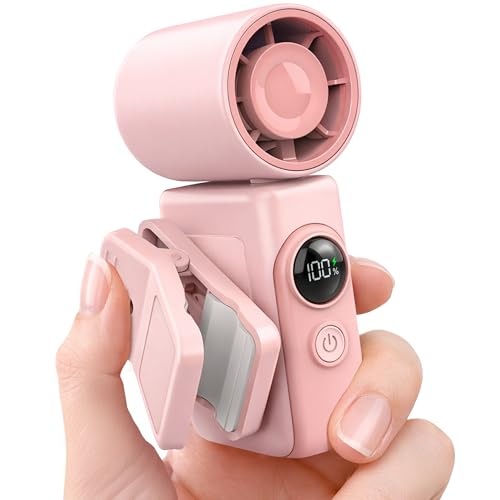
Hot air feels twice as irritating when both hands are already busy, pockets are full, and there’s nowhere sensible to place a desk fan. The best clip on personal fan should remove that friction by staying attached, directing air close to the body, and avoiding the constant juggling that comes with a handheld model. This pink portable fan takes a different route from the familiar spinning-blade design, pairing a wearable clip with a suspended waist-friendly shape. Its biggest appeal isn’t raw room-cooling power; it’s personal airflow that travels with you through work, commuting, camping, and everyday errands.
Portable Bladeless Clip Fan
The product name is a mouthful, so Portable Bladeless Clip Fan fits it better and gets straight to the point. Its built-in clip attaches to a shirt, belt, or backpack, leaving both hands free for typing, carrying gear, setting up camp, or dealing with a crowded commute. That setup can feel less awkward than holding a mini fan several inches from the face all afternoon. The clip also reduces the chance of setting the fan down somewhere and walking away without it.
A wearable fan only earns its keep if the airflow reaches the right place. Clipping it near the waist can send air upward through loose clothing, while attaching it higher on a strap or collar may provide a more direct breeze around the neck and face. The adjustable suspended design gives more placement freedom than a fan with a fixed tabletop base. Still, positioning matters, since thick clothing or a poorly angled clip may block part of the airflow.
The compact format makes sense for situations where space is tight. A crowded office desk, small travel bag, packed campsite, or narrow bedside surface doesn’t leave much room for a traditional fan. This model keeps the cooling source close without claiming valuable flat space. That’s a practical win, though the small body also means it’s meant for focused cooling, not circulating air across an entire room.
The pink finish adds personality without changing the core function. It may stand out more than neutral black or gray gear, which can make the fan easier to spot inside a bag. On the flip side, the color won’t suit every setup or preference. The more meaningful detail remains the clip-on hands-free format, because that’s what separates this fan from ordinary pocket-sized models.
Three Speeds With Clear Runtime Tradeoffs
Three speed levels give the fan a useful range rather than locking it into one noisy, battery-hungry setting. Low speed is rated for up to 5.5 hours, making it the sensible choice for desk work, reading, light household tasks, or any stretch where a soft breeze is enough. Medium speed runs for about 2.7 hours and provides a middle ground for warmer rooms or steady movement. High speed lasts around 1.6 hours, so it’s better treated as a short burst for hot outdoor moments rather than an all-day default.
Those runtime figures make the tradeoff refreshingly clear. More airflow costs battery life, plain and simple, and that’s common with compact rechargeable fans. Low speed stretches the charge furthest, while high speed drains it much faster. The three-level control helps avoid wasting power when full force isn’t necessary.
Daily comfort rarely needs maximum output every minute. A lower setting may be enough during a quiet meeting, then medium can handle a warm commute, with high saved for standing in direct sun or setting up a tent. That sort of speed switching keeps the fan useful across changing conditions. It also makes the battery estimate easier to manage instead of guessing whether the fan will quit halfway through an activity.
The runtimes do impose a real limitation. A full day outdoors will likely require occasional charging, especially if medium or high speed sees regular use. A power bank can help because the fan supports USB-C charging, but carrying an extra battery adds another item to the bag. Anyone expecting continuous high-speed airflow for several hours should keep that 1.6-hour maximum-speed runtime firmly in mind.
Bladeless Safety Without Loose Hair Worries
Exposed fan blades can be a nuisance around long hair, curious fingers, pets, and crowded public spaces. This model uses a bladeless exterior design, removing the open spinning blades found on many clip fans. That makes it less stressful to wear close to clothing, straps, hair, or the edge of a backpack. It also suits busy environments where accidental contact is more likely.
The safety benefit becomes especially practical near the waist or upper body. Loose fabric can drift toward a conventional fan grille, while hair may brush against a collar-mounted unit during movement. The enclosed design lowers that snagging concern and makes close-range use feel more natural. Even so, the air openings still need to remain unobstructed for steady airflow.
Bladeless doesn’t mean maintenance-free. Dust, lint, and fabric fibers can still collect around intake and outlet areas, especially when the fan is clipped to clothing or carried inside a backpack. A gentle wipe and regular inspection should help prevent buildup from reducing performance. The housing may be easier to handle than exposed blades, but narrow vents can take a bit more patience to clean.
Another benefit is the lack of a visible rotating propeller near the body. The design looks less mechanical and can feel less distracting during office work, reading, or travel. It won’t eliminate every possible bump or pinch from the clip itself, though. The family-friendly construction addresses blade contact, while sensible placement still matters around skin, zippers, and delicate fabric.
Quiet Operation for Work and Rest
Portable fans often become annoying for one simple reason: The sound sits only a few inches from the ears. This model is described as whisper-quiet and intended for offices, libraries, meetings, study sessions, and bedrooms. A quieter motor can make close personal cooling far easier to tolerate during focused tasks. Low speed should be the natural setting for silence-sensitive situations because slower operation generally creates less airflow noise.
Noise expectations still need a little common sense. Any fan moving air will produce some sound, and higher speeds are likely to be more noticeable than the lowest setting. “Whisper-quiet” doesn’t guarantee total silence in every room or at every speed. The useful takeaway is that the fan is designed to minimize disruptive humming rather than chase maximum output at all costs.
Placement can change the perceived sound, too. A clip attached firmly to a stable belt or backpack strap may create less rattling than one barely gripping a thin, flexible edge. Hard surfaces can sometimes amplify vibration, while soft fabric may dampen it. A secure attachment supports both quieter operation and more consistent airflow.
The compact motor should fit best into routines where a background breeze matters more than dramatic cooling. Typing, studying, winding down in bed, or sitting through a long ride all benefit from low-level airflow that doesn’t dominate the room. High speed may be less discreet, but it’s meant for stronger short-term relief anyway. That division between quiet low-speed use and stronger high-speed use feels sensible rather than contradictory.
Fast USB-C Charging and Portable Power
A full recharge takes about 1.6 hours according to the supplied product details. That charging time is short enough to restore the battery during a lunch break, car ride, café stop, or afternoon at a desk. The included USB-C cable also avoids the irritation of relying on an older, less common connector. USB-C compatibility makes it easier to share power sources already used for phones, tablets, and other travel gear.
The fan can draw power from a laptop, power bank, or car charger, which gives it more flexibility away from a wall outlet. A power bank is especially useful during camping trips, festivals, long commutes, or outdoor work where the 5.5-hour low-speed limit may not cover the whole day. That said, charging availability doesn’t erase the need to manage speed settings. High output will still require more frequent top-ups.
The fast recharge figure compares favorably with its maximum low-speed runtime. Roughly 1.6 hours of charging can provide up to 5.5 hours of gentle airflow, creating a practical cycle for intermittent daily use. Medium and high speeds shorten that return substantially, so the best routine depends on how much cooling is actually needed. The battery-to-runtime balance looks most attractive on low speed.
Battery-powered convenience also removes a dangling cable during normal use. That matters while walking, carrying bags, moving between rooms, or working around outdoor equipment. The fan won’t stay tethered to a desk or outlet, and that freedom is central to its purpose. Once the battery runs low, however, the fan becomes another device that needs a charging break.
Practical Strengths and Honest Limitations
The strongest feature is the way several practical ideas work together. A clip keeps the hands free, the bladeless housing reduces snagging worries, three speeds balance comfort against runtime, and USB-C charging simplifies power management. None of those features sounds dramatic alone. Combined, they create a portable cooling tool that fits naturally into movement-heavy routines.
The fan’s limitations are just as straightforward. It won’t cool a whole office, tent, bedroom, or patio because its airflow is intended for one person at close range. High speed lasts only about 1.6 hours, which may feel short during prolonged heat. The focused airflow design works best with realistic expectations and thoughtful placement.
Clip comfort can also vary by clothing and mounting point. A belt or backpack strap should provide firmer support than thin fabric, while a shirt collar may feel different depending on the fan’s weight and movement. The product details don’t provide weight measurements, so it would be unfair to claim the fan feels featherlight in every position. Testing a few attachment spots around the body is likely necessary to identify the least distracting setup.
Color is another small tradeoff rather than a functional flaw. Pink gives the fan a cheerful, easy-to-spot look, though it won’t blend quietly with every outfit, workspace, or camping kit. Buyers focused purely on utility may care less, while visual preference will matter more to others. The meaningful decision comes down to whether hands-free bladeless cooling, short charging time, and adjustable speeds match the way the fan will actually be used.
KIWIHOME Wearable Waist Fan for Outdoor Cooling
Heat trapped beneath a shirt can turn a routine shift, crowded event, or afternoon walk into a sweaty endurance test. A regular handheld fan helps only while one hand stays occupied, and fixed vents often send half the breeze in the wrong direction. The best clip on personal fan should keep air moving where it matters without demanding constant adjustment. KIWIHOME tackles that problem with a rotatable outlet, five airflow settings, several wearing modes, and a battery built for longer stretches away from an outlet.
KIWIHOME 4-in-1 Waist Fan
The shortened name, KIWIHOME 4-in-1 Waist Fan, captures the product’s main advantage without the extra wording. It can function as a waist fan, neck fan, desk fan, or handheld fan, so it isn’t boxed into one narrow role. The included lanyard supports neck use, while the built-in stand gives it a stable resting position on a desk or table. That flexibility matters during a long day because the most comfortable cooling position at noon may feel completely wrong by late afternoon.
Clipped at the waist, the fan can direct air beneath a loose shirt to reduce that muggy, sealed-in feeling around the torso. Hanging from the neck moves the airflow closer to the chest and face, which may suit walking, waiting in line, or sitting through an outdoor event. The handheld mode offers quick directional control, and desk mode works better during breaks or office tasks. Four configurations won’t guarantee equal comfort in every situation, but they provide more room to adapt than a fixed belt-only design.
Weight affects whether a wearable fan becomes useful gear or an object that gets left behind. This model weighs 0.67 pound, or 304 grams, according to the supplied specifications. That’s compact enough for portable use, though it won’t feel weightless on thin shorts, loose fabric, or a light lanyard. A firm belt, waistband, or sturdy strap should provide better support for the 304-gram body.
The physical design suits workdays, travel, camping, and summer gatherings where both hands need to remain available. Carrying tools, pulling luggage, setting up a tent, or holding a phone becomes less awkward without a fan occupying one hand. Still, this is personal cooling rather than room cooling. The wearable format focuses airflow close to the body, so anyone expecting it to cool a large tent or open work area should dial back those expectations.
Adjustable Airflow That Wastes Less Breeze
Fixed-direction waist fans can be frustrating because body shape, belt height, and clothing fit change the angle of the air. KIWIHOME uses a ball-joint outlet with 360-degree rotation and up to 10 degrees of vertical adjustment. That combination allows the vent to be aimed based on how the fan is clipped or carried. The adjustable air outlet is a practical feature, not decoration, since misdirected airflow can make a strong motor feel surprisingly weak.
A fan mounted on the right side of a belt may need a different angle from one hanging at the center of the waist. The rotating joint helps send air upward beneath clothing, outward toward the neck, or toward the face in handheld mode. Small adjustments can also prevent the breeze from hitting one spot too aggressively. That level of control gives the personalized cooling claim a concrete purpose.
The 10-degree vertical range is useful, but it’s worth reading that number realistically. It provides fine directional correction rather than a dramatic tilting motion like a full-size desk fan. The broader 360-degree rotation does most of the positional work, while the vertical adjustment fine-tunes the final angle. A loose shirt will usually let air travel more freely than tight or layered clothing, regardless of how carefully the outlet is aimed.
Placement may take a little trial and error during the first few uses. Waist height, shirt thickness, walking movement, and the fan’s orientation can all change how much air reaches the skin. Once a comfortable position is set, the ball joint should reduce the need to twist the entire unit. The real difference from fixed-direction fans is that the airflow can be corrected without moving the clip to a completely different location.
Five Speeds and a High-RPM Brushless Motor
The supplied specifications list a 14,000 RPM brushless motor paired with a nine-blade turbo fan. Airflow reaches up to 23 feet per second, or 7 meters per second, across five available speed settings. Those figures suggest the fan is built to move more air than a basic low-output wearable model. More importantly, the five-speed range lets the output match the heat level instead of forcing a choice between barely noticeable airflow and maximum power.
Lower speeds make sense indoors, during mild weather, or while sitting still. Midrange settings suit walking, commuting, or working in spaces where heat builds gradually. The highest setting is better reserved for direct sun, strenuous activity, or short periods when fast relief matters more than battery conservation. Five steps create enough separation to make those adjustments feel deliberate rather than cosmetic.
Motor speed alone doesn’t tell the whole story. Airflow depends on outlet position, intake clearance, clothing, and how close the fan sits to the body. A blocked intake or tightly pressed shirt can reduce the practical benefit even while the motor runs at full power. Keeping the air path unobstructed will matter just as much as selecting the highest setting.
The brushless motor is a sensible fit for a portable fan because it supports high rotational speed without relying on the same brush contact used in traditional brushed designs. The product description presents the motor as a source of strong, fast cooling, but it doesn’t provide a noise rating in decibels. That means it would be careless to promise silent operation, especially at the upper settings. Strong airflow from a compact body often brings noticeable sound, so the highest-speed tradeoff may include more motor and wind noise.
Battery Runtime Built Around Long Days
An 8000mAh battery is one of the most substantial features listed for this model. KIWIHOME states that runtime reaches up to 40 hours on the lowest setting and 8 hours on the highest. That range gives the fan enough capacity for extended shifts, full-day outings, or several lighter-use sessions between charges. The 8-to-40-hour runtime also makes the five speed levels more meaningful because battery life can be managed around actual conditions.
Forty hours should be treated as a lowest-speed maximum rather than a universal expectation. Running the fan faster, adjusting it frequently, or using it in hot conditions at maximum output will shorten the time between charges. Eight hours at the highest setting is still a useful figure for a wearable fan, based on the supplied details, but real use may involve a mixture of speeds. That mixed pattern could offer a more balanced result than leaving the unit at full power all day.
Full charging takes about five hours through Type-C, and the cable is included. A five-hour recharge isn’t especially quick compared with small pocket fans, though the larger battery helps explain the longer wait. Overnight charging or plugging in during a long desk session will fit more naturally than expecting a brief coffee break to refill the battery. The Type-C connection keeps the charging method familiar and compatible with common power sources.
The battery size adds endurance, but it also contributes to the fan’s 304-gram weight. That tradeoff is hard to avoid: More capacity generally means more mass to carry. Long shifts may favor the bigger battery, while very light clothing may make the weight more noticeable at the waist. The strength here is endurance, not an ultra-featherweight feel.
A Physical Switch Prevents Bag Drain
Accidental activation sounds like a small annoyance until a fan spends an hour running inside a backpack. Touch-sensitive or exposed buttons can be pressed by cables, clothing, tools, and other packed items. KIWIHOME adds a slide switch on the bottom that fully disconnects normal operation during storage. The physical power switch protects the stored charge and reduces the chance of pulling out a dead fan on a hot afternoon.
The switch creates a two-step control routine. First, the main power must be enabled at the bottom; then the regular button handles speed selection and display behavior. That extra step may feel slightly less convenient during a quick start, but it serves a clear purpose. A deliberate hardware cutoff is more dependable in a crowded bag than hoping the control button never gets bumped.
Storage safety also improves because the fan won’t unexpectedly start against fabric or other objects. An active fan inside a packed compartment could draw in lint, waste energy, and run with blocked ventilation. Sliding the power switch off removes that worry before travel. It’s a modest detail, yet the anti-drain design addresses a common problem that flashy airflow numbers often overlook.
The switch location on the bottom should keep it away from ordinary speed adjustments. Still, the exact feel and stiffness of the slider aren’t described, so there’s no basis for claiming it’s effortless or especially rugged. Its value lies in the function itself: A true off position separates storage from standby. For travel gear, that simple mechanical control can be more useful than another decorative mode.
Digital Display Makes Power Easier to Manage
Guessing how much battery remains can turn a portable fan into a source of low-level anxiety. This model uses a digital display that shows battery percentage and speed levels in real time. The speed indicators appear as 01, 25, 50, 75, and 100, giving each of the five settings a clear visual marker. The battery percentage display is especially useful before leaving home, starting a shift, or heading away from convenient charging.
A short press cycles through the speed levels, after which the screen returns to the battery reading. That behavior keeps the most useful everyday information visible without requiring a separate button. It also makes accidental speed changes easier to notice. Instead of judging output only by sound or airflow, the display confirms the selected level immediately.
The screen gently pulses while charging, providing a visual sign that power is reaching the battery. That can help identify a loose cable or inactive charging source before hours pass unnoticed. The supplied details don’t state whether the display can be dimmed or turned off during operation. Anyone sensitive to small lights in a dark bedroom should remember that this fan is primarily framed around active daytime use.
Digital readouts add clarity, though they also introduce another electronic component that simpler fans don’t need. A basic indicator light can’t show precise remaining power, but it’s less visually busy. Here, the tradeoff favors information and control. For long outdoor use, the real-time battery reading makes it easier to lower the speed early instead of waiting for the fan to shut down unexpectedly.
Where the KIWIHOME Fan Fits Best
Outdoor work is an obvious match for the waist clip and long battery life. Construction tasks, yard projects, event setup, roadside work, and other heat-heavy routines often keep both hands occupied. Directing air beneath a shirt can reduce the stagnant feeling around the torso without adding another item to carry. The hands-free cooling setup is most convincing in situations where a handheld fan would constantly get in the way.
Camping and travel bring out the value of the four operating modes. The fan can stay clipped while walking, hang from the neck during setup, stand on a table during meals, and work as a handheld unit inside a tent. USB-C charging also pairs naturally with a power bank or vehicle charger. Still, the intake and outlet should be kept away from loose dirt, fabric, and packed gear to maintain airflow.
Summer events create a different challenge: Long periods of standing, limited shade, and no guarantee of nearby power. The 8000mAh battery helps here, while the display shows whether a higher speed can be used without draining the fan too early. At 0.67 pound, the unit may feel more secure on a belt than on thin festival clothing. A strong mounting point will support the portable fan weight more comfortably over several hours.
The KIWIHOME design makes fewer compromises than a single-purpose waist fan, but it still asks for realistic expectations. It cools one person at close range, adds noticeable weight compared with tiny clip fans, and requires about five hours for a full recharge. In return, it provides directional airflow, five speeds, multiple carrying modes, a large battery, and a storage switch that prevents accidental drain. Those practical strengths and limitations make it better suited to long, active days than to anyone seeking the smallest fan possible.
Gaiatop Clip-On Personal Fan for Flexible Cooling
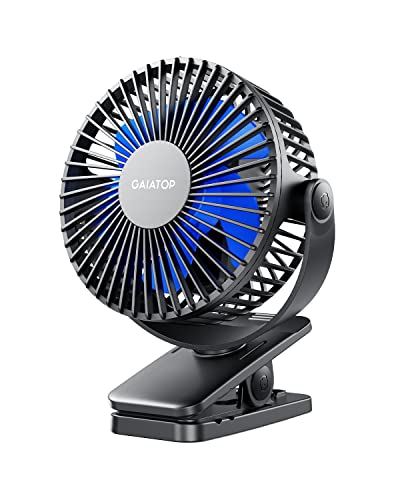
A cramped desk, warm stroller canopy, or stuffy car seat can make a small fan feel less like a convenience and more like a daily necessity. The real challenge isn’t simply moving air; it’s keeping the breeze pointed where it helps without sacrificing space, adding distracting noise, or leaving another cable tangled across the surface. The best clip on personal fan should hold its position, adapt to different mounting spots, and stay useful after the nearest outlet is out of reach. Gaiatop answers those needs with a rechargeable battery, three speeds, a padded one-inch clamp, dual-axis rotation, and a compact body that can shift between home, travel, stroller, and camping setups.
Gaiatop Rechargeable Clip Fan
The full product name runs long, so Gaiatop Rechargeable Clip Fan is the cleaner fit. Its design combines a small circular fan head with an integrated clamp, letting it attach to desk edges, stroller frames, shelves, car-seat areas, and other surfaces up to one inch thick. That clip-first approach keeps the fan off crowded tabletops and directs airflow closer to the spot that actually feels warm. A compact cooling device becomes far more practical once it stops competing with coffee cups, keyboards, chargers, and everyday clutter.
Size plays a major role in the fan’s portability. The supplied dimensions are 5.11 by 1.54 by 6.77 inches, while the listed weight is 0.71 pound. Those measurements make it small enough for a tote, camping bin, diaper bag, or work backpack without swallowing the whole compartment. Still, 0.71 pound isn’t featherlight, so thin fabric or a weak flexible edge may not provide the same stability as a firm desk, rail, shelf, or sturdy stroller bar.
The black-and-blue finish gives the fan a sporty look without affecting function. More useful is the shape, which keeps the motor, grille, and clamp together in one portable piece rather than relying on a separate stand. The fan can remain clipped during use or rest on a suitable surface depending on the setup. That flexibility helps in tight rooms, although the small fan head is built for personal airflow rather than cooling an entire bedroom or campsite.
Portability also changes how the fan fits into a routine. It can move from a home office in the morning to a stroller walk later, then clip near a camping chair or travel seat without requiring dedicated installation. No tool kit, no complicated mount, no fuss. The clip-on format earns its value through quick repositioning, though repeated moves may require a moment of readjustment to recover the best airflow angle.
Three Speeds and Practical Battery Runtime
The 2000mAh rechargeable battery supports three operating speeds with stated runtimes of roughly 2.5, 4.5, or 9 hours depending on the selected level. The shortest figure naturally aligns with stronger output, while the longest belongs to the most conservative setting. That range gives the fan enough flexibility for a quick burst of cooling, a work session, or a longer low-speed stretch. The three-speed control keeps operation simple without burying basic airflow behind a long menu of settings.
Low speed makes the most sense during reading, desk work, naps, or mild indoor heat where a soft breeze does the job. Medium speed offers a middle ground for warm rooms, travel, or stroller use during steady movement. High speed trades runtime for stronger airflow and will fit shorter periods when the heat feels more pressing. That balance is easy to grasp: More cooling means less battery time, and the supplied figures make the tradeoff visible before the fan leaves the charger.
The fan can run while charging, which removes some of the pressure from the battery limit. At a desk, beside a power bank, or near a USB adapter, it can continue operating instead of sitting idle during a recharge. This dual-power setup makes it more useful than a battery-only fan that becomes dead weight once the charge runs out. The cable does reduce placement freedom while connected, so cordless use remains the cleaner setup for strollers, camping, travel, and car-seat positioning.
A 2000mAh battery is modest compared with larger wearable or camping fans, and that matters during long days away from power. Nine hours on the lowest setting may cover an extended outing, but frequent high-speed use can reduce that window to around 2.5 hours. A compact power bank can fill the gap, though it adds another item to carry. The battery strength lies in portability, not marathon operation at maximum speed.
Strong Airflow Without Excessive Noise
Gaiatop describes the fan as using a brushless motor paired with an upgraded blade and grille design based on aerodynamic principles. The practical goal is straightforward: Move useful air without creating a harsh mechanical hum. A brushless motor also avoids the physical brush contact found in traditional brushed designs, which supports smoother operation over time. The product details don’t provide a decibel figure, so quiet operation shouldn’t be confused with total silence.
Noise matters more with a personal fan because the unit often sits close to the face, keyboard, bed, or stroller. A faint, steady air sound can fade into the background, while rattling or pulsing noise quickly becomes irritating during calls, study, or sleep. The upgraded fan cover may help manage airflow turbulence, but speed will still influence what the ear notices. Lower settings should naturally feel more discreet than the strongest mode.
The small housing also affects expectations. Compact blades generally need to spin faster to create a noticeable breeze, so maximum speed may produce more wind noise even if the motor itself remains smooth. A secure clip can reduce vibration because the fan won’t bounce or chatter against the mounting surface. Proper placement supports both stronger perceived airflow and a calmer sound profile.
Airflow quality depends on distance and angle as much as motor strength. A fan aimed directly at the face from a nearby stroller bar can feel more effective than a larger unit pointed several feet away. The Gaiatop model works best as a close-range cooling source, not a substitute for room circulation. That distinction keeps the strong wind claim in realistic territory without pretending a mini fan can do the work of a full-size circulator.
Safer Grille Spacing Around Small Fingers
The front grille uses gaps listed at 5.5 millimeters, a detail intended to reduce the chance of small fingers reaching the moving blades. That tighter spacing adds reassurance in stroller, nursery, or family settings where curious hands may get close to the fan. The design doesn’t remove the need for sensible placement, but it creates a more protective barrier than a wide-open grille. The 5.5-millimeter gap is one of the more concrete safety details supplied for this model.
Stroller use benefits from more than finger protection. The fan needs to remain far enough from loose blankets, straps, hair, and clothing so the intake stays clear and the head can rotate freely. A secure clip on a rigid frame is preferable to a soft canopy edge that may sag or wobble. The protective grille handles direct access to the blades, while careful mounting handles the rest of the setup.
Quiet operation also supports use near naps and calmer indoor routines. A fan that keeps air moving without dominating the soundscape can make a warm room more comfortable without adding another obvious distraction. Still, airflow shouldn’t blow continuously into the same spot at very close range, particularly around a sleeping child. Gentle positioning and the lowest effective speed create a more balanced personal cooling setup.
Dust and lint can gather on any closely spaced grille, and the narrow openings may require a soft brush or careful wipe. Blocked vents reduce airflow and can make the motor sound more strained. Regular cleaning matters even more near fabric-heavy spaces such as strollers, car seats, and bedding. The safety-focused cover is useful, but its tight spacing creates a small maintenance tradeoff.
Padded Clamp for Secure Everyday Mounting
The clamp opens wide enough for surfaces up to one inch thick, covering many desk edges, shelves, bed frames, stroller bars, and camping fixtures. Its inner surface includes a sponge pad that helps protect finishes from scratches. That padding also adds grip on smooth surfaces, reducing the chance of the fan slowly sliding out of position. The one-inch clamping range is practical, though extra-thick tables and bulky rails may sit outside its limit.
An easy-to-open clamp sounds minor until the fan needs to move several times in one day. Stiff clips can pinch fingers or require two hands, while weak clips sag under the fan’s weight. Gaiatop aims for a middle ground with a durable clamp that remains manageable during repositioning. The product details don’t provide a spring-force measurement, so it’s safer to judge the feature by its stated capacity rather than assume it will grip every surface equally well.
The sponge pad solves one problem but introduces routine wear. Repeated attachment to rough or dusty surfaces may compress the material or collect debris over time. A quick wipe before mounting can keep grit from rubbing against furniture or painted rails. The scratch-resistant padding is most useful when it stays clean and properly seated inside the clamp.
Mounting orientation can change stability. A horizontal desk edge gives the clip a broad, predictable grip, while a round stroller tube or angled tent pole may create more movement. The dual-axis fan head helps compensate because the clamp can stay in its strongest position while the airflow is redirected separately. That separation between secure attachment and airflow angle is a smarter approach than twisting the whole unit into an unstable position.
Full Rotation Makes Placement Less Fussy
The fan head supports 360-degree horizontal rotation and 360-degree vertical rotation. That wide adjustment range allows the clip to stay fixed while the breeze turns toward the face, hands, upper body, or nearby workspace. A single mounting spot can therefore support several seating positions without removing the fan. The dual 360-degree rotation is especially useful on stroller bars, shelves, and side-mounted desk edges where direct alignment isn’t guaranteed.
Full rotation doesn’t mean the fan should be spun carelessly around its cable or hinge. Deliberate repositioning will place less strain on the joint and keep the head from knocking into the clamp or surrounding objects. The mechanism’s long-term stiffness isn’t described, so there’s no basis for claiming it will remain perfectly tight after years of use. Its immediate advantage is clear, though: Airflow direction isn’t locked to the angle of the mounting surface.
A flexible head also prevents wasted breeze. Air sent above the head, into a desk divider, or against the back of a stroller canopy does little good no matter how strong the motor runs. Small angle corrections can make low or medium speed feel more effective, saving battery in the process. Better direction can sometimes matter more than simply pushing the fan to high.
The adjustment range works across several real-life setups. At a desk, the fan can clip beside a monitor and angle toward the face without crowding the keyboard. On a stroller, it can remain attached to a side rail while pointing inward, and during camping it can turn from a chair toward a sleeping area. This rotation flexibility gives the Gaiatop fan broader usefulness than a fixed-head clip model.
Where the Gaiatop Fan Makes the Most Sense
Desk use is one of the easiest fits. The clamp keeps the fan off the work surface, USB power supports operation during charging, and three speeds handle changing comfort levels through the day. Low speed can provide a gentle breeze during calls, while stronger settings help after a warm commute or during an afternoon heat spike. The space-saving clip is particularly helpful on narrow desks where every inch already has a job.
Stroller and car-seat use highlight the secure clamp, tight grille spacing, and flexible rotation. The fan can attach away from small hands and angle the airflow without placing a loose device beside the seat. Careful mounting remains essential, since straps, blankets, and moving parts shouldn’t block the intake or outlet. The compact cooling design supports these settings best when the fan is positioned firmly and checked regularly.
Camping, beach trips, and travel bring the battery limitations into sharper focus. The fan is easy to pack and can clip to many temporary surfaces, but maximum-speed runtime is listed at about 2.5 hours. A power bank extends usefulness during longer trips, while low speed stretches the internal battery to around nine hours. The portable advantage is strongest for personal relief at close range rather than all-night campsite circulation.
The Gaiatop model balances several practical strengths with a few plain tradeoffs. It offers adjustable airflow, a padded clamp, rechargeable operation, safer grille spacing, and a compact shape, yet its one-inch clip limit and 2000mAh battery won’t suit every setup. High speed drains the battery faster, and the 0.71-pound body may feel bulky on delicate mounting points. The best fit is a routine that values flexible placement, close-range cooling, and easy movement more than maximum battery capacity or whole-room airflow.
Awonoso 10000RPM Waist Fan
Long hours in sticky heat expose the weakness of tiny handheld fans pretty quickly. One hand stays occupied, the breeze lands on only a small area, and the battery often fades before the work is done. The Awonoso model approaches the best clip on personal fan category as a wearable cooling tool rather than a pocket accessory, using a 10,000 RPM motor, a 10,000mAh battery, and a double-clip system designed to move air beneath clothing. Its specs favor outdoor jobs and daylong activities, though the larger battery and high-output design bring a few practical tradeoffs worth weighing.
Awonoso 3-in-1 Clip Fan
The shortened name, Awonoso 3-in-1 Clip Fan, reflects how the product can be worn or positioned. It works as a waist fan, a neck fan, or a desk fan, allowing the same unit to move between active use and stationary cooling. That versatility suits days that don’t follow one neat routine, such as gardening in the morning, driving at noon, and sitting at a campsite later. Instead of packing separate devices, one fan can shift roles as the setting changes.
Waist mode is the most distinctive option because it aims airflow beneath a shirt rather than across the room. Moving air close to the torso can reduce the clammy feeling that builds during mowing, farming, hiking, fishing, or outdoor repair work. The under-shirt airflow also keeps both hands available for tools, bags, handlebars, or fishing gear. Clothing fit matters, though, since very tight fabric may restrict the path of the breeze.
Desk mode gives the fan a quieter job during breaks, office tasks, or meals outside. The housing can sit on a surface instead of hanging from the body, which removes the weight from a waistband after several hours. Neck use keeps cooling closer to the upper chest and face, although the supplied information doesn’t specify the lanyard length or how the weight feels during prolonged wear. The three operating positions add flexibility, but comfort will depend on how each mode fits the activity.
The black ABS housing has a practical, work-ready appearance. ABS material is commonly used in portable electronics because it can absorb everyday knocks better than brittle shells, but the product details don’t provide impact-test results. It would be a stretch to call the casing indestructible. The fair takeaway is that the durable ABS exterior is intended for regular handling, travel bags, outdoor gear, and repeated clipping.
High-Speed Airflow for Heat Under Clothing
A 10,000 RPM brushless motor drives the fan across three speed settings. That motor speed suggests a stronger cooling approach than the gentle breeze produced by many small desk clips. The Awonoso is built to push air upward beneath clothing, where heat and moisture tend to collect during physical activity. Its high-speed motor is the central reason to consider this model over a basic mini fan.
Three speeds keep the controls straightforward. Low can stretch battery life during mild weather or less demanding work, while medium offers a middle setting for steady movement. High speed makes more sense during direct sun, strenuous tasks, or muggy conditions where light airflow barely registers. The adjustable output prevents the motor from running flat out when a softer breeze will do.
Strong airflow still depends on a clear intake and outlet. A shirt pressed tightly against the fan can choke circulation, and dust or fabric fibers around the vents may gradually reduce performance. The double-clip design helps address the clothing problem, but correct placement remains part of the equation. Even a fast motor can’t do much if the air path is blocked.
Noise is another realistic consideration. The description identifies a brushless motor but doesn’t provide a decibel rating or make a specific low-noise claim. At 10,000 RPM, especially on the highest setting, some motor and wind sound should be expected. The strength is forceful personal airflow, not guaranteed silence in libraries, bedrooms, or quiet meetings.
Large Battery Built for Longer Workdays
The 10,000mAh battery is unusually large for a wearable fan and supports up to 20 hours of continuous operation on the minimum setting, according to the provided specifications. That capacity addresses one of the biggest frustrations with portable cooling gear: Running out of power halfway through a shift or trip. For long outdoor days, the extended low-speed runtime offers more breathing room than a compact battery that needs frequent charging.
The phrase “up to 20 hours” deserves careful reading. It applies to the minimum gear, not every speed, and the supplied details don’t state exact runtimes for medium or high. Faster settings will draw more power and shorten operating time. The honest expectation is long endurance at low speed, with progressively less runtime as airflow increases.
Charging uses a 5V, 1A Type-C input. Type-C is convenient because compatible cables and power sources are widely available, whether power comes from a wall adapter, power bank, laptop, or vehicle charger. A 10,000mAh battery may take a while to refill through a 5V, 1A input, but no charging duration is provided. Without that figure, claiming a fast recharge would be guesswork.
Battery capacity also affects bulk and weight, even though the product details don’t list the fan’s dimensions or mass. A larger cell usually means a heavier device than a tiny 2,000mAh clip fan, so waistband comfort may vary during all-day wear. A sturdy belt or firm waistband should support the unit better than thin elastic shorts. The battery advantage comes with a portability tradeoff, and that balance matters more than the capacity number alone.
Double Clips Keep the Intake Clear
The double-clip layout is more thoughtful than it may appear at first glance. An inner clip attaches the fan to a pants waistband or belt, while an outer clip holds the shirt away from the air intake. That separation reduces the chance of fabric collapsing against the vent and starving the motor of air. The two-clip system directly supports cooling performance instead of serving as a decorative extra.
Clipping the shirt outward also encourages airflow to travel beneath the fabric. Without that second attachment point, loose material can drape over the fan or flutter into the intake during movement. The outer clip creates a small channel for air, helping the breeze move upward around the torso. It’s a simple mechanical fix for a problem that many waist fans leave to trial and error.
Clothing thickness will affect how easily the clips hold. Work pants, jeans, or a firm belt may provide a stronger base than lightweight athletic fabric, while thick layered clothing could be harder to position around the outer clip. The supplied description doesn’t state the maximum clip opening or clamping force. That leaves mounting compatibility as a point that depends on the actual waistband and shirt being worn.
The design also requires a little setup each time the fan is attached. The inner clip must carry the fan securely, and the outer clip needs to hold fabric without twisting it into the outlet. Once arranged correctly, the fan should require less fiddling than a single-clip model whose intake keeps getting covered. The main difference is controlled spacing between clothing and the fan rather than simply stronger clamping pressure.
Useful Across Work, Gardening, and Travel
Outdoor labor is where the Awonoso design makes the strongest case. Gardening, farming, yard maintenance, construction-related tasks, and fishing can keep both hands occupied while heat builds beneath work clothes. A waist-mounted fan sends air closer to the source of discomfort without needing to be held. The hands-free cooling becomes especially valuable during tasks that involve tools, gloves, or repeated movement.
Hiking and biking create different demands. The fan can provide airflow during slow climbs, rest stops, or low-speed travel, though vigorous movement may make a heavier waist unit more noticeable. Secure attachment is essential so the housing doesn’t bounce against the body or shift on loose clothing. The wearable design suits steady activity best when the waistband can support it firmly.
Camping benefits from the three-in-one layout. Waist mode helps during setup, desk mode can cool a small personal area near a chair or table, and neck mode may feel more convenient while walking around camp. The 10,000mAh battery reduces dependence on frequent access to an outlet. Still, the fan provides close-range relief rather than broad circulation throughout a tent or campsite.
Travel use will depend on how much bag space and weight the fan consumes, details that weren’t included in the description. The large battery is appealing for long drives, outdoor queues, festivals, and day trips, but it may be less convenient than a tiny clip fan for minimalist packing. Type-C charging makes power management easier once a suitable cable and source are available. The best-fit situations involve long exposure to heat where endurance matters more than carrying the smallest possible device.
Strengths, Weaknesses, and Everyday Tradeoffs
The strongest combination is the 10,000 RPM motor paired with the 10,000mAh battery. Many portable fans force a blunt choice between stronger airflow and usable runtime, while this model is designed to deliver both, particularly at the lower settings. The double clips improve the odds that the motor receives enough air to perform properly beneath clothing. Together, those core strengths support long, active days rather than quick indoor use.
The 20-hour claim applies only to minimum speed, and exact figures for the other two settings aren’t supplied. That missing detail makes it difficult to predict whether medium or high will last through a full shift. The charge time, noise level, dimensions, and weight are also absent from the provided information. These unknowns don’t erase the product’s benefits, but they limit how precisely its daily comfort can be judged.
The fan carries a 12-month warranty and a stated 100-day full-refund period. Those policies can reduce concern about early defects or a poor fit, although the precise terms and eligibility conditions aren’t included here. Warranty support is useful, but it shouldn’t replace attention to mounting comfort, charging habits, and airflow placement. The service coverage adds reassurance without proving long-term durability on its own.
The Awonoso isn’t the obvious pick for silent bedside cooling, ultralight packing, or anyone who dislikes wearing a device at the waist. Its appeal is more specific: Strong under-shirt airflow, several operating modes, long low-speed endurance, and a clip layout designed around fabric management. Some bulk is likely the price of that larger battery, and high-speed sound may be noticeable. The practical payoff is sustained personal cooling during outdoor routines where a small handheld fan would be more trouble than help.
Hotsales High-Speed Clip-On Personal Fan
Summer heat rarely waits for a convenient place to set down a fan. One minute you’re pushing a stroller, the next you’re standing in a long line with both hands occupied, and a fixed tabletop model is no help at all. The Hotsales fan enters the best clip on personal fan category with a detachable mounting system, a 13,500 RPM motor, four speeds, and a body weighing just 4.16 ounces. Its real appeal lies in switching quickly between hands-free airflow and direct handheld cooling, though the compact battery means runtime still needs a little planning.
Hotsales 2-in-1 Mini Fan
The shorter name, Hotsales 2-in-1 Mini Fan, neatly sums up what separates this model from a permanently attached clip fan. The fan body can be removed from the base and carried by hand whenever a mounted breeze no longer reaches the right spot. Reattach the clip, and it can sit on a stroller frame, backpack strap, desk edge, umbrella pole, beach chair, or treadmill handle. That quick change makes the design useful during days that bounce between walking, waiting, sitting, and moving again.
Handheld mode provides immediate control over distance and direction. A breeze aimed at the face during a commute may feel more useful than airflow fixed to a bag strap near the waist, while clip mode makes more sense during typing, stroller walks, or outdoor meals. The detachable clip lets the fan follow those changing needs without forcing the whole mounting assembly into the hand. Small detail, big difference, especially when bag space is already tight.
The two-part design does introduce one practical concern: The clip becomes a separate item after removal. It can stay in a purse, diaper bag, or backpack, but loose accessories have a habit of hiding beneath cables and travel gear. Keeping the pieces together matters if clip mode will be needed later in the day. The 2-in-1 flexibility is valuable, though it asks for slightly more organization than a one-piece fan.
Mounted use also depends on the shape and firmness of the attachment point. A flat desk edge will usually offer more stability than a soft backpack strap, while a round umbrella pole may require careful positioning. The supplied information doesn’t list the clip’s maximum opening width, so compatibility with thick rails can’t be guaranteed. Its best use is on surfaces the clamp can hold securely without wobbling or slowly slipping.
Fast Airflow From a Compact Motor
The fan uses a 13,500 RPM motor to produce strong personal airflow from a small housing. That high rotational speed is intended for quick cooling during hot walks, crowded events, road trips, and long outdoor waits. A compact fan won’t change the temperature of an entire room, but a close breeze can still take the edge off heat around the face and upper body. The 13,500 RPM motor makes this model more focused on fast relief than broad air circulation.
Four speed settings give the motor more range than a basic low-medium-high arrangement. A lighter setting fits desk work, reading, or indoor waiting areas, while the middle levels can handle warm commutes and casual outdoor use. The highest setting is better suited to direct sun, theme park lines, or quick cool-down periods after walking. That four-speed control helps avoid burning through battery power when full output isn’t necessary.
Strong airflow from a tiny device comes with predictable tradeoffs. Higher speeds will usually create more wind noise and consume energy faster, even though no decibel measurement is provided in the product details. The description doesn’t claim silent operation, so expecting library-level quiet at maximum speed would be unrealistic. The strength here is concentrated airflow, not whisper-soft performance under every condition.
Distance matters, too. Held several inches from the face, the airflow should feel more direct than it would from across a desk or wide stroller canopy. Clip placement can either help or waste the available output, depending on whether the grille points toward the body or into open space. A well-aimed medium setting may feel more effective than high speed pointed past the shoulder. The cooling result depends on both motor output and sensible positioning.
Wide Rotation Without a Fixed Breeze
The fan head tilts through 180 degrees, while the detachable clip rotates through a full 360 degrees. Together, those two movements allow the airflow to be redirected without repeatedly removing and reclamping the base. A side-mounted fan can point inward, a desk-mounted unit can tilt upward, and a stroller attachment can angle away from the frame. The dual adjustment system solves one of the most common annoyances with fixed-head clip fans.
A 180-degree tilt gives the fan head a broad forward-and-back range rather than unrestricted movement in every direction. The rotating clip handles the remaining orientation changes by turning the mounting base around its axis. That division makes sense because the clip can stay attached while the head handles finer adjustments. It also reduces the temptation to secure the clamp at an unstable angle just to reach the desired airflow path.
Busy summer setups rarely stay still. A stroller changes direction, a beach chair gets moved into shade, and a backpack strap shifts as someone walks. The 360-degree rotating clip provides room to correct the breeze instead of accepting whatever angle the mounting surface dictates. Even so, frequent movement may require occasional readjustment, especially on soft straps or rounded poles.
The rotating parts should be handled deliberately rather than twisted roughly. The provided details don’t describe hinge tension, joint materials, or long-term wear, so there’s no basis for claiming the mechanism will remain equally stiff forever. Its practical value is immediate and clear: Airflow can follow the body instead of forcing the body to follow the fan. That directional freedom is especially useful in cramped or irregular spaces.
LED Controls and Battery Awareness
The built-in LED display shows both battery level and wind speed. That removes the guesswork that often comes with small rechargeable fans, where a single blinking light provides little warning before shutdown. A quick glance reveals whether the fan is running low or sitting on the intended setting. The visible battery reading is particularly useful before leaving for a walk, event, commute, or travel day.
Battery capacity is listed at 2400mAh, with an operating range of about 2.5 to 6 hours depending on speed. Lower airflow stretches the charge toward the longer end, while stronger output shortens it. That runtime fits errands, desk sessions, stroller walks, and shorter outings better than all-day high-speed use. The 2.5-to-6-hour range is respectable for such a light body, but it still requires realistic expectations.
Four speeds make battery management more deliberate. Running at maximum power from the first minute may leave the fan empty before a long event ends, while using a lighter setting indoors preserves energy for hotter stretches later. The LED display supports that strategy by showing the remaining charge instead of leaving the user to guess. A little restraint can turn the compact battery into a more useful day-to-day power source.
Type-C charging keeps the power connection familiar. The fan can pair with common cables, wall adapters, power banks, laptops, and car charging setups, depending on the available source. No full recharge time is included in the supplied information, so calling it fast-charging would go beyond the facts. The Type-C port adds convenience, while actual charging speed will depend on the adapter and battery state.
Lightweight Carrying With Less Bag Clutter
At 4.16 ounces, the fan weighs less than many clip-on models with larger batteries and heavier bases. That low weight makes it easier to carry in a purse, tote, diaper bag, carry-on, or small travel pouch. It should also place less strain on stroller bars, backpack straps, and lightweight desk edges. The 4.16-ounce body is one of the product’s strongest practical advantages.
Lightweight construction improves handheld comfort as well. Holding a bulky fan through a long line or train ride can become surprisingly tiring, while a smaller unit is easier to shift between the hand and bag. The compact body also takes up less room beside snacks, chargers, bottles, and other summer essentials. That said, small size usually means a smaller battery and narrower airflow coverage.
The fan’s portability suits travel days filled with transitions. It can stay clipped during a stroller walk, detach for a crowded queue, return to a desk edge at a hotel, and slip back into a bag afterward. The bag-friendly design supports that kind of movement without turning the fan into another bulky piece of gear. A protective pouch may still help keep the grille and rotating joint away from grit or loose items.
Compactness doesn’t remove the need for maintenance. Dust, lint, sunscreen residue, and bag debris can collect around the intake and grille, reducing airflow over time. A gentle cleaning routine will help the small motor breathe properly and keep the detachable connection free of buildup. The maintenance tradeoff is minor, but portable electronics tend to collect more grime than devices left on one desk.
Stroller Use Needs Thoughtful Placement
The detachable clip and low weight make stroller mounting one of the fan’s more natural uses. It can attach to a suitable frame point and angle inward without occupying a cup holder or tray. The rotating base also helps keep airflow directed after the stroller position changes. The hands-free stroller setup can be convenient during warm walks, outdoor lines, and travel days.
Placement should keep the fan away from loose blankets, straps, hair, and curious fingers. The supplied description doesn’t state the grille-gap measurement or provide a specific finger-safety feature, so it would be wrong to assume the cover offers the same protection as models designed around extra-narrow openings. A secure location outside easy reach is the safer approach. The clip mechanism supports positioning, but careful setup remains essential.
Airflow should also be gentle and indirect rather than concentrated on one spot for a long period. A lower speed can provide circulation around the stroller area without creating an unnecessarily harsh stream of air. The 180-degree tilt makes subtle angle changes possible as shade, movement, and temperature shift. That adjustable breeze is more useful than simply leaving the fan at maximum output.
A stroller frame provides a firmer mounting point than soft fabric. Clips attached to a canopy edge may bounce, sag, or aim unpredictably as the stroller moves. The product details mention stroller use but don’t identify approved mounting locations or load limits. The most stable arrangement will depend on the specific frame and whether the clamp can close fully without interfering with folding parts.
Where This Fan Fits and Where It Falls Short
The Hotsales fan makes sense for commutes, city walks, theme park lines, outdoor gatherings, stroller trips, and desks with limited space. Its lightweight body and detachable clip favor routines that involve frequent movement rather than one fixed cooling station. Four speeds and broad angle adjustment make the airflow easier to tailor along the way. The core strength is adaptable personal cooling in a package that won’t weigh down a daily bag.
The battery is the clearest limitation. A maximum range of about six hours may cover a moderate outing on a lower setting, while roughly 2.5 hours at stronger output can feel short during a full day outdoors. A power bank can reduce that concern, but it adds another cable and device to carry. The runtime tradeoff is the price of keeping the fan unusually light.
The removable clip brings flexibility, yet it also creates another piece to store and protect. Permanently attached clip fans may feel simpler for anyone who rarely needs handheld use, while this design earns its keep by switching roles. Missing details about noise level, clamp width, charging duration, and protective grille spacing limit how precisely some aspects can be judged. Those information gaps deserve attention rather than confident assumptions.
This model isn’t built for overnight campsite circulation, whole-room cooling, or uninterrupted maximum-speed use through a long shift. It’s better suited to quick, directed relief that moves easily between a hand, stroller, chair, bag strap, and desk edge. The meaningful difference lies in its 4.16-ounce weight, 13,500 RPM motor, detachable clip, and flexible rotation. For routines shaped by movement and limited space, those features solve more problems than a heavier stationary fan would.

Best Quiet Ceiling Fan For Bedroom 2026 Ultimate Comfort Picks

Best Ceiling Fan For Master Bedroom 2026 With Ultimate Comfort

Best White Ceiling Fan With Light For Bedroom 2026 Top Picks

Best Quorum Medallion Ceiling Fan 2026 With Style & Breeze
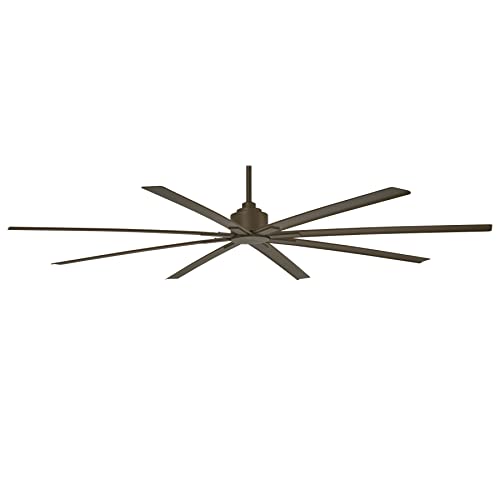
Best Outdoor Fan For Pergola 2026 Comfort Boost

Best Ceiling Fan For Great Room 2026 With Ultimate Comfort

Best Outdoor DC Ceiling Fans 2026 For Breezy Comfort
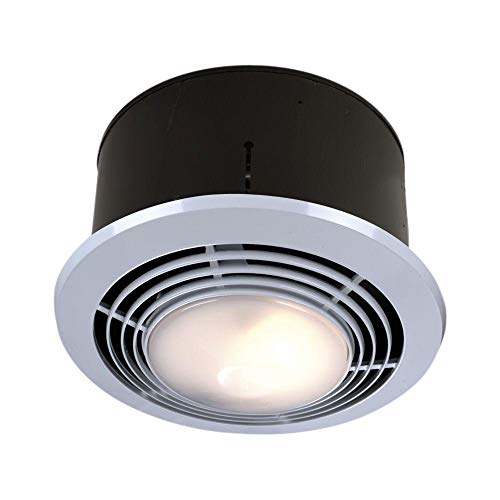
Best ceiling exhaust bath fan with light and heater 2026