Best Desk Lamp For Jewelers 2026, Sharper Bench Work

Best desk lamp for jewelers isn’t just about making a bench brighter. Tiny prongs, hairline scratches, solder seams, and stone reflections can all disappear under the wrong light, which makes careful work feel harder than it should. A lamp with clean illumination, steady positioning, and controlled glare helps keep the bench calm instead of turning every repair into a squinting contest. Yep, the right light can make the difference between steady confidence and second-guessing every tiny mark.
Color accuracy matters because gemstones, metals, enamel, and patina don’t always look honest under harsh or overly warm bulbs. A lamp that renders colors naturally helps make polishing checks, stone matching, and surface inspection feel more dependable. Too much yellow light can hide cool tones, while overly blue light can make metal look colder than it really is. So, a balanced daylight-style beam usually feels more useful at the bench than a dramatic mood light.
Magnification compatibility also deserves attention, even if the lamp itself doesn’t include a lens. Many jewelry benches already use visors, loupes, microscopes, or clamp-on magnifiers, and a bulky lamp head can get in the way fast. A slim arm, adjustable head, and stable base make close work smoother without crowding the tools, trays, and tiny findings already fighting for space. That’s where a well-designed lamp earns its keep, quietly, without hogging the bench.
Adjustability sounds simple, but it’s a big deal during stone setting, wax carving, wire wrapping, engraving, and inspection. The light needs to move low, high, forward, and sideways without drooping halfway through a delicate task. A stiff arm can feel annoying, but a loose arm is worse because it forces constant readjustment. The sweet spot is a lamp that stays where it’s placed and doesn’t wobble every time a tool touches the table.
Glare control can’t be ignored around polished silver, gold, steel tools, and faceted stones. Bright light alone can bounce back hard, creating reflections that hide the exact detail being checked. Diffused LEDs, wide light bars, or adjustable brightness levels help reduce that problem without making the work area feel dim. For longer bench sessions, that softer control can spare a lot of eye fatigue.
Heat management is another practical detail because jewelry benches already deal with torches, wax, adhesives, polishing compounds, and close handwork. Older lamp styles can run warm, which isn’t always welcome near sensitive materials or cramped setups. LED lamps usually stay cooler and use less energy, but not every LED beam feels comfortable for precision tasks. The better pick is the one that balances brightness, color clarity, stability, and comfort instead of chasing raw brightness alone.

- LFR Score9.4
LFR Score is a ranking system developed by lightfansreviews.com. LFR Score has no relationship or impact from any manufacturers or sales agent websites. Learn more
- BrandLepro

- LFR Score9.2
LFR Score is a ranking system developed by lightfansreviews.com. LFR Score has no relationship or impact from any manufacturers or sales agent websites. Learn more
- BrandRackydigPro
- LFR Score9.2
LFR Score is a ranking system developed by lightfansreviews.com. LFR Score has no relationship or impact from any manufacturers or sales agent websites. Learn more
- BrandKrstlv
- LFR Score9.2
LFR Score is a ranking system developed by lightfansreviews.com. LFR Score has no relationship or impact from any manufacturers or sales agent websites. Learn more
- BrandNeatfi

- LFR Score9.0
LFR Score is a ranking system developed by lightfansreviews.com. LFR Score has no relationship or impact from any manufacturers or sales agent websites. Learn more
- BrandIVMAIE

- LFR Score9.0
LFR Score is a ranking system developed by lightfansreviews.com. LFR Score has no relationship or impact from any manufacturers or sales agent websites. Learn more
- BrandSeylae

- LFR Score8.8
LFR Score is a ranking system developed by lightfansreviews.com. LFR Score has no relationship or impact from any manufacturers or sales agent websites. Learn more
- BrandVeemagni
- LFR Score8.8
LFR Score is a ranking system developed by lightfansreviews.com. LFR Score has no relationship or impact from any manufacturers or sales agent websites. Learn more
- BrandADDIE KIRKAS

- LFR Score8.8
LFR Score is a ranking system developed by lightfansreviews.com. LFR Score has no relationship or impact from any manufacturers or sales agent websites. Learn more
- BrandVUEJIC

- LFR Score8.8
LFR Score is a ranking system developed by lightfansreviews.com. LFR Score has no relationship or impact from any manufacturers or sales agent websites. Learn more
- BrandDrdefi

- LFR Score8.4
LFR Score is a ranking system developed by lightfansreviews.com. LFR Score has no relationship or impact from any manufacturers or sales agent websites. Learn more
- BrandTORCHSTAR
Last update on 2026-05-29 / Affiliate links / Images, Product Titles, and Product Highlights from Amazon Product Advertising API
Best Desk Lamp For Jewelers
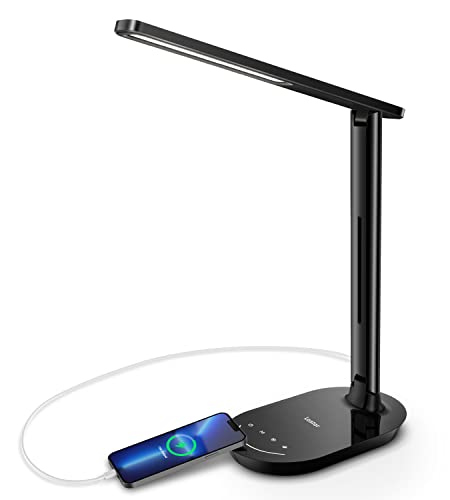
Bench work gets frustrating fast once shadows start hiding tiny scratches, loose prongs, or uneven polishing marks. Long repair sessions under harsh lighting can leave eyes feeling cooked before the project is even halfway done, especially during stone inspection or detail-heavy solder prep. That’s where the Lepro LED Desk Lamp starts making practical sense for best desk lamp for jewelers conversations. It focuses less on flashy extras and more on usable light control, compact positioning, and reducing the glare that often bounces off silver, polished steel tools, and faceted stones.
Lepro LED Desk Lamp
Lepro keeps the design surprisingly straightforward, and honestly, that works in its favor. The slim profile doesn’t eat up half the bench space, which matters once pliers, loupe trays, polishing cloths, and ring clamps start piling up around the workstation. A bulky lamp might look impressive online, but cramped bench setups tell a different story. This one folds neatly and stays out of the way when not in use.
Lighting flexibility stands out immediately because the lamp includes five color modes paired with five brightness levels. Jewelry work shifts constantly between tasks that need crisp white light and moments where softer lighting feels easier on tired eyes. Stone matching, engraving prep, and fine wire wrapping all react differently under certain color temperatures. Having those options available without swapping bulbs feels more practical than gimmicky.
The 800-lumen output lands in a useful middle ground for jewelry benches. It’s bright enough for detailed handwork without blasting the entire workspace like a floodlight. Some ultra-bright task lamps create reflections that make gemstones harder to inspect instead of easier. The diffused light spread across the longer light bar keeps things calmer around reflective surfaces.
Adjustability also deserves credit here. The arm pivots smoothly, and the head angles without feeling loose or floppy after repositioning. Tiny adjustments matter more than people expect during bench work because light direction changes how scratches, metal texture, and stone facets appear. A stubborn lamp arm gets annoying in a hurry once repeated repositioning becomes part of the workflow.
Lighting Performance During Detail Work
Jewelry repair lighting needs balance more than raw intensity. Overly sharp LEDs can create hard reflections on polished gold or silver surfaces, which sometimes hides the exact detail being inspected. The frosted diffuser on this Lepro lamp softens the beam enough to reduce that issue. It doesn’t eliminate reflections completely, obviously, but it avoids the harsh spotlight effect common with cheaper desk lamps.
Eye comfort feels noticeably better during longer sessions thanks to the non-flickering LEDs. That matters during repetitive work like chain repair, stone setting, or wax carving where concentration stays locked in for extended periods. Flickering light can feel subtle at first, then slowly becomes exhausting after an hour or two. The steadier beam here creates a calmer work environment overall.
Color temperature control helps during gemstone inspection because different stones react dramatically under warm versus cool light. Cooler modes reveal surface details and inclusions more clearly, while warmer settings feel less fatiguing late at night. That flexibility becomes useful once projects shift between inspection, cleaning, polishing, and photography prep. One fixed light tone rarely handles all those tasks comfortably.
The wide lamp head spreads light evenly across a broader workspace instead of concentrating everything into one tiny hotspot. That’s surprisingly helpful around cluttered benches where tools, findings, trays, and measurements constantly move around. Narrow-beam lamps force endless repositioning. In some bench setups, a relevant reference is adjustable jewelry work lighting because broader illumination often reduces eye strain during repetitive detail work.
Real Bench Setup Advantages
Compact footprint matters more than fancy styling in jewelry workspaces. Small benches already fight for every inch of usable surface area, especially in apartment studios or shared crafting spaces. The Lepro lamp keeps the base reasonably small while still feeling stable enough during adjustments. That balance works well for crowded workstations.
The folding design also helps in multi-purpose rooms where the jewelry setup disappears after use. Some jewelers work from dining tables, hobby desks, or sewing stations instead of permanent workshops. A rigid oversized lamp becomes a nuisance in those situations. This one folds down quickly without turning storage into a puzzle.
Power delivery stays simple with the included adapter and long DC cord. The nearly five-foot cable gives enough flexibility for awkward outlet placement without needing extension cords everywhere. It sounds minor, sure, but tangled cable management gets irritating fast around polishing motors and small hand tools. Cleaner setups usually lead to smoother workflow.
The minimalist appearance blends easily into different work areas without screaming “office equipment.” That may not affect functionality directly, but calmer visual setups can make detailed handwork feel less chaotic. Some task lamps look aggressively industrial even for casual bench use. This one feels understated instead.
Pros And Cons Worth Mentioning
Pros start with the adjustable lighting system because the five color temperatures genuinely add flexibility instead of acting like marketing filler. Bright white modes help reveal tiny imperfections during repairs, while softer tones ease eye strain during longer sessions. The diffused LED panel also handles reflective surfaces fairly well compared to sharper exposed LEDs. Bench lighting shouldn’t feel like staring into a car headlight, and thankfully, this lamp avoids that problem.
Another strength involves positioning control. The flexible arm and rotating light head make directional lighting easier during close-up work. Jewelers constantly shift viewing angles to inspect texture, symmetry, and solder flow, so static lighting rarely feels ideal. This setup adapts without much resistance.
Space efficiency deserves a spot on the positive side too. Small workstations benefit from equipment that folds neatly and avoids clutter. The slim profile helps maintain open bench space for trays, tools, and magnification gear. That practical design choice feels more valuable over time than decorative styling.
Cons exist, though. The lamp works best for moderate bench lighting rather than extremely high-output industrial illumination. Jewelers who rely heavily on microscopes or deep engraving work may still prefer supplemental focused lighting nearby. The base also depends on desk placement rather than clamp mounting, which may limit positioning options for some setups.
The metal construction feels reasonably sturdy for regular home or studio use, but it doesn’t have the heavy-duty rigidity of professional articulating workshop lamps costing significantly more. Frequent aggressive repositioning could eventually loosen the joints over time. That tradeoff makes sense given the compact design and lighter overall build.
Where The Lamp Fits Best
Jewelry crafting setups with limited space probably benefit the most here. The lamp handles bead work, ring cleaning, wire wrapping, solder prep, and gemstone inspection comfortably without overwhelming smaller tables. Hobby benches and part-time repair stations especially match its strengths. It feels practical rather than oversized.
Nail stations, sewing desks, puzzle tables, and detailed crafting spaces also fit naturally with this lighting style. The broad illumination pattern helps reduce shadow-heavy work zones that make precision tasks harder. Some desk lamps create bright centers with dark outer edges, which becomes frustrating during multi-tool setups. This one spreads light more evenly.
Nighttime bench work feels easier thanks to the adjustable brightness control. Strong overhead lighting late at night can feel harsh and mentally draining after a long day. Lower brightness settings maintain visibility without turning the room into an interrogation chamber. That softer approach helps during slower, more relaxed repair sessions.
The Lepro lamp won’t replace specialized jeweler microscope lighting or dedicated industrial bench systems, and honestly, it’s not trying to. What it does provide is reliable, adjustable, eye-friendly illumination in a compact format that fits real-world jewelry workspaces surprisingly well.
Best Desk Lamp For Jewelers
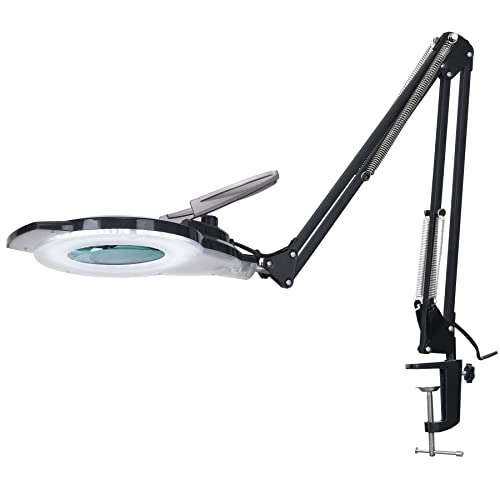
Fine detail work has a nasty habit of exposing weak lighting setups. Tiny prongs disappear into shadows, silver surfaces bounce glare straight into the eyes, and after an hour or two, concentration starts slipping for all the wrong reasons. That’s why the 10X Magnifying Glass with Light and Stand fits naturally into discussions around the best desk lamp for jewelers. It combines strong illumination with hands-free magnification in a way that actually feels useful during close-up bench work instead of turning into another oversized gadget fighting for desk space.
10X Magnifying Lamp
The first thing that stands out is the combination of a real glass magnifier and a bright circular LED light. Plenty of cheaper magnifying lamps rely on weak plastic lenses that distort edges or create blurry viewing zones near the outer rim. This one feels noticeably clearer during detailed inspection work. Tiny jump rings, engraving lines, bead placement, and stone settings stay sharp without constant eye squinting.
The 10X magnification definitely leans toward precision tasks rather than casual reading or broad workspace lighting. For jewelers handling miniature components or intricate solder points, that extra enlargement can reduce repetitive strain during longer sessions. At the same time, the strong zoom level means positioning matters quite a bit. Moving too close or too far from the focal range makes the image blur quickly.
Brightness control feels surprisingly smooth thanks to the stepless dimming setup. Some magnifying lamps jump awkwardly between preset brightness levels that never seem quite right. This model adjusts more naturally, which helps when working with reflective metals like polished silver or stainless steel tools. Softer brightness sometimes reveals surface texture more clearly than blasting everything with maximum light.
The button placement on the gooseneck deserves more appreciation than it probably gets. Having controls directly on the arm instead of dangling halfway down a power cord sounds small, but during bench work it becomes genuinely convenient. Nobody wants to stop mid-task just to fish around behind a table searching for a tiny inline switch.
Lighting Quality During Jewelry Work
The LED ring light spreads illumination evenly around the lens, which reduces the uneven shadow patches common with side-mounted lamps. That balanced lighting works especially well during gemstone inspection and fine wire wrapping where tiny depth changes matter visually. A single directional bulb often creates harsh dark spots around tweezers or fingers. Circular lighting softens that problem considerably.
Five color modes give the lamp more flexibility than most entry-level magnifying setups. Cooler white light helps reveal scratches, residue, and polishing inconsistencies on metal surfaces, while warmer settings feel easier on tired eyes late at night. Switching color temperature also changes how certain gemstones appear visually. Opals, topaz, and colored resin pieces can look surprisingly different depending on the light tone.
The claimed 1500-lumen output creates strong task visibility, though realistically, not everyone will use it at full brightness all the time. High-output LEDs can create glare on reflective surfaces if positioned poorly. Lower dimming levels often feel more comfortable for delicate handwork involving polished components. That flexibility becomes one of the lamp’s stronger practical traits.
Eye strain reduction feels noticeable during repetitive detail sessions. Magnification combined with balanced lighting allows the eyes to relax a bit instead of constantly refocusing around dim areas. That matters during activities like stone setting, bead threading, fly tying, or miniature painting where concentration stays locked in for extended periods. Fatigue still happens eventually, sure, but the lamp doesn’t make it worse.
Clamp Stability And Desk Setup
The clamp system feels more secure than many lightweight magnifying lamps floating around online. Cheap clamps tend to drift slowly downward after a few adjustments, especially once the arm extends outward. This one stays planted fairly well thanks to the wider clip opening and reinforced grip design. Stability matters more than people think once magnification enters the equation because tiny shaking becomes exaggerated visually.
The 2.5-inch clamp clearance also helps accommodate thicker workbenches and craft tables. Some compact lamps only fit thin office desks, which limits placement options fast. Jewelry stations often use heavier wooden tops or layered bench surfaces, so wider compatibility makes setup less frustrating. The protective padding on both sides helps avoid scratching finished furniture too.
Flexible positioning feels smooth without becoming floppy. The gooseneck bends easily around awkward bench layouts while still holding position reasonably well afterward. That balance matters during solder prep or inspection work where the light angle changes constantly. A stiff arm gets annoying, but a loose arm becomes even worse.
Desk clutter stays manageable because the clamp design removes the need for a bulky lamp base. Small benches already struggle with space once pliers, trays, polishing compounds, and hand tools start spreading around. Keeping the working surface open improves workflow more than flashy styling ever will. This setup respects that reality pretty well.
Pros And Drawbacks
One of the stronger advantages comes from combining magnification and lighting into one compact workstation tool. Separate magnifiers and separate lamps can clutter smaller benches quickly, especially during detailed repair sessions. This setup streamlines things while keeping illumination centered directly around the viewing area. That focused arrangement feels efficient during repetitive precision tasks.
The real glass lens also helps avoid the visual distortion often seen with cheaper acrylic magnifiers. Edges stay clearer, and prolonged viewing feels more stable overall. Jewelry inspection benefits from that clarity because tiny flaws become easier to identify without fighting warped optics. For close-up work, lens quality matters just as much as brightness.
The adjustable lighting system deserves another point in its favor because not every task benefits from the same color temperature or intensity. Bright cool lighting works well for inspection, while warmer lower-output settings feel more relaxing during slower assembly work. That flexibility helps the lamp adapt to different creative routines instead of locking everything into one harsh lighting profile.
There are tradeoffs, though. The 10X zoom level can feel too aggressive for broader workspace visibility. Some users may need time adjusting to the shorter focal distance, especially during hand movement-heavy tasks like soldering or wire shaping. Large movements under strong magnification sometimes feel awkward until positioning becomes familiar.
The circular lens size also limits how much of the workspace stays magnified at once. Tiny detail zones look crisp, but larger objects may require repositioning more frequently. That’s common with stronger magnifiers in general, though it still affects workflow during projects involving multiple scattered components. Patience helps.
Where This Lamp Makes The Most Sense
Jewelry benches focused on close inspection, stone setting, engraving prep, and miniature detail work probably benefit the most from this type of setup. The combination of magnification and adjustable light simplifies tasks that normally involve leaning forward awkwardly under standard desk lamps. Precision work feels steadier once the viewing angle stays consistent.
Craft stations handling sewing, painting, beading, or model assembly also match this lamp naturally. Tiny materials and repetitive hand movement become easier to manage under focused magnified lighting. Some crafting sessions stretch for hours without much body movement, so reducing eye fatigue becomes a practical advantage rather than a luxury feature.
Shared workspaces and hobby rooms benefit from the clamp-mounted design too. Bulky freestanding lamps can dominate smaller desks quickly, while this setup keeps the footprint relatively compact. Folding the arm aside after use feels simple enough without turning cleanup into a project of its own.
The overall experience leans more toward focused precision work than casual desk lighting. That distinction matters because some lamps try handling everything and end up mediocre across the board. This one stays centered on magnified close-up visibility, and honestly, that narrower focus works in its favor.
Krstlv 10X Magnifying Desk Lamp
A tiny burr on a jump ring can hide in plain sight until the light hits it from the right angle. Small stones, fine wire, engraving lines, bead holes, and uneven polish marks all ask for the same thing: clear magnification paired with light that doesn’t bully the eyes. The Krstlv 10X Magnifying Desk Lamp steps into the best desk lamp for jewelers category with a different personality than a basic task lamp. It’s built more like a close-work station, with a glass lens, adjustable gooseneck, dimmable lighting, and a base that tries to earn its footprint instead of just sitting there.
Krstlv 10X Magnifying Desk Lamp
Krstlv makes a smart first impression by pairing a 10X magnifier with a lighted desk setup that feels focused on precision. Jewelry work can punish weak lighting because metal reflects, stones sparkle unevenly, and tiny findings blend into the bench surface. A standard desk lamp may brighten the table, but it won’t always make details easier to read. This lamp aims at that exact problem with a 4.3-inch glass lens and a ring-style LED layout.
The real glass lens is the feature that gives this product its bench-work credibility. Plastic lenses can be fine for casual reading, but they often create soft edges or mild distortion around detailed work. A glass lens usually feels steadier during close inspection, especially with prongs, solder seams, chain links, or beadwork. That matters when one tiny missed flaw can send a repair back to square one.
The 10X magnification gives serious enlargement, which helps with fine jewelry inspection and delicate craft work. It brings small surfaces closer without forcing the face down toward the table. Still, strong magnification has a learning curve because the focal distance can feel narrow at first. Move the piece too far away and the view softens quickly, so patient positioning becomes part of the routine.
The overall design feels more bench-friendly than decorative. It doesn’t pretend to be a sleek office lamp first and a magnifier second. The circular metal base adds weight, saves some tabletop space compared with oversized bases, and doubles as a small tray for findings, needles, screws, or loose beads. That little tray-like function sounds modest, but during close work, tiny storage zones can save nerves.
Light Control And Lens Clarity
The lighting setup includes five color modes and stepless dimming from low brightness to full output. That range is useful because jewelry work doesn’t behave the same from task to task. Polished silver can glare under strong cool light, while darker stones or aged metal may need extra brightness to reveal surface detail. A fixed-light magnifier can feel limiting once the bench routine changes throughout the day.
Stepless dimming is better than clunky preset brightness levels for reflective work. Small brightness changes can make a big difference when inspecting scratches, glue residue, oxidation, or uneven solder flow. Too much light can flatten texture, while too little light makes the eyes work overtime. This lamp gives enough control to dial things down without losing detail.
The five color modes help with material differences. Cooler light can sharpen the view of fine lines and surface marks, while warmer tones feel gentler during slower assembly work. Neutral light sits nicely between those extremes for general bench use. That flexibility gives the lamp a more practical edge than single-tone magnifying lights.
The ring light layout surrounds the lens with illumination, reducing the awkward side shadows created by many standard lamps. Fingers, tweezers, pliers, and small tools can block light easily during close work. A more centered beam helps keep the viewed area evenly lit. It’s not magic, but it does make small movements feel less fussy.
Gooseneck Handling And Control Placement
The 12.6-inch flexible gooseneck gives the lamp a useful reach without turning it into a floppy arm. Jewelry benches often need light to sneak around tool holders, trays, and magnification angles. A bendable neck lets the lens hover over the work rather than forcing the project into one fixed spot. That makes the lamp feel more cooperative during detail-heavy sessions.
The 360-degree adjustability adds another layer of convenience. Stone setting, miniature painting, chain repair, embroidery, and sculpting all require slightly different viewing angles. A fixed lamp head can quickly become a nuisance once hands need room to move. This gooseneck setup allows small angle corrections without making the whole workstation shift around.
The on-lamp button is a practical win. Controls placed on the lamp head are easier to reach than switches buried on a cord under the desk. During close work, that matters because both hands are often occupied with tools, thread, wire, or a tiny piece that really shouldn’t be dropped. Quick brightness or color changes feel less disruptive here.
Mechanical button control also feels more direct than touch panels that sometimes misread taps or respond too easily. Touch controls can be slick, but they aren’t always ideal near dust, polish residue, or craft materials. A simple physical button keeps things predictable. Predictable tools are underrated at a busy bench.
Pros And Cons For Bench Work
The strongest advantage is the way the lamp combines magnification, lighting, and positioning into one bench tool. Separate lamps and handheld magnifiers can clutter the workspace and slow down small tasks. This setup keeps the view enlarged and lit from the same direction. For jewelry making, that can make prong checks, bead threading, and surface cleanup feel less like a guessing game.
The glass lens gives the product another meaningful strength. A clearer lens supports longer viewing sessions with less visual frustration. Fine detail work becomes easier when edges don’t smear or bend near the lens perimeter. That doesn’t replace skill, but it helps the hands work with better information.
The stable metal base works well for people who don’t want a clamp attached to the desk. Clamp lamps can be useful, but they don’t suit every table, especially finished furniture or temporary workstations. This base keeps the lamp portable and easier to move from one surface to another. The tray function adds a small but handy bonus for loose findings.
The main drawback comes from the same 10X magnification that makes the lamp useful. Strong magnification narrows the usable viewing zone, so larger pieces may require frequent repositioning. Anyone expecting a broad, relaxed view may need a little adjustment time. This is a precision lamp, not a wide-area desk light.
Another limitation is the base-style setup. While the metal base adds convenience, it can still take up valuable bench space compared with a clamp-mounted lamp. Heavy tool use near the base may also require careful placement so the lamp doesn’t crowd the main work area. Small benches may feel that tradeoff more than roomy craft tables.
Best Uses And Realistic Expectations
Jewelry making is the most natural fit for this lamp, especially tasks involving small stones, fine chain links, wire wrapping, beadwork, and close inspection. The magnifier helps reveal details that standard lighting can miss. The adjustable color and brightness make it easier to handle changing surfaces and materials. For slow, careful work, that combination feels genuinely helpful.
Miniature painting and craft repair also fit the lamp’s strengths. Small brush lines, model seams, thread placement, and needlework all benefit from a stable enlarged view. The lamp gives enough lighting control to avoid washing out colors while still keeping the subject visible. That balance matters during projects where detail and patience go hand in hand.
Reading fine print or working with coins, stamps, and electronics can make sense too, although the lamp feels more specialized than casual. The 10X lens may be stronger than needed for quick reading. It shines better during focused inspection than casual desk browsing. That distinction helps set expectations before placing it on a daily-use desk.
The Krstlv lamp suits careful hands that need help seeing small work clearly without adding a bulky workshop fixture. It offers strong magnification, adjustable lighting, and a flexible neck in a setup that feels practical for detail-first benches. The tradeoff is simple: it favors close precision over broad workspace coverage. For jewelry tasks built around tiny details, that narrow focus is exactly the point.
Neatfi XL LED Task Lamp
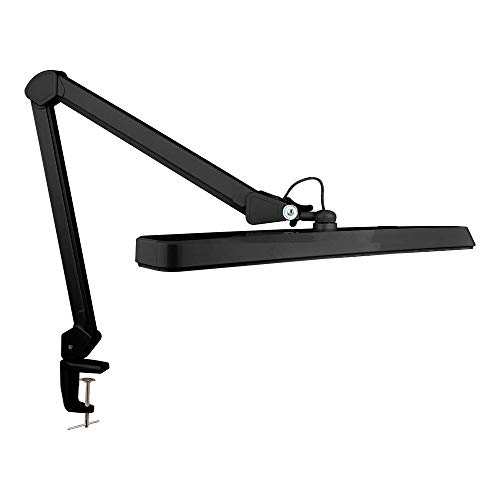
Bright bench lighting can feel like a blessing until glare starts bouncing off polished metal and turning every tiny detail into a guessing match. A jeweler’s workspace needs reach, steadiness, and enough light to catch scratches, prong gaps, solder seams, and stone edges without forcing the eyes to do all the heavy lifting. The Neatfi XL LED Task Lamp fits into the best desk lamp for jewelers conversation because it brings serious brightness, a wide 22-inch head, and a clamp-mounted build that keeps the desk surface clear. It’s not a tiny decorative lamp pretending to be useful, and that’s part of its appeal.
Neatfi XL LED Task Lamp
The Neatfi XL feels built for benches where small mistakes are expensive, annoying, or just plain embarrassing. Its wide lamp head spreads light across a larger area than compact desk lamps, which helps during tasks that involve trays, pliers, stones, polishing cloths, and tiny findings scattered across the workspace. Instead of lighting one narrow spot, it covers more of the bench in a clean, even wash. That broader coverage can make a real difference during jewelry making, miniature painting, sewing, or detailed craft work.
The 2,500-lumen output is the headline feature, and yes, it’s a lot of light for close work. That brightness can help reveal surface flaws, uneven textures, tiny scratches, and missed polishing marks that softer lamps might hide. Still, strong lighting needs control because polished silver, gold, and tools can reflect light right back into the eyes. The four brightness settings help tame that intensity instead of forcing every task under full power.
The 22-inch wide lamp head gives this model a different feel from magnifying lamps or small office lights. It’s better suited for lighting a full work zone rather than zooming into one tiny focal point. That makes sense for people who move between ring sizing, wirework, bead sorting, sketching, solder prep, and inspection. Wider illumination keeps the bench from feeling chopped into bright and dark patches.
The clamp design also earns points because bench space disappears fast. A freestanding base can get in the way once tools, bowls, mandrels, and parts start spreading out. This lamp clamps to surfaces up to 2.5 inches thick, which gives more freedom for thicker desks or work tables. Keeping the base off the table is a small thing until the workspace gets crowded, then it feels like a gift.
Lighting Strength For Detailed Work
The cool white color temperature sits in the 5600K to 6500K range, which suits inspection-heavy work better than cozy warm lighting. Warm bulbs may feel pleasant in a room, but they can hide fine scratches or change how certain stones and metals appear. Cool white light makes edges, lines, and surface changes stand out more clearly. That’s helpful during close checks on settings, bezels, chain links, and fine engraving.
Strong brightness gives the lamp a practical advantage for larger benches or shared craft tables. Some desk lamps work fine for reading but fall flat once the work spreads beyond a book-sized area. The Neatfi XL has enough reach and output to support broader tasks without needing extra lamps on both sides. That can make the workspace feel less cluttered and more controlled.
The four brightness levels keep the lamp from feeling too aggressive all the time. Full brightness may help during inspection or detailed drawing, while 50% or 25% can feel easier during slower assembly work. That range matters because eyes don’t handle every task the same way. Long sessions under maximum light can feel tiring, even if the lamp is designed for eye comfort.
Eye comfort is a big part of the appeal, especially for anyone spending long stretches at a desk. The provided details describe gentle illumination meant to reduce eye fatigue during extended use. That doesn’t mean fatigue magically disappears, of course. It means the lamp aims to provide enough visibility without the harsh uneven beam that makes close work feel more draining.
Build, Reach, And Bench Fit
The arm length gives the lamp room to reach across a desk without forcing the clamp directly beside the workpiece. With a listed arm length of 37.40 inches and a height of 32.28 inches, it has more range than smaller task lamps. That extra reach helps when the bench layout keeps tools, storage bins, or machines in the way. A lamp that can stretch over the mess feels more useful than one that needs the work pulled toward it.
The pre-assembled setup keeps installation fairly simple. Attach the clamp, insert the lamp, and secure it in place. That matters for people who don’t want to spend half an afternoon building a lighting rig before getting back to actual work. Simple setup also makes it easier to move between a studio desk, hobby table, or workbench if the space changes.
The black finish gives the lamp a practical, low-distraction look. Jewelry benches already have enough visual noise from metal pieces, cords, tools, polishing dust, and storage boxes. A simple finish helps the lamp blend into the setup rather than becoming the loudest object on the desk. It’s functional, not precious, and that fits the product well.
The clamp mount is useful, but it also creates one limitation. The lamp needs a compatible edge, so desks without a suitable lip may require some rearranging. Thick surfaces beyond the clamp limit won’t work either. For most bench-style desks under 2.5 inches thick, though, the mount should feel more helpful than restrictive.
Pros And Cons In Real Use
The biggest strength is workspace coverage. A 22-inch light bar can illuminate a broad section of the bench, which helps during jewelry projects that involve several tools and materials at once. Small lamps often force constant repositioning, especially during multi-step work. The Neatfi XL reduces that fuss by lighting the whole active zone more evenly.
The brightness output is another strong point, especially for detail-heavy tasks. Fine scratches, dust, thread lines, bead holes, and metal edges are easier to spot under stronger illumination. The lamp’s four-level dimming gives some flexibility so full brightness doesn’t become the only option. That balance makes it more adaptable than a simple on-off lamp.
The clamp design keeps the work surface cleaner. Jewelry benches can turn chaotic quickly, and every square inch matters once parts trays and hand tools appear. Removing a bulky lamp base from the tabletop leaves more room for actual work. That’s a practical win, not a cosmetic one.
The main drawback is the lack of color temperature adjustment. Since this is a non-CCT model, the cool white range is what you get. That works well for inspection and focused tasks, but some people may prefer warmer tones for evening use or softer craft sessions. A single light tone can feel less flexible than lamps with multiple color modes.
Another tradeoff comes from size. The wide head and long arm are useful, but they may feel oversized on a very small desk. Compact hobby corners might need careful placement so the lamp doesn’t dominate the setup. This model feels more at home over a real work surface than squeezed onto a tiny nightstand-style table.
Best Fit And Practical Limits
Jewelry workstations with enough desk width are where this lamp makes the most sense. It helps illuminate larger work zones where sorting, shaping, polishing, drawing, or assembling happens across more than one small spot. The lamp does not include magnification, so it pairs better with a loupe, visor, or microscope if close-up enlargement is needed. As a broad task light, though, it brings the muscle.
Craft and study spaces can also benefit from the wide beam. Sewing, miniature painting, drafting, model work, and reading all need consistent lighting across the surface. The Neatfi XL suits those tasks because it doesn’t behave like a narrow spotlight. It feels more like overhead bench lighting that happens to be mounted to the desk.
The three-year warranty mentioned in the provided product details adds reassurance without needing to invent claims about long-term ownership. Lighting equipment gets adjusted, bumped, and used for long sessions, so warranty coverage matters. It doesn’t guarantee a perfect experience for every setup, but it does make the product feel less disposable. That’s worth noting for a lamp built around regular work rather than occasional decoration.
The realistic limitation is simple: this is a strong, wide task lamp, not a magnifying inspection tool. It helps the bench look clearer, brighter, and more evenly lit, but it won’t enlarge tiny details by itself. Jewelers who already use separate magnification may appreciate that separation. Those wanting one all-in-one magnifying lamp may prefer a different style.
IVMAIE 10X Rectangle Magnifying Lamp
Some bench lights make tiny work feel louder than it needs to be. The glare hits polished metal, the lens warps at the edge, the clamp steals space, and suddenly a simple prong check starts feeling like a wrestling match with the desk. The IVMAIE 10X Rectangle Magnifying Lamp brings a more focused approach to the best desk lamp for jewelers conversation, especially for close work where the shape of the lens and the steadiness of the arm matter just as much as raw brightness. It’s made for detail-heavy routines where shaky lighting isn’t just annoying, it can slow everything down.
IVMAIE 10X Rectangle Magnifying Lamp
The rectangular glass lens gives this lamp its most interesting advantage. Many magnifying lamps use round lenses, which can feel fine for small centered objects but less comfortable when scanning a longer work area. A rectangular viewing shape fits naturally with jewelry layouts, embroidery lines, painted edges, newspaper columns, and small electronics boards. That wider visual frame can make inspection feel less cramped.
The 10X magnification is built for serious close-up work rather than casual desk lighting. Tiny solder seams, chain links, bead holes, engraving marks, and stone-setting details can be easier to examine without leaning awkwardly into the bench. Strong magnification does require careful placement, though. The focal range won’t behave like a normal reading lamp, so hands and workpieces need to stay in the right zone.
The real glass lens is also worth noting because edge clarity matters during long sessions. The provided details mention reduced edge distortion compared with traditional round lenses, which makes sense for a square optical-style lens. Distortion can become tiring when the eye keeps correcting what the lens bends. Cleaner viewing helps keep the work calmer, especially during repetitive inspection.
The lamp’s personality leans practical, not decorative. It’s not the sort of light that disappears into a minimalist office corner. It looks like a tool, and honestly, that fits the job. Jewelry benches, repair tables, and craft stations usually need control and visibility more than soft ambient charm.
Lens Shape And Close Work Visibility
Lens shape changes the way close work feels. A round lens often pulls the eye toward the center, while a rectangular lens gives a broader window across the piece. That can help when following a bracelet link, checking a row of stitches, aligning a design, or viewing several tiny components at once. For jewelry making, that extra horizontal room can reduce constant repositioning.
Sharp image clarity supports tasks where guesswork gets expensive. A slightly crooked setting or missed rough edge might not show under basic lighting until the piece is already handled again. Magnified visibility helps catch those details earlier. It won’t turn rushed work into careful work, but it gives careful hands better information.
The optical-grade glass should appeal most during work that requires repeated visual checks. Painted miniatures, embroidery, cross-stitching, nail art, and small electronic repairs all involve tiny corrections. A lens that keeps the image clearer across more of the viewing area can reduce the stop-start rhythm caused by shifting the object every few seconds. Small savings in movement add up over a session.
The tradeoff is that 10X magnification can feel intense for broad tasks. Large pieces may need frequent repositioning because the useful viewing area is still limited by focal distance and lens size. A rectangular shape helps, but it doesn’t create a huge panoramic workspace. This lamp favors close precision, not relaxed whole-bench viewing.
Lighting Modes And Daily Control
The five color modes give this lamp flexibility across different materials and times of day. Cooler light can make scratches, tool marks, and texture easier to see, while softer color settings may feel better during slower craft work. Jewelry pieces don’t always read accurately under one fixed tone. Stones, metals, threads, and paints can shift visually as the color temperature changes.
Stepless dimming from 5% to 100% is useful because small details don’t always need maximum brightness. Too much light can bounce off polished surfaces and wash out subtle texture. Lower settings can feel easier during longer work blocks, especially when the lamp sits close to the eyes. Having that smooth range beats jumping between awkward preset levels.
Flicker-free LED lighting matters during repetitive work. Eye fatigue often sneaks in quietly, especially with detailed tasks that keep the gaze locked in one place. Stable illumination helps reduce that strained, over-focused feeling. It’s one of those features that feels boring until a lamp doesn’t have it.
The top button control keeps adjustments from interrupting the workflow. Controls placed on the lamp head are easier to reach than switches dangling from a cord or hidden under the desk. During jewelry work, both hands may be holding tweezers, wire, a stone, or a delicate setting. A simple tap near the lens feels more natural than fumbling around behind the bench.
Swing Arm Design And Clamp Stability
The dual swing arms give this lamp a more structured feel than a soft gooseneck. Each arm extends up to 8.9 inches, and the linked design helps position the lens over the work area with more deliberate control. That’s helpful during bench work where the light needs to stay put after adjustment. A lamp that slowly drifts downward can ruin the rhythm fast.
The springs and rotary knobs add another layer of stability. Loose arms are irritating during magnified work because every small shift looks bigger through the lens. Locking the angle helps keep the viewing position steady while hands move under the lamp. For small electronics, painting, and jewelry repair, that steadiness carries real value.
The 360-degree rotating light head gives more freedom to aim the lens and light from different angles. Reflective metal can be stubborn, and sometimes the best view comes from a slight shift rather than more brightness. Rotation allows small corrections without moving the whole clamp. That helps preserve bench layout once tools are already arranged.
The 2.1-inch metal clip saves tabletop space by attaching to the desk edge or workbench. That clamp format works well for crowded setups where a big base would steal room from pliers, trays, bead mats, or soldering accessories. Still, the desk needs a compatible edge. Thick benches or rounded edges may require a different mounting spot.
Strengths, Weaknesses, And Best Fit
The biggest strength is the combination of rectangular magnification and adjustable lighting. That pairing helps with long, narrow details better than many round-lens lamps. Jewelry making, embroidery, cross-stitching, coloring, small repairs, and nail work all benefit from a clearer window and controlled light. The lamp feels purpose-built for close work rather than casually adapted for it.
Another strength is the amount of adjustment built into the frame. The swing arms, rotating head, brightness control, and color modes give plenty of room to tune the setup. That matters because no two benches behave exactly alike. Table height, room lighting, hand position, and material reflectivity all change the way a lamp feels in use.
The main weakness is that this lamp may feel too specialized for simple desk tasks. Anyone wanting a soft reading lamp or broad room light may find the magnifier and arm structure more than necessary. The strong 10X lens also takes adjustment if the workpiece moves often. Precision comes with boundaries.
Space-saving clamp design is a plus, but it isn’t universal. A stable clip needs a suitable surface, and some finished desks may not be ideal for clamping. The lamp suits workbenches, craft tables, repair stations, and sturdy desk edges best. It may feel awkward on delicate furniture or surfaces with limited overhang.
Real-world use points toward detail-first tasks where visibility is the bottleneck. A natural reference point for this kind of setup is hands-free magnifying desk lamp because the lamp’s value comes from keeping both hands available while the light and lens stay positioned over the work. That hands-free setup can make tiny repetitive work feel less cramped and more controlled.

Best Value Outdoor Christmas Lights 2026 Brighten Nights

Best Lighting For Makeup 2026 Bright Ideas For Flawless Looks
Best Quiet Ceiling Fan For Bedroom 2026 Ultimate Comfort Picks

Best Christmas Lights For Bushes 2026 Brighten Your Yard
Best Outdoor Waterproof Christmas Lights 2026 For Festive Glow

Top 16 Kichler Barrington Flush Mount 2026 - Highly Rated

Best Wall Sconces For Staircase 2026 Brighten Your Home
Best LED Grow Lights for Starting Seeds Indoors 2026