Best Desk Lamp For Programmers 2026, Sharper Focus

Best desk lamp for programmers isn’t just about making a keyboard visible. Long coding sessions turn tiny annoyances into real distractions, especially glare on a monitor, harsh light bouncing off glasses, or a lamp base stealing space from a mousepad. A good setup feels quiet, steady, and out of the way. That’s the whole trick.
Adjustable brightness matters because code doesn’t ask for the same light at 9 a.m. and 11 p.m. Bright white light can help during deep work, but it can feel like a spotlight after dark. Softer, warmer settings keep the room from feeling like a lab. Still, a lamp that gets too dim becomes more decoration than tool.
Flicker-free lighting deserves attention, even though it’s easy to ignore on a product page. Cheap LEDs can create subtle strain that shows up as tired eyes, headaches, or that weird need to keep rubbing your face after an hour. No drama, just a slow grind. A steadier lamp helps the screen and desk feel less like they’re fighting each other.
Arm reach and positioning can make or break the desk. A fixed lamp may look neat, but it often throws light exactly where it shouldn’t. A swing arm, gooseneck, or monitor-style bar gives more control over shadows, notebooks, second keyboards, and coffee mugs that somehow migrate into the workspace. Handy, but only if the joints hold their position without sagging.
Color temperature control is another small feature with a big payoff. Cooler tones can keep things crisp during focused work, while warmer tones are easier to live with during late commits, bug hunts, or documentation marathons. The sweet spot is flexibility, not the brightest spec on the box. Too many modes, though, can feel fiddly if the controls are buried behind awkward touch buttons.
Desk space deserves respect. Clamp lamps are great for crowded setups, especially with dual monitors, speakers, docks, and notebooks fighting for room. A weighted base feels simpler but can get annoying fast on a compact desk. So, the smarter pick depends on the actual layout, not just the lamp’s looks.
USB ports and charging extras sound convenient, but they’re not always the star of the show. A weak charging port won’t replace a proper hub, and built-in features can add bulk. Still, having one cable less across the desk can feel like a small win. Clean space helps the brain settle down before the first line of code even appears.

- LFR Score9.6
LFR Score is a ranking system developed by lightfansreviews.com. LFR Score has no relationship or impact from any manufacturers or sales agent websites. Learn more
- BrandKaulsoue

- LFR Score9.6
LFR Score is a ranking system developed by lightfansreviews.com. LFR Score has no relationship or impact from any manufacturers or sales agent websites. Learn more
- BrandHONEYWELL

- LFR Score9.6
LFR Score is a ranking system developed by lightfansreviews.com. LFR Score has no relationship or impact from any manufacturers or sales agent websites. Learn more
- BrandLitONES

- LFR Score9.4
LFR Score is a ranking system developed by lightfansreviews.com. LFR Score has no relationship or impact from any manufacturers or sales agent websites. Learn more
- BrandJELIMOV
- LFR Score9.4
LFR Score is a ranking system developed by lightfansreviews.com. LFR Score has no relationship or impact from any manufacturers or sales agent websites. Learn more
- BrandLEPOWER

- LFR Score9.2
LFR Score is a ranking system developed by lightfansreviews.com. LFR Score has no relationship or impact from any manufacturers or sales agent websites. Learn more
- BrandVoncerus

- LFR Score9.2
LFR Score is a ranking system developed by lightfansreviews.com. LFR Score has no relationship or impact from any manufacturers or sales agent websites. Learn more
- BrandLIBORA

- LFR Score9.2
LFR Score is a ranking system developed by lightfansreviews.com. LFR Score has no relationship or impact from any manufacturers or sales agent websites. Learn more
- BrandLitONES

- LFR Score9.0
LFR Score is a ranking system developed by lightfansreviews.com. LFR Score has no relationship or impact from any manufacturers or sales agent websites. Learn more
- BrandBOHON

- LFR Score8.8
LFR Score is a ranking system developed by lightfansreviews.com. LFR Score has no relationship or impact from any manufacturers or sales agent websites. Learn more
- BrandPHIVE

- LFR Score8.8
LFR Score is a ranking system developed by lightfansreviews.com. LFR Score has no relationship or impact from any manufacturers or sales agent websites. Learn more
- BrandAddtam

- LFR Score8.4
LFR Score is a ranking system developed by lightfansreviews.com. LFR Score has no relationship or impact from any manufacturers or sales agent websites. Learn more
- BrandTORCHSTAR
Last update on 2026-05-29 / Affiliate links / Images, Product Titles, and Product Highlights from Amazon Product Advertising API
Best Desk Lamp For Programmers
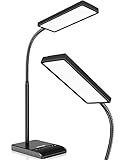
Long coding sessions can wreck concentration faster than most people realize once bad lighting enters the picture. Reflections bouncing off monitors, uneven shadows across the keyboard, and harsh white light glaring into tired eyes slowly chip away at focus. The LED Desk Lamp for Home Office takes a more practical route by prioritizing adjustable lighting, wider coverage, and flexible positioning instead of flashy extras that rarely matter during real work. Its setup feels aimed at people juggling multiple screens, notebooks, side projects, and late-night debugging sessions where comfort suddenly matters a whole lot.
LED Desk Lamp
Lighting customization feels like the strongest feature right away. This lamp includes five brightness levels and five color temperature modes ranging from warm 3000K lighting to sharper 6500K white light. Softer tones help calm the workspace during late-night programming, while cooler settings make spreadsheets, code blocks, and technical documents easier to read during focused work sessions. That flexibility keeps the lighting from feeling one-dimensional.
The touch controls stay fairly responsive without overcomplicating things. Some desk lamps bury important settings behind awkward button combinations that nobody remembers after a week. This one keeps adjustments quick enough that changing brightness during work becomes almost automatic. A tiny detail, maybe, but smoother routines matter when concentration is already stretched thin.
Eye comfort deserves attention too because poor LED lighting can become exhausting after hours at a desk. The light output here feels softer and more evenly distributed compared to cheaper desk lamps that create intense hot spots. That broader spread helps reduce the harsh contrast between bright monitors and darker desk areas. Eyestrain still exists after marathon coding sessions, sure, but this setup doesn't make things worse.
Color temperature flexibility also helps the lamp adapt to different work habits. Cooler lighting supports analytical tasks and technical reading better during daytime hours. Warm settings feel easier on the eyes at night, especially in dim rooms where aggressive white light can make everything feel sterile. The transition between modes feels smooth instead of gimmicky.
Wide Light Coverage For Multi-Screen Setups
The 16.2-inch lamp bar spreads light across a desk much more evenly than compact spotlight-style lamps. Wider coverage becomes especially useful for programming setups with dual monitors, oversized keyboards, notebooks, and scattered accessories. Smaller lamps often leave awkward dark corners that force constant repositioning. This design reduces that problem quite a bit.
People using larger displays will probably notice the difference immediately. One side of the desk doesn’t disappear into shadow while the other gets blasted with brightness. The wider illumination keeps the entire workspace visually balanced, which sounds minor until long hours start piling up. Desk comfort tends to come from little details stacking together.
Heat output stays relatively controlled too. Traditional bulbs and older desk lamps can warm up cramped workspaces surprisingly fast during extended use. The LED setup here avoids turning the desk into a tiny heat source, which becomes more noticeable during summer evenings or poorly ventilated rooms.
That said, the wider lamp head may feel oversized on extremely small desks. Compact setups already crowded with speakers, monitor arms, microphones, or charging stations might feel slightly tighter once this lamp enters the mix. Larger desks benefit more naturally from the extended light bar design.
Flexible Gooseneck Positioning
The adjustable gooseneck gives the lamp a lot more usability than fixed-position alternatives. Desk routines shift constantly throughout the day, especially during programming sessions mixed with reading, note-taking, or side projects. Being able to redirect light without dragging the entire lamp around feels genuinely useful. The neck bends smoothly while staying stable once positioned.
Monitor glare becomes easier to manage with flexible positioning. Small lighting adjustments can prevent annoying reflections on glossy screens or eyeglasses. That adaptability helps create a calmer workspace without requiring endless tweaking throughout the day. Some cheaper gooseneck lamps loosen over time and slowly droop downward, but this model feels sturdier than expected.
Stability from the metal base helps balance the long lamp bar reasonably well. Lightweight desk lamps sometimes wobble every time the desk shakes or someone types aggressively. This one stays planted more confidently during normal daily use. The overall construction leans practical rather than decorative.
Fine precision adjustments aren't quite on the level of expensive architect lamps, though. The gooseneck works best for broader lighting angles rather than tiny directional refinements. Most desk workers probably won’t care, but people needing ultra-specific lighting placement for detailed craft work may notice the difference.
Pros That Matter During Daily Work
Brightness control helps this lamp adapt naturally across different environments. Bright settings support focused daytime productivity, while softer lighting works better for evening work or quieter reading sessions. One setup handling multiple moods and tasks saves both desk space and frustration.
USB power support adds useful flexibility as well. The included adapter keeps setup simple, but the ability to connect through power banks or computer USB ports makes the lamp easier to move between different workspaces. Shared desks, temporary setups, and hybrid work routines benefit from that convenience.
Reduced glare makes long monitor sessions more comfortable overall. Harsh reflections and concentrated brightness can become mentally draining even before physical eye strain appears. The wider LED spread keeps the workspace feeling smoother and less visually aggressive.
One practical reference worth noting is desk lighting workspace tips, especially for setups balancing multiple monitors, notebooks, and task lighting in tighter spaces. Small layout adjustments often improve comfort just as much as hardware upgrades.
Cons And Tradeoffs
Touch controls still won't satisfy everyone. Physical buttons provide quicker tactile feedback and tend to feel more reliable during late-night work sessions. Accidental taps can happen occasionally while adjusting the lamp position. Not a dealbreaker, though mildly irritating from time to time.
The lamp design leans more functional than stylish. Some people enjoy the industrial office appearance, while others may prefer softer or more decorative desk lighting styles. Workspaces with warm wooden aesthetics or minimalist decor may find the metal-heavy look slightly cold.
Brightness memory could also be better depending on personal habits. Repeatedly cycling through settings after powering the lamp on can become repetitive over time. Higher-priced desk lamps sometimes handle saved preferences more smoothly.
The base footprint creates another small compromise. Clamp-style lamps usually free up desk space more efficiently for tiny workstations. This model remains fairly compact overall, but ultra-small desks packed with accessories may still prefer a mounted alternative.
Late-Night Coding Experience
Long evening sessions reveal the lamp’s strengths more clearly than quick daytime use. Warm brightness settings help reduce that harsh contrast between bright monitors and dark surroundings. The workspace feels calmer, which surprisingly helps maintain concentration during repetitive debugging or documentation work.
Switching between coding, reading notes, and reviewing hardware layouts feels smooth because the light coverage stays wide and balanced. Narrow desk lamps often force awkward repositioning every time tasks change. This setup handles mixed desk activities with less fuss.
Monitor compatibility also works nicely within the advertised 15 to 30-inch range. Larger displays receive consistent illumination without requiring extreme lamp angles or weird desk positioning. Multi-screen layouts benefit the most from the wider spread.
The lamp suits hybrid workspaces surprisingly well too. Reading, sketching ideas, organizing paperwork, or assembling small tech accessories all feel easier under adjustable lighting that doesn't create sharp shadows or concentrated glare. That versatility quietly becomes one of the lamp’s more useful strengths over time.
Best Desk Lamp For Programmers
Screen fatigue sneaks up quietly during long coding sessions. One hour turns into four, shoulders tighten up, and suddenly the room feels darker than it did earlier. The HONEYWELL Desk Lamp for Home Office leans into that everyday reality with adjustable lighting, practical charging options, and a folding design that doesn’t hog half the desk. Instead of trying to look flashy, it focuses on comfort, workspace flexibility, and reducing some of the little annoyances that pile up during deep work.
Honeywell Desk Lamp
Lighting control feels surprisingly balanced here. The lamp offers four color modes ranging from a softer 2700K warm tone to a sharper 5700K daylight-style setting, along with dimming from 10% to 100%. Warm light works nicely during evening reading or casual browsing, while cooler brightness helps technical work feel cleaner and easier on tired eyes. Switching between modes feels natural instead of buried behind complicated controls.
The touch panel responds quickly without requiring heavy taps or repeated swipes. Some touch-sensitive lamps become frustrating after a few days because the controls feel inconsistent, especially late at night. This one behaves more predictably. Tiny detail, sure, but smoother interaction matters once a lamp becomes part of a daily desk routine.
Brightness transitions also feel gentler compared to cheaper LED lamps that jump aggressively between levels. Smooth dimming helps create a calmer atmosphere during long sessions at the desk. Bright enough for spreadsheets and technical diagrams, soft enough for winding down afterward. That flexibility gives the lamp more staying power across different moods and tasks.
The memory function quietly adds convenience too. Returning to the same preferred lighting setup without constantly readjusting brightness saves more hassle than expected. Repetitive little tasks have a way of becoming irritating over time, especially during busy workweeks.
Eye Comfort During Long Work Sessions
The eye-caring design feels like more than marketing language here. Honeywell uses 48 Sunturalux full-spectrum LED bulbs designed to imitate natural sunlight while reducing glare and flicker. That softer distribution helps reduce the harsh contrast between bright screens and darker surrounding spaces. Long coding sessions still cause fatigue eventually, but the lamp doesn’t accelerate the problem.
Color accuracy looks noticeably cleaner because of the stated CRI rating above 94. Graphics, printed materials, notebooks, and desk accessories appear less washed out under this lighting compared to basic low-cost desk lamps. Programmers dealing with design work, UI adjustments, or photo editing alongside coding will probably appreciate that extra clarity more than expected.
Flicker reduction becomes especially useful late at night. Cheap LEDs sometimes create a subtle pulsing effect that people don’t consciously notice until headaches or eye strain start creeping in. This lamp keeps the light output steadier and more comfortable during extended use. The overall atmosphere feels calmer rather than sterile.
Blue light reduction deserves credit too, though expectations should stay realistic. No desk lamp completely eliminates screen-related strain if someone spends twelve hours staring into monitors. Still, reducing additional harsh light sources around the workspace definitely helps soften the experience.
Desk Space And Folding Design
The folding structure makes this lamp easier to live with on crowded desks. Mechanical keyboards, notebooks, headphones, microphones, and charging docks already eat up workspace quickly. The adjustable arm and foldable base help the lamp stay flexible without permanently dominating one corner of the desk.
The rotating head handles practical positioning well too. Tilting the light away from glossy monitors or redirecting it toward paperwork only takes a second. People constantly shifting between typing, reading, sketching notes, or reviewing documents will probably enjoy that adaptability more than fixed-position lamps.
The 11-inch light panel spreads illumination evenly across medium and larger workspaces. Narrow desk lamps often create spotlight-style lighting that leaves surrounding areas too dark. This wider panel reduces sharp shadows around keyboards and side accessories, helping the entire setup feel visually balanced.
Compact desks still need some caution, though. While the folding structure saves space overall, the lamp head itself remains fairly broad. Smaller nightstands or tiny dorm-style setups may feel slightly crowded depending on what else already occupies the workspace.
Charging Convenience On Busy Setups
Dual charging ports built into the base make daily desk life less messy. Both USB-A and USB-C ports support 5V/2A charging, which works well for phones, wireless earbuds, small speakers, or tablets sitting nearby during work sessions. That setup reduces the need for extra adapters or hunting for empty outlets behind furniture.
The convenience becomes more obvious in shared spaces or compact home offices. Desks already overloaded with monitor cables and power bricks benefit from having charging ports directly integrated into the lamp base. Small efficiency upgrades like this tend to matter more after months of use rather than during the first few days.
Charging speed feels adequate for routine device topping-off, though nobody should expect ultra-fast charging performance here. Larger tablets and newer phones may still charge more efficiently through dedicated wall adapters. The built-in ports lean toward convenience rather than raw speed.
Cable placement could feel cleaner depending on desk layout. Devices charging directly from the lamp create extra wires around the base area. Some setups handle that neatly, while minimalist desks may start looking slightly cluttered once multiple charging cables enter the picture.
Pros That Stand Out Daily
Flexible brightness control helps this lamp adapt naturally throughout the day. Cooler lighting keeps workspaces crisp during focused productivity sessions, while warmer settings create a softer atmosphere during evening reading or quieter tasks. One lamp covering both moods reduces the need for additional lighting.
Reliable build quality adds confidence over time. The folding arm feels stable during adjustments instead of wobbling around loosely. Frequent repositioning doesn’t create that fragile feeling some lightweight desk lamps develop after a few weeks.
The timer feature quietly improves nighttime routines. Setting the lamp to switch off automatically after thirty minutes works nicely for reading before bed or winding down after work. Small feature, honestly, but surprisingly useful once it becomes part of a nightly habit.
The overall lighting coverage also handles multi-purpose desks well. Reading manuals, reviewing printed diagrams, organizing notes, and casual browsing all feel comfortable under the wider light panel. Narrow task lamps sometimes struggle once activities shift beyond basic typing.
Tradeoffs And Minor Frustrations
Touch controls still won’t satisfy everyone. Physical buttons provide better tactile feedback, especially in darker rooms where accidental touches become more common. The panel works smoothly overall, though some people simply prefer traditional controls for muscle memory reasons.
The folding mechanism favors convenience over dramatic articulation. People expecting highly adjustable architect-style positioning may find the movement range more moderate than extreme. It handles regular desk adjustments well but doesn’t offer endless directional flexibility.
Brightness levels stay comfortable for most desk work, although very large workstations might still require supplemental room lighting nearby. The lamp covers its immediate workspace effectively, but huge corner desks can stretch beyond its strongest illumination range.
The clean modern look leans practical rather than decorative. Some home office setups will appreciate the straightforward design, while warmer or more rustic spaces may find the appearance slightly corporate. Visual preference matters more once a lamp sits in view every single day.
Best Desk Lamp For Programmers
Video calls have a funny way of exposing every weak spot in a desk setup. A room can feel perfectly workable for coding, then the webcam turns on and suddenly the lighting looks flat, the face looks shadowed, and the desk lamp is either too harsh or pointed in the wrong direction. The Video Call Desk Lamp fits the best desk lamp for programmers conversation because it tackles two everyday problems at once: focused desk lighting and cleaner camera lighting. That dual role makes it more useful than a basic task lamp, especially on desks where monitors, keyboards, notebooks, and meeting gear already fight for space.
Video Call Desk Lamp
The biggest difference with this lamp is its ability to shift from regular desk lighting to webcam-friendly lighting with a small angle change. That sounds simple, but it solves a real annoyance for anyone bouncing between coding blocks and video meetings. A normal desk lamp may light the keyboard nicely, yet leave the face underlit or oddly shadowed on camera. This model tries to cover both jobs without needing a separate ring light.
Lighting control is generous here, with three color temperatures from 3000K to 6500K and ten brightness levels from 10% to 100%. That gives plenty of room to tune the mood without blasting the room with one harsh setting. Warm light feels easier for late reading or relaxed work, while cooler light keeps code, notes, and technical documents looking sharper. The 1200-lumen output also gives it enough punch for brighter rooms where weaker lamps start to look useless.
Edge-lit LED technology helps create a smoother spread of light instead of a hard spotlight. That matters during long sessions because uneven light can make a workspace feel visually noisy. The lamp’s design aims to reduce eye strain by spreading brightness across the area more evenly. For people who stare at monitors for hours, that softer balance feels more practical than raw brightness alone.
The memory function adds a nice bit of convenience. Once a preferred brightness and color mode is set, the lamp can return to that setup instead of forcing repeated adjustments every time. Small habits like that sound boring on paper, but they’re exactly the kind of detail that keeps a desk setup from becoming annoying. Less fiddling, more working.
Lighting Modes For Coding And Calls
The 30 lighting combinations give this lamp more range than many simple office lights. Coding, reading, writing, video calls, and live streaming don’t all need the same type of illumination. A cool setting can make a workspace feel crisp during focused work, while a warmer tone can keep the room from feeling cold during evening sessions. That flexibility makes the lamp feel less tied to one narrow use case.
Video call lighting is where this model separates itself from plain task lamps. A slight adjustment can aim the lamp toward the face rather than the desktop, helping improve webcam presence without adding another gadget. The product information mentions CRI of 95 or higher, which means the light is designed to render colors more naturally. Skin tones, paper colors, and desk objects should look less dull compared with basic low-CRI lighting.
Brightness range also helps avoid the washed-out look that happens when a lamp is too aggressive on camera. Too much light straight at the face can look just as bad as too little. Having ten levels makes it easier to land somewhere comfortable instead of jumping between settings that feel either dim or blinding. Nice, especially during back-to-back meetings.
The timer function can be handy for evening work or short reading sessions after the computer is off. It’s not the flashiest feature, but it fits real desk habits. People often leave lamps running longer than needed after stepping away, especially during late work nights. A built-in timer gives the setup a little more discipline without making the lamp complicated.
Swing Arm Adjustment And Desk Fit
The adjustable swing arm gives this lamp a more serious workspace feel than a tiny fixed lamp. Five pivot joints allow the angle and height to be changed for different desk tasks. The 26.7-inch rotating arm gives enough reach for larger setups, while the 7.09-inch rotating head helps fine-tune the direction of the light. That range is useful for desks with monitors, laptop stands, or side notebooks.
The movable base is a practical choice for people who don’t want a clamp lamp. Clamp designs can be awkward if a desk has thick edges, back panels, wall placement, or cable trays underneath. This lamp avoids that issue because it sits on a metal base and can be moved around as needed. That’s a real advantage for renters, shared desks, and setups that change often.
Stability matters with swing-arm lamps because loose joints can ruin the experience fast. The provided details mention a strong metal base and adjustable joints that hold position without toppling over time. That’s encouraging because a long arm needs proper support, especially when pulled forward over a keyboard or angled toward a webcam. A wobbly lamp would get old quickly during daily use.
The base design does have one tradeoff. A movable base is convenient, but it still takes up desk surface area. A clamp lamp usually saves more room on very tight desks. So, this model makes the most sense for a workspace that has enough surface area for a stable base but still needs flexible positioning.
Pros That Feel Useful Day To Day
The dual-purpose design is the main strength. A lamp that can support both desk work and webcam lighting cuts down on clutter. Instead of keeping a separate ring light, task lamp, and maybe a small side light, this one handles several roles from one spot. That’s helpful on desks already crowded with monitors, docks, microphones, and charging cables.
The 1200-lumen brightness gives the lamp more authority than smaller low-output desk lights. It should have enough strength for reading, writing, drawing, studying, and general computer work. More importantly, the brightness can be lowered when full output feels too intense. Strong lighting with control beats strong lighting that only knows how to shout.
The metal swing arm brings a more durable feeling to the setup. Plastic folding lamps can be fine for casual use, but frequent repositioning often exposes their weaknesses. This lamp’s metal arm and base sound better suited for daily adjustments. People who constantly shift between keyboard work, notebook sketches, and camera calls will likely appreciate that sturdier structure.
The memory and timer functions add polish without making the lamp feel overloaded. Memory helps preserve preferred lighting, while the timer keeps the lamp from staying on unnecessarily. Neither feature is dramatic, but both fit real routines. Practical little touches, honestly.
Cons And Practical Tradeoffs
The movable base may not suit ultra-compact desks. While it avoids clamp limitations, it does occupy physical space near the monitor or keyboard area. Small desks with speakers, tablets, and laptop stands may feel crowded quickly. A clamp version would save more surface area, though it would also bring desk-edge compatibility issues.
The video-light function depends heavily on placement. A lamp can improve webcam lighting, but it still needs the right angle and distance. If the desk is too deep, too narrow, or packed with monitors, aiming the light toward the face may take some experimenting. It’s flexible, not magic.
The 6500K cool mode may feel too stark late at night. Cooler light can help concentration, but it can also make a room feel a bit clinical after hours. The warmer 3000K option helps balance that, though some people may still prefer softer room lighting nearby. Desk lighting works best as part of the whole setup, not as the only light source in a dark room.
The feature list is broad, which can be a plus or a small learning curve. Multiple brightness levels, color settings, arm joints, memory, timer, and webcam positioning all give more control. Still, people who prefer dead-simple lamps may need a few days before the controls and angles feel automatic. Once dialed in, though, the setup should feel much smoother.
Real Workspace Experience
Coding comfort benefits from lighting that doesn’t trap the desk in one fixed mood. Morning tasks, late-night bug fixing, documentation work, and video meetings all ask for slightly different light. This lamp’s adjustment range makes those shifts easier to handle without swapping accessories. That’s where it feels more thoughtful than a basic desk lamp.
Monitor-heavy setups should benefit from the swing arm and rotating head. Glare control often comes down to a few inches of movement or a small change in angle. Being able to move the light away from reflective screens while still keeping the keyboard visible is a real advantage. The lamp gives enough physical flexibility to make those small fixes possible.
Webcam appearance gets a practical boost from the front-facing lighting option. Built-in laptop cameras and monitor webcams often struggle in rooms with overhead lighting or dark backgrounds. A lamp that can double as a video call light helps create a cleaner, more balanced image. Not studio-level production, but noticeably more intentional than sitting under ceiling shadows.
Long-term usability depends on whether the desk actually needs both functions. For someone who rarely joins video calls, a simpler task lamp may be enough. For a workday that mixes coding, calls, reading, and occasional content work, this model makes more sense. Its strongest value comes from doing several desk jobs without turning the setup into a cable jungle.
Dual Arm Monitor Desk Lamp
A wide desk can look organized and still feel oddly dim once two monitors, a keyboard, and a notebook spread across it. One small lamp usually lights only the center, leaving the edges gloomy and the screen reflections annoying. The Dual Arm Monitor Desk Lamp fits the best desk lamp for programmers category because it’s built around broad coverage, desk-saving clamp installation, and light control that works better for long work sessions than a fixed little table lamp. It feels more like a command-center light than a decorative office accessory, and honestly, that’s the point.
Dual Arm Monitor Desk Lamp
The dual-arm design is the first thing that separates this lamp from a standard desk light. Each arm measures 17.5 inches, and together the light bars extend up to 35 inches for wide workspace coverage. That spread is especially useful on bigger desks where code, reference notes, keyboards, tablets, and side monitors all need visible space. A narrow lamp would feel outmatched here pretty quickly.
Desk coverage gets even more practical because the product details mention support for up to a 75-inch wide desk. That’s a huge advantage for multi-monitor setups, especially where a 27-inch or 30-inch screen sits beside another display. Instead of throwing one bright circle onto the keyboard, the lamp spreads light across a broader work zone. Less spotlight, more even workspace glow.
The clamp mount helps preserve desk space, which matters more than most people admit. A base-style lamp can get in the way once speakers, docks, charging pads, or notebooks start piling up. This model clamps to desks up to 2.36 inches thick, keeping the main work surface cleaner. That said, desks with thick back panels or awkward cable trays may need a quick fit check before installation.
The black metal frame gives the lamp a more workstation-focused feel. It’s not trying to be cozy or decorative. The design leans practical, stable, and slightly industrial, which suits computer-heavy desks better than soft bedside-style lamps. For a clean programming setup, that no-nonsense look makes sense.
Stepless Dimming And Color Control
Stepless dimming gives this lamp a smoother feel than models with a handful of fixed brightness levels. Brightness adjusts from 10% to 100%, so the light can be dialed in rather than jumped through preset steps. That matters during long coding sessions because the “right” brightness shifts with room light, screen brightness, and time of day. Tiny adjustments can make the desk feel noticeably easier on the eyes.
Color temperature control ranges from 3000K to 6500K, covering warm evening light and cooler focus-oriented light. Warm settings feel calmer during late-night debugging or reading, while cooler settings help sharpen the look of code, diagrams, and handwritten notes. The lamp doesn’t lock the desk into one mood. That flexibility keeps it useful beyond basic computer work.
The remote control adds real convenience, especially on wider desks. Reaching across monitors or around a keyboard tray to adjust a lamp gets old fast. The wireless magnetic remote keeps brightness and color changes close at hand without disturbing the desk layout. Small thing, big relief during a busy workflow.
The memory function quietly saves time by retaining the last used mode and brightness. Nobody wants to reset lighting every single morning before work starts. Once the lamp lands on a comfortable setting, it can return there without extra fuss. That consistency makes the setup feel more settled.
Lighting Coverage For Large Monitors
Monitor compatibility is a clear strength here. The lamp is described as suitable for 24-inch, 27-inch, 29-inch, 30-inch, and similar monitors, with work heights over 31 inches. That extra height helps the light sit above the screen area instead of crowding the top edge. Taller clearance is especially useful for stacked stands, large displays, or raised monitor arms.
The 45-degree tilted LED design helps direct light toward the desk and keyboard while reducing screen reflections. That detail matters because a lamp can be bright and still be annoying if it bounces glare across the monitor. By aiming the light downward and outward, the setup feels better suited to screen-heavy work. Reflections are still possible depending on monitor finish and angle, but the design clearly tries to limit them.
The six rotatable joints make the lamp more adaptable than a fixed bar light. The arms can move horizontally and vertically, while the top can be rotated to fine-tune direction. That range helps cover different desk habits, from focused keyboard lighting to broader illumination across notebooks and side tools. A rigid lamp would feel far less forgiving.
Dual-screen setups benefit most from this style of lighting. A single centered lamp often leaves one side too bright and the other too dim. Two adjustable arms make it easier to balance light across both screens and the working area below them. That’s the sort of practical improvement that becomes obvious after a few long nights.
Eye Care During Long Work Blocks
Eye comfort sits at the heart of this lamp’s design. The product details mention 224 LEDs, uniform brightness, no flicker, no blue light, and reduced glare. Those features matter for anyone spending long hours moving between code, browser tabs, terminal windows, and documentation. Extra harsh lighting would only make that routine more draining.
Soft, wide illumination helps reduce the sharp contrast between bright screens and a darker desk. That contrast often causes more fatigue than people expect. A wider lamp spreads the visual load more evenly across the workspace. The result feels calmer and less jumpy than working under a small intense beam.
The side-light structure also plays a role in comfort. Rather than shining straight into the eyes or directly onto the monitor, the lamp aims light toward the desk surface. That makes keyboard legends, notes, and desk accessories easier to see without flooding the screen with glare. It’s a practical design choice, not just a nice-sounding feature.
The timer function shuts the lamp off after one hour, which can help prevent overdoing late-night sessions. It won’t force better habits by itself, of course. Still, a timed shutoff can act as a subtle reminder that the night is getting long. Anyone who has looked up from code at 2 a.m. knows that little nudge has value.
Pros For Programmer Workspaces
The biggest strength is coverage. A 35-inch dual-light span suits wider desks far better than compact lamps built for small reading corners. It brings useful light to keyboards, mouse areas, side notebooks, and larger monitor layouts without needing multiple lamps. That makes the desk feel more unified and less patched together.
The clamp installation keeps the main desk surface open. That’s a real win for setups with mechanical keyboards, desk mats, audio gear, and docking stations. A lamp base can feel like one more object to dodge. Mounting the light at the back edge frees up room where hands and tools actually move.
Energy efficiency is another useful point from the provided details. The lamp is described as 85% more energy-efficient than traditional incandescent bulbs. That doesn’t mean it will change the whole power bill by itself, but it does make sense for a light that may stay on through long workdays. Efficient lighting feels especially sensible for daily office use.
The remote, memory, and stepless controls make the lamp feel more refined during everyday use. It’s not just bright. It’s adjustable in a way that supports different routines, from focused coding to reading, design work, painting, or detailed desk tasks. That flexibility gives it broader value than a basic monitor light bar.
Cons And Setup Tradeoffs
The clamp requirement is the first thing to think about. It saves space, but it also depends on desk shape and thickness. Desks with thick edges, rounded backs, wall-hugging placement, or hidden metal frames may not be as friendly to the clamp. The listed 2.36-inch limit gives a useful boundary, but the actual desk design still matters.
The large dual-arm span may feel excessive on smaller desks. This lamp is built for coverage, not tiny minimal setups. A compact desk with a single laptop may not need 35 inches of light bar width. In that case, the lamp could look oversized and a little too serious for the space.
The remote control adds convenience, but it also adds one more small item to keep track of. Magnetic storage helps, assuming it stays parked where it belongs. Loose remotes have a funny way of disappearing under notebooks, coffee mugs, or monitor stands. Not a huge flaw, just a real desk-life annoyance.
The black workstation style won’t blend into every room. It pairs well with tech-heavy setups, dark monitors, and practical workbenches. Softer home offices or bright decorative spaces may find it a bit stark. Function leads the design here, and style takes a back seat.
Best Fit And Daily Use Feel
Large workstations are where this lamp makes the most sense. A wide desk, dual monitors, a full-size keyboard, and side workspace for notes all benefit from broader overhead-style lighting. The lamp’s scale feels intentional in that environment. On a small desk, the same scale could feel like overkill.
Long coding sessions benefit from the fine lighting control. A small brightness change can make a late work block feel less harsh, while a cooler color temperature can keep daytime tasks feeling crisp. The ability to adjust both without moving the lamp around keeps the workflow steady. Fewer interruptions, fewer little irritations.
Creative side tasks also fit this lamp well. Drawing, painting, design, reading, and workbench projects all benefit from wide, even light. Programmers who also tinker with hardware, sketch UI ideas, or work on hobby projects after hours get more out of the dual-arm layout. The lamp doesn’t feel trapped in one narrow role.
Realistic expectations matter, though. This is not the lamp for someone who wants a tiny bedside light or a decorative accent piece. It’s better suited to a serious desk where space, monitor glare, and long-hour comfort are daily concerns. Used that way, the features line up neatly with the problems it’s trying to solve.
LEPOWER Eye-Caring Desk Lamp
Desk lighting gets annoying fast once the room is dim, the monitor is bright, and the keyboard starts fading into shadow. A lamp that only throws a small circle of light onto the desk doesn’t really help during long programming blocks, especially with notes, side devices, and a full-size keyboard spread out in front of the screen. The LEPOWER Eye-Caring Desk Lamp fits the best desk lamp for programmers category because it focuses on wide coverage, eye comfort, and flexible control instead of just looking nice in a product photo. It’s a practical lamp first, with a few thoughtful touches that make daily desk work feel less fussy.
LEPOWER Eye-Caring Desk Lamp
The eye-care setup is the feature that gives this lamp its strongest identity. LEPOWER describes the lamp as using RG0 lamp beads with professional optical lenses designed to prevent hazardous blue light. That matters during long work sessions because harsh light adds another layer of strain on top of screen fatigue. Nobody wants their desk lamp joining the enemy team after three hours of debugging.
The RG0 rating mentioned in the provided details connects to IEC 62778, which focuses on photobiological safety related to light exposure. That doesn’t mean the lamp magically removes all eye fatigue from computer work, of course. Screen brightness, posture, room lighting, and breaks still matter. But a softer, safer light source around the desk is a solid step in the right direction.
The 12W LED design gives the lamp enough brightness for serious desk tasks without leaning on an old-school hot bulb. LEPOWER lists the output at 800 lumens and 1400 lux, which points toward a lamp built for more than casual bedside reading. For coding, reading documentation, sketching layouts, or checking printed notes, that stronger output feels useful. Brightness with control beats a weak lamp that has to sit at full blast all the time.
The overall feel is more workbench-friendly than decorative. This isn’t the type of lamp that disappears into a soft living room corner. It belongs on a desk where tabs stay open, keyboards get used hard, and the light needs to keep up with real tasks. That practical personality works in its favor.
Wide Light Panel And Desk Coverage
The upgraded lamp panel is one of the biggest reasons this model makes sense for larger work areas. LEPOWER says the panel is 200% wider than typical desk lamp panels, with a lighting area up to 50 inches. That wider spread helps avoid the tiny spotlight effect that makes one part of the desk bright while everything else fades out. A coding desk usually needs more than one bright patch.
Wide coverage makes a difference on desks with monitors, keyboards, notebooks, and a mouse area spread across the surface. A narrow lamp often forces awkward positioning, especially if the keyboard sits under the monitor and paper notes sit off to the side. This lamp casts light across a broader area, so the workspace feels more balanced. Less shifting around, fewer little interruptions.
The 800-lumen output gives the lamp enough strength for detailed tasks like reading small print, drawing, sewing, puzzles, craft work, or working through dense notes. Programmers who also sketch interface ideas, wire small electronics, or keep handwritten task lists nearby will likely appreciate that extra spread. It’s not just about seeing the keyboard. It’s about keeping the whole desk usable.
The tradeoff is that wide light may feel like overkill on a tiny desk. A compact nightstand or narrow laptop table probably doesn’t need a broad panel and high brightness ceiling. In a larger home office or study setup, though, the size feels more justified. The lamp clearly leans toward functional coverage, not minimal footprint above all else.
Lighting Modes For Different Work Moods
The 50 lighting choices give this lamp plenty of adjustment room. It combines five color temperatures with ten brightness levels, so the light can shift from softer evening use to brighter focused work. That flexibility helps because the same setting rarely feels right all day. Morning work, late-night reading, and deep coding sessions each ask for a slightly different tone.
Color temperature control helps the desk feel less harsh after sunset. Cooler light can make technical documents and code look sharper, but it can also feel a bit cold after hours. Warmer settings soften the mood for reading, studying, or winding down while still keeping the desk visible. That range gives the lamp more everyday usefulness than a single-temperature model.
Brightness levels also reduce the need to constantly change room lighting. A dim setting can keep the desk usable during relaxed evening tasks, while brighter levels support more focused work. That’s handy for people who bounce between reading, typing, reviewing notes, and handling small desk projects. A lamp that adapts to the task tends to stay useful longer.
The main limitation is choice overload. Fifty combinations sound generous, but some people may only use two or three favorite settings after the first week. That’s not really a flaw, more like a reminder that extra modes only matter if the controls make them easy to reach. Thankfully, this model gives more than one way to adjust the light.
Gooseneck Flexibility And Control Feel
The 360-degree gooseneck gives this lamp a more relaxed adjustment style than rigid arm lamps. A bendable neck makes it easy to aim light at the keyboard, shift it toward handwritten notes, or angle it away from the monitor. That kind of movement matters on a desk that changes throughout the day. Static lighting gets old fast when tasks keep moving around.
The metal gooseneck should feel sturdier than lightweight plastic bending arms. Frequent repositioning can expose weak designs quickly, especially when a lamp starts sagging or refusing to hold its angle. The provided description calls out a durable metal structure, which suits daily use better. A lamp should stay where it’s placed, not slowly nod off like it’s bored.
Touch control gives the lamp a modern, clean feel. Traditional plus and minus buttons are included, but the stepless slide-control bar adds a faster way to adjust brightness. Sliding into the right level feels more natural than clicking through every setting one by one. That’s a small comfort, but small comforts matter during long desk sessions.
The smart memory function is another practical win. The lamp remembers the last settings after being turned back on, so the same preferred brightness and color mode can return without extra fiddling. That helps the desk feel ready instead of needing constant setup. Repeating tiny adjustments every day gets old, and this feature cuts down on that annoyance.
Pros For Coding, Reading, And Desk Work
The strongest benefit is the mix of wide coverage and eye-focused lighting. Many lamps offer one or the other, but this model tries to deliver both. The broader panel supports bigger work areas, while the RG0 lamp bead design focuses on reducing harmful blue light exposure. That combination makes sense for long hours around monitors and desk materials.
The brightness range gives the lamp real task flexibility. Coding, reading, drawing, sewing, puzzles, nail work, and craft projects all benefit from being able to tune brightness and color temperature. The lamp doesn’t feel locked into one narrow role. It’s better suited to a desk that does more than hold a laptop.
The gooseneck adjustment feels especially useful for shifting work habits. Some days the light needs to hit the keyboard. Other times it needs to cover a notebook, a printed checklist, or a small project off to the side. The flexible neck makes those changes quick without dragging the whole lamp around the desk.
The memory feature adds quiet convenience. It’s not flashy, but it saves time and keeps the lighting routine consistent. Once the lamp is dialed in, the setup feels smoother. That’s exactly the kind of small practical detail that makes a desk lamp easier to live with.
Cons And Realistic Tradeoffs
The wide lamp panel may not suit every desk. Large coverage is useful on a proper work surface, but it can look oversized on a tiny table or compact bedroom desk. People with very limited space may prefer something slimmer or clamp-mounted. Bigger lighting reach usually means a more noticeable physical presence.
The 50 lighting modes may sound more exciting than they feel in daily use. Most people will probably settle into a few favorite combinations rather than constantly cycling through every option. The range is still useful, but it shouldn’t be confused with needing all fifty settings. Practical use tends to be simpler than the spec sheet.
The gooseneck design offers freedom, though it may not have the crisp mechanical feel of a multi-joint architect lamp. People who want precise arm positioning with firm pivot points might prefer a different style. This lamp favors smooth bending and quick repositioning instead. That’s better for casual daily adjustments, less ideal for ultra-precise placement.
The brightness level could feel strong in small dark rooms if set too high. Having dimming control helps, but the lamp is clearly designed to deliver serious output. Softer room lighting nearby may still make late-night use feel more comfortable. A desk lamp works best as part of a balanced lighting setup, not as the only light in a pitch-black room.
Daily Use And Best Fit
Long programming sessions are where this lamp starts making sense. The wide light area reduces harsh contrast around the desk, while the adjustable modes help match the room’s changing light. A setup like that can make the workspace feel calmer and less patchy. It won’t write cleaner code, but it can remove a few annoying distractions.
Multi-purpose desks benefit from the lamp’s range. A desk used for coding in the morning, reading in the evening, and small hands-on projects on weekends needs flexible lighting. The LEPOWER setup handles those shifts without needing a second lamp. That makes it useful for workspaces where space and simplicity both matter.
Eye comfort expectations should stay grounded. The RG0 design and optical lenses are meaningful features based on the provided information, but no lamp can cancel out poor monitor settings or nonstop screen time. Breaks, screen distance, and ambient room lighting still play a role. The lamp supports better comfort, but it isn’t a magic shield against fatigue.
The best fit is a desk that needs strong, wide, adjustable light without adding complicated controls. The lamp feels practical for coding, studying, reading, and detailed desk tasks where visibility matters. It may be too much for a tiny bedside setup, but on a real work desk, its wider panel and flexible neck feel right at home.

Best Value Outdoor Christmas Lights 2026 Brighten Nights

Best Lighting For Makeup 2026 Bright Ideas For Flawless Looks

Best Quiet Ceiling Fan For Bedroom 2026 Ultimate Comfort Picks

Best Christmas Lights For Bushes 2026 Brighten Your Yard
Best Outdoor Waterproof Christmas Lights 2026 For Festive Glow

Top 16 Kichler Barrington Flush Mount 2026 - Highly Rated

Best Wall Sconces For Staircase 2026 Brighten Your Home
Best LED Grow Lights for Starting Seeds Indoors 2026