
Best Exhaust Fan Light for Bathroom 2026 Picks

A steamy bathroom can feel comfortable for a few minutes, but the damp air it leaves behind is another story. Foggy mirrors slow down busy mornings, wet walls take ages to dry, and stubborn moisture may encourage peeling paint or musty odors. A best exhaust fan light for bathroom setup tackles two everyday needs from one ceiling location: clearing humid air and providing usable illumination. That combination also keeps the ceiling from becoming crowded with separate fixtures.
Airflow capacity deserves more attention than flashy extras. A fan that moves too little air may run for half an hour while the mirror stays cloudy, yet an oversized model can create needless noise and may require larger ductwork. Bathroom size, ceiling height, duct length, and the number of bends all affect real-world ventilation. So, the printed airflow rating is only part of the picture.
Noise matters just as much because a harsh fan can make a quiet shower sound like a workshop. Models with a lower sone rating tend to disappear into the background, though ultra-quiet operation sometimes costs more. Then again, a slightly louder fan can be useful in a shared home where privacy is appreciated. The sweet spot depends on whether silence or sound masking matters more.
The built-in light should do more than simply glow. A dim lens may leave shadows around the mirror, while an overly cool bulb can make the room feel stark before sunrise. Look for bright, evenly diffused lighting, a sensible color temperature, and easy bulb or LED-module replacement. Well-designed lenses also spread light across the room instead of creating a bright circle directly beneath the fixture.
Installation details can turn a promising purchase into a headache, so measure before ordering. Housing dimensions, joist spacing, ceiling access, duct diameter, and wiring configuration all need to line up. Some units work well for replacement projects from below, while others are much easier to fit during a remodel with open ceiling access. Older homes may also need duct or electrical updates, which can add cost beyond the fan itself.
Controls deserve a quick reality check too. Separate switches for the fan and light offer flexibility, while humidity sensors reduce the chance of someone forgetting to run ventilation. Timers are handy because they keep the fan operating after a shower without leaving it on all day. Still, sensor-equipped models may need careful placement and adjustment to prevent unnecessary cycling.
Maintenance is rarely exciting, but it has a direct effect on performance. Dust collects on grilles and fan blades, gradually restricting airflow and increasing noise. A removable, washable cover makes routine cleaning far less annoying. Easy access to the motor and lighting components can also save time when something eventually needs attention.
The strongest choice won’t always be the model with the longest feature list. A dependable bathroom ventilation fan with light should suit the room, connect cleanly to the existing duct, and remain quiet enough that it actually gets used. Heat lamps, Bluetooth speakers, decorative trims, and night-lights can be useful, but they shouldn’t distract from basic ventilation. Get the airflow, noise, lighting, and fit right first, then consider the extras.
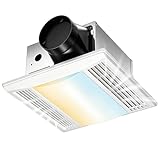
- LFR Score9.6
LFR Score is a ranking system developed by lightfansreviews.com. LFR Score has no relationship or impact from any manufacturers or sales agent websites. Learn more
- BrandAmico

- LFR Score9.0
LFR Score is a ranking system developed by lightfansreviews.com. LFR Score has no relationship or impact from any manufacturers or sales agent websites. Learn more
- BrandBroan-NuTone

- LFR Score8.8
LFR Score is a ranking system developed by lightfansreviews.com. LFR Score has no relationship or impact from any manufacturers or sales agent websites. Learn more
- Brandwelnek

- LFR Score8.8
LFR Score is a ranking system developed by lightfansreviews.com. LFR Score has no relationship or impact from any manufacturers or sales agent websites. Learn more
- BrandRLOZUI

- LFR Score8.8
LFR Score is a ranking system developed by lightfansreviews.com. LFR Score has no relationship or impact from any manufacturers or sales agent websites. Learn more
- BrandFitop

- LFR Score8.6
LFR Score is a ranking system developed by lightfansreviews.com. LFR Score has no relationship or impact from any manufacturers or sales agent websites. Learn more
- BrandLUMLLSAJI

- LFR Score8.6
LFR Score is a ranking system developed by lightfansreviews.com. LFR Score has no relationship or impact from any manufacturers or sales agent websites. Learn more
- BrandBroan-NuTone

- LFR Score8.6
LFR Score is a ranking system developed by lightfansreviews.com. LFR Score has no relationship or impact from any manufacturers or sales agent websites. Learn more
- BrandAkicon
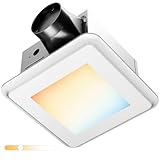
- LFR Score8.4
LFR Score is a ranking system developed by lightfansreviews.com. LFR Score has no relationship or impact from any manufacturers or sales agent websites. Learn more
- BrandAmico

- LFR Score8.4
LFR Score is a ranking system developed by lightfansreviews.com. LFR Score has no relationship or impact from any manufacturers or sales agent websites. Learn more
- BrandGopper
Last update on 2026-07-28 / Affiliate links / Images, Product Titles, and Product Highlights from Amazon Product Advertising API
Amico 80 CFM Bathroom Fan With LED Light
Steam hanging over the mirror is annoying enough, but the dampness left on walls and ceilings can become a bigger headache over time. A noisy ventilation fan creates another problem, especially during early showers or late-night bathroom visits. The Amico 80 CFM Bathroom Fan With LED Light combines ventilation and adjustable lighting in one ceiling fixture, aiming to control humidity without filling the room with mechanical noise. Its 80 CFM airflow, 0.9-sone rating, dimmable 1000-lumen light, and five selectable color temperatures make it a practical candidate for anyone searching for the best exhaust fan light for bathroom installations around 70 to 80 square feet.
Amico Bathroom Exhaust Fan Review
The main appeal is balance rather than brute force. An 80 CFM fan fits many medium-size bathrooms where a smaller unit may struggle after a hot shower, yet a much larger fan could add unnecessary noise or require more demanding ductwork. Amico specifies the unit for spaces around 70 to 80 square feet, which gives buyers a realistic reference point instead of leaving airflow suitability vague. Still, ceiling height, duct length, and sharp duct bends can affect how efficiently any ventilation fan moves air.
Noise is often the detail that determines whether a bathroom fan gets used consistently. This model is rated at 0.9 sone, with the supplied description estimating roughly 37 decibels during operation. That puts it in the quiet category on paper, so it shouldn’t dominate the room while someone showers, gets ready, or winds down before bed. The fan won’t be completely silent, of course, but its low-noise design should feel less intrusive than older builder-grade units that buzz, rattle, or hum loudly through the ceiling.
The integrated LED light adds more flexibility than a fixed-color fixture. Five preset color temperatures are available: 2700K, 3000K, 3500K, 4000K, and 5000K. A warmer setting can soften a bathroom with wood cabinets or beige tile, while a cooler tone may suit white walls, chrome fixtures, or a brighter morning routine. The catch is that the desired color temperature must be selected before installation, so changing the tone later may require removing the grille and reaching the selector.
Brightness control is another useful touch, particularly in bathrooms that serve several roles throughout the day. The 1000-lumen LED can dim from 10% to 100%, allowing low light during nighttime visits and stronger illumination while shaving, applying makeup, or cleaning. Smooth dimming also prevents the abrupt jump that cheaper integrated LEDs sometimes produce. A compatible dimmer and correct wiring will matter, though, so existing controls should be checked before the fixture goes into the ceiling.
Installation Details That Matter
Replacement projects often become messy because housings, ducts, and ceiling openings rarely match as neatly as expected. Amico lists a 12.1-by-12.1-inch grille, an 8.8-by-8.8-inch ceiling cutout, and a 4-inch duct connection. Those measurements should be compared carefully with the old housing and surrounding framing before purchase. A slightly larger grille can hide minor ceiling marks, but the 8.8-inch square opening still needs enough clear space around joists, wiring, and plumbing.
The no-attic-access design is one of the stronger practical benefits in the supplied specifications. It allows the unit to be installed from below during many replacement jobs, avoiding the unpleasant chore of crawling through insulation or working in a cramped roof space. That can save a fair amount of effort in homes where attic access is distant, blocked, or nonexistent. Even so, electrical safety and secure duct connections still matter, and professional installation may be sensible when the existing wiring or framing looks questionable.
A 4-inch duct is common for bathroom ventilation, which should make the unit compatible with many existing systems. The duct itself isn’t included, so replacement material, clamps, foil tape, or an adapter may need to be purchased separately. Flexible duct is convenient in tight spaces, but excessive sagging and tight bends can reduce airflow and trap condensation. A short, smooth route to the exterior helps the 80 CFM rating translate into better real-world moisture removal.
The grille size also deserves a second look before cutting anything. At 12.1 inches square, it provides broad coverage around the housing and may conceal the outline left by a previous fan. On a small ceiling, though, that footprint can appear more noticeable than a compact round light or narrow vent grille. The ceiling-mounted format suits standard bathrooms well, but decorative preference still plays a role when the fixture sits directly above a prominent shower or vanity area.
Lighting Quality And Daily Comfort
Bathroom lighting can look bright while still rendering colors poorly. The Amico fixture carries a 90 CRI rating, which means it is designed to show skin tones, towels, paint, and countertop finishes with better color accuracy than lower-CRI LEDs. That can be helpful while matching makeup, checking clothing colors, or noticing cleaning residue around the sink. The improvement is subtle rather than theatrical, yet true-color lighting tends to make a bathroom feel more natural and less washed out.
The five color settings let the fixture adapt to different decor styles, but they also affect how the room feels at different hours. A 2700K or 3000K setting creates a warmer, calmer look that can be easier on the eyes before bed. The 4000K and 5000K choices feel crisper and may help with detailed grooming or brighter daytime use. Since the setting isn’t described as adjustable from the wall, it’s worth deciding whether the room needs cozy light, task-oriented light, or a compromise such as 3500K.
Dimming from 10% to full brightness gives the fixture more range than a basic on-and-off ceiling light. Low output can reduce glare during midnight visits, while maximum brightness can illuminate corners that a vanity fixture misses. The benefit depends on installing a compatible dimmer, because not every wall control handles LED loads smoothly. Proper compatibility helps protect the flicker-free experience described in the product details and reduces buzzing at lower brightness levels.
Some bedrooms face a similar struggle between useful airflow and distracting noise, though the equipment serves a different purpose. A neutral reference on quiet room circulation appears in quiet ceiling fans, while this Amico unit remains focused on bathroom exhaust and overhead lighting. The distinction matters because a ventilation fan removes humid air, whereas a ceiling fan mainly circulates air already in the room. Treating those functions as interchangeable can leave moisture trapped where it doesn’t belong.
Strengths, Weaknesses, And Realistic Expectations
The strongest feature set centers on quiet ventilation, flexible lighting, and replacement-friendly installation. Combining an 80 CFM fan with a 1000-lumen LED reduces the need for separate ceiling fixtures, which can simplify smaller bathroom layouts. The selectable color temperature and 90 CRI rating add meaningful control rather than novelty for novelty’s sake. Those features work together well for a room where humidity, mirror visibility, and lighting quality all cause daily frustration.
The limitations mostly involve fit and setup decisions. The color temperature must be chosen before installation, the duct isn’t included, and the 8.8-inch square cutout won’t match every existing fan housing. Dimming may also require a suitable wall control and possibly additional wiring, depending on how the fan and light are meant to operate. None of these issues is unusual, but they can turn a quick replacement into a longer project if measurements and electrical requirements aren’t checked first.
The listed airflow is better suited to a moderate bathroom than a large, high-ceiling space with a soaking tub or frequent long showers. Moisture removal may also disappoint if the exhaust duct runs a long distance, bends several times, or terminates improperly. The 80 CFM capacity should be matched to the room rather than treated as a universal answer. For a smaller bathroom, it may provide brisk air exchange, while a larger or unusually humid room could call for more ventilation capacity.
Amico states that the fan includes three-year product support and 24-hour customer service availability. That support period adds reassurance for an integrated fixture because the motor, LED module, and controls all contribute to the overall experience. Still, long-term satisfaction will depend on correct installation, regular grille cleaning, and an unobstructed exterior vent. Dust buildup and restricted ducting can make even a quiet fan louder and less effective over time.
As a package, the Amico fan addresses several real bathroom annoyances without loading the fixture with gimmicks. Its 0.9-sone operation supports a calmer room, the dimmable 1000-lumen light covers both soft and task-oriented lighting, and the 90 CRI output keeps colors from looking dull. The no-attic-access installation design may be the deciding benefit for a replacement project, provided the ceiling opening and duct size match. Its best results will come from careful sizing and installation, not from assuming the specification sheet can overcome a poor duct layout.
Broan-NuTone BEL8 Bathroom Fan With LED Light
A bathroom can look spotless and still feel stale ten minutes after a hot shower. Moisture collects quietly on mirrors, painted ceilings, and grout lines, while an old fan may add plenty of noise without moving enough air. The Broan-NuTone BEL8 Bathroom Fan With LED Light takes a more measured approach, pairing 80 CFM ventilation with an integrated LED light and ENERGY STAR certification. For shoppers weighing the best exhaust fan light for bathroom upgrades, its strongest pitch is simple: dependable airflow, restrained sound, and an installation method designed to avoid unnecessary ceiling damage.
Broan-NuTone BEL8 Exhaust Fan Review
The BEL8 is sized for bathrooms up to 75 square feet, which places it in familiar territory for guest baths, hallway bathrooms, and many standard primary bathrooms. Its 80 CFM airflow is intended to pull humid air and everyday odors out before they linger. That number isn't excessive, and that's part of the appeal. A properly sized fan can ventilate effectively without bringing along the larger housing, louder operation, or added duct demands associated with oversized equipment.
Room size isn't the only factor, though. Long duct runs, crushed flexible duct, tight elbows, and clogged exterior caps can all reduce actual airflow at the grille. The BEL8 can provide the stated ventilation only when the exhaust path gives it a fair shot. In practical terms, clean duct routing matters nearly as much as the fan rating printed on the box.
The ENERGY STAR certification adds a meaningful efficiency angle to the design. According to the supplied product details, the fan can reduce energy consumption by about 50 percent compared with standard bath fans. That difference matters most in bathrooms where the fan runs frequently or stays on for extended periods after showers. It won't transform a utility bill overnight, but lower consumption makes sense for a fixture that may operate every day for years.
The built-in LED light also saves ceiling space by combining two functions inside one grille. That setup can be especially useful where an existing fan sits near the center of the room and a separate ceiling light would feel redundant. The product information doesn't provide lumen output, color temperature, dimming range, or color-rendering specifications, so expectations should stay grounded. The integrated lighting offers convenience, but buyers needing precise vanity lighting may still want a dedicated fixture around the mirror.
Noise That Stays Noticeable but Civil
Bathroom fan noise can be oddly personal. Some people want the fan to vanish into the background, while others prefer enough sound to confirm that it's running. The BEL8 carries a 1.5-sone rating, described as quiet enough for a peaceful room while remaining slightly audible. That puts it in a practical middle ground rather than the nearly silent category.
A little audible feedback isn't necessarily a flaw. Quiet fans sometimes get left running because nobody can tell whether the switch is still on, especially in a bright room where the light and fan use separate controls. The BEL8's moderate sound level should make operation easier to notice without producing the harsh buzz associated with older economy fans. Still, anyone who expects near-silent ventilation should recognize that 1.5 sones won't disappear completely.
Installation quality can alter the sound more than many buyers realize. A loose housing, poorly secured duct, or vibrating damper can introduce rattles that aren't reflected in the official sone rating. Firm mounting and a properly connected exhaust duct help preserve the quieter character promised by the design. Even the cleanest motor can sound rough if the surrounding ceiling assembly acts like a drum.
Room acoustics also play a part. Tile, glass shower doors, and bare walls reflect sound more sharply than towels, rugs, and softer finishes. In a compact bathroom, 1.5 sones may seem more obvious than it does in a larger room with more absorbent surfaces. The rating offers a useful baseline, but the final experience depends on both the fan installation and the bathroom itself.
Roomside Installation Without Drywall Cuts
Retrofit work is where this model separates itself from many basic bath fans. Broan-NuTone describes the BEL8 as supporting no-cut roomside installation, allowing replacement in spaces without attic access. That matters in finished homes where opening the ceiling, patching drywall, and repainting would turn a modest fan swap into a weekend project. Working entirely from below can reduce mess and keep the surrounding ceiling intact.
The housing measures 7.5 inches deep, 7.25 inches wide, and 5.75 inches high. The cover measures 9.5 by 9.5 inches, giving it enough surface area to conceal the housing opening and some marks left by an older grille. Measurements still need to be checked carefully before removal begins. Ceiling joists, plumbing lines, wiring, and the dimensions of the existing opening can complicate even a roomside-friendly replacement.
The phrase “no cut” shouldn't be mistaken for “fits every opening.” A previous fan may use a larger housing, a smaller duct connection, or a different mounting arrangement. The BEL8 reduces installation complexity, but careful measuring remains nonnegotiable. Nobody enjoys discovering halfway through the job that the ceiling cavity is blocked by framing or that the old opening extends beyond the new cover.
Electrical conditions deserve the same attention. The fan and light may require a control setup that differs from the existing fixture, depending on how the old unit was wired. A single-switch circuit can limit independent operation, while separate controls may call for additional conductors. The roomside access helps with physical mounting, but it doesn't erase wiring limitations hidden above the ceiling.
SlideClip Grille And Everyday Maintenance
Grille removal sounds like a tiny detail until cleaning day arrives. Traditional spring clips can pinch fingers, bend out of shape, or become awkward after repeated removal. Broan-NuTone's patent-pending SlideClip attachment replaces those spring wires with a springless mounting method. The goal is quicker grille installation and less fuss when dust needs to be cleared away.
Bathroom fans collect lint and fine dust surprisingly fast. That buildup can restrict airflow, dull the cover, and make the motor sound louder over time. Easier grille access encourages more regular cleaning, which helps preserve ventilation efficiency. A quick wipe every so often is much less irritating when the cover doesn't have to be wrestled free from stiff metal springs.
The CleanCover grille gives the fixture a smoother, more finished look than older vent covers with obvious slats. Broan-NuTone describes it as creating a floating appearance that blends into the ceiling. That clean face can work well in bathrooms where exposed vent patterns would compete with recessed lighting or simple trim. Its restrained design won't become a decorative centerpiece, and that's likely the point.
A bedroom ceiling fan solves a different airflow problem, yet design choices still influence how quietly a fixture settles into a room. A related discussion appears in ceiling fan design, while the BEL8 remains purpose-built for removing bathroom humidity rather than circulating indoor air. The distinction is worth keeping clear because exhaust ventilation sends damp air outside, whereas a ceiling fan only moves it around.
Practical Strengths and Real Tradeoffs
The BEL8's strongest quality is how sensibly its features fit together. The 80 CFM capacity matches the stated 75-square-foot room limit, the 1.5-sone sound level stays relatively restrained, and the ENERGY STAR certification addresses long-term efficiency. Roomside installation and the SlideClip grille then make ownership less troublesome at both ends of the process. Nothing feels added merely to pad the specification list.
The lighting specifications are the biggest unknown in the supplied information. There is no stated brightness, selectable color temperature, dimming compatibility, or CRI value. That doesn't make the LED light inadequate, but it does limit how confidently it can be judged for makeup, shaving, or detailed grooming. The LED integration is convenient, though buyers with exact lighting preferences may need more product information before deciding.
Airflow capacity is another natural boundary. A large bathroom, tall ceiling, enclosed toilet room, or long steamy shower routine may call for more than 80 CFM. The BEL8 is designed around a specific room-size range, and pushing it well beyond that range could lead to slow mirror clearing or lingering moisture. Its moderate ventilation output is a strength in correctly sized rooms and a limitation in larger ones.
The 1.5-sone rating carries a similar tradeoff. It should be calmer than many old builder-installed fans, but it won't satisfy someone seeking the quietest possible bathroom atmosphere. On the other hand, the faint operating sound can provide useful confirmation that ventilation is active. The audible but controlled operation feels deliberate rather than accidental.
How The BEL8 Fits Daily Bathroom Use
Morning routines benefit most from equipment that does its job without demanding attention. The BEL8 combines overhead light and ventilation in a single clean fixture, helping keep the ceiling uncluttered while humid air is directed outside. Its CleanCover grille also avoids the busy industrial look common to older exhaust fans. Once installed correctly, it should feel like part of the room instead of a mechanical add-on.
Guest bathrooms may be an especially sensible setting because controls need to remain straightforward. A fan that's barely audible can be forgotten, while a roaring unit may discourage anyone from turning it on. The BEL8's 1.5-sone sound level strikes a useful compromise by signaling operation without taking over the room. That modest feedback can help ventilation happen more consistently.
Renovation projects gain a different advantage. The ability to install from the room side without cutting drywall can spare finished ceilings from avoidable patchwork. Combined with the 9.5-inch square cover, the design may neatly conceal the installation area after an older fan is removed. Compatibility still has to be confirmed, but the process is less intimidating than a model that demands open attic access.
Maintenance rounds out the ownership experience. The springless SlideClip system should make the grille easier to remove, clean, and reinstall, which helps prevent dust from becoming a permanent airflow restriction. Regular cleaning won't compensate for poor ductwork, yet it protects the fan's day-to-day performance once the installation is sound. For a medium-size bathroom that values clean styling, measured sound, and uncomplicated upkeep, the BEL8 presents a focused set of benefits without pretending to suit every ceiling or room size.
WELNEK 130 CFM Bathroom Exhaust Fan With Light
Cold tile, a fogged mirror, and damp air can turn an otherwise comfortable shower into a mildly irritating routine. The problem gets worse when a weak ceiling fan keeps humming long after the room should have dried. The WELNEK 130 CFM Bathroom Exhaust Fan With Light takes a more forceful approach, combining 130 CFM airflow with a bright 6500K LED in one contemporary ceiling fixture. That combination gives the best exhaust fan light for bathroom shoppers a practical option when moisture removal matters more than soft, decorative lighting.
WELNEK Bathroom Exhaust Fan Review
The headline feature is the 130 CFM ventilation capacity, which sits above the output of many basic bathroom fans. Stronger airflow can help clear steam sooner after a long shower, particularly where damp towels, enclosed layouts, or limited natural ventilation keep humidity hanging around. It should also handle everyday bathroom odors more decisively than a low-output fan. Still, actual performance depends on the duct route, because sharp bends and crushed flexible tubing can choke even a capable motor.
WELNEK pairs that airflow with a stated 1.0-sone sound level. On paper, that points to a fan that remains audible enough to confirm operation without turning the bathroom into a noisy utility room. Quietness matters during late-night visits, early morning showers, and any routine where a buzzing ceiling fixture quickly gets on your nerves. The balance here looks sensible: strong extraction without an aggressive mechanical soundtrack.
The unit uses a 9.8-by-9.8-inch housing beneath an 11.8-by-11.8-inch grille. Those dimensions make it larger than some compact replacement fans, so measuring the ceiling opening before purchase isn't optional. The broad grille may cover minor marks left by an older fixture, which can save some cosmetic repair work. But a blocked joist bay or undersized opening could still turn a straightforward project into a more involved installation.
A 4-inch duct connection keeps the exhaust side aligned with a common bathroom ventilation size. That sounds simple, yet the existing duct should be checked for sagging, debris, loose joints, and an exterior termination that opens freely. A fan can't remove moisture effectively if the air has nowhere clean to go. Secure connections and a reasonably direct route help the 130 CFM specification translate into useful bathroom performance rather than wasted motor effort.
Daylight Lighting With A Very Cool Tone
The integrated LED produces 1200 lumens, giving the fixture enough stated brightness to serve as a meaningful overhead light rather than a faint accent. That output can help in windowless bathrooms, shadowy shower areas, or layouts where a vanity fixture doesn't reach the entire room. Shaving, applying makeup, spotting water marks, and cleaning grout all benefit from clear illumination. The LED and fan combination also reduces the need to crowd the ceiling with two separate fixtures.
Color temperature creates the biggest lighting tradeoff. At 6500K, the LED delivers a very cool daylight appearance that emphasizes crisp visibility and clean contrast. Some bathrooms with white tile, chrome hardware, or gray finishes may suit that sharp tone nicely. Warm wood, cream paint, and relaxed spa-style decor may look harsher beneath it, so the fixed cool-white light won't fit every room's atmosphere.
The supplied information doesn't mention dimming or adjustable color temperature. That means buyers should treat the light as a focused, bright source rather than assume it can shift into a softer nighttime mode. A separate vanity light or small night-light may still be helpful after dark. The single 6500K setting is best understood as task-oriented illumination, not mood lighting.
Brightness can also expose details that warmer or dimmer fixtures tend to hide. Soap residue, streaks on glass, uneven makeup, and missed shaving spots become easier to notice under a crisp LED. That's useful during practical routines, though it may feel a bit unforgiving first thing in the morning. The WELNEK fixture clearly favors visibility and function over a cozy glow.
Installation Fit And Ceiling Planning
Installation begins with the housing, not the grille. The required 9.8-inch square opening needs enough room between joists and around any wiring or plumbing hidden above the ceiling. A nearly matching old fan housing isn't always close enough, especially if framing blocks one side. Careful measurements prevent the classic renovation headache of removing the old unit and realizing the replacement won't sit flat.
The 11.8-inch square grille provides a clean visual border around the housing. Its wider footprint may conceal old screw holes, discoloration, or slightly rough drywall edges left behind during removal. That's handy, but the grille's size will also be noticeable on a compact ceiling. A balanced placement matters if recessed lights, a shower head, or a nearby ceiling vent already compete for space.
WELNEK describes the installation as quick and straightforward, but the provided details don't state whether attic access is unnecessary. That distinction matters in finished bathrooms where the only practical route is from below. The housing dimensions and duct connection are clear, yet mounting access should be confirmed before assuming it will behave like a dedicated roomside retrofit model. Electrical work should also match local requirements and the fixture's wiring instructions.
The 4-inch outlet should connect to an exterior vent rather than dump humid air into an attic or ceiling cavity. Warm moisture trapped above drywall can create precisely the problems the fan is meant to reduce. Smooth metal ducting generally preserves airflow better than long, loose runs of flexible material. Whatever duct type is used, sealed joints and minimal bends will help control condensation and maintain extraction strength.
Heat Management And Long-Term Use
Integrated lights create heat even when they run efficiently, so WELNEK includes a stated heat-dissipation structure. Its purpose is to lower operating temperature around the lighting components and support longer service life. That feature makes practical sense in a ceiling housing where the fan motor and LED share limited space. Cooler operation can reduce stress on internal parts, though no specific lifespan figure is provided.
Maintenance will still affect how the unit behaves over time. Dust and lint can settle on the grille, restrict air entry, and make the fan seem weaker or louder. Regular cleaning helps preserve airflow and cooling without asking the motor to pull through a clogged cover. The product details don't explain the grille removal mechanism, so ease of access remains one point to verify during installation.
The LED is described as suitable for prolonged operation, but the supplied specifications don't clarify whether the light module is replaceable. Integrated lighting keeps the face clean and compact, yet replacement options matter if the LED eventually fails. A permanently integrated module can require more work than swapping a standard bulb. That uncertainty doesn't undermine the current functionality, but it is a realistic long-term ownership consideration.
A bathroom fan and a portable room fan solve very different air problems, even though both rely on steady air movement. A separate reference to portable circulation appears in Lasko tower fan airflow, while this WELNEK fixture is designed to remove humid bathroom air through ductwork. The distinction is essential: circulation redistributes air, but exhaust ventilation sends moisture and odors outside.
Strong Points And Practical Limitations
The WELNEK model's clearest strength is its combination of high airflow and restrained noise. A 130 CFM rating offers more extraction muscle than many modest bathroom fans, while the stated 1.0-sone operation keeps that power from sounding overly intrusive. The 1200-lumen LED also brings substantial overhead brightness. Together, those features address steam, stale odors, and dim ceiling light without requiring separate fixtures.
The fixed 6500K color temperature is the most obvious compromise. It gives the room a clean, bright look, but it can feel too blue or clinical beside warm finishes. There is no listed color selector or dimming range in the supplied information. Anyone sensitive to cool lighting should weigh the daylight-white output just as carefully as airflow and housing size.
Physical fit is another boundary. A 9.8-by-9.8-inch housing needs a fairly substantial ceiling opening, and the 11.8-inch grille occupies noticeable visual space. That may be no problem during new construction or a planned remodel. It can be less convenient during a direct swap where the existing fan is much smaller or framing leaves little room for adjustment.
The 130 CFM motor could also be more capacity than a tiny powder room needs. Strong ventilation is appealing, but fan sizing should account for room volume, duct resistance, and the way the bathroom is used. An oversized unit may not deliver added value if the duct cannot support the airflow. The best-fit installation is a bathroom with persistent steam, enough ceiling space, and a properly routed 4-inch exhaust path.
Daily Performance In A Busy Bathroom
Steam control is where this fan should earn its keep. The 130 CFM output is built for quick moisture removal, helping mirrors clear and wet surfaces dry sooner when the duct system is sound. That can make back-to-back showers less frustrating because the room doesn't begin the second routine already saturated. Stronger air exchange also helps reduce the stale feeling that develops when doors stay closed.
Late-night operation benefits from the 1.0-sone rating, yet the bright 6500K light may be less gentle during sleepy bathroom visits. Separate fan and light controls would improve flexibility, though the provided information doesn't specify the required switching arrangement. A small secondary light could handle nighttime use while the fan manages humidity or odors. The overhead LED makes more sense for grooming and cleaning than for creating a low-key evening atmosphere.
Modern styling keeps the fixture from looking like an old vent panel bolted to the ceiling. WELNEK describes sleek lines and a contemporary finish intended to blend with updated bathroom decor. The broad grille gives the unit a simple, finished face, which can sit comfortably beside flat-panel cabinetry and clean-lined fixtures. Its minimal ceiling appearance supports the room rather than demanding visual attention.
Realistic expectations make the product easier to judge. The fan offers powerful stated airflow, a quiet motor rating, bright task lighting, and a heat-management structure, but it doesn't promise adjustable light color or an unusually compact housing. Its strongest setting is a medium or larger bathroom where steam lingers and cool daylight illumination is welcome. With accurate measurements, sound ductwork, and routine grille cleaning, the fixture's practical strengths have room to show.
Bathboom 120 CFM Bathroom Exhaust Fan With Light
A bathroom fan shouldn't sound like a small appliance fighting for its life above the ceiling. Steam needs to leave quickly, yet the morning routine shouldn't come with rattling blades and a harsh mechanical drone. The Bathboom 120 CFM Bathroom Exhaust Fan With Light pairs 120 CFM airflow with a stated 1.0-sone operating level, aiming to move damp air without disturbing the rest of the house. Among products considered for the best exhaust fan light for bathroom use, its compact opening, removable panel, and bright integrated LED make it particularly interesting for practical replacement projects.
Bathboom 120 CFM Fan With Light
The 120 CFM airflow rating gives this fan more pulling power than many entry-level units found in smaller bathrooms. That extra capacity can help after long showers, during back-to-back morning routines, or in rooms where towels and bath mats seem to stay damp forever. A multi-blade wheel is used to support the airflow while limiting disruptive motor noise. Strong specifications help, of course, but the duct path still has to cooperate.
The listed 1.0-sone sound level suggests restrained operation rather than complete silence. A soft operating sound can be useful because it confirms that ventilation is active, yet it shouldn't overpower a conversation or carry loudly into the hallway. That balance suits late-night bathroom visits and early showers when the rest of the home is quiet. Loose mounting or poorly secured ducting can still create vibration, so installation quality remains part of the noise equation.
Moisture removal is the fan's main job, and 120 CFM provides a useful margin for rooms that overwhelm smaller exhaust units. Fogged mirrors should clear more readily when air can move through a short, properly sized exhaust route. Damp ceilings and lingering odors also become easier to manage with consistent mechanical ventilation. Still, the supplied details don't specify a recommended room size, so the fan should be assessed alongside ceiling height and duct resistance rather than airflow alone.
The multi-blade wheel design is intended to create steady air movement without relying on an unnecessarily harsh motor note. More blades can support smoother airflow, though the final result depends on how the wheel, housing, and duct connection work together. Dust buildup will gradually reduce that advantage if the intake panel is never cleaned. A clean grille and open exterior vent give the motor a much easier job.
Cool LED Lighting For Daily Tasks
The integrated light uses a 6500K color temperature, placing it firmly on the cool daylight end of the lighting spectrum. That crisp tone can make shaving, grooming, and cleaning easier because edges, water marks, and small details appear clearly. Windowless bathrooms may benefit most from the brighter visual character. Soft and cozy, though, it isn't.
A 6500K LED often looks especially sharp beside white tile, chrome fixtures, pale countertops, and cooler paint colors. Warm wood cabinetry or beige finishes may appear less comfortable under such a blue-white tone. The product description calls the light softer and brighter, but the fixed color temperature will still feel cooler than typical warm household lighting. The lighting mood should be considered before treating brightness as the only priority.
The supplied information doesn't state lumen output, dimming support, color-rendering index, or selectable color options. Those missing details limit how precisely the light can be judged for makeup application or detailed vanity work. The LED can provide convenient general illumination, yet a dedicated mirror light may still produce more even facial lighting. This fan-and-light combination is best understood as practical overhead coverage rather than a complete layered lighting plan.
Nighttime use creates another tradeoff. Bright daylight-colored light can wake the room up quickly, which is handy during morning preparation but less gentle during a sleepy visit after midnight. Separate fan and light controls would make the fixture easier to adapt, though the provided description doesn't confirm the switching arrangement. A low-output secondary light may still be worthwhile where late-night comfort matters.
Dimensions And Retrofit Planning
The fan requires an 8.3-by-8.3-inch ceiling opening, while its visible panel measures 9.8 by 9.8 inches. That difference gives the cover some room to conceal minor drywall marks or uneven edges around the housing. It also makes the fixture reasonably compact compared with models that need openings close to ten inches square. Measure twice anyway, because ceiling framing has a habit of ruining optimistic assumptions.
A 4-inch duct connection matches a common bathroom exhaust size. Existing ductwork should be inspected for tight bends, sagging flexible sections, and old tape that has started peeling away. Airflow ratings are measured under controlled conditions, while real ceilings often hide a far less tidy route. Shorter, smoother ducting helps the fan move humid air with less resistance.
The snap-on spring design is meant to simplify panel installation and removal. That sounds like a small convenience until dust collects along the intake and the grille needs cleaning. A cover that comes off without a wrestling match makes routine upkeep more likely. Regular cleaning protects both airflow performance and the finished appearance of the panel.
The provided directions describe wiring by matching the marked conductors. Clear wire identification can reduce confusion, but electrical work still needs proper circuit isolation and secure connections. The details don't state whether the housing can be mounted entirely from below or whether attic access may be required in some installations. That missing point matters for finished ceilings, so installation access deserves attention before the old fan is removed.
ABS Housing And Copper Motor Design
The housing and fan blades are described as being made from ABS plastic. That material resists rust and keeps the assembly lighter than a comparable all-metal design. In a humid bathroom environment, corrosion resistance is a sensible advantage. Plastic can still transmit vibration if the housing isn't mounted firmly, so lightweight construction doesn't remove the need for secure installation.
A built-in copper motor provides the drive behind the ventilation system. Copper windings are commonly associated with efficient electrical conduction and dependable motor construction, though the supplied information doesn't include wattage or motor-speed data. The practical benefit is the promise of continuous operation without routine motor maintenance. As always, unobstructed airflow helps keep the motor from working harder than necessary.
Thermal protection adds another layer of reassurance. It is intended to guard the motor if operating temperature rises beyond its safe range, which can matter when dust, duct resistance, or long run times create extra heat. Thermal protection shouldn't be treated as a substitute for proper installation or cleaning. It functions as a safety-oriented motor feature, not permission to ignore restricted airflow.
The product description calls the materials durable, but it doesn't provide a stated service-life figure or warranty period. That leaves long-term durability harder to assess beyond the construction details supplied. Easy panel removal, regular grille cleaning, and a clear exhaust route can help preserve performance regardless of the material claims. The maintenance-free motor description means no scheduled lubrication is presented as necessary, not that the surrounding ventilation system can be forgotten.
Modern Styling Without Decorative Fuss
The square panel uses a straightforward contemporary design that should sit quietly against many ceilings. Clean lines help the unit blend with recessed lights, modern vanities, and simple trim rather than announcing itself as industrial equipment. A bathroom exhaust fixture rarely needs to become a focal point. The minimal visual profile keeps attention on the room instead.
The 9.8-inch panel is broad enough to cover the housing while remaining less imposing than some oversized grilles. Its appearance may work in bathrooms, laundry rooms, and other utility spaces where a plain ceiling finish is preferred. The description also mentions farmhouses and attics, although each location needs suitable exterior ducting and appropriate electrical installation. A stylish cover doesn't change the fan's fundamental requirement to exhaust air outdoors.
Portable fans serve a separate purpose, yet their older decorative forms show how visible air-moving equipment can influence a room's character. A neutral reference appears in vintage table fans, while this Bathboom model stays tucked into the ceiling and removes humid air through a duct. One circulates room air and the other expels it, so the two shouldn't be treated as interchangeable. The ceiling exhaust function remains essential wherever moisture needs a route outside.
The fixed 6500K light may influence the room's appearance more than the panel itself. Cool illumination makes white surfaces look crisp, but it can flatten warm decorative tones or feel clinical in a spa-inspired bathroom. That visual effect isn't necessarily bad; it simply favors function over atmosphere. The modern fixture design and cool light work best where clarity and simplicity outrank a warm, relaxed glow.
Useful Strengths And Noticeable Tradeoffs
The strongest specification is the pairing of 120 CFM airflow with a 1.0-sone rating. That combination addresses the familiar problem of choosing between weak, quiet ventilation and stronger equipment that sounds rough. A compact 8.3-inch opening and a removable spring-mounted panel add practical value during installation and cleaning. These features tackle everyday frustrations rather than piling on novelty controls.
The fixed 6500K LED is the clearest limitation. Bright cool light can be useful for detailed tasks, but it may feel uncomfortable in bathrooms designed around warm finishes or relaxing evening routines. No dimming or color adjustment is listed, so flexibility shouldn't be assumed. Anyone particular about lighting tone may see this feature as either a strong fit or an immediate deal breaker.
Unknown room-size guidance creates another point of caution. The fan's 120 CFM rating sounds substantial, yet sizing depends on room volume and duct conditions rather than a single number. A tiny half bath may not need that much capacity, while a large bathroom with a long duct could still challenge it. The best-fit space has recurring humidity, enough ceiling clearance, and a reasonably direct 4-inch exhaust path.
The construction details sound practical, but several ownership questions remain unanswered in the provided information. The LED's replaceability, warranty coverage, switching configuration, and roomside-installation capability aren't specified. Those gaps don't erase the fan's stated benefits, though they do make careful pre-purchase planning sensible. The known strengths are airflow, quiet operation, compact dimensions, easy panel removal, and a protected copper motor.
How It Handles Real Bathroom Routines
Back-to-back showers put ventilation equipment under pressure quickly. The 120 CFM motor can move a meaningful amount of air, helping prevent the second shower from starting in a room that's already fogged and damp. Faster moisture removal also gives towels, grout, and painted surfaces a better chance to dry. Proper ducting remains the make-or-break detail behind that benefit.
Cleaning days highlight the fixture's brighter side. The 6500K overhead light can expose soap streaks, dusty corners, and residue that warmer bulbs may soften visually. Meanwhile, the snap-on panel makes intake cleaning less awkward once lint collects. That mix of bright visibility and accessible maintenance suits a functional bathroom better than a mood-focused retreat.
Quiet operation matters most when the fan runs beyond the shower itself. Leaving ventilation active for a while can help clear residual humidity, but a loud unit makes that habit irritating. At a stated 1.0 sone, this model is designed to keep the sound under control during longer run times. The low-noise character encourages use without pretending the motor will be completely inaudible.
The Bathboom fan makes the most sense where moisture control, cool task lighting, and a modest ceiling footprint carry equal weight. Its multi-blade airflow system, copper motor with thermal protection, and easily removable panel form a practical package rather than a feature-heavy one. Warm-light preferences, unclear retrofit access, and the absence of adjustable lighting are real compromises. Installed in a compatible opening with an open 4-inch duct, it has the specifications needed to handle a busy bathroom without making a racket overhead.
Fitop 110 CFM Bathroom Exhaust Fan With Light
A mirror that stays fogged long after the shower ends is more than a morning nuisance. Damp ceilings, slow-drying towels, and stale air usually point to ventilation that isn't keeping pace with the room. The Fitop 110 CFM Bathroom Exhaust Fan With Light tackles those problems with 110 CFM airflow, a quiet 1.0-sone rating, and a bright 1200-lumen LED fixture. Its three selectable color temperatures also give it an edge among products considered for the best exhaust fan light for bathroom installations where lighting flexibility matters almost as much as moisture control.
Fitop Bathroom Exhaust Fan Review
The 110 CFM airflow gives this fixture enough stated capacity for bathrooms up to 110 square feet. That makes it suitable for more than a tiny powder room, especially where long showers leave condensation on tile, mirrors, and painted surfaces. Stronger air movement can also help clear odors without leaving the fan running forever. The room-size claim is useful, but a straight and properly sealed duct remains necessary for the motor to deliver its intended performance.
Sound stays under control at a listed 1.0 sone. That rating suggests the fan should remain noticeable enough to confirm it's running without drowning out conversation or disturbing the quiet of an early morning. Older ventilation units often rattle or drone because of worn motors and loose housings, so this lower-noise design can make daily operation less irritating. Proper mounting still matters because even a quiet motor can sound rough if the housing vibrates against a joist.
The combination of ventilation and overhead lighting helps reduce ceiling clutter. Instead of fitting a separate exhaust grille beside another light, the Fitop places both functions beneath one 10.25-inch square lampshade. That arrangement can make a compact bathroom ceiling look cleaner and more deliberate. It also puts useful light near the center of the room, though a vanity fixture may still be helpful for shadow-free facial lighting.
Fitop lists a total power rating of 43 watts for the fan-and-light unit. The supplied information doesn't separate motor consumption from LED consumption, so energy use can't be broken down more precisely. Still, the figure gives electricians and remodelers a practical reference when reviewing circuit capacity. Wiring should follow the marked connections and local electrical requirements rather than relying on guesswork.
Three Light Colors That Fit Different Routines
The integrated LED produces 1200 lumens, which is a substantial amount of general bathroom light. That brightness can help illuminate shower surrounds, floors, storage shelves, and corners that a wall-mounted vanity light may not reach. It also makes cleaning easier because water spots and residue become harder to miss. Bright overhead light isn't automatically flattering, but it is undeniably practical.
Three selectable color temperatures keep the lighting from being locked into one mood. The 3000K soft white setting creates a warmer appearance that suits relaxed showers and bathrooms with beige tile or wood cabinetry. The 4000K setting lands in a more neutral range, giving the room a clean look without feeling overly blue. At 5000K, the light becomes crisper and more task-focused for grooming, makeup, or detailed cleaning.
The color selection is changed through the switch rather than a hidden selector that must be set before installation. Better yet, the unit is described as saving the last setting after it remains off for more than seven seconds. That color-memory function prevents the fixture from resetting to an unwanted tone every time the light is used. A household can settle on a preferred setting without cycling through all three choices during every bathroom visit.
Color flexibility also helps the fixture adapt when the bathroom changes over time. New paint, different towels, or a renovated vanity can alter which light temperature looks most natural. A fixed 6500K unit may feel harsh after a decor update, while a fixed warm LED may seem dull in a bright modern room. The Fitop's 3000K, 4000K, and 5000K choices leave more room for adjustment without replacing the entire fixture.
Installation Measurements And Ceiling Fit
The housing requires a ceiling opening measuring 7.75 inches long by 7.5 inches wide, with a listed housing height of 5.75 inches. Those dimensions are relatively compact for a fan rated at 110 CFM, but they still need to be checked against the joist bay and existing opening. A replacement project can go sideways quickly if plumbing, wiring, or framing blocks the housing. Measuring from below and inspecting the cavity first can prevent unnecessary drywall repairs.
The unit mounts directly to ceiling joists with nails or screws. That approach creates a firm connection, which is helpful for limiting vibration and keeping the 1.0-sone operation from being spoiled by a loose housing. Direct joist mounting may be easiest during new construction or where the ceiling cavity is accessible. The supplied description says no cutting is needed, though actual retrofit compatibility still depends on the existing opening and mounting access.
A 4-inch duct outlet matches a common bathroom ventilation size. The duct should run outdoors through an approved wall or roof cap rather than terminate inside an attic. Loose joints, sagging flexible duct, and too many turns can reduce airflow while allowing condensation to collect. A short route with sealed connections gives the 110 CFM motor a much better chance of clearing humid air promptly.
The visible lampshade measures 10.25 by 10.25 inches, leaving a generous border around the housing opening. That wider cover may hide small ceiling stains, old screw holes, or slightly rough drywall edges from the previous fixture. On a very small ceiling, though, the square panel will have a noticeable presence. The modern low-profile design keeps the visual weight under control even though the cover isn't especially tiny.
Galvanized Steel Construction And Durability
The housing uses galvanized steel rather than an all-plastic enclosure. Galvanization helps protect the metal against corrosion, a sensible feature in a fixture installed above a humid room. A rigid metal housing can also provide a stable mounting platform for the motor and duct connection. That stability matters because unwanted vibration often begins with a housing that flexes or shifts during operation.
Corrosion resistance doesn't make the fan immune to neglect. Moist air should still be exhausted completely outdoors, and the grille needs periodic cleaning to prevent dust from restricting the intake. A clogged cover forces the motor to work against extra resistance while reducing useful airflow. Routine upkeep helps protect both ventilation strength and the quieter sound profile.
The product description states that the unit is manufactured and certified to meet applicable industry standards, though it doesn't identify individual certifications. Without named standards or testing documents, broader claims shouldn't be stretched beyond the information provided. The galvanized housing and specified dimensions are concrete details that can be evaluated directly. Those features offer more practical value than vague durability language.
The supplied information doesn't provide a rated motor lifespan, LED lifespan, or warranty duration. It also doesn't clarify whether the LED module can be replaced separately if it eventually fails. These gaps don't erase the fan's stated strengths, but they do matter for long-term ownership planning. The known durability advantage is the corrosion-resistant steel housing, not an unsupported promise that every component will last indefinitely.
Moisture Control In Everyday Bathroom Use
Long showers can saturate a bathroom faster than a weak fan can recover. The Fitop's 110 CFM capacity is designed to move humid air steadily enough for spaces up to the stated 110-square-foot limit. That can help mirrors clear sooner and reduce the amount of moisture left sitting on painted ceilings or grout lines. Results will vary with duct resistance, but the available airflow gives the unit a useful starting point.
Back-to-back routines are where stronger ventilation becomes especially valuable. A second shower begins with less residual humidity when the first cloud of steam has already been pushed outside. Towels and bath mats also have a better chance to dry instead of staying clammy for hours. The quiet motor makes it easier to leave the fan running without turning the bathroom into the loudest room in the house.
The three lighting modes suit different parts of the day without requiring a separate fixture. Warm 3000K light can soften an evening bath, while 5000K helps sharpen visibility during grooming or cleaning. The neutral 4000K setting may be the most balanced everyday choice because it stays bright without looking too icy. That adjustable lighting character gives the fixture more range than models limited to one cool-white LED.
Lighting and air movement shape other rooms in different ways, and a related design reference appears in retro ceiling fans, while the Fitop remains a ducted bathroom exhaust fixture rather than a circulating room fan. The distinction isn't merely technical. A ceiling fan redistributes indoor air, but a bathroom exhaust fan removes moisture by sending air outside.
Strong Features And Honest Limitations
The strongest part of this package is the balance between 110 CFM airflow, low stated noise, and adjustable lighting. None of those features feels tacked on. The airflow handles moisture, the 1.0-sone rating supports comfortable operation, and the 1200-lumen LED gives the room meaningful overhead illumination. Three selectable colors then make that brightness easier to live with across different routines.
The ceiling mounting method is more of a mixed bag. Direct joist attachment can create a secure installation, but it may be less convenient where the existing ceiling opening doesn't align with framing. The “no need to cut” description assumes a compatible opening and accessible mounting point. The 7.75-by-7.5-inch housing footprint should be treated as a hard requirement, not a rough suggestion.
The lighting system offers color choice but no stated dimming range. A full 1200 lumens may feel too bright during late-night visits, even on the warmer 3000K setting. The supplied details also don't mention a separate night-light mode. A small secondary fixture may still be useful where low-level nighttime lighting is a priority.
Room sizing deserves a realistic reading too. The manufacturer states coverage up to 110 square feet, yet tall ceilings, enclosed shower stalls, and long duct runs can change ventilation needs. A large bathroom with heavy daily moisture may require more careful airflow planning than square footage alone suggests. The Fitop's best-fit environment is a standard-height bathroom with a clear 4-inch duct route and recurring humidity that overwhelms a basic fan.
What Ownership Should Feel Like
Good bathroom ventilation tends to disappear into the routine. The switch goes on, steam clears, and nobody has to raise their voice over a rattling motor. The Fitop's 1.0-sone rating and 110 CFM output are aimed at that kind of low-drama performance. Installed firmly, it should provide noticeable air movement without sounding unnecessarily aggressive.
The color-memory feature adds a small but genuinely useful convenience. Once a preferred color temperature has been selected and saved, the light can return to that setting without repeated switch cycling. That matters in shared bathrooms where constant mode changes quickly become annoying. The saved lighting preference makes the three-color system feel practical rather than gimmicky.
Cleaning should remain straightforward because the visible square cover presents a broad, accessible surface. Dust still needs to be removed before it mats around the intake and restricts airflow. A soft cloth or vacuum attachment can keep the grille clear without disturbing the housing. Regular attention supports steady extraction and quieter operation over time.
The Fitop fan suits a bathroom that needs stronger moisture control, bright overhead coverage, and lighting that can shift between warm, neutral, and daylight tones. Its galvanized steel housing, direct joist mounting, and 4-inch duct connection create a practical mechanical foundation. Missing details about dimming, LED replacement, warranty length, and exact certification names remain fair concerns. With compatible ceiling dimensions and a well-routed exhaust duct, its most useful features line up neatly with the daily problems it is designed to solve.


Best Quiet Ceiling Fan For Bedroom 2026 Ultimate Comfort Picks

Best Ceiling Fan For Master Bedroom 2026 With Ultimate Comfort

Best White Ceiling Fan With Light For Bedroom 2026 Top Picks

Best Quorum Medallion Ceiling Fan 2026 With Style & Breeze
Best Outdoor Fan For Pergola 2026 Comfort Boost

Best Ceiling Fan For Great Room 2026 With Ultimate Comfort

Best Outdoor DC Ceiling Fans 2026 For Breezy Comfort
Best ceiling exhaust bath fan with light and heater 2026



