Best Fan for Garage Gym 2026: Cooler Workouts

A garage can feel comfortable at the start of a workout and downright stifling ten minutes later. Heat collects around squat racks, treadmills, and storage shelves, while an open door doesn't always create enough cross-breeze to matter. The best fan for garage gym use needs to move a broad volume of air rather than produce a narrow blast that cools only one spot. Strong circulation helps sweat evaporate faster, makes rest periods less miserable, and keeps the room from feeling stale during longer sessions.
Airflow strength matters, but raw power isn't the whole story. A high-velocity floor fan can push air across a large garage, though it may also stir up sawdust, chalk, pet hair, and debris that settled near the walls. Pedestal and wall-mounted designs keep airflow higher, which can reduce floor clutter and prevent the fan from becoming another obstacle between equipment. Still, wall installation takes planning, and a pedestal base may feel awkward in a tight training corner.
Noise deserves a closer look, especially around coaching videos, interval timers, music, or early-morning workouts. Industrial-style fans often create a noticeable mechanical hum at their highest setting, and that tradeoff may be acceptable during heavy lifting but annoying during stretching or guided mobility work. Multiple speed settings give more control, letting the fan run gently during warmups and harder during demanding circuits. A model that sounds smooth rather than rattly is easier to live with, even when the measured volume isn't whisper quiet.
Placement flexibility can make a modest fan feel far more effective. Tilting heads direct air toward a bench, rowing machine, or power rack instead of wasting it against the ceiling. Wheels, carrying handles, and manageable weight help when the same garage also stores vehicles, tools, or seasonal gear. Well, nobody wants to drag a bulky steel fan around every time workout space needs to be cleared.
Garage conditions also call for practical construction. Metal housings usually handle bumps better than thin plastic, but they add weight and may develop vibration if screws loosen over time. Plastic fans are easier to move and often quieter, though they shouldn't be placed near hot equipment, wet floors, or areas where they might take a hard impact. A stable base, protected blades, and a properly enclosed motor matter more than decorative styling in a room where dumbbells and resistance bands are constantly being shifted.
Humidity and seasonal temperature swings can expose another limitation. A fan circulates existing air, so it won't lower the actual room temperature the way air conditioning can. On very hot days, opening opposite doors or windows may create a useful airflow path, while a fan positioned near the cooler opening pushes fresher air through the workout zone. During muggy weather, circulation still improves comfort, but it can't remove moisture on its own.
The right size depends on layout, not merely square footage. A compact fan may suit a single lifting station, while a two-car garage with several machines often benefits from a larger floor unit or two smaller fans placed at different angles. Two moderate airflow sources can sometimes eliminate dead zones better than one powerful fan blasting from the corner. That setup also allows one fan to stay near cardio equipment while the other covers the free-weight area.
Controls should remain simple enough to adjust with sweaty hands. Large dials, reachable switches, remote controls, and timers can all improve daily use, but extra electronics aren't always necessary. A basic three-speed fan may be the smarter buy when durability and easy cleaning matter most. The strongest overall pick balances wide airflow, sensible noise, stable construction, and easy positioning without turning the garage into a wind tunnel.
- LFR Score9.4
LFR Score is a ranking system developed by lightfansreviews.com. LFR Score has no relationship or impact from any manufacturers or sales agent websites. Learn more
- BrandLasko

- LFR Score9.4
LFR Score is a ranking system developed by lightfansreviews.com. LFR Score has no relationship or impact from any manufacturers or sales agent websites. Learn more
- BrandBILT HARD

- LFR Score9.4
LFR Score is a ranking system developed by lightfansreviews.com. LFR Score has no relationship or impact from any manufacturers or sales agent websites. Learn more
- BrandLasko

- LFR Score9.2
LFR Score is a ranking system developed by lightfansreviews.com. LFR Score has no relationship or impact from any manufacturers or sales agent websites. Learn more
- BrandPuligoth

- LFR Score9.2
LFR Score is a ranking system developed by lightfansreviews.com. LFR Score has no relationship or impact from any manufacturers or sales agent websites. Learn more
- BrandLZLXXLZL

- LFR Score9.0
LFR Score is a ranking system developed by lightfansreviews.com. LFR Score has no relationship or impact from any manufacturers or sales agent websites. Learn more
- BrandVeoppca

- LFR Score9.0
LFR Score is a ranking system developed by lightfansreviews.com. LFR Score has no relationship or impact from any manufacturers or sales agent websites. Learn more
- BrandiLiving

- LFR Score8.8
LFR Score is a ranking system developed by lightfansreviews.com. LFR Score has no relationship or impact from any manufacturers or sales agent websites. Learn more
- BrandFUGOO

- LFR Score8.8
LFR Score is a ranking system developed by lightfansreviews.com. LFR Score has no relationship or impact from any manufacturers or sales agent websites. Learn more
- BrandBILT HARD

- LFR Score8.6
LFR Score is a ranking system developed by lightfansreviews.com. LFR Score has no relationship or impact from any manufacturers or sales agent websites. Learn more
- BrandAmazon Basics

- LFR Score8.6
LFR Score is a ranking system developed by lightfansreviews.com. LFR Score has no relationship or impact from any manufacturers or sales agent websites. Learn more
- BrandBestronair
Last update on 2026-08-18 / Affiliate links / Images, Product Titles, and Product Highlights from Amazon Product Advertising API
Lasko U12104 Pivoting Utility Fan
Heat builds fast between a squat rack, cardio machine, and half-open garage door, especially once a hard session gets rolling. A narrow household fan often pushes air at one corner while the rest of the room stays muggy and still. The Lasko U12104 Pivoting Utility Fan tackles that frustration with a compact blower-style body, three speeds, and a directional head designed to put airflow where it actually helps. As a candidate for the best fan for garage gym use, it makes a stronger case through practical placement and focused circulation than through oversized dimensions.
Lasko U12104 Utility Blower
The U12104 is built around a simple idea: concentrated airflow can be more useful than a wide, unfocused breeze in a cluttered garage. Its blower design sends air in a defined direction, which suits a bench, rowing machine, treadmill, or lifting platform where heat tends to become distracting. Lasko lists airflow from about 251 CFM on low to 289 CFM on high, giving the fan enough range for close-range cooling without pretending to condition an entire garage. That distinction matters because a fan circulates existing air; it doesn't lower the actual temperature like an air conditioner.
The three-speed control keeps the setup uncomplicated. Low speed can maintain steady circulation during mobility work or warmups, while the higher settings make more sense during intervals, supersets, and longer cardio sessions. A simple physical control also avoids the fuss of pairing apps, hunting for remotes, or dealing with electronic menus while sweaty. For a garage appliance that's likely to collect dust and get moved around often, straightforward operation is a real strength.
Its compact body measures roughly 12.19 by 9.63 inches at the base and stands about 12.25 inches tall. Those dimensions make it easier to tuck beside a rack, under a shelf, or near the end of a workout mat without chewing up a large patch of floor. The footprint is particularly useful where a garage still needs to hold tools, storage bins, bikes, or a parked vehicle. Small doesn't mean invisible, though, and the power cord still needs to be routed away from plates, feet, and moving equipment.
Directional Airflow That Fits Real Workouts
The standout feature is the 270-degree pivoting action. Instead of propping the fan on a box or wedging something under its base, the airflow can be aimed upward, forward, or closer to floor level. That flexibility helps during different training blocks because a cyclist may want air across the upper body, while someone lifting from a bench may prefer a lower angle. The pivoting head also makes the fan useful for airing out a damp floor after cleaning or moving stale air toward an open door.
Placement can change how effective 289 CFM feels. Set a few feet from a workout station, the focused stream should feel more noticeable than the output from a broad oscillating fan positioned across the room. Move it too far away, and that advantage begins to fade, especially in a large two-car garage with open rafters or several separate training zones. The focused airflow pattern is best understood as targeted relief rather than whole-room coverage.
Aiming the blower from a lower position can also help move cooler air that settles near the floor. During deadlifts or floor exercises, however, the same angle may lift chalk dust, pet hair, or grit that hasn't been swept up. That's not a defect unique to this model; it's a common tradeoff with high-velocity floor fans. A clean training area and a slightly elevated placement can keep the strong air stream from turning settled debris into an unwanted cloud.
The fan doesn't oscillate, so it won't automatically sweep air between two distant stations. That limitation is easy to overlook if the garage gym includes both a treadmill and a rack on opposite walls. Repositioning the unit is quick, but one person moving repeatedly between stations may prefer a broader circulation fan or a second small fan. The U12104 earns its keep by cooling a chosen area well, not by pretending one compact blower can cover every corner at once.
Portability And Space-Saving Design
At about 7.5 pounds, the fan is light enough to carry without turning setup into another exercise. The large integrated handle gives a secure grip, which helps when equipment has to be rearranged before and after a session. That mobility is valuable in multipurpose garages where the workout area disappears once a vehicle comes back inside. Grab it, move it, point it, and the job is done.
The 10-foot power cord provides more placement freedom than a short cord that forces the fan against the nearest outlet. A longer reach can keep the unit near the active training zone while avoiding an extension cord stretched through the middle of the floor. Even so, ten feet won't solve every layout, particularly in older garages with outlets clustered near the main door. Good cable routing still matters, and running the cord behind a rack or along a wall reduces tripping risk.
Rugged construction gives the unit a job-site personality rather than a polished living-room appearance. That suits a space filled with iron plates, rubber flooring, storage shelves, and the occasional bump from moving gear. The black housing should blend easily into most garage setups, though its practical shell isn't trying to win style points. Durability and easy handling matter more here than decorative finishes.
The compact shape also makes seasonal storage less annoying. It can sit on a utility shelf or slide into a small open space when winter temperatures make extra airflow unnecessary. Larger pedestal fans often create awkward storage problems because of their tall poles and broad bases. The Lasko's squat form avoids that headache, although its fixed blower shape isn't as slim as a basic box fan.
Accessory Outlets And Everyday Convenience
Two 120-volt grounded accessory outlets are built into the unit, adding utility beyond airflow. They can help when a nearby timer, work light, or low-demand accessory needs power and the wall outlet is already occupied. This feature makes sense in garages, where electrical access is often limited or inconveniently placed. Still, the connected load should remain within the manufacturer's stated limits, and high-draw equipment shouldn't be added casually.
The outlets don't transform the fan into a full power hub, but they can reduce cord clutter in the right setup. A gym timer mounted near a rack, for example, may share the same area as the fan without requiring another cable across the floor. That kind of small practical convenience doesn't sound dramatic on a specification sheet, yet it can make a multipurpose space feel less improvised. Careful placement remains essential because cords and moving feet are never a friendly combination.
The physical design favors quick adjustments over fancy controls. There's no need to scroll through modes or remember a complicated sequence just to increase airflow. That simplicity also means the feature set is modest, with no remote operation, scheduled shutoff, or automatic temperature control mentioned in the supplied specifications. For many garage workouts, basic controls are enough, but anyone who wants to change speed from a treadmill may miss a remote.
Ceiling-mounted airflow serves a different kind of space, especially where keeping the floor completely clear matters. A separate reference for that approach appears in quorum medallion ceiling fan, though a permanent overhead fan and this portable utility blower solve different placement problems. The Lasko can be aimed at one station and moved in seconds, while a ceiling fan spreads air more broadly from a fixed position. That contrast helps clarify why portability may matter more than room-wide circulation in a garage that changes function throughout the day.
Safety Features And Power Use
The unit is described as ETL Listed and includes a circuit breaker with a reset button. Its three-prong grounded plug and grounded accessory outlets suit the practical demands of a garage better than a flimsy two-prong setup. Safety features are reassuring, but they don't replace sensible use around moisture, damaged cords, or overloaded outlets. The fan should remain on a stable surface where plates, bars, and foot traffic won't knock it over.
Lasko specifies a 120-volt design drawing roughly 0.77 to 1.0 amps and using about 92 to 100 watts, depending on the setting. That power range is fairly modest compared with cooling equipment that actively refrigerates the air. The tradeoff is straightforward: electricity runs a motor that moves air, not a compressor that lowers room temperature. Comfort improves through evaporation and circulation, so results depend heavily on humidity, garage temperature, and fan placement.
Wet carpeting and floors are included among the product's intended drying uses, but electrical caution still applies around any damp area. The fan shouldn't sit in standing water or be handled with wet hands. Its pivoting airflow can help move air across a recently cleaned rubber floor, which may shorten the time before equipment can be placed back down. Drying support is a useful side benefit in a garage gym where sweat, rain, or routine cleaning can leave surfaces damp.
Noise specifications aren't included in the supplied details, so labeling the fan quiet would be guesswork. Blower-style utility fans often prioritize forceful airflow over near-silent operation, and the highest setting may compete with music, coaching audio, or conversation. The lower speeds should provide more flexibility, but sound tolerance is personal and room acoustics can amplify motor noise. Bare garage walls and concrete floors tend to reflect sound more than furnished indoor rooms.
Strength hãy kiểm tra lại bạn đã tạo hyperlink chưa. Lưu ý yêu cầu: Create hyperlink as below rules. In addition, always add relevant CTA hyperlink or relevant hook before hyperlink to increase interaction. Structrue CTA or hooks ANCHOR_TEXT. Only 1 hyperlink in the response. I will provided you url part. "Here is list link:" Anchor text selected a 2–6 word phrase (or longer only if it reads more naturally) that still clearly represents the path topic. Rewrite full response with hyperlinks, Weaknesses, And Best-Fit Setup
The clearest strength is the combination of directional airflow and a compact footprint. A garage gym with one main workout station can benefit from a fan that sits close, points exactly where needed, and moves out of the way afterward. The carry handle and relatively low weight support that routine without much fuss. Its two accessory outlets and long cord add practical value where wall power is scarce.
The main weakness is limited whole-room coverage. A maximum output of approximately 289 CFM may feel strong nearby, but a broad or unusually hot garage could require more airflow than this small blower provides. It also lacks oscillation, so air stays focused in one direction until someone adjusts the unit. That design is useful for targeted cooling yet less suitable for several people training in separate corners.
Another tradeoff comes from its floor-level placement. The low profile fits beneath shelves and beside equipment, but it can also collect dust or send loose debris into the air if housekeeping slips. Raising the fan on a secure bench or shelf may improve reach, provided the surface is stable and the cord remains clear. Routine cleaning around the intake and housing will help keep airflow from being restricted by garage dust.
The Lasko U12104 makes the most sense where portable, focused cooling matters more than silent operation or automatic room-wide circulation. It can follow the workout from a bench to a bike, fit into crowded layouts, and double as an air mover after floor cleaning. Larger spaces, multiple training stations, or extremely hot climates may expose its limits and call for a higher-capacity fan or a paired setup. Within a compact garage gym, though, its practical shape and adjustable stream address the everyday discomforts that usually derail a summer session.
BILT HARD 20-Inch High Velocity Floor Fan
A garage workout can go sideways once trapped heat settles around the rack and every rest period feels longer than the last. Opening the main door helps, but still air can linger around benches, cardio equipment, and storage-packed corners. The BILT HARD 20-Inch High Velocity Floor Fan approaches the best fan for garage gym role with industrial airflow, a heavy metal frame, and flexible floor or wall placement. Its appeal is pretty straightforward: move a serious amount of air without surrendering more space than necessary.
BILT HARD 20-Inch Industrial Fan
The headline feature is three-speed airflow rated at 3,900, 4,100, and 4,600 CFM. Those figures place this fan in a different category from compact personal blowers that cool only the area directly beside a treadmill or bench. A broad 20-inch fan can push air farther across an open garage, making it more practical for a workout layout with separate lifting and conditioning zones. Even the lowest setting remains substantial, so this isn't a gentle desktop breeze dressed up in a rugged shell.
That output can help sweat evaporate during hard sessions, which makes the room feel less oppressive even though the fan doesn't reduce the actual temperature. The 4,600 CFM high setting is better suited to hot afternoons, demanding circuits, or a garage that has been closed for hours. Lower speeds may be easier to tolerate during warmups, mobility work, or conversations between sets. Three settings don't provide fine-grained control, but they cover the basic shift from steady circulation to forceful cooling.
The fan's industrial character brings a realistic tradeoff. Moving thousands of cubic feet of air per minute usually creates more sound and turbulence than a small household fan, though the supplied details don't provide a decibel rating. Music, timers, and coaching videos may need extra volume, particularly on the highest setting. Strong airflow is the priority here, not near-silent background operation.
Loose chalk, dust, pet hair, and scraps of paper can also become airborne if the fan sits low and points directly across a messy floor. A quick sweep before training prevents the airflow from turning harmless debris into an eye-level nuisance. Placing the fan a little farther from a chalk bowl or aiming it above floor level can help as well. That's the rub with a powerful floor fan: the same force that improves comfort can expose poor housekeeping in a hurry.
Airflow Coverage For A Garage Gym
A 20-inch blade span makes more sense in a roomy garage than a tiny fan placed inches from the body. The wider airflow pattern can reach across a squat rack, functional trainer, or cardio corner without requiring constant repositioning. With up to 4,600 CFM, the BILT HARD is designed to circulate a substantial volume of air through workshops, garages, and similar spaces. In a gym setup, that translates into broader coverage rather than a narrow stream hitting only one shoulder.
Room layout still affects the result. A fan pushed against a cluttered wall may recirculate warm air around the same corner, while one positioned near an open door can help move fresher air deeper into the space. Aiming it diagonally across the room often creates a better airflow path than pointing it straight at the nearest machine. Placement strategy matters nearly as much as maximum fan speed.
The 360-degree pivoting head gives the airflow useful vertical flexibility. It can point upward toward torso height, horizontally across the floor, or at an intermediate angle that clears the edge of a bench. That movement helps during varied routines because a seated cyclist needs a different airflow angle from someone doing deadlifts or overhead presses. The fan itself stays put while the head handles the adjustment, saving a bit of shuffling between exercises.
Large garages with open rafters, poor insulation, or direct afternoon sun may still overwhelm a fan, regardless of its airflow rating. The BILT HARD circulates existing air; it doesn't remove humidity or actively cool the room like an air conditioner. During muggy weather, the breeze can improve skin-level comfort without fixing the underlying moisture. Realistic expectations keep the fan's role clear: circulation is its job, refrigeration isn't.
Floor And Wall-Mount Flexibility
The included wall-mounting system separates this model from many basic drum-style floor fans. Mounting it above the workout area keeps plates, resistance bands, and moving feet away from the base and cord. That can free valuable floor space around a rack or treadmill while giving the airflow a clearer path through the room. For a garage gym that stays permanently assembled, wall-mounted circulation may be the cleanest arrangement.
Floor placement remains useful when the garage changes roles throughout the week. The built-in handle in the grill housing makes the fan easier to move between a workout corner, workbench, or storage area. Its metal construction adds weight compared with a plastic fan, so portability here means manageable relocation rather than effortless one-handed carrying. Still, the handle keeps the job from becoming an awkward wrestling match.
The tube base uses rubber feet to help the fan stay stable and reduce direct metal contact with the floor. That matters on smooth concrete, where a poorly planted fan may creep or vibrate as speed increases. A stable base also makes angle adjustments less frustrating because the frame isn't shifting every time the head is tilted. Rubber feet won't correct a badly uneven surface, though, so flat placement still matters.
Wall installation introduces its own tradeoffs. The mounting point needs to support the fan securely, and the airflow direction should be planned before holes are drilled. A position that looks convenient may blast directly into hanging straps, shelves, or a garage door track once the fan starts running. Permanent placement rewards a little measuring beforehand, while floor use offers more freedom for layouts that change often.
Metal Construction And Daily Durability
The frame, housing, and aluminum blades give this fan a distinctly workshop-ready build. All-metal construction handles the bumps and scrapes of a working garage better than a thin decorative shell. Plates get rolled, benches get dragged, and storage bins have a habit of landing where they shouldn't. A rugged body doesn't make the fan indestructible, but it suits an environment where delicate appliances rarely stay delicate for long.
The black powder-coated finish helps protect the metal while keeping the appearance simple. Scratches may still happen around sharp equipment or rough storage, yet the coating is more practical than exposed unfinished steel. Dust will show on dark surfaces, particularly around the grill and blade edges. Regular wiping keeps the fan looking tidy and prevents buildup from becoming a permanent layer of garage grime.
Aluminum blades balance strength with lower rotating weight than thick steel blades. The supplied description also notes small grill spacing intended to reduce accidental contact from fingers or paws. That protection is valuable in a multipurpose garage, especially where pets wander through or equipment gets moved close to the fan. The grill shouldn't become a shelf, towel rack, or support for loose items, no matter how sturdy it feels.
The fan is described as UL certified, adding a recognized safety credential to its practical build. Sensible electrical habits still apply, including keeping the cord away from wet floors, moving plates, and sharp rack edges. A certification doesn't excuse careless placement or damaged wiring. Stable mounting, clear ventilation around the motor, and routine inspection remain part of owning industrial-style equipment.
Assembly And Everyday Operation
The product is described as easy to assemble, which is welcome because nobody buys a garage fan hoping for a weekend hardware project. The floor frame and fan head need to sit securely before the motor is run at full speed. Tight hardware reduces unwanted vibration and helps the pivot mechanism hold its chosen angle. Proper assembly matters more with a high-velocity fan than with a lightweight plastic model.
Controls are refreshingly simple. Three fan speeds allow quick changes without navigating digital menus, pairing a remote, or opening an app with sweaty hands. Mechanical controls also fit the rough-and-ready personality of a workshop fan. The downside is that the supplied features don't mention a timer, remote control, oscillation, or temperature-based automation.
Manual operation may be mildly inconvenient if the fan is mounted high on a wall. The control should remain reachable without standing on a bench or leaning across loaded equipment. Planning the mounting height around safe access prevents a useful space-saving feature from becoming a daily hassle. Convenient positioning includes the controls, not just the airflow.
Maintenance should stay fairly basic, although the all-metal frame and grill will collect dust over time. The fan should be unplugged before the grill, blades, or motor area receive any cleaning attention. Compressed air can move dust, but it may also scatter grime across the gym, so a careful wipe or vacuum is often less messy. Keeping the intake and grill clear protects airflow efficiency and prevents the motor from working against unnecessary buildup.
Noise, Space, And Practical Tradeoffs
The largest uncertainty is operating noise because no sound measurement appears in the supplied information. Industrial fans often sound more assertive than residential pedestal models, particularly at high speed. A garage's concrete floor and bare walls can reflect motor and blade noise, making the fan seem louder than it would in a furnished room. Anyone relying on quiet coaching audio may end up using the middle or low setting more often.
The 20-inch size also demands more physical room than a compact utility blower. On the floor, the tube base occupies space that might otherwise hold kettlebells, a plyometric box, or the end of a bench. Wall mounting solves much of that conflict, but only where a suitable mounting surface and electrical outlet are available. Space efficiency depends heavily on which configuration fits the garage.
Powerful airflow can feel excessive at close range. High speed aimed directly at the face may dry the eyes, disturb loose papers, or make lighter resistance bands sway against their storage pegs. Backing the fan away or tilting it slightly above the body usually creates a more comfortable stream. More airflow isn't automatically better if poor placement turns every set into a wind tunnel.
Other rooms solve stale-air problems differently, particularly spaces that need air removed rather than circulated. A neutral reference for that separate ventilation approach appears in ceiling exhaust fans for kitchens, while the BILT HARD remains focused on moving air within a garage or workshop. The distinction is worth keeping straight because circulation and exhaust aren't interchangeable. One redistributes room air; the other sends unwanted air outside through dedicated ventilation.
Strengths And Weaknesses In Real Use
The most obvious strength is sheer airflow. Ratings of 3,900 to 4,600 CFM give this fan enough output to serve a larger workout area rather than one tightly defined station. The three-speed range helps tame that power when full output isn't needed. For hot garage sessions, broad circulation may feel far more useful than a small fan blowing from two feet away.
Mounting flexibility is another genuine advantage. The 360-degree pivoting head adjusts direction, while the included bracket allows the unit to move from the floor to a wall. That combination addresses two common frustrations at once: poor airflow angles and crowded workout floors. Flexible installation lets the fan adapt as the gym layout changes.
The main weakness is that industrial power brings industrial manners. The fan may be louder, bulkier, and more disruptive to loose objects than a quiet residential model. Its metal frame should handle garage conditions well, but it won't disappear visually or physically in a compact one-car setup. A small workout nook may simply not need 4,600 CFM.
The one-year warranty and stated free exchange for quality problems provide a defined support period from the manufacturer. Warranty terms are useful, though they don't replace checking hardware, protecting the cord, and cleaning the grill during ownership. The fan's best fit is a garage gym where wide airflow, durable construction, and wall-mount capability matter more than remote controls or hushed operation. In a cramped room or a space used for quiet instruction, its strengths may become drawbacks rather quickly.
Lasko 2264QM High Velocity Floor Fan
A hot garage has a sneaky way of draining momentum before the hardest set even begins. Open doors don't always create useful circulation, and a small household fan can leave warm pockets around the rack, bench, and cardio corner. The Lasko 2264QM High Velocity Floor Fan enters the best fan for garage gym discussion with three speeds, a pivoting metal head, and a mounting system that shifts from floor use to wall placement. Rather than piling on electronic extras, it sticks to forceful airflow, direct controls, and a frame designed for rougher spaces.
Lasko 2264QM Floor And Wall Fan
The Lasko 2264QM uses three powerful speeds to circulate air through garages, workshops, attics, and similar areas. That speed range gives the fan room to adapt as a workout changes, since mobility drills rarely need the same breeze as hard intervals or high-repetition lifting. The controls remain simple, so adjusting the output doesn't require a remote, app, or confusing panel. Straightforward? Absolutely, and that simplicity fits a garage better than a pile of delicate features.
A powerful motor works with metal fan blades to push air beyond the immediate area in front of the cage. This broader reach can be useful where the bench and rack aren't packed tightly together, or where heat lingers after the garage door has been closed all afternoon. The supplied information doesn't state an airflow rating, so attaching a CFM figure would be guesswork. What can be said is that Lasko positions this model as a high-velocity fan intended to produce room-filling circulation.
The fan doesn't actively lower the room temperature, and that's a key distinction. Its job is to keep air moving across the skin, support sweat evaporation, and break up stagnant heat around workout equipment. Humid air may still feel heavy, while direct sun and poor insulation can overpower any circulation fan during the hottest part of the day. Even so, consistent air movement can make rest periods less stuffy and keep a warm session from feeling completely flat.
Pivoting Airflow For Changing Workout Stations
The pivoting fan head directs airflow upward, downward, or somewhere between those two positions. A lower angle can cover floor exercises or a rowing machine, while a raised stream suits standing lifts and treadmill sessions. That flexibility avoids the usual balancing act of propping a fixed fan on boxes or weight plates. A secure adjustment is cleaner, safer, and far less likely to shift after a careless bump.
Airflow direction matters because garage gyms rarely have a tidy, symmetrical layout. Shelves interrupt circulation, racks create barriers, and parked equipment can leave one corner noticeably warmer than another. Tilting the head across the main training lane may produce a better result than aiming it directly at the closest person. The adjustable circulation makes experimentation easy without forcing the entire frame to be dragged around.
Strong floor-level airflow does have a downside. Chalk, dust, pet hair, and loose paper can take flight if the fan points across an unswept surface. Raising the airflow slightly or cleaning the floor before a workout keeps that force from becoming a nuisance. The fan's high-velocity character rewards thoughtful placement, especially near open chalk containers, resistance bands, and lightweight accessories.
The head doesn't oscillate automatically, so its breeze remains fixed until the angle or position is changed. That setup suits one main lifting area, but it may leave separate stations without equal coverage. A treadmill on one wall and a rack on the opposite side could require repositioning between training blocks. The lack of oscillation is a practical limitation, though the pivoting head still offers more control than a basic fixed-frame fan.
QuickMount Helps Clear Valuable Floor Space
The included QuickMount system is one of the most useful features in a crowded garage. After the bracket is secured to the wall, the fan stand clips into the mount and converts the unit from a floor fan to a wall-mounted fan. That arrangement moves the frame away from dumbbells, plates, jump ropes, and foot traffic. Floor space disappears quickly in a garage gym, so reclaiming even a modest patch can improve movement around the equipment.
Wall placement can also give the airflow a clearer route through the room. From an elevated position, the fan is less likely to blast directly into floor dust or become blocked by a bench. It can send air over equipment instead of pushing into the side of a storage bin. The raised mounting position may also reduce the chance of accidental contact during carries, lunges, or equipment changes.
Mounting requires a little forethought, though. The wall and hardware need to support the fan securely, and the chosen location should keep the controls reasonably accessible. Placing it too high may turn every speed adjustment into an awkward reach, while mounting it behind a rack can restrict airflow. A few minutes spent checking clearance, outlet location, and head movement can prevent a permanent setup from becoming a daily annoyance.
Floor use still has its place, particularly in a garage that changes function often. The fan can sit near a cardio machine during one session and move beside a workbench later without requiring a second unit. That dual-placement design offers more freedom than a permanently installed wall fan. Better yet, the conversion doesn't require dismantling the fan every time the layout changes.
Metal Construction Suits A Working Garage
The metal fan cage and stand give the Lasko 2264QM a sturdier feel than lightweight plastic room fans. Garage equipment gets bumped, shifted, and squeezed into storage corners, so a rigid frame makes sense in this setting. Metal construction also matches the practical look of racks, plates, and utility shelving. It isn't decorative, but frankly, a garage fan has more important work to do.
Built-in rubber pads on the stand help protect the floor and keep the frame from resting directly on concrete or rubber gym tiles. They may also reduce minor sliding and vibration when the fan runs at higher speed. A level surface still matters because no pad can correct an unstable or uneven placement. Setting the fan firmly before turning it on keeps adjustments predictable and the airflow pointed where intended.
The metal blades and cage will collect dust over time, particularly in a garage where doors open frequently. Unplugging the fan before cleaning is basic common sense, and a soft brush or vacuum can remove buildup around the cage without scattering grime everywhere. Clear blades and open grill spaces support steady airflow while reducing the neglected-shop look that creeps up surprisingly fast. Maintenance isn't glamorous, but neither is breathing a cloud of dust during squats.
The supplied description doesn't include a decibel rating, so calling this fan quiet wouldn't be fair. High-velocity metal fans often put airflow ahead of hushed operation, and bare walls can reflect motor and blade noise. Music or workout videos may need more volume on the strongest setting. For a quieter overhead approach in a completely different room setting, a neutral reference appears in quiet bedroom ceiling fans, though those models prioritize gentle residential comfort rather than forceful garage circulation.
Simple Assembly And Everyday Handling
Lasko describes the setup as no-tools assembly, with the fan attaching to its stand by following the included instructions. That keeps initial setup from turning into a hunt for sockets, drivers, and missing hardware. A simple assembly process is especially welcome when the goal is immediate relief in a hot garage. Still, each connection should be seated correctly before the fan runs at full speed.
The stripped-down control design favors reliability and quick use. There are no listed timers, remotes, smart controls, or automatic modes competing for attention. That may feel basic beside feature-heavy residential fans, but sweaty hands and dusty garages aren't particularly kind to elaborate electronics. The mechanical simplicity is a strength for anyone who wants to turn a dial and get moving air without another device to manage.
Portability is more limited than it would be with a compact plastic blower because this is a 20-inch metal fan. Moving it around should still be manageable, but its structure is built around stability rather than featherweight convenience. The wall bracket reduces the need to carry it frequently once a useful position is established. In a multipurpose garage, however, the ability to return it to the floor remains handy when airflow needs shift.
Cord routing deserves attention wherever the fan ends up. A cable stretched through a walking lane can snag a shoe, catch a plate, or interfere with equipment being rolled into place. Running it along a wall or behind stationary gear protects both the cord and the workout area. Safe placement isn't an exciting feature, yet it often determines whether a garage appliance feels helpful or constantly in the way.
Strengths, Weaknesses, And Practical Fit
The clearest strength is the combination of three-speed airflow and flexible positioning. The fan can stay low for direct cooling, pivot toward a specific station, or move onto the wall when floor space becomes tight. That range addresses several common garage frustrations without relying on complicated technology. Its metal frame also suits a room where equipment gets rearranged and appliances aren't handled with kid gloves.
The wall-mount conversion makes a strong case for smaller layouts. A floor fan beside a rack can easily become one more object to step around, especially during loaded carries or circuit work. Mounting the Lasko above that clutter gives air a clearer path and reduces interference with movement. The clip-in system also preserves the option to bring the fan back down when direct floor-level airflow makes more sense.
Its main weakness is the absence of published airflow and noise figures in the supplied details. Without those measurements, precise comparisons with other high-velocity fans aren't possible. The fixed airflow direction may also disappoint anyone expecting automatic side-to-side coverage. A large garage with several active stations could need a second fan or a more centralized circulation plan.
The fan's industrial approach may be overkill in a tiny enclosed workout nook. Strong airflow can disturb loose gear, dry the eyes at close range, and compete with spoken audio. Backing it away or using a lower speed should make the breeze easier to live with, but the product still favors forceful circulation over subtle comfort. That tradeoff makes more sense in an open garage than in a quiet spare bedroom.
The Lasko 2264QM fits best where durable construction, direct airflow, and floor-saving installation matter more than remote operation or automatic oscillation. It can serve a fixed workout zone from the wall, then return to the floor when the room needs a different airflow angle. Hot garages, crowded equipment layouts, and shifting training stations play directly to its strengths. Quiet spaces and highly automated setups, on the other hand, aren't what this fan was built to handle.
Puligoth 355 CFM Portable Blower Fan
Stale heat has a habit of settling right where the hardest work happens, around the bench, rack, or cardio machine. A broad room fan may stir the air without delivering much relief to that exact spot, while a bulky industrial model can swallow valuable floor space. The Puligoth Portable Blower Fan takes a more focused route, pairing a compact frame with adjustable airflow that suits the best fan for garage gym conversation. Its practical draw comes from three speeds, a rotating outlet angle, manageable noise figures, and enough portability to follow a changing workout layout.
Puligoth Portable Air Mover
The Puligoth uses three selectable speeds rated at 260, 304, and 355 CFM. Those airflow levels aren't meant to compete with giant drum fans built for warehouses, but they make sense for concentrated cooling near a treadmill, power rack, adjustable bench, or stretching area. The listed power draw rises from 95 watts to 120 watts and then 130 watts as the speed increases. That gives each setting a clear purpose instead of making the dial feel like three versions of the same breeze.
Low speed can maintain circulation during warmups or mobility work without filling the room with unnecessary turbulence. The middle setting fits steady lifting sessions where heat builds gradually, while 355 CFM on high is better suited to intervals, rowing, cycling, or demanding circuits. A compact blower feels most effective when it's close enough for the directed stream to reach the active station. Set it across a large two-car garage, and the airflow will naturally feel less pronounced.
The stated wind-speed range of 10 to 13 meters per second helps explain why a modest CFM rating can still produce a noticeable stream. Blower fans concentrate air through a narrower outlet rather than spreading it across a broad circular grill. That focused pattern can cool one training zone more directly, especially where shelves and equipment interrupt room-wide circulation. The flip side is simple: the person outside that stream may feel very little benefit.
This fan circulates existing air rather than lowering the garage's actual temperature. On humid afternoons, it can make sweat evaporation feel more efficient, but it won't pull moisture from the space or undo heat stored in concrete walls. Opening a door or window can improve the result by giving warmer air somewhere to go. Targeted circulation works best as part of a sensible airflow path, not as a substitute for air conditioning.
Rotating Airflow Handles Different Training Angles
The 185-degree rotating design gives the Puligoth more directional freedom than a fixed floor fan. Air can be aimed low across rubber flooring, tilted toward torso height, or directed upward to move trapped warmth away from a compact corner. That flexibility comes in handy because seated cycling, bench work, and standing lifts don't share the same useful airflow angle. Adjusting the fan head is cleaner than balancing the whole unit on a plate or storage box.
A lower angle can feel refreshing during floor exercises, though it may also wake up every dust bunny hiding under the rack. Chalk, pet hair, and loose paper can scatter quickly once a focused stream sweeps across the ground. Raising the angle slightly often keeps the breeze on the body while leaving debris where it belongs. The adjustable outlet makes that correction easy without forcing the fan to move farther away.
Higher angles have their own practical benefit after a workout. Warm air often collects above equipment and near the ceiling, particularly in garages with little cross-ventilation. Tilting the outlet upward can help break up that stagnant layer or direct air toward an open door. It won't function like a dedicated exhaust system, but the wide rotation range gives the room more circulation options than a permanently horizontal fan.
The unit doesn't provide automatic oscillation according to the supplied details. Its airflow stays where it's aimed until someone changes the angle or moves the body of the fan. That suits a single primary training station, yet it may feel limiting if two people exercise on opposite sides of the garage. A compact blower is a specialist, not a social butterfly, and its strength lies in delivering a purposeful stream rather than sweeping the whole room.
Noise Levels Fit Music And Training Audio
Puligoth lists noise levels of 54, 56, and 59 dB across the three operating settings. Those figures provide more useful guidance than vague claims about whisper-quiet performance. The lowest setting should interfere less with podcasts, coaching cues, or background music, while the highest speed will naturally be more noticeable. Garage acoustics still matter because bare drywall, concrete, and metal doors can reflect sound.
A listed maximum of 59 dB suggests the fan isn't designed to roar like oversized industrial equipment. Still, it shouldn't be treated as silent, particularly when placed a few feet from the head during bench work or stretching. Moving it slightly farther away can soften the motor presence while preserving the focused airflow. The sound-to-airflow balance may be one of its more useful qualities for sessions built around spoken instruction.
Noise tolerance changes with the workout. During heavy sets, a steady fan hum may disappear beneath music and equipment sounds, but it can become more apparent during yoga, breath work, or cooldowns. The three speeds let the fan adapt rather than forcing one fixed acoustic level throughout the session. That small degree of control makes the Puligoth easier to live with than a single-speed blower running flat out from start to finish.
The published figures remain manufacturer-provided specifications rather than independent sound measurements. Placement, surrounding surfaces, and maintenance can affect how loud the fan seems in daily use. Dust buildup or an unstable floor may add vibration that isn't reflected in the stated dB numbers. Stable positioning and routine cleaning help the fan sound more like a steady appliance and less like loose garage hardware.
Compact Size Keeps The Workout Floor Usable
The body measures approximately 12.6 inches long, 7.1 inches wide, and 12.6 inches high. That narrow width makes it easier to place beside a rack upright, under a utility shelf, or near the front of a cardio machine. A pedestal fan often claims a broad circle of floor space, while this blower stays fairly contained. In a garage where every square foot already has three jobs, that compact footprint is no small potatoes.
At about 8.4 pounds, the fan is portable enough to move between stations without much ceremony. The integrated handle allows it to be lifted after a session and stored away before a vehicle comes inside. That mobility also helps when the garage doubles as a workshop, storage room, or cleaning area. One fan can shift from cooling a workout to drying a recently mopped section of flooring.
The housing is compact, but cord placement still deserves attention. A portable fan tends to move often, and its cable can end up crossing walking lanes if the setup is rushed. Routing the cord along a wall or behind stationary equipment reduces the chance of catching it with a foot or weight plate. Easy portability only improves the room when electrical clutter is managed with the same care.
Small dimensions also simplify seasonal storage. The blower can sit on a sturdy shelf when cool weather removes the need for constant garage circulation. Its squat shape is less awkward than a tall pedestal fan and easier to protect than a wide box fan leaning against a wall. The practical limitation is that its focused body won't create the broad coverage of a larger axial fan, so compactness and reach remain a tradeoff.
Accessory Outlets Add Useful Flexibility
Two AC outlets sit on the back of the air mover, allowing compatible equipment or additional blowers to share the power connection. Puligoth states a maximum limit of 1,200 watts and 10 amps, and that ceiling shouldn't be treated casually. A workout timer, low-demand light, or another appropriate fan may fit the setup, depending on the total electrical load. High-draw appliances can exceed the stated limit quickly, so the numbers matter more than convenience.
Daisy chaining can reduce the need for several extension cords in a larger garage. Two compact blowers placed at different angles may cover separate stations more effectively than one fan trying to push air through equipment and storage obstacles. That approach also lets each unit run at a moderate setting instead of forcing a single fan to do all the heavy lifting. Distributed airflow can be surprisingly effective in rooms with awkward dead zones.
The built-in reset control, circuit breaker, and overheating protection add safeguards for the fan's electrical design. Those features are useful, though they don't replace common-sense load management or proper cord inspection. The outlets should stay dry, unobstructed, and free from loose debris. A safety feature is a backup, not permission to overload the connection and hope for the best.
Air circulation needs vary widely from one room to another, and a neutral example of a fixed overhead approach appears in dining room ceiling fans. That type of fan spreads air from a permanent central position, while the Puligoth concentrates airflow wherever its compact body is placed. The two designs solve different space and coverage problems. A portable blower favors direct control; an overhead fan favors broad, continuous circulation.
Cooling And Drying Beyond The Weight Rack
The Puligoth isn't limited to cooling people. Its focused air stream can help dry wet floors, walls, ceilings, and carpets, according to the supplied description. In a garage gym, that may mean moving air across rubber flooring after mopping or drying damp areas near an open door after rain. Faster circulation can reduce the time equipment needs to remain moved aside while the surface dries.
Drying performance depends on moisture level, room humidity, and how directly the air reaches the wet material. A small spill or freshly cleaned floor is a more realistic task than a heavily soaked carpet across a large room. Tilting the outlet parallel to the surface can keep air moving over the damp area instead of sending it above the problem. The 185-degree adjustment is particularly useful here because drying angles differ from personal cooling angles.
Electrical caution matters around moisture. The fan shouldn't sit in standing water, and plugs or outlets shouldn't be handled with wet hands. Its accessory connections also need to remain clear of damp surfaces during drying tasks. Safe placement is part of the job, especially in a garage where water can travel beneath mats or collect near door thresholds.
The multi-room design also makes the fan useful away from the gym. It can circulate air in a workshop, bedroom, kitchen, or other stuffy space, then return to the garage without requiring permanent installation. Frequent movement may expose the housing to bumps, so using the built-in handle is smarter than tugging the fan by its cord. Portability is useful only if the unit isn't treated like a toolbox tossed from one corner to another.
Strengths, Weaknesses, And Realistic Fit
The leading strength is controlled, directed airflow in a compact package. Three speeds allow the user to move from 260 to 355 CFM, while the rotating body places that air at a useful height. The stated noise range provides a clearer expectation than generic quietness claims. For a single workout station or smaller garage gym, those features line up well with everyday cooling needs.
Portability is another strong point. An 8.4-pound frame and integrated handle make the fan easier to relocate than a large metal floor model. Its narrow body also fits around benches, racks, and stored equipment without demanding a permanent section of floor. Space-conscious design matters in garages that still need room for cars, tools, bikes, and household storage.
The most obvious weakness is limited whole-room reach compared with a large axial or drum fan. A maximum of 355 CFM can feel forceful in a focused stream, but it may not circulate an expansive two-car garage evenly from one corner. The lack of stated oscillation reinforces that limitation. Multiple workout stations may require repositioning, a second blower, or a larger circulation fan.
The electrical outlets add flexibility, yet they also introduce responsibility. Total connected power must remain below the listed 1,200-watt and 10-amp maximum, and that calculation can't be brushed aside. The fan's safety protections are valuable, but careful equipment selection remains the first line of defense. Convenience and load limits need to be considered together rather than as separate features.
The Puligoth makes the strongest case where moderate noise, portable airflow, and precise positioning matter more than maximum room coverage. It can cool a bench or cardio station, shift angles as the workout changes, and help dry the floor after cleanup. Huge garages or multi-person training spaces may expose its airflow limits, while compact layouts play directly to its strengths. That honest fit makes it a practical contender rather than a one-size-fits-all answer.
LZLXXLZL 12-Inch Air Mover Blower Fan
Heat doesn't need much room to wreck a workout. Once a garage fills with warm, motionless air, even a short lifting session can feel like a slog, and opening the door may not send a useful breeze toward the bench or bike. The LZLXXLZL 12-Inch Air Mover approaches the best fan for garage gym role with focused airflow, three speeds, and a compact body that can sit close to the active training zone. It isn't built to blanket a warehouse with air, but its directional design gives smaller workout spaces a practical way to manage stuffiness without sacrificing much floor space.
LZLXXLZL 12-Inch Utility Blower
The fan delivers up to 304 CFM of airflow, with the supplied specifications listing roughly 250 CFM on low and 304 CFM on high. Those numbers place it in the compact air-mover category rather than among large drum fans with broad, room-filling output. Its narrower air stream can still feel forceful when positioned beside a stationary bike, adjustable bench, or lifting platform. Distance matters, though, because a focused blower loses much of its personal-cooling advantage when parked across a large garage.
Three settings provide low, medium, and high-speed control without loading the fan with unnecessary electronics. Low speed can keep air moving during stretching, mobility work, or longer rest periods, while high speed is better matched to interval training and hard cardio. The middle setting gives the unit a useful everyday pace that doesn't force an all-or-nothing choice. Simple controls also make sense around chalk, dust, and sweaty hands, where an elaborate touch panel would feel out of place.
The listed electrical range runs from about 95 to 130 watts and 0.81 to 1.0 amp, depending on the setting. That power operates a motor that circulates existing air rather than actively lowering the room temperature. The difference is easy to miss on a hot day: a moving breeze can improve comfort and sweat evaporation, but concrete walls and humid air remain just as warm. For realistic use, the fan works best alongside an open door, window, or another path that lets trapped heat move out of the garage.
The product description calls the airflow larger than streams produced by common bedroom, box, and floor fans, but no direct model-to-model measurements are supplied. Treating that statement as a broad positioning claim is more sensible than assuming it beats every household fan. The useful takeaway is its blower-style airflow, which concentrates air instead of spreading it gently across a wide circular grill. That shape can make 304 CFM feel more noticeable at one workout station than a diffuse breeze with similar overall volume.
Swiveling Airflow Fits Changing Exercises
The housing provides 185 degrees of swivel movement, allowing the outlet to point across the floor, toward torso height, or upward into warmer air. That range matters in a garage gym because seated cycling, bench pressing, and standing lifts all place the body at different heights. A fixed fan often ends up balanced on a box or wedged against a plate to correct the angle. This unit handles that adjustment within its own frame, which is tidier and less likely to shift mid-session.
Low-angle airflow can be especially useful during rowing, stretching, and floor-based core work. There is a catch, naturally: a powerful stream aimed along the ground can stir chalk, sawdust, pet hair, and whatever else has collected beneath the rack. A slight upward tilt usually keeps the breeze on the body without turning the workout area into a dust storm. The adjustable direction makes that correction quick rather than requiring the fan to be moved several feet.
Tilting the fan upward can also help break up warm air that collects near shelves or above tall equipment. It won't exhaust that air from the building by itself, but it can encourage circulation toward an open garage door. A diagonal angle often creates a more useful path than pointing the outlet straight at the nearest wall. The fan's directional flexibility rewards a little trial and error, particularly in spaces crowded by storage racks and exercise machines.
No automatic oscillation is mentioned in the supplied details, so the airflow remains aimed at one area until the unit is adjusted. That makes the fan better suited to a primary training station than to several people spread across the room. A lone lifter can shift it between the bike and bench without much trouble, while a group session may expose its narrow coverage. Focused air is the strength here, but it is also the limitation.
Compact Dimensions Preserve Training Space
The fan measures about 13.2 by 7.5 by 13.6 inches, giving it a narrow footprint that fits around equipment more easily than a pedestal or large barrel fan. It can sit beside a rack upright, near the end of a treadmill, or beneath open shelving without claiming an entire corner. That size is particularly helpful in a one-car garage that still holds tools, bicycles, and storage bins. Every inch counts once plates and benches start spreading across the floor.
A large integrated handle supports easy repositioning between different areas of the room. During a cardio block, the unit can sit near the front of a bike; later, it can move toward the lifting platform or a damp section of flooring. Carrying the fan by its handle also protects the cord from being used as an improvised tow rope. The housing remains compact enough for frequent movement without feeling like another piece of heavy gym equipment.
The supplied details don't list the fan's weight, so describing it as featherlight would be speculation. Its dimensions and built-in handle still suggest that portability was part of the design, but actual carrying comfort will depend on the user and storage height. A low shelf or open cabinet is likely more convenient than lifting it overhead after every workout. Compact storage is one of the quiet advantages of a short blower-shaped body.
A 10-foot power cord gives the fan more freedom than a short lead that pins it beside the nearest outlet. That reach can reduce the need for an extension cord crossing a training lane, though the cable still needs deliberate routing. Running it behind a rack or along the wall keeps shoes, bars, and rolling plates from snagging it. A portable appliance quickly becomes irritating if its cord snakes through every place feet need to go.
Accessory Outlets Add Practical Utility
Two 120-volt grounded outlets are built into the unit for accessory use. In a garage gym, they may support a compatible timer, work light, or another low-demand device when wall receptacles are limited. The outlets can also help keep related equipment near the same power source instead of sending several cords in different directions. Electrical convenience is useful, but only when total demand remains within the fan's stated operating limits.
The supplied description doesn't state a maximum combined accessory load, so guessing one would be irresponsible. Connected equipment should follow the manufacturer's instructions and the rating printed on the fan itself. High-draw heaters, compressors, or other heavy appliances aren't sensible additions simply because a receptacle is available. The grounded outlet design expands flexibility, but it doesn't turn the blower into an unrestricted power strip.
A reset control and circuit breaker are included, providing built-in electrical protection for the utility-focused design. These safeguards are reassuring in a garage where cords, dust, and frequently moved equipment are part of daily life. They remain backup protections rather than substitutes for inspecting the cord and keeping outlets dry. Good habits still do most of the safety work.
The accessory outlets become more useful when the fan sits near a fixed training zone. A wall timer, small display, or appropriate light can share the area without requiring another cable to cross the room. That arrangement can make a homemade gym feel more organized, especially where the building has only a few outlets. The practical benefit isn't flashy, but reduced cord clutter is easier to appreciate after nearly tripping over an extension lead.
Cooling, Ventilation, And Drying Tasks
The fan is intended for ventilating, cooling, and drying, which broadens its usefulness beyond workout comfort. After mopping rubber tiles or cleaning a concrete floor, the blower can direct air across the damp surface and shorten the period before equipment goes back into place. It can also move air around freshly painted areas or help clear suspended dust, provided the airflow is directed toward a suitable exit. One compact machine handling several garage chores is a sensible use of limited storage space.
Drying performance depends on the size of the wet area, humidity, and the angle of the outlet. A freshly mopped patch is a more realistic task than a fully soaked carpet covering an entire room. Aiming the stream almost parallel to the surface keeps air passing across the moisture instead of shooting above it. The 185-degree swivel range is particularly valuable here because drying usually calls for a lower angle than personal cooling.
Electrical care becomes even more important around damp surfaces. The fan shouldn't sit in standing water, and its plug, cord, and accessory outlets need to remain dry. Rubber gym mats can hide moisture underneath, so a visually dry top surface doesn't always tell the whole story. Safe drying placement means keeping the machine on stable, dry ground while directing air toward the wet area.
Ventilation is another job where expectations need to stay grounded. The fan can circulate stuffy air or help direct it toward an open door, but it isn't a permanently ducted exhaust system. Overhead fans solve a different kind of circulation problem, and a neutral example of that category appears in portable ceiling fans with lights. The LZLXXLZL concentrates air from floor level, while an overhead model spreads it from above, so each design favors a different room layout.
Maintenance And Day-To-Day Practicality
Garage air carries plenty of debris, and the fan's intake will eventually collect dust, chalk, and lint. Regular cleaning helps preserve airflow and prevents buildup from becoming packed around the grill or motor area. The unit should be unplugged before any cleaning begins, even if the job seems as minor as wiping the housing. A vacuum with a brush attachment is often less messy than blasting debris deeper into the room.
The white housing makes dirt easier to spot than it would be on a dark industrial fan. That can be mildly annoying from a cosmetic standpoint, but visible buildup also serves as a reminder that maintenance is due. Wiping the exterior after dusty shop work or a chalk-heavy training week should keep the fan from looking neglected. Easy-to-see grime isn't glamorous, yet it may encourage better upkeep.
No noise rating appears in the supplied specifications, so calling the fan quiet would go beyond the available facts. Compact blowers often produce a steady motor and airflow sound, especially on high speed. Bare garage walls can amplify that noise more than curtains and furniture would in a living space. The lower settings may fit spoken workout audio better, but sound tolerance remains personal.
The three-speed control keeps daily operation uncomplicated. There are no listed timers, remotes, app controls, or automated modes to manage. Some users will view that as a missing convenience, while others will appreciate a straightforward mechanical setup that doesn't demand pairing or troubleshooting. Around dust and frequent movement, simplicity has a way of aging well.
Strengths, Weaknesses, And Best-Fit Use
The strongest feature is precise airflow from a compact body. Output up to 304 CFM, three speeds, and broad swivel adjustment allow the fan to serve one workout station effectively without dominating the floor. Its long cord and carrying handle also make placement less restrictive. For a small or moderately sized garage gym, that combination addresses heat without creating another bulky obstacle.
The two grounded outlets add a second practical strength. They can reduce the pressure on scarce wall receptacles and keep compatible accessories near the workout zone. The reset control and circuit breaker support the utility-oriented electrical design. Still, every connected device needs to stay within the fan's marked load limits, even though those limits weren't included in the supplied description.
The most obvious weakness is limited broad-room coverage. A 304 CFM blower can deliver a noticeable stream nearby, but it won't match a large metal fan designed to circulate thousands of cubic feet per minute. A two-car garage with equipment spread from wall to wall may require frequent repositioning or a second circulation source. The lack of stated oscillation reinforces its role as a targeted rather than room-wide fan.
Another tradeoff is the absence of detailed noise and weight specifications. Without those numbers, claims about silent operation or effortless carrying would be guesswork. The design appears portable and practical, but buyers sensitive to sound or lifting weight have less data to work with. Published airflow and power figures are helpful, yet the specification picture isn't complete.
The LZLXXLZL fan makes the most sense where focused cooling, compact storage, and adjustable direction matter more than automatic oscillation or enormous airflow volume. It can sit close to an indoor bike, shift toward a lifting bench, then help dry the floor after cleanup. Large shared gyms may expose its coverage limits, while tight multipurpose garages play directly to its strengths. That realistic fit is more useful than pretending one small blower can solve every hot-room problem.

Best Quiet Ceiling Fan For Bedroom 2026 Ultimate Comfort Picks

Best Ceiling Fan For Master Bedroom 2026 With Ultimate Comfort

Best White Ceiling Fan With Light For Bedroom 2026 Top Picks

Best Quorum Medallion Ceiling Fan 2026 With Style & Breeze
Best Outdoor Fan For Pergola 2026 Comfort Boost

Best Ceiling Fan For Great Room 2026 With Ultimate Comfort

Best Outdoor DC Ceiling Fans 2026 For Breezy Comfort
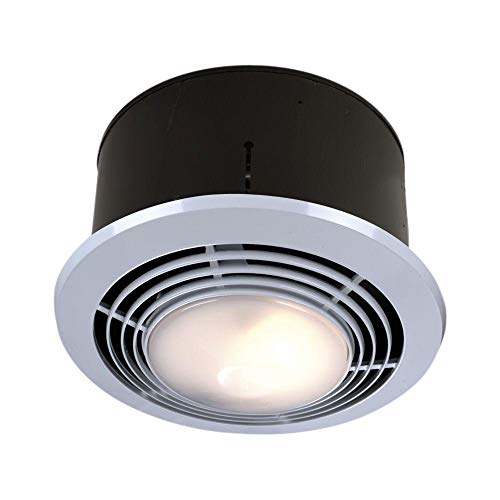
Best ceiling exhaust bath fan with light and heater 2026