
Best Fan Light Combo for Bathroom 2026 Picks

A best fan light combo for bathroom should solve two everyday problems without creating a third. It needs to pull damp air away before mirrors stay fogged, towels smell stale, or painted surfaces begin showing moisture marks. At the same time, the built-in light must make the room feel usable rather than casting a gloomy circle beneath the ceiling. That sounds simple, but weak airflow, harsh light, and rattling motors can turn a convenient fixture into a daily annoyance.
Airflow capacity deserves close attention because a tiny powder room and a large bathroom with a walk-in shower don’t collect moisture at the same rate. A fan that’s too weak may run for ages while steam hangs in the corners, yet an oversized model can be louder than expected and may require larger ductwork. Room size, ceiling height, duct length, and the number of bends all affect how well moisture reaches the exterior vent. So, the printed airflow rating tells only part of the story.
Noise matters just as much during late-night showers or early morning routines. A low-sone quiet bathroom exhaust fan fades into the background, while a buzzy model makes the room feel less relaxing and may discourage anyone from leaving it on long enough. Still, near-silent operation isn’t automatically better if the airflow drops under real duct resistance. The sweet spot is a steady fan that moves humid air efficiently without sounding like a shop vacuum above the shower.
The light should match how the bathroom is actually used. A soft warm glow feels comfortable during a midnight visit, but it can muddy colors around a vanity mirror. Cooler, brighter illumination helps with shaving, makeup, and cleaning, though it may feel stark in a small room with pale tile. Fixtures with adjustable color temperature, dimming support, or a separate night-light offer more flexibility, provided the wall switches and electrical setup can control those functions properly.
Installation details can make or break the upgrade. Older ceilings may hide narrow joist spaces, undersized ducts, or wiring designed for a single switch. Some combination units fit through the existing opening, while others require drywall trimming, attic access, or a new duct adapter. Well, that’s the unglamorous part, but checking housing dimensions and duct diameter before buying prevents a Saturday project from stretching into several frustrating weekends.
Maintenance also deserves a realistic look. Dust collects around the grille, lint settles near the motor, and humid residue can dim the lens over time. A removable cover and accessible light module make cleaning far less awkward, especially when the ceiling is high. Integrated LEDs usually reduce bulb changes, but a failed nonreplaceable light panel may mean replacing a costly component or the whole fixture, so serviceable parts carry real value.
The strongest bathroom fan and light combination balances moisture control, comfortable lighting, tolerable sound, and practical upkeep. It won’t hide a blocked duct, compensate for a door with no air gap, or cure existing mold by itself. But paired with proper exterior venting and sensible run time, it can keep the room fresher and protect finishes from repeated steam exposure. That’s the real payoff: fewer damp smells, clearer mirrors, and one ceiling fixture doing both jobs without fuss.
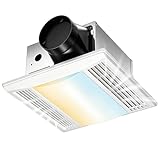
- LFR Score9.6
LFR Score is a ranking system developed by lightfansreviews.com. LFR Score has no relationship or impact from any manufacturers or sales agent websites. Learn more
- BrandAmico

- LFR Score9.0
LFR Score is a ranking system developed by lightfansreviews.com. LFR Score has no relationship or impact from any manufacturers or sales agent websites. Learn more
- BrandBroan-NuTone

- LFR Score8.8
LFR Score is a ranking system developed by lightfansreviews.com. LFR Score has no relationship or impact from any manufacturers or sales agent websites. Learn more
- Brandwelnek

- LFR Score8.8
LFR Score is a ranking system developed by lightfansreviews.com. LFR Score has no relationship or impact from any manufacturers or sales agent websites. Learn more
- BrandRLOZUI

- LFR Score8.8
LFR Score is a ranking system developed by lightfansreviews.com. LFR Score has no relationship or impact from any manufacturers or sales agent websites. Learn more
- BrandFitop

- LFR Score8.8
LFR Score is a ranking system developed by lightfansreviews.com. LFR Score has no relationship or impact from any manufacturers or sales agent websites. Learn more
- BrandBroan-NuTone

- LFR Score8.6
LFR Score is a ranking system developed by lightfansreviews.com. LFR Score has no relationship or impact from any manufacturers or sales agent websites. Learn more
- BrandBroan-NuTone

- LFR Score8.6
LFR Score is a ranking system developed by lightfansreviews.com. LFR Score has no relationship or impact from any manufacturers or sales agent websites. Learn more
- BrandAkicon
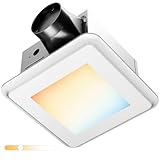
- LFR Score8.4
LFR Score is a ranking system developed by lightfansreviews.com. LFR Score has no relationship or impact from any manufacturers or sales agent websites. Learn more
- BrandAmico

- LFR Score8.4
LFR Score is a ranking system developed by lightfansreviews.com. LFR Score has no relationship or impact from any manufacturers or sales agent websites. Learn more
- BrandGopper

- LFR Score8.4
LFR Score is a ranking system developed by lightfansreviews.com. LFR Score has no relationship or impact from any manufacturers or sales agent websites. Learn more
- BrandFEITON
Last update on 2026-07-08 / Affiliate links / Images, Product Titles, and Product Highlights from Amazon Product Advertising API
Amico Bathroom Exhaust Fan With LED Light
A steamy bathroom can feel uncomfortable long after the shower ends, especially when the mirror stays cloudy and damp towels refuse to dry. The best fan light combo for bathroom should clear moisture without filling the room with motor noise or forcing a difficult ceiling renovation. Amico combines an 80 CFM exhaust fan with a 1000-lumen adjustable LED light, aiming to handle ventilation and everyday illumination through one ceiling fixture. Its practical appeal rests on quiet operation, selectable light color, dimming control, and an installation design that doesn't require attic access during a compatible replacement.
Amico 80 CFM Bathroom Fan Light
The basic specifications place this unit in a sensible range for bathrooms measuring roughly 70 to 80 square feet. Its 80 CFM airflow is intended to move moist air out at a steady pace rather than blast the room with unnecessary power. That makes the fan better suited to a standard bathroom than a sprawling primary suite with a large soaking tub, an enclosed shower, and unusually high ceilings. Room dimensions still matter, and the existing duct route can affect how much airflow reaches the exterior vent.
Amico lists a 0.9-sone noise rating, which is one of the more appealing details in the provided specifications. A fan at that level should sit in the background instead of overpowering conversation, music, or the quiet part of a morning routine. The listed sound level of about 37 dB gives the fixture a calmer personality than the rattly exhaust fans often found in older homes. Still, poor mounting, a loose grille, or restrictive ductwork can add vibration and noise, so installation quality remains part of the equation.
The lighting side is more capable than a basic bulb hidden behind a plastic cover. A 1000-lumen LED can provide useful general illumination for showering, cleaning, and moving around the room safely. It may also reduce the need to switch on several fixtures during a quick visit, though a dedicated vanity light will still offer better facial illumination because it shines from the front rather than directly overhead. That distinction matters for shaving and makeup, where ceiling-only light can leave shadows beneath the eyes and chin.
Lighting Control That Fits Different Routines
Five selectable color temperatures give this fan light more flexibility than fixtures locked into one cool or warm tone. The choices include 2700K, 3000K, 3500K, 4000K, and 5000K, covering everything from a relaxed amber-white glow to a crisp daylight-like appearance. Warmer settings can soften tile and create a calmer atmosphere at night, while cooler settings make white surfaces look brighter and can help with detailed grooming. The tradeoff is that the color temperature must be selected before installation, so it isn't designed for daily color changes from the wall switch.
The 10% to 100% dimming range addresses a frustration that ordinary bathroom lights often ignore. Full brightness makes sense during cleaning or morning preparation, but it can feel downright rude during a late-night visit. Lowering the output creates a gentler path through the room without leaving the space completely dark. Proper dimmer compatibility will matter, since not every wall control handles LED fixtures equally smoothly.
A 90 CRI rating strengthens the lighting package by improving how accurately colors appear beneath the fixture. Towels, painted walls, skin tones, and makeup shades should look less dull or distorted than they might under a lower-CRI light. That doesn't turn an overhead fixture into studio lighting, of course, but it does make the bathroom feel more natural and less washed out. For a room where color judgment is part of the daily routine, this specification carries more practical weight than flashy decorative extras.
Replacement-Friendly Installation Details
The installation design is built around an 8.8-by-8.8-inch ceiling cutout and a 12.1-by-12.1-inch grille. Those measurements deserve careful checking before purchase, because even a small mismatch can mean drywall trimming, patching, or an awkward gap around the cover. The grille is wide enough to conceal the specified opening neatly, but it won't magically cover every older fan footprint. Measuring the existing housing and ceiling opening first can save a lot of head-scratching once the old unit is removed.
No attic access is required for a compatible replacement, and that's a meaningful advantage in homes where the ceiling cavity is difficult or impossible to reach from above. The room-side installation approach can reduce disruption and keep the project focused inside the bathroom. Even so, electrical connections, housing support, and duct attachment still need to be handled correctly. A convenient installation format doesn't remove the need for safe wiring or a secure fit between ceiling joists.
The unit uses a 4-inch duct connection, but the duct itself isn't included. Existing homes with a smaller duct may need an adapter or, preferably, a proper duct upgrade to avoid choking the airflow. Long runs, crushed flexible ducting, and too many sharp bends can weaken moisture removal even if the fan motor is working normally. The installation will perform best with a short, smooth path that vents outdoors rather than dumping humid air into an attic or ceiling cavity.
Daily Performance And Moisture Control
The strongest reason to consider this Amico model is the way it combines quiet ventilation with flexible lighting in one ceiling opening. A noisy fan often gets switched off too early, which lets humidity linger on mirrors, grout, paint, and cabinetry. Quieter operation makes it less irritating to leave the unit running after a shower. That simple behavior can help the fan do the job it was installed to do.
An 80 CFM fan should be viewed as a fit-specific appliance rather than a universal answer. It makes sense for the stated 70-to-80-square-foot bathroom range, but a larger room or a space with heavy moisture loads may call for more airflow. A tightly sealed bathroom door can also reduce replacement air, forcing the fan to work harder than expected. A modest door undercut or another source of incoming air helps exhaust ventilation operate more effectively.
The combined fixture also keeps the ceiling visually cleaner than separate fan and light units. Its single-fixture layout can be especially useful where ceiling space is limited by joists, shower placement, or existing electrical boxes. On the flip side, combining both functions means a problem with one component may affect how the whole fixture is perceived. Buyers who prefer individually replaceable bulbs or fully independent devices may find an integrated design less flexible over the long haul.
Strengths, Weaknesses, And Practical Fit
The clearest strengths are the low listed sound level, useful airflow for a standard bathroom, broad dimming range, and five selectable color temperatures. The 90 CRI light also gives the product a more thoughtful lighting profile than a plain exhaust fan with a dim, fixed-color lamp. Room-side replacement installation adds another practical benefit where attic access is unavailable. Together, these features address noise, moisture, visibility, and installation hassle without leaning on decorative gimmicks.
The main weaknesses come from fit limitations and decisions that must be made before the fixture is fully installed. The ceiling cutout needs to match or be adjusted, the 4-inch duct isn't supplied, and the chosen color temperature isn't described as switchable during daily use. The 80 CFM rating may also be undersized for larger or unusually humid bathrooms. Those aren't hidden flaws, but they do narrow the situations where the unit makes the most sense.
Amico states that the product includes three-year support and access to customer service. That coverage can provide some reassurance for an integrated fixture with a motor, LED components, and dimming electronics working together. Warranty terms should still be reviewed carefully, including what documentation is required and which parts or labor costs are covered. Support sounds reassuring on paper, but clear installation records and proof of purchase usually make any future claim easier to handle.
This model fits best where a standard-size bathroom needs calmer ventilation and more adaptable overhead light without opening the ceiling from above. Its balanced feature set favors practical routines: clearing post-shower humidity, softening late-night illumination, and delivering accurate color during grooming. It isn't built to overpower a huge steam-heavy room, and it won't correct poor duct design by itself. Installed in the right opening with a clean 4-inch vent path, though, it offers a sensible blend of comfort, visibility, and moisture control.
Broan-NuTone BEL8 Bathroom Exhaust Fan With LED Light
A bathroom fan can look perfectly fine on the ceiling and still leave the room muggy, noisy, or dim after every shower. The best fan light combo for bathroom needs to do more than spin air around; it should remove moisture, soften everyday odors, and provide dependable overhead light without turning installation into a drywall project. The Broan-NuTone BEL8 takes a straightforward route with 80 CFM airflow, an integrated LED light, ENERGY STAR certification, and a roomside retrofit design. Its feature list is practical rather than flashy, which suits a bathroom upgrade where reliable ventilation matters more than decorative extras.
Broan-NuTone BEL8 Fan Light
The BEL8 is designed around an 80 CFM ventilation rate, making it appropriate for bathrooms up to 75 square feet according to the supplied specifications. That capacity fits many hall bathrooms, guest baths, and standard shower rooms where moisture builds quickly but the space isn’t oversized. A properly matched fan can clear humid air more effectively than a weak builder-grade unit that hums for half an hour without making much difference. Still, room volume and duct layout matter, so a large bathroom with tall ceilings or several moisture sources may need more airflow.
The listed 1.5-sone sound rating aims for a balance between quiet operation and audible confirmation that the fan is running. Some nearly silent fans leave people wondering whether the switch worked, while older models can sound like loose hardware rattling in a metal box. This unit should be noticeable without dominating the room, which is useful during showers, grooming, or late-night routines. Installation quality can influence the final sound, though, especially if the housing isn’t secured firmly or the duct is pinched.
The integrated LED light gives the fixture a second job without requiring another ceiling opening. That setup can simplify smaller bathrooms where available ceiling space is already shared with a shower, joists, plumbing, or an existing electrical box. The combined fan and light design also keeps the ceiling less cluttered than separate fixtures placed a few feet apart. The provided details don’t specify brightness, color temperature, dimming support, or color-rendering performance, so lighting expectations should stay grounded in the information available.
Moisture Control And Energy Use
Repeated steam can leave more than a foggy mirror behind. Moisture settles into painted ceilings, grout lines, cabinet edges, and towels, creating that stubborn damp feeling that lingers after the room looks dry. The BEL8 uses steady exhaust airflow to move humid air toward the exterior vent before it has as much time to collect on surfaces. Running the fan during a shower and for a reasonable period afterward gives the ventilation system a better chance to keep up.
ENERGY STAR certification is one of the stronger points in this model’s specification sheet. Broan-NuTone states that the fan can reduce energy consumption by about 50% compared with standard bath fans, which adds value in homes where the fan runs frequently. The energy-saving design matters most during daily use, not just during occasional guest visits. That said, the condition of the duct and the length of the vent run still affect how efficiently the motor can move air.
Odor control benefits from the same steady ventilation. A bathroom fan doesn’t neutralize odors chemically, but it helps replace stale indoor air with air drawn from the rest of the home. The 80 CFM output should suit the stated room size without feeling excessively aggressive. A tightly sealed door may limit replacement airflow, so a small door gap or another path for incoming air can help the fan work as intended.
Roomside Installation Without Drywall Cutting
Retrofit projects often become messy once the old housing comes out and the new one doesn’t fit. The BEL8 is designed for no-cut roomside installation, allowing replacement in spaces without attic access and without enlarging the drywall opening under suitable conditions. That approach can reduce dust, patching, and time spent working above the ceiling. It’s especially useful in first-floor bathrooms beneath finished rooms, where reaching the fan from above simply isn’t practical.
The supplied housing dimensions are 7.5 inches deep, 7.25 inches wide, and 5.75 inches high. Those numbers need to be checked against the existing ceiling cavity, joist spacing, duct position, and wiring before removal begins. The compact housing size may fit many common retrofit situations, but “no cut” doesn’t mean “fits every opening.” A mismatched old housing or an awkward duct angle can still add extra work.
The 9.5-by-9.5-inch cover provides a clean finish around the installed housing. Its footprint should conceal the intended opening while giving the fixture a finished appearance against the ceiling. The CleanCover grille uses a simple, modern shape rather than visible slats and busy trim. That restrained look can blend into white ceilings instead of drawing attention to a mechanical fixture.
SlideClip Grille And Everyday Maintenance
Cleaning an exhaust fan usually sounds simple until the grille refuses to release or the spring clips pinch a finger. Broan-NuTone’s SlideClip attachment uses a springless design intended to speed up cover installation and removal. Easier grille access can make routine dust removal less annoying, which matters because lint and fine bathroom dust gradually collect around intake openings. A cleaner cover helps preserve airflow and keeps the ceiling fixture from looking neglected.
The springless system also reduces one of the fiddly parts of finishing the installation. Traditional wire springs can be awkward to compress while holding the cover overhead, especially in a narrow bathroom with limited ladder space. The patent-pending SlideClip design aims to make that final step quicker and more controlled. Its real benefit isn’t dramatic, but practical details like this can make maintenance more likely to happen instead of being postponed.
The CleanCover design creates a floating appearance that sits quietly against the ceiling. A minimal grille can suit updated bathrooms where ornate trim or visible vent slots would interrupt a clean layout. The seamless visual profile also makes the fan feel less like a utility insert and more like part of the room. Dirt may still collect around the edges over time, so occasional wiping remains part of ownership.
Strengths, Weaknesses, And Best Fit
The BEL8’s main strengths are its 80 CFM airflow, ENERGY STAR certification, roomside retrofit design, and relatively quiet 1.5-sone rating. Those features address four common frustrations at once: lingering humidity, energy waste, disruptive noise, and difficult replacement work. The springless grille system adds a smaller but useful maintenance benefit. Nothing in the supplied description feels overloaded or needlessly complicated.
The available information also leaves a few limitations to consider. The lighting specifications don’t include lumen output, color temperature, dimming range, or CRI, so detailed grooming-light expectations can’t be judged from the provided data. The 80 CFM rating is also best reserved for bathrooms within the stated 75-square-foot range. Larger spaces, enclosed steam showers, or long duct runs may call for a stronger ventilation plan.
The fixture makes the most sense in a standard bathroom that needs a quieter replacement fan and a cleaner ceiling appearance without attic access. Its practical difference lies in the combination of efficient airflow, straightforward LED lighting, and installation features aimed at reducing renovation hassle. It won’t correct a blocked exterior vent, undersized duct, or badly routed exhaust line on its own. Installed into a compatible opening with a clear duct path, it offers a sensible way to improve moisture removal while keeping the ceiling simple and tidy.
WELNEK 130 CFM Bathroom Exhaust Fan With LED Light
Heavy steam can turn a clean bathroom into a muggy box before the mirror has even cleared. A stronger ceiling unit starts making sense once weaker fans leave damp corners, stale odors, and moisture hanging around after every shower. The WELNEK model approaches the best fan light combo for bathroom category with 130 CFM airflow, a listed 1.0-sone sound level, and a bright 1200-lumen LED built into one ceiling fixture. Its appeal is easy to spot: faster ventilation, crisp overhead lighting, and a modern grille without piling several separate fixtures onto the ceiling.
WELNEK 130 CFM Fan Light
The headline feature is the 130 CFM ventilation rate, which gives this unit more airflow than many standard bathroom fans. That extra capacity can be useful where steam builds quickly, especially during long showers or back-to-back morning routines. Moisture that lingers on walls, mirrors, and grout has more time to create musty smells and surface wear, so stronger extraction can make the room feel usable sooner. Still, airflow on the label only reaches its potential when the duct is open, properly sized, and routed outdoors.
A listed 1.0-sone noise level keeps the power figure from sounding like overkill. Stronger fans sometimes come with a harsher motor note, but this model is presented as quiet enough for relaxed showers and late-night bathroom visits. That balance matters because a fan that’s too loud often gets switched off before it has finished clearing humidity. Secure mounting and a smooth duct path will still influence the sound heard in the room.
The integrated design combines ventilation and lighting through one 11.8-inch grille. That arrangement keeps the ceiling cleaner and can reduce the need to work around separate fan and light housings. It also makes sense in bathrooms where joists, plumbing, or limited ceiling space restrict placement options. The tradeoff is that both functions live in one fixture, so maintenance and replacement decisions may be less flexible than with separate components.
Fast Moisture Removal In Daily Use
Bathrooms with poor ventilation often reveal the problem in small, annoying ways. Towels stay damp longer, the room smells stale, and condensation settles around window frames or painted edges. The WELNEK’s high-airflow motor is intended to move humid air out quickly rather than letting it drift around the ceiling. That can improve comfort after a shower and reduce the time the room feels heavy and closed in.
Odor removal benefits from the same airflow, though the fan doesn’t filter or neutralize smells by itself. It pulls indoor air toward the exhaust duct while replacement air enters from beneath the door or another opening. A bathroom sealed too tightly can starve even a powerful fan, so makeup airflow remains an overlooked part of the setup. A clear path for incoming air helps the 130 CFM motor do its job without fighting unnecessary resistance.
The stronger rating may be more than a small half bath needs, and that’s worth considering. Excess capacity isn’t automatically harmful, but it can be unnecessary if the room is tiny and the duct arrangement is basic. The best practical fit is a bathroom where moisture accumulates quickly and a lower-output fan has struggled to keep up. Large enclosed showers, limited windows, and frequent use are the situations where the added airflow makes the clearest difference.
Bright 6500K Lighting And Visual Clarity
The built-in LED produces 1200 lumens, giving the fixture enough output to act as meaningful general lighting rather than a faint ceiling glow. That brightness can help in a windowless bathroom where natural light is scarce and every detail depends on the overhead fixture. Cleaning tile, checking the sink, and navigating the room become easier under a brighter source. A separate vanity light may still be preferable for facial lighting because overhead illumination can create shadows.
The fixed 6500K color temperature creates a very cool, daylight-like appearance. Crisp white light can make surfaces look sharp and can improve visibility during shaving, makeup application, or detailed cleaning. On the flip side, 6500K may feel clinical in bathrooms decorated with warm wood, beige tile, or soft ambient lighting. Anyone who prefers a cozy evening mood may view the fixed cool tone as the biggest compromise.
Color temperature isn’t just a technical number; it changes how the whole room feels. Cooler light can make white tile appear cleaner and brighter, yet it may also expose water spots, dust, and uneven paint more readily. The clear task-oriented illumination suits practical routines better than spa-like relaxation. Since no dimming feature or alternate color setting is included in the supplied details, the lighting should be treated as bright and fixed rather than customizable.
Installation Size And Heat Management
The housing measures 9.8 by 9.8 inches, while the grille measures 11.8 by 11.8 inches. Those dimensions need to be checked against the existing ceiling opening before the old fan comes down. A close match can make replacement straightforward, but a smaller opening may require cutting and a larger opening may need patching. Measuring first saves the headache of holding a new housing overhead only to realize the joists or drywall don’t cooperate.
The unit connects to a 4-inch duct, a common size for bathroom ventilation. Duct diameter is only one part of the equation, though, because crushed flexible tubing, sharp turns, and long runs can reduce effective airflow. A short, smooth route to an exterior vent gives the motor a better chance to deliver the promised performance. Venting into an attic or enclosed ceiling space would simply move moisture from one problem area to another.
WELNEK also highlights a heat-dissipation structure around the LED system. Lower operating temperature can support steadier light performance and reduce unnecessary heat stress on electrical components. That feature is practical in a fixture expected to run during long showers or extended cleaning sessions. The supplied information doesn’t provide a rated LED lifespan, so durability should be judged from the stated design rather than an invented hour count.
Design Strengths And Realistic Tradeoffs
The grille uses sleek lines and a contemporary finish, helping the fixture blend into a modern bathroom rather than looking like a bulky utility vent. Its broad cover can create a tidy transition around the ceiling opening and hide the mechanical housing above. A simple exterior also tends to work with more decor styles than ornate trim. Dust will still collect around the intake area, so regular wiping remains necessary to preserve the clean look.
The strongest parts of this model are easy to identify: 130 CFM airflow, low listed noise, a bright LED, and straightforward published dimensions. Those details address real frustrations instead of adding novelty features that rarely get used. The fan is particularly convincing where humidity control matters more than adjustable lighting ambiance. Its simple feature set also makes the overall purpose clear without a complicated control scheme.
The main weakness is the fixed 6500K light, which won’t suit every room or every routine. The cool tone favors visibility, but it offers little warmth for nighttime use or a softer bathroom atmosphere. Installation also depends heavily on the existing opening and duct path, despite the straightforward housing specifications. A careful fit check is essential because strong airflow and bright lighting won’t compensate for a poorly matched ceiling cavity.
This WELNEK fan light works best as a practical moisture-control fixture rather than a mood-lighting centerpiece. Its key difference is the pairing of relatively strong ventilation with a crisp 1200-lumen ceiling light. That combination can make a humid, dim bathroom feel clearer and more functional without adding separate hardware overhead. It may feel too cool in color and too powerful for a tiny powder room, but the specifications line up well with spaces that need faster air movement and brighter task visibility.
Bathboom 120 CFM Bathroom Exhaust Fan With Light
Steam that hangs in the room long after a shower can turn a simple morning routine into a damp, foggy nuisance. The mirror stays cloudy, towels dry slowly, and warm moisture settles into corners that are easy to ignore until odors begin creeping in. This Bathboom model enters the best fan light combo for bathroom category with 120 CFM airflow, a listed 1.0-sone noise level, and a built-in 6500K LED light. The package is clearly aimed at practical ventilation, bright overhead visibility, and easier access for routine cleaning rather than decorative lighting tricks.
Bathboom 120 CFM Fan Light
The fan’s 120 CFM output gives it more muscle than many basic bathroom units installed in smaller homes and apartments. That stronger airflow is designed to carry away moisture before it lingers on painted ceilings, cabinets, grout, or window trim. A long, hot shower can overwhelm a weak fan in a hurry, so the extra capacity may help the room feel fresher sooner. Actual performance will still depend on duct length, bends, exterior vent condition, and the amount of replacement air entering beneath the door.
Bathboom lists the operating sound at 1.0 sone, which suggests a fan that should remain noticeable without becoming the loudest thing in the room. That’s a useful balance because dead-silent operation isn’t always necessary, yet rattling or roaring noise can make anyone reach for the switch too early. The multi-blade wheel is intended to support stronger airflow while keeping the motor sound controlled. Secure installation matters, though, since loose mounting points and flexible duct vibration can make a quiet fan sound rougher than expected.
The combined fixture handles two everyday jobs through a single ceiling opening. Ventilation clears damp air, while the integrated light supplies general bathroom illumination for grooming, cleaning, and nighttime movement. That arrangement reduces ceiling clutter and may simplify placement in rooms where joists, plumbing, or existing fixtures limit available space. The compromise is familiar with any integrated unit: the fan and light are tied together as one assembly rather than being independently replaceable fixtures.
Strong Airflow Without A Harsh Motor Note
The multi-blade wheel design is one of the more specific mechanical details provided for this model. More blade surface can help move a steady volume of air through the housing instead of relying on a smaller wheel spinning aggressively. In everyday terms, that can mean useful ventilation without the sharp mechanical whine associated with older exhaust fans. Still, the fan can only move as much air as the duct system allows, so a crushed or blocked line will choke even a capable motor.
Humidity removal is where the 120 CFM rating earns its keep. Moisture doesn’t just fog glass; it settles into porous materials, softens caulk over time, and encourages the stale smell that develops in poorly vented rooms. The strong exhaust capacity should be helpful in bathrooms with frequent showers, limited natural ventilation, or no operable window. Leaving the unit running after bathing gives the system more time to pull residual dampness from the air.
The fan can also support odor control by replacing stale bathroom air with air drawn from the surrounding home. It doesn’t scrub or perfume the room, but steady extraction keeps odors from sitting in a closed space. A small door undercut or another source of incoming replacement air helps the fan avoid working against a vacuum. That little detail is easy to overlook, yet it can make a noticeable difference in real-world ventilation.
Bright 6500K Light For Clear Visibility
The built-in LED uses a 6500K color temperature, placing it firmly on the cool daylight end of the lighting scale. That kind of light can sharpen visibility around the sink, shower, and floor, especially in a bathroom without windows. Fine grooming tasks, quick cleaning, and spotting water marks become easier under a crisp white source. The room may feel brighter and more alert, though not necessarily softer or more relaxing.
Bathboom describes the light as soft and bright, but the fixed 6500K tone is still likely to feel cooler than the warm bulbs used in bedrooms and living spaces. White tile and chrome fixtures may look especially crisp, while beige stone or warm wood can appear a little flatter. The lighting tradeoff is straightforward: strong practical visibility comes before cozy ambiance. No alternate color temperatures or dimming range are included in the supplied information, so flexibility shouldn’t be assumed.
Overhead lighting also behaves differently from vanity lighting. It fills the room efficiently, but it can cast shadows beneath the brow, nose, and chin during shaving or makeup application. The integrated LED light works best as broad illumination rather than a complete replacement for well-positioned mirror lights. In a small bathroom, though, it may provide enough brightness for most ordinary routines without requiring another ceiling fixture.
Installation Size And Cleaning Access
The housing is designed for an 8.3-by-8.3-inch ceiling opening, while the outer panel measures 9.8 by 9.8 inches. Those dimensions deserve a careful check before the existing fan is removed. A slightly smaller opening may require trimming, while a larger one could leave gaps that the panel doesn’t fully cover. Measuring twice saves a fair amount of patching, frustration, and overhead wrestling later.
The unit connects to a 4-inch duct, which is a common size for residential bathroom ventilation. A short, smooth duct route generally supports better airflow than a long run full of tight elbows. Flexible ducting can be convenient, but sagging sections and compressed bends may reduce the effective performance of the 120 CFM motor. The exhaust should terminate outdoors rather than inside an attic, wall cavity, or other enclosed space.
Bathboom uses a snap-on spring design for the cover, making removal easier during routine cleaning. Bathroom fans collect dust, lint, and fine residue around the grille, and that buildup can restrict intake if it’s ignored for too long. A cover that comes off without a fight makes regular wiping and vacuuming less of a chore. That’s not a glamorous feature, but it’s the sort of detail that affects whether maintenance actually happens.
Housing Materials And Motor Protection
The housing and fan blades are described as being made from ABS plastic. Plastic construction keeps the assembly relatively resistant to bathroom humidity and avoids the surface corrosion that can affect untreated metal components. It may also help reduce weight during installation. On the other hand, long-term durability depends on molding quality, mounting stability, and heat management, none of which should be judged beyond the details supplied.
The built-in copper motor includes thermal protection, a useful safeguard for a fixture expected to run for extended periods. Thermal protection is intended to reduce the risk of damage if operating temperature rises beyond a safe range. That feature supports more dependable use during long showers or when the fan remains on afterward. The product description says the motor can work continuously without maintenance, though routine grille cleaning and duct inspection are still sensible parts of ownership.
Wiring is described as straightforward, with connections made according to markings on the line. Even a simple electrical layout needs careful handling because the fixture combines a motor and light in a humid location. The installation strength lies in clear dimensions, common duct sizing, and a removable cover rather than a specialized mounting system. Anyone uncomfortable with ceiling wiring should treat proper electrical work as part of the project, not an optional extra.
Strengths, Weaknesses, And Practical Placement
The clearest strengths are the 120 CFM airflow, low listed sound level, bright integrated LED, and accessible snap-on cover. Those features address recurring bathroom complaints without piling on complicated controls. Stronger airflow can shorten the muggy period after a shower, while the light improves visibility in spaces with limited natural illumination. The modern panel also gives the ceiling a cleaner look than older vent grilles with exposed slots and yellowed plastic.
The main weakness is the fixed 6500K lighting, which may feel too cool for a bathroom intended to be calm and spa-like. No lumen output, dimming support, color-rendering rating, warranty period, or recommended room size is included in the provided description. That missing information limits how precisely the lighting and long-term ownership experience can be evaluated. The strong airflow rating also shouldn’t be treated as proof that the fan suits every room, since duct design and bathroom volume still shape performance.
The fixture is described as suitable for bathrooms, laundry rooms, farmhouses, attics, and other areas needing fresh-air movement. Its best practical role remains moisture and odor removal in a ceiling location with compatible dimensions and a proper exterior duct. Laundry rooms may also benefit from ventilation, but attic use requires careful attention to heat, electrical requirements, and where the air is being exhausted. Placement should follow the needs of the room rather than the broadest possible product claim.
This Bathboom model stands out through a fairly simple formula: higher airflow, quiet operation, and cool bright light in one modern ceiling panel. It won’t suit every lighting preference, and it won’t rescue a poorly routed duct system by brute force. In a compatible opening with clear ventilation to the outdoors, however, the listed specifications point toward quicker moisture removal and better visibility without the racket of an aging fan. That practical balance is the real difference here, even if the cool-toned light asks for a bit of compromise.
Fitop 110 CFM Bathroom Exhaust Fan With LED Light
A bathroom can look spotless and still feel unpleasant once steam settles across the mirror and damp air hangs near the ceiling. That lingering moisture is exactly where the best fan light combo for bathroom earns its keep, especially when one fixture can handle both ventilation and everyday lighting. The Fitop model pairs 110 CFM airflow with a 1200-lumen LED and a listed 1.0-sone sound level, giving it a practical mix of air movement, brightness, and restrained noise. Its three selectable color temperatures also make it less rigid than fan lights locked into one harsh shade.
Fitop 110 CFM Fan Light
The 110 CFM airflow rating places this fan above many basic units used in smaller bathrooms. Fitop states that it can serve rooms up to 110 square feet, which gives it enough stated capacity for many full bathrooms with a shower or tub. Stronger airflow can shorten the time that mirrors remain fogged and surfaces stay damp after bathing. Still, the room size claim assumes that the duct path is reasonably short, open, and properly vented outdoors.
A listed 1.0-sone sound level makes the specification more appealing than raw airflow alone. A powerful fan that growls overhead can ruin a quiet shower and often gets switched off too soon. This unit is intended to move moisture without creating that old-house rattle many people associate with bathroom ventilation. Mounting stability, duct condition, and ceiling construction can still change the final sound heard in the room.
The integrated light produces 1200 lumens, giving the fixture enough stated brightness to illuminate an entire bathroom rather than acting as a dim secondary glow. That output can be useful during grooming, cleaning, or early-morning routines when natural light is limited. One ceiling opening handles both ventilation and general light, which can keep a compact room from looking crowded. A separate vanity fixture may still give better facial lighting because light from directly overhead can cast shadows.
Moisture Control For Everyday Bathroom Use
Steam doesn’t disappear just because the shower has stopped. It settles on grout, painted ceilings, cabinet edges, towels, and any cold surface nearby. The Fitop fan’s steady exhaust capacity is intended to pull that humid air out before it has as much time to linger. That can make the room feel fresher and reduce the damp, closed-in feeling that builds after repeated showers.
The stated room coverage of up to 110 square feet gives this model a wider practical range than a small 70 or 80 CFM fan. A medium-size bathroom with limited window ventilation may benefit most from the higher airflow reserve. Large bathrooms with high ceilings, enclosed steam showers, or unusually long duct runs may still require a more carefully sized system. Airflow should match the room and ductwork rather than being treated as a bigger-is-always-better number.
Odor removal relies on the same air exchange. The fan doesn’t filter odors, but it carries stale air toward the exterior while replacement air enters from outside the room. A tightly sealed door can restrict that process, so incoming makeup air matters more than many installation guides admit. Even a capable motor can struggle if the room has no easy path for fresh air to enter.
Three Color Temperatures With Memory
The Fitop light offers 3000K, 4000K, and 5000K settings, covering warm white, neutral bright white, and daylight-like illumination. That range is useful because bathrooms don’t all benefit from the same color tone. A 3000K setting can feel softer during evening routines, while 5000K may sharpen visibility during shaving or detailed cleaning. The 4000K option lands in the middle and may suit rooms where warm light feels too yellow and daylight feels too stark.
Color selection is controlled by switching through the available settings, and the fixture can save the last chosen temperature after being turned off for more than seven seconds. The last-setting memory keeps the light from resetting every time the switch is used. That small convenience matters in a shared bathroom where one preferred setting is used most of the time. It also avoids the annoyance of cycling through all three colors during every visit.
The flexibility is useful, though it shouldn’t be confused with full dimming control. The supplied description lists selectable color temperatures but doesn’t mention adjustable brightness. The 1200-lumen output may feel strong in a small bathroom, particularly late at night. A separate dimmer should not be assumed compatible unless the product instructions specifically allow it.
Installation Dimensions And Ceiling Fit
The required ceiling opening measures 7.75 inches by 7.5 inches, with a housing height of 5.75 inches. Those dimensions are compact enough to suit many replacement situations, but careful measuring is still essential. An opening that is too small may require trimming, while an oversized opening could extend beyond the cover. The 10.25-by-10.25-inch lampshade provides some overlap, yet it won’t hide every mismatch.
Fitop describes the installation as no-cut under compatible conditions, with the housing nailed or screwed directly to ceiling joists. That approach can simplify a project when the existing opening and framing already line up with the unit. The joist-mounted design also gives the housing a firm mechanical connection, which can help reduce vibration. Access, wiring position, and duct orientation may still add work even if the drywall opening itself doesn’t need adjustment.
The fan uses a 4-inch duct connection, a common size for residential bathroom ventilation. Duct condition will have a major influence on real airflow, especially if flexible tubing is crushed, sagging, or full of sharp turns. A smooth and relatively direct route to the exterior gives the motor less resistance to fight. Exhausting humid air into an attic or wall cavity would simply relocate the moisture problem rather than solve it.
Galvanized Steel Construction And Upkeep
The housing uses galvanized steel construction, which gives this model a sturdier structural feel than an all-plastic enclosure. Galvanization helps resist corrosion in the damp environment around a bathroom ceiling. That doesn’t make the fixture immune to moisture damage, but it adds a practical layer of protection around the housing. Proper exterior venting remains the more important defense against persistent condensation.
A steel housing can also hold its shape well once secured to the joists. That rigidity may reduce movement and help the fan maintain a stable fit during operation. The durability advantage is most meaningful in a permanent installation where the fixture may remain overhead for years. Careful handling is still needed during installation because bent mounting points or a twisted housing can create noise and alignment issues.
Routine maintenance should focus on keeping the cover, intake area, and duct path free from dust. Even a strong fan loses effectiveness if lint and debris narrow the openings around the grille. The maintenance tradeoff is simple: the integrated light keeps the ceiling neat, but cleaning requires attention to both the ventilation opening and the light cover. The supplied details don’t describe the grille attachment method, so removal steps should follow the included instructions rather than guesswork.
Strengths, Weaknesses, And Realistic Fit
The strongest part of this Fitop model is its balanced feature mix. The 110 CFM airflow targets meaningful moisture removal, while the 1.0-sone rating aims to keep operation comfortable. A 1200-lumen LED gives the fixture genuine lighting value instead of treating the lamp as an afterthought. Three selectable color temperatures add flexibility that fixed-color fan lights simply don’t offer.
The main weaknesses come from missing details rather than obvious flaws in the supplied specifications. No dimming range, CRI rating, LED lifespan, warranty period, or duct accessory list is provided. The claim that the light can illuminate an entire bathroom will also depend on room shape, wall colors, ceiling height, and existing fixtures. Those gaps don’t cancel the useful features, but they limit how precisely the lighting performance can be judged.
The fixture is best suited to a bathroom where moderate-to-strong ventilation and flexible white-light tones matter more than decorative effects. Its key difference is the combination of 110 CFM airflow, three color settings, and memory in a galvanized steel housing. Small powder rooms may not need this much airflow or brightness, while very large steam-heavy spaces may need a stronger system. Fit and duct quality remain just as important as the numbers printed on the product description.
The Fitop fan light makes a sensible case through practical details rather than exaggerated promises. It addresses humidity, ceiling clutter, and rigid lighting color in one fixture, all while keeping the listed noise level low. The most useful benefit may be the ability to choose warm, neutral, or daylight illumination without replacing the unit. Installed in a compatible opening with a clear 4-inch exhaust route, it offers a straightforward way to make a bathroom brighter, drier, and less stuffy.


Best Quiet Ceiling Fan For Bedroom 2026 Ultimate Comfort Picks

Best Ceiling Fan For Master Bedroom 2026 With Ultimate Comfort

Best White Ceiling Fan With Light For Bedroom 2026 Top Picks

Best Quorum Medallion Ceiling Fan 2026 With Style & Breeze
Best Outdoor Fan For Pergola 2026 Comfort Boost

Best Ceiling Fan For Great Room 2026 With Ultimate Comfort

Best Outdoor DC Ceiling Fans 2026 For Breezy Comfort
Best ceiling exhaust bath fan with light and heater 2026





