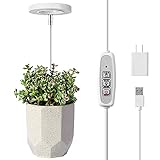
Best grow lights for houseplants 2026 winners

Best grow lights for houseplants matter most when a room looks bright to the eye but still leaves plants dragging their feet. That’s where a lot of frustration kicks in. Leaves start shrinking, stems lean like they’re chasing a miracle, and fresh growth comes in thin, floppy, or oddly spaced. A decent light setup fixes that headache fast, not with drama, but with steady, reliable output that helps indoor plants hold their shape and color.
Plenty of people buy the first lamp that says “plant light” on the box, then wonder why nothing changes. That’s the trap. A weak bulb hung too high won’t do much, and a harsh purple lamp can make a room feel like a nightclub gone wrong. LED grow lights with practical brightness, a usable beam spread, and a clean white look usually make life easier because they support growth without turning the whole space into a science project.
Coverage plays a bigger role than many expect. One tiny spotlight may work for a single pothos on a shelf, but it won’t carry a cluster of leafy plants lined across a cabinet or windowsill. So, the sweet spot often comes down to matching the fixture style to the setup: bulbs for decorative sockets, bars for shelves, clip-ons for tight corners, and hanging fixtures for statement plants that need stronger overhead light. That little detail saves money and cuts out the trial-and-error nonsense.
Runtime matters too, and this is where patience usually wears thin. Indoor plants often need long, steady exposure rather than a random burst here and there. A timer changes the game because it keeps the routine consistent, even on busy days when remembering one more switch feels like a pain in the neck. Consistency beats guesswork, plain and simple, especially when winter light drops off and the room suddenly feels dim long before dinner.
Heat is another quiet dealbreaker. Older or poorly designed lights can warm leaves too much at close range, dry out soil faster, or make small spaces stuffy. Good modern options keep that issue in check, which makes placement easier and lowers the odds of crispy edges or stressed foliage. Also, a light that runs cooler usually feels more realistic for everyday use because it won’t punish the rest of the room just to keep a few plants happy.
Then there’s the look of the light itself. No one wants healthy plants at the cost of a miserable room. Clean white or full-spectrum style lighting tends to blend better into living spaces, which means the setup gets used instead of ignored. And honestly, that’s half the battle. A grow light can have great specs on paper, but if it’s ugly, glaring, or annoying, it’ll end up unplugged in a drawer before long.
The best picks usually earn their keep by solving real indoor problems: dark corners, short winter days, cramped shelving, and the slow disappointment of stalled growth. Brightness, distance, timer support, fixture shape, and visual comfort all pull their weight. Get those right, and houseplants stop looking like they’re merely surviving. They start looking settled, fuller, and finally at home.
- LFR Score9.0
LFR Score is a ranking system developed by lightfansreviews.com. LFR Score has no relationship or impact from any manufacturers or sales agent websites. Learn more
- BrandGooingTop
- LFR Score9.0
LFR Score is a ranking system developed by lightfansreviews.com. LFR Score has no relationship or impact from any manufacturers or sales agent websites. Learn more
- BrandGHodec

- LFR Score9.0
LFR Score is a ranking system developed by lightfansreviews.com. LFR Score has no relationship or impact from any manufacturers or sales agent websites. Learn more
- BrandBriignite

- LFR Score9.0
LFR Score is a ranking system developed by lightfansreviews.com. LFR Score has no relationship or impact from any manufacturers or sales agent websites. Learn more
- BrandDOMMIA
- LFR Score9.0
LFR Score is a ranking system developed by lightfansreviews.com. LFR Score has no relationship or impact from any manufacturers or sales agent websites. Learn more
- BrandBriignite

- LFR Score8.8
LFR Score is a ranking system developed by lightfansreviews.com. LFR Score has no relationship or impact from any manufacturers or sales agent websites. Learn more
- BrandeWonLife

- LFR Score8.8
LFR Score is a ranking system developed by lightfansreviews.com. LFR Score has no relationship or impact from any manufacturers or sales agent websites. Learn more
- BrandDOMMIA

- LFR Score8.8
LFR Score is a ranking system developed by lightfansreviews.com. LFR Score has no relationship or impact from any manufacturers or sales agent websites. Learn more
- BrandDOMMIA

- LFR Score8.8
LFR Score is a ranking system developed by lightfansreviews.com. LFR Score has no relationship or impact from any manufacturers or sales agent websites. Learn more
- BrandDOMMIA
- LFR Score8.6
LFR Score is a ranking system developed by lightfansreviews.com. LFR Score has no relationship or impact from any manufacturers or sales agent websites. Learn more
- BrandAPLANT

- LFR Score8.2
LFR Score is a ranking system developed by lightfansreviews.com. LFR Score has no relationship or impact from any manufacturers or sales agent websites. Learn more
- BrandUPODA
Last update on 2023-05-05 / Affiliate links / Images, Product Titles, and Product Highlights from Amazon Product Advertising API
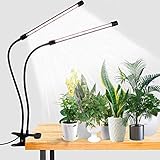
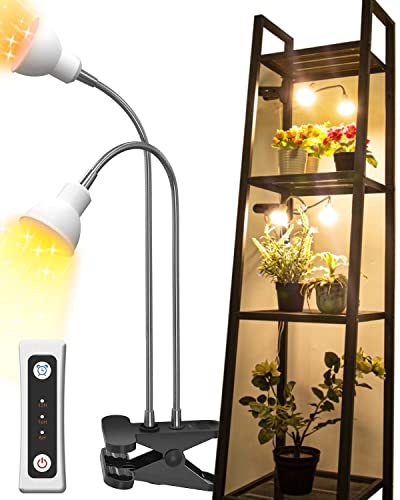
GooingTop LED Grow Light For Houseplants
Late evenings hit, the room looks cozy, but something feels off. Leaves don’t perk up, stems stretch like they’re reaching for something that never arrives. That quiet frustration builds over time, and that’s exactly where best grow lights for houseplants start to make a real difference. A small, flexible solution like this one promises to fill that gap without turning your living space into a science lab.
GooingTop Grow Light
Light quality stands out right away, and not in a harsh, eye-straining way. This setup leans into a 6000K full spectrum output, which feels closer to natural daylight rather than those overly purple tones some cheaper lamps push. The mix of white and red LEDs gives plants what they need while still keeping the room comfortable for everyday use. That balance matters more than people expect, especially when the light sits in a workspace or bedroom.
Color rendering deserves a quick mention because it’s surprisingly high here. With a CRI around 95, colors don’t look washed out or strange under the lamp. Leaves stay vibrant, and even nearby objects keep their natural tone. That small detail quietly improves the overall experience, making the light feel less like a tool and more like part of the room.
Soft, flicker-free output adds another layer of comfort. Long exposure won’t leave your eyes feeling strained, which is a big deal if the light runs for hours every day. Some grow lights can feel aggressive, almost clinical, but this one leans toward a calmer, more usable everyday feel. It’s subtle, but it changes how often you actually keep it turned on.
Flexible Setup And Daily Use
Installation couldn’t be simpler, and honestly, that’s part of the appeal. The clamp grips onto desks, shelves, or headboards without much effort, and it stays put once tightened. No drilling, no complicated mounts, just clip and go. That ease removes a lot of hesitation, especially for small indoor setups.
Gooseneck flexibility does most of the heavy lifting here. The arm bends smoothly, letting you direct light exactly where it’s needed. Plants on uneven shelves or tucked corners benefit the most, since you can adjust angles without moving everything around. It’s one of those features that sounds basic but ends up being used constantly.
Power options add another layer of convenience. USB support means you can plug it into a laptop, power bank, or wall adapter. That flexibility opens up placement options, especially in spots without easy access to outlets. It’s not flashy, but it quietly makes life easier.
Smart Timer And Control Options
Built-in timer feels like a small upgrade until you actually rely on it. The 4, 8, and 12-hour settings handle daily routines without constant manual switching. Once set, the light follows a consistent cycle, which helps plants stay on track even during busy days. That kind of automation removes a surprising amount of guesswork.
Memory function keeps things running smoothly. Power interruptions won’t wipe your settings, so you don’t have to reset everything over and over. It’s a subtle feature, but it adds reliability over time. Consistency often beats intensity when it comes to indoor growth, and this setup leans into that idea.
Five-level dimming offers decent control depending on plant needs. Younger plants or low-light varieties won’t get overwhelmed, while stronger settings can push more demanding growth. It’s not a commercial-grade adjustment range, but for small indoor setups, it hits the sweet spot.
Energy Use And Efficiency
Power consumption stays impressively low at around 10 watts. That’s roughly equivalent to a 50W halogen bulb, but without the heat and waste. Running it for long hours doesn’t feel like a financial burden, which makes daily use more realistic. Small savings add up, especially over months of continuous use.
Heat output remains minimal, and that’s a big win for close-range lighting. Leaves won’t scorch easily, and placement becomes more forgiving. Tight spaces, shelves, or desks benefit from that cooler operation. It’s one less thing to worry about in already limited setups.
Long-term use feels practical rather than experimental. You don’t need to constantly adjust or second-guess the setup. It just runs, quietly and efficiently, which is exactly what most indoor plant setups need.
Real-World Performance
Growth results show up gradually but noticeably. Plants tend to hold their shape better, with less stretching and more compact growth. Leaves appear fuller, and color stays consistent instead of fading. It’s not instant magic, but steady improvement builds over time.
Coverage area works best for small clusters or individual plants. A single lamp won’t handle an entire room full of greenery, but it performs well for desks, shelves, or bedside setups. Understanding that limitation helps avoid unrealistic expectations. Used correctly, it does its job well.
Daily usability feels natural rather than forced. The light blends into routines instead of disrupting them. That’s often the difference between a tool that gets used and one that ends up forgotten in a drawer.
Pros And Cons Breakdown
Pros start with simplicity and consistency. The full spectrum lighting supports healthy growth without harsh color distortion. The timer function removes daily hassle, while low energy use keeps long-term costs down. Add in flexible positioning, and it covers most small indoor needs comfortably.
Ease of use stands out as another major strength. Setup takes minutes, and adjustments feel intuitive. No complicated instructions, no steep learning curve. That accessibility makes it appealing for anyone trying to fix lighting issues without diving too deep into technical details.
Cons revolve mostly around limitations. The coverage area won’t satisfy larger plant collections, so multiple units might be necessary. Also, while the brightness is adjustable, it may not meet the demands of high-light plants needing intense output. It’s built for practicality, not extreme performance.
Design limitations might also show depending on expectations. The clamp style isn’t ideal for every setup, and some might prefer a more permanent or decorative fixture. Still, for what it aims to do, the trade-offs feel reasonable.
Extra Inspiration For Ambience
Explore festive lighting ideas with best christmas light displays to bring a completely different mood into your space without changing your plant setup.
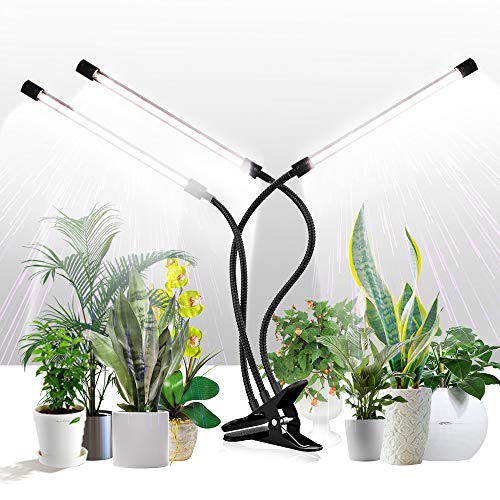
GHodec Grow Light For Indoor Houseplants
Plants don’t complain out loud, but their slow fade says enough. Leaves stretch thin, colors dull out, and suddenly that once lively corner feels… off. That’s usually the moment people start searching for the best grow lights for houseplants, hoping to fix the imbalance without overcomplicating things. This GHodec setup steps in as a practical, no-fuss option that leans more toward everyday usability than flashy promises.
GHodec Grow Light
Lighting output lands in a comfortable middle ground. The mix of sunlight white and red LEDs creates a balanced spectrum that doesn’t scream “artificial” the second it turns on. It mimics midday sunlight fairly well, which helps plants maintain natural growth patterns without shocking them. That subtle realism makes a difference, especially in rooms where harsh lighting just won’t cut it.
Color accuracy holds up surprisingly well with a CRI close to 95. Leaves don’t look washed out or oddly tinted, and nearby objects stay true to their natural shades. That’s a quiet win for anyone using the light in shared spaces like desks or living rooms. It keeps things feeling normal instead of clinical.
Soft illumination also plays a big role here. Flicker-free performance means it won’t annoy your eyes during long sessions. Some grow lights feel like they’re fighting your comfort, but this one leans into a more relaxed, everyday vibe.
Multi-Bar Design And Coverage
Three adjustable bars change how this light performs compared to single-head setups. Instead of focusing on one spot, it spreads coverage across multiple plants or wider surfaces. That’s especially useful for shelves packed with small pots or mixed arrangements. You’re not constantly repositioning everything just to share the light.
Independent control adds flexibility that most people don’t expect. You can turn on one, two, or all three bars depending on the situation. That control makes it easier to match light intensity to different plant needs without overdoing it.
Spacing efficiency improves with this layout. Instead of crowding plants under a single beam, you get a more even distribution. It’s a small design tweak, but it saves time and keeps growth more consistent across the board.
Timer And Daily Automation
Built-in timer simplifies the daily routine in a big way. The 4, 8, and 12-hour options let the light handle itself once set. That consistency helps plants settle into a rhythm without relying on memory or guesswork. It’s one of those features that quickly becomes non-negotiable.
Auto on/off function removes the need for constant manual switching. Busy days, late nights, or simple forgetfulness won’t disrupt the cycle. Plants still get what they need, even when life gets in the way.
Routine stability ends up being the real benefit here. Plants respond better to steady conditions than random bursts of light. This setup leans into that principle without asking much effort in return.
Build Quality And Adjustability
Gooseneck flexibility stands out right away. Each arm bends easily, letting you angle the light exactly where it’s needed. That’s a huge advantage for uneven setups or awkward corners. You’re not locked into a fixed position.
Clamp strength feels reliable without being overkill. It grips shelves, desks, and edges securely, so there’s no constant readjusting. That stability matters more than it sounds, especially for long-term setups.
360-degree positioning rounds things out. You can fine-tune coverage without moving the plants themselves. It’s practical, simple, and honestly, kind of addictive once you start tweaking angles.
Energy Efficiency And Cost
Low power consumption keeps this light running without spiking energy bills. Around $2 a month for regular use makes it easy to leave on without second thoughts. That affordability encourages consistency, which plants actually need.
Heat management stays under control as well. Leaves won’t get scorched, and the surrounding space doesn’t feel stuffy. Cooler operation opens up more placement options, especially in tighter areas.
Long-term practicality feels like the core strength here. It’s not trying to overpower the space, just support it steadily. That approach works better for everyday plant care.
Real Use Experience
Growth improvement shows up gradually but clearly. Plants stop stretching awkwardly and start filling out instead. Leaves hold their color better, and overall shape becomes more compact. It’s not instant, but it’s noticeable.
Versatility makes this light fit into different setups without much effort. Desks, shelves, green corners, even darker rooms it adapts without demanding a full redesign. That flexibility keeps it in use instead of being replaced.
Ease of integration keeps things simple. It blends into daily life instead of interrupting it. That alone makes it more likely to stay part of the routine.
Pros And Cons Breakdown
Pros center around flexibility and control. The multi-bar design expands coverage, while the timer and dimming features simplify daily use. Add in low energy cost, and it becomes a practical long-term option for small to medium setups.
Usability feels intuitive from the start. No steep learning curve, no complicated setup process. That accessibility lowers the barrier for anyone trying to improve indoor plant conditions.
Cons mainly relate to intensity limits. It’s not built for large-scale or high-demand plant setups needing strong output. Also, the clamp design might not suit every surface, depending on layout.
Scaling limitations show up if the plant collection grows quickly. You may need additional units to maintain consistent coverage. Still, within its range, it performs reliably.
Extra Lighting Upgrade Path
Upgrade your indoor setup with best grow lights home use to explore stronger and more versatile lighting options for larger plant collections.
Briignite LED Grow Light Bulb A19 2-Pack
Dim corners can make a healthy plant setup feel like a losing battle. One week the herbs look fine, then the stems lean, the leaves thin out, and the whole shelf starts begging for better light. That gap is exactly why the best grow lights for houseplants keep getting attention from people who want cleaner growth without turning the room into a purple cave. Briignite’s A19 bulb set goes after that problem with a familiar bulb shape, a natural-looking 4000K glow, and an easy screw-in design that doesn’t ask you to rebuild your space from scratch.
Briignite Grow Bulb
Simplicity is the first thing this bulb gets right. Instead of asking for a special frame, clip, or stand, it uses a standard E26 base, which means it fits common household fixtures without much fuss. That matters because a lot of people want better plant growth, not another gadget sprawled across the table. Screw it in, point the fixture where it needs to go, and you’re already in business.
Appearance also works in its favor. The bulb looks white to the eye at 4000K, yet it still carries a red and blue spectrum meant to support plant growth. That balance is a real plus for indoor spaces where ugly lighting becomes a dealbreaker fast. A room can stay livable, calm, and normal-looking while the plants still get a more useful light source than a standard bulb usually delivers.
Versatility gives this product a broader appeal than many clamp-style models. It can slide into a desk lamp, floor lamp, pendant, or other compatible socket, which opens up more placement options. That flexibility helps in homes where window space is limited and every decent corner already has a job. Instead of forcing the room to adapt to the light, this bulb lets the light adapt to the room.
Two-pack value is another practical edge. One bulb may suit a single plant station, while two can spread coverage across a pair of fixtures or support a wider shelf. That setup feels especially handy for mixed indoor gardens where one pot alone never stays one pot for long. Small plant collections have a funny way of multiplying, and this pack quietly acknowledges that reality.
Light Quality And Everyday Comfort
Natural-looking light changes the entire mood of a grow setup. Plenty of bulbs aimed at plants throw off a strong purple or red cast that makes the room feel strange after sunset. Briignite takes a different road with its full spectrum design that appears white to the eye, and that makes daily use far easier. Plants get a more tailored spectrum, but the room doesn’t end up looking like a backstage concert rig.
Visual comfort matters more than spec sheets usually admit. A light can help growth on paper and still be annoying enough to make people switch it off early. This bulb seems built for spaces where aesthetics matter, since the light blends more naturally with surrounding décor. That softer visual footprint makes it easier to leave the light on consistently, and consistency is half the game with indoor growing.
Broad plant support is part of the appeal too. The product description points to tomatoes, cucumbers, peppers, leafy greens, and herbs across all growth stages, which signals a spectrum designed for more than just decorative foliage. That doesn’t mean every plant behaves the same, of course, but it does suggest the bulb is aiming for a more usable middle ground rather than a narrow niche. For someone juggling herbs on a kitchen shelf and leafy plants in another room, that’s a welcome detail.
Indoor atmosphere stays more polished with this type of bulb. White light tends to show off leaf color, stem shape, and overall plant structure better than tinted grow lamps do. So, instead of hiding the collection behind harsh artificial tones, the bulb lets the plants remain part of the room. That little shift can make an indoor garden feel intentional instead of improvised.
Brightness, Efficiency, And Output
Brightness is one of the stronger selling points here. Briignite describes this bulb as delivering 1000 lumens with a wide 180-degree light output, which points to a setup that can spread light more broadly than a narrow spotlight. That matters in real rooms, where light often needs to cover more than one leaf cluster. A broader throw can make fixture placement feel less finicky and more forgiving.
Energy savings give the bulb another practical advantage. It uses 11 watts while being described as equivalent to a traditional 100W bulb, which keeps power use modest for regular indoor routines. That kind of efficiency helps remove the mental friction around running lights longer. A bulb that feels expensive to operate often gets used inconsistently, and inconsistent use tends to show up in the plants sooner or later.
Light absorption support is another piece Briignite emphasizes. The product description notes improved light transmission and a balanced full-spectrum wavelength, along with a stated PPF of 25 micromoles per second. That suggests the bulb is trying to do more than simply look bright to human eyes. It aims to offer output that’s more useful to plants, which is the part that really counts once the novelty wears off.
Practical efficiency becomes clearer in everyday setups. A bulb can be easy to install and pleasant to look at, but if it feels weak over time, people notice. This model seems designed to bridge that gap by pairing household convenience with a plant-focused output. That combination makes it feel less gimmicky and more like a workable long-term tool.
Heat Control And Lifespan
Low heat is one of those features people tend to appreciate more after a few weeks. Excess heat can stress nearby leaves, dry soil faster than expected, and make small indoor corners feel stuffy. Briignite says this bulb keeps temperatures suitable for plants, which is a meaningful advantage for shelf gardens, desktop setups, and other close-range arrangements. Cooler operation usually translates into easier placement and fewer little headaches.
Cooling design sounds thoughtfully built for the job. The use of plastic and aluminium in the construction is meant to improve heat dissipation, and that’s a sensible choice for a bulb meant to run regularly. Nobody wants a grow bulb that turns a cozy lamp into a hot spot. Good heat handling also helps the product feel more stable during longer lighting sessions.
Lifespan is listed at up to 25,000 hours, which adds a layer of reassurance. A bulb that burns out quickly can erase any convenience advantage it had going in. Longevity matters more with grow lighting because these bulbs often run for extended periods. A longer service life means less interruption, fewer replacements, and a more predictable setup overall.
Maintenance ease follows naturally from that. Once the bulb is in place and working with a fixture you already own, there’s very little fuss involved. No clamp adjustments, no charging, no balancing awkward arms over a shelf edge. That stripped-down simplicity can be a breath of fresh air for people who just want results without babysitting the hardware.
Where It Fits Best And Where It Doesn’t
Best use cases lean toward small to medium indoor plant setups where standard fixtures are already available. Kitchen herbs, seed starting corners, decorative foliage near a reading nook, and compact edible gardens all seem like sensible fits. The familiar bulb format makes this especially appealing for anyone who hates clutter. It feels less like adding equipment and more like upgrading a lamp with a smarter purpose.
Decor-conscious spaces are another natural match. Since the bulb gives off a natural-looking white light, it won’t fight the room visually the way many colored grow lights do. That matters in apartments, bedrooms, and shared living areas where function alone isn’t enough. A bulb that supports growth and still looks normal tends to stay in use longer.
Limitations deserve a fair mention, though. This is still a bulb, not an all-in-one lighting rig with built-in clamps, timers, or adjustable arms. So placement depends heavily on the fixture you pair with it. If the lamp points the wrong way or sits too far from the plants, the bulb itself can only do so much.
Control features are also more basic by nature. There’s no mention of onboard dimming or timer settings in the bulb itself, which means anyone wanting that kind of automation will need to rely on separate plugs or smart-home tools. That isn’t a flaw so much as a tradeoff. The benefit is simplicity; the downside is fewer built-in controls.
Pros And Cons In Plain English
Pros begin with the obvious: easy installation, a standard E26 base, and a more attractive 4000K natural white appearance than many traditional grow bulbs. The two-pack format adds flexibility, while the stated 1000-lumen brightness and energy-saving 11W design make it feel efficient without being fussy. That’s a pretty nice combo for everyday indoor growing.
Another strength is the product’s ability to fit into normal life. It doesn’t announce itself loudly, and it doesn’t force a room makeover. That softer footprint matters for people who want better growth but still care how the room feels at night. Plenty of plant gear works, sure, but not all of it is pleasant to live with.
Cons show up mostly in the missing extras. There’s no built-in timer, no fixture included, and no adjustable arm attached to the bulb itself. The user has to supply the right lamp and placement strategy, which means results will depend partly on the surrounding setup. So, while the bulb is convenient, it isn’t a complete plug-and-play grow system in the broadest sense.
Tradeoffs feel honest rather than sneaky. Briignite seems to be offering a clean, simple bulb option with plant-focused light output and lower energy draw, not an ultra-customizable plant station. For many homes, that’s actually the better choice. Fewer moving parts often mean fewer chances for annoyance.
Separate cooling concerns call for a different solution, and the outdoor ceiling fans effective guide helps answer whether stronger airflow can make open-air spaces more comfortable.
DOMMIA Plant Light For Indoor Plants
Some indoor setups look bright enough at first glance, yet the plants tell a whole different story. Seedlings stay skinny, shelf plants lean hard toward the nearest window, and flowering varieties just seem to stall out for no good reason. That daily mismatch is exactly why the best grow lights for houseplants earn their keep in real homes, not just in tidy product photos. DOMMIA steps into that gap with a strip-style system built for shelves, seed starting, and under-cabinet growing where ordinary room light usually falls flat.
DOMMIA Plant Light
Design direction is the first thing this model gets right. Instead of acting like a single spotlight that only helps one pot at a time, it uses a strip light format that spreads illumination across a wider area. That matters on plant stands, shelves, and windowsills where several containers share the same space. A broader setup usually means fewer dead zones, fewer awkward rotations, and less babysitting overall.
Installation flexibility also works in DOMMIA’s favor. The built-in hangers, guide-wire support, and zip-tie friendly design make the light adaptable without feeling messy. It can run under cabinets, along a shelf edge, or across a small greenhouse rack without demanding a dramatic setup overhaul. That kind of versatility saves time and, just as importantly, saves patience.
Visual neatness deserves some credit too. Strip lights tend to blend into furniture and shelving more smoothly than bulky lamp heads or oversized fixtures. So the setup looks intentional rather than cobbled together on a Sunday afternoon with whatever was lying around. For indoor plant lovers who care about both growth and appearance, that balance is a pretty sweet deal.
Everyday practicality keeps showing up the more you think about it. A product can have strong specs on paper and still be annoying to live with. This one seems built with real placement headaches in mind, especially in tighter corners where clamp lights or floor fixtures can become more trouble than they’re worth.
Three Light Modes That Match Plant Stages
Mode variety is one of the standout features here. DOMMIA lists three spectrum settings: 6000K for seedlings, 2350K for growing, and 3700K for flowering and fruits. That’s a useful setup because plants don’t always need the same style of light through every stage. A system that changes with the plant can feel a lot smarter than a one-note fixture that treats everything the same.
Seed starting support looks especially promising with the 6000K mode. Cooler white light tends to make sense for early growth stages where steady structure matters more than flashy output claims. If you’re trying to avoid weak, stretched starts, having a dedicated mode for seedlings is a genuine plus. It suggests the product is trying to serve a real indoor growing cycle rather than tossing around buzzwords.
Growing and flowering flexibility adds another layer of usefulness. Switching from a seedling mode to a warmer growth or fruiting mode can help a shelf setup stay relevant longer instead of needing separate gear for different plants. That’s practical, plain and simple. One product handling multiple stages is easier on both the space and the budget.
Spectrum control also makes the light feel more deliberate. It’s not just “bright” and that’s that. DOMMIA is clearly positioning this as a grow light that adapts to changing plant needs, and that gives it more depth than a basic strip light pretending to be plant-specific.
Dimming Control And Real Daily Use
Brightness control can be the difference between a useful light and an annoying one. DOMMIA includes four dimmable levels at 25%, 50%, 75%, and 100%, which gives the setup more breathing room. Not every plant wants the same intensity, and not every indoor corner can handle full output all day long. Having steps instead of a single fixed setting makes the light easier to live with.
Energy awareness sneaks in as a bonus here. Lower brightness settings let you dial things back when full power isn’t necessary, which helps reduce wasted energy. That’s smart for seedlings, low-light houseplants, or shelves that already get a bit of indirect daylight. Saving electric fees while still giving plants what they need is the kind of boring win that becomes more satisfying over time.
Control feel matters too, even if it doesn’t sound glamorous. A grow light that only runs one way can feel clumsy after a while. Dimmable levels give you room to adjust as seasons change, as plants mature, or as the shelf itself evolves. Indoor gardens rarely stay static, so that extra control goes a long way.
Usability seems stronger here than with some overly complicated systems. You’re getting meaningful adjustments without diving into an app, a separate controller maze, or a bunch of settings that sound impressive but make daily use more irritating than helpful.
Connectable Strips And Shelf Coverage
Connectable layout is a major selling point for anyone dealing with more than one plant level. The included connection line allows the lamps to link end-to-end, which can make a shelf arrangement cleaner and more unified. That setup reduces cable clutter and helps lighting feel intentional instead of patched together. For multi-tier stands, that’s a real comfort.
Coverage is where strip lights often shine, and DOMMIA seems built with that exact idea in mind. Lighting along shelves, windowsills, and under cabinets means more even support across multiple pots. That’s usually better than a single intense beam that blasts one plant while leaving the others fighting for scraps. Balanced spread can make a collection look more consistent as it grows.
Placement freedom adds another strong point. Because the strips can hang or mount in different ways, you’re not boxed into one type of setup. Shelves, propagation racks, and compact indoor gardens all become easier to work with. A product that fits the space instead of bullying the space is usually the better long-term choice.
Atmosphere gets a quiet boost as well. A well-lit shelf can look genuinely charming instead of overly technical, and DOMMIA leans into that decorative side by supporting cleaner line placement. That may sound secondary, but let’s be honest, if a grow setup looks awful, people stop loving it fast.
Waterproof Build And Safety Details
IP54 waterproofing gives this model an edge that shouldn’t be brushed aside. Watering indoor plants is already messy enough without worrying that drips from an upper shelf might cause problems below. DOMMIA says the lights can handle 90% high humidity, which makes the setup feel more reassuring for shelf gardens and clustered plant stands. That’s not flashy marketing fluff; that’s real peace of mind.
Safety around watering becomes a lot more important once the plant collection grows beyond a couple of pots. Soil spills, misting, runoff, and accidental splashes happen all the time. A light designed to better tolerate that environment feels more appropriate for indoor plant care than a standard strip not meant for the job. It’s one of those features you may never brag about, but you’ll be glad it’s there.
Internal copper construction adds another useful detail. DOMMIA notes faster electric conduction and less heating, which supports both performance and safer daily use. Lower heat is always welcome around plants, especially in close shelf arrangements where lights can sit near leaves. Hotter fixtures complicate placement; cooler ones make the whole system easier to manage.
Durability confidence gets a bump from these choices. Waterproof design, humidity resistance, and lower heating all point to a product that’s meant for actual plant environments instead of a generic lighting role. That specialized feel gives the light more credibility.
Timer And Memory For Busy Routines
Timer settings are where DOMMIA starts sounding especially practical. The light includes 6H, 10H, and 12H modes, which gives a decent range for different plant schedules. That’s handy for people who can’t commit to flipping a switch at the same time every single day. Plants love routine a lot more than humans do, and automation helps close that gap.
Memory function makes the timer far more useful than a simple on-off cycle. Once the schedule is set, the light automatically turns on and off at the same time each day. That’s a big help during busy weeks, travel days, or those stretches when life gets noisy and plant care slides to the back burner. A light that remembers its job saves you from remembering one more thing.
Consistency is the real benefit here. Indoor growing often falls apart not because the product is weak, but because the routine is erratic. DOMMIA seems designed to reduce that problem by making regular light exposure easier to maintain. That’s good product thinking, no two ways about it.
Hands-off convenience also makes this model feel more modern without becoming fussy. There’s no need to hover over the setup like a stage manager. Set the cycle, let it run, and focus on the plants themselves rather than constantly managing the hardware.
Pros, Tradeoffs, And Who This Fits
Strengths stack up nicely: three light modes for different stages, four dimming levels, connectable strip design, IP54 waterproofing, and a timer with memory. Put together, those features create a grow light that feels adaptable rather than one-dimensional. It looks particularly well suited for shelf gardens, propagation stations, and indoor plant corners where even spread matters more than a single spotlight blast.
Another plus is the way the product balances function with convenience. Easy installation, flexible placement, and built-in automation cut down on the little annoyances that make some indoor setups harder than they need to be. A grow light should help the routine, not become the routine. DOMMIA appears to understand that.
Tradeoffs still exist, of course. Strip lights make the most sense in linear spaces like shelves and cabinets, so they may feel less natural in rooms where only a standard lamp socket is available. Anyone wanting a quick screw-in bulb solution may find this format less direct. Also, getting the best result from a strip system usually depends on decent placement and spacing, not just turning it on and hoping for the best.
Feature depth may be overkill for the most casual setups, but for plant shelves and seed starting, it looks like the extra control is justified. DOMMIA isn’t trying to be a decorative lamp first and a plant tool second. It’s clearly built for indoor growing jobs that need structure, safety, and repeatable performance.
Upgrade your outdoor walkway with solar aluminum pathway lights for a cleaner, lower-maintenance way to brighten paths and garden edges.
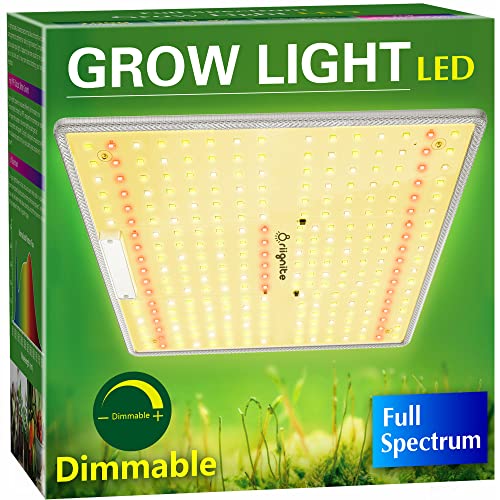
40W Full Spectrum Grow Light For Houseplants
Weak winter light can turn a promising plant setup into a slow-motion headache. Seedlings get leggy, herbs lose their punch, and leafy plants start leaning like they’re trying to escape the shelf. That’s the sort of everyday struggle that pushes people toward the best grow lights for houseplants, especially when plain window light just isn’t cutting it anymore. This 40W panel-style model goes after that problem with a compact footprint, a broad 2x2ft coverage area, and a diode mix aimed at more than one stage of growth.
40W Samsung LED Grow Light
First impressions lean practical rather than flashy. The square panel design feels more purposeful than decorative, which honestly suits the job just fine. At 11.8 x 11.8 inches, it doesn’t hog space, and the slim profile helps it disappear above a shelf or small indoor garden without making the whole setup feel bulky. For people tired of awkward lamp arms and clamp lights hanging all over the place, that cleaner shape is a real plus.
Weight also works in its favor. At around 1.56 pounds, it’s light enough to move around without a wrestling match. That matters more than it sounds, because indoor setups change all the time. One week it’s seedlings, next week it’s herbs, and before long you’re shifting things around to make room for a tray of something new.
Panel format brings a different feel compared with bulb-style grow lights. Instead of concentrating everything into one narrow zone, this light is built to spread coverage across a broader surface. That wider throw makes it easier to support multiple plants at once, which is often what people actually need. A single plant rarely stays single for long.
Included hanging kits add to the convenience. You don’t have to scramble for extra hardware before getting started, and that saves a bit of friction right out of the gate. Simple setups tend to get used more consistently, and consistency is half the battle with indoor growing.
Light Output And Spectrum Mix
Spectrum design is where this grow light starts sounding more serious. It uses 3000K, 5000K, red, and IR diodes, which points to a broader full-spectrum approach rather than a one-note blast of brightness. That mix matters because plants don’t all ask for the same thing at the same stage. Seedlings, foliage growth, flowering, and fruiting each respond a bit differently, so a varied diode recipe makes the light more adaptable.
IR diodes deserve a quick note because the product description already flags them as dim-looking. That’s useful to know, plain and simple. People sometimes assume a dim IR diode means something’s wrong, but here it’s described as normal. That upfront clarification helps avoid the classic panic of thinking the panel arrived half-dead.
PPFD is listed at 736 μmol/m²/s, and PPE is rated at 2.1 μmol/J. Those figures suggest the panel is built to deliver a more focused growing performance than casual decorative lighting usually can. It’s not pretending to be a bedside lamp that sort of helps plants on the side. It’s much more clearly aimed at actual plant growth support.
Light balance is one of the stronger ideas here. The 5000K and 3000K components help create a broader usable spectrum, while the added red and IR diodes push the light beyond what a standard household bulb would offer. That gives the product a more flexible personality, especially for mixed plant collections where one setup has to do a little bit of everything.
Efficiency And Running Costs
Efficiency is one of the big selling points, and for good reason. This 40W unit is described as replacing up to 100W HPS/MH grow lights, which makes it feel like a smarter fit for small indoor gardens that don’t need old-school heat and bulk. The appeal here isn’t just lower power use. It’s getting targeted plant light without turning the space into a mini furnace.
Monthly electricity cost is estimated at around $2.4 for 12 hours a day, based on the product information you provided. That’s the sort of number that makes regular use easier to justify. A grow light that feels expensive to run often ends up being used inconsistently, and that’s where plant progress starts to wobble.
Reliable driver performance also matters, even if it’s not the sexiest detail in the room. A solid driver usually means more stable light delivery over time, and that helps the setup feel dependable instead of erratic. Indoor growing already asks for enough patience, so reliable hardware is never wasted.
Low ongoing cost pairs nicely with the product’s compact design. Together, they make the panel feel like a realistic long-term tool rather than a short-lived experiment. That’s a strong point for anyone trying to support several plants without stacking up huge utility costs or filling every corner with equipment.
Dimming And Plant Stage Control
Stepless dimming is a smart inclusion, and honestly, it gives this light more range than fixed-output panels. A dimming knob lets you ease the intensity up or down depending on what’s under the panel. Tender seedlings don’t need the same treatment as flowering plants, and a one-setting-only light can be a pain because of that. This model gives you more room to adjust without overcomplicating things.
Control feel is likely to matter in real use. A knob is simple, immediate, and refreshingly low-drama. No app, no maze of buttons, no guessing whether you tapped the right mode. Sometimes the old-fashioned approach is the better one, especially if you’re making quick changes during watering, pruning, or tray rotation.
Stage flexibility is where the dimming feature earns its keep. The product description specifically calls out germination, seedlings, flowering, and fruiting, and that broad use case fits the hardware pretty well. A light that can follow the plant through multiple phases usually offers more value than one that shines brightly but only suits a narrow window of the growing cycle.
Daily fine-tuning becomes easier with a panel like this. If the leaves seem stressed, you can back off. If growth starts looking weak or stretched, you can nudge the intensity up. Those small adjustments make indoor growing feel less like guesswork and more like steady problem-solving.
Coverage, Placement, And Use Cases
Coverage area is listed at 2x2 feet, and that’s a meaningful size for a panel this compact. It puts the light in a useful middle zone: bigger than a bulb or clip lamp, but not so large that it becomes awkward in apartments, offices, or plant shelves. That makes it a comfortable choice for grouped pots, seed trays, or a mixed indoor garden corner. There’s enough reach here to support a small collection without forcing everything into one tight little patch.
Versatility also comes through in the plant list provided. Seedlings, succulents, basil, rosemary, daffodils, plumeria, aloe, orchids, thyme, cucumbers, tomatoes, and peppers all get mentioned. That range doesn’t guarantee identical results for every plant, of course, but it does show the light is designed with a broad set of indoor growing situations in mind. It’s not boxed into one narrow category.
Placement freedom is another plus. Since the fixture is lightweight and hangs rather than clamps, it works well above tables, trays, and shelf sections where arm-style lights can feel clumsy. That cleaner overhead approach often creates better coverage and a tidier setup. Fewer obstacles around the plants means less fuss during daily care.
Compact footprint keeps this panel from feeling overbuilt. It offers more area coverage than a basic grow bulb, but it doesn’t jump all the way into bulky greenhouse-equipment territory. That sweet spot is probably where a lot of indoor growers want to be: enough strength to matter, without making the room look like a commercial grow tent spilled into the house.
Pros And Cons In Real Terms
Pros stack up nicely here. The full spectrum diode mix, Samsung LM281B LEDs, stepless dimming knob, 2x2ft lighting area, and compact lightweight design all work together to make this panel feel capable without being overcomplicated. Add in the included hanging kit and the stated low monthly running cost, and the package looks pretty well thought out for small indoor growing spaces.
Another strength is the balance between performance and convenience. This light isn’t as casual as a simple screw-in bulb, but it’s also not so technical that it scares off normal home use. It lands in that nice middle ground where the product clearly takes plant growth seriously without becoming a chore to manage.
Cons mostly come down to format and expectations. A panel light needs overhead space and a sensible hanging setup, so it won’t be as plug-and-play as an E26 bulb in a desk lamp. People wanting something ultra subtle or ultra decorative may find the square panel look a little more functional than pretty. Also, while the coverage is strong for a compact unit, larger plant collections will still outgrow a single 2x2ft panel sooner or later.
Tradeoffs feel fair rather than frustrating. You’re getting a more serious plant light with measurable output information, broad-spectrum support, and dimming control, but in return you need to give it proper placement and overhead room. That’s not a flaw so much as the natural compromise of stepping up from tiny clamp lights into a more capable panel design.
Improve airflow in larger rooms with 56 inch ceiling fan with light if you want a separate solution for comfort and circulation beyond your plant setup.

Best LED Grow Lights for Starting Seeds Indoors 2026
Best Grow Lights 1000W 2026 For Maximum Yield And Growth

Best Lights For Growing Plants 2026 That Boost Growth

Best LED Grow Light for 2x4 Tent 2026 Top Picks
Best Led Grow Lights For Herbs 2026 Top Picks

Best Coral Growing Lights 2026: Boost Reef Health Fast
Best Grow Lights For Greenhouse 2026 That Boost Plant Growth

Best Full Spectrum LED Grow Lights For Cannabis 2026 Top Picks