Best Heater Fan Combo For Bathroom 2026 Picks
A cold bathroom can make an ordinary morning feel like a test of willpower. Bare tile pulls heat from your feet, damp towels stay clammy, and a weak exhaust fan leaves the mirror fogged long after the shower ends. A well-matched best heater fan combo for bathroom tackles those annoyances from two directions by adding fast warmth while helping move humid air out of the room. That pairing makes more sense than crowding a small floor with a portable heater and hoping an aging ceiling fan can handle the steam.
The biggest practical difference comes from heat output, airflow, and room size working together. A powerful unit may warm a compact bathroom quickly, but too much heat in a tiny space can feel stuffy and harsh. A weaker model may run longer without taking the chill off, especially in bathrooms with exterior walls, drafty windows, or high ceilings. Matching the unit to the room matters more than chasing the largest wattage number on the box.
Noise deserves just as much attention, frankly. A loud motor can drown out music, wake someone in the next room, or turn a peaceful shower into something that sounds like an airport restroom. Look for a realistic balance between quiet ventilation and enough airflow to clear moisture before it settles on walls, grout, and window frames. Ultra-quiet operation often costs more, but the difference becomes noticeable during early mornings and late-night routines.
Control style also shapes daily convenience. Separate switches for heat, ventilation, and lighting provide more flexibility than a single control that runs everything at once. Timers help prevent the heater from staying on after everyone leaves, while humidity-sensing controls can keep the fan running until excess moisture drops. Still, extra controls may require additional wiring, so an apparently simple upgrade can become a bigger installation job than expected.
Installation is the part that can trip people up. Ceiling openings, duct diameter, joist spacing, circuit capacity, and vent routing all affect whether a particular bathroom heater exhaust fan will fit without major changes. Some units need a dedicated electrical circuit because the heating element draws far more power than a standard ventilation fan. Cutting corners here isn’t worth it, since bathrooms combine electricity, moisture, and tight spaces in one unforgiving package.
Maintenance is fairly straightforward, but it can’t be ignored. Dust collects around intake grilles and heating elements, reducing airflow and sometimes creating a burnt-dust smell during the first cold spell. A removable grille makes routine cleaning less of a chore, while accessible fan components save frustration later. Even so, built-in ceiling units aren’t as easy to replace as portable appliances, so durability and replacement-part availability deserve a close look.
The right best heater fan combo for bathroom won’t turn a poorly insulated room into a spa, and it won’t fix a blocked duct or chronic water leak. What it can do is take the sting out of winter mornings, shorten the time surfaces stay damp, and reduce the clutter caused by separate devices. That’s the sweet spot: useful warmth, dependable moisture control, manageable noise, and controls that fit the way the bathroom is actually used.

Panasonic WhisperWarm DC Bathroom Fan Review
Cold tile, lingering steam, and a fogged mirror can make a freshly remodeled bathroom feel oddly unfinished. The best heater fan combo for bathroom needs to solve all three problems without turning the ceiling into a noisy mechanical distraction. Panasonic’s FV-0511VHL1 approaches that job with adjustable ventilation, a built-in heater, and integrated lighting in one ceiling-mounted unit. It’s a practical setup for bathrooms where floor space is tight and separate appliances would only add clutter.
Panasonic WhisperWarm DC
The Panasonic WhisperWarm DC combines a precision ventilation fan, a 1600-watt heating element, and a light in a single housing. Its main appeal isn’t flashy styling or a long list of app-based controls. Instead, the unit focuses on steady airflow, quick warmth, and installation flexibility, which are the details that tend to matter after the novelty wears off.
The fan uses an ECM motor paired with Panasonic’s SmartFlow technology. That combination is designed to maintain the selected airflow even when duct conditions create resistance. A long duct run, several bends, or a restrictive exterior vent can make ordinary fans move less air than expected, so the motor’s ability to compensate addresses a common ventilation headache.
The adjustable airflow setting also gives the unit more breathing room than a fixed-speed fan. Pick-A-Flow allows selection among 50, 80, and 110 CFM, letting the installer match ventilation to the bathroom rather than accepting a one-size-fits-all rate. That flexibility is useful during renovations, especially when the final room volume or duct layout differs from the original plan.
Still, this isn’t a plug-in appliance that can be placed wherever the chill feels strongest. The unit belongs in the ceiling, requires proper ducting, and needs electrical connections suited to its fan, light, and heater functions. The finished result can feel much cleaner than separate devices, but the installation demands deserve attention before purchase.
Warmth That Arrives Without Floor Clutter
The built-in 1600W PTC heater is the feature that separates this model from a basic exhaust fan. PTC heating technology regulates its output as the heating element warms, which helps provide controlled heat rather than relying on an exposed glowing coil. For a cold bathroom, that means warmth can begin near the start of the routine instead of several minutes after the shower is already running.
A ceiling-mounted heater also keeps cords and portable appliances away from wet flooring. That’s a meaningful benefit in compact bathrooms where a freestanding heater can block a cabinet, crowd the toilet area, or become one more item to move during cleaning. The Panasonic unit keeps the heating function overhead and out of the walking path.
Heat from the ceiling won’t feel identical to a portable heater aimed directly at bare legs. The warmth spreads into the room rather than blasting one spot, so expectations should stay realistic. In a drafty space with poor insulation or a large exterior window, the heater may reduce the chill without making the room feel tropical.
The heater’s usefulness also depends on switch placement and electrical setup. Separate controls can make it easier to run heat, ventilation, and light only when needed, but that may require more wiring than a simple fan replacement. A properly planned control layout turns the combo design into a convenience; a rushed layout can make everyday operation needlessly awkward.
Adjustable Airflow for Different Bathroom Sizes
Bathroom ventilation isn’t just about clearing a mirror. Moist air can settle into grout lines, painted walls, window trim, and cabinet surfaces long after the visible fog disappears. The 50-80-110 CFM airflow range gives this fan enough flexibility to serve a small powder room, a typical full bath, or a larger space that needs stronger moisture removal.
The lowest setting can make sense where excessive airflow would create unnecessary noise or pull conditioned air out too quickly. The middle setting offers a practical balance for many everyday bathrooms, while 110 CFM provides more ventilation for larger layouts or rooms that hold steam stubbornly. The correct setting still depends on room dimensions, duct design, and how much moisture the space regularly collects.
SmartFlow supports those settings by helping the ECM motor respond to static pressure. That matters because the airflow printed on a specification sheet doesn’t always match what reaches the exterior vent after resistance enters the picture. A fan that adjusts its effort can provide more dependable spot ventilation than one running at a fixed motor output.
No motor can rescue a badly blocked or improperly terminated duct, though. Crushed ducting, packed lint, sharp bends, and closed exterior dampers can still restrict performance. The fan brings useful airflow management to the job, but the surrounding ventilation system needs to be sound for the feature to pay off.
Noise Control and Everyday Bathroom Comfort
A bathroom fan can move plenty of air and still become irritating if its motor dominates the room. Panasonic’s Whisper line is built around quieter operation, and the DC motor design fits that goal by providing controlled performance without the rough sound associated with some older fans. Quiet operation is especially valuable near bedrooms, nurseries, or home offices.
Silence shouldn’t be confused with weakness. The adjustable fan can still be set for stronger airflow where moisture demands it, while SmartFlow helps maintain that target under real duct conditions. This balance between air movement and restrained sound makes the unit better suited to long ventilation cycles after showers.
A quieter fan also changes behavior in a subtle way. Loud fans often get switched off too soon because the sound becomes tiresome, leaving damp air trapped in the room. A less intrusive motor is easier to tolerate while brushing teeth, getting dressed, or letting the fan finish clearing humidity.
Installation quality will affect noise, regardless of the motor. Loose mounting, vibrating ductwork, and poorly secured grilles can create rattles that aren’t caused by the fan itself. The Panasonic design addresses motor noise, but careful fastening and properly supported ducting remain part of a quiet finished setup.
Lighting and Three-in-One Convenience
The integrated light keeps the ceiling from filling up with separate fixtures for ventilation, heating, and illumination. In a smaller bathroom, that cleaner arrangement can make the room feel less busy and preserve space for task lighting near the mirror. The fan, heater, and light combination also reduces the number of separate housings that must be planned around joists and duct runs.
The light works best as part of a layered lighting setup rather than as the sole source for every task. Ceiling light can brighten the general room, but shaving, makeup, and close grooming usually benefit from illumination placed near face level. The built-in fixture handles broad visibility while vanity lighting can cover detail work.
Replacing multiple ceiling devices with one unit may simplify the finished appearance, but it concentrates several functions in a single product. A service issue affecting the housing could disrupt more than one bathroom feature at once. That tradeoff isn’t necessarily a deal breaker, though it’s worth considering in a bathroom that serves as the only full bath in the home.
Control flexibility helps prevent the combined design from feeling restrictive. Independent operation lets the light stay on without heat, the fan clear moisture without warming the room, or the heater run during a cold morning routine. That separation is a key daily-use strength, provided the switches are wired and labeled clearly.
Installation Strengths and Practical Limits
The included Flex-Z Fast bracket is designed for flexible room-side installation. Room-side access can be a big advantage where attic entry is difficult, insulation blocks the work area, or the bathroom sits beneath another floor. Renovation projects often become messy once ceiling access is limited, so a bracket intended for work from below can reduce frustration.
Fit still needs to be checked carefully. Housing dimensions, joist spacing, duct size, ceiling depth, and nearby plumbing can all affect whether the unit slips into the planned location. A direct swap for an older fan may require opening the ceiling further if the existing housing is smaller.
The 1600-watt heater also changes the electrical conversation. A basic exhaust fan uses far less power than a fan-and-heater combination, so the existing circuit may not be suitable without modification. The electrical load should be evaluated before installation rather than after the ceiling has been cut.
Professional installation makes sense where wiring, duct routing, or circuit capacity is uncertain. Bathrooms place electrical equipment near moisture, and guessing isn’t a smart shortcut. The Flex-Z bracket can make physical mounting more manageable, but it doesn’t remove the need for correct electrical and ventilation work.
Certific hãy kiểm tra lại bạn đã tạo hyperlink chưa. Lưu ý yêu cầu: Create hyperlink as below rules. In addition, always add relevant CTA hyperlink or relevant hook before hyperlink to increase interaction. Structrue CTA or hooks ANCHOR_TEXT. Only 1 hyperlink in the response. I will provided you url part. "Here is list link:" Anchor text selected a 2–6 word phrase (or longer only if it reads more naturally) that still clearly represents the path topic. Rewrite full response with hyperlinkations, Maintenance, and Long-Term Use
The Panasonic WhisperWarm DC is listed as HVI certified and UL listed. Those designations provide useful third-party context for ventilation performance and electrical product safety without relying solely on marketing language. They don’t guarantee flawless installation or maintenance, but they add credibility to the stated design and intended use.
Routine care should focus on keeping the grille, air openings, and accessible surfaces free from dust. Heater-equipped fans can produce a dusty smell after sitting unused, particularly when buildup collects near warm components. Regular cleaning helps preserve airflow and keeps that first cold-weather startup from smelling like a neglected baseboard heater.
The ceiling location makes the unit less convenient to clean than a countertop appliance. A stable step stool and careful handling will be needed, and power should be disconnected before deeper maintenance. That’s the tradeoff for keeping heating and ventilation equipment off the floor and out of sight.
The strongest case for this model rests on its combination of adjustable airflow, controlled heating, restrained motor noise, and renovation-friendly mounting. Its weaker side is complexity: more wiring, more installation planning, and a higher electrical demand than a plain exhaust fan. For a bathroom that regularly feels cold and stays damp, those added requirements may be justified by a cleaner, more comfortable daily routine.

Plutoslove 5-in-1 Bathroom Heater Fan Review
A chilly room, dripping walls, dim ceiling light, and a rattling exhaust fan can turn a relaxing shower into a string of small annoyances. This multi-function ceiling unit tries to tidy up that mess by combining heating, ventilation, lighting, and Bluetooth audio in one housing. As a candidate for the best heater fan combo for bathroom, it stands out through its listed 1800W PTC heater, 230 CFM airflow, three selectable light temperatures, and built-in speaker. That packed feature set is appealing, though the installation dimensions and electrical demands need a careful look before anyone starts cutting drywall.
Plutoslove 5-in-1 Bathroom Fan
The Plutoslove 5-in-1 Bathroom Fan puts several everyday bathroom functions under one ceiling grille. Its listed capabilities include heating, exhaust, general ventilation, three-color lighting, and Bluetooth audio with dynamic accent lighting. Combining those jobs can reduce ceiling clutter, especially in a room where separate lights, speakers, heaters, and ventilation fixtures would compete for limited space. The tradeoff is simple: one housing becomes responsible for several parts of the daily routine.
The design makes the most sense in a bathroom that regularly feels cold or stays steamy after showers. A standard exhaust fan only handles moisture, while a portable heater adds another cord and another object near a wet floor. This model keeps its heating and airflow overhead, leaving the walking area clear and reducing the need to store a separate space heater. That’s a practical benefit in narrow bathrooms where every square foot already feels spoken for.
The product description also lists possible use in bedrooms, home gyms, game rooms, and workshops. Still, the ceiling opening, duct connection, and heater wiring make it less casual than a portable appliance that can move from room to room. Its strongest role remains fixed installation in a space where ventilation, warmth, and overhead lighting are all useful. For dry rooms that don’t require exhaust ducting, the extra installation work may be harder to justify.
The controls add another layer to the experience. An easy-mount wall remote is included according to the supplied details, which can make switching among functions more convenient than managing several wall controls. Remote dependence has a downside, though, since misplaced controls and battery upkeep can become minor irritations. A clear plan for daily operation matters almost as much as the long feature list.
Fast Heat Without a Portable Floor Unit
The listed 1800W heating system uses a PTC ceramic element intended to warm the room quickly. PTC heaters regulate their electrical resistance as temperature rises, giving the design a more controlled heating character than a bare resistance coil. In real bathroom use, the key benefit is timing: warmth is most helpful before stepping into the shower or while drying off, not ten minutes after the routine ends. Quick response can take the edge off cold tile, drafty walls, and early-morning air.
Ceiling placement changes how that heat feels. A floor heater can aim warmth directly at legs and feet, while an overhead unit distributes heated air from above. The result may feel broader but less concentrated, particularly in a large room or one with a tall ceiling. The instant heating function should be viewed as comfort support rather than a substitute for insulation or a properly sized home heating system.
The 1800W rating also creates a meaningful electrical load. A simple fan replacement circuit may not automatically be suitable for a device that combines a heater, motor, lights, and speaker. The supplied description mentions plug-and-play and hardwire options, but electrical suitability still depends on circuit capacity, local requirements, and the installation location. Guesswork around bathroom electrical safety isn’t worth the risk.
The heater can be particularly useful after exercise, during colder seasons, or in bathrooms that never quite warm up with the rest of the house. Still, continuous heating will consume considerably more electricity than running the exhaust fan alone. Independent function control helps here because heat doesn’t need to run every time the light or ventilation fan is active. Sensible use keeps the comfort benefit from becoming needless energy consumption.
Strong Airflow With a Low Listed Noise Level
The supplied specifications state a 230 CFM airflow rating, which is considerably more forceful than the output commonly selected for compact bathrooms. That level of airflow may suit a larger room, a moisture-heavy shower area, or a space where humidity hangs around long after bathing. Strong exhaust can help move damp air before it settles into paint, trim, cabinetry, and grout. It can also clear odors faster than a low-output fan, provided the duct system allows the air to move freely.
High airflow isn’t automatically better in every room. A powerful fan installed in a tiny bathroom may remove conditioned air quickly, create noticeable drafts, or reveal gaps around the door and windows. Duct diameter, duct length, bends, and the exterior vent cap all affect real airflow, so the listed number isn’t the whole story. The ventilation performance will only be as sound as the path leading outdoors.
The listed noise level is 1.0 sone, presented by the manufacturer as quiet operation. That figure suggests a restrained sound profile on paper, though installation quality can change what the room actually hears. Loose framing, a vibrating duct, or a poorly seated grille may create buzzing and rattling even when the internal motor is relatively quiet. Secure mounting matters, especially above a bedroom-adjacent bathroom where low-frequency vibration can travel through the ceiling.
The 35W motor includes overheat protection according to the provided description, with operation resuming after the motor cools. That protection adds reassurance, but repeated thermal shutdowns wouldn’t be normal behavior to ignore. Blocked airflow, installation problems, or accumulated dust could put unnecessary strain on the system. Keeping the intake and duct path clear supports both air movement and motor longevity.
Three Light Temperatures and Dynamic Accent Lighting
The main light offers three listed color temperatures: 3000K, 4000K, and 5000K. Warm 3000K light can soften the room during a late bath, while neutral 4000K provides a balanced everyday appearance. Cooler 5000K lighting can make grooming details easier to see, although some bathrooms may feel stark under that setting. Having all three choices prevents the fixture from locking the room into one mood.
Selectable color temperature is useful because bathroom lighting serves conflicting jobs. Bright, cooler light helps with shaving, skincare, and cleaning, while warmer light feels easier on tired eyes before bed. A single overhead source still won’t eliminate shadows around the face, so vanity lighting may remain necessary. The three-color ceiling light works better as broad room illumination than precision task lighting.
Dynamic light strips add a decorative angle that ordinary exhaust fans don’t offer. Paired with audio, they can make a long soak or post-workout shower feel less routine. On the other hand, animated lighting won’t suit every bathroom style, and some people may use it twice before leaving it permanently off. The feature has value mainly when ambient light and music are part of the desired atmosphere rather than just extras on a specification sheet.
Lighting controls need to feel straightforward, or the flexibility can become fiddly. Cycling through several colors to reach the preferred setting may grow tiresome if the system doesn’t remember the last selection. The supplied information doesn’t explain memory behavior, dimming, bulb replacement, or separate control for the accent strips. Those unanswered details deserve consideration because lighting is likely to be used more often than any other feature.
Bluetooth Audio Adds Fun With a Few Quirks
The built-in speaker uses the Bluetooth name Plutoslove and the supplied pairing password is 6666. Ceiling audio keeps a phone or portable speaker away from the sink, shower ledge, and damp countertops. Music, podcasts, or spoken audio can fill the room without another charging cable hanging around. That convenience is easy to appreciate during long showers or while getting ready.
The product description refers to 3.0 surround music and noise reduction intended to preserve sound clarity. Those phrases come from the supplied listing, so they shouldn’t be treated as proof of room-filling home-theater performance. Bathroom acoustics vary wildly due to tile, glass, hard counters, and room shape. Expect a practical built-in speaker experience rather than deep bass or precise stereo separation from a single ceiling unit.
Bluetooth pairing can also create household friction. Phones may reconnect automatically, multiple people may compete for control, and a fixed password offers limited pairing security in close living spaces. A forgotten connection from the next room could interrupt audio at an awkward moment. The integrated speaker is convenient, but it brings the same connection quirks found in other shared Bluetooth devices.
Moisture resistance, speaker serviceability, and future compatibility aren’t described in the provided details. Since the audio hardware is built into the same ceiling fixture, replacing only the speaker may not be as simple as swapping a portable unit. That’s the broader tradeoff of an all-in-one design: fewer loose devices now, but more functions tied to one product later. Buyers who care more about easy replacement than a clean ceiling may prefer separate equipment.
Installation Details Can Make or Break the Fit
The listed ceiling cutout is 11.5 by 11.5 inches, with a ventilation opening described as 2.4 inches high and 3.5 inches wide. Those measurements must be checked against joist spacing, ceiling depth, duct placement, and any nearby pipes or wiring. A current fan opening may be too small, oddly shaped, or positioned where the larger housing can’t sit properly. Measuring first saves a great deal of patching and muttering later.
The product supports two described wiring methods: plug-and-play or hardwire installation. Plug-and-play sounds simple, but a suitable receptacle still has to be safely located and accessible within the allowed installation arrangement. Hardwiring may create a cleaner permanent setup, though it requires proper electrical knowledge. The combination of 1800W heat and bathroom moisture makes qualified installation the sensible route whenever circuit details aren’t crystal clear.
Ducting deserves equal attention. Strong fan specifications won’t mean much if exhaust air is dumped into an attic, forced through crushed flexible duct, or restricted by an undersized exterior cap. The outlet dimensions may also require an adapter depending on the existing duct. A short, smooth, properly terminated route supports better moisture removal and quieter operation.
The wall remote can reduce switch wiring complexity, but it shouldn’t distract from the physical fit. Ceiling thickness, service access, grille clearance, and the location of the heating outlet all affect the finished result. The supplied manual reportedly includes cut-size and installation guidance, which should be followed rather than treating the opening dimensions as a rough suggestion. An all-in-one fixture is only convenient after it’s mounted securely and vented correctly.
Strengths, Weaknesses, and Realistic Expectations
The clearest strength is the amount of functionality packed into one ceiling unit. Heat addresses cold starts, 230 CFM ventilation targets stubborn humidity, selectable lighting changes the room’s mood, and Bluetooth audio removes the need for a countertop speaker. That combination can simplify a busy ceiling plan and keep cords away from damp surfaces. Few single-purpose exhaust fans attempt this many jobs.
The major weakness is that every extra function adds another possible point of inconvenience. A remote can go missing, Bluetooth can reconnect unpredictably, accent lights may feel unnecessary, and the electrical load may complicate installation. Serviceability also matters because a failure inside an integrated unit can affect several room functions. Simplicity lovers may see the feature count as clutter in disguise.
The listed four-year product service offers some reassurance, but the exact coverage terms, exclusions, and claim process aren’t included in the supplied details. Broad phrases such as unconditional service should be checked against the written policy before relying on them. Support quality matters more with an integrated fixture than with a cheap portable accessory. The service promise has value only when the documentation clearly explains what happens after a problem appears.
As a best heater fan combo for bathroom candidate, this model makes its strongest argument through raw versatility and high listed airflow. It suits a larger or moisture-prone room where quick heat, flexible lighting, and built-in sound will actually be used. A small bathroom, limited circuit, narrow ceiling cavity, or preference for straightforward controls could make a simpler unit the smarter fit. The deciding factors aren’t novelty or feature count, but room size, installation compatibility, and which functions will still matter after the first week.

Broan-NuTone PowerHeat Bathroom Fan
Winter mornings expose every weak spot in a bathroom: cold flooring, damp air, and an overhead fan that sounds busier than it performs. The Broan-NuTone BHFLED110 tackles that awkward mix with three independently controlled functions packed into one ceiling housing. For anyone weighing the best heater fan combo for bathroom, its practical draw lies in 110 CFM ventilation, a 1500-watt heater, and adjustable LED lighting rather than novelty features that may never get used. The idea is straightforward, but the real value depends on room size, wiring, ductwork, and how much warmth the space actually needs.
Broan-NuTone BHFLED110 PowerHeat
The Broan-NuTone BHFLED110 PowerHeat combines an exhaust fan, heater, and LED ceiling light behind a clean white grille. Each function can operate alone or alongside the others, allowing the room to be ventilated without heat during summer or warmed without leaving the main light on. That independent control is one of the model’s most useful strengths because bathroom needs change from one hour to the next.
The listed 110 CFM airflow places this unit above many basic fans built for small powder rooms. A steamy shower in a full bathroom creates moisture that can settle into grout, window trim, paint, and cabinetry after the mirror has cleared. Stronger airflow helps shorten that damp period, assuming the exhaust duct has a clear, properly sized route outdoors.
Broan-NuTone lists the operating sound at 2.0 sones. That isn’t whisper-silent, yet it may provide enough background sound to add a little privacy without producing the harsh rattle associated with an old builder-grade fan. Noise heard in the room will also depend on secure mounting, duct shape, and whether nearby framing transfers vibration.
The overall design feels purposeful rather than overloaded. There’s no Bluetooth pairing routine, app account, or decorative light show to manage. Instead, the fan handles air movement, room heat, and everyday illumination, which are the three jobs most likely to matter six months after installation.
Independent Functions Make Daily Use Easier
Separate operation sounds like a small detail until the bathroom is used across several seasons. The exhaust fan can run by itself on a humid summer afternoon, while the heater can take the chill off during a dry winter morning. The independent controls keep energy use tied to the task instead of forcing every feature to run at once.
Lighting independence helps at night, too. The integrated LED can serve as a softer nightlight when full illumination would feel jarring at 2 a.m. Dimming capability adds more flexibility, particularly in a shared hallway bathroom where bright ceiling light can spill into nearby bedrooms.
Proper wall controls are essential for making the three-function arrangement feel natural. Poor labeling can turn a simple routine into a guessing game, especially when several switches sit beside the door. A thoughtful installation should make fan, heat, and light control obvious without requiring anyone to remember a mysterious switch order.
The ability to combine functions still has value during a shower. Heat can run before bathing, ventilation can start as steam builds, and the light can remain at the preferred brightness. That sequence gives the unit an edge over a single-switch combo that treats every bathroom visit exactly the same.
Heating Performance and Comfort Tradeoffs
The built-in 1500-watt heater is designed to provide efficient room heating from the ceiling. That output is in the same general power range as many portable electric heaters, though overhead delivery feels different from warm air aimed directly at the floor. It can reduce the bite of a cold bathroom, but insulation, ceiling height, and drafts will shape how quickly comfort improves.
Ceiling installation keeps the heater away from wet floors, bath mats, and crowded counters. No loose cord snakes around the vanity, and there’s no portable appliance to move before cleaning. For a compact bathroom, that clutter-free heating setup can be just as valuable as the warmth itself.
Heat won’t fix a room with major air leaks or an exterior wall that stays cold all winter. A drafty window can steal warmth almost as quickly as the unit supplies it, while a large primary bath may need more time to feel comfortable. Realistic expectations matter here: the heater supports short-term bathroom comfort rather than replacing a whole-home heating system.
The 1500-watt element also adds a serious electrical load compared with a plain exhaust fan. Existing wiring that handled an older fan and light may not automatically support the heater. Circuit capacity, switch wiring, and local electrical requirements should be settled before the ceiling opening is enlarged.
Ventilation for Steam and Lingering Humidity
The stated 110 CFM ventilation rate suits bathrooms that need more than a token puff of exhaust. Steam from long showers can linger behind towels, around window frames, and inside cool corners where air barely moves. Pulling that moisture outdoors helps surfaces dry sooner and reduces the stale feeling that follows a busy morning routine.
Duct resistance can cut into real-world airflow. Long flexible ducting, multiple elbows, a crushed section, or a sticky exterior damper may prevent the fan from moving its rated volume. The housing can only do its job if the ventilation path is short, open, and correctly terminated outside the home.
A 110 CFM fan may be more than a tiny half bath needs. Strong exhaust in a small room can create a draft under the door or remove heated indoor air faster than expected. Room volume and shower use should guide the decision rather than assuming the larger airflow number is always better.
Run time matters as much as raw airflow. Moisture remains after the shower stops, even when the visible fog begins fading. A timer switch can keep the fan working without relying on someone to remember it, although a timer isn’t listed as part of the provided product details and would need to be selected separately.
Sound Level Without the Whisper Claims
The listed 2.0-sone sound rating sets a practical expectation: audible, but not necessarily intrusive. Some households prefer a nearly silent fan, while others appreciate mild background noise for privacy. This Broan-NuTone model sits in a middle ground where operation should be noticeable without dominating normal bathroom activity.
Sound quality matters alongside volume. A steady airflow hum tends to fade into the background more easily than clicking, buzzing, or loose-metal vibration. The rugged galvanized steel housing can support a solid installation, though careless fastening may still create unwanted resonance.
Duct choice plays a role here as well. Tight turns and restrictive fittings can create turbulence, making an otherwise reasonable fan sound strained. Smooth duct runs and secure connections support both quieter operation and stronger airflow, so installation quality shouldn’t be treated as an afterthought.
The heater introduces its own operational sound because warm air must be moved into the room. Anyone expecting complete silence while the heat is running may be disappointed. The better question is whether the sound stays consistent and tolerable during a typical morning routine.
Adjustable LED Lighting Adds Useful Flexibility
The integrated dimmable LED light handles general room illumination without requiring a separate ceiling fixture. Dimming helps shift the room from bright grooming light to a softer nighttime setting. That range is particularly handy in bathrooms used by several people with different schedules.
CCT color control provides three selectable color options. A warmer setting can make an evening bath feel less clinical, while a cooler tone may improve visibility during shaving, cleaning, or makeup application. The middle setting offers a neutral balance for daily use without pushing the room too warm or too stark.
Overhead light still creates shadows around the eyes and chin, so the integrated fixture may not replace properly placed vanity lighting. It’s better viewed as broad illumination that fills the room evenly. Close grooming tasks usually benefit from light mounted near face level.
The nightlight capability adds a quiet bit of practicality. Low-level illumination can make late-night visits safer without flooding the hallway with bright light. That feature isn’t dramatic, but it’s the sort of everyday convenience that may get used more often than the full-output setting.
Compact Housing and Installation Realities
The housing is designed to fit 2-inch by 6-inch ceiling construction, giving it a relatively compact installation profile for a three-function unit. That can help in framed ceilings where deeper equipment would interfere with joists or other building components. The galvanized steel housing also provides a sturdy shell around the motor, heater, and lighting components.
Compact doesn’t mean universal, though. Existing fan openings, duct location, joist direction, and ceiling depth must still be measured before installation begins. A replacement project may require drywall cutting if the old housing has different dimensions or sits too close to plumbing.
The heater complicates what might otherwise be a straightforward fan swap. Proper wiring must support independent operation and the increased electrical demand of the 1500-watt heating element. A qualified installer can evaluate whether the current circuit is suitable or whether new wiring is necessary.
The provided details mention an installation guide, and following the specified clearances is crucial. Heat-producing fixtures shouldn’t be squeezed into an unsuitable cavity or buried beneath insulation contrary to instructions. A neat grille can hide a lot of work above the ceiling, so the unseen installation deserves the most care.
Design Fit and Long-Term Practicality
The white grille uses a simple, modern shape that should sit quietly against many light-colored ceilings. It doesn’t demand attention, which is often the right approach for a bathroom exhaust fixture. The decorative design looks cleaner than an exposed heater or a cluster of separate ceiling devices.
An all-in-one unit reduces visual clutter but concentrates several functions in one housing. A future service problem could affect ventilation, heating, or lighting depending on which component fails. Separate fixtures offer easier individual replacement, while this combination favors a cleaner ceiling and unified installation.
Routine care will involve removing dust from the grille and keeping airflow openings clear. Dust buildup can weaken ventilation and may create an unpleasant smell when the heater returns to use after warmer months. Regular cleaning supports consistent airflow and cleaner heat without requiring elaborate maintenance.
The product details supplied here don’t include review totals, long-term failure data, or detailed warranty terms, so those points shouldn’t be guessed. The hardware case rests on known specifications: 110 CFM airflow, 2.0-sones operation, 1500-watt heat, adjustable LED lighting, and galvanized steel construction. Those details provide a solid basis for judging fit without inventing a track record.
Clear Strengths and Sensible Limitations
The main strength is balance. The Broan-NuTone BHFLED110 provides meaningful airflow, useful heat, and adaptable lighting without cramming in entertainment features or complicated smart controls. Independent operation keeps the combination flexible enough for changing weather and different bathroom routines.
The most obvious weakness is that 2.0 sones won’t satisfy anyone chasing near-silent ventilation. Its 110 CFM output may also be excessive for a very small room, while the 1500-watt heater could require electrical upgrades. Those aren’t hidden flaws, but they can turn the wrong installation into an expensive mismatch.
The unit has a stronger case in a full bathroom where cold mornings and lingering steam are recurring annoyances. Its compact housing may suit renovation work, provided the joist space, duct path, and wiring line up. In that setting, the fan-heater-light combination solves three practical problems without leaving appliances scattered around the room.
As a contender for the best heater fan combo for bathroom, this model favors dependable basics over showy extras. It won’t provide Bluetooth audio or animated lighting, and that restraint may be part of its appeal. The deciding question is whether 110 CFM, moderate sound, 1500-watt heat, and adjustable LED light fit the room better than a quieter fan or a more feature-heavy alternative.

Panasonic FV-0511VH1 WhisperWarm DC
A bathroom can look polished and still feel miserable the moment bare feet meet cold tile. Steam hanging around the ceiling adds another headache, especially if the existing fan sounds busy but barely moves air. The Panasonic FV-0511VH1 addresses both problems with adjustable ventilation and a built-in heater, giving it a practical place among contenders for the best heater fan combo for bathroom. Its appeal comes from 50, 80, or 110 CFM airflow, a 1600W PTC heater, and a room-side mounting system rather than decorative extras.
Panasonic WhisperWarm DC
The Panasonic WhisperWarm DC combines precision spot ventilation with a ceiling-mounted heating function. Panasonic pairs an ECM motor with SmartFlow technology, aiming to keep airflow closer to the selected level when duct resistance enters the picture. That matters because a fan’s rated airflow can lose some punch once air must travel through bends, long duct runs, or a restrictive exterior cap.
Three airflow choices give this model more flexibility than a fixed-output bathroom fan. Pick-A-Flow allows the unit to be set at 50, 80, or 110 CFM, so the same housing can serve different room sizes and ventilation demands. A smaller bathroom may only need the lowest setting, while a full bath with frequent showers may benefit from a stronger selection.
The unit also carries HVI certification and UL listing according to the supplied product details. Those credentials add useful context to its ventilation and electrical design without relying on vague performance language. They don’t replace proper sizing or skilled installation, but they help distinguish documented specifications from unsupported claims.
This version doesn’t include an integrated light in the provided description, and that distinction deserves attention. The ceiling may still need a separate fixture for general illumination, especially during a remodel where one combined housing was expected to do everything. The simpler fan-and-heater arrangement, however, may appeal to a bathroom that already has satisfactory lighting.
SmartFlow Tackles Real Duct Resistance
Bathroom fans rarely operate under laboratory-like conditions once installed. Ductwork may run farther than planned, turn around framing, or pass through a roof cap that creates resistance. The SmartFlow system works with the ECM motor to adjust performance as static pressure changes, helping the fan maintain the selected airflow more consistently.
That compensation can be valuable in renovation projects where the existing duct route can’t easily be shortened. A conventional motor may move less air as resistance rises, leaving steam on mirrors and moisture along walls despite sounding active. SmartFlow addresses that frustration at the motor level, although it can’t correct a crushed duct or a blocked termination.
The ECM motor brings another practical advantage: controlled operation across multiple airflow settings. Instead of installing a different fan after discovering that 50 CFM isn’t enough, the chosen output can be adjusted during installation. This airflow flexibility reduces the risk of buying a unit that becomes poorly matched after the room layout or shower setup changes.
Air still needs a clear path outdoors. Sharp bends, loose connections, dirty exterior dampers, and excessive flexible duct can undermine even a well-designed fan. The motor can respond to reasonable pressure, but good duct planning remains the backbone of effective moisture removal.
Three Airflow Settings Provide Useful Control
The lowest 50 CFM setting suits modest ventilation needs where a stronger fan might create drafts or remove conditioned air too quickly. It can work in a compact bathroom with short ducting and moderate moisture production. The lower setting may also keep operation more restrained when the fan needs to run for an extended period.
Moving to 80 CFM gives the system more muscle for a typical full bathroom. That middle setting strikes a practical balance between air exchange and energy use without immediately jumping to maximum output. It’s likely to be the useful middle ground where steam builds regularly but the room isn’t unusually large.
The 110 CFM setting is better suited to heavier humidity loads, larger layouts, or situations where moisture lingers stubbornly after a shower. Stronger airflow can clear damp air faster, provided replacement air can enter through the doorway or another suitable path. A tightly sealed bathroom may starve the fan, so airflow into the room matters alongside exhaust capacity.
More airflow isn’t always the right answer. A powerful setting in a tiny bathroom may create noticeable drafts and pull heated household air outdoors faster than necessary. Pick-A-Flow is most valuable because it allows the ventilation rate to fit the room instead of forcing every installation to accept the maximum.
1600W PTC Heat Takes the Edge Off Cold Mornings
The built-in 1600W Positive Temperature Coefficient heater is designed to provide rapid warm-up. PTC heating elements increase resistance as they warm, giving the heater a self-regulating operating characteristic. In everyday terms, the design aims to supply controlled warmth without relying on a portable heater sitting near damp flooring.
Overhead heating changes the comfort experience. Warm air enters from the ceiling rather than blasting directly at ankles, so the effect may feel more distributed and less concentrated. A chilly bathroom can become more comfortable before or after a shower, though a large or poorly insulated room may still take time to warm.
The heater solves a practical space problem, too. Small bathrooms often lack a safe, convenient spot for a freestanding unit, and cords around sinks or wet mats create clutter nobody needs. Keeping the heating element overhead leaves cabinets accessible and the walking area clear.
Still, 1600 watts represents a substantial electrical load. Replacing a plain exhaust fan may require more than connecting the old wires to the new housing. Circuit capacity, switching, and installation requirements should be checked carefully because the heater changes this project from a simple ventilation swap into a more demanding electrical job.
Comfort Without Overcomplicating the Ceiling
This Panasonic model focuses on two core bathroom problems: damp air and uncomfortable cold. It doesn’t pile on Bluetooth audio, animated lighting, or app controls in the supplied specifications. That restraint makes the fan-and-heater combination easier to understand and may reduce the number of features that sit unused after the first week.
A separate light fixture is the obvious tradeoff. Bathrooms with poor illumination won’t gain a lighting upgrade from this unit, so ceiling space and wiring may still need to accommodate another fixture. On the other hand, existing vanity and ceiling lights can remain untouched while the fan and heater handle their own jobs.
Independent control planning remains important even with fewer functions. The heater won’t be needed during every shower, and the fan may need to run after heat is turned off. Clearly labeled switches make daily operation feel natural instead of turning the wall plate into a guessing contest.
The focused design also makes product selection a little easier. The decision rests largely on airflow needs, heating demand, duct compatibility, and installation access. That’s refreshingly practical for a fixture intended to disappear into the ceiling and quietly support a daily routine.
Flex-Z Fast Bracket Helps With Retrofit Work
The included Flex-Z Fast bracket is designed to support flexible room-side installation. That can be a major advantage in bathrooms below another floor or beneath an attic area that’s difficult to enter. Working from below may reduce the need to crawl through insulation or open a second access point above the ceiling.
Room-side installation doesn’t guarantee a direct fit, though. The existing opening, joist direction, duct location, and available ceiling depth still need to match the housing requirements. A small builder-grade fan may leave an opening that must be enlarged before the Panasonic unit can be secured.
Duct alignment can become the fussy part. An outlet positioned differently from the old fan may require adjustments, and tight framing can limit how easily connections are made. Measuring the cavity before purchase helps prevent the unpleasant surprise of discovering plumbing or blocking exactly where the housing needs to sit.
The bracket reduces mounting frustration, but it doesn’t remove the need for careful electrical work. The 1600W heater load and fan controls must be handled correctly, especially in a moisture-prone location. A clean room-side installation is worthwhile only when the hidden wiring and duct connections are equally sound.
Noise Depends on More Than the Motor
The WhisperWarm name signals Panasonic’s emphasis on restrained sound, while the ECM motor supports smooth, controlled operation. The supplied details don’t include a specific sone rating, so an exact noise claim would be guesswork. What can be said is that motor design and airflow control are intended to support efficient ventilation without the crude roar associated with some aging fans.
Installation can either preserve that advantage or throw it out the window. Loose brackets, unsupported ducting, and a grille that isn’t seated correctly may create rattles even if the motor itself runs smoothly. A steady airflow sound is usually easier to live with than buzzing or vibration traveling through the framing.
Higher airflow settings will naturally move more air through the grille and duct. That may produce a more noticeable sound at 110 CFM than at 50 CFM, particularly through restrictive ductwork. The adjustable airflow range lets comfort and ventilation needs be balanced rather than forcing maximum output all day.
A quieter fan may also be left running longer after a shower. Loud units often get switched off early because their sound becomes annoying, allowing moisture to remain in corners and fabrics. Restrained operation can support better habits without requiring anyone to tolerate a ceiling-mounted racket.
Maintenance Is Simple but Easy to Neglect
Dust will eventually collect around the grille and intake openings, reducing airflow if it’s ignored. Heater-equipped units may also release a dusty odor when the heating function returns after months of warm weather. Regular cleaning helps preserve ventilation efficiency and keeps that first cold-morning startup from smelling unpleasant.
The ceiling location makes maintenance less convenient than wiping down a portable heater. A stable step stool will be needed, and electrical power should be disconnected before deeper cleaning or inspection. That minor inconvenience is the price of keeping mechanical equipment off the floor and out of the way.
The duct and exterior termination deserve occasional attention as well. Lint, debris, or a sticking damper can restrict airflow without producing an obvious failure inside the bathroom. Keeping the full exhaust path clear helps SmartFlow and Pick-A-Flow deliver the performance they’re designed to provide.
No supplied information confirms how individual components are serviced or replaced over time. That uncertainty is worth noting because the heater and fan share one installed housing. Routine cleaning is straightforward, but major repairs may require more access and planning than replacing a simple portable appliance.
Strong Points and Practical Drawbacks
The central strength is adaptability. Three airflow settings, SmartFlow pressure response, and a 1600W PTC heater let the unit address both humidity and cold without relying on separate floor equipment. The Flex-Z Fast bracket adds another practical benefit for retrofit jobs where access above the ceiling is limited.
The biggest weakness is installation complexity. A heater draws far more electricity than a standard ventilation fan, and existing wiring may not be adequate. Duct fit, housing clearance, switch planning, and circuit capacity all need attention before the unit becomes the tidy ceiling solution it appears to be.
The absence of a built-in light may be either a limitation or a welcome simplification. A bathroom needing a complete fan, heater, and lighting replacement will require another fixture or a different combination model. A room with lighting already sorted can use this product without paying for an overlapping feature.
As a best heater fan combo for bathroom candidate, the Panasonic FV-0511VH1 makes the most sense where dependable ventilation and quick warmth matter more than entertainment features or decorative controls. Its adjustable airflow reduces sizing guesswork, while the heater keeps cold-weather comfort overhead and out of the walking path. The fit becomes less convincing in a very small room, an electrically limited renovation, or a ceiling cavity that can’t accommodate the housing and duct arrangement.

Broan-NuTone BHFLED80 PowerHeat Bathroom Fan
A bathroom doesn’t need to be huge to feel stubbornly cold. Small rooms can trap steam, chill quickly, and become uncomfortable the second the shower shuts off. The Broan-NuTone BHFLED80 brings ventilation, heat, and adjustable lighting into one ceiling-mounted unit, making it a practical contender for the best heater fan combo for bathroom. Its listed mix of 80 CFM airflow, 1.5-sones operation, a 1300-watt heater, and dimmable LED lighting is aimed at everyday comfort rather than flashy extras.
Broan-NuTone BHFLED80 PowerHeat
The Broan-NuTone BHFLED80 PowerHeat handles three jobs from one compact housing. Its exhaust fan removes humid air, the heater adds warmth, and the integrated LED provides general lighting with selectable color settings. Each function can run independently or alongside the others, which makes the unit more flexible than a combo tied to a single on-off switch.
That separation matters during real bathroom routines. The fan may need to keep running after a shower, while the heater is usually useful only before or during colder moments. Meanwhile, the light might stay dimmed for a late-night visit without activating either the ventilation fan or heater.
The listed airflow is 80 CFM, a sensible middle-ground output for many standard bathrooms. It isn’t intended to move air like a large commercial exhaust system, nor does it behave like a tiny powder-room fan. That moderate capacity gives the BHFLED80 a more focused role where moisture is a recurring nuisance but 110 CFM or more would feel excessive.
The clean white grille keeps the ceiling appearance fairly subdued. It won’t become a decorative centerpiece, and honestly, that’s usually the right approach for a bathroom fan. The modern grille design blends into light ceilings without advertising the mechanical equipment sitting above it.
Independent Controls Fit Changing Daily Needs
Independent operation is one of the strongest practical features here. Heat can run while getting dressed on a cold morning, the exhaust fan can handle shower steam, and the light can work alone during ordinary use. That separate function control prevents unnecessary energy use and avoids forcing the whole unit to operate every time one feature is needed.
Seasonal changes make this flexibility even more useful. Summer humidity may call for ventilation without any added warmth, while winter mornings can justify running the heater before the shower starts. A fixed all-at-once system would waste power and create discomfort during half the year.
Wall-switch planning will shape how convenient the unit feels. Clearly labeled controls can make fan, heat, and lighting choices nearly automatic. Poorly arranged switches, on the other hand, can turn a straightforward product into a daily guessing game, especially in a shared bathroom.
The ability to combine functions also helps during heavy steam. Ventilation and heat can run together, maintaining comfort while damp air is pulled toward the exhaust duct. The combined operation is especially handy after exercise, during winter showers, or whenever the room cools faster than expected.
80 CFM Ventilation Suits Moderate Moisture Loads
The 80 CFM exhaust rating is the heart of the ventilation side. Moisture doesn’t stop causing trouble once the mirror clears; it can remain on grout, painted walls, trim, towels, and cabinet surfaces. Consistent airflow helps shorten that damp period and reduces the stale, sticky feeling that lingers after a hot shower.
A moderate-size bathroom with a standard shower is the most natural setting for this airflow level. Tiny half baths may not need the full capacity, while large primary bathrooms or oversized showers may require more ventilation. Room size, shower duration, and duct length all affect whether 80 CFM feels adequate.
Ductwork can quietly undermine performance. Long flexible runs, sharp bends, crushed sections, and restrictive exterior caps reduce the amount of air that actually reaches outdoors. The fan’s real ventilation output depends as much on the exhaust path as it does on the motor specification.
Replacement air needs a way into the bathroom, too. A tightly sealed door can limit airflow and cause the fan to struggle, even with a clear duct. A reasonable gap beneath the door or another approved air path helps the system remove humidity more effectively.
1.5 Sones Strikes a Practical Noise Balance
The supplied specifications list the fan at 1.5 sones. That places it in a range where operation should be audible without sounding like an aging builder-grade unit shaking above the ceiling. It isn’t marketed here as silent, which sets a more realistic expectation.
A gentle fan sound can be useful in a shared home. It adds a small degree of privacy without dominating conversation in nearby rooms. Still, bedrooms located directly beside the bathroom may reveal installation-related vibration if the housing or duct isn’t secured properly.
Sound character matters as much as volume. A smooth rush of air is easier to ignore than metallic buzzing, clicking, or grille rattle. The rugged galvanized steel housing supports a sturdy setup, but the installer still has to fasten it firmly and prevent loose duct connections.
Airflow restrictions can raise perceived noise. A tight elbow or undersized vent cap may create turbulence, causing the fan to sound more strained than its rating suggests. Proper duct routing protects both quiet operation and moisture removal.
1300W Heat Without a Floor Appliance
The built-in 1300-watt heater is designed to warm the room from above. That output is lower than the 1500-watt or 1600-watt heaters found in some larger combo units, but it may be a better match for a modest bathroom. A smaller space often needs enough heat to soften the chill, not a blast that turns the room stuffy.
Ceiling placement keeps the heater away from damp mats, puddles, and crowded countertops. There’s no portable unit blocking a cabinet or extension cord snaking across the floor. That overhead heating setup makes the room easier to move through and simpler to clean.
Warm air delivered from the ceiling won’t feel exactly like a portable heater aimed at bare feet. The effect is broader and less direct, so the room’s insulation, ceiling height, and drafts will influence comfort. A leaky window or poorly insulated exterior wall may absorb much of the heater’s effort.
The 1300-watt load still demands proper electrical planning. An existing fan circuit may not automatically support the heater, light, and ventilation motor together. Circuit capacity and switch wiring should be checked before installation because electrical compatibility can determine whether the project remains simple or becomes more involved.
Dimmable LED Lighting Adds More Than Brightness
The integrated dimmable LED light gives the fixture a broader role than ventilation and heat alone. Full brightness supports showering, cleaning, and ordinary bathroom use, while lower output can soften the room late at night. That range is more practical than a single fixed brightness setting.
CCT color control provides three lighting choices. A warmer tone can make evening routines feel calmer, a neutral setting suits everyday use, and a cooler option can improve visibility for grooming or cleaning. The three-color light control allows the same ceiling fixture to serve different moods without replacing bulbs.
The nightlight function may end up being one of the most frequently used details. Soft illumination helps during overnight visits without flooding the hallway or waking someone in the next room. It’s a small convenience, but small conveniences tend to earn their keep.
Overhead lighting still has limits. Shadows around the face can remain, particularly near the eyes and chin, so vanity lighting may still be necessary for makeup, shaving, or detailed skincare. The integrated LED is best treated as broad room lighting rather than a complete replacement for every task light.
Compact Housing Helps in Tight Ceiling Cavities
The unit is designed to fit 2-inch by 6-inch ceiling construction. That compact profile can make installation more manageable where deeper housings would interfere with framing, plumbing, or limited ceiling space. Renovations often reveal tight cavities, so housing depth deserves as much attention as grille appearance.
Fit still isn’t guaranteed. Existing openings vary in size, joists may run in an inconvenient direction, and old ductwork may not align with the new outlet. Measuring the ceiling cavity before purchase can prevent an unpleasant round of drywall repair.
The galvanized steel housing provides a sturdy shell for the internal components. A rigid housing helps maintain alignment and reduces flex during installation, though it won’t prevent vibration if mounting screws are loose. The steel construction is a sensible feature for a permanent ceiling fixture expected to handle heat and airflow.
Installation becomes more involved than swapping one basic fan for another. Separate controls, heater power demands, lighting connections, and duct alignment all need to be handled correctly. A professional installer makes sense where the existing wiring or framing layout is uncertain.
A Clean Design With Few Unnecessary Extras
The white grille keeps the BHFLED80 visually quiet. It should blend with many common bathroom finishes instead of fighting with tile, vanity hardware, or ceiling paint. The simple exterior design suits a fixture whose main job is to function reliably without drawing attention.
This model doesn’t include Bluetooth audio, animated accent lighting, or app-based controls in the supplied description. That restraint can be refreshing. Fewer secondary features mean fewer pairing routines, remotes, passwords, and decorative effects that may lose their appeal after a week.
The simpler design also makes the product easier to evaluate. Airflow, sound, heat output, lighting flexibility, and installation fit are the main variables. Those are concrete factors tied directly to bathroom comfort, not distractions added to make the specification list longer.
An all-in-one fixture still carries a service tradeoff. If one component fails, several room functions remain housed in the same ceiling unit. Separate devices are easier to replace individually, while the combined housing rewards the room with a cleaner ceiling and less clutter.
Maintenance Needs Are Modest but Regular
Dust will collect around the grille and intake openings over time. A dirty surface can restrict airflow and make the fan less effective at pulling moisture from the room. Routine cleaning supports steady ventilation without requiring complicated maintenance.
The heater may produce a dusty odor after sitting unused through warmer months. That smell often comes from debris warming on or near internal surfaces rather than a problem with the room itself. Keeping accessible areas clean can make the first cold-season startup less noticeable.
The exterior vent should also be checked periodically. A stuck damper, insect nest, lint buildup, or weather debris can restrict exhaust airflow even if the ceiling unit appears clean. The full duct path needs to remain open for the rated performance to matter.
Ceiling access is the obvious inconvenience. Cleaning requires a stable step stool, and deeper service should begin with power disconnected. That minor hassle is part of the bargain for keeping the heater, fan, and light off the floor and out of sight.
Strengths and Weaknesses in Real Use
The primary strength is balance. The 80 CFM fan addresses ordinary shower humidity, the 1300-watt heater adds targeted comfort, and the dimmable three-color LED covers broad lighting needs. None of those specifications feels wildly oversized for a typical bathroom.
The listed 1.5-sones rating is another useful middle ground. It won’t satisfy someone chasing near-silent ventilation, but it should be less intrusive than many older fans. That moderate sound profile may suit a hallway bath where privacy matters as much as quiet operation.
The main weakness is limited suitability for larger or unusually damp spaces. An oversized shower, tall ceiling, or long duct run may call for more than 80 CFM, while a drafty room may overwhelm the 1300-watt heater. The product fits a defined range rather than every bathroom layout.
Installation can also expose hidden costs. The ceiling opening may need modification, existing wiring may not support the heater, and separate controls may require additional work. The compact housing helps, but it doesn’t erase the electrical and ducting demands of a three-function fixture.
Where This Bathroom Combo Makes the Most Sense
The BHFLED80 is well suited to a standard full bathroom where steam, cold mornings, and limited ceiling space create recurring frustration. Its 80 CFM airflow offers a measured response to humidity without automatically jumping to an oversized fan. The heater and adjustable light then address comfort and visibility from the same housing.
A very small half bath may not need the heater or this much ventilation. At the other end, a sprawling primary bathroom may benefit from stronger airflow and more heating capacity. The best fit sits between those extremes, where moderate output and compact construction make practical sense.
The model also suits households that prefer straightforward controls over connected features. No speaker pairing or app setup is required based on the supplied details. Fan, heat, and light handle familiar jobs, and each can operate according to the room’s immediate needs.
As a contender for the best heater fan combo for bathroom, the Broan-NuTone BHFLED80 favors sensible sizing over brute force. Its most convincing qualities are independent operation, adaptable LED lighting, compact installation dimensions, and balanced ventilation. The decision comes down to whether 80 CFM and 1300 watts match the room, because a well-sized combo will feel far more satisfying than a larger unit chosen only for bigger numbers.


Best Outdoor DC Ceiling Fans 2026 For Breezy Comfort

Best Bathroom Fan For Bathment Ceiling 2026 Top Choice

Best Quality Lighted Bathroom Ceiling Fan 2026 Top Picks
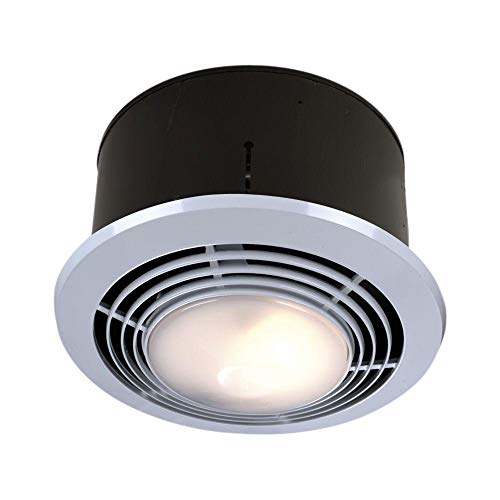
Best ceiling exhaust bath fan with light and heater 2026

Best Bathroom Ceiling Fan Timer Switch Reviews 2026

Best Outdoor Ceiling Fan for Beach House: Top Picks 2026

Best Ceiling Fans For Master Bedroom 2026 With Quiet Comfort
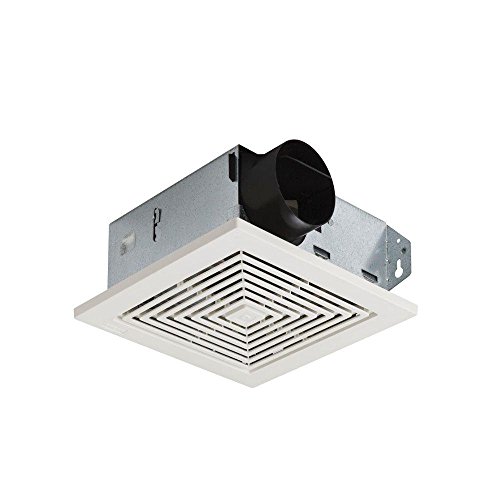
Best Quiet Ceiling Fans for 7 x 10 Bathrooms 2026 Top Picks