Best indoor grow light for bonsai 2026 bright picks

Best indoor grow light for bonsai choices matter because a small tree can look fine for weeks while quietly stretching, thinning, or dropping leaves. Sunlight through a window often feels stronger than it really is, especially during cloudy spells, short winter days, or in apartments with deep overhangs. A good bonsai grow light fills that gap with steady brightness, so the tree doesn't spend every season fighting for enough energy. Still, more light isn't always better, and a harsh setup can dry shallow pots faster than expected.
Full-spectrum LED grow lights usually make the most sense indoors because they balance usable plant light with lower heat and simpler daily care. Bonsai pots don't hold much soil, so heat from old-style bulbs can turn a normal watering rhythm into a guessing game. A compact LED panel, clip light, or bar light can support leaf density without baking the top layer of soil. The trick is matching light strength, distance, and timer settings to the tree instead of blasting everything from a few inches away.
Indoor bonsai lighting gets tricky because different trees respond differently under the same lamp. Ficus, jade, and schefflera usually tolerate indoor setups better than juniper or pine, which often sulk indoors even under bright artificial light. That doesn't mean a lamp fixes every problem. It simply gives the tree a steadier shot, especially when natural light is weak, uneven, or blocked by curtains, screens, and nearby buildings.
A reliable grow light timer can be just as useful as the lamp itself. Bonsai care gets messy when light hours change randomly, and plants don't love guessing along with a busy schedule. A 10 to 14 hour daily cycle often feels more realistic indoors than leaving a lamp on all night. Also, a timer helps prevent the classic mistake of giving a tree too little light during the week, then trying to make up for it with one long blast.
Expect a few tradeoffs. Brighter lights may need more space, more careful placement, and closer attention to watering. Smaller clip-on lights look tidy on a desk, but they may only cover one compact tree well. For a shelf with several pots, a wider LED grow light panel usually spreads light more evenly and avoids that annoying lean toward one bright spot.

- LFR Score9.2
LFR Score is a ranking system developed by lightfansreviews.com. LFR Score has no relationship or impact from any manufacturers or sales agent websites. Learn more
- BrandFECiDA
- LFR Score9.0
LFR Score is a ranking system developed by lightfansreviews.com. LFR Score has no relationship or impact from any manufacturers or sales agent websites. Learn more
- BrandGooingTop

- LFR Score9.0
LFR Score is a ranking system developed by lightfansreviews.com. LFR Score has no relationship or impact from any manufacturers or sales agent websites. Learn more
- BrandAokrean

- LFR Score9.0
LFR Score is a ranking system developed by lightfansreviews.com. LFR Score has no relationship or impact from any manufacturers or sales agent websites. Learn more
- BrandJINHONGTO

- LFR Score9.0
LFR Score is a ranking system developed by lightfansreviews.com. LFR Score has no relationship or impact from any manufacturers or sales agent websites. Learn more
- BrandAokrean

- LFR Score8.8
LFR Score is a ranking system developed by lightfansreviews.com. LFR Score has no relationship or impact from any manufacturers or sales agent websites. Learn more
- BrandLORDEM
- LFR Score8.8
LFR Score is a ranking system developed by lightfansreviews.com. LFR Score has no relationship or impact from any manufacturers or sales agent websites. Learn more
- BrandJuhefa

- LFR Score8.6
LFR Score is a ranking system developed by lightfansreviews.com. LFR Score has no relationship or impact from any manufacturers or sales agent websites. Learn more
- BrandGYTF

- LFR Score8.6
LFR Score is a ranking system developed by lightfansreviews.com. LFR Score has no relationship or impact from any manufacturers or sales agent websites. Learn more
- Brandyadoker
Last update on 2026-06-15 / Affiliate links / Images, Product Titles, and Product Highlights from Amazon Product Advertising API
FECiDA UV-IR Full Spectrum Desk Grow Light
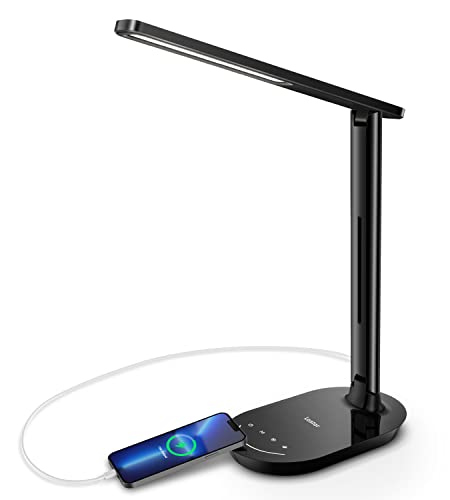
Plenty of bonsai owners know the feeling. You rotate the pot, shift it closer to the window, and hope those thinning leaves perk up before the next pruning session. The best indoor grow light for bonsai often ends up being less about fancy extras and more about consistency. FECiDA's tabletop setup leans into that practical reality with a compact footprint, adjustable height, and a spectrum designed to mimic the daylight many indoor spaces simply can't provide year-round.
Compact Design With Practical Bonsai Appeal
Desk-friendly proportions immediately stand out with this model. Bonsai collections frequently occupy shelves, side tables, or narrow corners where larger panel lights feel excessive. The stable base allows the lamp to sit securely without clamps or complicated mounting hardware, which removes one common frustration from indoor growing setups.
The 16-inch to 24-inch adjustable stand turns out to be more useful than it first appears. Bonsai trees aren't static decorations. Seasonal pruning, repotting cycles, and changing canopy density all influence ideal light placement. Raising or lowering the lamp becomes part of routine maintenance rather than an annoying workaround.
Smaller species such as ficus bonsai, jade bonsai, and Hawaiian umbrella trees often adapt comfortably to this type of arrangement. The design won't dominate a living space visually, which matters if plant care shares territory with home offices, bedrooms, or reading nooks.
There is a tradeoff worth mentioning. Larger bonsai with broad canopies may outgrow the lamp's concentrated coverage area. In those cases, light distribution becomes less even around the outer foliage, requiring occasional rotation to maintain balanced growth.
Full Spectrum Performance Beyond Basic White Light
Full spectrum lighting forms the backbone of this lamp's appeal. The combination of 3000K and 5000K LEDs creates a visual appearance closer to natural daylight rather than the harsh purple glow associated with older grow light designs. Living with the lamp feels easier because the room still resembles a normal room.
The inclusion of 660nm red LEDs targets plant processes linked with flowering and vigorous development. Bonsai enthusiasts working with flowering varieties may appreciate the support these wavelengths can offer within a controlled indoor environment. The emphasis isn't magic. It's simply a more complete spectrum designed around plant needs.
UV and IR components often attract attention because they aren't universally present in entry-level grow lights. According to the product specifications, the 395nm UV diodes are intended to encourage healthier growth responses, while infrared wavelengths contribute during bloom phases. Indoor gardeners experimenting with different species may enjoy having these supplemental bands integrated rather than purchasing separate lighting systems.
Still, realistic expectations matter. Junipers, pines, and other outdoor-dependent bonsai species generally thrive best outside despite advanced lighting setups. A sophisticated spectrum supports indoor conditions but doesn't completely replace seasonal environmental cues.
Power Consumption And Everyday Efficiency
Specifications describe this as a 200W equivalent grow light while drawing approximately 25 watts from household electricity. That distinction deserves attention because numbers can be confusing. Actual consumption remains modest, helping maintain reasonable energy use during daily operation.
Bonsai care rewards routine, and routine becomes easier when running costs don't trigger second thoughts. Leaving a light active for scheduled periods feels manageable when it isn't acting like a miniature space heater. Reduced energy draw also minimizes unnecessary heat buildup around shallow bonsai containers.
204 LED chips distribute illumination across the fixture to create respectable brightness for compact indoor growing situations. The setup appears particularly suitable for seedlings, tropical bonsai species, cuttings, and smaller houseplants sharing the same display area.
Intensity has limitations, though. Those maintaining extensive bonsai benches with numerous mature specimens may require larger fixtures or multiple units to achieve broader coverage. This lamp seems designed for focused application rather than greenhouse-scale ambitions.
Daily Use Features That Reduce Friction
The straightforward on/off switch deserves credit precisely because it isn't flashy. Complicated digital interfaces sometimes introduce frustration where simplicity would suffice. Turning the lamp on becomes instinctive, especially for growers already using separate outlet timers.
Daisy chain functionality provides flexibility for expanding indoor collections. Up to four compatible units can connect while relying on a single outlet. Apartment dwellers and hobbyists working with limited wall access may appreciate avoiding a tangled mess of extension cords.
That expansion potential feels particularly practical during propagation seasons. One shelf might hold tropical bonsai recovering after pruning, while another supports cuttings or seedlings requiring similar conditions. Matching fixtures across spaces creates visual consistency and simplifies setup management.
Interestingly, people who spend long stretches examining wiring, pruning details, or intricate plant structure often appreciate specialized lighting elsewhere around the home. A separate reference discussing enhanced visibility appears in LED magnifying floor lamp solutions, illustrating how thoughtful illumination extends beyond plant care into other precision-focused routines.
Strengths, Limitations, And Overall Experience
Ease of setup remains one of this product's strongest qualities. The stable base eliminates drilling or clamps, height adjustments take seconds, and the spectrum avoids the nightclub aesthetic that some grow lights impose on living spaces. Those practical benefits shape daily satisfaction more than flashy marketing language ever could.
Versatility also deserves recognition. Seed starting trays, compact tropical bonsai, orchids, and small foliage plants can all share this type of lighting environment. The lamp transitions comfortably between different indoor gardening phases without demanding constant modifications.
Limitations revolve mostly around scale. Mature bonsai with expansive branching structures may challenge the fixture's concentrated footprint. Gardeners expecting one small desk lamp to illuminate an entire plant room could encounter disappointment, not because the product underperforms, but because expectations exceed its intended purpose.
Viewed through the lens of the best indoor grow light for bonsai, FECiDA presents a balanced proposition. It combines adjustable positioning, a thoughtfully varied spectrum, modest energy demands, and expansion capability into a format that respects both plant health and everyday living spaces. The result feels practical, measured, and refreshingly grounded in how many indoor bonsai collections actually function.
GooingTop LED Grow Light With Timer
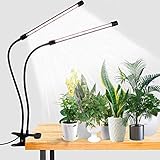
Windows have a funny way of creating false confidence. A bonsai sitting beside bright morning light may still struggle through winter afternoons or gloomy stretches of rain. The search for the best indoor grow light for bonsai often starts after subtle warning signs appear, including elongated growth, fading foliage, and uneven branching. GooingTop approaches those everyday frustrations with a compact clip-on design that prioritizes convenience without demanding a complete rearrangement of the room.
Small Footprint With Flexible Positioning
Space-saving design defines much of the GooingTop experience. Bonsai enthusiasts frequently work with crowded desks, bookshelves, and plant stands where larger lighting panels feel excessive. The sturdy clamp secures firmly to furniture edges, allowing the lamp to integrate into existing spaces without introducing bulky hardware.
The flexible gooseneck earns attention because bonsai canopies rarely grow into perfect circles. Some trees lean naturally after years of styling, while others develop denser foliage on one side. Adjusting the lighting angle becomes a quick task instead of a daily annoyance.
Compact tropical bonsai species such as ficus, dwarf jade, and Fukien tea often benefit from this targeted approach. Rather than flooding an entire shelf with unnecessary brightness, the fixture directs illumination precisely where it's needed most.
Coverage limitations deserve honesty. A mature bonsai with a broad canopy may require occasional rotation to maintain even growth. The focused beam excels with individual specimens but becomes less practical for extensive collections.
Balanced Spectrum That Fits Into Daily Life
6000K full spectrum lighting gives this lamp a noticeably different character from older purple-heavy grow lights. The combination of 74 white LEDs and 10 red LEDs produces illumination that resembles midday sunlight while remaining comfortable enough for shared living spaces.
The manufacturer's stated color rendering index of 95 contributes to a softer appearance. Leaves retain their natural tones rather than taking on unnatural shades that can distort the enjoyment of bonsai appreciation. A light fixture that's easier on the eyes tends to blend more naturally into home environments.
Flicker-free output adds another layer of practicality. Home offices and reading corners often double as plant stations, and harsh lighting quickly becomes tiresome. GooingTop appears mindful of that overlap, offering illumination that serves plants without overwhelming the people sharing the room.
Realistic expectations still apply. Full-spectrum lighting supports indoor maintenance, but it won't replicate every environmental cue outdoor species rely upon. Junipers and pines, for instance, generally continue to favor genuine outdoor conditions despite supplemental lighting.
Timer Functions That Encourage Consistency
Routine remains one of the trickiest aspects of indoor bonsai care. Busy schedules, unexpected errands, and simple forgetfulness can disrupt lighting patterns before anyone notices. The built-in 24-hour memory timer directly addresses that challenge.
Three preset schedules, including 4-hour, 8-hour, and 12-hour cycles, allow growers to establish repeatable routines without daily intervention. Once power remains connected, the lamp automatically follows the selected rhythm. That consistency often proves more valuable than endless customization options.
Regular exposure helps bonsai avoid the stop-and-start growth patterns associated with inconsistent care. New shoots develop under steadier conditions, while pruning schedules become easier to anticipate. Small habits, repeated reliably, often shape stronger outcomes than dramatic adjustments.
Timer flexibility also accommodates seasonal changes. Shorter durations may suit brighter months with supplemental daylight, while extended schedules can support periods when windows offer little meaningful light.
Efficiency That Respects Energy Use
Low energy consumption plays a surprisingly important role in long-term satisfaction. According to the provided specifications, this lamp draws approximately 10 watts while offering performance comparable to a traditional 50-watt halogen bulb. Lower consumption reduces hesitation around maintaining consistent schedules.
Heat management benefits from that efficiency as well. Bonsai containers hold limited soil volume, making them more vulnerable to rapid drying near hotter fixtures. Cooler-running LEDs support stable moisture conditions and reduce the likelihood of overcorrecting watering routines.
USB and AC compatibility broaden placement possibilities. The ability to power the lamp through multiple sources provides flexibility in home offices, kitchen counters, and plant shelves where outlet access isn't always ideal.
Performance tradeoffs accompany modest power draw. Those maintaining demanding light-loving specimens under exclusively artificial conditions may eventually seek stronger fixtures. GooingTop favors efficiency and convenience rather than maximum output.
Everyday Experience And Honest Limitations
User-friendly setup becomes evident almost immediately. Clamping the fixture into place takes moments, adjusting the neck requires minimal effort, and timer settings remain straightforward. Indoor gardening already asks for enough patience. Equipment shouldn't add unnecessary friction.
Smaller bonsai collections stand to gain the most from this design philosophy. One carefully positioned lamp can support a prized specimen without transforming the room into a dedicated grow area. The balance between functionality and subtlety feels intentional.
Thoughtful lighting often improves other areas of daily life as well. Discussions around comfortable illumination frequently extend beyond plant care, and broader perspectives appear in bedroom ceiling lighting considerations where atmosphere and practicality intersect in different ways.
Warranty support rounds out the ownership experience through the stated 365-day coverage and customer service availability. While warranties don't guarantee perfection, they can provide reassurance for those hesitant about introducing another device into their indoor gardening routine.
Viewed through the lens of the best indoor grow light for bonsai, GooingTop delivers a measured combination of convenience, targeted illumination, timer reliability, and adaptable placement. It doesn't attempt to be everything for everyone. Instead, it focuses on solving the small frustrations that quietly shape everyday bonsai care.
Aokrean 2-Pack Halo Grow Light
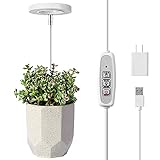
A bonsai can look calm on the outside while quietly protesting a bad indoor setup. Leaves thin out, fresh shoots stretch toward the nearest window, and the pot somehow dries unevenly even though the room feels mild. That’s where the best indoor grow light for bonsai becomes more than a nice extra. Aokrean’s 2-pack halo design aims at small-space plant care with adjustable height, multiple light modes, and a softer decorative look that doesn’t make a shelf feel like a lab bench.
Aokrean 2-Pack Halo Grow Light
The two-light package gives this Aokrean set a different rhythm from single-lamp grow lights. Instead of forcing one bonsai to hog all the attention, the setup can support two small pots or provide more even coverage around a wider display. That matters for compact indoor collections where plants are often squeezed onto window ledges, side tables, and narrow plant stands. A pair of matching lights also keeps the setup visually tidy, which is no small thing in a living room.
The halo-style head brings a cleaner look than many clip lamps and gooseneck fixtures. It sits above the plant like a small ring of artificial daylight, giving the arrangement a more intentional appearance. For bonsai, that can be especially appealing because the tree itself is part plant care, part display. The lamp doesn’t steal the scene, but it still gives the foliage a focused light source.
The product note about stability deserves real attention. The stand needs pressure from the flower pot to stay properly stable, which means placement matters right from the start. That’s not necessarily a dealbreaker, but it does make the lamp better suited to pots with enough weight to hold the base down. Very tiny bonsai pots may need extra thought before everything feels secure.
The two installation methods help offset that limitation. The light can be inserted into soil or used with the stand, giving more flexibility across different containers. Soil insertion may suit deeper planters, while the base option can work for decorative pots where pushing a stake into the soil would disturb roots or moss. Bonsai roots can be shallow and fussy, so having both routes available is genuinely useful.
Lighting Modes For Changing Plant Needs
Three spectrum choices make this Aokrean lamp more adaptable than a basic on-and-off grow bulb. The available modes include white light, warm white with red, and mixed lighting. That gives room to adjust the atmosphere as well as the plant support. Some days, a harsh grow light just feels like too much in a bedroom or office, so the softer mode choices are welcome.
The white light mode fits daytime use well because it blends more naturally with normal room lighting. Bonsai placed on desks, kitchen counters, or bookshelves don’t need to glow purple to receive supplemental light. A more natural look also makes it easier to inspect leaf color, branch structure, and soil surface without weird color distortion. That sounds small until you’re trying to spot yellowing leaves early.
The warm white and red mode adds a different layer for growth support. Red wavelengths are commonly used in plant lighting because they can support growth phases tied to development and flowering. For flowering bonsai varieties, that added spectrum may feel more useful than plain white illumination alone. Still, this lamp shouldn’t be treated as a cure-all for outdoor trees that simply don’t enjoy indoor life.
The mixed lighting mode feels like the most practical everyday setting for many indoor setups. It combines the available spectrum options without forcing constant fiddling. Bonsai care already includes watering judgment, pruning timing, humidity awareness, and seasonal adjustment. A balanced light mode helps reduce one more moving part in the routine.
Brightness Control And Height Adjustment
Ten brightness levels give this lamp a nice bit of breathing room. Not every bonsai wants the same intensity, and not every shelf sits the same distance from the light. A newly repotted tree may need a gentler approach, while a healthy tropical bonsai in active growth may appreciate stronger illumination. The ability to step brightness up or down helps avoid the all-or-nothing problem common with cheaper plant lights.
The telescoping pole adds another layer of control. Height adjustments let the lamp follow the tree as it grows, gets pruned, or moves into a different pot. That matters because bonsai height changes less dramatically than houseplants, but canopy density shifts a lot after trimming. Being able to fine-tune the lamp position keeps the light from sitting awkwardly too close or too far away.
The product description notes that the pipe can rotate, and the height can reach up to 26 inches in certain positioning. That extra reach can help cover taller plant arrangements or nearby companion pots. For bonsai shelves with mixed plant sizes, this flexibility keeps the setup from feeling locked into one narrow use. It’s handy, though still not a replacement for wide panel lighting across a large bench.
Light intensity should be treated with patience. Cranking the lamp up immediately may dry the soil surface faster, especially in shallow bonsai containers. A gradual adjustment gives the tree time to respond while leaving room to watch leaf texture, internode spacing, and watering rhythm. In some patio setups, moisture control becomes a separate challenge entirely, and a related outdoor comfort reference appears in outdoor misting fan for patio setups.
Timer Settings That Help Build Routine
The cycle timer is one of the more useful everyday features on this Aokrean set. It offers 3-hour, 9-hour, and 12-hour timing modes, then repeats the pattern daily when power remains connected. That helps smooth out the “oops, I forgot the light again” problem that happens far too easily during busy weeks. Bonsai doesn’t need chaos, and timers quietly remove a chunk of it.
The 3-hour setting may work as a short boost in rooms that already receive decent daylight. It can supplement morning or afternoon light without overdoing it. That kind of setup suits windows that are bright for part of the day but fade quickly once the sun shifts. Short cycles can also help with plants adjusting after repotting or relocation.
The 9-hour and 12-hour settings make more sense for darker rooms, cloudy seasons, or shelves positioned away from windows. Tropical bonsai often appreciate a steadier routine, especially during winter when natural light drops off hard. Consistency matters more than dramatic bursts of brightness. A steady lamp schedule encourages more predictable care habits around watering and pruning.
The timer is practical, but it isn’t endlessly customizable. Some growers may prefer a separate smart plug for more exact schedules. Still, the built-in options cover common indoor plant routines without demanding another device. Simple wins, especially when the whole point is keeping bonsai care manageable.
Where This Light Fits And Where It Struggles
Small bonsai and compact houseplants are the clearest fit for this Aokrean light. The halo shape works nicely over modest pots, and the decorative design blends into home spaces better than many utilitarian fixtures. It’s especially appealing for shelves where plant care and room style have to share the same square foot. Not everyone wants a big panel light hanging over a tiny tree.
The 2-pack format also makes sense for staggered plant placement. One light can sit over a ficus bonsai while the second supports a small jade, cutting, or herb pot nearby. That kind of flexible setup feels more realistic than expecting one lamp to handle everything. Indoor growing often happens in little pockets around the home, not in one perfectly organized plant zone.
The biggest weakness is stability with very small pots. Since the base needs pot pressure, lightweight containers may wobble or feel less secure. Bonsai pots can be shallow, wide, and carefully arranged with top dressing, so not every setup will welcome a base tucked under the pot. The soil-stake method may help, but it also depends on container depth and root sensitivity.
Another limitation is coverage width. The halo head can serve a single plant beautifully, but a large bonsai canopy or crowded shelf may need more light from multiple angles. Rotation can reduce uneven growth, yet it adds another task to the weekly routine. That tradeoff is fair for a compact lamp, but it should be clear before expectations run wild.
Everyday Care Experience With Bonsai
Indoor bonsai care lives in the details. A light like this helps most when it becomes part of a steady routine rather than a dramatic rescue attempt. Place it at a sensible height, choose a moderate brightness, and watch how the tree responds over a couple of weeks. Leaves, soil drying speed, and new shoot spacing will usually tell the story.
The Aokrean design feels particularly suited to people who like their plant setups neat. The halo profile has a softer decorative presence, and the adjustable pole keeps the lamp from looking improvised. That matters when bonsai sits in a bedroom, office, or entryway where visual clutter gets old fast. A plant light that doesn’t annoy the room has a better chance of being used consistently.
Beginner mistakes still need attention. More light can increase water demand, but that doesn’t mean watering should happen on autopilot. Bonsai soil, pot size, humidity, and species all affect how quickly moisture disappears. The lamp supports healthier conditions, but the grower still has to read the pot, not just the calendar.
As a candidate for the best indoor grow light for bonsai, Aokrean’s 2-pack setup offers a friendly blend of style, adjustability, spectrum choice, and automated timing. It’s not the strongest fixture for big collections or demanding outdoor species kept indoors against their nature. For compact tropical bonsai, small decorative pots, and realistic home setups, though, it brings enough thoughtful control to make daily care feel less like guesswork.
JINHONGTO Full Spectrum Desk Grow Light
A bonsai on a desk can fool you for a while. The leaves still look green, the trunk still has character, and the pot still feels like part of the room, but slow stretching and weak new growth can creep in before anyone notices. The best indoor grow light for bonsai has to solve that quiet problem without turning the whole corner into a grow tent. JINHONGTO takes a straightforward tabletop route with UV-IR full spectrum lighting, adjustable height, and enough focused brightness for small indoor plant setups that need steadier light than a window can give.
JINHONGTO Full Spectrum Desk Grow Light
The tabletop design gives this grow light a practical edge for bonsai displays kept on desks, shelves, and side tables. It doesn’t ask for ceiling hooks, wall brackets, or a clamp point on furniture. That alone makes it easier to place near a favorite tree without rearranging half the room. For small indoor gardening spaces, that kind of simplicity matters more than it sounds.
The stable base and stand help the lamp feel more like a dedicated plant-care tool than a temporary workaround. Bonsai pots can be shallow, wide, and awkward around accessories, so a freestanding lamp avoids poking stakes into soil or disturbing top dressing. Moss, gravel, and exposed roots stay where they belong. Nice.
The adjustable height range from 16 inches to 24 inches gives enough room to work with compact trees, seedlings, and shorter houseplants. A freshly pruned bonsai may sit lower under the canopy, while a fuller tree might need the lamp raised to avoid crowding the leaves. That little bit of movement helps keep light placement intentional instead of guessed.
Coverage still has its limits. A large bonsai with a wide canopy may need rotation or a second light to avoid uneven growth. This lamp fits best over one focused growing area rather than a whole shelf packed with plants shoulder to shoulder.
Full Spectrum Light With UV And IR
The full spectrum LED mix includes 3000K, 5000K, 660nm red, UV, and IR diodes according to the provided product details. That combination gives the lamp a broader plant-focused range than a plain white desk bulb. The 3000K and 5000K LEDs help create a balance of warmer and cooler light. The result should look closer to natural sunlight than the harsh purple glow many people dislike indoors.
The 660nm red light is especially relevant for plant development and flowering phases. Flowering bonsai varieties may benefit from that added red portion when natural daylight is weak or inconsistent. It’s not a promise of dramatic blooms, and it shouldn’t be treated like one. Still, having that wavelength built into the lamp gives the setup more plant-care purpose than a basic household bulb.
The listed 395nm UV light adds another layer for growers who want more than soft white illumination. UV in small, controlled amounts is often included in grow lights to support sturdier plant responses, though indoor bonsai still needs careful observation. Too much intensity too close to tender leaves can cause stress. Distance, brightness, and daily duration still matter.
The IR component is described as useful during bloom, which may appeal to anyone keeping flowering indoor plants alongside bonsai. For bonsai specifically, the real advantage is the broader spectrum and steadier light exposure. Tropical species like ficus or dwarf jade usually make more sense under this kind of indoor lamp than outdoor trees that crave seasonal weather.
Brightness And Energy Use In Real Rooms
The product description lists 2000 lumen brightness, which gives this lamp a stronger feel than many tiny decorative grow lights. That matters because bonsai foliage can become thin and leggy when the light source is too weak or too far away. Brightness gives the tree a better shot at compact growth. The key is using it thoughtfully, not blasting the canopy without watching the plant’s response.
The lamp is also described as a 200W incandescent equivalent while consuming only 25 watts of household electricity. That difference is useful in daily life because bonsai lighting works best on a repeated schedule. A lamp that draws modest power is easier to run consistently without feeling wasteful. Steady care usually beats dramatic rescue efforts.
Lower power consumption also helps reduce heat concerns around shallow bonsai pots. Small containers dry faster than standard houseplant pots, especially under direct light. Less heat from the fixture means watering decisions can stay tied to soil condition rather than panic. That’s a big deal when one overwatering mistake can sour the root zone.
Brightness does come with responsibility. A compact tree placed too close may show leaf curl, dry edges, or faster surface drying. Starting with a moderate distance, then adjusting based on new growth, gives better results than chasing instant improvement. Bonsai care has a long memory, and rushed changes rarely play nice.
Daisy Chain Setup For Growing Collections
The daisy chain function gives JINHONGTO more flexibility than a single isolated lamp. The design includes an input plug and output outlet, allowing up to four units to connect together from one power source according to the provided details. That can clean up a plant shelf quickly. Fewer cords snaking around pots means fewer little annoyances during watering day.
This feature makes sense for anyone managing several small bonsai or mixed indoor plants in one zone. One lamp might support a ficus bonsai, while another covers seedlings or a recovering houseplant nearby. Matching lights also make the setup look less patched together. A tidy growing area is easier to maintain because nothing feels like clutter fighting back.
Expansion potential is useful during seasonal shifts too. Winter windows can become unreliable, while summer light may only need a lighter supplement. Adding lamps gradually lets the setup grow with the collection instead of forcing a huge lighting upgrade all at once. That feels more natural for home plant care.
The limitation is simple. Daisy chaining helps with cord management, not light spread from a single fixture. Each tree still needs proper placement under its own lamp area. In some rooms, light color affects comfort as much as brightness, and a related household lighting reference appears in bathroom bulb color considerations where tone and visibility matter in a different setting.
Everyday Bonsai Care Experience
Ease of positioning is probably the strongest everyday benefit here. The adjustable stand lets the lamp follow plant changes after pruning, wiring, or repotting. A bonsai doesn’t always need more light forever in the same position. It needs light that matches its current shape and health.
The lamp’s natural-looking spectrum also helps with visual care checks. Leaf color, pest marks, yellowing, and soil dryness are easier to judge under light that doesn’t distort everything into strange tones. That’s practical, especially for small trees where tiny changes matter. A grow light should support observation, not make it harder.
Seed starting and seedlings are also part of the stated use case, which gives the product extra value beyond bonsai alone. Cuttings, young plants, and small vegetable starts can share the same light during early growth stages. For homes where plant care shifts with the season, that flexibility keeps the lamp from sitting unused. It becomes a small workhorse rather than a single-purpose gadget.
Still, this isn’t a miracle fix for every struggling tree. Poor soil, bad watering habits, low humidity, and outdoor species kept indoors can still cause problems even under a strong lamp. The JINHONGTO light supports better indoor conditions, but it won’t replace basic bonsai judgment. Used with patience, though, it brings steady brightness to the exact place indoor bonsai often needs it most.
Strengths, Tradeoffs, And Best-Fit Situations
Compact indoor setups are where this lamp makes the most sense. A single bonsai on a desk, a few seedlings beside it, or a small plant corner can benefit from the focused tabletop form. The height adjustment keeps things flexible without adding complicated hardware. It feels approachable, which helps the routine stick.
The UV-IR full spectrum build separates it from simpler desk lamps that only provide white light. That broader wavelength mix gives plant care more depth, particularly for growers balancing foliage health, flowering support, and indoor aesthetics. The light looks fairly natural based on the description, so it can live in a room without shouting for attention. That balance is worth appreciating.
The main weakness is coverage scale. Large bonsai, deep shelves, and multi-plant displays may require additional units or more careful rotation. A tabletop fixture can only cover so much area before edge growth starts chasing light. That’s not a flaw so much as a reminder to match the tool to the space.
As a candidate for the best indoor grow light for bonsai, JINHONGTO feels practical, focused, and pleasantly no-nonsense. It offers strong listed brightness, modest energy use, adjustable placement, and daisy chain expansion in a form that suits everyday indoor plant care. For compact bonsai kept away from reliable sun, it gives the routine more structure without making the room feel overbuilt.
Aokrean 3-Pack Halo Grow Light
A bonsai shelf can turn messy fast once the light starts coming from the wrong direction. One tree leans, another drops inner leaves, and the smallest pot somehow gets shaded by everything around it. The best indoor grow light for bonsai needs to handle those small, annoying problems without making the setup look like a garage project. Aokrean’s 3-pack halo grow light leans into flexible placement, soft-looking plant lighting, and practical timing for compact indoor trees that need steadier support than a nearby window can give.
Aokrean 3-Pack Halo Grow Light
The 3-pack format changes the usefulness of this Aokrean set right away. A single halo light can support one small bonsai, but three lamps open up better spacing across shelves, counters, or clustered pots. That matters because bonsai collections rarely sit in perfect symmetry. One ficus may need light from above, while a jade bonsai beside it may need a slightly different height.
The halo-style design has a softer presence than many clip lamps and bar lights. It frames the plant from above instead of throwing a harsh beam from one side. For bonsai, that’s helpful because the tree is often part of the room’s display, not just another pot hidden in a growing corner. The lamp supports the look rather than fighting it.
The product detail says the stand needs to be pressed down by the flower pot for stability. That stability requirement is worth taking seriously with bonsai because many pots are shallow and lighter than they look. A heavier ceramic pot should help the base sit more securely, while a tiny training pot may feel less cooperative. Placement should be planned before the lamp becomes part of the daily routine.
The two installation methods give the setup some breathing room. The light can be inserted into soil or used with the base, depending on the planter and the plant’s root situation. For bonsai with moss, top dressing, or exposed roots, the base installation may be less disruptive. For deeper planters or companion plants, soil insertion may feel simpler and cleaner.
Three Spectrums For Different Indoor Setups
Three lighting modes make this lamp more adaptable than a plain white plant light. The available choices include white light, warm white with red, and mixed lighting. That flexibility matters in real rooms where plant care shares space with reading, working, cooking, or simply trying to relax. Nobody wants a plant shelf that makes the whole corner feel strange at night.
The white light mode works nicely for everyday viewing. Bonsai care involves watching tiny changes, including leaf color, surface dryness, new buds, and branch direction. A more natural-looking light makes those details easier to notice without the odd color cast of heavy red or purple lighting. Small signs are easier to catch before they become bigger problems.
The warm white and red mode adds a plant-focused layer without turning the room into a glowing grow tent. Red light is commonly used in plant lighting to support growth responses, especially where flowering or active development is involved. For bonsai kept indoors, that added spectrum can be useful during periods of weak daylight. Still, it won’t make an outdoor species suddenly love indoor life.
The mixed lighting mode feels like the most convenient all-around setting for many indoor bonsai situations. It combines the available spectrum choices into a balanced routine, which helps reduce constant button fiddling. That’s a relief because bonsai care already asks for attention in other places. Watering, pruning, humidity, and seasonal shifts all want their turn.
Brightness Control That Helps Avoid Overdoing It
Ten brightness levels give this Aokrean set a practical advantage. Bonsai doesn’t always respond well to sudden changes, especially after repotting, pruning, or moving from a brighter window to a darker shelf. Starting lower and stepping up gradually feels safer than blasting the foliage right away. Slow adjustments often tell a clearer story.
Shallow bonsai pots can dry quickly under direct light. The brightness adjustment helps keep the lamp useful without forcing a watering scramble every afternoon. A ficus with dense leaves may tolerate a stronger setting, while a smaller cutting or recently styled tree may appreciate gentler light. The point is control, not maximum output every hour.
The adjustable pole also matters. The product description notes that the grow light can telescope up and down, with the pipe rotating 90 degrees and height reaching up to 26 inches in certain positioning. That extra range helps when a bonsai canopy sits higher than expected or when nearby companion pots need shared coverage. Height control is boring until you need it, then it’s everything.
Coverage still has a ceiling, though. A halo light is naturally better over compact pots than wide benches. The 3-pack setup helps solve that by spreading lights across different plants, but each lamp still has a focused zone. Large bonsai or crowded shelves may need careful spacing and occasional rotation.
Timer Settings For A Steadier Routine
The built-in cycle timer is one of the most practical pieces of this setup. Aokrean includes 3-hour, 9-hour, and 12-hour timer modes that can automatically repeat when the power remains connected. That takes some pressure off daily memory. Bonsai care already has enough little tasks waiting in line.
The 3-hour timer can work as a light boost in rooms that already receive decent daylight. A bright window may still fade hard by late afternoon, especially during colder seasons or cloudy stretches. A short timed session can help fill that gap without overwhelming the plant. It also keeps the room from being lit all day for no reason.
The 9-hour and 12-hour timer modes make more sense for darker shelves, winter routines, or plants kept farther from windows. Tropical bonsai varieties often benefit from consistent supplemental light indoors. A predictable schedule can help reduce stretched growth and uneven foliage development. It also makes watering patterns easier to read over time.
The timer is useful, but not deeply customizable. Some plant keepers may still prefer a separate smart plug for exact start times or seasonal programming. Even so, the built-in options cover the basic rhythms that many indoor plant corners need. Simple tools get used more often, and that counts.
Home-Friendly Design With A Few Tradeoffs
Decorative appearance is a bigger deal than it sounds. A grow light that looks awkward often gets moved, unplugged, or hidden away, which defeats the purpose. This Aokrean halo light has a cleaner, more intentional style than many utility lamps. It can sit near bookshelves, side tables, and floor planters without shouting for attention.
The included detail mentions use in locations such as hanging areas and floor planters. For bonsai, the best fit still seems to be small indoor displays where the pot can help stabilize the base. A compact shelf with several trees could benefit from having three separate light points. That setup feels more natural than forcing one strong light to cover everything unevenly.
The biggest drawback is the pot-weight dependency. Bonsai pots vary wildly, and a lightweight container may not press the base down firmly enough. Soil insertion could help in some cases, but shallow root systems and decorative top layers may make that awkward. This is a product where the container matters almost as much as the lamp.
Lighting also affects the mood of a room, especially around shelves where plants and decor share the same space. A related home-lighting reference can sit naturally beside this topic in LED lights for bookshelves, since both setups deal with visibility, placement, and the balance between function and atmosphere.
Practical Bonsai Care Impressions
Everyday usability is where this Aokrean set feels most convincing. Three lights allow separate placement, the timer reduces manual fuss, and the spectrum choices help the lamp blend into different rooms. It doesn’t feel like equipment meant only for a grow tent. It feels closer to a plant-care accessory designed for real living spaces.
For tropical bonsai, the consistent light support can help reduce the weak, stretched growth that often appears in dim corners. Ficus, dwarf jade, and similar indoor-tolerant trees are more likely to make sense under this kind of setup. Outdoor bonsai species still need more than indoor lighting to stay truly happy. That distinction saves a lot of frustration.
Beginners may appreciate the lamp’s forgiving controls, but the plant still needs observation. More brightness can mean faster drying soil, and timer routines can’t replace finger-checking moisture or reading leaf behavior. The best indoor grow light for bonsai supports better habits, but it doesn’t automate plant judgment. That’s the part nobody gets to skip.
Aokrean’s 3-pack halo grow light works best for small collections, staggered plant shelves, and compact bonsai displays that need multiple light points. Its three spectrums, 10 brightness levels, adjustable height, and recurring timer make it flexible without becoming overly technical. The base stability requirement keeps it from being universally easy, but for the right pot setup, it can make indoor bonsai care feel more organized and less like daily guesswork.

Best LED Grow Lights for Starting Seeds Indoors 2026
Best Grow Lights 1000W 2026 For Maximum Yield And Growth

Best Lights For Growing Plants 2026 That Boost Growth

Best LED Grow Light for 2x4 Tent 2026 Top Picks
Best Led Grow Lights For Herbs 2026 Top Picks

Best Coral Growing Lights 2026: Boost Reef Health Fast

Best Grow Lights For Greenhouse 2026 That Boost Plant Growth

Best Full Spectrum LED Grow Lights For Cannabis 2026 Top Picks