Best led light bulbs for home 2026: Smarter Picks

Best led light bulbs for home should make ordinary rooms easier to live in, not turn bulb shopping into a technical puzzle. A bulb can look fine on paper yet feel harsh over a kitchen counter, strangely blue beside warm wood furniture, or too dim once a lampshade absorbs part of its output. That mismatch gets old fast, especially after replacing several bulbs and realizing the room still doesn't feel right. The practical starting point is balancing brightness, color temperature, color quality, and fixture compatibility instead of chasing the biggest watt-equivalent number on the box.
Lumens tell a more useful story than watts because they describe how much visible light a bulb produces. A softer bedside lamp may need modest output, while a kitchen, laundry area, or work surface usually benefits from stronger illumination that keeps shadows from swallowing small details. Still, brighter isn't automatically better because exposed bulbs and low fixtures can create uncomfortable glare if the light source sits directly in the line of sight. So, the right amount of light depends on where the bulb sits, how the fixture spreads it, and what actually happens in that space.
Color temperature changes the mood almost immediately. Warm white light around the familiar cozy range tends to suit bedrooms, living rooms, and relaxed evening spaces, while neutral or cooler whites can make task-heavy areas feel clearer and more alert. But here's the rub: filling an open-plan home with random color temperatures often makes adjoining rooms look disconnected, even when each bulb seems acceptable on its own. Keeping nearby fixtures reasonably consistent creates a calmer visual flow and prevents one corner from looking amber while the next looks icy.
Color rendering deserves attention too, particularly in kitchens, closets, bathrooms, art corners, and rooms with richly colored finishes. Better color reproduction can make food, fabrics, skin tones, paint, and wood look more natural instead of flat or slightly off. That difference isn't flashy, but it's one of those details people notice after living with poor light for a while. Cheap bulbs that save a little at checkout can feel like a false economy if their color makes a carefully decorated room look dull.
Dimming introduces another layer, and it can be a headache if the bulb and wall control don't cooperate. A bulb labeled dimmable still needs to work properly with the installed dimmer, or flickering, buzzing, limited dimming range, and abrupt shutoff may show up. Older dimmers designed around incandescent loads can be especially fussy with LEDs. Checking compatibility before filling a chandelier or recessed-lighting circuit with new bulbs saves the aggravation of troubleshooting six lamps at once.
Enclosed fixtures also deserve a second look because LEDs produce less waste heat than incandescent bulbs but still contain electronics that dislike excessive heat buildup. A bulb approved for enclosed fixtures is the safer fit for globes, sealed ceiling lights, and other housings with limited airflow. Likewise, damp-location suitability matters in bathrooms, covered outdoor areas, and other spots where moisture is part of daily life. Small labels like these aren't glamorous, yet they're often the difference between a sensible installation and a bulb that's being asked to work outside its intended conditions.
Smart features can be useful, but they shouldn't automatically drive the purchase. App control, schedules, adjustable white tones, and voice commands make sense where lighting routines change throughout the day or where switches aren't conveniently placed. On the other hand, a straightforward LED bulb with stable output and good color may be the better call for closets, hallways, utility rooms, and fixtures that simply need to turn on without fuss. Paying for features that never leave the setup screen doesn't improve the room one bit.
Physical shape matters more than people expect, too. A standard A-shaped bulb may fit an open lamp beautifully yet sit too tall under a glass cover, while reflector bulbs are better suited to recessed cans that need more controlled direction. Decorative fixtures may call for smaller globe or candle shapes rather than forcing a bulky household bulb into a shade where it looks awkward. Measure tight fixtures first, because discovering that a bulb touches the glass after opening a multipack is a nuisance nobody needs.
The strongest approach is to treat home LED lighting room by room while keeping neighboring spaces visually connected. Prioritize comfortable brightness, consistent color, realistic color rendering, and the correct safety or fixture rating before worrying about novelty features. Then consider dimming or smart controls only where they'll genuinely improve daily routines. That method won't make every bulb idecal, and that's the point: a reading lamp, kitchen ceiling fixture, hallway sconce, and bedroom lamp don't have the same job.
- LFR Score9.6
LFR Score is a ranking system developed by lightfansreviews.com. LFR Score has no relationship or impact from any manufacturers or sales agent websites. Learn more
- BrandONLYLUX

- LFR Score9.4
LFR Score is a ranking system developed by lightfansreviews.com. LFR Score has no relationship or impact from any manufacturers or sales agent websites. Learn more
- Brandevelor

- LFR Score9.4
LFR Score is a ranking system developed by lightfansreviews.com. LFR Score has no relationship or impact from any manufacturers or sales agent websites. Learn more
- Branddalattin
- LFR Score9.4
LFR Score is a ranking system developed by lightfansreviews.com. LFR Score has no relationship or impact from any manufacturers or sales agent websites. Learn more
- BrandLEDVANCE
- LFR Score9.4
LFR Score is a ranking system developed by lightfansreviews.com. LFR Score has no relationship or impact from any manufacturers or sales agent websites. Learn more
- BrandMAXvolador
- LFR Score9.2
LFR Score is a ranking system developed by lightfansreviews.com. LFR Score has no relationship or impact from any manufacturers or sales agent websites. Learn more
- BrandAmazon Basics
- LFR Score9.0
LFR Score is a ranking system developed by lightfansreviews.com. LFR Score has no relationship or impact from any manufacturers or sales agent websites. Learn more
- BrandMAXvolador
- LFR Score8.0
LFR Score is a ranking system developed by lightfansreviews.com. LFR Score has no relationship or impact from any manufacturers or sales agent websites. Learn more
- BrandLUXRITE
Last update on 2026-08-17 / Affiliate links / Images, Product Titles, and Product Highlights from Amazon Product Advertising API
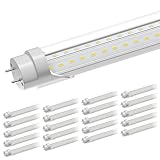
ONLYLUX T8 LED Bulbs 4 Foot Review
A dim garage or warehouse can turn simple work into a squinting contest, especially when older fluorescent tubes have lost their punch. The ONLYLUX tubes take a much more direct approach, pairing 36W power consumption with a stated 5400-lumen output and a cool 6500K daylight color. That combination puts these lights firmly on the brighter, task-oriented side of the best led light bulbs for home conversation rather than the cozy-lamp side of it. They aren't meant to soften a bedroom at night, but they make far more sense where clear visibility across a broad work area matters.
ONLYLUX T8 4FT LED Tubes
The headline specification is the stated 150 lumens per watt, which explains how a 36W tube reaches the listed 5400 lumens without relying on the higher electrical draw associated with traditional fluorescent setups. In practical terms, that kind of output suits places where weak ceiling lighting creates dark corners around shelving, workbenches, storage racks, or equipment. The 6500K color is distinctly cool and crisp, so surfaces and objects tend to appear under a daylight-like tone rather than a warm household glow. That makes brightness and visibility the real strengths here, though people who prefer softer lighting may consider the color temperature too stark for relaxed living areas.
The product description also specifies a V-shaped construction with a 270-degree luminous angle. That detail matters because conventional tube lighting can sometimes feel narrowly directed, leaving the fixture bright while nearby areas remain comparatively dull. A wider emission pattern is intended to spread illumination across more of the surrounding space, which can be useful over long benches, garage bays, warehouse aisles, or open utility rooms. The design doesn't magically eliminate every shadow, of course, since fixture height and placement still affect coverage, but the broader light angle addresses a very common weakness of tube-style lighting.
Size and format keep these tubes familiar, too. They use the common 4-foot T8 form factor and Bi-Pin G13 bases, while the supplied description identifies them as replacements for T8, T10, and T12 fluorescent tubes in compatible fixtures. That can reduce the need to rethink an entire lighting layout simply because the old fluorescent tubes are being retired. A related look at tube-style lighting configurations appears in T8 fluorescent grow lights, where fixture shape and light distribution also play a major role in how effectively a long tube covers a working area.
Brightness That Favors Work Spaces
There’s no dancing around the character of 6500K daylight: it’s bright, cool, and visually energetic. In a garage where bolts, markings, tools, or small parts need to be easy to see, that crisp tone can be more useful than a warm bulb that makes the space feel comfortable but slightly subdued. The same logic applies to storage rooms, workshops, parking areas, convenience spaces, and other places where practical visibility outranks atmosphere. Still, putting this color temperature in a dining room or beside a sofa may feel downright clinical, so room purpose matters as much as raw lumen output.
The stated 5400 lumens per tube also deserves some respect because this isn't a timid lamp intended for a decorative fixture. A 20-pack can support larger lighting projects where several long fixtures need replacement tubes, which makes the package format particularly relevant for bigger garages, commercial-style work areas, or multiple rooms using the same tube format. The flip side is obvious: buying twenty tubes for one tiny utility closet would be overkill unless replacements are being kept on hand. Quantity is therefore a strength only when the installation actually calls for it.
Heat and light distribution are closely tied to fixture design, and the aluminum construction mentioned in the supplied description fits the utilitarian personality of these tubes. The V-shaped body isn't there merely to look different; it supports the wider 270-degree light spread that distinguishes the product from more narrowly emitting tube designs. Mounted high enough, that wider pattern can help reduce the tunnel-like look that sometimes shows up with older fluorescent fixtures. Mounted poorly, though, even a broad beam can leave awkward shadows, so spacing and fixture position still deserve a little planning.
Ballast Bypass Changes The Installation
The biggest practical caveat sits right in the installation instructions: the ballast must be removed before these tubes are installed. That makes this a ballast-bypass conversion rather than a simple fluorescent-tube swap where the existing ballast stays in service. The tubes use double-ended power through G13 Bi-Pin bases, so wiring configuration matters and shouldn't be treated casually. Anyone unfamiliar with mains-voltage fixture wiring should recognize that installation complexity is a genuine tradeoff here, not a footnote.
There is a good reason ballast bypass appeals to some installations. Removing an aging ballast eliminates one component that can buzz, fail, or complicate future tube replacement, and the fixture then supplies power according to the LED tube's required configuration. But the modification changes how the fixture is wired, so the supplied installation guide becomes essential rather than optional reading. Electrical work isn't the place for guessing, especially in older fixtures where previous repairs or wiring changes may already have altered what sits behind the cover.
The product description says the tubes are intended to replace T8, T10, and T12 fluorescent bulbs, but physical compatibility alone doesn't mean every existing fixture is immediately ready for them. The ballast-removal requirement is the dividing line. Once that conversion is properly handled, the familiar four-foot size and G13 bases can make the finished fixture feel straightforward in daily use. Before conversion, though, these aren't truly plug-and-play in the everyday sense, despite the simple tube shape.
Where The ONLYLUX Tubes Make Sense
Garages and workshops are probably the easiest environments to understand because strong overhead illumination solves an obvious problem there. Fine mechanical work, sorting hardware, reading labels, painting, cleaning, or simply locating something on a deep shelf all become more frustrating when the ceiling fixtures throw weak or uneven light. The 6500K tone and broad emission pattern lean toward that practical side of lighting. It’s a work-light personality through and through, and pretending otherwise would undersell what the product is actually designed to do.
Larger spaces such as warehouses, parking areas, shops, offices, gas stations, and supermarkets also appear in the manufacturer's supplied application list. Those environments share a need for broad visibility across open areas, often from fixtures positioned well above eye level. The stated 5400-lumen output per tube makes more sense in that setting than it would inside a small bedside lamp or decorative pendant. High-output lighting can be useful at home, too, but mainly in garages, basements, workshops, utility spaces, or other rooms where seeing clearly matters more than creating a mellow mood.
That distinction is worth keeping in mind because the phrase best led light bulbs for home covers wildly different lighting jobs. A warm A19 bulb might be better beside a couch, while a long 6500K tube like this one fits a completely different problem: illuminating a broad, functional space from an existing linear fixture. The ONLYLUX design makes its priorities pretty clear with high lumen output, wide coverage, and fluorescent-fixture conversion. Those strengths are specific rather than universal, which is exactly why matching the tube to the room matters.
Practical Strengths And Tradeoffs
The most persuasive st hãy kiểm tra lại bạn đã tạo hyperlink chưa. Lưu ý yêu cầu: Create hyperlink as below rules. In addition, always add relevant CTA hyperlink or relevant hook before hyperlink to increase interaction. Structrue CTA or hooks ANCHOR_TEXT. Only 1 hyperlink in the response. I will provided you url part. "Here is list link:" Anchor text selected a 2–6 word phrase (or longer only if it reads more naturally) that still clearly represents the path topic. Rewrite full response with hyperlinkrength is the combination of brightness and coverage described in the specifications. A 270-degree luminous angle addresses the narrow spread that can make some tube fixtures feel brighter directly beneath the lamp than several feet to either side. Add the stated 5400 lumens, and the design aims squarely at rooms that need a lot of usable light rather than a decorative glow. That’s a sensible formula for high ceilings and work-heavy spaces, provided the cool daylight color suits the setting.
The main weakness is just as specific: ballast bypass installation introduces more work than a direct ballast-compatible LED replacement. Existing fluorescent fixtures need their starter and ballast removed according to the instructions, and that means the conversion may not be comfortable territory for someone expecting a simple twist-in replacement. The 6500K color is another potential limitation because it can feel too blue or severe in rooms intended for resting, eating, or winding down. Neither issue makes the tube inherently poor; both simply narrow the situations where it makes sense.
The 20-pack format carries the same sort of tradeoff. It can be convenient for a multi-fixture garage, workshop, warehouse, office, or property-wide retrofit because matching tubes can be installed across several fixtures without mixing color temperatures and outputs. For a single fixture, though, twenty tubes may be far more inventory than necessary. The ONLYLUX T8 LED tubes therefore feel most coherent as a larger-scale lighting replacement built around consistent daylight output, broad distribution, and properly converted fluorescent fixtures.
EVELOR A19 LED Bulbs 5000K Review
Soft-looking rooms can become surprisingly frustrating once the lighting starts hiding colors, leaving corners dull, or giving everyday surfaces a yellow cast. This six-pack takes the opposite route with 800 lumens, a crisp 5000K daylight tone, and a conventional A19 shape designed for E26 sockets. Within the broader search for best led light bulbs for home, the EVELOR bulbs make the most sense where steady, clear illumination matters more than warm ambience or adjustable brightness. The tradeoff is equally clear from the start: these are non-dimmable bulbs, so their straightforward approach won't suit every fixture or every evening routine.
EVELOR A19 LED Bulbs 6-Pack
The basic formula is refreshingly familiar: a 9W LED bulb intended as a 60W incandescent equivalent, producing a stated 800 lumens through an E26 medium base. That combination fits many ordinary household lamps and fixtures without asking for an unusual socket or specialty housing. The manufacturer states energy savings of up to 90 percent compared with traditional 60W incandescent bulbs, which helps explain the appeal for fixtures that stay on for long stretches. Still, energy efficiency is only part of the story because light color and placement have a much bigger effect on whether a room actually feels comfortable.
The six-pack format also hits a practical middle ground. It's enough to bring several lamps or ceiling fixtures onto the same 5000K color temperature without committing to a bulk commercial-size package. Matching bulbs across a hallway, kitchen, garage, or set of table lamps can prevent the patchwork effect caused by mixing warm, neutral, and cool whites within the same sightline. On the other hand, filling every room with 5000K may be a bit much, since a bedroom used mainly for winding down can feel harsher under daylight-white illumination than a workspace does.
Compatibility stays simple as long as the fixture accepts an A19 bulb with an E26 base and operates within the stated 110 to 130VAC range. That familiar format is a strength because many household lamps, ceiling fixtures, and utility fixtures already use it. The limitation comes from assuming every socket is automatically suitable simply because it looks similar. Checking the fixture's base type and operating requirements before installation avoids the irritating experience of opening a multipack only to realize the lamp needs a different bulb shape or base.
5000K Daylight Changes The Room
Color temperature is probably the most noticeable characteristic here. At 5000K daylight white, the light is much crisper than the warm glow commonly associated with traditional incandescent bulbs, so kitchens, bathrooms, garages, entryways, and work-focused spaces can feel visually sharper. Small objects, labels, countertop messes, and darker corners may be easier to make out under a cooler white source simply because the room doesn't carry the same amber cast. But there’s no getting around the downside: cool daylight can feel overly alert in a bedroom or laid-back living room late at night.
The stated CRI 80+ gives another clue about the bulb's intended everyday performance. Color rendering matters anywhere paint, clothing, food, furniture, or other colored objects need to look reasonably natural rather than oddly muted. An 80-plus rating doesn't position this as specialized color-critical lighting for professional visual work, but it does provide a useful baseline for general household illumination based on the specification supplied. That's an important distinction because bright light alone can't compensate for color rendering that makes everything underneath it look washed out.
There’s also a practical connection between daylight-style lighting and spaces used for close visual tasks. Plant shelves and indoor growing setups deal with a different set of lighting requirements than household rooms, so a separate reference such as lights for mushroom growing belongs in that specialized conversation rather than being treated as proof that an ordinary A19 household bulb fills the same role. That distinction keeps expectations realistic. The EVELOR bulb described here is presented as a general-purpose household LED, not as a purpose-built horticultural fixture.
Room placement can make or break the experience, too. A shaded floor lamp may soften the 5000K appearance, while an exposed bulb in a clear fixture can make the same 800-lumen output feel much more direct. Kitchens and garages can put that crispness to good use, yet a bare bulb close to eye level may feel glaring even if its lumen rating looks ordinary on paper. Fixture design, mounting height, wall colors, and lampshades all influence how that stated output actually lands in a room.
Steady Output Comes With A Dimming Tradeoff
The non-dimmable design deserves more attention than a tiny specification line because it affects daily use immediately. These bulbs are intended to deliver a consistent level of illumination rather than move between low and high brightness settings. That can be handy in stairways, hallways, entryways, closets, garages, and other areas where the light normally needs to be either on or off. Put one into a fixture where changing brightness is part of the routine, though, and the lack of dimming becomes the product's clearest weakness.
Steady illumination can actually simplify certain rooms. Nobody really needs a hallway bulb with a dozen brightness levels if the goal is simply to see the floor and doorway clearly each time the switch flips. The supplied description also states a no-flicker design, intended to maintain stable light output rather than visible pulsing. That specification pairs logically with fixed brightness because both features emphasize predictable illumination instead of adjustable effects.
The important catch is the wall control itself. A non-dimmable LED shouldn't be treated as interchangeable with a bulb specifically designed for a dimming circuit, even if both share the same A19 shape and E26 base. Matching the bulb to the fixture and control is less exciting than talking about brightness, but it can prevent nuisance behavior and unnecessary replacement. For a simple on-off fixture, the fixed-output design is straightforward; for a dimmer-controlled dining room or bedside setup, another bulb type would make more sense.
Efficiency Without Chasing Huge Wattage
Using 9 watts for a stated 800 lumens keeps this bulb focused on ordinary household brightness rather than brute-force illumination. The manufacturer positions that output as a replacement for a traditional 60W incandescent bulb while claiming up to 90 percent energy savings. That comparison gives the specification useful context without pretending a nine-watt LED behaves exactly like every incandescent fixture in every room. Shades, reflectors, ceiling height, and surrounding surfaces still determine how much useful light reaches the places that matter.
The supplied lifespan figure is 15,000-plus hours, which addresses one of the less glamorous annoyances of household lighting: replacing bulbs in fixtures that are awkward to reach. A longer rated service life can be especially welcome in ceiling fixtures, porch lights, garages, and entryways where dragging out a ladder becomes part of the replacement process. That figure is a manufacturer-provided rating rather than a promise about the exact lifespan in every installation. Heat, fixture enclosure, electrical conditions, and operating patterns can all influence real-world service life.
Efficiency also has to be judged against the light you actually want. Saving power won't feel like much of a win if 5000K daylight white makes a cozy room look more like a work area and leads to replacing the bulbs with warmer ones. In a kitchen, laundry area, bathroom, or utility space, however, that same crisp character may fit neatly with the work happening underneath it. The sensible takeaway is less about chasing the lowest watt number and more about matching light output and color to the room before considering the electrical savings.
Where The EVELOR Bulbs Fit Best
Kitchens are an easy place to understand the appeal because 800 lumens and 5000K light favor visibility over mood. Food preparation, cleanup, cabinet searches, and reading small package labels can benefit from a clear white source, particularly in fixtures that otherwise leave countertops looking dull. Bathrooms and laundry rooms share some of the same logic, where seeing stains, grooming details, or small objects can matter more than producing a warm decorative glow. The bulb's fixed brightness also suits spaces where the switch is typically used in a simple on-off fashion.
Bedrooms and living rooms are more complicated. The product description lists those spaces among its applications, and the standard A19 E26 format certainly makes physical installation plausible in many lamps used there. Yet 5000K has a noticeably cooler character than warm-white household lighting, so anyone who associates those rooms with softer evening light may consider it too crisp. A reading corner or task lamp could make better use of that clarity than a fixture intended to create a mellow atmosphere before bed.
Outdoor and semi-outdoor applications listed by the manufacturer include gardens, garages, porches, and patios, while commercial examples include offices, hotels, coffee shops, and restaurants. Those examples show the broad reach of the common E26 medium base, but fixture suitability still deserves attention rather than assuming the bulb itself determines whether an installation is appropriate. Exposure conditions, enclosure design, and the fixture's own rating matter outside the controlled environment of an indoor lamp. The product details supplied don't justify treating every outdoor socket as automatically interchangeable.
The real dividing line is fairly practical. These bulbs suit fixtures needing consistent 800-lumen illumination, a standard E26 base, and a cool daylight appearance without dimming. They make less sense where adjustable brightness, warmer evening color, or specialty lighting behavior is the priority. Within the best led light bulbs for home category, that makes EVELOR's six-pack a focused option rather than a one-bulb-fits-every-room answer.
Strengths And Limitations In Daily Use
The strongest part of the specification set is its straightforward balance of 9W power use, 800 lumens, and an E26 base. Nothing about that combination requires a complicated lighting plan for a typical compatible fixture, and the six-pack helps keep color temperature consistent across several locations. The stated no-flicker construction and CRI 80-plus rating add practical value to a bulb clearly aimed at steady general illumination. For rooms that benefit from bright daylight white, the feature set hangs together without piling on controls that may never be used.
The most obvious limitation is just as easy to identify: there is no dimming. A light that feels crisp and useful while cooking can feel overly bright later in the evening, and these bulbs don't offer a built-in way to soften that output. The 5000K tone may also divide opinions because some spaces benefit from its clean appearance while others feel more inviting under warmer light. Those aren't hidden flaws; they're simply reasons to think about the fixture's job before replacing every bulb in the house with the same model.
The rated 15,000-plus-hour lifespan and manufacturer-stated energy savings strengthen the case for frequently used fixtures, but neither specification changes the basic personality of the bulb. This is a fixed-output, daylight-white A19 lamp designed around clarity, familiar socket compatibility, and lower wattage than the incandescent bulb it is meant to replace. It won't solve specialty lighting needs, and it won't satisfy someone who expects mood control from a wall dimmer. For straightforward household illumination, though, its clear strengths and equally clear tradeoffs make the decision easier to judge room by room.
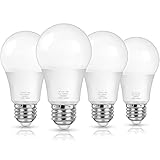
Dalattin 24-Pack A19 LED Bulbs Review
Replacing one burned-out bulb is easy; dealing with mismatched brightness and color across a whole house gets old in a hurry. Dalattin approaches that problem with a 24-pack of A19 bulbs built around the familiar E26 base, 9W power draw, and a stated 800-lumen output. Those specifications put this model squarely in the practical side of the best led light bulbs for home discussion, especially where several fixtures need the same daylight-white appearance. The catch is worth knowing upfront: these bulbs are non-dimmable, and their 5000K color is noticeably crisper than the warm glow many people expect in relaxed living spaces.
Dalattin 24-Pack A19 LED Bulbs
The basic numbers tell a fairly straightforward story. Each bulb uses 9 watts while being positioned as a 60W incandescent replacement, with a stated output of 800 lumens. Dalattin says that arrangement can reduce energy use by up to 85 percent compared with a traditional 60W incandescent bulb. For fixtures that stay on for several hours at a time, cutting the electrical load without dropping to a dim little bulb is the practical appeal rather than some flashy extra feature.
Quantity is a bigger part of this product than it might seem at first glance. A 24-bulb pack can bring several rooms, rental units, offices, or multi-bulb fixtures onto the same brightness and color temperature without piecing together different boxes later. That consistency matters because mixing warm and daylight bulbs in nearby fixtures can make walls and furniture look oddly different from one side of a room to the other. On the flip side, twenty-four bulbs are excessive for a small apartment with only a handful of replaceable fixtures, so the package makes more sense when there’s enough lighting to justify buying in bulk.
The standard A19 shape and E26 base keep installation familiar for many household fixtures. Nothing in the supplied specifications suggests a specialized socket, transformer, or unusual lamp holder, which takes some of the friction out of a larger replacement project. Still, the manufacturer's reminder about matching the base shouldn't be brushed aside, since similar-looking fixtures don't always accept the same bulb. A quick check of the socket and fixture rating beats opening several boxes and realizing the hardware isn't compatible.
5000K Daylight Brings A Crisp Look
The most noticeable characteristic isn't the wattage. It's the 5000K daylight-white color, which sits far from the amber character of traditional incandescent lighting and gives a room a cleaner, cooler appearance. Kitchens, offices, bathrooms, utility areas, and task-heavy spaces can make good use of that clarity because countertops, paperwork, shelves, and everyday objects don't sit under a pronounced yellow cast. A laid-back bedroom at 10 p.m. is another story, and that contrast is the first real tradeoff to consider.
Dalattin also lists a CRI of 80+, meaning color rendering is part of the intended design rather than brightness being the only priority. Paint colors, clothes, food, artwork, and furnishings can look less muted when the light source reproduces colors reasonably well. An 80-plus rating shouldn't be confused with specialized color-critical lighting, but it fits the needs of ordinary household and office illumination described for this product. That distinction keeps expectations sensible instead of pretending a general-purpose A19 bulb belongs in professional color-matching work.
Fixture design changes the experience more than the bulb label alone can predict. Put an 800-lumen bulb behind a frosted shade and the output can feel softer and more diffuse; expose the same source at eye level and its 5000K light can come across as much sharper. Light walls may bounce some of that brightness around, while darker finishes absorb more of it. So the stated lumen figure is useful, but where the bulb sits still decides whether the room feels pleasantly clear or a little too intense.
There’s a separate lighting issue that often gets mixed into general household bulb discussions, even though it serves a completely different purpose. Plant and fungi setups have their own environmental requirements, while smart-home indicator behavior belongs to another corner of household lighting entirely; one such reference is Alexa flashing blue light. That distinction matters because the Dalattin bulb described here is a general A19 household light, not a specialty smart indicator or programmable color source. Keeping those roles separate makes the product easier to judge on what it actually provides.
Efficiency Is A Practical Selling Point
Dalattin states that each bulb consumes 9W instead of the 60W associated with the incandescent equivalent it is intended to replace. The supplied description translates that into energy savings of up to 85 percent and an estimated annual saving of about $1.08 per bulb. Those are manufacturer-provided figures, so they make the most sense as reference points rather than guarantees for every household. Electricity prices, operating hours, and how many bulbs are regularly switched on will change the actual dollar impact.
The low wattage also comes with another practical benefit mentioned in the supplied information: cooler operation compared with conventional incandescent lighting. An LED still contains electronics and produces heat, so "cooler" shouldn't be read as heat-free. Yet reducing the amount of electrical power being turned into waste heat is useful around frequently operated lamps and fixtures. That difference can be particularly noticeable in rooms with several bulbs running together, where older incandescent lamps can add unwanted warmth.
Buying twenty-four identical bulbs makes those efficiency numbers more interesting because the electrical difference multiplies across fixtures. A kitchen ceiling fixture, hallway, office, living room lamps, and entryway can all add up to a surprising number of sockets. Replacing several 60W incandescent bulbs with 9W LEDs changes the total connected lighting load considerably based on the ratings provided. Of course, replacing bulbs that are already efficient LEDs simply for the sake of replacement wouldn't carry the same logic, so the strongest case is an actual incandescent or inefficient-bulb retrofit.
Non-Dimmable Means Simple But Less Flexible
The non-dimmable design is one of those specifications that can be either pleasantly uncomplicated or instantly disqualifying. Hallways, stairways, closets, offices, and basic ceiling fixtures often operate at one brightness level anyway, so a steady on-off bulb fits naturally there. Living rooms and bedrooms can be trickier because brightness that feels fine during cleaning or reading may feel overly sharp later in the evening. Since these bulbs aren't designed to dim, there's no easy way to soften that 5000K output through a compatible dimming control.
Dalattin pairs the fixed output with stated non-flicker and non-dazzling technology. The intention is straightforward: keep illumination steady rather than producing an unstable visual effect during normal operation. That fits particularly well with office desks, kitchens, hallways, and rooms where the light stays on for longer stretches. The specification is useful, but it shouldn't be stretched into medical claims about eye health that aren't established by the product information supplied.
A non-dimmable bulb also needs the right electrical setup. Installing one in a conventional on-off E26 fixture is the straightforward use case described here, while a wall dimmer calls for a bulb specifically intended for dimming. The socket shape may be identical, but electrical compatibility and desired control behavior are separate questions. That little difference is easy to miss while buying in bulk, and noticing it beforehand can prevent twenty-four bulbs from becoming the wrong fit for a dimmer-heavy home.
Rated Lifespan Needs A Little Perspective
The supplied details contain two longevity references: one mentions up to 13.7 years at three hours per day, while another states up to seven years under typical three-hour daily use. Because those figures don't fully agree, it's better not to pretend there is one unquestionable service-life number. What can safely be said is that the manufacturer positions these bulbs as longer-lasting replacements intended to reduce how often bulbs need to be changed. That can matter in ceiling fixtures, stairwells, and other spots where replacement means hauling out a ladder.
Real service life also depends on more than a printed estimate. Fixture heat, ventilation, switching patterns, and electrical conditions can affect LED electronics over time, so a lifespan statement shouldn't be read as an exact countdown clock. A bulb buried in a hot enclosure has a different operating environment from one sitting in a well-ventilated open lamp. The supplied description doesn't provide enough detail to promise identical longevity across those situations, and pretending otherwise would oversell it.
The 24-pack changes the maintenance equation in another way: spare bulbs can already be available when one eventually fails. That’s convenient for homes, offices, cafes, or properties using the same A19 E26 configuration across many fixtures. At the same time, storing a large quantity only makes sense if the same bulb type will continue to be useful. Bulk packaging saves trips to replace individual bulbs, but it can also leave a shelf full of extras if the lighting plan changes toward warmer or dimmable lamps later.
Room Placement Makes Or Breaks The Fit
Offices are one of the easier matches for this specification set. 5000K daylight white provides the crisp character commonly associated with task-oriented illumination, while 800 lumens offers familiar general-purpose brightness from each bulb. Desk lamps, overhead fixtures, and common-area lighting can benefit from consistency when multiple sockets share the same room. The non-dimmable limitation is less troublesome where lights generally stay at full output during working hours.
Living rooms require a more personal call. The manufacturer lists them among the intended spaces, and the CRI 80+ specification can help furniture, artwork, and décor retain reasonably natural-looking color. Yet the cool 5000K tone doesn't mimic the cozy character of warm-white lamps, so a room built around evening relaxation may feel more clinical than inviting. A living space used heavily for crafts, reading, cleaning, or detailed tasks can make better use of the crisp tone than one centered mainly on low-key nighttime lounging.
Bedrooms bring the same tradeoff into sharper focus. Bright daylight-white illumination can be handy while organizing clothes, cleaning, or getting ready, but it leaves little room for a softer atmosphere because the bulb doesn't dim. A bedside fixture meant for winding down may be better served by a warmer or adjustable lamp. The Dalattin design therefore fits bedrooms most logically where fixed, clear illumination matters more than mood control.
Cafes, hotels, commercial areas, and other settings appear in the manufacturer's broader application claims, but the same rules still apply. E26 compatibility, 800-lumen output, and 5000K color don't automatically make every fixture or atmosphere a match. A back office could benefit from cool daylight while a dining area might call for something warmer. The bulb's strengths become much clearer once the room's purpose is allowed to drive the decision rather than treating one color temperature as right everywhere.
Strengths And Weaknesses Stay Easy To Read
The strongest argument for this pack is consistency at scale. Twenty-four matching bulbs provide the same stated 9W draw, 800-lumen brightness, 5000K color, and CRI 80+ across a large group of compatible fixtures. That makes a whole-home or multi-room replacement easier than assembling a patchwork of brands and color temperatures over time. The familiar A19 shape and E26 base further support that straightforward retrofit approach.
The clearest weakness is the fixed brightness. Non-dimmable operation limits flexibility in rooms where one fixture needs to handle both task lighting and softer evening illumination. The 5000K color adds another dividing line because some spaces benefit from its crisp appearance while others can feel cold under it. Those limitations aren't minor details buried behind the efficiency claims; they're central to whether the bulbs will feel right after installation.
The manufacturer's UL Listed description, stated absence of lead and mercury, and focus on steady light add useful specifications to the package without changing its basic identity. This remains a conventional daylight A19 LED designed to replace common incandescent bulbs in compatible sockets. Its best qualities are practical ones: low wattage, familiar fit, bulk consistency, and clear fixed output. Its compromises are equally practical, especially the lack of dimming and a color temperature that won't suit every room.
Among the best led light bulbs for home, Dalattin's 24-pack makes the strongest case in homes or properties with plenty of standard E26 fixtures that need matching daylight-white illumination. It makes much less sense for a handful of lamps, warm-toned décor, or rooms built around adjustable mood lighting. The specifications don't try to cover every lighting problem, and that's actually useful because the fit is easy to judge. Plenty of sockets, a preference for crisp white light, and simple on-off controls are where this pack's real practical value lines up most cleanly.
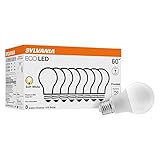
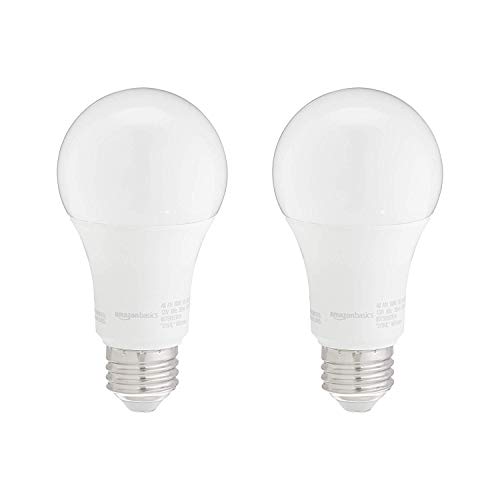
SYLVANIA ECO A19 Soft White LED Bulbs Review
A room can have plenty of light and still feel wrong if the color is too cold, the bulb is brighter than the space needs, or every fixture produces a slightly different shade of white. SYLVANIA takes a familiar route with this eight-pack, using 2700K soft white light, a stated 750-lumen output, and only 9 watts of power per bulb. Those numbers make the ECO A19 relevant to the best led light bulbs for home discussion for a different reason than stark daylight bulbs: the focus is comfortable everyday illumination rather than maximum visual sharpness. The non-dimmable design narrows the fit somewhat, but rooms built around straightforward on-off lighting won't necessarily miss that extra control.
SYLVANIA ECO A19 LED Bulbs
The basic specification sounds deliberately uncomplicated. Each bulb consumes 9 watts while serving as a replacement for a standard 60W incandescent lamp, and the manufacturer lists a brightness of 750 lumens. That's slightly more restrained than some 800-lumen bulbs in the same general replacement class, which can actually work in its favor inside lamps and smaller rooms where aggressive brightness isn't wanted. Instead of chasing the biggest output number, this model pairs familiar household brightness with a softer color profile.
The eight-count package also lands in a useful middle ground. It provides enough matching bulbs to deal with several lamps or ceiling fixtures without turning the purchase into a huge bulk-lighting commitment. Using the same 2700K color temperature across nearby fixtures can make a living space feel more coherent because one lamp won't look amber while another suddenly appears icy white. Eight bulbs may still be more than necessary for a single lamp, naturally, but the quantity makes sense for replacing several older incandescent bulbs around the house.
SYLVANIA lists a seven-year lifespan for these bulbs, which speaks directly to the nuisance of climbing onto a stool or ladder every time a frequently used fixture burns out. That figure comes from the supplied product information, so it should be treated as the manufacturer's lifespan claim rather than a guarantee that every bulb will fail on the same schedule. Fixture temperature, daily operating time, and electrical conditions can influence how long an LED actually remains in service. Even so, longer replacement intervals are especially appealing in ceiling fixtures, hallway lights, and other sockets that aren't pleasant to reach.
2700K Soft White Feels More At Home
The real personality of this bulb comes from its 2700K soft white output. That color temperature sits much closer to the familiar warmth of traditional incandescent lighting than 5000K or 6500K daylight LEDs do. Living rooms, family rooms, bedrooms, and hospitality-style spaces often benefit from that warmer appearance because wood, upholstery, warm paint colors, and evening surroundings don't pick up the cool cast associated with task-oriented daylight lamps. It's less clinical, plain and simple.
Warm light isn't automatically right for every job, though. A detailed workbench, craft area, or utility room may benefit from a cooler source that creates a visually crisper working environment, while 2700K illumination emphasizes comfort more than that sharp daylight feel. Kitchens sit somewhere in the middle because some people appreciate warm light around cabinets and dining areas while others want cooler task lighting over countertops. The SYLVANIA bulb therefore makes more sense as a room-matching product than as a single color temperature that should be installed in every socket.
The stated 80 CRI adds useful perspective to its color performance. An 80 CRI rating is consistent with general household illumination where furniture, food, clothing, walls, and ordinary décor need reasonable color rendering without the bulb being positioned as specialized color-critical lighting. That distinction matters because a soft white appearance and color rendering are two separate qualities. Warmth sets the mood, while CRI gives a better idea of how naturally colors are intended to appear under the light.
Lighting problems around a home can also come from devices rather than room bulbs, and those situations deserve to stay separate instead of being forced into the same explanation. A related household-light reference appears in hunting head lights, although portable outdoor illumination serves a very different purpose from the soft white A19 lighting reviewed here. The SYLVANIA model is built around fixed indoor-style general illumination, while a head light deals with directional, mobile lighting needs. Keeping those categories distinct prevents an unrelated lighting product from being treated as an alternative to an A19 household bulb.
750 Lumens Keeps Brightness Manageable
Raw brightness can be misleading without thinking about the fixture around it. The listed 750-lumen output gives this bulb enough light for many general household applications without pushing it into unusually intense territory. A frosted lamp shade, enclosed-style decorative fixture, or ceiling diffuser can soften and spread that output further, while an exposed socket may make the same bulb seem more direct. Room size, wall color, fixture height, and shade material still influence what those 750 lumens feel like once the switch is flipped.
Family rooms are a particularly sensible match because they often need light that stays comfortable through long stretches of everyday use. The combination of soft white color and moderate brightness can support reading, conversation, television time, and general movement without giving the room the hard-edged atmosphere associated with very cool LEDs. That doesn't mean one bulb can illuminate an entire large family room by itself, of course. Multiple fixtures and their placement still determine whether light reaches corners evenly.
Kitchens need a little more thought. A 750-lumen bulb may suit pendant fixtures, breakfast areas, or general overhead lighting, especially where 2700K warmth complements wood cabinetry and warmer finishes. Detailed food preparation areas may need stronger or differently positioned task lighting instead of expecting a single A19 bulb to handle every visual job. That's not really a weakness in the bulb so much as a reminder that general lighting and dedicated task lighting aren't interchangeable.
Energy Use Is The Straightforward Advantage
SYLVANIA positions the ECO bulb as a replacement for a 60W incandescent using only 9W. That reduction in rated power is the core efficiency story here, and it matters most when several frequently used incandescent bulbs are being replaced rather than when an efficient LED is swapped for another efficient LED. The supplied description also gives an estimated energy cost of $1.08 per year. Actual household cost will naturally depend on electricity pricing and daily operating hours, so the estimate is better viewed as manufacturer-provided context rather than a universal bill calculation.
Multiple fixtures make the power difference easier to appreciate. A living room might have two table lamps, a floor lamp, and several ceiling bulbs, while kitchens and bathrooms can add even more sockets to the household total. Replacing traditional 60W lamps with 9W LED replacements reduces the rated lighting load across those fixtures considerably based on the specifications supplied. The benefit becomes more meaningful in lights used every evening than in a closet bulb that's switched on for a few minutes each week.
Energy savings aren't the only practical reason to retire incandescent bulbs. Longer service intervals can reduce the little maintenance chores that pile up around the house, particularly when several fixtures use matching bulbs. SYLVANIA's stated seven-year service life is clearly intended to complement the lower wattage by reducing replacement frequency as well as energy consumption. The exact service period can vary in practice, but the overall product strategy is easy to understand: use much less rated power while avoiding constant bulb changes.
Non-Dimmable Operation Has Clear Limits
The biggest functional restriction is right on the label: these bulbs are non-dimmable. That won't matter much in bathrooms, hallway fixtures, utility areas, or ordinary lamps controlled by a simple switch. It matters a lot more in a living room where the same ceiling fixture might need full brightness during cleaning and softer light during a quiet evening. Anyone relying heavily on dimmer controls will run into the product's main limitation before brightness or color becomes the issue.
Fixed output does have an upside because it keeps the operating experience simple. Switch the lamp on and the bulb is intended to deliver its normal 750-lumen output without brightness adjustments or smart controls to manage. Some rooms genuinely don't need anything more elaborate. A hallway, pantry, guest room, or standard table lamp can benefit from lighting that simply turns on at a predictable level and leaves the rest alone.
The weakness becomes more obvious because 2700K light naturally suits rooms where dimming is often desirable. Living rooms and bedrooms frequently serve several roles throughout the day, so fixed brightness can be less flexible than the warm color temperature initially suggests. A lamp with a shade or multiple independently switched fixtures can partly change how much light reaches the room, but that isn't the same thing as actual dimming. The tradeoff is therefore simple: welcoming color, straightforward operation, but no brightness control from the bulb itself.
Frosted A19 Design Fits Familiar Fixtures
The A19 form factor is one of the most conventional household bulb shapes, and that's a good thing here. The frosted design is intended to soften the appearance of the light source rather than leave individual LED components visually exposed. In table lamps, ceiling fixtures, and other everyday applications, diffusion can help the bulb feel less visually harsh when part of it remains visible. The supplied information doesn't call for any unusual fixture hardware, which keeps this model focused on replacing familiar household bulbs.
Frosting can also work nicely with the soft white 2700K color because both characteristics lean toward comfortable general illumination rather than directional task lighting. A clear decorative bulb has a different job, as does a spotlight intended to throw a concentrated beam. This SYLVANIA bulb is more ordinary than that, in a useful way. It belongs in the sort of fixture where broad, uncomplicated light matters more than creating a dramatic pattern on a wall.
Still, socket compatibility and fixture requirements should never be assumed from bulb shape alone. A19 describes the familiar bulb form, but the fixture's electrical requirements and intended bulb type remain relevant before installation. The supplied product information centers on replacing standard 60W incandescent lamps, so that's the sensible baseline for judging fit. Specialty sockets, unusual voltage requirements, or fixtures demanding dimmable lamps fall outside the straightforward use case presented here.
Family Rooms And Bedrooms Play To Its Strengths
Living and family spaces are where the 2700K soft white tone earns its keep. Evening lighting usually feels more relaxed when it doesn't throw a blue-white cast across sofas, curtains, wood furniture, and warm wall colors. At 750 lumens, a single bulb provides general-purpose output rather than the sort of intense brightness designed for a garage workbench. Several well-positioned lamps can create a comfortable spread of light without making the room feel like a workplace.
Bedrooms share that same preference for warmth, though the non-dimmable design deserves another look there. A bedside lamp with a normal on-off switch pairs naturally with fixed soft white illumination, especially if the shade already moderates brightness. A fixture used for very low nighttime lighting won't get that flexibility from this bulb alone. The warm color helps, but it can't substitute for actual brightness adjustment.
Bathrooms are listed in the supplied applications, and the fit depends largely on what kind of lighting the room needs. 80 CRI and soft white output can support comfortable general lighting around a bathroom, but someone who prefers crisp white illumination for detailed grooming may favor a cooler color temperature. Fixture location and appropriate installation conditions matter as well. The bulb's specifications don't turn every bathroom fixture into an automatic match simply because the room appears on the application list.
Commercial Uses Favor A Welcoming Tone
Retail, hospitality, and entertainment spaces also appear in SYLVANIA's intended-use description. Those settings can benefit from 2700K lighting where atmosphere and comfort matter alongside basic visibility. Waiting areas, lounge-like spaces, restaurant-adjacent environments, and certain retail interiors often feel more inviting under warm light than under very cool daylight lamps. The 80 CRI rating provides ordinary color rendering while the soft color temperature shapes the overall mood.
Commercial use also makes maintenance more noticeable because a property may contain many more bulbs than a typical room at home. A stated seven-year lifespan can reduce replacement frequency if real operating conditions align reasonably well with the manufacturer's rating. However, operating hours in hospitality or retail environments can differ substantially from household routines. Longer daily use means a year-based lifespan estimate shouldn't be interpreted without considering how many hours the bulb actually remains switched on.
The eight-pack quantity is modest for a large commercial installation but handy for a small office, café corner, reception area, or handful of matching fixtures. Consistent bulb color matters in those places because mismatched whites are particularly visible when several lamps occupy the same line of sight. Keeping the same 2700K tone across nearby fixtures avoids that patchy look. Large properties, naturally, may need substantially more than one pack to maintain the same effect throughout the space.
Strengths And Weaknesses Are Easy To Separate
The strongest characteristic is the bulb's cohesive combination of soft white color, low power use, and familiar brightness. A 9W lamp delivering a stated 750 lumens while replacing a conventional 60W incandescent makes sense for ordinary rooms where efficiency and comfort matter at the same time. The frosted A19 format keeps the product conventional rather than asking the fixture to accommodate a specialty design. For a home full of standard lamps, conventional can be exactly what makes replacement painless.
The primary weakness is the lack of dimming. Warm 2700K lighting naturally belongs in living and relaxation spaces, yet those are precisely the rooms where adjustable brightness can be useful. The 750-lumen output is also deliberately moderate, so large task-oriented spaces may need several bulbs or a different lighting approach. Neither drawback makes the lamp poorly specified; they simply define where it fits and where another bulb would be more practical.
The supplied limitation that the product doesn't ship to California is another concrete consideration rather than a lighting-performance issue. Availability restrictions can make an otherwise suitable specification irrelevant in a location where the product can't be delivered. Elsewhere, the combination of 2700K output, 80 CRI, 9W consumption, and an eight-bulb package stays easy to evaluate. There's no need to dress those specifications up with features the product doesn't claim to have.
Within the crowded field of best led light bulbs for home, the SYLVANIA ECO A19 takes a deliberately traditional approach to LED lighting. Its appeal lies in comfortable soft white illumination, lower rated power than the incandescent lamp it replaces, a familiar frosted shape, and a package size suited to several household fixtures. The tradeoffs remain visible rather than hidden: no dimming, less task-oriented color than daylight bulbs, and a manufacturer-stated shipping restriction for California. For rooms that call for straightforward warm light rather than adjustable or highly technical lighting, those boundaries make the bulb's role unusually easy to understand.
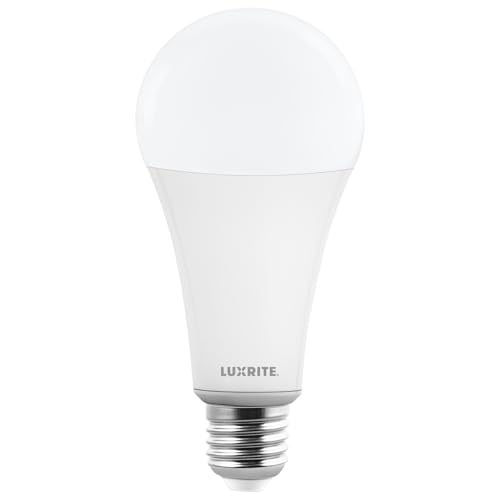
MAXvolador A19 100W Equivalent LED Bulbs Review
Bright rooms are useful right up until the light starts feeling harsh, uneven, or simply wasteful for the amount of illumination being produced. MAXvolador tackles that balance with a 13W A19 LED bulb rated to produce 1500 lumens while replacing 100 to 125W incandescent bulbs. That combination earns a place in the best led light bulbs for home discussion for spaces where ordinary 60W-equivalent bulbs just don't throw enough useful light. The tradeoff is straightforward: this is a fixed-output 5000K daylight bulb, so people who prefer warm evening light or dimming control will need a different setup.
MAXvolador A19 1500-Lumen LED Bulbs
The numbers immediately separate this model from basic household LEDs. Each bulb uses 13 watts while delivering a stated 1500 lumens, putting considerably more light into a room than many standard 800-lumen A19 replacements. MAXvolador positions it as an alternative to 100 to 125W incandescent bulbs, so its purpose isn't subtle accent lighting. This is a brighter general-purpose bulb for fixtures where visibility has been the bigger problem.
The four-pack keeps the quantity manageable, too. Instead of buying a large bulk carton, several lamps or ceiling fixtures can be equipped with the same 5000K daylight-white output without stocking dozens of extras. Matching color temperature across nearby fixtures prevents one corner from looking warm yellow while another suddenly turns crisp white. Four bulbs won't cover a large property, of course, but the package size fits a smaller room-by-room replacement project nicely.
Installation follows the familiar household format. MAXvolador uses the traditional A19 shape with an E26 standard base, so the bulb screws directly into compatible sockets without rewiring or special adapters according to the supplied specifications. That simplicity matters because brighter bulbs are often purchased to fix an underlit room, not to start an electrical remodeling project. Fixture ratings still matter, though, so the common base shouldn't be mistaken for permission to use the bulb in every socket regardless of its requirements.
1500 Lumens Changes What One Bulb Can Do
Brightness is the headline feature here, and 1500 lumens gives the bulb a noticeably different role from lower-output A19 models. A kitchen ceiling fixture, garage socket, home office lamp, or entryway with a high ceiling can make better use of that additional output than a tiny bedside lamp. The extra light can reduce the gloomy patches that show up when one modest bulb is expected to illuminate a broad area. Still, more lumens aren't automatically better, especially in exposed fixtures close to eye level.
A lampshade or diffuser can tame the intensity and spread the bright white output more evenly across the room. An exposed bulb hanging over a dining table may feel too aggressive, while the same bulb inside a frosted ceiling fixture can seem far more balanced. That's why lumen ratings should be read alongside fixture design instead of treated like a contest where the largest number always wins. Brightness solves a problem only if the light reaches the useful surfaces without creating uncomfortable glare.
Large or task-oriented rooms are where the specification starts making the most sense. Workshops, garages, kitchens, home offices, hallways, and utility spaces often have shelves, corners, countertops, or work surfaces that swallow a surprising amount of light. A 100W-equivalent LED can provide more headroom in those environments than the typical 60W-equivalent bulb. Bedrooms and living rooms can still use 1500 lumens, but fixture placement and personal preference become much more important there.
Some decorative lighting has a completely different job, and seasonal illumination is a good example. Those interested in the way smaller decorative LEDs are arranged and used can see a related lighting reference in LED Christmas tree lights, while the MAXvolador bulb remains focused on high-output household illumination. The two categories share LED technology but solve very different lighting problems. Keeping that distinction clear prevents a decorative-lighting reference from being treated as an alternative to a bright A19 room bulb.
5000K Daylight Favors Clarity Over Warmth
The 5000K color temperature gives these bulbs a clean daylight-white character rather than the amber tone associated with incandescent lighting. That can make work surfaces, white walls, paper, labels, and small objects feel visually sharper, especially in rooms where seeing detail matters more than creating a relaxed mood. Kitchens and home offices are obvious candidates because both benefit from clear illumination during active tasks. A late-night bedroom, however, may feel too crisp under the same color temperature.
MAXvolador also specifies a CRI above 85, which gives the bulb a stronger color-rendering claim than ordinary brightness numbers alone can provide. Better color rendering can help furniture, food, clothing, paint, and everyday objects retain more believable color under artificial illumination. It doesn't turn the bulb into specialized studio lighting, and the supplied description doesn't claim that role. For normal household use, though, an 85-plus CRI rating is a practical detail for rooms where colors shouldn't look dull or strangely shifted.
The daylight tone also changes the perceived character of a room even before the lumen output enters the picture. Cool white light can make a garage feel cleaner, a bathroom feel sharper, and a home office feel more alert. Put that same 5000K light beside warm wood furniture and soft evening décor, and it may feel a little clinical. The bulb isn't doing anything wrong there; it's simply showing why color temperature deserves as much attention as watt-equivalent labels.
13W Power Draw Keeps Efficiency Sensible
MAXvolador states that the bulb replaces traditional 100 to 125W incandescent lamps while drawing only 13 watts. The supplied description claims savings of up to 90 percent on lighting electricity and gives an estimated annual energy cost of $1.32 based on three hours of daily use. Those figures come directly from the product information, so actual household savings will vary with local electricity rates and operating time. The important practical point is the large difference between the stated LED wattage and the incandescent wattage it is intended to replace.
Lower electrical demand becomes more meaningful across several fixtures. Four traditional high-wattage incandescent bulbs can draw substantially more power than four 13W LEDs, especially if they're used every evening in kitchens, living rooms, or work areas. That reduction can add up without requiring a change in daily habits because the fixture still behaves like an ordinary switched light. The strongest case is replacing older incandescent lighting, not swapping out another efficient LED merely because a newer box has a bigger savings claim.
The product description also notes less heat output than the incandescent bulbs it replaces. LEDs still produce heat, particularly around their internal electronics, so they shouldn't be described as cool-running in an absolute sense. Even so, reducing wasted heat is useful in multi-bulb fixtures or rooms where old incandescent lamps added noticeable warmth. A lower-wattage light source delivering high output is simply a more efficient way to create the stated brightness.
Non-Dimmable Output Is Simple But Restrictive
The non-dimmable design keeps operation simple: the bulb is intended to run at its full output rather than shift between low and high settings. That suits garages, closets, hallways, kitchens, utility rooms, and many offices where the light normally needs to be fully on or fully off. A 1500-lumen bulb in that role makes sense because strong visibility is usually the whole point. Trouble begins when the same fixture is expected to provide softer evening light.
A bedroom lamp might feel pleasant during cleaning or getting dressed yet overly bright later at night. Because the bulb can't be dimmed, there's no gradual way to pull back the 1500-lumen brightness without changing bulbs, using another fixture, or switching off part of the room's lighting. Living rooms can run into the same issue if one fixture handles both reading and relaxed television time. Fixed output is therefore both a convenience and one of the clearest limitations in daily use.
Compatibility with the switch setup deserves attention as well. A non-dimmable bulb belongs in a suitable standard on-off E26 fixture, not in a situation where dimming control is expected from the lamp. The familiar screw base can make two bulbs look interchangeable even when their control requirements differ. Matching the bulb to the fixture and switch avoids turning a simple replacement into a frustrating compatibility problem.
No Flicker And Stable Light Matter In Work Areas
MAXvolador describes the bulb as producing no flicker or strobe, along with instant illumination without buzzing. Those claims matter most in rooms where lighting stays on for long periods, such as offices, kitchens, garages, and workspaces. A stable-looking light source is much easier to live with than one that visibly pulses or takes time to reach usable brightness. The supplied details also state that the bulb doesn't emit UV or IR radiation.
The product description connects those characteristics with visual comfort, but the safest interpretation stays practical rather than medical. Stable illumination can make a workspace feel less distracting, especially where reading, typing, cooking, or detailed handwork keeps attention focused under the same lamp for hours. Claims about protecting eyesight or preventing health problems go beyond what can responsibly be inferred from the supplied specifications. The useful takeaway is simply that MAXvolador designed the bulb around steady, immediate light output.
Brightness can still create discomfort if the fixture places the source directly in sight. A bulb may be flicker-free yet feel glaring because 1500 lumens are shining through an exposed socket at close range. Frosted shades, ceiling diffusers, and sensible mounting height can do more for comfort than specifications alone. Stable light is a strength, but physical placement still decides how pleasant that light feels in the room.
25,000-Hour Rating Reduces Replacement Chores
The manufacturer rates these bulbs for more than 25,000 hours of operation. It also states that they can last more than 25 times longer than traditional halogen, incandescent, and fluorescent bulbs, though actual service life depends on the operating environment. A long rating has obvious appeal in hard-to-reach ceiling fixtures where changing a bulb means hauling out a ladder. Fewer replacements also make more sense in spaces where lights run for several hours every day.
LED lifespan isn't determined by operating hours alone. Heat buildup, ventilation, switching frequency, fixture design, and electrical conditions can influence how the internal electronics age over time. That's particularly relevant with a 13W high-output A19 bulb, since squeezing substantial brightness into a familiar shape still requires thermal management. The supplied information supports the 25,000-plus-hour rating, but it doesn't justify promising identical longevity in every fixture.
The four-pack provides a modest maintenance advantage as well because matching spares can remain available after the initial installation. A home office, kitchen, garage, and hallway could all use the same 5000K A19 format while leaving another bulb ready if one eventually needs replacement. That consistency helps prevent mismatched color temperatures later. Of course, storing spares only pays off if daylight-white lighting continues to suit those rooms.
Kitchens And Home Offices Suit The Bright Profile
Kitchens can put the 1500-lumen output to good use because food preparation involves plenty of small details. Labels, knife work, countertop spills, ingredient colors, and cabinet interiors are easier to deal with under strong general illumination than under a weak decorative bulb. The 5000K tone adds a crisp visual character that fits active work. In a pendant hanging low over an island, though, the brightness may need more diffusion than it would in a ceiling fixture.
Home offices also line up naturally with the bulb's daylight-white color and 85-plus CRI. Paperwork, books, desk surfaces, and surrounding objects benefit from clear illumination, particularly in rooms that don't receive much natural light. A floor lamp or overhead fixture can use the extra lumen output to fill more of the workspace. People who work late into the evening may still prefer a warmer secondary lamp once concentrated tasks are finished.
Garages, hallways, bathrooms, entryways, porches, and patios are included in the manufacturer's listed applications, though appropriate fixture conditions still matter. Brightness can be useful in those spaces because steps, stored items, tools, locks, and doorways shouldn't disappear into shadow. The E26 standard base broadens compatibility with many common fixtures. Outdoor or semi-outdoor placement, however, should still respect the fixture's own environmental rating rather than assuming an ordinary bulb base makes every installation suitable.
Bedrooms And Living Rooms Need More Thought
A bedroom can certainly use a bright bulb, but 5000K at 1500 lumens creates a very different atmosphere from warm bedside lighting. That clarity is useful while organizing a closet, vacuuming, sorting laundry, or getting ready in the morning. Later in the evening, the same fixed brightness can feel more energetic than relaxing. A shaded lamp may soften the experience, but it won't change the underlying color temperature or non-dimmable behavior.
Living rooms have an even wider range of lighting needs. Reading benefits from strong illumination, while conversation, movies, and quiet evenings often call for something softer. The MAXvolador bulb's strength is brightness, not mood flexibility, so it fits best in a fixture assigned to a specific high-output job rather than one expected to handle every lighting scenario. Layering it with lower-output or warmer lamps can make more sense than filling every socket with the same bulb.
That distinction is useful across the broader best led light bulbs for home category. One bulb rarely does every job equally well because kitchens, bedrooms, garages, hallways, and living rooms ask for different balances of brightness and warmth. MAXvolador leans strongly toward clear visibility, low wattage, and simple full-output operation. Those priorities work beautifully in some spaces and feel misplaced in others, which is exactly why room-by-room selection beats buying solely by watt-equivalent numbers.
Strengths And Weaknesses Stay Pretty Clear
The biggest strength is the high 1500-lumen output from a stated 13W power draw. That gives the bulb a reason to exist beyond being another ordinary A19 replacement, especially where 800-lumen bulbs leave a room looking flat or underlit. The 85-plus CRI and 5000K daylight tone support a crisp, task-friendly lighting style rather than merely chasing raw brightness. The familiar E26 base keeps those benefits accessible in common compatible fixtures.
The obvious weakness is fixed brightness. A non-dimmable 1500-lumen bulb doesn't leave much room for changing the atmosphere after sunset, and 5000K can feel too cool in spaces centered on relaxation. Those limitations don't undermine the product's stronger applications; they simply make placement more important. Kitchens, offices, garages, utility rooms, and bright general fixtures fit the specification better than low-key bedside lamps.
The 25,000-plus-hour rated life, manufacturer-stated energy savings, and simple screw-in installation round out a feature set built more around practicality than gadgetry. There are no smart controls, adjustable colors, or dimming functions in the supplied description, so expectations should stay grounded in what the bulb actually offers. For fixtures that need strong daylight-white illumination with an ordinary E26 connection, the combination is easy to understand. For spaces that demand warmth, subtle brightness, or flexible mood control, those same specifications clearly point elsewhere.


Best LED Track Strip Lighting 2026: Bright Ideas for Every Space
Best Integrated LED Track Lighting: Top Picks for 2026

Best Round LED Ceiling Light Reviews - Top Picks 2026

Top Rated Best LED Dimmable Track Lights of 2026: Enlighten Your Space!

Best Plug In Track Lighting LED 2026 For Bright Spaces

Best Mini LED Track Lighting: Top Picks for 2026
Best Oiled Bronze Track Lighting 2026 Stylish Illumination Picks

Best Modern Track Lighting LED 2026: Sleek Illumination Upgrade