Best LED Light for Autoflower 2026 Grow Picks
Best led light for autoflower setups can make or break an entire grow cycle faster than most people expect. Autoflowers don’t hang around waiting for mistakes to get fixed. One weak light schedule, poor spectrum balance, or cheap panel running hotter than a frying pan can leave plants stretched, thin, and painfully underwhelming. Plenty of growers learn that lesson the hard way after watching healthy seedlings turn lanky halfway through flowering. A solid light changes everything. Dense buds, tighter node spacing, richer aroma, and stronger growth suddenly stop feeling impossible.
Cheap blurple lights still float around online with flashy promises and suspiciously huge yield claims. Reality hits differently after a few weeks. Weak penetration leaves lower branches starving for energy while the canopy hogs every usable photon. Good LEDs solve that mess with balanced spectrum output and better efficiency. Full spectrum LED grow lights push healthier growth from seedling to harvest without cooking the tent into a sauna. Electric bills stay manageable too, which honestly matters more than most people admit once the setup runs daily.
Heat management quietly becomes one of the biggest headaches in small grow spaces. Cramped closets, compact tents, and low ceilings don’t forgive bulky fixtures dumping heat nonstop. Strong airflow helps, sure, but a properly designed LED fixture keeps temperatures stable without forcing fans to scream all night. That balance matters because autoflowers move quickly. Stress during early growth often shows up later as smaller flowers and disappointing density. A stable environment keeps plants charging forward instead of stalling out halfway through bloom.
PAR output, light spread, and dimming control deserve far more attention than exaggerated wattage numbers slapped across product listings. Some lights advertise massive power ratings while barely delivering usable canopy penetration. Others quietly outperform bigger fixtures because the diode layout actually makes sense. A reliable autoflower setup needs consistent coverage edge to edge. Dark corners and hot spots create uneven growth that becomes impossible to ignore by harvest time.
Then there’s the frustration nobody likes talking about. Spending months tending plants only to end up with airy buds and disappointing potency feels brutal. That sinking feeling hits especially hard after investing in nutrients, fans, timers, and ventilation gear. A dependable LED grow light for autoflower plants reduces those risks dramatically. Healthy growth becomes easier to maintain, and harvest quality starts reflecting the effort going into the grow room instead of exposing weak equipment choices.

Best LED Light For Autoflower Indoor Grows
Cramped tents, rising electricity costs, and uneven canopy growth can turn a promising autoflower run into a frustrating mess surprisingly fast. Plenty of growers realize halfway through flower that weak light distribution leaves lower branches starving while top colas hog every usable photon. The best led light for autoflower setups usually solve those headaches through balanced output, manageable heat, and stable intensity that doesn’t force constant adjustments. AC Infinity stepped directly into that conversation with a fixture that feels engineered for growers tired of fighting hot spots and flimsy build quality.
IONFRAME EVO6
AC Infinity IONFRAME EVO6 doesn’t waste time trying to look flashy. The fixture leans heavily into function first, and honestly, that decision pays off the moment it powers on. Samsung LM301H EVO diodes carry most of the workload here, delivering strong efficiency levels rated at 3.14 µmol/J PPE. That efficiency matters because autoflowers thrive under consistent, intense light without unnecessary heat buildup choking the environment.
The bar-style layout changes the growing experience more than expected. Older board-style LEDs often create concentrated intensity directly beneath the center while outer edges lag behind. This fixture spreads light evenly across the canopy, helping side branches develop with far less stretching. Dense flower sites form more consistently too, especially in crowded 4x4 setups where uneven lighting usually becomes obvious during bloom.
Passive cooling keeps the entire system surprisingly quiet. No rattling fans. No annoying hum echoing through the room at two in the morning. Heat management feels controlled rather than barely tolerated, and that stability becomes crucial during late flower when temperatures can spiral upward quickly. The removable driver adds another practical advantage because relocating heat outside the tent lowers stress on both plants and ventilation systems.
500W output sounds aggressive on paper, yet the fixture doesn’t feel excessive for serious autoflower runs. Instead of blasting plants recklessly, the dimming controls allow gradual adjustments across different growth stages. Seedlings stay protected early on while mature plants still receive the intensity needed to bulk up properly during flowering. That flexibility saves growers from constantly raising fixtures or improvising awkward workarounds.
Coverage And Canopy Performance
Autoflowers move fast. Miss the ideal lighting window during early veg, and recovery time practically disappears. The EVO6 handles that pressure impressively well because the diode spacing minimizes weak zones throughout the tent. Lower branches receive usable light instead of surviving on leftovers bouncing around reflective walls. Bud structure tends to stay tighter and more uniform from corner to corner.
Deep canopy penetration becomes one of the fixture’s strongest qualities. Tall autoflower cultivars can become frustrating under weaker LEDs because upper leaves block lower flower sites from developing properly. This setup punches through thick foliage more effectively than many flat-panel alternatives. The result usually shows up during harvest trimming, where lower buds remain surprisingly chunky instead of airy and disappointing.
Light intensity also feels more refined than brute-force harshness. Some grow lights crank brightness so aggressively that leaf stress appears quickly unless the fixture hangs unusually high. EVO6 spreads energy more naturally across the grow area, reducing bleaching risks while still maintaining strong PPFD output. That balanced approach fits autoflowers particularly well since they dislike dramatic environmental swings.
Grow tents with limited vertical space benefit heavily from the slim bar configuration. Bulky fixtures can crowd plant height quickly, especially once carbon filters and ducting enter the equation. This light leaves enough breathing room to manage canopy height without constant bending or topping. Autoflower growers chasing simplicity often appreciate that more than flashy extras.
Control Features That Actually Matter
Fancy control systems sometimes feel like gimmicks added purely for marketing. AC Infinity avoided that trap by focusing on genuinely useful automation features. The built-in schedule controller simplifies day-to-day management while still allowing precise brightness adjustments across 10 dimming levels. Small changes matter because autoflowers can react dramatically to sudden intensity jumps.
Sunrise and sunset dimming deserves more attention than it usually gets. Abrupt on-off lighting cycles can stress sensitive plants, especially younger autos still establishing root systems. Gradual transitions create smoother environmental shifts that feel less harsh overall. It’s a subtle feature, but experienced growers often notice healthier plant behavior over time.
The UIS platform compatibility adds another layer of convenience without becoming overcomplicated. WiFi app integration allows environmental adjustments remotely, which helps maintain stable conditions during busy schedules or travel. Forgetting to tweak dimming settings midway through flower becomes less likely when controls remain accessible from a phone instead of buried inside the tent.
Some growers enjoy building larger operations over time, and daisy-chain support opens interesting possibilities there. Connecting up to 80 grow lights creates scalable flexibility for greenhouse or commercial-style expansions. Most home growers won’t push anywhere near that limit, obviously, but the capability reinforces the fixture’s more serious engineering approach.
Build Quality And Daily Use
1680 Samsung LM301H EVO diodes sound impressive in specifications, but physical construction matters just as much after months of regular operation. The EVO6 feels sturdy without becoming annoyingly heavy to install. Metal bars maintain rigidity nicely, and the fixture avoids that cheap flexing sensation common in budget lighting systems.
Hanging adjustments stay straightforward thanks to the balanced frame design. Some large LED fixtures become awkward balancing acts while positioning them above the canopy. This one settles more naturally into place, reducing setup frustration considerably. Little details like that don’t appear in spec sheets, yet they absolutely affect daily growing routines.
Long flowering cycles expose weak hardware quickly. Poor heat management, flimsy connectors, or unstable drivers eventually create headaches nobody wants during peak bloom. EVO6 avoids most of those concerns through its simplified passive cooling approach and removable driver configuration. Temperatures remain manageable without introducing extra mechanical failure points.
Visual plant response under this fixture tends to become noticeable within the first couple weeks. Tighter node spacing, broader leaf development, and healthier lateral branching usually appear early when environmental conditions stay dialed in. Autoflowers especially reward consistency, and this light seems designed around exactly that philosophy rather than inflated marketing hype.
Real Growing Experience Under EVO6
Growers chasing dense resin production usually pay attention to spectrum quality almost obsessively. AC Infinity tuned the full-spectrum output carefully enough to support aggressive flowering while still maintaining healthy vegetative growth. Plants stay vibrant instead of washed out or oddly pale under the canopy. That balanced spectral mix matters more than raw brightness alone.
Electric efficiency quietly becomes one of the fixture’s strongest long-term benefits. High-output lighting can crush power bills fast, especially during multiple harvest cycles throughout the year. Samsung LM301H EVO chips squeeze more usable light from each watt consumed, helping maintain stronger operational efficiency without sacrificing flower quality.
Some growers reference additional methods for improving plant vigor in red light therapy for weight loss, particularly regarding spectrum effects and energy absorption in biological systems.
Autoflower harvests often reveal equipment quality brutally honestly. Weak lighting produces fluffy buds, inconsistent density, and disappointing lower branches that barely justify trimming time. EVO6 positions itself firmly above that level. The fixture focuses on even coverage, strong penetration, practical controls, and manageable heat instead of empty marketing theatrics. That combination gives autoflower growers something genuinely useful: consistency from seedling to harvest.

Best LED Light For Autoflower Indoor Growing
Uneven bud development can wreck an autoflower harvest long before trimming day even arrives. One side of the canopy stretches awkwardly toward the light while lower branches barely receive enough energy to stay productive. That problem pushes many growers toward the best led light for autoflower setups that prioritize uniform coverage instead of raw wattage hype. Barrina’s GrowForce BG02 steps into that crowded space with a surprisingly focused approach built around spectrum control, penetration, and smarter diffusion.
GrowForce BG02
Barrina GrowForce BG02 immediately feels different from the typical budget-focused LED fixtures flooding indoor gardening forums. The design leans heavily toward practical plant performance rather than flashy marketing language. Its full-spectrum layout works alongside dedicated 437nm blue light and 730nm far infrared support, creating a more targeted growing environment throughout the plant lifecycle. That combination helps autoflowers maintain stronger structure while encouraging more complete flower development later in bloom.
Blue spectrum support often gets overlooked by newer growers chasing flower density too early. Barrina handled that balance carefully here. The dedicated blue light encourages tighter growth patterns and stronger stem development instead of lanky stretching that turns tents into overcrowded jungles. Shorter internodal spacing usually leads to more controlled canopy management, especially in compact grow spaces where vertical height disappears quickly.
Far infrared lighting shifts the experience in another direction entirely. Plants respond with fuller flowering behavior and noticeably healthier maturation patterns under stable environmental conditions. Bud sites tend to mature more evenly across the canopy rather than concentrating all quality growth near the top. Autoflowers especially appreciate that consistency because their short growth cycle leaves little room for correction once flowering begins.
200W power output lands in a sweet spot for many home grow setups. The fixture pushes enough usable energy for productive growth without creating excessive heat that overwhelms smaller tents. That balance matters more than growers sometimes realize. A cooler environment reduces stress, improves airflow management, and helps plants focus energy on development instead of merely surviving temperature spikes.
Light Distribution And Canopy Reach
Hot spots ruin more autoflower grows than most people admit publicly. Leaves bleach near the center while edge plants lag behind, creating a canopy that looks uneven and chaotic by harvest time. Barrina tackled that issue through a carefully spaced diode arrangement paired with 60° lens technology on the red and infrared beads. The focused diffusion creates stronger penetration without blasting plants aggressively from one narrow center point.
High PPFD performance becomes obvious once plants settle into mid-vegetative growth. Leaves stay broad, upright, and visibly energized under proper environmental conditions. The fixture reaches impressive output levels rated at 2401 μmol/m²/s, giving plants strong access to photosynthetic energy without forcing awkward fixture placement adjustments every few days.
Lower branches benefit noticeably from the deeper penetration pattern. Many LED panels struggle to feed dense lower growth once upper foliage thickens during flowering. Barrina’s focused beam design helps push usable light deeper into crowded canopies, allowing secondary bud sites to develop more consistently. Trimming sessions become less frustrating when lower flowers stay dense instead of airy and underdeveloped.
Tent coverage also feels refreshingly realistic. Some grow lights promise massive footprint claims that collapse under real-world use. The GrowForce BG02 handles 3x3 flowering environments comfortably while still stretching into broader spaces for vegetative growth. That flexibility works well for growers rotating different autoflower cultivars with varying growth habits.
Dimming And Flexible Control
Autoflowers hate abrupt environmental changes. One overly aggressive intensity jump can stress younger plants and stall development right when momentum matters most. Barrina included a dimmable control system that makes gradual adjustments far easier throughout different growth stages. Seedlings receive gentler exposure early on while flowering plants still gain access to the stronger intensity needed for bulkier flower production.
Daisy chain compatibility quietly expands the fixture’s long-term value. Indoor gardeners often start with a single tent, then somehow end up converting spare closets and corners into additional grow zones later. Connecting multiple Barrina fixtures together keeps control simpler without turning the setup into a tangled wiring disaster. Synchronizing larger systems becomes surprisingly manageable.
Manual height adjustments remain straightforward too. Some fixtures become awkward balancing acts every time canopy growth accelerates. GrowForce BG02 stays relatively easy to position thanks to its lighter frame and practical hanging configuration. That convenience matters during late flower when crowded tents already feel cramped enough.
Spectrum tuning conversations often drift into other areas involving controlled lighting environments and energy-focused setups. Similar discussions occasionally appear in best hugger ceiling fans no light, particularly around airflow balance and compact room efficiency where space limitations shape equipment decisions.
Efficiency And Real Daily Performance
684 high-efficiency LEDs provide the backbone for the entire fixture, and Barrina clearly focused on maximizing usable efficiency instead of chasing inflated wattage claims. Each diode reaches a rated 3.14 μmol/J PPE, helping plants receive stronger output while reducing wasted energy. Long-term operating costs stay easier to manage, especially during year-round growing cycles where electricity consumption adds up fast.
Passive thermal management helps maintain stable operating temperatures without introducing loud cooling fans into the grow room. Quiet equipment becomes oddly valuable after weeks of nonstop operation. Constant buzzing and vibration can turn a relaxing hobby into an irritating background annoyance surprisingly quickly. Barrina’s quieter design keeps the environment calmer while still maintaining safe operating conditions.
Build quality feels sturdier than expected for a fixture positioned in this performance bracket. The frame maintains solid rigidity during installation, and the components avoid the flimsy sensation common in many lightweight LED setups. ETL certification adds another reassuring detail because growers know the fixture has undergone performance and compliance testing rather than relying entirely on vague manufacturer promises.
Autoflower cultivation rewards consistency more than flashy gimmicks. Stable light intensity, balanced coverage, and controlled heat usually outperform exaggerated marketing claims every single harvest cycle. Barrina GrowForce BG02 leans directly into those fundamentals. Instead of overwhelming growers with unnecessary complexity, the fixture focuses on practical growing performance that actually translates into healthier structure, stronger flowering, and more reliable canopy development.

Best LED Light For Autoflower Tent Setup
Noise, heat buildup, and weak airflow can quietly sabotage an indoor autoflower grow before the first pistils even appear. Plenty of growers focus entirely on lighting while ignoring ventilation balance, reflective quality, and environmental control. That usually leads to stretched plants, unstable humidity, and buds that never quite bulk up properly. The best led light for autoflower setups often work better because the entire environment operates as one coordinated system, and that’s exactly where the Mars Hydro kit starts pulling ahead.
Mars Hydro TS1000 Kit
MARS HYDRO 3x3 Grow Tent Kit feels less like a random bundle of parts and more like a fully planned growing ecosystem. Everything arrives designed to work together instead of forcing awkward compatibility fixes halfway through setup. The TS1000 LED fixture anchors the entire system with a 150W dimmable grow light using advanced SMD LED technology and a patented reflective layout. That wider spread helps autoflowers receive more balanced coverage without creating harsh center hot spots.
Autoflowers react quickly to inconsistent environments. One rough week of heat spikes or stale air circulation can slow growth noticeably during early vegetative stages. Mars Hydro tackles that problem through an integrated 205CFM ventilation system paired with a carbon filter and adjustable inline fan controls. Air movement stays active without turning the tent into a noisy wind tunnel, which honestly becomes a huge relief during longer indoor grow cycles.
The dimming capability deserves more credit than it usually gets. Young autoflower seedlings often dislike aggressive intensity immediately after sprouting. Lower brightness settings allow gentler development early on, while mature flowering plants can still receive stronger PPFD output later without requiring additional fixtures. That gradual control keeps growth more stable from seedling through harvest.
Grow tent quality quietly affects everything inside the environment. Weak zippers, thin canvas, and light leaks become irritating problems surprisingly fast once flowering begins. Mars Hydro uses 1680D reflective mylar combined with double-stitched fabric and reinforced metal framing, creating a structure that feels much sturdier than many lightweight entry-level kits. The reflective interior also boosts usable light efficiency instead of wasting output along dull surfaces.
Lighting Performance In Real Grow Cycles
TS1000 LED output focuses heavily on usable plant energy instead of inflated marketing wattage. The fixture contains 354 LEDs operating through a reflective white design that spreads light more evenly across the canopy. Autoflowers benefit heavily from that broader distribution because uneven growth becomes harder to correct once flowering starts. Plants stay shorter, fuller, and more symmetrical under balanced lighting conditions.
Coverage inside the 32-inch grow tent feels properly matched to the fixture’s output range. Some complete kits toss oversized lights into cramped tents, forcing growers to constantly fight temperature stress or excessive intensity. This setup feels more refined. The proportions between light output, airflow, and tent dimensions create a noticeably smoother growing rhythm overall.
Leaf response under the TS1000 fixture usually looks healthy and controlled rather than overstressed. Plants maintain stronger color consistency across upper and lower canopy sections, especially during mid-vegetative growth where weak lighting often reveals itself first. That balance helps lower flower sites remain productive instead of fading into popcorn-sized disappointments by harvest day.
Environmental consistency also improves because the fixture only consumes 150W while still delivering respectable PAR output. Lower power draw reduces unnecessary heat buildup inside the enclosure, which keeps ventilation systems from working overtime. Smaller grow spaces appreciate that balance more than giant raw wattage numbers plastered across product pages.
Ventilation And Climate Control
Strong lighting without reliable airflow creates a recipe for stress. Leaves taco upward, humidity swings unpredictably, and stagnant pockets form around dense canopy sections. Mars Hydro clearly understood that relationship while building this system. The 4-inch inline fan pushes up to 205CFM airflow while maintaining relatively quiet operation around 26.8 dB.
Carbon filtration performance matters more once flowering enters full swing. Strong-smelling cultivars can overwhelm smaller rooms quickly if filtration quality slips. The included filter uses Australian virgin charcoal combined with flexible ducting to reduce unwanted odor leakage while maintaining smoother airflow movement. That combination keeps indoor spaces feeling more manageable without requiring additional ventilation upgrades immediately.
Clip fan performance often gets ignored in grow kits, yet poor air circulation around the canopy can trigger moisture buildup and weak stem development. Mars Hydro’s included clip fan offers 10 adjustable speed levels with wide-angle horizontal and vertical movement. Airflow stays dynamic rather than blasting one section endlessly while leaving the rest stagnant.
Interesting conversations around airflow and compact indoor setups sometimes overlap with room comfort discussions found in best light fan combo style for low profile ceiling, especially where quiet operation and space efficiency become important priorities.
Smart Features And Expandability
Smart controls used to feel unnecessary inside smaller grow tents. Then life gets busy, schedules shift, and suddenly remote monitoring sounds a whole lot more useful. Mars Hydro upgraded this system with support for app-based controls through Bluetooth and WiFi integration using the company’s optional Iconconnect hardware. Remote access allows environmental adjustments without physically opening the tent every few hours.
Automatic dimming and environmental monitoring create a smoother workflow overall. Temperature spikes and humidity swings become easier to track before they snowball into larger problems. Autoflowers appreciate those stable conditions because their shorter growth timeline leaves far less recovery time than traditional photoperiod cultivars.
Setup flexibility also deserves recognition here. Adjustable rope hangers, trellis netting, pruning tools, shelving, and ducting all contribute to a system that feels genuinely usable straight out of the box. Instead of scrambling for missing accessories, growers can focus on dialing in environmental conditions immediately.
The entire structure supports up to 88 pounds, which adds reassurance once additional accessories or upgraded filters enter the equation later. Plenty of grow tents begin wobbling or sagging under heavier equipment loads. This frame stays noticeably more rigid, helping maintain stable positioning during long-term operation.
Everyday Growing Experience
Daily interaction with a grow system matters more than flashy specifications after the novelty wears off. Zippers need to move smoothly. Fans should remain reasonably quiet. Temperature control should feel manageable instead of stressful. Mars Hydro’s kit handles those practical details surprisingly well, making the entire grow environment easier to maintain consistently.
Reflective efficiency inside the tent creates another underrated advantage. The high-density mylar interior boosts usable light distribution while minimizing energy waste. Plants near lower canopy zones receive stronger reflected energy instead of surviving under dim edge conditions. That improved consistency often shows up during flowering where bud density remains more balanced throughout the canopy.
Autoflower growers usually value simplicity almost as much as yield potential. Constantly troubleshooting mismatched equipment drains enthusiasm fast, especially for growers balancing limited space or busy schedules. This complete setup removes much of that friction by creating a cohesive environment where lighting, airflow, and environmental support already work together logically.
Compact grow systems rarely nail every category equally, yet this Mars Hydro package lands impressively close. Balanced lighting, quieter ventilation, reflective efficiency, smart expandability, and practical accessories combine into a setup that feels purpose-built for controlled autoflower cultivation rather than patched together from unrelated components.
Best LED Light For Autoflower Grow Tents
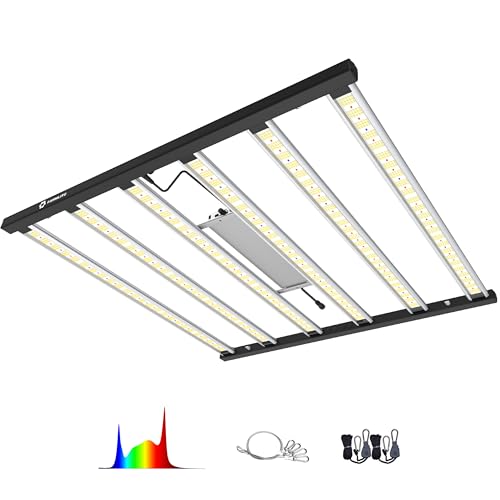
Heat creep inside a grow tent can sneak up fast, especially during late flower when autoflowers start demanding stronger intensity every single day. Loud cooling fans, awkward fixture weight, and uneven coverage usually turn a simple indoor setup into a constant balancing act. Plenty of growers chasing the best led light for autoflower setups eventually realize that cooler operation and even canopy spread matter just as much as raw power numbers. FARMLITE’s board-style system leans heavily into that practical side of indoor growing rather than trying to overwhelm buyers with exaggerated marketing fluff.
FARMLITE 680W
Grow Light FARMLITE LED Grow Lights arrives with a layout that immediately feels purpose-built for larger canopy management. The six-bar aluminum structure spreads light more evenly across wider spaces instead of concentrating intensity into one punishing center zone. Autoflowers respond surprisingly well to that distribution because lower branches receive usable energy instead of surviving on weak reflected light. That difference often shows up later during harvest trimming where side colas remain far denser than expected.
The fixture pushes coverage suitable for 4x4 grow environments, making it practical for growers running multiple autoflower cultivars simultaneously. Dense canopies benefit heavily from wider spread because crowded tents can quickly develop shaded dead zones. FARMLITE’s bar arrangement reduces that issue by distributing output more naturally across the entire footprint. Plants maintain more balanced growth patterns without awkward stretching toward isolated hot spots.
One thing that stands out immediately is the silent operation. No internal cooling fan means no constant humming rattling around the grow room day and night. Quiet grow spaces feel oddly underrated until someone spends weeks beside a loud ventilation-heavy setup. Passive cooling through the aluminum bars handles heat surprisingly well while keeping the fixture lighter and easier to manage overhead.
IP67 waterproof protection also adds practical peace of mind in humid growing environments where moisture becomes unavoidable. Condensation, accidental splashes, and humid late-flower conditions can stress lower-quality fixtures quickly. This design feels more prepared for real indoor gardening conditions instead of spotless showroom setups that rarely match reality.
Lighting Behavior During Growth Cycles
Autoflowers don’t waste time recovering from lighting mistakes. Weak seedlings become stunted adults, and inconsistent intensity usually leaves harvest weights disappointingly light. FARMLITE approaches that challenge with adjustable brightness controls that allow gradual intensity increases throughout each stage of development. Seedlings receive gentler exposure early while mature flowering plants can absorb stronger output without unnecessary stress.
Dimmable control functionality becomes genuinely useful once multiple cultivars share the same tent. Some autoflowers tolerate aggressive light intensity better than others, especially during transition phases between vegetative growth and flowering. Lowering output slightly can help sensitive plants avoid stress while still maintaining healthy momentum across the canopy.
The full-spectrum design keeps plant coloration healthy and stable throughout the cycle. Leaves maintain richer tone consistency rather than appearing pale or washed out under weaker lighting systems. Bud sites also develop more evenly across upper and lower growth zones, which matters tremendously inside compact indoor environments where every inch of canopy counts.
Interestingly enough, bar-style LED systems continue replacing bulkier legacy lighting setups because they manage heat and distribution far more effectively. Similar indoor gardening discussions occasionally surface in best cmh grow light kit, especially where growers compare older high-heat fixtures against newer full-spectrum LED arrangements.
Heat Management And Silent Operation
Efficient heat dissipation quietly becomes one of the strongest selling points of this fixture after a few weeks of continuous operation. Autoflowers dislike excessive temperature swings, particularly during flowering where stress can affect structure and density surprisingly fast. FARMLITE uses lightweight aluminum bars that naturally disperse heat without relying on extra cooling hardware. That approach keeps the environment calmer while reducing additional equipment clutter.
Grow tents packed with noisy gear can become exhausting over time. Fans buzz. Drivers whine. Cheap cooling systems rattle nonstop. This light avoids that headache entirely through its fanless configuration. Silence might sound like a luxury at first, but after several grow cycles it starts feeling essential, especially in shared indoor spaces.
The removable power supply creates another layer of flexibility for temperature management. External driver positioning allows growers to reduce excess heat inside the tent itself, helping maintain steadier environmental conditions during demanding flowering stages. Small adjustments like that often separate average harvests from truly healthy autoflower runs.
Waterproof construction pairs nicely with humid environments where foliar spraying, condensation, or accidental spills occasionally happen. Indoor gardens rarely stay perfectly clean or perfectly dry. Equipment built for realistic conditions simply lasts longer and feels more dependable during daily operation.
Installation And Expandability
Heavy fixtures become irritating fast once hanging adjustments start happening every few days. FARMLITE’s lightweight design makes installation noticeably easier compared to chunkier enclosed LED boards. Raising or lowering the fixture feels less like wrestling gym equipment overhead and more like fine-tuning an actual gardening tool.
Adjustable hanging height matters far more with autoflowers than many growers expect. Different cultivars can stretch unpredictably, especially during transition into bloom. The included adjustable lanyard system simplifies repositioning without forcing awkward makeshift solutions using extra hooks or tangled rope systems.
Daisy-chain support opens practical scaling possibilities too. Larger setups can synchronize up to 25 connected grow lights while maintaining unified dimming control. Most home growers won’t reach that level immediately, obviously, but the flexibility helps future-proof the system for expanded indoor spaces or greenhouse-style projects later.
The removable driver and modular feel also make maintenance simpler over time. Instead of replacing an entire fixture due to one faulty component, growers gain more flexibility managing different sections independently. That practical design philosophy feels refreshingly grounded compared to sealed all-in-one units that become frustrating once repairs enter the picture.
Everyday Performance Inside A Grow Tent
Daily interaction with a grow light eventually matters more than spec sheets and flashy sales language. Fixtures should stay manageable, stable, and consistent through months of continuous use. FARMLITE handles that rhythm surprisingly well. The frame remains lightweight without feeling flimsy, and the silent cooling system creates a calmer growing environment overall.
50,000-hour lifespan support adds another layer of long-term reliability for growers planning repeated harvest cycles. Constantly replacing weak fixtures drains both patience and operating budgets over time. Durable construction combined with efficient thermal management gives this setup a more dependable feel than many lower-cost alternatives floating around online marketplaces.
Canopy response under the light generally appears balanced and controlled. Plants maintain tighter structure, healthier lateral growth, and more even bud formation under stable environmental conditions. Autoflowers especially reward that consistency because they move through growth phases quickly without much room for recovery once problems appear.
FARMLITE’s approach feels rooted in practical indoor cultivation rather than exaggerated performance promises. Balanced coverage, silent operation, waterproof durability, scalable controls, and manageable heat output create a setup that aligns naturally with the fast-paced demands of autoflower growing. That combination gives growers something far more useful than marketing buzzwords: predictability from seedling to harvest.
Best LED Light For Autoflower Small Tents
Limited grow space changes everything. One oversized fixture can roast the canopy, crowd the tent, and leave autoflowers stressed before flowering even starts. Plenty of indoor growers chasing the best led light for autoflower setups eventually realize that balanced coverage and precise control matter more than outrageous wattage numbers. Spider Farmer built the SE1500 around that exact philosophy, focusing heavily on efficient output, even light spread, and smarter day-to-day usability.
Spider Farmer SE1500
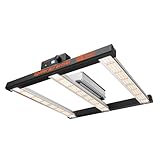
Spider Farmer SE1500 feels remarkably refined for a 150W grow light designed around compact indoor cultivation. The fixture uses Samsung LM301H EVO diodes, delivering an efficiency level rated at 3.14 μmol/J while producing 428 µmol/s of usable light output. Those numbers matter because autoflowers thrive under stable, efficient intensity rather than raw power dumped unevenly into a cramped tent. Plants respond with tighter structure, healthier leaf posture, and noticeably stronger lateral branching.
The three-bar design changes the growing experience more than expected. Traditional board-style LEDs often create bright center zones while edges struggle to receive enough usable energy. Spider Farmer spread the bars outward intentionally, improving edge coverage throughout a full 2x2 growing area. Lower canopy sections receive more balanced illumination, helping side buds develop instead of fading into weak popcorn growth later.
Heat control stays surprisingly manageable for a fixture operating at this efficiency level. Autoflowers dislike unstable temperatures, especially during flowering when environmental stress can impact bud density quickly. The open-frame bar layout naturally disperses heat more effectively than enclosed board systems. Grow tents remain easier to regulate without forcing ventilation systems into overdrive.
Build quality also deserves genuine credit here. The frame feels sturdy without becoming awkwardly heavy overhead, and the compact profile leaves valuable vertical clearance inside smaller grow environments. That extra breathing room becomes incredibly useful once autoflowers hit their stretch phase and every inch suddenly matters.
Spectrum Performance Across Growth Stages
Full-spectrum lighting often gets tossed around casually in grow light marketing, but Spider Farmer actually balanced the output intelligently here. The SE1500 combines 2800K-3000K warm tones, 4800K-5000K white spectrum, and 660nm red wavelengths to support plants from seedling through harvest. Autoflowers respond well to that balanced mix because they move rapidly between growth stages without much recovery time between transitions.
Seedlings under this fixture generally stay compact instead of stretching awkwardly toward the light source. Strong early structure matters tremendously with autoflowers because weak stems and excessive spacing become difficult to correct later. The balanced spectrum helps maintain tighter internodal growth while still encouraging healthy leaf expansion.
Flowering performance feels equally controlled. Red spectrum support boosts flower development while the broader white output maintains healthy canopy vitality instead of producing brittle, overstressed foliage. Bud sites receive more consistent energy distribution across the canopy, especially near tent edges where weaker fixtures usually lose effectiveness.
Uniform canopy coverage becomes one of the fixture’s strongest practical advantages. Uneven light distribution can create wildly inconsistent growth patterns inside compact tents. One side thrives while another lags behind. Spider Farmer’s bar-style configuration minimizes that imbalance, helping plants develop more evenly throughout the grow cycle.
App Controls And Smart Features
Remote control functionality used to sound like a gimmick in grow lighting. Then real life interrupts routines, schedules shift unexpectedly, and suddenly app-based management starts looking genuinely useful. Spider Farmer integrated smart control support directly into the SE1500 through its dedicated mobile app. Brightness adjustments, lighting schedules, and sunrise or sunset simulations become manageable remotely without physically entering the grow room constantly.
Digital dimming controls feel particularly useful for autoflower cultivation. Different strains react differently to light intensity, especially during early vegetative growth or aggressive flowering phases. The clear brightness display simplifies adjustments dramatically compared to vague rotary knobs lacking precise feedback. Small tweaks become easier to repeat consistently throughout future grow cycles.
Sunrise and sunset simulation adds another layer of environmental stability. Abrupt lighting transitions can stress sensitive plants, particularly younger autoflowers establishing their root systems. Gradual ramp-up and dim-down cycles create smoother daily transitions that feel more natural overall. That subtle stability often contributes to healthier plant behavior across longer flowering periods.
Interesting conversations around smart remote ecosystems occasionally drift into entertainment hardware setups too. Similar discussions sometimes appear in best remote control for nvidia shield tv, especially where responsive app integration and simplified control systems shape the entire user experience.
Practical Daily Growing Experience
Daily interaction with a grow light reveals far more than specifications printed on product pages. Fixtures should remain easy to adjust, stable overhead, and consistent during long operating cycles. The SE1500 handles those practical demands surprisingly smoothly. Hanging adjustments stay manageable, and the compact footprint leaves enough room for airflow equipment without turning the tent into a cramped maze.
Daisy-chain capability also gives the fixture room to scale upward for larger projects later. Up to 50 SE1500 units can connect through a master light control system, simplifying synchronization across bigger indoor setups. Most small-tent growers won’t need that immediately, obviously, but it adds flexibility for expanding cultivation spaces without rebuilding entire control systems later.
The fixture’s lower power draw keeps operating costs more manageable too. Electricity usage adds up quickly during year-round cultivation cycles, especially once ventilation, circulation fans, and environmental controls enter the picture. Spider Farmer squeezes strong usable output from a relatively modest 150W consumption level, helping growers maintain better efficiency without sacrificing canopy performance.
Noise levels remain refreshingly low because the passive cooling design avoids noisy internal fans entirely. Quiet grow environments feel far more comfortable over time, particularly in shared indoor living spaces where constant buzzing quickly becomes irritating. Silent operation paired with controlled heat output gives the SE1500 a calmer, more refined presence overall.
Reliability And Long-Term Value
Five-year coverage support immediately separates this fixture from many disposable lower-end grow lights floating around online marketplaces. Autoflower cultivation often runs continuously across multiple yearly harvest cycles, and reliability matters tremendously once equipment starts operating daily for extended periods. Spider Farmer backing local repair support in several regions adds practical reassurance beyond flashy specifications.
The LM301H EVO diodes continue carrying much of the fixture’s overall performance reputation. Efficient output, stable spectrum delivery, and lower heat generation combine into a setup that feels purpose-built for controlled indoor cultivation rather than generic warehouse lighting adapted awkwardly for plants. Autoflowers benefit heavily from that consistency because rapid growth cycles punish unstable environments brutally fast.
Visual canopy response under the SE1500 generally appears balanced and healthy under stable environmental conditions. Leaves maintain richer coloration, branches stay sturdier, and flowering sites develop more evenly throughout the tent footprint. Those improvements rarely come from one isolated feature alone. Instead, they emerge from the fixture’s broader balance between spectrum quality, efficiency, heat management, and usable control flexibility.
Spider Farmer clearly focused this fixture around practical indoor gardening rather than oversized marketing theatrics. Efficient diode performance, smart controls, stable dimming, balanced spread, and manageable heat output all work together cohesively. That combination gives autoflower growers something genuinely valuable: a more predictable environment where plants can focus on growth instead of constantly reacting to equipment limitations.


Best LED Track Strip Lighting 2026: Bright Ideas for Every Space

Top Rated Best LED Dimmable Track Lights of 2026: Enlighten Your Space!

Best Plug In Track Lighting LED 2026 For Bright Spaces
Best Integrated LED Track Lighting: Top Picks for 2026

Best Round LED Ceiling Light Reviews - Top Picks 2026

Best Modern Track Lighting LED 2026: Sleek Illumination Upgrade

Best Mini LED Track Lighting: Top Picks for 2026
Best Oiled Bronze Track Lighting 2026 Stylish Illumination Picks