
Best light bulbs for google home 2026 smart picks

Best light bulbs for google home should make daily lighting feel easier, not turn a simple lamp into a weekend troubleshooting project. The real win is smooth Google Home voice control, steady app response, and bulbs that don’t randomly forget the room they belong to. Nobody wants to say the same command three times while standing in a dark hallway with groceries in one hand. Smart lighting has to feel boring in the best way.
A good bulb handles the little stuff quietly. Dimming range matters for late-night kitchens, bedtime lamps, and plant corners where harsh light makes everything feel like a hardware store aisle. Color temperature control helps too, especially in rooms that shift from task space to wind-down space after dinner. Cool white keeps seed trays, desks, and cleaning corners visible, while warm white softens the room without that gloomy yellow cast.
Setup deserves more attention than it gets. Some bulbs connect through Wi-Fi, while others use a hub or bridge, and that choice changes the whole experience. Wi-Fi smart bulbs are simple for a few lamps, but crowded networks can get cranky if every room has multiple devices. Hub-based bulbs often behave more consistently, though they add another piece of gear to tuck behind a router or shelf.
Plant shelves add another layer of fuss. Regular smart bulbs won’t replace a true grow light, but adjustable white tones can make nearby greenery easier to manage in rooms with weak daylight. Indoor lighting conditions change fast during cloudy weeks, and scheduled bulbs can keep corners from feeling dead before sunrise or after sunset. Still, leaves need proper light intensity, so decorative smart bulbs should be treated as room helpers, not plant-care magic.
The strongest picks usually balance reliable pairing, practical brightness, and simple routines. A bulb that remembers schedules after a router hiccup feels far more useful than one with flashy colors but spotty control. Brightness also needs context, since a bedside lamp doesn’t need the same punch as a garage fixture or kitchen ceiling light. Too dim, and the room feels tired; too bright, and every evening feels like a dentist’s office.
Color bulbs are fun, but they’re not always the smartest buy. Tunable white bulbs often make more sense for reading, cooking, watering plants, and keeping small rooms comfortable. Full-color bulbs earn their keep in gaming rooms, party corners, or mood-heavy spaces where atmosphere matters. So, the better pick depends less on hype and more on how the bulb behaves during ordinary Tuesday-night routines.
- LFR Score9.4
LFR Score is a ranking system developed by lightfansreviews.com. LFR Score has no relationship or impact from any manufacturers or sales agent websites. Learn more
- BrandGovee

- LFR Score9.0
LFR Score is a ranking system developed by lightfansreviews.com. LFR Score has no relationship or impact from any manufacturers or sales agent websites. Learn more
- BrandLinkind
- LFR Score9.0
LFR Score is a ranking system developed by lightfansreviews.com. LFR Score has no relationship or impact from any manufacturers or sales agent websites. Learn more
- BrandKasa Smart

- LFR Score8.8
LFR Score is a ranking system developed by lightfansreviews.com. LFR Score has no relationship or impact from any manufacturers or sales agent websites. Learn more
- BrandLightinginside

- LFR Score8.8
LFR Score is a ranking system developed by lightfansreviews.com. LFR Score has no relationship or impact from any manufacturers or sales agent websites. Learn more
- BrandOREiN
Last update on 2026-06-14 / Affiliate links / Images, Product Titles, and Product Highlights from Amazon Product Advertising API
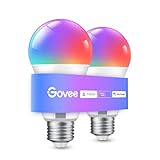
Govee Smart Light Bulbs for Google Home
Late-night routines have a funny way of exposing weak smart home setups. A bulb that ignores voice commands or disconnects right before movie night turns convenience into a headache. That's where the best light bulbs for google home need to earn their place, and Govee's WiFi and Bluetooth smart bulbs approach the task with a refreshingly practical attitude. Instead of piling on flashy promises, they focus on everyday usability, flexible controls, and lighting that adapts to changing moods and routines.
Govee Smart Glow
Voice control sits at the center of this package. Pairing these bulbs with Google Assistant allows simple commands to handle basic tasks like turning lights on, dimming brightness, or shifting colors without fumbling through apps. That convenience shines brightest during ordinary moments, from carrying laundry baskets to settling into bed after a long day.
The inclusion of both WiFi and Bluetooth connectivity adds a welcome layer of flexibility. WiFi enables remote access while Bluetooth can simplify local setup. For households that don't want yet another hub occupying outlet space near the router, the absence of additional hardware feels like one less thing to manage.
Google Home compatibility doesn't erase every limitation, though. The bulbs rely on stable 2.4GHz networks, and they're specifically not designed to work alongside smart switches. Homes already committed to switch-based smart systems may need to rethink how these bulbs fit into existing habits.
Colors That Actually Add Character
Color-changing bulbs often lean heavily on novelty, but Govee strikes a more balanced note. With 16 million DIY colors and 54 preset scenes available through the Govee Home App, the customization feels broad without becoming overwhelming. Warm whites soften a reading nook, while brighter cool tones make kitchen prep feel more focused.
RGBWW lighting gives these bulbs room to move between playful and practical. One evening might call for soft amber lighting while winding down, while the next could benefit from crisp illumination during a work session. The versatility becomes more noticeable over time because routines rarely stay fixed.
Seasonal decorating also gets a subtle boost. Holiday gatherings, backyard dinners visible through patio doors, or rainy afternoons indoors gain atmosphere through color accents rather than relying entirely on decorative fixtures. The result feels less like a gadget demo and more like an extension of the home's personality.
Brightness reaches up to 800 lumens, which generally aligns with traditional 60-watt replacement bulbs. That's sufficient for table lamps, bedrooms, and accent lighting, though larger living spaces may require multiple fixtures to avoid darker corners that leave rooms feeling uneven.
Music Sync And Everyday Entertainment
Music synchronization features often sound gimmicky until the right occasion arrives. Govee's Music Sync mode reacts to sounds captured through the smartphone microphone, adjusting brightness and colors to match audio patterns. Casual gatherings, game nights, or spontaneous dance breaks suddenly gain an extra layer of energy.
The execution carries practical caveats worth acknowledging. Microphone permissions must remain enabled, and the effect only works if the microphone isn't occupied by another application. That means users hopping between voice calls and party playlists may occasionally bump into interruptions.
Even with those constraints, the responsiveness contributes to a livelier atmosphere without requiring expensive entertainment systems. The lighting becomes part of the room's rhythm instead of simply existing in the background.
Schedules That Support Real Routines
Convenience rarely comes from dramatic moments. It comes from subtle automation that reduces tiny daily annoyances. Govee incorporates timer and scheduling functions that align lighting with routines already taking place rather than forcing new habits into the mix.
Sunrise and Sunset modes help mornings feel gentler and evenings less abrupt. A gradual increase in brightness can make early starts slightly less jarring, while soft dimming cues signal the transition toward rest. Those small adjustments often influence comfort more than flashy color effects ever could.
Forgetfulness also becomes less costly. Scheduled shutoffs reduce the familiar question of whether the bedroom lamp was left glowing after rushing out the door. The bulbs quietly handle repetitive tasks that rarely deserve extra attention.
Still, expectations should remain grounded. Automation simplifies routines, but it won't replace intentional lighting design or compensate for poorly positioned fixtures. Placement matters just as much as programming.
Managing Multiple Bulbs Without The Chaos
Homes rarely stop at a single smart bulb. Kitchens expand into dining spaces, bedrooms gain bedside lamps, and hallways benefit from gentle evening illumination. Govee addresses this through Group Control, allowing multiple compatible products to respond simultaneously through the app.
Shared access introduces another practical advantage. Family members can participate in managing scenes and schedules without relying on one person's smartphone as the sole control center. That collaborative element keeps lighting from becoming unnecessarily complicated.
Readers balancing decorative lighting with plant displays may also appreciate having zones behave differently. A contextual reference appears in full spectrum LED grow light bulbs, especially since specialized plant lighting requirements differ significantly from decorative smart illumination. Decorative bulbs create ambiance, while dedicated grow solutions address the unique demands of indoor gardening.
Group synchronization works best under stable network conditions. Crowded WiFi environments may occasionally require patience during setup, although everyday operation generally benefits from keeping configurations simple and organized.
Strengths, Tradeoffs, And Practical Fit
Govee Smart Light Bulbs succeed because they acknowledge how people actually interact with lighting. Voice commands reduce friction, app controls expand flexibility, and scheduling quietly removes repetitive chores from the day. The product doesn't pretend to reinvent home lighting. It simply tries to make it less annoying.
The absence of a required hub lowers the entry barrier for those hesitant about building elaborate smart ecosystems. App-based customization, color versatility, and respectable brightness create a package that feels approachable without sacrificing too much control.
Tradeoffs remain part of the picture. Compatibility limitations with smart switches and reliance on 2.4GHz WiFi may frustrate highly customized setups. Music Sync also depends on smartphone permissions, which won't suit every situation.
Balanced functionality ultimately defines these bulbs more than spectacle. They handle practical routines competently, sprinkle in moments of fun through color and music, and avoid overcomplicating tasks that should remain simple. For anyone seeking the best light bulbs for google home with a blend of convenience and personality, Govee presents a thoughtful middle ground grounded in real-world habits rather than exaggerated promises.
Linkind Smart Light Bulbs for Google Home
Few things derail the promise of a smart home faster than lights that refuse to cooperate during the busiest moments of the day. Standing in the kitchen with flour-covered hands or settling into bed only to realize the lights downstairs are still blazing can test anyone's patience. The best light bulbs for google home aren't just about colorful effects or flashy app screenshots. They should quietly remove friction from daily routines, and Linkind's Smart Light Bulbs aim to do exactly that through practical controls and thoughtful flexibility.
Linkind Smart Glow
Voice control sits front and center in Linkind's approach. Compatible with both Google Assistant and Alexa, these bulbs respond to simple spoken requests for adjusting brightness, changing colors, or switching lights on and off. It's a small convenience on paper, yet it feels surprisingly meaningful during rushed mornings or lazy evenings when the couch has already won the battle.
The absence of a hub keeps setup relatively approachable. No hub required means fewer gadgets cluttering shelves or competing for outlet space behind entertainment centers. For households that want smart lighting without committing to an elaborate ecosystem, that simplicity lowers the barrier considerably.
Expectations should remain grounded, though. The bulbs operate exclusively on 2.4GHz WiFi, leaving 5GHz networks out of the equation. That's common within the smart lighting category, but it's still something worth noting before diving into installation.
Connectivity That Prioritizes Convenience
Linkind leans into flexibility by combining WiFi and Bluetooth connectivity. During initial setup, both connections work together, helping streamline the pairing process through the AiDot App. Once configured, the option to control lights locally through Bluetooth becomes particularly useful during internet hiccups.
That local control offers a subtle advantage many people overlook. Internet outages happen. Routers occasionally misbehave. Having the ability to adjust lighting without complete dependence on external connectivity helps preserve functionality when technology decides to throw a curveball.
AiDot App integration extends beyond simple on-and-off commands. Users can tweak brightness levels, modify color temperatures, and schedule routines from virtually anywhere. The app feels designed around daily habits instead of demanding constant attention.
Of course, simplicity isn't absolute. The initial connection process requires both Bluetooth and compatible WiFi conditions. Those who expect a completely plug-and-play experience may encounter a brief learning curve before everything clicks into place.
Lighting That Matches The Mood
Color-changing bulbs often walk a fine line between practical enhancement and novelty. Linkind strikes a respectable balance with its offering of 16 million colors and a temperature range spanning from 1800K soft white to 6500K cool white. Cozy evenings and focused productivity sessions suddenly occupy the same lighting system.
Warm tones soften bedrooms and reading corners without feeling overly dim. Cooler whites work well in kitchens, home offices, or spaces where visibility matters. That flexibility means lighting adapts to routines rather than forcing routines to adapt to lighting.
104 preset scenes further expand the experience. Seasonal decorating, family movie nights, holiday gatherings, or quiet weekends indoors all gain their own visual personality. The presets reduce decision fatigue because not everyone wants to spend ten minutes adjusting sliders for the perfect ambiance.
Brightness reaches up to 800 lumens, roughly aligning with traditional 60-watt replacements. That's enough for many common fixtures, though larger living spaces may benefit from multiple bulbs to achieve more balanced illumination.
Music Sync Without The Fuss
Music synchronization features can either feel delightful or become forgotten menu options. Linkind's implementation manages to stay on the enjoyable side by allowing the bulbs to react to rhythms captured through a smartphone microphone. Suddenly, dinner parties and casual get-togethers gain an extra spark of personality.
Party, Dynamic, Calm, and Auto Rhythm modes offer different interpretations of audio responsiveness. Some settings favor energetic color shifts, while others create gentler transitions better suited to relaxed environments. The variety prevents the effect from feeling repetitive after the novelty wears off.
Microphone permissions remain essential. Music Sync functionality depends on access to audio input, which may occasionally conflict with other applications using the same feature. It's not a deal-breaker, but it does introduce practical limitations that are worth understanding beforehand.
Even with those caveats, the lighting contributes to atmosphere in a way static bulbs simply can't replicate. A playlist suddenly feels more immersive without requiring expensive entertainment upgrades.
Schedules And Group Management
Automation often proves most valuable through the smallest details. Scheduling functions allow lights to follow established routines, gently supporting mornings and evenings without repeated manual adjustments. The less time spent thinking about switches, the smoother the day tends to unfold.
Preset schedules can help mimic occupancy during vacations or ensure hallway lights greet early risers before sunrise. The convenience stems from consistency rather than spectacle. Reliable repetition quietly earns appreciation over time.
Group control simplifies management for homes using multiple Linkind products. Coordinating several fixtures through a single command avoids the awkward process of adjusting each room individually. The result feels cohesive instead of fragmented.
Seasonal decorating enthusiasts often appreciate additional inspiration. Certain festive lighting approaches appear in best Christmas lights for house trim, particularly when exterior accents and interior smart scenes work together to shape a more unified atmosphere throughout the holidays.
Tradeoffs And Everyday Practicality
Linkind Smart Light Bulbs don't attempt to overwhelm users with endless complexity. Their strengths revolve around dependable voice control, versatile color customization, and connectivity options that provide reassurance during network interruptions. The package feels grounded in everyday scenarios rather than exaggerated promises.
There are compromises worth acknowledging. Dependence on 2.4GHz WiFi may frustrate households standardized around newer bands. Initial setup requires a bit more involvement than traditional bulbs, particularly for those entirely new to smart home devices.
Preset scenes and scheduling emerge as standout benefits because they address repetitive tasks without demanding constant interaction. Instead of chasing novelty, the bulbs support established habits while leaving room for playful experimentation during celebrations and special occasions.
Best light bulbs for google home should simplify routines while adding enough personality to keep spaces feeling alive. Linkind's blend of practical automation, customizable lighting, and approachable controls positions these bulbs as a capable option for homes seeking convenience without unnecessary complication.
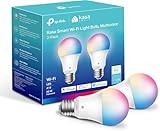
Kasa Smart Light Bulbs for Google Home
A room can feel off long before anyone notices the switch. Too harsh during dinner, too dim for sorting seed packets, too cold for a bedroom, or still glowing after everyone has moved on. The best light bulbs for google home need to smooth out those little daily irritations without turning lighting into a tech chore. Kasa Smart Light Bulbs take a practical route, blending voice control, color adjustment, app-based access, scheduling, and energy monitoring into a setup that feels more useful than flashy.
Kasa Smart Glow
Kasa Smart Glow is the shortened name that fits this bulb's personality better than the long retail label. It sounds simple because the product itself is built around simple control: ask Google Assistant to turn lights on, dim them, brighten them, or shift the color. That hands-free piece matters most in real rooms, especially when you're carrying a watering can, cooking with messy hands, or walking into a dark hallway with no patience for hunting a switch.
The bulb uses an A19 shape and delivers 800 lumens, which makes it a practical replacement for many standard household bulbs. That brightness level suits bedside lamps, desk lamps, plant-adjacent shelves, and smaller living spaces where one fixture can carry a fair bit of the mood. Larger rooms may still need multiple bulbs, since one 800-lumen light can leave corners looking a bit sleepy.
No hub required keeps the setup less fussy. Instead of adding another bridge or box beside the router, the bulb connects through a 2.4GHz WiFi network and works with the Kasa app. That approach feels friendly for a first smart lighting setup, though it does mean the home's WiFi stability plays a real role in how smooth the experience feels.
The tradeoff is clear. 2.4GHz only support is common in smart bulbs, but it can trip up anyone expecting 5GHz compatibility. Separating network bands or choosing the right WiFi during setup may be necessary, and that little wrinkle is worth knowing before the bulb goes into a hard-to-reach fixture.
Color Control That Feels Useful
Multicolor lighting gives this Kasa bulb more range than a basic warm-white smart bulb. With access to 16 million colors, it can shift from subtle amber in the evening to playful color accents during a holiday setup or dinner gathering. The trick is not treating color as a party-only feature, because softer shades can change how a room feels during ordinary weeknights too.
The Auto White feature is where the bulb starts to feel more grown-up. Its warm-to-cool white range, from 2500K to 6500K, helps rooms move through the day with less visual friction. A cooler tone can sharpen a kitchen counter or work desk, while a warmer tone can calm a bedroom or reading chair once the day starts winding down.
That flexibility matters for indoor plant spaces as well, though expectations need a firm leash. This bulb can brighten a plant shelf area and make watering or leaf checks easier, but it isn't the same as a dedicated grow light. For plant setups that need stronger horticultural output, a related lighting reference fits naturally in best 600W HPS grow light, since decorative smart bulbs and plant-focused grow fixtures solve different lighting problems.
Holiday decoration is another strong use case, especially because the bulb can shift colors without swapping physical bulbs. A lamp near a window can match seasonal decor, while a hallway light can create a softer evening glow. Still, full-color effects work best as accents rather than the main light source for every task.
Voice And App Control In Daily Use
Google Home compatibility gives the Kasa bulb its main everyday advantage. Voice commands feel natural after a few days, especially for repeated moments like turning off bedroom lamps or dimming lights before a movie. The benefit isn't dramatic. It's the steady removal of small annoyances.
The Kasa Smart app adds remote control through iOS and Android devices. That means the bulb can be turned on, dimmed, switched off, or recolored from outside the room or away from home. It helps on rushed mornings when a light gets left on, and it also adds a sense of control when evening plans change.
Remote access also helps with rooms that have awkward lamp placement. A corner lamp behind a sofa, a grow shelf light in a tight apartment nook, or a bedside lamp across the room becomes easier to manage. No reaching, no bending, no knocking over a pot because the switch is buried behind leaves.
Hands-free control does depend on the broader smart home setup behaving properly. Router issues, app permissions, or smart assistant delays can occasionally make the experience less seamless. That isn't unique to Kasa, but it reminds you that smart lighting still leans on the home's digital backbone.
Scheduling And Energy Awareness
Scheduling is one of the most useful parts of this bulb because lighting routines are repetitive by nature. Morning lamps can come on with a softer glow, evening lights can dim around a regular wind-down time, and forgotten fixtures can turn off automatically. Small routines add up, especially in homes where several rooms get used in quick bursts.
The sunrise offset idea is especially helpful for mornings that need a gentler start. A sudden bright light can feel rude before coffee, while a gradual glow feels more natural. Paired with warmer tones, it can make early starts less jarring without needing a separate wake-up lamp.
Energy monitoring gives this Kasa model a practical edge over many basic smart bulbs. Real-time energy usage won't magically change habits on its own, but it does make consumption more visible. For people who forget closet lights, desk lamps, or decorative bulbs, that visibility can nudge better routines without turning the home into a spreadsheet.
The bulb is described as a 60-watt equivalent while using 9 watts, which helps frame its efficiency compared with older incandescent-style expectations. Still, savings depend on actual usage habits. Leaving color bulbs running all night for ambiance can chip away at the benefit, even if the bulb itself is efficient.
Reliability, Safety, And Practical Fit
Kasa brand trust is part of the appeal here, especially since the provided details mention a large existing user base and UL certification for safety use. Those points matter because smart bulbs sit in sockets for long stretches, often in bedrooms, kitchens, or shared spaces. Lighting shouldn't feel like a risky experiment.
The bulb's strongest fit is inside routines that need a mix of automation, dimming, and color temperature control. A desk can run cooler during focused work, then shift warmer later. A living room lamp can support movie time without making the whole space feel like a cave.
Limitations still shape the buying decision. The 2.4GHz WiFi requirement may cause setup friction in homes with modern routers that combine network bands. The bulb also works best in fixtures where smart control won't be interrupted by someone constantly flipping the wall switch off.
Kasa Smart Glow feels strongest as a practical smart bulb rather than a flashy toy. It offers color, yes, but the better story is routine control, energy awareness, and lighting that can shift from task mode to comfort mode without swapping hardware. For the best light bulbs for google home, that balance matters more than another dramatic color scene nobody uses after the first week.
Lightinginside Smart Bulbs for Google Home
One stubborn ceiling fixture can make a room feel older than it is. Too blue before bed, too dim near the plant shelf, too awkward to control from across the room, and somehow always left on after everyone leaves. The best light bulbs for google home should make those small lighting headaches fade into the background. Lightinginside Smart Bulbs lean into that job with voice control, Bluetooth backup, tunable color, Smart Life app automation, and a six-pack format that suits more than a single lonely lamp.
Lightinginside Smart Glow
Lightinginside Smart Glow feels like a fitting short name because this package is less about one novelty bulb and more about bringing several rooms under the same simple control. The six-pack format matters if the goal is to handle bedrooms, hallway lamps, office fixtures, or a mixed living space without buying bulbs one at a time. That kind of coverage can make smart lighting feel intentional instead of patched together.
Google Assistant compatibility gives these bulbs their everyday usefulness. After pairing through the Smart Life app, basic voice commands can switch lights on, dim them, brighten them, or change colors. That’s handy in the ordinary moments that never look glamorous, like walking in with muddy shoes, carrying a watering can, or trying not to wake the whole house during a late snack run.
The standard A19 E26 design keeps fixture compatibility straightforward for common household sockets. Table lamps, ceiling fixtures, and some office lights can accept the bulbs without needing unusual hardware. Still, enclosed fixtures or specialty lamps deserve a second look, because smart bulbs need room to manage heat and maintain signal quality.
No hub required also keeps the setup cleaner. There’s no extra bridge to tuck behind the router and no separate ecosystem box taking up an outlet. The tradeoff is that performance leans heavily on the quality of the 2.4GHz WiFi connection and the Smart Life app setup process.
Setup That Has A Backup Plan
The standout detail here is the Bluetooth and WiFi dual-channel chip. Lightinginside describes the second-generation setup as up to three times faster and more reliable, and that claim fits the product’s main pitch: less waiting, fewer pairing headaches, and smoother first-time configuration. Since no live testing data is provided, the safer read is that the bulb is designed to reduce setup friction rather than eliminate it completely.
Bluetooth backup is the part that feels most practical after the first week. WiFi drops. Routers restart. Internet service goes sideways at the worst possible hour. Local Bluetooth control gives these bulbs a useful fallback, so the lights don’t become useless just because the network is having a bad day.
The configuration details still deserve attention. 2.4GHz WiFi and Bluetooth are required for WiFi setup, while Bluetooth-only setup can run locally with just Bluetooth. That flexibility is welcome, but it also means the setup path needs to be followed carefully instead of rushed.
Smart Life app control adds the remote layer once WiFi is working. The bulbs can be adjusted from away, grouped together, or controlled separately depending on how the rooms are arranged. That’s especially helpful in homes where one lamp supports a reading corner while another handles a dim hallway or a small plant table near a window.
Color, White Range, And Room Feel
RGBCW lighting gives these bulbs more practical range than simple color-only smart bulbs. The palette includes over 16 million RGB colors, plus tunable white from 2700K to 6500K. That means warm evening comfort and cooler task lighting can both come from the same socket.
The warmer end suits bedrooms, living rooms, and quiet corners where sharp white light can feel a bit rude after sunset. Cooler tones help with cleaning, sorting supplies, reading labels, or checking leaves for pests on a small indoor plant shelf. Not glamorous. Useful, though.
CRI over 90 is a notable detail for anyone who cares about how colors appear under the bulb. Better color rendering can make decor, food, fabrics, and foliage look less flat compared with lower color-rendering lights. That doesn’t turn the bulb into a professional studio fixture, but it does support a more natural-looking room.
Plant care expectations still need boundaries. These bulbs can brighten nearby greenery and make daily checks easier, yet they aren’t described as dedicated grow lights. Outdoor accents also follow a different design logic, and a related reference appears in best LED rope lights outdoor for situations where flexible exterior lighting matters more than smart indoor bulb control.
Automation For Busy Rooms
Automated lighting gives these bulbs their quiet usefulness. The Smart Life app supports schedules, timers, plans, and biorhythm functions, so lights can follow daily rhythms instead of demanding constant manual changes. Morning brightness, evening dimming, and routine shutoffs all become easier to manage.
The biorhythm function is especially interesting because it suggests lighting that shifts with the day rather than staying stuck at one temperature. Cooler light can support focus during active hours, while warmer light feels better once the room settles down. It’s the kind of feature that can be ignored at first, then appreciated once the novelty of color scenes wears off.
Group control makes the six-pack format more useful. Several bulbs can move together for a living room scene, while individual bulbs can still handle separate needs in bedrooms, offices, or hallway fixtures. That balance between separate control and group control prevents the whole system from feeling either too rigid or too scattered.
Timers also help with common bad habits. Lights left on in laundry rooms, spare bedrooms, or plant corners can be switched off from the app or handled through schedules. Energy savings become more realistic when the controls make forgetfulness less expensive.
Music Mode And Scene Control
Music mode adds the playful side of these bulbs. The color-changing effect can follow the beat of music, giving parties or casual gatherings a little extra movement without adding separate light strips or stage-style fixtures. It’s not essential, but it’s a fun card to have up the sleeve.
Default and custom scenes widen the creative range. A dinner setup might favor soft amber, a movie night can drop into deeper tones, and a holiday corner can pull in brighter colors without swapping bulbs. The scene options work best when treated as accents rather than permanent daily lighting.
The practical catch is that music-reactive lighting depends on audio access through the connected device and app behavior. If another app is using the microphone or permissions aren’t set correctly, the effect may not behave as expected. That’s a normal tradeoff for microphone-based sync, not a reason to panic.
Custom scenes also reward a bit of restraint. Saturated blue or red lighting can look fun for ten minutes, then become tiring during chores or reading. The best day-to-day value usually comes from tunable whites, schedules, and modest color accents.
Energy Use And Realistic Fit
Energy saving is part of the product’s practical pitch. The bulbs are described as 9W LED lights with 60W equivalent output, and the app control makes it easier to dim lights or turn them off remotely. That combination can help reduce waste, especially in rooms where lights often get forgotten.
The six-pack may be more than some spaces need. A single bedroom lamp setup would leave extra bulbs waiting in a drawer, while a larger apartment or small house may appreciate the coverage right away. Buying in a pack makes the most sense when several fixtures are ready for smart control.
ETL listing adds a useful safety note from the provided details. Smart bulbs sit powered in sockets for long stretches, so recognized safety listing matters more than flashy color menus. It doesn’t remove the need for proper use, but it does make the product feel more grounded.
Lightinginside Smart Glow stands out by pairing broad room coverage with Bluetooth backup, CRI over 90, tunable white, and routine-friendly automation. It won’t replace specialty grow lights, outdoor-rated rope lights, or a full wired lighting system. For the best light bulbs for google home, though, it brings a practical blend of control, color, and everyday dependability without asking for a hub.
OREiN Matter Smart Light Bulbs For Google Home
A smart bulb can sound impressive on the box and still become a tiny nuisance once it lands in a real lamp. Flicker from the wrong switch, a 5GHz network mismatch, a confusing app handoff, or a light that forgets its place after the internet drops can sour the whole setup fast. The best light bulbs for google home need more than pretty colors; they need stable control, simple pairing, and enough flexibility to handle ordinary rooms without drama. OREiN Matter Smart Light Bulbs take a more connected route, using Matter support, multi-platform control, RGBTW lighting, music sync, and 2.4GHz WiFi to make smart lighting feel less boxed into one ecosystem.
OREiN Matter Glow
OREiN Matter Glow is a cleaner name for a bulb that’s clearly built around compatibility. The big hook is Matter protocol support, which helps the bulb work across Google Home, Apple Home, Alexa, SmartThings, and the AiDot app. That matters in homes where devices don’t all come from the same brand, because nobody wants one lamp trapped in one app while the rest of the house listens somewhere else.
The A19 shape and 800-lumen output make it a familiar fit for many everyday lamps. Bedrooms, hallway fixtures, desk lamps, and small living areas can benefit from the 60W-equivalent brightness without needing specialty hardware. Still, fixture fit deserves attention because the product notes specifically warn that the bulb should match the lamp before buying.
2.4GHz WiFi is required, and 5GHz WiFi is not supported. That’s common for smart bulbs, but it can trip up rushed setup attempts if a router blends both bands under one network name. A little network housekeeping may save a lot of muttering later.
The dimming warning is also worth taking seriously. Smart bulbs usually don’t pair well with dimmer switches, and the provided notes mention possible flickering, buzzing, burning out, or other trouble if used incorrectly. App-based dimming is the safer path here, especially for lamps or fixtures that have simple on-and-off power.
Matter Support Makes Control Less Boxed In
Matter compatibility gives this bulb a different personality from many basic WiFi smart bulbs. Instead of forcing control through one preferred system, it allows connection through Matter-certified apps such as Google Home, Apple Home, Alexa, and SmartThings. That flexibility is especially useful when a household already has mixed devices scattered across rooms.
Setup leans on a Matter QR code, which keeps pairing more direct than digging through endless menus. Scan, add, and assign the bulb to the right space. Simple in theory, though the usual smart home rules still apply: strong 2.4GHz signal, correct app permissions, and patience during firmware or app handshakes.
The product also emphasizes local area network operation. That means Matter devices can continue operating smoothly on the local network even when the internet is offline, according to the provided description. That backup-style behavior is valuable because lighting should not feel helpless just because the broadband connection decides to take a coffee break.
Multi-platform interoperability is the practical upside. A light can live in Google Home while still fitting into a broader smart home arrangement. That keeps future changes less painful if more devices get added later.
Color Range, White Tones, And Room Mood
RGBTW lighting gives OREiN Matter Glow a wide spread of color and white-light options. The bulb offers over 16 million colors along with warm-to-cool white adjustment from 1800K to 6500K. That range covers cozy evening lamps, brighter task lighting, and colorful accents for relaxed nights or small gatherings.
The low end of the white range can feel especially useful after dark. 1800K warm white creates a softer, amber-leaning feel that works well beside a sofa, bed, or quiet corner where harsh light makes the room feel restless. On the other end, 6500K cool white can help with detail-heavy chores, desk work, or checking leaves on a plant shelf.
CRI 90+ is another useful detail in the provided specs. Better color rendering helps objects look more natural under the bulb, which can matter for food prep, decor, fabrics, and indoor greenery. It’s not a replacement for dedicated plant lighting, but it can make a room feel less flat and more visually honest.
Indoor plant corners deserve a realistic note. A color-changing smart bulb can help brighten the area around herbs, pothos, seed trays, or small foliage plants for easier care checks, but it isn’t described as a horticultural grow lamp. Desk and task lighting also solve a different comfort problem, and a related reference fits naturally in best desk lamp for laptop for setups where screen glare, desk space, and focused work lighting matter more than whole-room smart color.
Music Sync Adds Fun Without Taking Over
Music Sync gives the bulb its playful side. Through the AiDot app, the lights can change colors with the rhythm of music, offering Party, Dynamic, Calm, and Auto Rhythm modes. That gives different moods instead of one frantic flashing pattern that gets old after five minutes.
The feature makes the most sense during casual evenings, small gatherings, or rooms where background atmosphere matters. A lamp in the corner can shift the mood without needing rope lights, strips, or extra fixtures. Used lightly, music-reactive color can make a room feel more alive without overwhelming it.
There’s a practical catch, of course. Music sync depends on the connected app and audio access, so microphone permissions and device behavior can affect the experience. That’s not unusual for this kind of feature, but it does mean the effect is tied to the phone and app rather than the bulb magically hearing the room on its own.
Color effects work best as seasoning, not the whole meal. Daily lighting still benefits more from reliable dimming, warm-to-cool white adjustment, and easy voice control. The fun modes are welcome, but they shouldn’t be the only reason to pick this bulb.
Security And OTA Updates
Security gets more attention here than it does with many basic smart bulbs. The provided details mention Matter using standard cryptographic algorithms to protect messages between devices. That’s reassuring because smart lighting sits quietly inside a home network, and weak device behavior can become a nagging concern.
OREiN also mentions unlimited OTA upgrades, which points to ongoing software improvements through over-the-air updates. That matters for compatibility, stability, and security fixes over time. Still, update quality and timing depend on the manufacturer’s support, so it’s best viewed as a useful capability rather than a blank check.
The Matter angle also helps reduce ecosystem lock-in. Cross-platform control gives more breathing room if the smart home setup changes later. A bulb that can operate across major platforms feels less disposable than one locked to a narrow app lane.
Even so, smart home security still depends on basic habits. Strong WiFi passwords, updated apps, and careful account management matter just as much as the bulb’s protocol. The bulb can support a safer setup, but it can’t carry the whole house by itself.
Energy Use And Everyday Fit
Energy efficiency is part of the appeal, with the bulb described as 9W while offering 60W-equivalent brightness. The provided details also mention energy consumption savings compared with older-style lighting, while keeping brightness and color quality in focus. Real savings, though, still depend on how often the bulbs run and whether schedules prevent forgotten lights.
The claimed 25,000-hour lifespan gives the bulb a long-service pitch, based on the provided product description. That figure should be treated as a manufacturer specification rather than a personal test result. Heat, fixture design, usage patterns, and power conditions can all affect how long any LED bulb actually lasts in a home.
Voice control through Google Home is still the daily anchor. Saying a simple command to dim the room, warm the light, or shut off a lamp across the space makes the bulb feel useful beyond the first setup day. The convenience shows up quietly, especially in bedrooms, kitchens, office corners, and mixed-use rooms.
OREiN Matter Glow fits best where smart lighting needs to play nicely with several platforms instead of living inside one narrow system. Its strengths are Matter support, local network resilience, broad white temperature range, RGBTW color, and app-based control. Its limits are just as real: 2.4GHz WiFi only, dimmer switch caution, and a need for proper setup before the smart features feel smooth.


Best Lighting For Makeup 2026 Bright Ideas For Flawless Looks

Best Wall Sconces For Staircase 2026 Brighten Your Home
Best Lighting For Computer Desk 2026 For Focused Work

Best Boat Black Lights 2026 For Nighttime Adventure

Best Black 30 Inch Light Bar Reviews – Top Picks of 2026

Best Black Light For Aquarium 2026 For Vibrant Glow

Best Black Light for Authenticating Glass 2026 Top Picks
Best Waterproof Spotlight 2026 That Outshines Expectations






