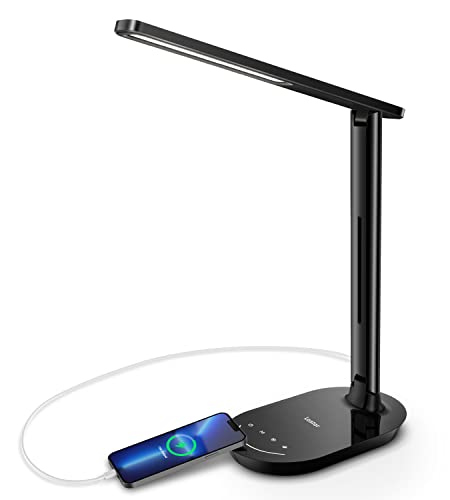
Best Light Therapy Alarm Clock 2026: Calmer Mornings
Best light therapy alarm clock gear solves a small but stubborn problem: waking up before the room feels ready. A harsh phone alarm can yank the day open, while a gradual sunrise light gives the body a quieter nudge. That doesn't mean every model feels natural, though. Some lamps glow too weakly, some buttons feel fussy half-asleep, and some alarms sound like they belong in a hotel hallway.
A good sunrise alarm clock should make mornings feel less like a fight. The light needs to brighten slowly, not blast the room like a desk lamp. Adjustable brightness levels matter because winter bedrooms, blackout curtains, and shared sleeping spaces all behave differently. A soft red or amber sunset mode can also help at night, especially after too much screen time.
Plant lovers may notice a familiar rhythm here. Just like a windowsill herb tray hates sudden light swings, tired eyes don't love instant brightness before dawn. A steady glow feels more forgiving, and that matters during short days, cloudy weeks, or rooms that never get clean morning sun. Still, a wake-up light isn't a medical cure, and it won't fix poor sleep habits by itself.
The better models balance light therapy, alarm sounds, snooze control, and bedside practicality. Large displays are helpful, but too much display glow can be annoying in a dark room. Nature sounds can feel pleasant, unless the speaker is tinny or the loop repeats too obviously. Small details decide whether the clock becomes part of the routine or ends up unplugged in a drawer.
Space matters too. A wide lamp may look nice on a product page, but a crowded nightstand with books, glasses, chargers, and maybe a tiny pothos leaves little room for bulky gear. Compact designs with stable bases usually feel easier to live with. The sweet spot is simple: gentle sunrise lighting, clear controls, dependable alarms, and enough customization without turning bedtime into a settings menu.

RICIAL Wake Up Light Sunrise Alarm Clock Review
Mornings have a funny way of setting the tone for everything that follows. A blaring alarm can leave you groggy and annoyed before your feet even touch the floor. That's exactly where this entry in the best light therapy alarm clock category tries to shift the experience. The RICIAL Wake Up Light leans into gentler routines with a blend of sunrise simulation, 10,000 lux therapy lighting, and sleep-friendly extras designed to ease both ends of the day.
RICIAL Wake Light
The first thing that stands out is the emphasis on waking gradually rather than abruptly. Instead of launching straight into loud beeping, the lamp slowly increases brightness according to your chosen schedule. That transition feels more thoughtful, particularly during darker months when natural morning sunlight is scarce. The sunrise simulation isn't trying to perform miracles, but it does encourage a calmer start.
Customization plays a major role in the appeal. Users can choose preferred brightness intensity and determine how long the sunrise process lasts before alarm sounds join in. That flexibility matters because one household's ideal wake-up experience can feel unbearable to another. The ability to tailor the wake-up routine prevents the device from becoming overly rigid.
Its compact footprint deserves mention too. Bedside tables often carry books, charging cables, glasses, and whatever odds and ends accumulate through the week. The RICIAL unit manages to pack several functions into a relatively modest design without demanding excessive space. That practicality supports its role as an everyday companion rather than an occasional gadget.
Light Therapy Features That Feel Thoughtful
The inclusion of a 10,000 lux light therapy lamp elevates this beyond a typical alarm clock. According to the provided specifications, the light delivers UV-free, full-spectrum illumination intended to mimic natural sunlight. For those dealing with dim apartments, gloomy weather, or winter routines that rarely align with sunrise, that extra brightness can be especially welcome.
Color temperature options ranging from 1800K to 6500K provide versatility. Warmer settings create a softer atmosphere suitable for winding down, while cooler tones mimic daylight more effectively. Instead of locking users into one mood, the device adapts throughout the day. Small details like this often determine whether multifunction products genuinely earn their place.
The ten brightness levels offer realistic control. Some people crave a strong burst of illumination to shake off sluggishness, while others prefer a subtle approach that doesn't overwhelm sensitive eyes. The stepped adjustments acknowledge that light isn't one-size-fits-all. That's a practical strength rather than a flashy marketing trick.
Tradeoffs exist, naturally. A therapy lamp positioned on a bedside table won't flood an entire room like dedicated standalone units with larger panels. Those expecting broad environmental lighting should keep expectations grounded. The strength here lies in convenience and integration.
Dual Alarms Designed For Real Life
Schedules rarely cooperate. Weekdays arrive with deadlines, while weekends encourage slower starts. The inclusion of dual alarms accommodates those shifting rhythms without forcing constant reprogramming. That feature also works well for shared sleeping arrangements where routines differ.
Alarm customization extends beyond timing. Seven alarm sounds and ten volume levels allow a degree of personalization often missing from basic bedside clocks. Some may gravitate toward gentler audio, while others require something more assertive after years of sleeping through soft melodies. The flexibility reduces frustration.
The snooze function provides an additional nine minutes of rest. Love it or hate it, snooze remains part of many morning rituals. RICIAL doesn't attempt to judge that habit. Instead, it acknowledges reality and builds it into the experience.
Button placement and navigation simplicity become surprisingly important before dawn. While extensive menus can feel sophisticated, they often create irritation during half-awake adjustments. This model appears focused on maintaining accessibility rather than unnecessary complexity.
Sleep Aid Functions Beyond The Alarm
Evening routines receive nearly as much attention as mornings. The built-in white noise machine introduces seven nature-inspired sounds aimed at promoting relaxation. Wind, gentle environmental tones, and other calming audio options contribute to a more intentional wind-down process.
The sunset simulation complements those sounds by gradually dimming the environment. Rather than abruptly switching from brightness to darkness, the transition mirrors natural evening conditions. That pacing can support consistency, particularly after overstimulating screen-heavy nights.
Three display brightness levels and a dedicated night mode demonstrate awareness of a common complaint. Bright clock displays often become unintended sleep disruptors. By allowing adjustment, the device respects varying sensitivity to ambient light during rest.
Sleep timers further strengthen its role as a bedside companion. Instead of functioning as an alarm with a few extra tricks, it attempts to support the full sleep cycle. The result feels cohesive rather than cobbled together.
Atmosphere Lighting And Everyday Appeal
The inclusion of 11 ambient light colors adds personality without overshadowing the practical features. Some evenings call for warm, cozy lighting, while others benefit from brighter tones suitable for reading or unwinding. Those choices make the device feel adaptable rather than purely utilitarian.
Its identity as a 5-in-1 device deserves attention. Light therapy lamp, sunrise alarm, white noise machine, bedside lamp, and mood light coexist within one compact unit. Consolidating functions can reduce bedside clutter and simplify nighttime routines.
That said, multifunctionality sometimes involves compromise. Dedicated audiophiles may prefer specialized sound machines with richer speakers. Individuals seeking room-filling therapy lamps may lean toward larger standalone units. RICIAL's advantage lies in balance rather than absolute specialization.
Curiously, lighting enthusiasts often appreciate how niche setups solve highly specific problems. A related perspective appears in best LED lights for saltwater tank, where thoughtful illumination choices influence outcomes in entirely different environments.
The overall experience feels grounded in everyday practicality. Gentle wake-ups, adjustable therapy lighting, and sleep-focused details work together without excessive fuss. RICIAL doesn't promise to reinvent mornings overnight. Instead, it aims to smooth the rough edges that too many bedside clocks ignore.

Wake Up Light Sunrise Alarm Clock for Kids and Heavy Sleepers
Dragging yourself out of bed after a rough night isn't exactly anyone's idea of a pleasant morning ritual. Traditional alarm clocks tend to bulldoze their way into the day with shrill beeps that leave nerves rattled before breakfast. Sitting comfortably in the best light therapy alarm clock category, this Wake Up Light Sunrise Alarm Clock takes a softer route. It focuses on creating a gentler transition from sleep to wakefulness through sunrise simulation, customizable alarms, and a handful of thoughtful features that fit naturally into everyday routines.
WakeGlow Sunrise Clock
The strongest impression this clock leaves is its commitment to easing people into the morning rather than shocking them awake. The sunrise simulation gradually increases brightness from 10% to full intensity before the scheduled alarm time. Instead of jumping out of bed feeling startled, mornings unfold at a pace that feels noticeably less chaotic.
Flexibility also works in its favor. The sunrise duration can be adjusted to 10, 20, or 30 minutes, allowing different preferences to shape the experience. Some mornings require a slow climb toward consciousness, while others call for a shorter runway before the day begins. The ability to tailor that rhythm gives the device practical appeal.
There's a human touch to the design philosophy. Not everyone wakes up the same way, and this clock acknowledges that reality without trying to force a single method onto every bedroom. That attention to routine variation often separates thoughtful products from forgettable ones.
Sunrise Simulation That Supports Better Mornings
Natural light influences the body's internal timing more than many people realize. By mimicking a sunrise effect, this clock introduces gradual illumination before sound enters the equation. The process feels less abrupt than conventional alarms and can help reduce that foggy, disoriented sensation many people know all too well.
The seven included natural alarm sounds complement the light progression. Birdsong, flowing streams, sea waves, piano melodies, and wind chimes replace the typical electronic shriek. Those softer sounds create a calmer atmosphere, especially during stressful stretches when restful sleep feels elusive.
Of course, realistic expectations matter. A sunrise alarm isn't a magical fix for chronic sleep deprivation or wildly inconsistent bedtime habits. Its real value lies in improving the waking experience rather than solving every sleep challenge under the sun.
People often underestimate how much a smoother wake-up routine shapes mood throughout the day. A less jarring beginning can make early obligations feel just a little less punishing.
Dual Alarms Built Around Real Schedules
Daily routines rarely stay identical from Monday through Sunday. This clock addresses that with dual alarm settings that support Every Day, Weekday, and Weekend configurations. That flexibility reduces the annoyance of repeatedly changing schedules.
The dual setup proves useful whenever different routines share the same space. One person may rise before sunrise, while another prefers a slower start. The separate alarms allow those realities to coexist without constant reprogramming.
Then there's the beloved and occasionally cursed snooze feature. Tapping snooze grants an extra nine minutes before the alarm returns. Whether viewed as a lifesaver or a guilty pleasure, it's built in because real mornings rarely unfold perfectly.
Alarm volume can be adjusted through 16 sound levels, another practical touch. Some sleepers wake at the slightest sound, while others could snooze through a marching band rehearsal. Customization matters.
Colorful Lighting That Does More Than Decorate
This device wears several hats beyond its alarm function. Seven ambient colors including blue, red, green, yellow, purple, orange, and indigo transform it into a mood light capable of adapting to different environments.
The inclusion of 20 adjustable brightness levels adds another layer of practicality. Dim lighting works well during quiet evenings, while brighter settings support reading or navigating the room after dark. Small adjustments often make everyday use more comfortable.
The LED display brightness also offers three levels and can be switched off entirely. That's a welcome feature because overly bright clocks can become unexpected sleep disruptors. A dark room should actually stay dark if that's what promotes better rest.
Soft bedside illumination can also prove surprisingly handy during nighttime feedings, quick bathroom trips, or reaching for a glass of water without fumbling around in complete darkness.
FM Radio And Extra Features That Expand Its Role
Hidden beneath the sunrise functionality sits a fully functional FM radio. A long press initiates automatic station scanning across supported frequencies, while manual tuning allows more precise control. For some households, morning radio remains part of the daily ritual.
The radio component adds personality without overwhelming the product's primary mission. News updates, weather reports, or favorite stations can gently replace repetitive alarm tones. Familiar audio has a comforting effect that standard alarms simply can't replicate.
Interesting parallels appear in other technology categories where convenience meets customization. A related example can be found in best remote control for my PC QWERTY, where adaptable controls often determine whether a device feels intuitive or frustrating.
As a night light, bedside lamp, and reading companion, this Wake Up Light avoids becoming a single-purpose gadget. It doesn't promise dramatic life changes or impossible transformations. Instead, it focuses on smoothing rough edges through practical details, gentle routines, and a design that feels grounded in how mornings and evenings actually unfold.

Hatch Restore 3 Sunrise Alarm Clock Review
A bedroom can get crowded fast, not just with stuff, but with habits that keep the brain buzzing long after the lights go out. Phones sit too close, notifications keep tugging, and a regular alarm can feel like a tiny panic button every morning. The best light therapy alarm clock space has plenty of devices chasing softer wakeups, but Hatch Restore 3 takes a slightly different lane. It leans hard into a screen-free sleep routine, using light, sound, and simplified controls to make bedtime feel less scattered.
Hatch Restore 3
Hatch Restore 3 feels less like a basic alarm clock and more like a bedside routine manager. The design centers on sunrise wakeups, white noise, and calming light sequences instead of loud beeps and bright phone screens. That approach makes sense for bedrooms where the nightstand has become a messy command center. Less tapping, less scrolling, less mental clutter.
The product’s strongest idea is simple: create a repeatable path from winding down to waking up. A lot of sleep gadgets pile on features until they become another chore, but this one tries to keep the nightly rhythm easy to follow. The one big button is especially smart because sleepy hands don't want a tiny maze of controls. That detail sounds small until it’s 2 a.m. and the room is dark.
The putty color also keeps the device visually calm. It doesn't scream for attention on the nightstand, which matters more than people think. A sleep device should fade into the room instead of becoming another glowing object begging to be noticed. Hatch seems to understand that bedroom atmosphere is part of the product, not an afterthought.
There is a tradeoff, though. Restore 3 depends on Bluetooth for setup and a stable 2.4GHz Wi-Fi connection for ongoing use, based on the provided details. That won't bother homes with reliable Wi-Fi, but it may frustrate anyone who prefers completely offline bedside gear. It also needs to stay plugged into a power outlet, so outlet placement matters.
Sleep Routine Design And Daily Use
The bedtime routine angle is where Hatch Restore 3 separates itself from plainer sunrise clocks. Instead of only waking you with light, it helps shape the wind-down period before sleep. Customizable light and audio pairings can create a cue that tells the brain, alright, the day is done. That kind of repetition can be surprisingly helpful when evenings tend to drift.
Original sleep content is part of the package, including examples like Meditative Gold and Unconventional Meditations from the supplied description. That gives the device more personality than a standard sound machine looping rain or static. Still, the content library won't suit every taste. Some people love guided routines, while others just want steady background sound and nothing else.
The screen-free positioning is a real strength. Plenty of people climb into bed meaning to set an alarm and somehow end up reading messages, headlines, or random late-night nonsense. Hatch Restore 3 helps break that loop by making the bedroom routine less dependent on a phone. That’s not magic, but it’s a useful nudge in the right direction.
The separate bedside light button adds practical value beyond sleep programming. A quick night light can help during a midnight water break or while moving around the room without blasting the eyes. The big-control approach suits groggy moments well. Fewer choices can feel like mercy at night.
Light, Sound, And Wake-Up Feel
The sunrise alarm function is the headline feature for anyone comparing it with other best light therapy alarm clock options. Instead of relying on sudden noise, Restore 3 uses a gradually brightening light to support a gentler morning transition. The goal is to work with the body’s natural waking rhythm rather than barging in like a smoke detector. That difference matters on dark winter mornings or in bedrooms with heavy curtains.
The sound side also carries weight. The provided description mentions 80+ sleep sounds tied to Hatch+ content, which gives more variety than many simple bedside sound machines. White noise can be useful for masking hallway noise, traffic hum, or household movement. Of course, sound preference is personal, so a large library helps only if the available styles actually match the room’s needs.
The dimmable clock design is another quietly important feature. Bright displays can ruin a dark room, especially for light-sensitive sleepers. Restore 3’s ability to keep the room dark helps it behave like sleep gear rather than a tiny dashboard. That matters if even a small glow starts feeling like a spotlight.
The wake experience appears better suited to gradual risers than alarm warriors who need loud, aggressive sound. That’s not a flaw, exactly. It just means expectations should stay realistic. A sunrise clock can soften the morning, but it won't erase a too-late bedtime or chronic sleep debt.
Subscription Value And Practical Tradeoffs
The Hatch+ subscription deserves a clear look because it affects the long-term value. The purchase includes a 30-day free trial for new subscribers, according to the provided description. After that, Hatch+ costs $4.99 per month or $49.99 per year. That’s useful information, not a footnote.
Some features and premium content sit behind that subscription model, so the device may feel different depending on whether that ongoing cost feels acceptable. Anyone who wants a one-time purchase with no extra decisions may hesitate. On the flip side, fresh routines and a growing content library can make sense for someone who gets bored with the same sounds quickly. Value depends on how much the content actually gets used.
The app-based routine setup brings both convenience and mild friction. Creating custom routines through the Hatch Sleep app on iOS or Android can feel polished, especially for adjusting light and audio combinations. But needing an app may annoy those who want every bedside function controlled directly from the clock. Sleep tech walks a fine line there.
For households thinking about broader comfort upgrades, lighting and airflow often end up connected in real life, even across different product categories. A separate home comfort reference sits naturally in best ceiling fan with light and wall control, where room control matters from a different angle.
Where Hatch Restore 3 Makes The Most Sense
Restore 3 shines in rooms where the biggest problem isn't waking up once, but building a repeatable sleep rhythm. The combination of sunrise alarm, white noise, dimmable display, and one-button control feels aimed at reducing nightly decision fatigue. That’s a practical benefit, especially when bedtime already feels like a negotiation. Fewer phone checks can make the room feel quieter before sleep even begins.
Its strengths are less about raw brightness and more about routine design. Anyone expecting a dedicated 10,000 lux therapy lamp should notice that this product is described as a sunrise alarm and smart light, not a clinical-style light box. The wake light supports a softer morning, while the audio library supports a calmer night. Those are related benefits, but they aren’t identical to standalone light therapy hardware.
The biggest limitation is the ecosystem feel. Wi-Fi, app setup, and Hatch+ can be perfectly acceptable for tech-friendly bedrooms, but they may feel like overkill for someone who just wants a simple alarm with a lamp. That tradeoff is worth naming plainly. More features can make life smoother, yet they can also bring more dependency.
Still, Hatch Restore 3 has a clear identity. It doesn't try to be a bargain-bin clock with a decorative glow. It tries to make the nightstand less chaotic through screen-free routines, warmer wakeups, softer sound, and simple physical controls. For a device built around sleep, that kind of restraint feels like the whole point.
Philips SmartSleep Wake-Up Light Review
Cold, dark mornings can make even a decent night of sleep feel like it ended too early. A phone alarm does the job, sure, but it often does it with all the charm of a smoke detector. The Philips SmartSleep Wake-up Light fits neatly into the best light therapy alarm clock conversation because it focuses on a slower, softer transition into the day. With colored sunrise simulation, sunset support, natural sounds, FM radio, and a reading lamp function, it feels built for bedrooms where routine matters more than gadget clutter.
Philips SmartSleep Light
The Philips SmartSleep Wake-up Light has a clear personality right away. It doesn't try to act like a smart speaker, a phone dock, or a complicated sleep hub. Instead, it sticks to the essentials: gradual light, natural wake sounds, and a bedside design meant to feel familiar after a few nights. That restraint is part of its appeal.
The colored sunrise effect is the standout feature. Rather than switching on with a flat white glare, the light moves through warmer tones before reaching brighter morning illumination. That matters because the wake-up moment can feel less mechanical and more like daylight slowly entering the room. It's a small shift, but mornings are built from small shifts.
Philips includes 20 brightness settings, which gives the lamp useful range. A lower level may suit a smaller bedroom or a light-sensitive sleeper, while a stronger setting can help in darker spaces. The control range also helps the device double as a reading lamp without feeling stuck at one awkward intensity. Not bad for something that lives on a nightstand.
The design does ask for bedside space, though. This isn't a tiny cube alarm clock that disappears beside a stack of paperbacks. The round lamp shape needs room to breathe, especially if the nightstand already holds chargers, glasses, water, and maybe a little plant fighting for the last strip of window light. That footprint is worth considering before making space for it.
Sunrise And Sunset Routine
The sunrise simulation gives this clock its main reason to exist. Instead of waking from deep darkness into sudden noise, the room brightens gradually before the alarm sound begins. That smoother sequence can make early mornings feel less like a rude interruption. It won't replace healthy sleep habits, but it can make the handoff from sleep to waking feel less rough.
The sunset simulation adds balance on the other side of the day. A lamp that only wakes you up solves half the problem, while a wind-down light helps create a clearer evening cue. The gradual dimming can make bedtime feel more intentional, especially after screen-heavy hours. Like watering a fussy indoor herb, consistency matters more than drama.
Five natural wake-up sounds are included, which keeps the audio side simple. The selection isn't huge, but that can be a relief for anyone tired of scrolling through endless menus. A smaller sound library also means fewer decisions during setup. The tradeoff is obvious: sound variety may feel limited compared with app-driven sleep machines.
The tap snooze function fits real mornings well. Groggy hands don't want tiny buttons or menu gymnastics before coffee. A simple tap keeps the experience low-friction, and that matters in the sleepy gap between knowing the alarm is ringing and admitting the day has started.
Bedside Features With Practical Value
The built-in FM radio gives the Philips SmartSleep more old-school charm than many modern wake-up lights. Some mornings feel better with a familiar station instead of a looping tone. Radio also gives the clock a bit of daily usefulness beyond alarms and lighting. It feels less like a specialty device and more like a regular part of the room.
The automatic dimmable display is another quiet win. Bright clock faces can be oddly annoying at night, especially in rooms kept dark for better rest. A display that adjusts instead of blasting the room helps preserve the sleep setting. That's the kind of feature people notice only after living with a bad display for too long.
The reading lamp function also earns its place. A bedside light should be bright enough for a few pages but not so harsh that it wakes the whole room. With adjustable brightness, this model can shift from wake-up light to evening lamp without feeling like a compromise. That flexibility keeps it from becoming a one-trick gadget.
The controls stay fairly approachable. Philips designed this around ordinary bedtime use, not constant tinkering. That makes sense because sleep products shouldn't feel like homework. Still, anyone who loves app-based customization may find the more traditional control style less flexible than newer connected models.
Mood, Energy, And Realistic Expectations
The product description states that the Philips Wake-up Light is proven to support an easy, energetic wake-up and improve morning mood. That claim fits the overall design philosophy: light first, sound second, less shock to the system. The value is most noticeable during dark seasons, early schedules, or rooms where natural sunrise never quite reaches the bed. It gives the morning a softer runway.
The best light therapy alarm clock label should still be understood carefully here. This product is built as a wake-up light with mood and routine benefits, not as a replacement for a dedicated medical light therapy box. Anyone expecting a clinical-style light panel for long morning sessions may want a different format. Philips SmartSleep works best as a bedside routine tool.
The physician and pharmacist recommendation mentioned in the supplied details adds reassurance, but it shouldn't be stretched into exaggerated promises. Better mornings depend on sleep timing, room conditions, bedtime habits, and consistency. A wake-up light can support that pattern, but it can't undo midnight scrolling or wildly shifting sleep schedules. Fair is fair.
There is also a 90-day no-hassle money back guarantee from Philips, according to the provided product details. That kind of policy can reduce pressure around whether the sunrise approach will feel right in a real bedroom. Sleep preferences are personal, and sometimes the only honest test is living with the light for a while. On paper, the feature set is polished and practical.
How It Fits Into A Real Bedroom
The Philips SmartSleep Wake-up Light feels strongest in a bedroom where mornings need softening rather than brute force. Its colored sunrise, natural sounds, and dimmable display all point toward a calmer daily rhythm. It doesn't bury the experience under subscriptions or complex routines. That simplicity may be exactly the point.
Its limitations are mostly tied to expectations. The five sound choices may feel sparse beside devices with large content libraries. The lamp shape may take more space than tiny digital clocks. And because the product focuses on light-based waking, very heavy sleepers may still need a backup alarm until the routine settles in.
Still, the build of the feature set feels mature. Philips seems to understand that a wake-up light has to work before dawn, after dark, and during those awkward half-awake moments when patience is thin. The tap snooze, reading lamp, FM radio, and automatic display brightness all serve that lived reality. Nothing feels wildly experimental.
Lighting habits show up in more places than bedrooms, especially for people who already think about how brightness affects routines, growth, and comfort. A separate practical lighting angle appears in best grow light clip lamp, where targeted illumination solves a very different kind of daily problem.
The Philips SmartSleep Wake-up Light doesn't feel like a flashy gadget trying to win attention. It feels like a steady bedside tool that knows its job and mostly stays in its lane. For anyone trying to make mornings less jarring without turning the nightstand into a tech console, the sunrise simulation and wind-down lighting make a strong case.

ATOROBROS Light Therapy Sunrise Alarm Clock
Dim mornings have a sneaky way of making the whole day feel slower before it even starts. A loud alarm can get the body out of bed, sure, but the mood often lags behind like a sleepy dog refusing the leash. The ATOROBROS Light Therapy Sunrise Alarm Clock fits into the best light therapy alarm clock category by combining a 10,000 lux therapy lamp with a gradual wake-up system. It feels made for routines that need more daylight, less noise, and fewer rough edges during seasonal changes, jet lag, shift work, or those gloomy stretches when the bedroom feels like a cave.
ATOROBROS Sunrise Lamp
The ATOROBROS Sunrise Lamp takes a more focused path than many bedside gadgets. Instead of loading the design with radio, app controls, or decorative extras, it centers on light therapy, wake-up lighting, and evening dimming. That gives the product a clean purpose. It wants to help the day begin and end with light that changes gradually rather than suddenly.
The product description frames it as a 2-in-1 lamp, and that matters. A dedicated light therapy lamp can support daytime energy, while a sunrise alarm clock helps soften the wake-up moment. Combining both functions saves space on a nightstand or desk, especially in smaller rooms where every outlet and surface already has a job. Handy, honestly.
The design also speaks to a familiar seasonal frustration. Short winter days, cloudy mornings, and rooms with poor natural light can make wakeups feel heavier than they should. A lamp that offers structured brightness can create a more consistent morning cue. It doesn't replace good sleep habits, but it can make the first part of the day feel less like pushing a cart uphill.
There is a practical limitation baked into the concept. A compact therapy lamp depends heavily on placement, distance, and regular use. The provided details mention 10,000 lux at 6 to 12 inches, so the lamp works best when it sits close enough during a planned light session. Tossing it across the room and expecting the same effect would miss the point.
Light Therapy With Adjustable Control
The 10,000 lux UV-free daylight lamp is the central feature here. That level, according to the supplied description, is designed to mimic natural light and support a more energized, focused feeling. The UV-free detail is important because the purpose is bright visible light, not sun exposure. It gives the lamp a more controlled role for indoor routines.
Three color temperature options help the lamp avoid feeling stuck in one mood. The 2700K setting leans warm and relaxed, 4000K sits in a more neutral middle, and 6000K moves closer to crisp daylight. That range makes the lamp more usable across different times of day. A softer tone can settle an evening room, while a cooler tone feels more useful during sluggish morning hours.
The brightness range from 10% to 100% adds another layer of control. Some mornings call for a gentle lift, while others need a stronger push, especially after late nights or dark weather. Adjustable intensity also matters for shared spaces. Nobody wants a bedside lamp that treats every wakeup like noon in July.
Still, light therapy requires consistency. A bright lamp used once in a while won't do much for a scattered routine. The benefit comes from building a repeatable habit around the device, like watering seedlings on a schedule instead of randomly soaking the pot whenever the leaves droop. Steady use matters more than drama.
Wake-Up Timing That Feels Flexible
The sunrise alarm feature gives ATOROBROS a useful edge over a standard therapy lamp. The light can begin gradually before the alarm, with options for 10, 15, 20, 30, 45, or 60 minutes. That range is unusually practical because mornings don't all need the same ramp-up time. A quick weekday start and a slower weekend rise can feel completely different.
The gradual increase in intensity and color temperature is the smarter part of the wake-up design. Instead of snapping from darkness to bright white light, the lamp builds toward morning in stages. That can reduce the harsh feeling that comes with traditional alarms. The whole idea is less shove, more nudge.
Heavy sleepers may still need realistic expectations. A sunrise light can support waking, but it may not replace a strong audio alarm for everyone. The product details focus on light behavior, not loud sound customization, so anyone who regularly sleeps through alarms may want a backup method. Better safe than grumpy.
The flexibility also supports irregular schedules. Shift work, travel fatigue, and seasonal time changes can make mornings feel oddly disconnected from the actual clock. A configurable wake-up light can create a consistent cue even when natural sunrise refuses to cooperate. That’s where this product feels especially useful.
Evening Dimming And Sleep Support
The sleep side of the lamp deserves its own attention. ATOROBROS includes a night light countdown timer with settings for 10, 15, 20, 30, 45, or 60 minutes. During that countdown, the soft light dims from 2700K toward red before turning off. That creates a calmer transition than simply clicking off a bright lamp.
Evening light can either help or sabotage a room. Bright, cool light late at night may keep the space feeling alert when the body needs a slower pace. A warm-to-red dimming sequence feels more aligned with winding down. It’s not fancy for the sake of being fancy, either.
The red-leaning finish is a thoughtful detail. Warm, low lighting often feels more forgiving during bedtime routines, especially while reading, stretching, or tidying the room before sleep. Like using a softer grow light setting for delicate seedlings, gentler light can make the environment feel less harsh. The effect is subtle, but subtle is exactly what bedtime needs.
This sleep feature also helps the lamp avoid being a one-sided morning device. Plenty of alarm clocks focus only on getting people awake, then sit useless the rest of the day. ATOROBROS gives the evening routine a practical tool too. That makes the product feel more complete.
Everyday Fit And Tradeoffs
The ATOROBROS lamp works best as a compact light routine tool rather than a full entertainment clock. It doesn't appear to chase extras like FM radio, dozens of nature sounds, or app-based programs based on the supplied details. That simplicity can be refreshing. Fewer features often mean fewer settings to fight with while half-awake.
The flip side is that some people may miss those extras. A product with light therapy and sunrise timing may feel too focused if white noise, radio, or multiple alarms are part of the nightly routine. This lamp seems better for people who want light-led structure, not a full bedside command center. Clear expectations make the purchase feel smarter.
The 10,000 lux function also makes desk placement worth thinking through. Because the stated effective range is 6 to 12 inches, it may be more useful during a morning coffee, journaling session, or work-from-home setup than from across a bedroom. The nightstand works for sunrise waking, while closer placement helps the therapy lamp role shine. Two uses, two slightly different setups.
Lighting choices shape comfort in plenty of corners of the home, from bedrooms to seasonal decorating. A related lighting angle can be found in best soft white Christmas tree lights, where warmth and brightness affect the whole room in a different way.
Where This Lamp Makes Sense
The strongest case for ATOROBROS is its balance of daylight therapy and gentle wake-up control. It doesn't try to be everything on the nightstand. Instead, it leans into the thing that actually changes the feel of a room: controlled light. For darker spaces and inconsistent mornings, that focus can be more useful than a pile of bonus features.
The adjustable color temperatures give it more range than a single-tone lamp. Warm light supports calmer evenings, neutral light handles ordinary use, and cooler daylight can help shake off morning fog. That kind of flexibility feels practical, not decorative fluff. It’s the difference between a tool that sits there and one that slips into daily habits.
The main tradeoff is specialization. People wanting a loud alarm system, built-in sound library, or smartphone-connected routine builder may feel underwhelmed. People wanting a straightforward lamp that supports morning brightness and bedtime dimming may appreciate the cleaner approach. Different bedrooms need different kinds of help.
ATOROBROS feels like a solid fit for anyone trying to make indoor days feel less dim and wakeups less abrupt. The 10,000 lux therapy light, customizable sunrise durations, and warm evening countdown give it a clear, useful rhythm. It won't fix a chaotic sleep schedule by itself, but it can make the routine feel easier to repeat. And sometimes, that’s the piece that finally sticks.


Best Boat Black Lights 2026 For Nighttime Adventure

Best Black 30 Inch Light Bar Reviews – Top Picks of 2026

Best Black Light For Aquarium 2026 For Vibrant Glow

Best Black Light for Authenticating Glass 2026 Top Picks
Best Waterproof Spotlight 2026 That Outshines Expectations

Best Solar Spotlight For Yard 2026 Brighten Outdoor Spaces With Ease
Best Led Spotlight Rechargeable 2026 Bright Picks

Best Rechargeable Spotlight For Boat 2026 That Cuts Through Darkness