
Best Light Therapy For Seasonal Depression 2026 Guide

Best light therapy for seasonal depression starts with one stubborn problem: dark mornings can make the whole day feel like it’s dragging its feet. A good light therapy lamp doesn’t pretend to replace sunshine, but it can bring steady bright-light exposure into a routine that otherwise feels boxed in by clouds, short days, and low energy. The most useful models usually focus on 10,000-lux brightness, low UV output, and a size large enough to sit near a desk, breakfast spot, or reading chair without turning the room into a glare trap.
Morning use matters more than fancy extras. Many people want a lamp that slips into coffee time, inbox catch-up, or quiet plant-watering chores without needing a whole production. That’s where practical design earns its keep: adjustable angles, stable stands, softer brightness settings, and controls that don’t feel fiddly before the brain has fully woken up. Still, bigger panels can take up space, and compact lamps may need closer positioning to feel useful.
Seasonal depression light therapy also works best with patience, not wishful thinking. The lamp should sit off to the side, close enough for meaningful exposure, while eyes stay open without staring straight into the light. Well-made units filter or minimize UV light, which helps reduce unnecessary eye and skin concerns. Even then, headaches, eye strain, or jittery feelings can happen, especially if brightness, distance, or timing gets pushed too hard.
Plant-filled rooms, small apartments, and dim home offices create their own little headaches. A lamp that looks fine online may feel awkward beside seed trays, humidifiers, grow lights, or a crowded windowsill. The better fit is often a balanced one: bright enough for a morning routine, simple enough to use daily, and not so bulky that it gets shoved into a closet by February. That’s the real test, honestly, because consistency beats flashy specs every time.
Light therapy lamps shouldn’t be treated like mood magic in a plastic frame. They work best as part of a steadier winter rhythm that includes sleep timing, daylight breaks, movement, and less doom-scrolling before bed. Anyone with eye conditions, bipolar disorder, strong light sensitivity, or medications that increase light sensitivity should get medical guidance first. Used thoughtfully, though, the right lamp can make dark-season mornings feel less like a wall and more like a workable start.

- LFR Score9.2
LFR Score is a ranking system developed by lightfansreviews.com. LFR Score has no relationship or impact from any manufacturers or sales agent websites. Learn more
- BrandCaromolly

- LFR Score9.0
LFR Score is a ranking system developed by lightfansreviews.com. LFR Score has no relationship or impact from any manufacturers or sales agent websites. Learn more
- BrandVerilux

- LFR Score9.0
LFR Score is a ranking system developed by lightfansreviews.com. LFR Score has no relationship or impact from any manufacturers or sales agent websites. Learn more
- BrandDoraubia

- LFR Score8.8
LFR Score is a ranking system developed by lightfansreviews.com. LFR Score has no relationship or impact from any manufacturers or sales agent websites. Learn more
- BrandFitfirst

- LFR Score8.8
LFR Score is a ranking system developed by lightfansreviews.com. LFR Score has no relationship or impact from any manufacturers or sales agent websites. Learn more
- BrandFBBJFF
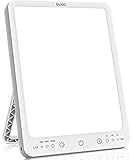
- LFR Score8.4
LFR Score is a ranking system developed by lightfansreviews.com. LFR Score has no relationship or impact from any manufacturers or sales agent websites. Learn more
- BrandSUXIO
Last update on 2026-06-14 / Affiliate links / Images, Product Titles, and Product Highlights from Amazon Product Advertising API
Caromolly Light Therapy Lamp Review
Gray winter mornings have a knack for throwing routines off balance. The coffee brews, emails pile up, and motivation seems to hit the snooze button one too many times. That's exactly where the best light therapy for seasonal depression enters the conversation, and Caromolly's approach feels less clinical and more like blending practical brightness into everyday life. Instead of demanding dramatic lifestyle changes, this lamp quietly slides into existing habits, offering a gentler response to seasonal shifts, jet lag, and long stretches without natural sunlight.
Caromolly Glow
The first thing that separates this lamp from countless rectangular competitors is its 360° illumination. Rather than projecting light from a single face, the cylindrical design spreads brightness throughout the surrounding area. That broader coverage creates a softer atmosphere and avoids the sensation of sitting directly under a spotlight.
Its advertised maximum output of 10,000 lux aligns with the specifications commonly associated with light therapy products intended to mimic daylight exposure. The lamp also emphasizes a UV-free design, which matters because people seeking bright-light support typically don't want unnecessary ultraviolet exposure entering the equation.
Visually, Caromolly takes a minimalist route. The sleek silhouette blends naturally beside houseplants, bookshelves, workstations, and bedside tables. Some therapy lamps practically scream medical equipment. This one leans toward understated home décor instead.
Daily Use And Real-World Convenience
Convenience often determines whether a product becomes part of a routine or gathers dust in a closet. Caromolly includes a remote control with a 15-meter range, eliminating the small annoyance of getting up repeatedly to make adjustments. On hectic mornings, tiny conveniences can make a surprisingly big difference.
The remote feels particularly useful during evenings when the lamp serves a secondary role as ambient lighting. Shifting brightness from across the room feels effortless rather than disruptive. That flexibility allows the lamp to adapt throughout the day instead of being locked into a single purpose.
Its memory function deserves recognition, too. Returning to the previous setting means favorite combinations don't have to be recreated every single time. People tend to underestimate features like this until they've lived without them.
That said, relying on a remote introduces a tradeoff. Misplacing it could become an occasional frustration, especially in busy households where small accessories tend to wander.
Color Temperature That Matches The Moment
Many light therapy products focus entirely on brightness while overlooking atmosphere. Caromolly approaches things differently through its three color temperatures: 2700K, 4000K, and 6000K. Each setting shifts the mood and functionality of the lamp.
The 2700K warm white setting produces a gentler glow suitable for winding down during quieter parts of the evening. It doesn't mimic harsh office lighting, which can feel jarring during relaxation periods.
4000K natural white lands somewhere in the middle. Bedrooms, reading corners, and casual work sessions benefit from its balanced appearance. It offers clarity without pushing brightness too aggressively.
The 6000K daylight mode aims closest to daylight simulation. Morning desk work, paperwork, and focused tasks seem better matched to this setting. The transition between modes expands the lamp's usefulness well beyond seasonal mood support.
Brightness And Timing Flexibility
Brightness preferences rarely fit neatly into a one-size-fits-all formula. Caromolly allows adjustments between 25% and 100%, helping accommodate different room conditions and comfort levels. A small apartment with white walls won't require the same intensity as a larger, darker space.
Equally practical are the 10, 30, 60, and 90-minute timer options. Timers encourage consistency while preventing accidental all-day operation. For people whose mornings already feel rushed, automating shutoff removes one more task from the mental checklist.
Using shorter sessions initially may help ease adaptation. Bright-light exposure can feel intense at first for some individuals, and gradual adjustment often leads to a more comfortable experience. The multiple timer settings support that measured approach.
One realistic limitation remains. The lamp still requires intentional use. Buying a therapy lamp isn't the same as developing the habit of sitting near it regularly. Consistency matters more than novelty.
Strengths, Tradeoffs, And Honest Impressions
Caromolly's strongest advantage lies in its multifunctional identity. It serves as a therapy lamp, decorative accent light, task companion, and ambient source without forcing a compromise in aesthetics. That versatility helps justify its place within shared living spaces.
The 360° brightness distribution offers a noticeable distinction from traditional front-facing panels. Instead of concentrating illumination in one direction, the lamp contributes to a room's atmosphere more naturally. People sensitive to stark lighting arrangements may appreciate this softer environmental effect.
Practical concerns still exist. Those seeking an ultra-portable travel companion may find its decorative format less convenient than foldable panel-style options. Similarly, individuals who prefer entirely button-based controls might not prioritize the remote as heavily as others do.
Interestingly, lighting considerations often extend beyond therapy applications. Broader discussions around illumination setups occasionally overlap with references like best LED lights for high ceilings, highlighting how brightness distribution affects comfort across very different environments.
Caromolly doesn't promise miracles, nor should it. What it offers instead is a thoughtfully designed combination of UV-free 10,000 lux illumination, adaptable color temperatures, convenient controls, and a room-friendly appearance. For those navigating winter blues, disrupted schedules, limited daylight, or changing seasonal rhythms, that blend of practicality and comfort may feel refreshingly grounded.
Verilux HappyLight Lucent Review
Dragging yourself through dark mornings can feel like trying to push a shopping cart with one stubborn wheel. Motivation sputters, focus wanders, and the usual routines suddenly require extra effort. That's where conversations around the best light therapy for seasonal depression tend to surface, and Verilux takes a surprisingly uncomplicated route with the HappyLight Lucent. Rather than dazzling with endless buttons and complicated programming, this compact lamp leans into simplicity while delivering the essentials people actually use.
Lucent Simplicity
Plenty of wellness gadgets arrive loaded with features that sound impressive but rarely get touched after the first week. The one-button operation of the Verilux HappyLight Lucent heads in the opposite direction. Press the button, turn it on, and settle into the morning routine without navigating layers of settings.
That simplicity isn't laziness. It's intentional design. People juggling breakfast, school runs, overnight shift recovery, or back-to-back meetings often don't want another decision waiting on the kitchen counter.
The lamp delivers up to 10,000 lux of brightness using UV-free LED full-spectrum light. Verilux also states that the illumination is free from flickering, hotspots, and distracting glare, factors that can influence comfort during regular sessions.
Sometimes the smartest feature isn't complexity. Sometimes it's reducing friction so a routine actually sticks.
Portable Brightness That Fits Real Life
The HappyLight Lucent doesn't dominate a room. Its ultra-thin tablet design makes it look more like a compact tech accessory than a piece of medical equipment. That subtle appearance matters for anyone who doesn't want their living space revolving around wellness devices.
The included detachable stand expands its versatility. Set it beside a laptop during morning emails, move it to the breakfast nook, or slide it into a travel bag before heading out of town. A light therapy lamp that's easy to relocate naturally becomes easier to use consistently.
Travelers and those working irregular schedules often face changing environments. Lugging bulky equipment isn't appealing after navigating airports, hotels, or temporary workspaces. The Lucent's lightweight approach acknowledges those realities without overcomplicating them.
Portability comes with a compromise, though. People who prefer larger therapy panels that flood broader areas with light may notice the Lucent prioritizes convenience over expansive coverage.
Flexible Positioning Without Fuss
Light placement influences comfort more than many first-time buyers realize. Sitting awkwardly in front of a poorly angled lamp can make sessions feel forced. Verilux addresses this through its bidirectional stand, allowing horizontal or vertical positioning.
That small adjustment capability offers practical benefits. Desk setups vary wildly. Kitchen counters, bedside tables, and office workstations rarely share identical dimensions. Being able to shift orientation helps accommodate changing environments.
The detachable stand also contributes to its grab-and-go personality. Remove it entirely, tuck the lamp into a bag, and reclaim valuable space when needed. Minimal clutter often increases the odds that a wellness habit survives beyond January enthusiasm.
Despite its flexibility, the stand remains intentionally straightforward. Those expecting elaborate articulation or highly customizable angles may find its simplicity limiting.
Daily Use And Sensible Expectations
Claims surrounding light therapy can drift into exaggerated territory. Verilux keeps its messaging centered on familiar outcomes associated with bright light therapy, including support for mood, sleep, energy, and focus. Those goals align with why many people investigate seasonal light exposure in the first place.
The Lucent isn't designed to become an instant reset button. Consistent routines matter. Brief sessions integrated into breakfast, reading time, or the start of a workday often prove easier to sustain than dramatic lifestyle overhauls.
Comfort also deserves attention. The lamp's emphasis on being free from flickering and harsh hotspots may contribute to a more pleasant experience, particularly for individuals who notice visual distractions quickly.
Light sensitivity varies. Starting gradually and adjusting exposure thoughtfully often feels more realistic than diving headfirst into lengthy sessions from day one.
Strengths, Limitations, And Lasting Appeal
Verilux carries a notable legacy within healthy lighting, describing itself as the creator of the original HappyLight and highlighting more than 65 years of lighting experience. The inclusion of a 3-year manufacturer's warranty and U.S.-based support reinforces a sense of long-term confidence without leaning on inflated promises.
The HappyLight Lucent shines brightest through its ease of use, portability, and compact footprint. People tired of feature overload may appreciate how little explanation the lamp requires before becoming part of a daily rhythm.
Its limitations deserve acknowledgment. Buyers seeking advanced customization, multiple brightness presets, integrated timers, or ambient lighting functions won't find those extras here. The Lucent focuses on essentials rather than trying to wear every hat at once.
Household comfort products occasionally overlap in unexpected conversations. Discussions around convenient portable accessories sometimes include references such as best mini hand held fan, illustrating how small, adaptable tools often earn permanent spots in everyday routines.
The Verilux HappyLight Lucent ultimately succeeds by respecting people's limited patience. Its one-touch operation, 10,000 lux UV-free illumination, and travel-friendly profile address practical realities without turning light therapy into a complicated ritual. Not every morning feels bright, but removing obstacles from the process can make showing up for the routine a whole lot easier.
Doraubia Light Therapy Moon Lamp Review
Winter gloom has a sneaky way of turning ordinary mornings into a slow crawl. The desk feels dull, the room looks flat, and even the houseplants on the windowsill seem to be waiting for better light. That quiet frustration is where the best light therapy for seasonal depression becomes more than a wellness buzzword, and the Doraubia Light Therapy Lamp brings an unusual twist with its 3D moon design. Instead of looking like another plain medical panel, it tries to blend 10,000 lux brightness, room décor, and daily comfort into one small fixture.
Doraubia Moon Lamp
The Doraubia lamp immediately stands apart because of its moon-inspired appearance. Many light therapy lamps look like tablets, boxes, or office tools, but this one leans into atmosphere with a 3D printed moon texture. That design choice gives it a softer personality, especially in bedrooms, plant corners, and compact desks where every visible object has to earn its place.
The lamp is built around 10,000 lux light output, which is the main specification people usually notice in light therapy products. Doraubia describes the brightness as mimicking natural light, with intended support for winter blues, body clock regulation, jet lag, and sleep rhythm. Those benefits should be treated with practical expectations, though, because light therapy depends heavily on timing, distance, consistency, and personal sensitivity.
Its decorative style is a real advantage for anyone who dislikes sterile-looking gadgets. A lamp that can stay visible without making the room feel clinical is more likely to remain part of the routine. Still, the moon shape may not suit every workspace, especially a crisp office setup where flat panels and minimal gear feel more natural.
The overall personality feels cozy but purposeful. It doesn't hide the fact that it's a sunlight lamp, yet it doesn't shove that identity in your face either. That balance gives Doraubia a different lane from more utilitarian therapy lamps.
Brightness Control With Less Guesswork
Brightness comfort changes from room to room. A dark bedroom on a rainy morning needs a different touch than a bright office beside a window, and Doraubia answers that with stepless brightness plus four brightness options through the remote experience. That range makes it easier to avoid the classic mistake of blasting full brightness before the eyes are ready.
The touch control keeps basic use simple. Turning the lamp on and adjusting brightness directly from the body feels natural when it's sitting within arm's reach. No hunting through menus, no fussy setup, no tiny learning curve hiding behind a glossy product photo.
The included remote control adds a second layer of convenience. From a bed, couch, or deeper desk setup, fine-tuning the color temperature, brightness, and timer feels less disruptive. That matters during sleepy mornings, late-night wind-downs, or those awkward afternoons when energy dips but harsh overhead lighting feels like too much.
Control variety can be a strength, but it also introduces a small household reality. Remotes disappear. If small accessories tend to vanish under notebooks, blankets, or plant trays, the touch controls become the dependable fallback.
Color Temperatures For Different Moods
Doraubia includes three adjustable color temperatures, giving the lamp more range than a single-tone therapy panel. Cooler light can feel more useful during focused work, while warmer light often feels easier during quiet evenings. That kind of flexibility helps the lamp move between task lighting and ambient lighting without feeling out of place.
The product description frames the lamp as a tool for a tailored lighting experience, and that phrase makes sense here because color temperature affects how a room feels. A bright white setting can sharpen a workspace. A softer tone can make a bedroom or reading corner feel less stark.
This flexibility is especially useful in homes where lighting has to do double duty. A desk may also hold seed packets, notebooks, a laptop, and a small basil plant trying its best near a chilly window. Being able to shift from functional brightness to a calmer glow keeps the lamp from becoming a one-season object.
The tradeoff is that more settings require a little personal trial and error. Some people will quickly settle on one favorite combination, while others may keep adjusting based on weather, room brightness, or time of day. Either way, the lamp rewards a bit of tinkering.
Desk Lamp By Day, Night Companion Later
Doraubia positions this model as both a functional desk lamp and a soothing night companion. That dual identity is useful because seasonal lighting needs don't stop after a morning session. Rooms with weak natural light often need support across the day, especially during long stretches of cloud cover.
On a desk, the lamp can support reading, planning, and light computer work. The full spectrum light description suggests a bright, clear output intended to feel closer to daylight than a dim decorative bulb. For work sessions, that can help the space feel more awake without relying only on ceiling fixtures.
At night, the moon design gives it a gentler role. The warmer setting can soften the atmosphere without making the room feel washed out. That said, bright light close to bedtime may not suit every sleep routine, so lower brightness and warmer tones make more sense later in the evening.
Plant shelves and small indoor gardens add another wrinkle. This lamp is described for light therapy and room use, not as a dedicated grow light, so it shouldn't be treated as the main light source for demanding plants. Still, its glow can make a dim plant corner feel less gloomy while the actual plant-care lighting remains a separate decision.
Timer, Memory, And Everyday Rhythm
The built-in timer function is one of the more practical parts of this lamp. Light therapy routines can fall apart when every session requires clock-watching. A timer lets the lamp fit into breakfast, email sorting, journaling, or a quiet reset without turning the whole morning into a task list.
The memory function adds another layer of convenience. Returning to a preferred setting removes a small but annoying bit of daily friction. That matters because seasonal routines are fragile, especially during the part of winter when motivation feels like it's running on fumes.
Jet lag and irregular schedules are also mentioned in the product description. For shifting sleep patterns, the lamp's brightness and timer options could help create a more consistent light cue. Still, timing matters, and using bright light at the wrong part of the day may feel counterproductive for some sleep routines.
Small convenience features rarely sound dramatic on paper. In daily use, though, timer control, remote adjustment, and saved settings can decide whether the lamp stays plugged in or gets quietly ignored after a week.
Strengths, Tradeoffs, And Practical Fit
The Doraubia Light Therapy Lamp has a clear strength: it doesn't look boring. The 3D moon lamp design gives it decorative value, while the 10,000 lux brightness keeps the core light therapy purpose front and center. That mix helps it feel less like a seasonal appliance and more like a fixture that can stay out year-round.
The biggest practical upside is versatility. Touch control, remote control, multiple color temperatures, brightness adjustment, timer settings, and memory function all work together to reduce daily hassle. A lamp that can shift from desk use to nightstand use earns more patience in cramped rooms.
Its limitations are worth keeping in plain view. People wanting a wide, flat therapy panel may prefer a more traditional shape. Anyone sensitive to bright light should start cautiously, because 10,000 lux illumination can feel intense depending on distance and duration.
Home comfort choices often overlap in odd but practical ways, especially in rooms where airflow, lighting, and ceiling height all shape daily comfort. A related household reference can be found in best fan for a 36 inch downrod, which fits the broader idea that room setup affects how comfortable a space feels.
Doraubia's lamp feels most convincing as a hybrid piece. It brings seasonal light support, decorative warmth, adjustable brightness, and routine-friendly controls into one compact design. It won't replace daylight, medical care, or healthy sleep habits, but it can make a dim room feel more intentional and a hard morning a little less uphill.
Fitfirst Light Therapy Lamp Review
Some dark-season mornings feel like the room forgot to wake up with you. The desk looks flat, the kitchen feels sleepy, and even a small row of herbs by the window can seem stuck under a gray blanket. That’s where the best light therapy for seasonal depression starts to feel practical rather than trendy, especially with a lamp like the Fitfirst model that pushes beyond standard brightness levels. With 15,000 lux simulated sunlight, multiple warmth settings, and a foldable travel-friendly body, it aims to handle more than one kind of low-light problem.
Fitfirst Light Therapy Lamp
The Fitfirst lamp makes its biggest impression through up to 15,000 lux brightness. Many light therapy lamps center around 10,000 lux, so this higher ceiling gives the product a more assertive personality. That doesn’t mean everyone should jump straight to the strongest level, though. Bright light can feel intense, and comfort still depends on distance, timing, sensitivity, and room conditions.
The lamp is described as UV-free, full spectrum, flicker-free, and eye-protecting. Those details matter because light therapy is meant to support a daily rhythm, not punish the eyes before breakfast. The product note also says not to look directly at the light, which is a sensible reminder. Indirect exposure is the safer, more realistic way to use a bright lamp like this.
Its slim size gives it a different feel from decorative moon lamps or tall cylindrical models. At 8.9 by 5.7 by 0.7 inches, it lands closer to a tablet-style panel than a room lamp. That shape makes it easier to place on a desk, tuck into a corner, or slide into a backpack without treating it like fragile furniture.
The design feels practical first. Not flashy. Not cozy in the decorative sense. It’s built for the kind of routine where a lamp needs to sit beside a laptop, notebook, plant tray, or breakfast bowl without making the whole surface feel crowded.
Brightness Range That Needs Respect
The four brightness settings give this lamp real flexibility: 4000, 8000, 10000, and 15000 lux. That range helps it adapt to different moments instead of forcing full intensity every time. A cloudy morning in a dim room may call for more brightness, while a smaller desk setup may feel better at a lower level.
The 4000 lux setting feels useful for easing into the day. It can provide a noticeable lift without turning the room into a miniature photography studio. For early use, that lower step may help reduce the chance of eye fatigue or discomfort. Jumping straight into the highest mode might sound efficient, but comfort often wins the long game.
The 10000 and 15000 lux settings bring the lamp into stronger light therapy territory. These levels may appeal during deep winter, long indoor workdays, or travel periods where natural daylight is scarce. Still, stronger doesn’t automatically mean better. A lamp this bright rewards careful placement and steady routine more than overdoing it.
The touch-based brightness switching keeps the process simple. Tap through the levels, settle on what feels right, and let the lamp do its job in the background. That kind of simplicity matters because seasonal routines fall apart fast when the setup feels fussy.
Color Temperatures For Shifting Spaces
Fitfirst includes three color temperatures across a 3000K to 6500K range. That gives the lamp a broader role than a single-tone daylight panel. Cool white can suit office, kitchen, and living room use when the goal is refreshment. Warmer tones can feel gentler in a study, bedroom, or quiet winter corner.
The cool white setting fits focused tasks better than sleepy evening lounging. It gives a crisp feel to paperwork, planning, and screen-adjacent work. On a plant shelf or craft table, that cooler tone can also make the area feel visually cleaner. Just don’t mistake it for a dedicated grow light because this product is positioned for light therapy and general lighting support.
The warm white setting has a softer personality. The product description connects it with study use and eye comfort, which makes sense for reading or desk time that doesn’t need a sharp daylight effect. It may feel easier in spaces where bright white light looks harsh against beige walls, wood furniture, or a cluttered nightstand.
The warm yellow option leans into coziness. It suits bedrooms, winter evenings, and slower routines where atmosphere matters as much as brightness. A related lighting reference can sit naturally beside plant-focused setups like best grow lamp stand, since room lighting and plant placement often compete for the same limited shelves, corners, and tabletop space.
Timer Settings And Habit Building
The timer function gives the Fitfirst lamp a more routine-friendly edge. It includes 15, 30, 45, and 60-minute settings, with indicator lights showing which setting is active. That’s useful because light therapy shouldn’t require constant clock-watching. A timed session can fold into breakfast, journaling, email sorting, or quiet planning without becoming another mental chore.
The shorter timer settings make sense for cautious starts. Some people may prefer beginning with less exposure, especially with a lamp that can reach 15,000 lux. A 15-minute session feels easier to test than a full hour. From there, the routine can be adjusted based on comfort and schedule.
The 45 and 60-minute settings offer more room for longer routines. These may fit slow mornings, home office blocks, or desk-based work where the lamp can sit nearby without demanding attention. Even so, bright light before bed needs care. The product mentions sleeping with the light on, but brighter settings late at night may not suit every sleep pattern.
Timer convenience is one of those features that sounds ordinary until it quietly saves the day. Forgetting to turn off a lamp happens. A preset shutoff keeps the session contained, especially during distracted mornings when the kettle whistles, the phone buzzes, and the day starts pulling from every direction.
Portable Design For Home, Office, And Travel
The foldable stand gives this lamp a practical travel rhythm. It can sit on a desk at home, move to an office, or fit into a backpack without much drama. That portability is a strong match for inconsistent schedules, dark hotel rooms, shared workspaces, and compact apartments where every inch has to pull its weight.
Its slim panel design also helps with storage. A bulky lamp can become annoying after the first few weeks, especially in rooms already crowded with chargers, books, seed trays, mugs, and winter clutter. Fitfirst avoids that problem by staying thin and easy to reposition. That makes daily use feel less like setting up equipment and more like placing a notebook beside the laptop.
The sensitive touch control keeps the interface clean. No remote to lose under couch cushions. No complicated dial. For people who prefer straightforward gear, that simplicity may feel more dependable than feature-heavy lamps with too many small parts.
The tradeoff is angle control. Foldable stands are convenient, but they don’t always offer the same range as heavier adjustable arms. Desk height, seating position, and lamp distance still need a little tinkering before the setup feels natural.
Strengths, Limits, And Practical Use
The Fitfirst Light Therapy Lamp’s biggest strength is its wide brightness range. Moving from 4000 lux to 15000 lux gives it more flexibility than lamps with fewer steps. That helps in real rooms, where morning light, wall color, desk distance, and personal comfort all change the experience.
The UV-free full spectrum LED design supports its role as a daily light therapy tool. Flicker-free operation is also a meaningful detail for comfort, especially during work sessions where visual irritation can turn a helpful habit into a nuisance. The warning not to stare directly into the lamp should be taken seriously. Bright-light products work best when used with patience, not bravado.
Its limitations are mostly tied to its practical shape. The panel is portable and slim, but it may not create the same decorative warmth as a moon lamp or room-style light. Anyone hoping for a design piece may see it as more functional than charming. That’s not a flaw, exactly, but it does define where this lamp fits best.
For seasonal routines, the lamp feels strongest at a desk, bedside table, kitchen counter, or travel setup. It doesn’t pretend to replace outdoor daylight, healthy sleep habits, or professional support when symptoms feel heavy. What it does offer is adjustable simulated sunlight, simple touch control, useful timer options, and enough portability to keep the habit from getting boxed into one room.
Fitfirst’s overall appeal comes from being direct. Brightness, warmth, timing, portability, done. For dark mornings, office fatigue, winter sluggishness, or disrupted travel rhythms, that no-nonsense setup can be easier to stick with than a lamp that tries to do too much and ends up living in a drawer.
FBBJFF 2 In 1 Light Therapy Lamp Review
Dim rooms can make a regular day feel oddly heavier, especially when clouds hang around, windows face the wrong direction, and the desk starts feeling more like a cave than a place to get anything done. A floor lamp that also works near a tabletop has a certain appeal because not every room has the same lighting problem. That’s where the best light therapy for seasonal depression becomes a practical conversation, and the FBBJFF Light Therapy Lamp tries to answer it with 11,000 lux brightness, adjustable settings, and a flexible two-in-one design. It’s not a tiny travel panel, and that’s part of the point.
FBBJFF Light Therapy Lamp
The FBBJFF lamp feels more like room equipment than a small wellness gadget. Its 2 in 1 retractable design lets it shift between floor lamp use and tabletop-style light therapy, which gives it more placement freedom than flat desk panels. That flexibility matters in rooms where a nightstand is already packed with books, chargers, tissues, and maybe one stubborn pothos cutting in a jar of water. Instead of forcing the lamp into one spot, the adjustable structure gives the setup some breathing room.
The product description highlights 11,000 lux full spectrum light, which puts it in the bright-light category many people look for during darker seasons. The lamp is also described as UV-free, so the focus stays on simulated natural light rather than ultraviolet exposure. That detail is worth paying attention to because bright light therapy should feel controlled and comfortable, not like sitting under harsh outdoor glare. Still, brightness alone doesn’t guarantee the right experience.
Distance, angle, timing, and personal light sensitivity all shape how useful this lamp feels day to day. A stronger lamp can be helpful in a gloomy office corner, but it may feel too punchy if placed too close during early morning coffee. Used thoughtfully, the adjustable brightness becomes the real advantage. Used carelessly, even a well-designed lamp can feel like too much before the day has properly started.
The overall build concept suits spaces where lighting needs shift throughout the day. Morning work may call for crisp brightness, while evening reading may need a softer setting. That range makes the FBBJFF lamp feel less like a single-season tool and more like a fixture that can stay in the room after winter stops hogging the calendar.
Brightness Control For Real Rooms
The lamp includes 10 adjustable brightness levels, which gives it a wide comfort range. That’s useful because real homes aren’t evenly lit showroom boxes. A north-facing room, basement office, shaded apartment, or plant shelf tucked beside a drafty window can all need different levels of support. A single brightness mode would feel clumsy in those situations.
Lower settings can make the lamp easier to tolerate during gentle tasks. Reading seed packets, sorting mail, answering early emails, or sitting with breakfast doesn’t always need the full 11,000 lux push. A softer setting may help reduce glare and make the lamp feel more livable. That’s especially true in smaller rooms where bright surfaces bounce light around faster than expected.
Higher levels have their place, though. Deep winter mornings, long indoor work stretches, and cloudy afternoons can make stronger light feel welcome. The key is not treating the highest level like a badge of honor. Light therapy works best as a routine, and routines stick when they don’t feel punishing.
The product description also mentions a soft light source with no flicker and no glare. Those features are important for comfort, especially during longer sessions near a desk or reading chair. Harsh flicker or sharp glare can turn a helpful lamp into an annoyance fast, so the smoother light claim fits the product’s everyday-use angle.
Color Temperature Range And Mood Shifts
The FBBJFF lamp offers a 5-step color temperature design, which gives it more personality than a basic on-and-off daylight panel. Color temperature affects how a room feels, not just how bright it looks. Cooler tones can make a workspace feel more awake, while warmer tones can soften a bedroom or reading corner. That matters when one lamp is expected to handle multiple jobs.
Morning routines usually benefit from brighter, cleaner light. A crisp setting can make paperwork, laptop use, or planning feel less sluggish. In a room with indoor plants, cooler light may also make the space look fresher, even though this lamp shouldn’t be confused with a dedicated grow light. Therapy lamps and plant grow lights solve different problems.
Warmer settings help the lamp avoid feeling too clinical. Not every lighting moment needs daylight intensity. A softer tone can suit slow evenings, casual reading, or a room where overhead lighting feels too blunt. That variety helps the lamp stay useful beyond the narrow window of morning light therapy.
The tradeoff is choice fatigue. Five color temperatures and ten brightness levels give plenty of control, but they also invite tinkering. Some people will love fine-tuning every session. Others may settle on two favorite combinations and ignore the rest, which honestly isn’t a bad thing.
Gooseneck Adjustment And Placement Freedom
The 360° adjustable gooseneck is one of the most practical features here. Light angle matters because a lamp placed poorly can create glare, shadows, or awkward seating positions. With a flexible neck, the light source can be aimed more comfortably toward a desk, chair, or bedside area. That makes the lamp easier to blend into an existing routine.
Adjustable height adds another layer of usefulness. Floor lamp mode works well beside a couch, reading chair, or home office corner. Tabletop-style use can make sense on a larger desk or side table. The ability to shift between those setups helps in rooms where space is limited and furniture has to multitask.
Small apartments and plant-heavy rooms especially benefit from flexible lighting. A shelf full of succulents, a humidifier, a laptop stand, and a coffee mug can leave almost no room for a bulky light panel. A lamp that rises from the floor can solve that surface-space problem. That’s a sneaky but valuable advantage.
Still, a gooseneck lamp asks for sensible positioning. A long flexible neck may need occasional readjustment, especially if the lamp gets moved often. It’s not the same as a rigid, fixed panel, and that flexibility brings both freedom and a little fuss.
Timer, Remote, And Daily Convenience
The lamp includes a one-hour timer, which keeps sessions from drifting longer than intended. That’s useful during work-from-home mornings when time disappears between emails, coffee refills, and random chores. A timer turns light exposure into a contained habit instead of another thing to monitor. Less babysitting, more routine.
Touch control gives quick access when the lamp is nearby. The included remote control adds comfort when it’s positioned across the room or used as a floor lamp. Remote operation matters more than it sounds, especially with taller lamps. Nobody wants to keep standing up just to lower brightness during a quiet reading session.
The remote also fits the lamp’s flexible identity. Floor lamp use, desk use, and bedside use all create different control needs. From a chair, the remote feels natural. From a desk, touch control may feel faster. Having both options makes the lamp less picky about placement.
The small downside is familiar. Remotes get misplaced. Between blankets, notebooks, and plant-care tools, a slim remote can vanish at the worst moment. The touch control helps soften that issue, but it’s still a real household annoyance worth mentioning.
Strengths, Limits, And Practical Fit
The biggest strength of the FBBJFF lamp is its hybrid design. A light therapy lamp that can act as both a floor lamp and tabletop lamp gives more setup freedom than compact panels. That makes it appealing for rooms where desk space is tight, wall outlets are awkward, or natural light changes dramatically through the day. The lamp feels built around flexibility rather than portability.
The 11,000 lux UV-free output, 10 brightness levels, and 5 color temperatures give it a broad range of adjustment. That combination helps avoid the all-or-nothing feel of simpler lamps. A bright setting can support darker mornings, while softer tones can keep the lamp useful for reading or atmosphere later. This is where the product’s everyday value becomes clearer.
The limitations mostly come from its size and role. It won’t suit anyone who wants a tiny travel lamp for a backpack or suitcase. Its floor-lamp identity also means it needs a stable spot and enough room to stand comfortably. For cramped bedrooms with narrow walkways, that could matter.
Holiday and home lighting choices often overlap with everyday comfort, especially when rooms need softer brightness during dark months. A seasonal lighting reference can be found in best white Christmas tree lights, since warm decorative glow and practical room brightness often share the same winter spaces.
The FBBJFF Light Therapy Lamp feels most convincing in a home office, reading corner, bedroom, or shared living space where light needs change from morning to evening. It won’t replace daylight, professional care, or a steady sleep routine, and it shouldn’t be treated like a cure-all. What it does offer is adjustable full spectrum light, practical control options, a flexible gooseneck, and enough room-friendly versatility to make dim-season routines less of a grind.


Best Lighting For Makeup 2026 Bright Ideas For Flawless Looks

Best Wall Sconces For Staircase 2026 Brighten Your Home
Best Lighting For Computer Desk 2026 For Focused Work

Best Boat Black Lights 2026 For Nighttime Adventure

Best Black 30 Inch Light Bar Reviews – Top Picks of 2026

Best Black Light For Aquarium 2026 For Vibrant Glow

Best Black Light for Authenticating Glass 2026 Top Picks
Best Waterproof Spotlight 2026 That Outshines Expectations






