
Best Office Table Fan 2026: Cool, Quiet Picks

A stuffy desk can drain your focus long before the workday is over. The best office table fan should move enough air to take the edge off without rattling, humming loudly, or blowing papers across the room. Compact size matters, but a tiny housing isn't much help if the airflow feels weak from two feet away. A practical model balances steady cooling, manageable noise, and controls that don't require fiddling every half hour.
Noise level deserves close attention in shared offices, home workspaces, and rooms used for calls. A strong motor may feel refreshing, yet a sharp mechanical whine can creep into meetings or become irritating during detailed work. Multiple speed settings solve part of that problem by letting the fan run gently during calls and faster during warmer afternoons. Still, the lowest setting should produce useful airflow rather than merely spinning the blades for show.
Desk space disappears quickly once a monitor, keyboard, notebook, phone stand, and coffee mug settle in. A good compact desk fan uses a stable base without claiming a huge patch of valuable workspace. Taller stands can direct air above scattered paperwork, while low-profile designs tuck neatly below a monitor. Either layout can work, but flimsy bases tend to slide, wobble, or vibrate against hard surfaces, which gets old fast.
Adjustable tilt makes a bigger difference than flashy extras. Air aimed directly at the face can dry the eyes, especially during long stretches in front of a screen, so angling the breeze toward the shoulders or upper body often feels better. Oscillation can spread air across a wider area, though it may add size and mechanical noise. A fixed fan with a broad airflow pattern may suit a single desk more neatly than an oscillating model built to cool several seats.
Power options also shape daily convenience. A USB-powered fan can plug into a computer, monitor hub, wall adapter, or portable power bank, which keeps placement flexible. Traditional AC models often deliver stronger airflow, but the extra cord and larger plug may clutter a tight workstation. Rechargeable fans remove the cable for a while, though battery life gradually drops at higher speeds and eventually adds one more device to charge.
Cleaning shouldn't feel like a repair job. Dust gathers quickly on blades and protective grilles, reducing airflow and sometimes adding a faint stale smell as the fan runs. Removable covers or wide grille spacing make routine maintenance far less annoying. Models with sealed housings may look sleek, but trapped dust can turn that smooth design into a long-term headache.
The right choice depends on real tradeoffs rather than a long feature list. Strong airflow usually brings more sound, oscillation often requires more desk room, and rechargeable convenience comes with battery limits. A dependable office cooling fan should fit the available space, stay steady at full speed, and remain quiet enough that it fades into the background. Get those basics right, and the fan becomes a useful desk tool instead of another noisy gadget competing for attention.

- LFR Score9.2
LFR Score is a ranking system developed by lightfansreviews.com. LFR Score has no relationship or impact from any manufacturers or sales agent websites. Learn more
- BrandHoneywell
- LFR Score9.2
LFR Score is a ranking system developed by lightfansreviews.com. LFR Score has no relationship or impact from any manufacturers or sales agent websites. Learn more
- BrandHoneywell
- LFR Score9.2
LFR Score is a ranking system developed by lightfansreviews.com. LFR Score has no relationship or impact from any manufacturers or sales agent websites. Learn more
- BrandSWEETFULL
- LFR Score9.2
LFR Score is a ranking system developed by lightfansreviews.com. LFR Score has no relationship or impact from any manufacturers or sales agent websites. Learn more
- BrandDREO

- LFR Score9.2
LFR Score is a ranking system developed by lightfansreviews.com. LFR Score has no relationship or impact from any manufacturers or sales agent websites. Learn more
- BrandTriPole
- LFR Score9.0
LFR Score is a ranking system developed by lightfansreviews.com. LFR Score has no relationship or impact from any manufacturers or sales agent websites. Learn more
- BrandGaiatop
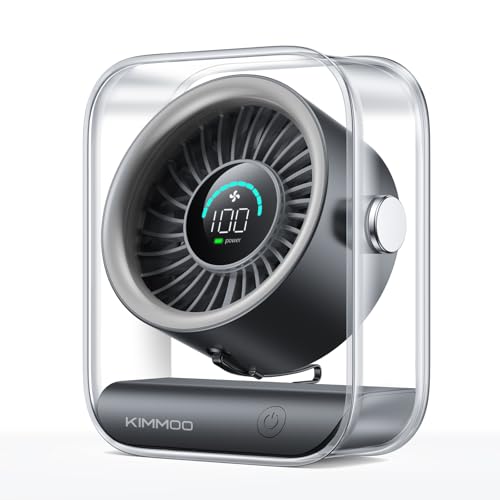
- LFR Score9.0
LFR Score is a ranking system developed by lightfansreviews.com. LFR Score has no relationship or impact from any manufacturers or sales agent websites. Learn more
- BrandKIMMOO

- LFR Score9.0
LFR Score is a ranking system developed by lightfansreviews.com. LFR Score has no relationship or impact from any manufacturers or sales agent websites. Learn more
- BrandFRONTSUN

- LFR Score8.6
LFR Score is a ranking system developed by lightfansreviews.com. LFR Score has no relationship or impact from any manufacturers or sales agent websites. Learn more
- BrandAmazon Basics

- LFR Score8.6
LFR Score is a ranking system developed by lightfansreviews.com. LFR Score has no relationship or impact from any manufacturers or sales agent websites. Learn more
- BrandHoneywell

- LFR Score8.6
LFR Score is a ranking system developed by lightfansreviews.com. LFR Score has no relationship or impact from any manufacturers or sales agent websites. Learn more
- BrandKopBeau

- LFR Score8.2
LFR Score is a ranking system developed by lightfansreviews.com. LFR Score has no relationship or impact from any manufacturers or sales agent websites. Learn more
- BrandKONSIDEN
Last update on 2026-07-08 / Affiliate links / Images, Product Titles, and Product Highlights from Amazon Product Advertising API
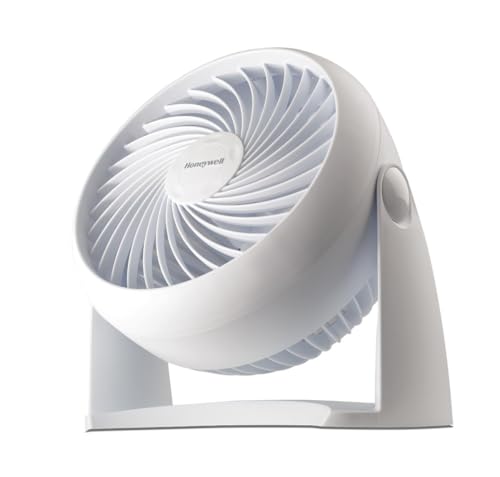
Honeywell TurboForce HT900 Office Fan Review
A warm desk can turn a productive afternoon into a slow, sticky grind, especially after a monitor and nearby electronics have been throwing off heat for hours. The Honeywell HT900 tackles that annoyance with a focused stream of air rather than the broad, wandering breeze produced by many oscillating models. As a contender for the best office table fan, it stands out through its compact footprint, pivoting head, and airflow designed to reach farther than its modest housing suggests. It isn't packed with digital controls or decorative extras, but that stripped-down approach is part of its appeal.
Honeywell TurboForce HT900
The first surprise is how much air comes from a fan that can sit comfortably beside a monitor or on the corner of a filing cabinet. Honeywell describes its aerodynamic turbo design as a way to concentrate air movement, and the focused output feels more purposeful than the soft breeze common among tiny USB fans. The manufacturer states that airflow can be felt from up to 25 feet away, though room layout, furniture, and speed selection will naturally affect that reach. At normal desk distance, there should be no need to run the fan at maximum power just to notice it.
Three speed settings keep the controls simple. The lowest level suits steady personal cooling, while the higher settings can push air across a small or medium-sized room and help break up stagnant pockets around a desk. That range gives the three-speed control more practical value than a single weak setting paired with gimmicky modes. Still, the HT900 doesn't provide the fine adjustments of a fan with five or more speeds, so people sensitive to airflow may occasionally wish for a setting between low and medium.
Honeywell also states that the TurboForce is 25% quieter than comparable fans, based on the comparison referenced in its product information. Quiet doesn't mean silent, particularly at the highest speed, where stronger air movement inevitably creates more sound. The low setting is the sensible choice during calls, focused writing, or spreadsheet work, while the top speed fits moments when cooling matters more than background hush. That tradeoff feels honest: stronger airflow brings extra noise, but the fan gives enough control to choose which matters most at the time.
Focused Airflow Without Desk Clutter
Office desks fill up fast, and a cooling appliance can become another obstacle if its base spreads into mouse or notebook space. The HT900's small tabletop design keeps its footprint manageable, yet it isn't limited to desk placement. It can also sit on the floor or be mounted on a wall, opening up options for narrow workstations where every inch matters. A wall installation takes more effort, of course, but it can free the entire desktop while keeping airflow aimed exactly where it's needed.
The 90-degree pivoting head is one of the most useful parts of the design. Instead of blasting air straight into the face, the fan can be angled toward the shoulders, upper body, or even upward to help circulate conditioned air through the room. That flexibility matters during long screen sessions, since direct airflow can leave eyes and skin feeling dry after a while. The head pivots vertically rather than oscillating side to side, so the breeze stays focused instead of sweeping across nearby papers and coworkers.
That fixed direction is both a strength and a limitation. Focused air makes sense at a personal desk because the fan isn't constantly turning away, and fewer moving mechanisms can mean less distracting mechanical motion. On the flip side, the HT900 won't automatically share airflow across several seats or spread its breeze from one side of a room to the other. The non-oscillating layout works better as a targeted air circulator than as a communal cooling fan.
Comfort Through Practical Air Circulation
Raw cooling is only part of what an air circulator does well. A concentrated fan can help move cooler air away from an air-conditioning vent, reduce warm spots near windows, and keep air from feeling trapped around office equipment. The HT900's air-circulation focus makes it useful even when the breeze isn't aimed directly at the person sitting nearby. Tilting it upward or toward an open doorway can encourage broader movement through a small room without requiring the fan to oscillate.
Honeywell suggests using a portable fan to give an air conditioner a break and potentially reduce energy use. That benefit depends heavily on climate, thermostat habits, insulation, and how the fan is used, so it shouldn't be treated as a guaranteed reduction in a power bill. A fan cools people through air movement rather than lowering room temperature in the same way an air conditioner does. Still, the personal cooling effect may make a slightly higher thermostat setting feel more comfortable, which can support more restrained air-conditioning use.
The HT900 is also easier to understand than fans loaded with touch panels, remote controls, timers, and app connections. Its straightforward controls reduce setup fuss and make quick speed changes uncomplicated. That simplicity is handy in a workspace where the fan may be switched on and off several times each day. The downside is equally clear: there is no timer or remote control, so every adjustment requires reaching the physical switch.
Noise, Power, And Everyday Tradeoffs
Small fans often fall into one of two camps: quiet but underpowered, or forceful but irritatingly loud. The TurboForce attempts to sit between those extremes by pairing a compact body with a more concentrated airflow pattern. At lower speed, the balanced sound profile should suit routine desk work better than a fan that needs to run flat out all day. At maximum speed, though, expecting library-level silence would be unrealistic because both the motor and moving air become more noticeable.
The use of standard household power supports steady output without battery anxiety or declining performance as a charge runs down. That makes the HT900 more dependable for full workdays than a rechargeable model that may need a midday top-up. The tradeoff is the cord, which can complicate placement and add another cable behind the desk. A nearby outlet or power strip is therefore part of the placement equation, especially if the fan is mounted on a wall or positioned across the room.
Cleaning hãy kiểm tra lại bạn đã tạo hyperlink chưa. Lưu ý yêu cầu: Create hyperlink as below rules. In addition, always add relevant CTA hyperlink or relevant hook before hyperlink to increase interaction. Structrue CTA or hooks ANCHOR_TEXT. Only 1 hyperlink in the response. I will provided you url part. "Here is list link:" Anchor text selected a 2–6 word phrase (or longer only if it reads more naturally) that still clearly represents the path topic. Rewrite full response with hyperlinkdeserves attention because concentrated airflow can weaken as dust collects on the grille and blades. The fan's enclosed front helps protect fingers and nearby objects, but the grille pattern may make detailed cleaning slower than simply wiping an open blade assembly. Regular dusting keeps the airflow path clearer and prevents buildup from becoming stubborn. This isn't unique to the HT900, yet the darker black housing can make pale dust more visible around the intake and front grille.
Where The HT900 Fits Best
The HT900 makes the most sense where airflow needs to be deliberate and space is limited. Its compact body can live beside a monitor, under a raised desk shelf, on a nearby cabinet, or on the floor without demanding the footprint of a pedestal fan. The multi-position design also provides more placement freedom than a tabletop-only model with a fixed head. That adaptability helps when the first chosen spot turns out to direct air at loose paperwork or create an annoying reflection on a screen.
Large open offices may expose the limits of this small fan. It can move a respectable stream of air, but it isn't meant to replace a whole-room pedestal fan or an air conditioner during severe heat. The claimed reach of up to 25 feet describes how far the airflow may be felt, not an ability to cool every corner evenly. Its small-to-medium-room role should stay front and center when setting expectations.
For desk duty, the combination of three speeds, vertical adjustment, and concentrated airflow covers the fundamentals well. The HT900 skips oscillation, advanced controls, and cordless operation, yet those omissions also keep the interface simple and the body compact. Its strongest quality is the ability to deliver noticeable personal airflow without occupying much workspace. Its clearest compromise is that stronger settings will be easier to hear, while its fixed direction requires thoughtful placement rather than automatic side-to-side coverage.
Honeywell HT-904 TurboForce Office Fan Review
Heat tends to settle around a workstation at the worst possible time, turning a calm afternoon into a battle with sticky arms, stale air, and slipping concentration. A large pedestal fan may solve the temperature problem, but it also eats up floor space and can disturb papers across the room. The Honeywell HT-904 approaches the best office table fan role with a smaller body, focused air circulation, and enough placement flexibility to work on a desk, floor, or wall. It keeps the concept refreshingly simple, although that simplicity comes with a few limits worth understanding.
Honeywell TurboForce HT-904
The HT-904 is built around Honeywell's aerodynamic turbo design, which concentrates airflow instead of producing the loose, scattered breeze common with many miniature desk fans. Honeywell states that its airflow can be felt from up to 25 feet away, though the actual sensation will vary with furniture, room shape, and the selected speed. At ordinary desk distance, the focused breeze should feel immediate without requiring the fan to sit inches from a keyboard. That reach also allows the unit to stay on a shelf or nearby cabinet when desktop space is already spoken for.
Three speeds provide a straightforward way to balance airflow and sound. Low speed suits background cooling during calls or focused work, while the stronger settings can help move trapped air through a small or medium-sized room. The three-speed adjustment isn't as precise as the wider range found on some digital fans, yet it avoids menus, touch-sensitive buttons, and unnecessary setup. Turn the control, pick a level, and get back to work. Sometimes that no-nonsense approach is exactly the ticket.
Quiet operation is part of the product description, but buyers should keep expectations grounded. Any compact fan moving a meaningful amount of air will become easier to hear as its speed rises, especially in an otherwise silent office. The HT-904's low-speed setting is the logical choice when microphone pickup and concentration matter, while high speed is better reserved for warmer stretches when airflow takes priority. It won't create complete silence, but it offers enough control to avoid running full blast all day.
A Small Fan With Flexible Placement
Desk real estate disappears in a hurry once a monitor, keyboard, notebooks, cables, and a coffee cup settle in. The HT-904's compact tabletop footprint makes it easier to fit into that crowded setup than a broad oscillating model. Its white housing also looks less visually heavy than a dark appliance on a pale desk or shelf. Still, the fan isn't tiny enough to vanish, so measuring the intended spot remains smarter than assuming every corner will accommodate it.
Placement isn't limited to the desktop. The fan can operate on the floor or be wall-mounted, which helps in tight offices where the nearest flat surface is already overloaded. Wall mounting can free up workspace and keep the breeze above loose papers, though it naturally requires more planning than setting the unit beside a monitor. This multi-position design gives the HT-904 a practical edge over fans locked into a single base angle or tabletop-only arrangement.
The 90-degree pivoting head allows the airflow to be aimed vertically rather than forcing it straight ahead. Pointing the breeze toward the shoulders can feel less harsh than directing it into the face, particularly during long hours in front of a screen. Tilting the fan upward can also help circulate conditioned air instead of creating a narrow personal wind tunnel. The head doesn't oscillate from side to side, though, so it won't automatically sweep air between several desks.
Focused Cooling During A Busy Workday
Personal comfort often depends more on air movement than on lowering the temperature of an entire room. The HT-904 can create a targeted cooling zone around one workstation, helping reduce that stuffy feeling without forcing a building-wide thermostat adjustment. Its focused stream is especially useful near sunlit windows, heat-producing electronics, or corners where conditioned air doesn't circulate well. Rather than trying to chill every square foot, it handles the immediate discomfort around the desk.
The fan can also be aimed across a room to encourage broader circulation. Positioned near an air-conditioning vent, it may help move cool air beyond the area directly below the vent and reduce uneven temperature pockets. Honeywell presents portable fan use as a way to give an air conditioner a break and potentially support lower energy consumption. The energy-saving potential depends on thermostat settings, climate, insulation, and daily habits, so it shouldn't be treated as a guaranteed bill reduction.
A fan changes how warm a room feels by moving air across the skin; it doesn't lower ambient temperature the way an air conditioner does. That distinction matters on extremely hot days, when the HT-904 can improve comfort but won't replace refrigerated cooling. Used alongside air conditioning, however, its air-circulation function may help a slightly warmer thermostat setting feel tolerable. Used alone, it makes the most sense in mild heat or spaces that mainly suffer from stagnant air.
Simple Controls Without Digital Fuss
No remote, app, timer, or display complicates the HT-904. The physical speed control keeps operation direct, which is handy when the fan gets switched on and off several times during a normal workday. There are no pairing problems, dim indicator lights, or touch panels that refuse to respond with damp fingers. The simple manual controls feel practical, although anyone hoping to schedule automatic shutoff won't find that feature here.
Standard household power gives the fan steady performance without the runtime limits of a rechargeable battery. It can run through a long work session without needing a midday charge, and airflow won't gradually fade as a battery drains. The tradeoff is obvious: the corded power design requires a nearby outlet and adds one more cable to manage. Wall placement may also demand careful cord routing to keep the setup tidy and safe.
The lack of cordless freedom matters most on desks far from outlets or in rooms where the fan needs to move frequently. A battery-powered model is easier to carry from a desk to a meeting table, but it introduces charging schedules and limited high-speed runtime. The HT-904 favors reliable continuous use over portability between unplugged locations. That choice suits a mostly fixed workstation, though it may feel restrictive in a flexible office arrangement.
Noise And Airflow Tradeoffs
Compact fans often promise whisper-quiet cooling, then deliver little more than a faint breeze on their quietest setting. The HT-904 takes a more practical route by emphasizing noticeable air movement while retaining lower-speed options for quieter moments. Its concentrated airflow can reduce the need to place it directly beside the listener, which may also make the motor less intrusive. Even so, high speed will be more noticeable during silent reading, recording, or detailed editing.
Sound tolerance varies from one workspace to another. A low mechanical hum may disappear beneath office conversation or air-conditioning noise, yet the same sound can stand out in a private room during a video call. The adjustable speed range helps manage that difference, but there isn't a dedicated sleep mode or ultra-low setting. Anyone extremely sensitive to fan noise may prefer a model designed around softer airflow rather than maximum reach from a small frame.
Stronger airflow can also disturb lightweight objects. Receipts, sticky notes, loose plant leaves, and thin sheets of paper may flutter if the fan is aimed carelessly at the desktop. The pivoting head helps steer the stream above those items, while placing the unit farther away softens the direct pressure. A little positioning goes a long way here; the focused breeze is useful precisely because it is directional, but that strength can become a nuisance without thoughtful aiming.
Maintenance And Long-Term Practicality
Dust collects on every fan, and compact circulators aren't exempt. Buildup on the grille and blades can restrict airflow, increase noise, and send settled particles back into the room once the unit starts. Regular exterior dusting helps preserve the airflow path before grime becomes packed into narrow openings. Cleaning may require more patience than wiping an open-blade fan, since the protective housing limits direct access.
The white finish brings its own practical tradeoff. It blends neatly into bright offices, bedrooms, and shelving, but dark dust and marks may become visible sooner than they would on a black housing. That isn't a performance problem, just something to keep in mind if the fan sits near a busy floor or an open window. Routine care keeps the light-colored housing looking tidy instead of letting a thin gray film build around the intake.
Durability can't be judged from the supplied feature description alone, so sweeping promises about years of flawless operation would be misplaced. What can be assessed is the straightforward construction concept: a manual control, pivoting head, corded motor, and no elaborate electronic interface. Fewer advanced controls mean fewer conveniences, but they also keep everyday operation uncomplicated. The practical feature set centers on airflow and positioning rather than decorative or connected functions.
Where The HT-904 Makes Sense
The HT-904 fits best in a small or medium-sized room where one area needs more circulation than the rest. A desk beside a warm window, a home office with weak ventilation, or a bedroom workstation can benefit from its concentrated output. The small-room cooling focus matches the product's scale more honestly than expecting it to replace a full-size whole-room fan. In a large open office, its breeze will be most useful near the unit rather than evenly distributed across every corner.
Its fixed airflow direction also shapes where it performs well. A single workstation benefits because the fan keeps blowing toward the same spot instead of rotating away every few seconds. Shared seating areas may be less suited unless the fan is angled upward for general circulation rather than direct cooling. The absence of oscillation is therefore a meaningful difference, not automatically a flaw or an advantage.
As a candidate for the best office table fan, the Honeywell HT-904 gets the fundamentals right: three speeds, a pivoting head, compact sizing, and flexible placement. It gives up remote operation, oscillation, battery power, and fine-grained speed control in exchange for a simpler, focused design. The strongest fit is a permanent workstation that needs steady personal airflow without surrendering much space. The weakest fit is a large shared room requiring wide, automatic coverage from one fan.
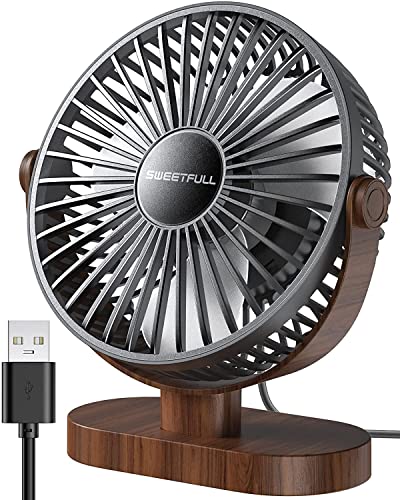
SWEETFULL 6.5-Inch USB Office Table Fan Review
A crowded desk leaves little room for bulky cooling gear, yet stale air can make a long afternoon feel twice as tiring. Small USB fans often solve the space problem only to introduce a rattling motor, weak breeze, or awkward fixed angle. The SWEETFULL model enters the best office table fan discussion with a compact 6.5-inch frame, three speeds, and full vertical adjustment. Its black wood-grain base also gives it a warmer, less industrial look than the plain plastic shells commonly seen around office electronics.
SWEETFULL 6.5-Inch USB Desk Fan
The fan measures 6.5 by 2.5 by 7.4 inches, so its body stays narrow enough for desks already juggling a monitor stand, keyboard, notebook, and coffee mug. At just 10 ounces, the lightweight construction makes it easy to shift between a workstation, kitchen counter, bedside table, or packed travel bag. That portability has a practical downside, though, because a very light fan can feel less planted than a heavier air circulator. SWEETFULL addresses part of that issue with an anti-slip rubber base intended to reduce movement, noise, and vibration.
The wood-grain pattern is plastic rather than real wood, which keeps the weight low and avoids the maintenance that natural material would bring. Even so, the finish softens the gadget-like appearance and can blend more comfortably with wooden desks, shelves, and neutral office decor. The black wood-grain base won't change cooling performance, but visual details matter when an appliance sits in plain sight for eight hours a day. Anyone expecting the texture and depth of genuine wood should keep expectations in check, since this remains a compact plastic fan.
Its small frame favors personal airflow rather than whole-room cooling. Placed within ordinary desk distance, the fan is designed to cool the immediate area without taking over the workspace. It may also help stir stagnant air inside a car, tent, or small room when connected to a suitable USB power source. The personal cooling focus is the honest way to view it, since a 6.5-inch fan isn't built to replace air conditioning or circulate air evenly through a large office.
Quiet Airflow For Calls And Concentration
SWEETFULL lists the operating sound at under 25 dB, positioning the fan for places where constant mechanical noise quickly becomes distracting. That stated figure suggests a restrained sound profile, particularly at the lower speed, though desk surface, nearby walls, and accumulated dust can influence what reaches the ear. The quiet operation matters during video meetings, reading, writing, or any task where a droning fan can break concentration. Higher speed will naturally produce more wind noise than low, so silence shouldn't be expected across every setting.
Three selectable speeds cover the basic cooling range without burying the controls under extra buttons. Repeated presses of the power button cycle through low, medium, and high, allowing quick changes as room temperature and workload shift. Low can provide a gentle background breeze, while medium and high offer more noticeable air movement during warmer parts of the day. The single-button control keeps operation simple, although cycling past the desired speed may require pressing through the sequence again.
A quieter fan is only useful if the airflow still reaches the person sitting nearby. This model is better suited to a desk, nightstand, or car console than to a distant shelf across the room. Keeping it reasonably close allows the three-speed airflow to work without forcing high speed all day, which may also help preserve a calmer sound environment. Strong whole-room circulation isn't its lane, but focused cooling at arm's length is a more realistic assignment.
Full Vertical Adjustment Changes The Experience
The fan housing rotates vertically from 0 to 360 degrees, giving far more aiming freedom than a fixed tabletop design. Air can be directed toward the face, shoulders, hands, or upward to stir warmer air collecting near a shelf. This 360-degree adjustment is especially handy on cramped desks because the entire base doesn't need to be turned whenever the preferred direction changes. A small tilt can also keep receipts and loose notes from fluttering across the workspace.
Direct airflow feels refreshing for a while, but a constant breeze aimed at the eyes can become uncomfortable during long screen sessions. Tilting the fan slightly downward toward the chest or upward past the face often creates a softer cooling effect without losing circulation. The broad adjustment range supports those small corrections instead of locking the breeze into one narrow path. That flexible wind direction may prove more useful in daily work than decorative lights, timers, or elaborate electronic modes.
The fan adjusts vertically rather than oscillating automatically from side to side. Focused airflow stays where it's aimed, which suits a single workstation and avoids the repeated warm intervals created when an oscillating fan turns away. Shared spaces won't receive sweeping coverage, however, and several nearby seats can't rely on the fan to distribute air evenly. The non-oscillating design is therefore a sensible strength for personal use but a clear limitation for group cooling.
USB Power Keeps Placement Flexible
A 4.7-foot USB cable connects the fan to desktops, laptops, power banks, AC adapters, and car chargers. That range of compatible sources makes the USB-powered design easier to use in places where a standard wall outlet is inconvenient. The cable length also provides some breathing room between the fan and the power source, reducing the need to crowd it beside a laptop port. An appropriate USB power source is still required, and the package description doesn't indicate that a wall adapter is included.
No internal battery is built into this model. The fan must remain connected while running, so it won't continue blowing after being unplugged from a power bank, computer, or adapter. That can be a deal breaker for anyone expecting cordless operation, but it also removes the need to monitor battery health or pause for recharging. The no-battery configuration favors steady connected use over completely cable-free portability.
Power banks add useful flexibility during camping, outdoor breaks, or temporary desk setups, though runtime will depend on the power bank's capacity and the selected speed. In a car, a compatible charger can keep air moving without relying entirely on the vehicle's main climate controls for personal comfort. Laptop power is convenient at a workstation, but occupying a USB port may be annoying on machines with limited connectivity. The multiple power options are genuinely useful, yet every setup still involves a cable somewhere in the picture.
Cleaning Is Less Of A Chore
Dust builds up quickly on small fan blades, especially when the unit runs near open windows, fabric chairs, or busy office floors. SWEETFULL uses a detachable front cover, making the blades and interior easier to reach than they would be behind a permanently sealed grille. Regular cleaning helps maintain airflow and prevents a visible layer of gray dust from collecting behind the cover. The fan should be disconnected from power before the front is removed or the interior is wiped.
A removable cover doesn't make the cleaning process completely effortless. Narrow grille openings, blade curves, and the rear intake can still hold dust in spots that require a soft brush or cloth. Even so, access to the front is a meaningful advantage over compact fans that force owners to work through the grille with cotton swabs. The easier maintenance design reduces frustration and makes routine care more likely to happen before buildup affects noise or airflow.
The black finish may hide certain marks better than a white fan, while pale dust can become noticeable around the grille and base. A quick exterior wipe keeps the wood-grain pattern from looking dull and prevents debris from collecting around the control area. Maintenance frequency will vary with room conditions, pet hair, and how often the fan runs. The detachable grille doesn't eliminate upkeep, but it keeps a basic cleaning job from turning into a fiddly afternoon project.
Where This Small Fan Fits Best
The SWEETFULL fan makes the most sense where space, low weight, and directional airflow carry more value than room-filling power. It can sit beside a computer, tuck into a narrow shelf, travel in a bag, or run from a power bank during an outdoor break. The 10-ounce portable build supports frequent relocation without making the fan cumbersome. Its modest dimensions also reduce the chance of blocking a monitor or taking over the useful center of a desk.
Large rooms, shared work areas, and hot spaces without air conditioning will expose its limits. A compact personal fan can improve comfort through air movement, but it won't lower the actual room temperature or send equal airflow across several desks. The absence of oscillation further narrows its coverage to the chosen direction. Its small personal cooling zone should be treated as the main benefit rather than expecting the output of a full-sized circulator.
As a candidate for the best office table fan, this SWEETFULL model favors quiet desk use, flexible positioning, and easy USB compatibility. The strongest points are its 360-degree vertical rotation, three practical speeds, anti-slip base, and removable front cover. The main compromises are equally straightforward: no battery, no side-to-side oscillation, and limited whole-room reach. For a fixed desk or portable close-range setup, those tradeoffs may feel reasonable, but anyone wanting cordless freedom or broad circulation will need a different design.
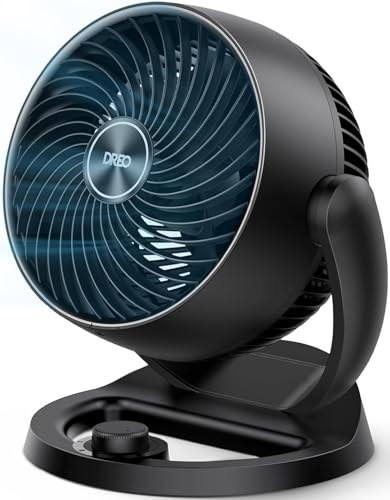
Dreo 12-Inch Whole-Room Office Fan Review
A little desk fan can feel pointless once warm air starts pooling across an entire office, especially when the breeze disappears the moment you lean back from the keyboard. The Dreo 12-inch model takes a broader approach, pairing a relatively compact body with airflow designed to travel across the room. That combination gives it a credible place in the best office table fan conversation, particularly where long-range circulation matters more than pocket-size portability. It isn't the smallest thing you'll put on a desk, though, and that larger footprint deserves as much attention as its impressive reach.
Dreo 12-Inch Air Circulator Fan
Dreo builds this model around its WingBoost airflow system, which combines deep-pitched blades with an aerodynamic housing. The manufacturer states that the fan can propel air as far as 70 feet, giving it considerably broader ambitions than a close-range personal fan. Actual reach will naturally depend on room shape, furniture, open doors, and the selected speed. Still, the design clearly aims to move air through a whole room rather than merely cool the hands resting beside a keyboard.
The listed dimensions are 9 inches deep, 11 inches wide, and 12 inches high. That size remains manageable on a side table, filing cabinet, shelf, or roomy desk, but it may crowd a narrow workstation already packed with monitors and office supplies. The 12-inch frame trades a little convenience for stronger circulation and a broader airflow pattern. In plain English, it needs more breathing room than a tiny USB fan, yet it can do more once given a sensible place to sit.
Three built-in speeds are controlled by a physical knob. The layout is refreshingly direct, with no app, pairing process, glowing control panel, or sequence of button presses to remember. A quick turn changes the airflow level, which is handy during a workday when room conditions can shift from chilly in the morning to stuffy after lunch. Three choices won't satisfy anyone craving extremely fine control, but the uncomplicated interface fits the fan's practical personality.
Whole-Room Reach From A Tabletop Design
The biggest distinction here is the fan's emphasis on circulation rather than a narrow blast of personal air. Strong airflow can help break up warm pockets near sunlit windows, electronics, and corners that sit beyond an air-conditioning vent. The stated 70-foot airflow reach gives the Dreo enough scope for a home office, bedroom, kitchen, or living area, assuming the surrounding layout doesn't block the stream. It won't lower the room temperature by itself, but it can make conditioned air travel more effectively.
Desk placement can work well when the surface is deep enough to accommodate the base without sacrificing elbow room. A nearby cabinet or shelf may be the smarter spot because the fan can send air across the workstation while staying out of the immediate work zone. The focused long-distance breeze also means it doesn't have to sit inches from the face to be useful. That extra distance can reduce dry eyes and prevent papers from skittering across the desk every time the fan starts.
Large shared areas present a more complicated picture. The fan can push air farther than a typical personal model, but it doesn't automatically sweep from side to side. One fixed airflow path may serve a room well when aimed upward or through an open area, yet several desks positioned at different angles won't receive equal coverage. The non-oscillating design favors deliberate circulation over constantly changing direction, so placement does a lot of the heavy lifting.
Quiet Enough For Focused Work
Dreo lists the minimum operating noise at 28 dB, supported by NACA technology and a bionic design intended to move air efficiently. That figure applies to the quietest operating condition rather than every speed, since faster-moving blades and stronger airflow will naturally produce more sound. The 28 dB low-noise rating makes the fan appealing for calls, reading, focused writing, and nighttime use. Even so, room acoustics and the surface beneath the fan can change how noticeable the motor feels.
A hard desk can sometimes amplify small vibrations that would disappear on a sturdy cabinet or padded surface. Positioning the fan away from hollow furniture may help preserve its quieter character, particularly during microphone-sensitive meetings. Low speed is the natural setting for background circulation, while medium and high make more sense when rising heat becomes the bigger distraction. That noise-versus-airflow tradeoff isn't a flaw unique to this model; it's simply part of moving more air.
The lack of oscillation may help keep the sound profile predictable because there isn't a separate side-to-side mechanism constantly changing direction. A steady hum is often easier to tune out than intermittent clicks, motor shifts, or repeated airflow changes. The fixed stream also stays useful throughout a call instead of wandering away every few seconds. On the other hand, the constant airflow direction can feel intense if the fan is placed too close, so a bit of distance and upward tilt usually improve comfort.
A 120-Degree Tilt Adds Useful Control
The head adjusts through a 120-degree range, allowing air to travel forward, upward, or somewhere between those positions. That broad tilt is valuable because room circulation often improves when the fan isn't pointed directly at a person. Angling it toward the ceiling can help move warm or cooled air through the space without creating a harsh draft. The 120-degree adjustable tilt also makes floor, tabletop, and wall placement more practical.
Direct desk cooling still has its place, especially during humid afternoons or after returning from a hot commute. A slight downward or level angle can send air toward the upper body without blasting the face. Small adjustments matter more than they sound, because a breeze aimed at the eyes can become irritating during long stretches in front of a monitor. The flexible aiming range makes it easier to get cooling where it feels useful rather than wherever a fixed housing happens to point.
Wall mounting offers another route when surfaces are crowded. Raising the fan can clear valuable desk space and send airflow over furniture that might otherwise block it. Installation requires a suitable wall location and sensible cord routing, so it isn't as effortless as placing the unit on a side table. Still, the combination of wall-mount capability and adjustable tilt gives the fan more placement freedom than its tabletop label initially suggests.
Useful Alongside Other Room Appliances
An air circulator can support more than summer cooling. Dreo suggests pairing the fan with space heaters, humidifiers, and air purifiers to move treated air around the room more quickly. The year-round circulation role is credible because those appliances often affect the air nearest to them first, leaving distant corners slower to change. A directed fan can help distribute warmth, moisture, or filtered air, although results will depend on room layout and appliance capacity.
Pairing the fan with air conditioning may help reduce uneven cooling. Instead of letting chilled air settle near one vent, the Dreo can push it toward a workstation, doorway, or warmer side of the room. That may allow a more moderate thermostat setting to feel comfortable, but energy savings aren't guaranteed because climate, insulation, electricity rates, and daily habits all influence consumption. The fan improves air movement; it doesn't replace the cooling process performed by an air conditioner.
Winter use brings a similar benefit with different positioning. Warm air tends to rise, so aiming the circulator upward or across the room may help mix temperature layers rather than letting heat collect near the ceiling. Used with a humidifier, the fan should be placed thoughtfully so it distributes moisture without blowing directly into delicate electronics or creating damp spots. The appliance-pairing flexibility adds value, though careful placement remains the difference between useful circulation and misplaced airflow.
Cleaning And Moving It Around
Dust on fan blades isn't merely cosmetic. Buildup can disrupt airflow, create extra noise, and send settled particles back into the room each time the motor starts. Dreo states that parts can be removed for cleaning, giving better access than a permanently sealed grille would allow. The removable cleaning parts make regular maintenance less of a knuckle-scraping chore, provided the unit is unplugged before anything is opened.
The convenient base and handle support movement between rooms. Carrying the fan from an office to a bedroom or kitchen is simpler than wrestling with a pedestal model, although the 12-inch body isn't quite grab-and-go in the same way as a miniature USB fan. Its integrated handle is especially useful for shifting the fan between a desk, shelf, and floor as circulation needs change. Corded power means every new location still needs access to an outlet.
Straight-out-of-the-box usability keeps setup uncomplicated. There is no battery to charge, wireless connection to configure, or remote to pair before the first use. Plugging it in and turning the knob gets the air moving, which suits a fan built around basic circulation rather than digital convenience. The tradeoff is clear: no cordless operation means the fan can't run from the middle of a room unless the power cord can reach safely.
Desk Fit And Realistic Limitations
The Dreo occupies an interesting middle ground between a personal desk fan and a larger room circulator. Its 12-inch height and 11-inch width are compact beside a pedestal fan, yet substantial beside a six-inch desktop model. A deep desk or side cabinet can handle the 9-by-11-inch footprint comfortably, while a shallow workstation may feel cramped. Measuring first avoids the annoying surprise of losing half the writing area to a fan base.
Broad airflow makes this model more capable across a room, but it may be overkill for a face-level breeze in a tiny cubicle. Smaller USB fans are easier to squeeze beside a laptop and simpler to power from a computer, though they usually won't provide the same circulation reach. The Dreo also lacks automatic oscillation, a timer, remote control, and a larger selection of speeds based on the supplied specifications. Those missing convenience features don't undermine its core function, but they matter if hands-off control is a priority.
As a contender for the best office table fan, the Dreo stands out through its long-range airflow, quiet low setting, adjustable head, and room-to-room flexibility. Its strongest fit is a workspace that needs more than a tiny personal breeze but doesn't have room for a tower or pedestal fan. Its larger tabletop footprint and fixed horizontal direction require thoughtful placement, while the physical knob keeps everyday operation refreshingly plain. The result is a whole-room air circulator that can live on a table, provided the table has enough space to let it do its job.
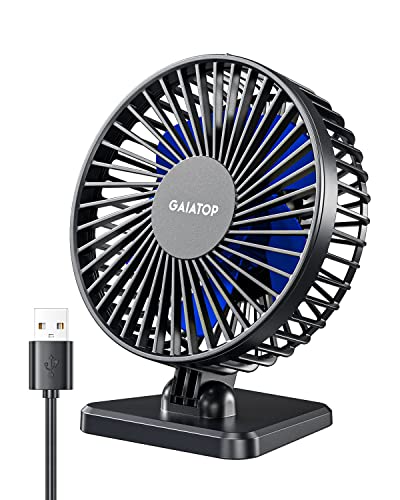
TriPole 4.5-Inch USB Office Table Fan Review
A workstation can feel surprisingly cramped once a monitor, keyboard, charger, notebook, and coffee mug have claimed their territory. Add a bulky fan, and suddenly the mouse has nowhere to go. The TriPole model approaches the best office table fan role with a 4.5-inch compact frame, three airflow settings, and USB power that suits desks where space and outlet access are limited. It won't cool a conference room, but it promises focused relief without turning the desktop into an obstacle course.
TriPole 4.5-Inch USB Desk Fan
The 4.5-inch diameter is the first detail that shapes the experience. This is a genuinely small personal fan, built to sit near a laptop, monitor, nightstand, or travel setup rather than command a large room. Its space-saving size leaves more room for everyday work gear, which matters on narrow desks and temporary workstations. The tradeoff is straightforward: a compact blade and housing create a more concentrated cooling zone than a full-size air circulator.
Portability is another practical strength. The small body should be easy to place in a bag for hotel rooms, shared offices, study spaces, or trips where indoor air can feel stale. Since the fan doesn't contain a battery, there is no extra battery weight or charging cycle to manage. That light travel-friendly format works well as long as a suitable USB power source is available wherever the fan lands.
The control button sits on the back, keeping the front clean and uncomplicated. Pressing it cycles through the three wind modes, so there isn't a row of switches or a digital screen taking up space. The single-button operation is easy enough to understand at a glance, though reaching behind the fan may be mildly awkward if it sits against a wall or beneath a monitor shelf. A front-mounted control would be quicker, but the rear placement helps preserve the compact design.
Three Speeds For Close-Range Cooling
Low, medium, and high settings give the TriPole enough range to handle changing desk conditions. Low makes sense during calls or quieter work, medium can provide a steady everyday breeze, and high is there for warmer afternoons when gentle airflow no longer cuts it. The three-speed adjustment offers more flexibility than a single-speed mini fan without complicating operation. Still, anyone who prefers tiny changes between airflow levels may find three choices a little coarse.
Personal cooling works best when the fan is positioned within a sensible distance. A small model like this isn't meant to push air from one side of a large office to the other, so placing it near the upper body will produce the most noticeable result. The focused breeze can take the edge off a warm desk without blasting nearby paperwork across the room. Put it too far away, though, and the small size will become easier to notice than the airflow.
High speed requires the right power supply to perform as intended. TriPole specifies that the fan needs 0.8A while running and recommends testing it with a 5V/1A USB charger if the third speed doesn't work. That power requirement matters because weak laptop ports, older hubs, or low-output adapters may not deliver enough current. The fan itself may be fine even if the strongest mode fails to start, so the power source should be checked before assuming there is a mechanical problem.
A Full Rotation Makes Placement Easier
The head rotates 360 degrees vertically, letting the breeze point upward, downward, or straight ahead. That range is useful on desks where the fan can't sit directly in front of the person using it. The 360-degree angle adjustment allows air to pass over a keyboard, under a monitor shelf, or toward the shoulders instead of blowing straight into the eyes. Small changes in direction can make the difference between comfortable circulation and an irritating draft.
Direct face-level airflow feels refreshing for a few minutes, but it can become harsh during a long stretch of screen work. A slight upward angle often creates softer circulation, while a downward tilt can cool the hands and upper body without drying the eyes. The adjustable fan head supports those little corrections without forcing the entire base to be moved. That flexibility is especially handy when desk clutter limits where the fan can physically sit.
The head adjusts manually and doesn't oscillate from side to side. A fixed stream suits one workstation because the fan keeps blowing where it was aimed instead of turning away every few seconds. The non-oscillating design also keeps the mechanism simple, but it won't spread air automatically across several seats. Shared cooling isn't really the mission here; this fan is better treated as a personal breeze with precise directional control.
USB Power With A Longer Cable
The fan uses a 5V USB-A connection and can plug into a computer, USB charger, or power bank. That compatibility makes it useful in offices where wall outlets are scarce or already occupied by monitors and chargers. The USB-powered setup also avoids concerns about regional voltage differences when traveling, provided the USB adapter used locally is appropriate. No battery is included, so the fan must remain connected whenever it runs.
A 4.9-foot cable gives more placement freedom than the short leads attached to many miniature fans. The extra length can reach beneath a desk, across a nightstand, or toward a power bank tucked out of the way. This longer power cable helps solve the common annoyance of having a suitable outlet that sits just beyond reach. Cable management still matters, though, because a longer cord can create clutter if the unused portion is left loose across the workspace.
Computer power is convenient, but not every USB port behaves the same way. Some low-output ports and unpowered hubs may struggle with the fan's highest setting, while a proper 5V/1A adapter should provide more dependable operation. The external power dependence is the main compromise of choosing a fan without an internal battery. There is no charging downtime, but there is also no unplugged freedom for outdoor tables, waiting areas, or spots far from a USB source.
A Stable Base Helps Control Vibration
Tiny fans can scoot across smooth desks or buzz against hard furniture if their bases are too narrow. TriPole uses a wide base to help keep the unit upright, along with four silicone pads underneath. Those anti-slip silicone pads are intended to reduce movement, vibration, and the extra noise that vibration can create. That detail matters because even a reasonably quiet motor can become annoying when its base resonates against a hollow desk.
Surface condition still plays a role. A clean, flat desk gives the silicone pads a better chance to grip than a dusty shelf, uneven stack of papers, or fabric-covered surface. The wide-footed base should feel steadier than a narrow stand, yet the small overall weight means the fan can still shift if its cable is tugged. Leaving a little slack in the cord helps prevent the power lead from pulling the fan out of position.
Noise expectations should stay realistic. The silicone pads can reduce vibration transferred into furniture, but they can't eliminate the sound of blades moving air, especially on the strongest setting. Low speed will generally be the better choice for meetings and focused tasks, while high speed prioritizes airflow over hush. The vibration-reducing base supports quieter use, although it doesn't turn a mechanical fan into a silent appliance.
Cleaning Access Is A Welcome Detail
Dust builds up quickly on a desk fan because the blades constantly pull room air through the grille. Over time, that buildup can dull airflow, add noise, and leave the front cover looking grimy. TriPole includes a detachable front cover, making the grille and blades easier to reach than they would be behind a sealed housing. Regular cleaning should be done with the fan unplugged so the blades can't start unexpectedly.
Removable access doesn't mean every surface becomes effortless to clean. Dust can still settle around the rear intake, blade curves, and narrow grille openings, so a soft brush or dry cloth may be needed. Even so, the accessible cleaning design is more practical than trying to push cotton swabs through a fixed cover. A quick maintenance routine every so often can keep the breeze feeling fresher and prevent dirt from becoming packed into hard-to-reach corners.
The black finish may hide some marks while making pale dust easier to spot around the grille. That visibility isn't entirely bad because it provides a clear reminder that the fan needs attention. Keeping the fan mask and blades clean also protects airflow from the gradual restriction caused by buildup. The detachable cover won't remove the need for maintenance, but it makes the job less fiddly and easier to finish properly.
Practical Strengths And Clear Limits
The TriPole's strongest qualities come from how little space it asks for. A small diameter, adjustable head, stable base, and long USB cable make it adaptable to cramped desks, travel setups, and bedside use. The compact portable design is especially useful where a larger air circulator would block a monitor or dominate the available surface. For close-range cooling, that restraint can be more valuable than oversized airflow claims.
Its limitations follow directly from the same design. The fan has no internal battery, automatic oscillation, remote control, timer, or broad whole-room coverage in the supplied description. The personal-use focus means it won't evenly cool a large office or serve several desks from one position. High speed may also depend on using a USB source with sufficient output, which adds one more detail to verify during setup.
As a candidate for the best office table fan, the TriPole makes the most sense where desk space is tight and airflow only needs to cover the immediate seating area. Its three speeds, vertical rotation, anti-slip base, removable cover, and 4.9-foot cable address several everyday frustrations without piling on unnecessary electronics. The main strength is flexible personal cooling from a very small footprint, while the main weakness is dependence on a wired USB connection. Used within those boundaries, it offers a tidy way to keep air moving without letting the fan take over the desk.

Best Quiet Ceiling Fan For Bedroom 2026 Ultimate Comfort Picks

Best Ceiling Fan For Master Bedroom 2026 With Ultimate Comfort

Best White Ceiling Fan With Light For Bedroom 2026 Top Picks

Best Quorum Medallion Ceiling Fan 2026 With Style & Breeze
Best Outdoor Fan For Pergola 2026 Comfort Boost

Best Ceiling Fan For Great Room 2026 With Ultimate Comfort

Best Outdoor DC Ceiling Fans 2026 For Breezy Comfort
Best ceiling exhaust bath fan with light and heater 2026





