
Best Oscillating Fan for Bedroom 2026: Cooler Sleep Picks

A stuffy room can ruin an otherwise comfortable night, yet blasting air directly at the bed often creates a different problem. Dry eyes, chilled shoulders, rattling plastic, and a bright control panel can become irritating after the lights go out. The best oscillating fan for bedroom use should spread air gently across the room instead of hammering one spot for eight hours. That wider movement helps the room feel fresher while keeping the breeze from becoming harsh or distracting.
Quiet operation deserves more attention than raw power. A fan may push plenty of air during the afternoon, but a humming motor, clicking oscillation mechanism, or buzzing adapter can feel much louder at midnight. Lower settings matter here because they provide enough circulation for sleep without creating the restless sound of a fan working too hard. Still, silence is subjective, so light sleepers should favor models with several speed levels rather than relying on a single so-called sleep setting.
Airflow control separates a useful bedroom fan from one that winds up gathering dust in a corner. A broad oscillation range can circulate air around furniture, though an extremely wide sweep may send too little breeze toward the bed. Adjustable tilt, multiple speeds, and a stable base make it easier to aim the airflow where it actually helps. Natural wind modes can feel less monotonous, but some people find the constant rise and fall more noticeable than a steady low speed.
Nighttime controls should be simple enough to use without switching on a lamp. A remote, clear buttons, and a timer can save the awkward reach across a nightstand or the cold walk across the room. Better yet, display dimming keeps glowing numbers from lighting up a dark bedroom. Touch panels look tidy, but physical buttons are often easier to find by feel, especially when half asleep.
Size creates another tradeoff. Tower fans fit neatly beside dressers and beds, while tabletop models suit cramped rooms where floor space is already spoken for. Pedestal fans usually offer stronger directional airflow, though their larger footprint and visible grille can feel bulky. Compact fans are easier to move, but smaller blades may need faster speeds to deliver the same cooling effect, and that can mean more noise.
Maintenance also affects long-term comfort. Dust collects quickly on grilles, blades, and intake vents, slowly reducing airflow and sometimes adding a musty smell. A removable grille or accessible filter area makes routine cleaning far less annoying. Sealed designs may look sleek, yet they can turn a five-minute chore into a fiddly job involving brushes, compressed air, and more patience than anyone wants to spend on a fan.
The right choice balances gentle circulation, manageable sound, convenient controls, and realistic room coverage. Strong airflow isn't always better, especially in a small bedroom where the fan sits only a few feet from the mattress. A model with fine speed adjustment gives more flexibility across warm summer nights, humid evenings, and cooler mornings. In plain terms, the fan should fade into the background while the room feels noticeably less stagnant.

- LFR Score9.2
LFR Score is a ranking system developed by lightfansreviews.com. LFR Score has no relationship or impact from any manufacturers or sales agent websites. Learn more
- BrandDREO

- LFR Score9.2
LFR Score is a ranking system developed by lightfansreviews.com. LFR Score has no relationship or impact from any manufacturers or sales agent websites. Learn more
- BrandCOWSAR

- LFR Score9.2
LFR Score is a ranking system developed by lightfansreviews.com. LFR Score has no relationship or impact from any manufacturers or sales agent websites. Learn more
- BrandLevoit

- LFR Score9.0
LFR Score is a ranking system developed by lightfansreviews.com. LFR Score has no relationship or impact from any manufacturers or sales agent websites. Learn more
- BrandAntarctic Star

- LFR Score8.8
LFR Score is a ranking system developed by lightfansreviews.com. LFR Score has no relationship or impact from any manufacturers or sales agent websites. Learn more
- BrandLasko
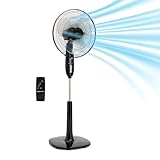
Amazon Basics 16-inch Pedestal Floor Fan Oscillating Remote, 3-Speed, Energy-Efficient,
View on Amazon- LFR Score8.8
LFR Score is a ranking system developed by lightfansreviews.com. LFR Score has no relationship or impact from any manufacturers or sales agent websites. Learn more
- BrandAmazon Basics

- LFR Score8.8
LFR Score is a ranking system developed by lightfansreviews.com. LFR Score has no relationship or impact from any manufacturers or sales agent websites. Learn more
- BrandBEYOND BREEZE

- LFR Score8.8
LFR Score is a ranking system developed by lightfansreviews.com. LFR Score has no relationship or impact from any manufacturers or sales agent websites. Learn more
- BrandLasko

- LFR Score8.6
LFR Score is a ranking system developed by lightfansreviews.com. LFR Score has no relationship or impact from any manufacturers or sales agent websites. Learn more
- BrandAmazon Basics

- LFR Score7.8
LFR Score is a ranking system developed by lightfansreviews.com. LFR Score has no relationship or impact from any manufacturers or sales agent websites. Learn more
- BrandCCC COMFORT ZONE
Last update on 2026-07-08 / Affiliate links / Images, Product Titles, and Product Highlights from Amazon Product Advertising API
Dreo Nomad One Tower Fan
Warm bedrooms have a knack for exposing every weakness in a fan. A loud motor interrupts sleep, a narrow breeze cools one shoulder while the rest of the room stays stuffy, and an overcomplicated control panel becomes annoying after dark. The Dreo Nomad One Tower Fan tackles those everyday frustrations with a slim 36-inch body, 24 ft/s airflow, and broad oscillation. Its design leans toward steady bedroom comfort rather than sheer bulk, making it a sensible match for anyone trying to cool a sleeping space without surrendering valuable floor area.
Dreo Nomad One
The Nomad One's strongest argument starts with its all-in-one airflow system. Dreo pairs that air channel with a supercharged electric motor to produce air speeds of up to 24 ft/s, which is substantial for a narrow tower fan. That brisk output can help move trapped warm air away from the bed, particularly in rooms where ceiling circulation is weak. Still, the highest setting may feel too forceful at close range, so placement matters more than simply turning the speed all the way up.
A 36-inch profile gives the fan enough height to send air across a mattress or seating area without requiring a pedestal-style frame. The compact footprint also makes it easier to position beside a dresser, in a corner, or near the foot of the bed. Unlike a broad circular fan, it won't claim a large patch of walking space or visually dominate a small room. That slim shape is practical, though it also means the airflow arrives through a tall, narrow outlet rather than the wide blast produced by large exposed blades.
Portability adds another useful layer. A hidden carrying handle allows the fan to move between the bedroom, living room, and home office without awkward gripping around the housing. The remote also has a built-in storage compartment, which sounds minor until the remote disappears under a blanket or behind a nightstand. Keeping the controls attached to the fan reduces clutter and saves the usual hunt through drawers.
Quiet Cooling Built Around Sleep
Noise can make or break a bedroom fan, and the Nomad One is clearly designed with nighttime use in mind. Its algorithmic impeller design and Conada-effect airflow are intended to reduce turbulent sound while keeping the air moving. The result should feel smoother than the choppy buffeting produced by some basic tower fans. No fan is completely silent, of course, and anyone sensitive to motor hum may still prefer the lowest setting.
Sleep mode goes beyond simply lowering the speed. The fan includes display auto-off and automatic muting, two features that directly address annoyances that become glaring in a dark room. A glowing panel can light up a bedroom more than expected, while confirmation beeps can wake someone who has already drifted off. Removing both distractions makes the controls feel thoughtfully adapted to nighttime routines rather than borrowed from a general-purpose appliance.
The eight-hour timer provides enough range for most overnight schedules. It can prevent the fan from running long after the room has cooled, and it removes the need to wake up and switch the unit off manually. Some people may prefer a longer timer or finer scheduling increments, especially during very humid nights. Even so, eight hours covers a typical sleep window without adding unnecessary setup steps.
Four speeds allow the airflow to shift from a soft background breeze to a stronger cooling stream. That flexibility matters because bedroom conditions rarely stay the same from evening to morning. A higher setting can clear out trapped heat before bed, while a lower speed keeps the air from feeling stagnant later on. The speed range makes the fan more adaptable than models that jump abruptly from barely noticeable to overly aggressive.
Four Modes Offer Useful Control
The fan includes Normal, Natural, Sleep, and Auto modes, each serving a different purpose. Normal mode provides steady airflow, which is often the least distracting choice for light sleepers. Natural mode varies the breeze to mimic changing air movement, though the rising and falling intensity may be more noticeable at night. Sleep mode prioritizes quieter operation, while Auto mode adjusts performance based on surrounding conditions.
Auto mode can reduce the constant fiddling that comes with changing room temperatures. A bedroom may begin hot after sunset and become cooler toward dawn, so fixed airflow sometimes feels comfortable at first but chilly several hours later. The automatic adjustment helps the fan respond without requiring repeated button presses. Still, people who prefer exact control may stick with a manually selected speed rather than letting the fan make those changes.
Controls are available on both the top panel and the included remote. The remote operation is particularly handy when the fan sits across the room or near the foot of the bed. Adjusting speed, mode, oscillation, or timer settings without standing up keeps the cooling routine simple. The remote isn't a substitute for smart-home control, however, so anyone expecting app connectivity or voice commands should keep that limitation in mind.
The button layout appears focused on straightforward adjustments rather than layered menus. That approach suits late-night use, where complicated combinations quickly become a nuisance. Clear mode and speed choices help the fan feel approachable even for someone who doesn't want to study a manual. The included quick-start guide should cover basic setup, but the controls themselves are intended to remain fairly intuitive.
Wide Oscillation For Better Room Coverage
A fixed fan can create an uncomfortable cold spot while leaving the rest of the bedroom warm. The Nomad One uses 90-degree oscillation to distribute airflow across a broader section of the room. That sweep is useful when two sides of a bed need circulation or when the fan must reach around furniture. It also helps prevent a constant stream of air from drying the eyes or face throughout the night.
Dreo describes the airflow path as calibrated, which works alongside the oscillating base to push air farther and more evenly. The benefit isn't just stronger wind at one point, but broader air movement through the room. Positioning the fan near an open doorway may help move cooler air between spaces, while placing it across from an air conditioner can support circulation. Results will still depend on furniture, room shape, and how much open space surrounds the fan.
Pairing the fan with air conditioning may also let cooler air spread more efficiently instead of settling near the vent. That doesn't mean the fan replaces an air conditioner, and it won't lower the room's actual temperature on its own. It improves how the air feels against the skin and reduces stagnant pockets, which can make a moderate thermostat setting more comfortable. The air-conditioning support is practical during hot weather, particularly in bedrooms with uneven cooling.
Large outdoor spaces demand a very different circulation approach, so a neutral reference to outdoor ceiling fans may be useful for understanding how wider overhead airflow differs from a compact indoor tower design. The Nomad One is built for focused room circulation, not patios, covered decks, or damp environments. Keeping that distinction clear prevents unrealistic expectations about where this fan belongs. Its free-standing construction is best kept indoors on a stable, dry floor.
Cleaning And Everyday Safety
Dust buildup is one of the least glamorous parts of owning a tower fan, yet it has a direct effect on airflow and odor. The Nomad One uses a removable rear grille and removable impeller wheel to make internal cleaning more accessible. That design is a welcome departure from sealed units that force owners to poke brushes through narrow slots. Regular cleaning should help the fan maintain steadier airflow and keep dusty air from circulating around the bedroom.
Access to the internal wheel also makes pet hair and lint easier to address. Bedrooms collect fabric fibers from blankets, curtains, rugs, and clothing, so the intake can become dirty faster than expected. A removable assembly reduces the frustration of trying to clean hidden surfaces with compressed air alone. The tradeoff is that parts must be reinstalled correctly before the fan is used again.
The housing uses fingertip pinch-proof grilles, which reduces access to moving internal components. A fused plug and built-in circuit protection add another layer of electrical safety, while the product is described as ETL listed. Those features matter in a free-standing appliance that may run for several hours near bedding or furniture. Safe placement is still essential, including keeping the intake clear and avoiding loose fabric that could block airflow.
The bladeless description refers to the absence of exposed spinning blades rather than the complete absence of an internal impeller. That enclosed format is easier to live with around curious hands and busy walkways, though it doesn't eliminate the need for sensible care. The enclosed fan structure also creates a cleaner appearance than a traditional wire grille. On the flip side, internal dust isn't visible at a glance, so cleaning can be easier to forget.
Strengths And Practical Tradeoffs
The Nomad One's biggest strength is the way several bedroom-friendly features work together. Quiet-focused airflow, display shutoff, muted Sleep mode, remote control, and an eight-hour timer address real nighttime irritations rather than adding flashy extras. Its narrow body also fits rooms where a pedestal fan would feel clumsy. For cooling near a bed, desk, or reading chair, the overall package is well judged.
Its four modes and four speeds provide useful flexibility without turning the fan into a complicated appliance. The customizable airflow can move from mild circulation to a brisk stream, and the 90-degree swing broadens coverage. That said, four speeds aren't as finely adjustable as models offering a much larger range. Anyone very particular about breeze intensity may notice that the gap between settings doesn't always land exactly where desired.
The lack of stated smart controls is another realistic limitation. The included remote handles the essential adjustments, but app control, scheduling through a phone, and voice-assistant integration aren't part of the supplied details. That may not matter in a bedroom where simple controls are preferred. Still, connected-home setups may call for a different model if automation sits high on the priority list.
Maximum airflow of up to 24 ft/s sounds powerful, but stronger isn't automatically better during sleep. A fan positioned too close may feel drying, particularly on higher settings, while a fan hidden behind furniture won't use its oscillation effectively. The best setup leaves a clear path for the wide-angle airflow and enough distance for the breeze to spread. A few placement adjustments can make a bigger difference than pushing the controls to their maximum.
Bedroom Performance In Daily Use
Used as a bedside cooling tool, the Dreo Nomad One balances power with restraint better than a basic three-speed fan. It can run strongly enough to flush out warm, stale air before bedtime, then shift into Sleep mode once the room settles. The automatic display shutoff keeps the housing from becoming an unwanted night-light. Those details make it easier for the fan to disappear into the routine rather than demanding attention.
Small and medium bedrooms are likely to make the most sense for this 36-inch tower format. The fan's oscillation can cover a bed and nearby furniture without requiring a huge footprint, yet very large rooms may need more than one circulation source. Its slim floor-standing design also suits rented rooms or compact apartments where permanent installation isn't practical. Moving it between rooms remains manageable thanks to the hidden handle.
The fan won't solve humidity, cool a room below its actual temperature, or replace proper air conditioning during extreme heat. What it can do is keep air moving, spread conditioned air more evenly, and reduce the heavy feeling of a stagnant bedroom. That realistic role is where the Dreo Nomad One makes the most sense. It offers targeted comfort, practical nighttime controls, and maintenance access without taking over the room.
COWSAR 36-Inch Tower Fan
Hot air settling around the bed can turn a quiet night into a restless one, especially when the room has weak circulation and limited floor space. A bulky fan may cool well but get in the way, while a small desk model often pushes air across only one narrow spot. The COWSAR 36-Inch Tower Fan takes a middle path with a slim body, 23 ft/s airflow, and an 85-degree oscillating sweep. That combination gives it a practical role as a best oscillating fan for bedroom candidate without pretending it can replace an air conditioner.
COWSAR 36-Inch Tower Fan Review
The main appeal comes from the fan's blend of height and airflow speed. At 36 inches tall, the outlet sits high enough to move air across a mattress, chair, or work area instead of pushing most of the breeze along the floor. COWSAR states that the fan reaches up to 23 ft/s, giving it enough force to break up stuffy pockets in a closed bedroom. The airflow should feel most useful when the fan has a clear path rather than being tucked behind curtains or furniture.
An 85-degree oscillation range spreads the breeze across a wider section of the room. That matters during sleep because a fixed stream can become irritating after several hours, especially when it hits the face, neck, or shoulders without a break. The rotating motion also helps share airflow across both sides of a bed or between a bed and nearby seating. Still, 85 degrees isn't a full-room sweep, so placement remains part of the setup rather than an afterthought.
The tower format keeps the footprint narrow, which is handy in rooms already crowded by nightstands, storage bins, laundry baskets, and chargers. A tall fan can sit close to a wall without taking over a walkway, though the intake still needs breathing room. The slim standing design feels better suited to compact bedrooms than a wide pedestal base with exposed blades. It also looks tidier, although appearance won't matter much if the fan is constantly blocked by furniture.
Airflow That Reaches Beyond One Spot
Fast airflow sounds impressive on paper, but circulation is the part that changes how a room actually feels. The COWSAR fan pairs its motor output with wide-angle oscillation, helping move warm air away from corners and distributing the breeze rather than concentrating it. A room with poor vent placement may benefit from that movement because cooler air can travel farther before settling. The fan won't lower the actual room temperature by itself, but it can make the space feel less heavy and stagnant.
Three speed levels provide a simple range from lighter circulation to a stronger stream. That isn't as finely adjustable as fans with six, eight, or more speed settings, so there may be moments when one level feels too mild and the next feels a bit much. Even so, three-speed control keeps operation straightforward and reduces the amount of button tapping needed at night. The highest setting makes more sense for clearing heat before bed, while the lower settings should suit longer use.
Room size and layout will shape the result. A narrow rectangular bedroom may benefit more from the fan's oscillation than a large open-plan area with several airflow barriers. Positioning the fan diagonally across the room can help the breeze travel farther, while placing it too close to the bed may make the airflow feel sharp. The 23 ft/s output gives the fan useful reach, but distance and angle still decide whether that power feels comfortable.
Combining the fan with air conditioning can also help spread cooled air across the room. The oscillating motion may reduce warm pockets near doors, closets, or corners where conditioned air doesn't naturally travel. That setup can make a moderate cooling setting feel more even instead of forcing the air conditioner to carry the whole load. The circulation support is useful, though the fan itself shouldn't be described as a source of refrigerated air.
Quiet Features Made For Nighttime
Bedroom fans live or die by the sound they make after midnight. COWSAR uses a 50W sealed ball bearing motor, a design intended to provide strong airflow with reduced operating noise. A sealed bearing setup can also help keep the motor running smoothly over time by limiting exposure to dust. The supplied details don't include a decibel rating, so it's wiser to describe the fan as quiet-focused rather than attach an unsupported noise number.
Low noise doesn't always mean complete silence. Air moving through a narrow tower outlet still creates a soft rushing sound, and stronger settings will naturally be more noticeable than the lowest speed. Some sleepers actually prefer that steady background sound because it masks outside traffic or household noise. Others may hear even subtle motor tones, so the lowest speed is likely the safest starting point for sensitive ears.
Sleep mode adds another layer beyond basic speed adjustment. It is intended to create a calmer nighttime airflow pattern while reducing unnecessary disturbance. Paired with the 12-hour timer, it allows the fan to run through part or all of the night and shut down automatically. Twelve hours offers more scheduling room than shorter eight-hour timers, which can be useful during long nights or late weekend mornings.
The timer may also help avoid running the fan after the room has cooled enough. Setting it before bed removes the need to wake up, reach across the nightstand, or walk through a dark room. That sounds small, but nighttime convenience often comes down to reducing those little interruptions. The automatic shutoff supports comfort and may prevent unnecessary operation, although actual energy savings will depend on the selected speed and total runtime.
Controls That Stay Within Reach
The fan can be operated through an LED touchscreen on the housing or with the included remote. Dual control is useful because the top panel handles quick adjustments nearby, while the remote takes over once someone is already in bed. Speed, mode, oscillation, and timer settings can be changed without getting up. That convenience matters more in daily use than decorative features that rarely leave the settings menu.
Four operating modes provide different airflow behavior: Sleep, Auto, Normal, and Natural. Normal mode delivers consistent airflow, which tends to be easier to tune for a specific room temperature. Natural mode varies the breeze for a less constant feel, though some people may notice the changing intensity more than a steady stream. Auto mode aims to adjust operation to the room's conditions, while Sleep mode is shaped around nighttime comfort.
The mode selection gives the fan more flexibility than a basic three-speed model, but not every setting will suit every routine. Natural mode may feel pleasant during daytime use yet distracting during sleep because the breeze rises and falls. Auto mode can reduce manual adjustment, though someone who prefers predictable airflow may stick with Normal mode. The four-mode layout adds useful options without burying the controls in a complicated menu.
LED controls are easy to see during setup, although bright displays can become bothersome in dark bedrooms. The supplied description doesn't specify whether the display dims or turns off automatically, so that feature shouldn't be assumed. Placing the unit where the panel doesn't face the bed may reduce visual distraction. The remote control still allows adjustments without bringing the screen closer or lighting the room with a phone.
Stability And Household Safety
A tall fan needs a stable foundation, especially in busy rooms where pets, children, or hurried feet can bump into it. COWSAR uses a weighted base to reduce the chance of tipping during normal operation. That extra weight should help the housing remain steady while the unit oscillates. The base still needs a flat, firm surface because thick rugs or uneven flooring can weaken that stability.
The front grille uses a densely woven safety design intended to limit access to the internal moving parts. That enclosed structure is less exposed than a traditional fan with large grille gaps and visible blades. It can reduce accidental contact, but it doesn't make the appliance completely risk-free. Power cords should remain away from walkways, and the intake should stay clear of bedding, curtains, and loose fabric.
Built-in circuit protection adds another safeguard against electrical faults. COWSAR also states that the unit has passed multiple safety tests, though no unsupported test names or results should be added beyond that supplied claim. The circuit protection and weighted construction work together to address common household concerns. Sensible placement still matters, particularly in rooms where the fan may run unattended for several hours.
Outdoor air movement follows a different set of safety and installation needs, and a separate reference appears in kitchen ceiling fan bulbs for readers dealing with lighting around overhead fan fixtures. That topic doesn't change how the COWSAR tower fan performs, but it highlights the difference between a portable floor appliance and a permanently mounted ceiling setup. This tower fan belongs indoors on a dry surface. It isn't presented as weather-resistant or suitable for damp outdoor spaces.
Cleaning Without A Major Hassle
Tower fans often hide dust until airflow starts to weaken or the room develops a stale smell. COWSAR makes both the back cover and fan impeller detachable, allowing better access to the parts that collect lint and debris. That is a meaningful maintenance advantage over sealed models that can only be brushed through narrow vents. Easier access may encourage regular cleaning instead of letting buildup sit for an entire season.
Bedroom dust comes from more than the floor. Bedding fibers, pet hair, curtains, clothing, and rugs all contribute to buildup around the intake. A removable impeller allows those materials to be cleaned more thoroughly rather than pushed deeper into the housing. The detachable components should be handled carefully and reinstalled securely before the fan is plugged back in.
Regular cleaning helps preserve airflow because dust on the impeller can reduce how efficiently air moves through the housing. It may also keep the fan from developing extra vibration or rough operating sounds over time. No cleaning schedule is provided, so frequency should depend on room conditions and visible buildup. Homes with pets, carpet, or open windows may need attention more often than sparsely furnished rooms.
Installation is designed to stay simple. The main body twists and locks onto the base, avoiding a long assembly process or complicated hardware. That twist-lock setup is convenient for initial use and may make seasonal storage easier. The connection should still be checked before operation, since a tall oscillating fan depends on a correctly secured base.
Strengths, Weaknesses, And Best Use
The fan's strongest features line up well with bedroom use. Wide oscillation, a long timer, remote operation, and a quiet-focused motor address the annoyances that tend to matter after dark. Its narrow 36-inch body also fits more naturally beside furniture than a broad pedestal fan. For a room that needs steady circulation without a complicated setup, the feature mix feels sensible.
The 12-hour timer stands out because it covers a full night with room to spare. Some competing models stop at eight hours, which may be enough for many routines but can shut off before a long sleep period ends. Here, the longer range offers more flexibility without requiring the fan to run indefinitely. It also works well for daytime naps, home-office sessions, or cooling a room before someone arrives.
The main compromise is the limited number of speed settings. Three levels may be enough for straightforward use, but they don't provide the fine control offered by fans with a broader speed scale. The lack of a stated decibel level also makes it difficult to judge exactly how quiet the unit is at each setting. Those practical limitations don't erase the strengths, but they matter for anyone especially sensitive to breeze intensity or background noise.
The fan also lacks any supplied mention of app control, voice control, or advanced scheduling. That may be a blessing for someone who wants a simple remote and physical controls, yet it could feel basic in a heavily connected home. Its straightforward operation favors convenience over smart-home integration. The design is better understood as a focused cooling appliance than a connected gadget.
How It Fits A Bedroom Routine
Evening use is where the COWSAR fan makes the most practical sense. Running it at a higher speed before bed can push trapped heat out of the immediate sleeping area, then Sleep mode can take over once the room feels more comfortable. The 85-degree sweep keeps the breeze moving instead of pinning it to one side of the mattress. That rhythm works well in rooms where still air, rather than extreme heat alone, causes most of the discomfort.
Distance from the bed will affect comfort. Too close, the fan may feel drying or overly direct, especially at its highest speed. Too far away or blocked by furniture, and the breeze may lose much of its effect before reaching the sleeping area. A clear path and moderate distance let the oscillating airflow spread before it reaches the body.
The weighted base and enclosed grille make the fan easier to place in shared household spaces, but it still needs room around the intake and outlet. Pushing it tightly against a wall can restrict airflow, while placing it beside loose curtains may create noise or interfere with circulation. The free-standing format offers flexibility, so small adjustments are easy if the first location doesn't work. That portability is useful in apartments, guest rooms, and offices where permanent installation isn't practical.
The COWSAR 36-Inch Tower Fan is best treated as a circulation tool with useful nighttime conveniences. It moves air quickly, covers a broad angle, and gives enough mode control to shift between daytime cooling and quieter sleep use. The detachable cleaning parts and 12-hour timer add practical value that should remain useful long after the novelty wears off. Its performance will still depend on room layout, distance, and realistic expectations about what a fan can and can't do.
LEVOIT Classic 36-Inch Tower Fan
A bedroom can feel several degrees more uncomfortable once the air stops moving, even before the thermometer climbs much higher. Opening a window may trade heat for traffic noise, while a small tabletop fan often leaves half the mattress untouched. The LEVOIT Classic 36-Inch Tower Fan approaches the problem with 25 ft/s airflow, 90-degree oscillation, and controls shaped around overnight use. Those details make it a serious best oscillating fan for bedroom contender for spaces where quiet circulation matters as much as cooling strength.
LEVOIT Classic Tower Fan Review
The LEVOIT starts with a straightforward advantage: it can move air quickly without taking up the floor space of a wide pedestal fan. Its 36-inch vertical body sends the breeze from a taller outlet, helping airflow reach across a bed, desk, or reading chair. At maximum output, the motor delivers air at up to 25 feet per second, which gives it enough punch to clear trapped warmth before bedtime. That speed will probably feel excessive from a few feet away, but it provides useful headroom for hotter afternoons and stuffy rooms.
Five fan speeds create a broader adjustment range than basic models with only three settings. Small differences in airflow matter at night because one speed can feel too faint while the next leaves dry eyes or cold shoulders by morning. The five-speed control gives more room to settle on a comfortable middle ground. It also lets the fan shift from forceful pre-sleep cooling to gentler overnight circulation without a jarring change.
The white housing has a clean, low-key look that should blend more easily with light-colored walls and bedroom furniture. Appearance isn't the reason to buy a fan, naturally, yet a tall appliance sitting in plain view can either fade into the room or become visual clutter. The slim tower profile helps it occupy narrow gaps beside dressers or nightstands. Its intake still needs open space, though, so pressing it tightly against a wall will work against the airflow system.
Sleep Mode Does More Than Lower The Speed
Noise is often the first feature mentioned in bedroom fan listings, but the supplied 28 dB minimum noise level gives this claim some useful context. That figure applies under the quietest operating conditions rather than every speed, so Turbo mode shouldn't be expected to sound equally subdued. Even so, a low setting designed around 28 dB is promising for rooms where motor buzz and rattling plastic quickly become irritating. Air movement will still produce a soft rushing sound, which may be soothing or noticeable depending on personal sensitivity.
Advanced Sleep Mode is more thoughtful than a basic preset that simply locks the fan on low. LEVOIT says the mode uses a temperature sensor and slowly adjusts fan speed while accounting for different stages of sleep. That gradual behavior can help prevent the common problem of falling asleep comfortably and waking up chilly several hours later. Automatic adjustments won't suit everyone, but they reduce the need to reach for the remote whenever the room temperature shifts.
The display lights turn off in Advanced Sleep Mode, removing one of those tiny annoyances that feels much bigger in a dark room. Bright LEDs can reflect off walls, mirrors, and glossy furniture, turning a control panel into an unwanted night-light. The display shutoff lets the fan recede into the background instead of competing with blackout curtains and dim lighting. That feature is easy to overlook during daytime shopping, yet it has real value once the room goes quiet.
A 12-hour timer extends beyond the usual eight-hour window found on many tower fans. It can cover a full night, a late morning, or a long work session without requiring the unit to run indefinitely. The timer also helps when the room cools naturally before dawn and constant airflow is no longer needed. Exact comfort still depends on climate and bedding, but the longer range offers more flexibility than a short automatic shutoff.
Four Modes Cover Different Cooling Routines
The four operating modes are Normal, Auto, Turbo, and Advanced Sleep. Normal mode keeps manual control simple, while Auto mode uses the fan's sensor to adjust operation without constant input. Turbo mode calls on the strongest airflow for rapid cooling, and Advanced Sleep focuses on quieter nighttime behavior. The modes feel distinct enough to be useful rather than serving as slightly renamed versions of the same setting.
Turbo mode makes the most sense before settling into bed or after returning to a warm room. Running the fan at full strength can push stale air out of the immediate sleeping area faster than a gentle setting, especially when paired with open interior doors. Once the room feels less stuffy, dropping to a lower speed avoids the harsh, drying effect of maximum airflow through the entire night. The mode is powerful by design, so distance matters.
Auto mode suits changing conditions without asking for repeated adjustments. Evening heat may linger for an hour or two, then fade as the outdoor temperature falls and the air conditioner catches up. The temperature-based control can respond to those changes while the fan remains across the room. Anyone who dislikes automatic shifts can ignore the mode and use one of the five manual speeds instead.
Normal mode may actually be the most dependable choice for sleepers who prefer consistency. A fixed breeze produces fewer noticeable changes in sound and pressure than a sensor-driven setting that occasionally speeds up or slows down. The manual operation also makes it easier to repeat the same setup night after night. Fancy automation has its place, but predictable airflow can be less distracting for a light sleeper.
Wide Oscillation Spreads The Breeze
A fixed tower fan can cool one narrow lane while warm air sits untouched on either side. LEVOIT's optional 90-degree oscillation spreads airflow across a much broader portion of the bedroom. That sweep works well for sharing the breeze across a larger bed or reaching both a sleeping area and nearby workspace. It also prevents one part of the body from taking the full force of the airflow for hours.
Oscillation helps circulation, but fan placement still decides whether the room feels balanced. A corner position can send air diagonally across the space, while a spot directly beside the bed may make even moderate speeds feel too sharp. Furniture, curtains, and open doors can redirect or block the wide-coverage airflow. Leaving a clear path in front of the outlet and behind the intake gives the fan a better chance to move air effectively.
Pairing the fan with an air conditioner can make cooled air feel more evenly distributed. The tower fan doesn't reduce the actual temperature by itself, yet it can break up warm pockets and carry conditioned air beyond the vent area. That air circulation support may make a moderate thermostat setting feel more comfortable. It won't replace air conditioning during severe heat, and expecting it to do so would oversell what any fan can deliver.
Portable cooling equipment serves a different need from appliances that produce heat, though related room-comfort considerations appear in desk fan heaters for smaller work areas and seasonal temperature swings. That separate category shouldn't be confused with the LEVOIT's function. This tower fan moves existing room air and creates a cooling sensation through airflow. It doesn't include a heating element or produce refrigerated air.
Remote Control Keeps Adjustments Simple
The included remote removes the need to leave the bed whenever the room starts feeling too warm or too cool. Speed, mode, oscillation, and timer settings can be changed from a distance, which is especially handy once the lights are off. The remote operation turns small overnight adjustments into a quick button press rather than a full interruption. That convenience sounds ordinary until the fan is positioned across the room for better coverage.
An LED display on the fan presents current information clearly during setup and daytime use. Visible settings make it easier to confirm the selected speed or mode without guessing from airflow alone. The LED interface is practical while making adjustments, then Advanced Sleep Mode handles the display-light issue at night. This split between visibility and darkness is better suited to a bedroom than a panel that glows continuously.
Five speeds and four modes create several combinations, yet the control scheme remains fairly approachable. There aren't pages of menus or app screens to work through, and the provided details don't claim smart-home connectivity. The straightforward controls favor immediate operation over phone-based automation. That may feel basic in a connected home, but it also means cooling doesn't depend on Wi-Fi, account setup, or software updates.
The absence of stated voice control is worth noting for anyone building routines around a smart speaker. A remote can handle the same core adjustments, but it must remain within reach and can disappear between cushions or bedding. The physical control approach is simpler, though not as integrated as an app-enabled model. Whether that's a weakness depends more on household habits than fan performance.
Cleaning Is Refreshingly Accessible
Dust eventually exposes the weak point in many tower fans. Narrow vents collect lint, hair, and fabric fibers, yet sealed housings make the internal wheel difficult to reach. LEVOIT uses a removable, washable back cover, allowing easier access for routine maintenance. The inside can also be wiped down, which is far more practical than trying to clean everything through the exterior slots.
A washable cover helps preserve airflow by preventing thick dust buildup around the intake. Bedrooms generate plenty of debris from blankets, rugs, clothing, curtains, and pet hair, so the fan may need attention sooner than expected. Regular care supports consistent air movement and may reduce stale odors from accumulated dust. Cleaning frequency isn't specified, so visible buildup and room conditions should guide the schedule.
The internal area still requires careful handling. Power should be disconnected before the cover is removed, and all parts need to be dry and correctly reinstalled before operation resumes. The simplified maintenance design makes access easier, but it doesn't eliminate basic appliance safety. A quick wipe every so often is better than waiting until airflow weakens noticeably.
Washable components also make long-term ownership less frustrating. Disposable filters and obscure replacement parts can turn a simple fan into an ongoing chore, while an accessible cover keeps maintenance fairly ordinary. The reusable back panel reduces that complication. It isn't glamorous, but practical cleaning access often matters more after a year than an extra decorative feature.
Tool-Free Setup With One Important Detail
Assembly doesn't require tools, which keeps the initial setup from becoming a drawn-out project. The base pieces snap together and attach to the tower body, allowing the fan to move from the box to the bedroom fairly quickly. The tool-free assembly also helps if the unit needs to be taken apart for seasonal storage. Simple doesn't mean careless, though, because alignment affects how the finished fan stands.
LEVOIT specifically advises aligning the fan body before tightening the base nut. Skipping that step can leave the tower looking skewed even if the parts are technically attached. The base-alignment tip is worth following because a crooked housing can look unstable and may sit awkwardly during oscillation. Taking an extra moment during assembly prevents the annoyance of undoing the base and starting over.
A correctly mounted base supports smooth rotation and keeps the tall body upright on a firm surface. Thick carpet or uneven flooring may still allow some movement, so a flat section of floor is preferable. The 36-inch structure naturally has more leverage than a short desk fan if bumped. Sensible cord placement also reduces the chance of someone tugging or tripping near the base.
The supplied information doesn't describe a weighted base, specialized child lock, or detailed safety grille specifications, so those features shouldn't be assumed. Its enclosed tower format keeps the moving fan mechanism less exposed than a traditional open-blade design, but ordinary precautions still apply. The bladeless exterior doesn't mean there are no internal moving parts. Curtains, bedding, and loose fabric should remain clear of the intake and outlet.
Strong Points And Honest Limitations
The LEVOIT's clearest strength is the way its features work together for nighttime comfort. A low stated noise level, display shutoff, temperature-sensing Sleep Mode, five speeds, and a long timer address several common bedroom irritations at once. The sleep-focused design feels purposeful rather than tacked on. Each feature reduces a specific disruption, whether that's excessive airflow, bright light, or the need to get out of bed.
Its airflow specification is another strength. A maximum of 25 ft/s gives the fan enough force to refresh a warm room quickly, while five speeds keep that power from becoming an all-or-nothing proposition. The 90-degree oscillation broadens coverage and makes the breeze less concentrated. Together, those traits suit rooms that need more than a gentle desk fan but can't spare space for a large pedestal model.
The limitations are fairly clear, too. The fan isn't presented as app-connected, its automatic behavior may not appeal to sleepers who prefer fixed settings, and maximum speed will naturally produce more audible airflow than the quietest mode. The 28 dB claim shouldn't be treated as the sound level for every configuration. Real room acoustics, distance, floor type, and surrounding furniture will influence how noticeable the fan becomes.
Color is another small consideration. The white finish may blend neatly into bright rooms, but it can show dust and scuffs more readily than darker plastic. On the bright side, visible dust can serve as a reminder to clean the washable rear cover. The light-colored housing is an aesthetic choice rather than a performance advantage. It may suit some bedrooms beautifully and stand out in others.
Daily Bedroom Use Without The Fuss
A practical routine might start with Turbo mode while preparing for bed, then shift to Advanced Sleep Mode once the room feels comfortable. The temperature sensor can make gradual changes overnight, while the display goes dark and the timer limits operation to the chosen window. This sequence uses the fan's rapid cooling and sleep controls for different jobs instead of asking one fixed setting to handle everything. It also avoids leaving maximum airflow aimed at the bed until morning.
Placement a few feet from the mattress will usually feel more balanced than positioning the outlet directly beside a pillow. Oscillation gives the breeze room to spread, reducing the sharp sensation of air hitting the same spot continuously. The 90-degree sweep can also serve two sleepers without keeping the fan centered in a walkway. A bit of trial and error is normal because bedroom layouts vary widely.
Small and medium rooms are the most natural fit for this slim 36-inch format. Very large bedrooms, open lofts, or spaces divided by bulky furniture may need additional circulation or a larger cooling system. The tower footprint handles limited space well, but physical barriers still interrupt airflow. Expecting broad circulation within a normal bedroom is reasonable; expecting whole-house cooling isn't.
The LEVOIT Classic 36-Inch Tower Fan earns attention through useful control rather than gimmicks. Its five speeds, sensor-assisted Sleep Mode, strong maximum airflow, and accessible cleaning design solve problems that tend to show up after the first few nights with a lesser fan. The remote and darkened display make it easy to live with once bedtime arrives. Its best role is steady, adjustable bedroom circulation with enough muscle for quick cooling and enough restraint for sleep.
Antarctic Star 37-Inch Tower Fan
Stale bedroom air has a way of making sleep feel harder than it should. A strong floor fan may solve the heat but bring a loud motor, a bulky frame, or a breeze that hits one side of the bed like a leaf blower. The Antarctic Star 37-Inch Tower Fan takes a calmer route with 23 ft/s airflow, six speed settings, four operating modes, and an 80-degree oscillating sweep. That balance gives it a credible place among the best oscillating fan for bedroom options for rooms that need steady circulation without eating up much floor space.
Antarctic Star 37-Inch Fan Review
The fan's 37-inch height gives its airflow a useful starting point. Instead of pushing most of the breeze around ankle level, the tall vertical outlet can send air across a bed, desk, or couch with fewer obstacles in the way. Antarctic Star rates the maximum wind speed at 23 feet per second, supported by an optimized air duct and balanced blade structure. That figure suggests enough force for clearing trapped heat from a medium-sized room, although the strongest setting may feel excessive at close range.
A narrow tower body makes sense in bedrooms where every square foot already has a job. Nightstands, storage boxes, laundry baskets, and charging cords can leave little room for a traditional pedestal fan with a broad circular head. The slim 37-inch profile fits more naturally into corners and gaps beside furniture. Still, squeezing it tightly between a wall and a dresser can restrict the intake, so compact placement shouldn't mean blocked airflow.
The white finish gives the fan a lighter visual presence than many black tower models. That won't change the cooling performance, naturally, but a tall appliance can stand out in a small bedroom if its color clashes with the surrounding furniture. The clean tower design should blend reasonably well with pale walls, dorm furnishings, and modern home-office setups. White plastic can show dust and marks more easily, though, which makes occasional wiping more noticeable and more necessary.
Six Speeds Make Small Adjustments Easier
Six speed levels are one of the more useful parts of this design. Bedroom comfort often falls between the broad low, medium, and high choices found on simpler fans, especially during humid nights when some airflow is needed but a hard breeze feels drying. The six-speed range gives more room to fine-tune the output without repeatedly moving the fan farther away. That flexibility also helps the same unit handle daytime work, evening cooldowns, and overnight circulation.
The upper settings can move warm air quickly before bedtime. Running the fan strongly for a short period may help break up stagnant pockets near the bed, especially in rooms with weak ventilation or an air-conditioning vent positioned far from the sleeping area. Once the room settles, a lower level can provide gentler airflow without blasting the face and shoulders for hours. That two-stage routine makes better use of the speed range than leaving the fan at maximum all night.
Lower settings matter just as much as raw power. A mild breeze can keep the room from feeling stuffy while avoiding dry eyes, fluttering curtains, or loose papers shifting around a desk. The adjustable cooling also helps during seasonal changes when the room is uncomfortable but not hot enough for full air conditioning. Six choices don't guarantee that every step will feel perfectly spaced, yet they offer more control than a basic three-speed layout.
Air speed alone shouldn't be mistaken for room-temperature reduction. The fan moves existing air and increases evaporation from the skin, which creates a cooling sensation without producing refrigerated air. Its 23 ft/s maximum output is best understood as circulation strength rather than an air-conditioning substitute. That distinction keeps expectations realistic, particularly during severe heat or in rooms with poor insulation.
Four Modes Change How The Breeze Feels
The four operating modes expand the fan beyond fixed-speed airflow. The supplied description specifically mentions a dedicated Sleep Mode, while the overall range is designed to move from a softer natural breeze to brisk, focused cooling. Different modes can make the fan feel less repetitive during long sessions, although not every pattern will suit every sleeper. A fluctuating breeze may feel pleasant while reading but distracting once the room is dark and quiet.
Sleep Mode is the obvious starting point for overnight use. It runs at a gentler setting, helping reduce the chance of waking up cold after the room temperature drops toward morning. The nighttime airflow can also make the fan less intrusive for anyone who notices abrupt changes in wind pressure. The provided details don't describe automatic display dimming or temperature sensing, so those functions shouldn't be assumed.
Stronger modes have a different job. They make more sense after a room has been closed all afternoon, after cooking heat drifts into nearby spaces, or when conditioned air needs help reaching a distant corner. The focused cooling mode can push air farther, but it will naturally be more noticeable in both sound and breeze intensity. Sitting directly in front of the outlet at full power may feel harsher than positioning the fan several feet away.
Mode flexibility also supports shared spaces. One person may prefer a steady stream while working, while another finds a softer, changing breeze easier to tolerate during sleep. The four-mode selection provides room to adjust without changing appliances or rearranging the whole room. Still, the value depends on whether those modes feel meaningfully different in daily use, not simply how many labels appear on the control panel.
Noise Stays Reasonable Even At Full Speed
Antarctic Star states that the fan reaches a peak noise level of 39 dB, even at its highest speed. That is a useful specification because many fans advertise quiet operation without saying whether the claim applies only to the lowest setting. A 39 dB peak suggests the fan is designed to keep mechanical noise controlled while still moving air strongly. Room acoustics, floor type, and nearby furniture can still change how noticeable that sound feels.
Soft airflow noise can actually help mask traffic, voices in the hallway, or the hum of nearby electronics. The key is consistency. Clicking during oscillation, sudden motor changes, or loose plastic vibrations are often more disruptive than a steady background rush. The quiet-focused operation should suit reading and sleep better than a fan that constantly draws attention to itself, though individual sound sensitivity always varies.
The highest speed won't sound identical to the lowest one. More air moving through a narrow outlet inevitably creates a stronger rushing sound, even if the motor remains subdued. The 39 dB maximum claim sets a practical ceiling based on the supplied description, but it doesn't mean every room will perceive that level the same way. A hard floor may reflect sound more than carpet, and a hollow corner can amplify subtle vibrations.
Sleep Mode offers a safer bet for anyone bothered by background noise. The gentler airflow should reduce both sound pressure and the physical sensation of wind hitting the bed. Pairing it with the timer can keep the fan running only as long as needed. The quiet nighttime setup is less about silence and more about making the fan easy to ignore.
Oscillation Covers More Than A Narrow Lane
The fan uses 80-degree oscillation to distribute airflow across a broader part of the room. That range is slightly narrower than the 90-degree sweep found on some competing tower fans, but it still covers far more area than a fixed outlet. Across a bed, the moving breeze can reach both sides without keeping the fan directly centered in the walkway. It also reduces the drying effect of constant air aimed at one spot.
Medium-sized bedrooms should benefit most from this balance of height, speed, and oscillation. A fan placed diagonally across the room may move air around furniture more effectively than one tucked beside the headboard. The wide-angle circulation can also help carry cooler air from an air conditioner toward warmer corners. That support improves distribution, although it doesn't reduce the actual temperature on its own.
Air-conditioning support is one of the fan's more practical daytime uses. Cold air often gathers near a vent or settles in one section of the room, leaving the far side noticeably warmer. The oscillating tower can help mix those pockets and make the room feel more even. Claims about cutting energy costs should be treated cautiously, though, because actual savings depend on thermostat settings, climate, insulation, and how the fan is used.
Portable fans occupy a different niche from compact tabletop models, and a related reference appears in Dyson desk fans for smaller personal-cooling setups. The Antarctic Star is built for broader floor-level circulation rather than close-range desktop airflow. Its taller outlet and 80-degree sweep favor room coverage over a tightly focused breeze. That distinction matters in cramped offices where a full-size tower may be unnecessary.
Remote Control Reduces Nighttime Fuss
The full-function remote controls speed, mode, oscillation, and timer settings from across the room. That sounds ordinary until the fan is positioned several feet from the bed for smoother airflow. The remote operation prevents every temperature change from becoming a reason to stand up, cross the room, and wake fully. It also makes small adjustments easier for anyone with limited mobility or a crowded bedroom layout.
An intuitive control panel remains available on the fan itself. Physical access matters when the remote slips under a blanket, disappears behind furniture, or needs fresh batteries. The dual-control layout keeps the unit usable without depending entirely on one handheld accessory. The supplied details don't mention app connectivity or voice control, so this is a traditional remote-based setup rather than a smart-home appliance.
The absence of app features may feel like a limitation in a connected household, but it also keeps operation simple. No account, Wi-Fi pairing, or software update stands between the fan and its core settings. The straightforward interface suits a bedroom appliance that may need adjustment while someone is half asleep. A clearly labeled remote often beats scrolling through a phone in the dark.
Control-panel visibility can be useful during setup, though the description doesn't specify whether its lights switch off automatically. A bright panel may become noticeable in a dark bedroom depending on its position. Turning the fan slightly away from the bed can reduce glare without sacrificing the oscillating coverage. This is a small placement issue, but light-sensitive sleepers tend to notice small things.
The 12-Hour Timer Fits Longer Routines
A 12-hour programmable timer gives this fan a generous operating window. It can cover a full night, a late morning, or a long workday without leaving the unit running indefinitely. Shorter timers sometimes stop just before waking time, which can allow the room to grow stuffy again. Twelve hours adds breathing room without making the setup complicated.
The timer is particularly useful during changing nighttime temperatures. A room may feel hot at bedtime but cool naturally several hours later, making continued airflow unnecessary or uncomfortable. Setting an automatic shutoff supports controlled overnight use without requiring anyone to wake up and reach for the remote. The exact timer duration will depend on climate, bedding, and personal preference.
Energy use can also become more deliberate with timed operation. The fan won't keep running through an empty morning simply because someone forgot to turn it off before leaving the room. The automatic shutoff reduces wasted runtime, though precise savings can't be stated without power-consumption data and household usage patterns. Its value is mainly convenience with a side benefit of more controlled operation.
Timers aren't equally useful for every routine. Someone who wants constant daytime circulation may prefer manual operation, while a short nap may need only one or two hours. The programmable range supports both cases without forcing a fixed schedule. That flexibility is more useful than a single preset shutoff time.
Space-Saving Design Has A Few Tradeoffs
The narrow profile fits apartments, dorm rooms, home offices, and small bedrooms where broad fan bases become a nuisance. A tower shape can sit beside a dresser or near a doorway while leaving more usable walking space. The space-saving footprint is one of the fan's clearest everyday strengths. Even so, the 37-inch height makes it visually prominent, so it won't disappear as completely as a small desk fan.
Tall fans also need stable placement. The supplied description doesn't provide details about a weighted base, anti-tip system, or special floor grip, so those features shouldn't be assumed. A firm, level surface gives the standing design its best foundation, especially while the housing oscillates. Thick rugs and uneven flooring may make the unit feel less settled.
The portable format makes moving the fan between rooms easier than relocating a mounted fixture. It can handle the bedroom at night, the office during the day, and the living room during warmer afternoons. The description doesn't specify a built-in handle, so portability here comes mainly from the tower's narrow body and free-standing construction. The room-to-room flexibility is useful, but carrying a tall appliance still requires a steady grip.
Narrow towers can be easier to place, yet they aren't always easier to clean. The supplied product details don't mention a removable grille, washable cover, or detachable impeller. That maintenance uncertainty is worth noting because dust will eventually collect around the intake and internal fan wheel. Exterior vents may need regular brushing or vacuuming to prevent buildup from affecting airflow.
Strengths That Matter In A Bedroom
The Antarctic Star combines several features that solve common overnight cooling problems. Six speeds offer better airflow control, the 80-degree oscillation avoids a fixed blast, and the 12-hour timer fits long sleep schedules. Its stated 39 dB peak also gives the quiet-operation claim more substance than vague wording alone. Together, these details support comfort rather than simply chasing the largest airflow number.
The 23 ft/s maximum speed gives the fan enough muscle for quick room circulation. That power can be dialed back through six levels rather than forcing a choice between weak and aggressive airflow. Medium-sized rooms should make the best use of that balance. Very large spaces or open floor plans may still need additional circulation, particularly when furniture blocks the airflow path.
Remote control adds another practical strength. Bedtime cooling becomes easier when speed and oscillation can be changed without disrupting the room or switching on a light. The full-function remote handles the main settings rather than offering only basic power control. That convenience tends to become more valuable over time, not less.
The slim profile rounds out the package. It solves a space problem that broad pedestal fans often create, especially in dorm rooms and compact apartments. The vertical design also places airflow at a useful height for beds and desks. Its benefit depends on leaving enough clearance around the intake, so the narrow footprint shouldn't encourage cramped installation.
Limitations Worth Keeping In View
The 80-degree sweep is broad enough for normal room coverage, but it falls short of the wider oscillation offered by some tower fans. That difference may matter in a large bedroom or a space where two distant seating areas need airflow. The oscillation range remains useful, just not exceptionally wide. Placement can compensate for some of that limitation.
The mode descriptions are also less detailed than the speed and noise specifications. Sleep Mode is clearly identified, but the exact names and behavior of the other three modes aren't fully explained in the supplied information. That makes it difficult to judge how much the four-mode system changes the airflow beyond basic speed adjustments. No extra functions should be assumed without supporting details.
Maintenance access is another open question. A fan that runs nightly will eventually collect lint and dust, particularly in carpeted bedrooms or homes with pets. Without stated removable cleaning parts, the long-term upkeep may involve working through the exterior vents. That isn't necessarily a deal breaker, but accessible cleaning would have strengthened the design.
Smart controls aren't mentioned either. The remote covers everyday adjustments, but scheduling through a phone, voice commands, and connected-home routines aren't part of the provided feature set. The traditional controls keep things simple, though they may feel limited beside app-enabled models. Whether that matters depends on whether convenience means a physical remote or full automation.
How It Handles A Typical Night
A practical evening setup could begin with a higher speed while the room is still holding daytime heat. Once the air feels fresher, lowering the output and selecting Sleep Mode can create a softer background breeze. The six-speed flexibility makes that transition smoother than a basic low-medium-high fan. Oscillation can remain on to prevent one side of the bed from taking the full stream.
Distance will shape the experience. Placed too close, 23 ft/s airflow may feel sharp even below the maximum setting. Positioned several feet away with a clear path, the moving breeze has more room to spread before reaching the mattress. A bit of experimentation is normal because room shape, bedding height, and furniture placement all change how airflow travels.
The timer can then handle the rest of the night. A shorter setting may suit rooms that cool quickly, while a longer one can maintain circulation through humid hours before dawn. The 12-hour range covers both without requiring the fan to run continuously. Sleep Mode and the stated 39 dB peak keep the focus on steady comfort rather than brute-force cooling.
The Antarctic Star 37-Inch Tower Fan fits best where floor space is limited but a desk fan can't move enough air. Its 23 ft/s output, six speeds, quiet-focused operation, and remote controls create a well-rounded bedroom setup with meaningful adjustment. The narrower oscillation and uncertain cleaning access deserve consideration, especially for large rooms or dusty environments. Used with realistic expectations, it serves as a strong circulation tool for sleep, work, and everyday indoor cooling.
Lasko 2520 Oscillating Stand Fan
A warm bedroom doesn't always need complicated electronics or a tall column packed with modes. Sometimes the real problem is simpler: air sits still, the bed catches heat, and a small fan can't throw a breeze far enough to matter. The Lasko 2520 Oscillating Stand Fan answers that problem with a 16-inch blade, adjustable height, a tilting head, and broad oscillation. Its traditional design gives it a straightforward place among the best oscillating fan for bedroom choices, especially for people who value direct airflow and uncomplicated controls.
Lasko 2520 Stand Fan Review
The Lasko 2520 follows the familiar pedestal-fan formula, and that simplicity is part of its appeal. A 16-inch blade diameter gives it a broader airflow pattern than many compact desk fans, while the raised stand helps direct that air across a mattress or seating area. There are no layered menus, touch-sensitive panels, or app settings to sort through. Turn the rotary control, adjust the position, and the fan gets on with the job.
Its listed dimensions are 18 by 17 by 47 inches, so this isn't a tiny appliance that disappears beside a nightstand. The footprint needs a clear patch of floor, and the circular fan head is visually larger than a slim tower design. In return, the open-blade format can produce a broad, familiar breeze that feels less concentrated than airflow from a narrow vertical outlet. That difference may suit sleepers who prefer air moving across a wider area rather than one tight stream.
At 8.7 pounds, the fan is light enough to move between rooms without feeling like a piece of furniture. It can serve a bedroom at night, an office during the day, or a covered living area when extra circulation is needed. The low weight is convenient, although it also means placement should be thoughtful in busy spaces. A level surface and a clear cord path will help keep the stand from being bumped or pulled.
The white finish gives the fan an ordinary, practical look. It won't pass for decorative furniture, but it also doesn't try to. The traditional pedestal shape is easy to understand and easy to position, which matters more than styling for many households. Dust will show on the white grille and blades, so visible buildup may become a useful reminder that cleaning is due.
Wide Oscillation Reaches Across The Room
A bedroom fan loses much of its value if it cools only one narrow spot. The Lasko 2520 uses wide-area oscillation to sweep airflow across a larger section of the room. That motion can serve both sides of a bed, reach a nearby desk, or reduce warm pockets around furniture. It also prevents a constant blast from hitting the same shoulder or side of the face throughout the night.
The supplied description doesn't provide the exact oscillation angle, so attaching a number would be guesswork. What matters is the intended room-wide movement rather than a fixed stream. The oscillating coverage should work best when the fan has an open path and isn't trapped between bulky furniture. A corner placement angled toward the bed may spread the breeze more evenly than setting it directly beside the pillow.
Oscillation is especially useful in shared bedrooms. Two sleepers may have different comfort preferences, and a moving breeze gives each side intermittent airflow instead of favoring one person continuously. The wide sweeping motion can soften the sensation of strong air while still keeping the room from feeling stale. Someone who prefers a fixed breeze can usually stop the oscillation and point the fan toward a chosen area.
Room shape will still influence coverage. A square bedroom with open floor space should allow the breeze to travel more freely than a narrow room crowded with dressers and shelves. Curtains, bedding, and open closet doors can interfere with the airflow path. The fan's room-circulation strength comes from sensible positioning as much as blade size.
Adjustable Height Changes The Cooling Angle
Height adjustment is one of the strongest reasons to choose a pedestal fan over a fixed tower or tabletop model. The Lasko 2520 can be raised or lowered so the airflow meets the bed, chair, or work surface more directly. That adjustable height helps avoid wasting air below mattress level or sending it over the top of a seated person. It also makes the fan easier to adapt when furniture changes.
A lower position may work well beside a low platform bed, while a taller setting can clear the edge of a thick mattress or footboard. The fan reaches a listed maximum height of about 47 inches based on its overall dimensions. That gives the pedestal design enough elevation for most standard bedroom setups. The exact best height will depend on distance, bed height, and whether the fan is used while sitting or sleeping.
The tilt-back head adds another layer of control. Instead of moving the entire base every time the breeze feels too low or too high, the head can be angled toward the desired zone. The tilting airflow may help direct air above clutter, across a larger bed, or toward a chair without increasing speed. That mechanical flexibility is refreshingly useful because it solves placement problems without adding electronic complexity.
Height and tilt also help reduce the drying effect of direct airflow. Pointing the fan slightly above the bed can keep air circulating without aiming it straight at the face. A modest adjustment may feel more comfortable than dropping to a weaker speed, especially on humid nights. The directional control makes the fan easier to tune for comfort rather than raw force.
Three Speeds Keep Operation Straightforward
The fan offers three speed settings: low, medium, and high. That range is basic by modern standards, yet it covers the main jobs a bedroom fan needs to handle. High can clear out trapped heat before sleep, medium can maintain steady circulation, and low can provide a gentler breeze through the night. The rotary control keeps those choices easy to reach and difficult to misunderstand.
Three settings won't provide the fine adjustment available from models with six or more speeds. There may be evenings when low feels too soft and medium feels slightly stronger than desired. That limited speed range is a genuine tradeoff, particularly for people who are sensitive to airflow against the skin. Height, distance, and tilt can compensate to some degree, but they don't create an extra motor setting.
Lasko describes the speeds as quiet and energy efficient, though the supplied details don't include decibel measurements or power-consumption figures. The responsible reading is that the fan is designed for normal room use without claiming near-silent performance. The quiet-speed description should be treated as a general product characteristic rather than a laboratory number. Blade noise will naturally increase as the fan moves more air.
The mechanical control also means there is no remote included in the supplied specifications. Adjustments require reaching the fan, which may be inconvenient if it sits across the room or if the user is already in bed. On the other hand, the simple rotary switch doesn't need batteries, pairing, or a glowing display. Some users will see that simplicity as a strength, while others will miss nighttime convenience.
Traditional Blades Produce A Broad Breeze
The 16-inch blade size gives the Lasko a different airflow character from a narrow tower fan. Instead of pushing air through a slim vertical channel, the fan moves it through a broad circular grille. The resulting wide breeze pattern can feel more natural across a bedroom, especially from several feet away. It may also stir lightweight papers or curtains more easily, so nearby clutter deserves attention.
Open-blade pedestal fans tend to make the movement of air more obvious. At higher settings, the breeze can feel brisk and direct, which is useful in a room that has been closed up during a hot afternoon. The high-speed airflow should be aimed with care if the fan is close to the bed. Too much direct air can become uncomfortable even when the room itself remains warm.
The fan won't reduce humidity or lower the actual room temperature. It creates comfort by moving air across the skin and helping warm pockets mix with cooler parts of the room. That circulation effect becomes more useful when paired with an open doorway or air conditioner. Expecting it to replace refrigerated cooling during extreme heat would ask more than a pedestal fan can deliver.
Airflow from exposed blades can also feel less uniform than a carefully channeled tower fan. The breeze may be stronger near the center and softer around the edges, depending on distance and angle. The traditional fan feel appeals to people who like noticeable air movement rather than a narrow, concentrated stream. It may be less appealing to anyone who wants an enclosed, minimalist design.
Bedroom Noise Requires Realistic Expectations
The product description calls the three speeds quiet, which is encouraging for bedroom use. Still, a 16-inch blade moving air through a grille will create audible airflow, particularly on high. The operating sound may function as steady background noise for some sleepers rather than disappear completely. No specific noise rating is provided, so silence shouldn't be promised.
Fan noise is shaped by more than the motor. A loose floorboard, uneven surface, or grille placed near a wall can amplify vibration and change how the unit sounds. Setting the base on a firm, level area can help the steady operation feel less intrusive. Keeping nearby cords and fabric away from the grille also prevents extra rattling or fluttering.
Low speed is likely the natural choice for nighttime use, while medium may suit people who want more airflow or stronger background sound. High speed makes more sense for cooling the room before bed or during hotter daytime periods. The three-speed flexibility lets users balance breeze strength against sound without relying on automatic modes. That manual approach is simple, though it won't gradually change speed as the room cools.
There is no timer listed in the supplied specifications. Anyone who wants the fan to stop automatically after a few hours would need an appropriate external solution that follows electrical safety guidance. The absence of a built-in timer makes the Lasko less convenient than many modern bedroom fans. It also keeps the controls uncomplicated for users who prefer continuous operation until they switch it off themselves.
Assembly Avoids Tools And Extra Fuss
The fan is designed for tool-free assembly, which removes one common source of frustration. Pedestal fans usually arrive in several pieces because the base, pole, grille, and head take up less shipping space when separated. Being able to put those pieces together without hunting for a screwdriver makes the first setup more approachable. Careful alignment still matters because an uneven stand can affect stability.
The base should sit flat before the fan is run at full speed or set to oscillate. A tall appliance carries more leverage than a desk fan, and a poorly seated connection may allow unwanted movement. The stable assembly depends on each section being tightened or locked as directed. Rushing through setup can create wobble that isn't a flaw in the motor itself.
Assembly simplicity also helps with storage. If the fan is used only during warmer months, taking it apart may reduce the amount of closet or attic space it occupies. The modular pedestal structure is bulkier than a compact fan during use but potentially easier to pack down. Parts should be kept together so the next setup doesn't turn into a search for missing hardware.
The light 8.7-pound weight makes the assembled fan fairly manageable. Moving it by the pole or base is safer than pulling on the grille or control housing. The portable weight is useful for room-to-room use, though the wide head can be awkward in tight hallways. A deliberate grip keeps the fan from striking doorframes or furniture.
Safety Features Stay Basic And Useful
Lasko includes a fused safety plug, providing an added layer of protection in the power connection. That feature is practical for an appliance that may run for long periods during warm weather. It doesn't replace sensible electrical habits, but it does show attention to a common point of failure. Extension cords and overloaded outlets should still be avoided unless they are specifically suitable for the appliance.
The blade remains enclosed behind the front and rear grille, yet the design is not the same as a narrow-slot tower fan. Fingers, pet paws, and loose objects should remain away from the grille during operation. The enclosed blade guard reduces direct access but doesn't make careless placement harmless. Homes with small children or curious pets may prefer a less accessible location.
The fan is described for bedrooms, offices, living rooms, and outdoor spaces, but the supplied details don't state weather resistance or water protection. Outdoor use should therefore be understood cautiously and limited to dry, suitable conditions rather than exposure to rain or damp weather. The electrical safety limits matter more than the convenience of moving the fan onto a porch. A standard indoor plug and motor should be kept away from moisture.
Related overhead designs handle space and air distribution differently, and a neutral reference appears in retractable ceiling fans for rooms where a permanent fixture combines circulation with lighting. The Lasko remains a movable floor appliance with a much simpler installation path. Its portable format allows seasonal use and easy repositioning. A ceiling-mounted system trades that flexibility for overhead coverage and a fixed location.
Strengths That Suit Straightforward Cooling
The fan's biggest strength is its mechanical adjustability. Height, tilt, oscillation, and three speeds give the user several ways to shape the breeze without a complicated control system. Those adjustments solve real placement problems in bedrooms with different bed heights and furniture layouts. The design is old-school, but old-school isn't the same as ineffective.
The broad 16-inch blade also gives the Lasko a strong room-circulation identity. Rather than focusing on personal airflow from a tiny outlet, it can move air across a wider area. The wide breeze coverage suits medium-sized bedrooms, living rooms, and offices where stagnant air is the main complaint. Very large spaces may still need more than one circulation source.
Tool-free assembly and low weight add practical value. The fan can be set up without a toolbox, shifted between rooms, and stored when the season changes. The 8.7-pound construction won't feel as planted as a heavier commercial stand fan, but it is easier to handle. That tradeoff favors portability over a massive base.
The fused plug rounds out the design with a useful safety detail. It isn't flashy, and that's exactly the point. The safety-focused power connection supports ordinary household use without pretending the fan is packed with advanced electronics. Buyers who prefer basic appliances may appreciate having fewer features that can fail or become obsolete.
Weaknesses That Matter After Bedtime
The missing remote is the most obvious bedroom drawback. Changing speed or stopping oscillation requires reaching the rotary control, which may mean getting out of bed. The manual-only operation feels dated beside fans with full-function remotes and bedside adjustments. Users who set one speed and leave it alone may not care, but frequent tweakers probably will.
A timer is also absent from the listed features. The fan runs until someone turns it off, which can be inconvenient for sleepers who want airflow only during the first few hours of the night. This lack of automatic shutoff may also lead to longer runtime than intended. Simplicity has a cost, and here that cost is scheduling convenience.
The broad pedestal footprint deserves attention in cramped rooms. An 18-by-17-inch base needs more open floor than most tower fans, and the circular head adds visual bulk. The space requirement may be awkward beside narrow walkways or in small dorm rooms. Adjustable height helps with airflow placement but doesn't shrink the base.
Three speeds may also feel coarse for sensitive sleepers. There is no dedicated sleep mode, natural-breeze pattern, or automatic temperature adjustment in the supplied description. The basic speed control does its job, but it doesn't adapt as the room cools overnight. Users seeking quiet automation will likely prefer a more feature-heavy design.
Best Placement For Comfortable Sleep
Several feet from the bed is a sensible starting position. That distance lets the 16-inch airflow spread before it reaches the sleeper, reducing the harshness of direct wind. Raising the stand to mattress height can improve coverage without forcing the fan onto a higher speed. A slight upward tilt may keep circulation moving while avoiding constant air against the face.
Oscillation can remain on when two people share the bed or when the room needs broader circulation. A fixed position may feel better for one sleeper who wants steady air on the lower body. The adjustable fan head makes both arrangements possible without moving the base every night. Small angle changes often matter more than jumping from medium to high.
Placing the fan near an open doorway may help exchange air between the bedroom and a cooler hallway. Positioning it across from an air-conditioning vent can also support distribution, although curtains and furniture shouldn't block the path. The wide-area sweep works best with open space in front of the grille. Pushing the fan into a packed corner may reduce both reach and comfort.
The Lasko 2520 fits sleepers who want a familiar pedestal fan with strong manual control over direction. Its adjustable height, tilt-back head, broad oscillation, and 16-inch blade solve basic circulation problems without extra electronics. The absence of a remote, timer, and finer speed control keeps it from matching feature-rich tower fans. For direct, uncomplicated airflow in a room with enough floor space, though, its practical strengths remain easy to understand.


Best Quiet Ceiling Fan For Bedroom 2026 Ultimate Comfort Picks

Best Ceiling Fan For Master Bedroom 2026 With Ultimate Comfort

Best White Ceiling Fan With Light For Bedroom 2026 Top Picks

Best Quorum Medallion Ceiling Fan 2026 With Style & Breeze

Best Outdoor Fan For Pergola 2026 Comfort Boost

Best Ceiling Fan For Great Room 2026 With Ultimate Comfort

Best Outdoor DC Ceiling Fans 2026 For Breezy Comfort

Best ceiling exhaust bath fan with light and heater 2026





