Best Outdoor Fans For Cooling 2026 Chill Picks

Best outdoor fans for cooling aren’t just about pushing air around. A good one makes a sticky porch feel usable again, keeps a deck dinner from turning into a sweat session, and gives a garage or workshop that small mercy of moving air when the afternoon heat starts acting up. The difference shows up fast: stronger airflow, safer outdoor-rated parts, quieter operation, and enough coverage so nobody has to drag a chair right in front of the fan.
Outdoor cooling fans need to handle more than warm air. Dust, humidity, splashes, pollen, and sudden weather shifts can beat up a basic indoor fan pretty quickly. That’s why wet-rated or damp-rated construction matters, especially around covered patios, pool areas, gazebos, and screened porches where comfort depends on steady performance instead of wishful thinking.
Airflow power is the real deal-breaker. A fan may look sleek, but weak CFM can leave the space feeling flat and muggy. Larger blades, oscillation, adjustable speeds, and sturdy mounting options help spread the breeze more evenly, so the whole area feels cooler instead of one tiny corner getting all the relief.
Noise level also deserves a hard look. Nobody wants a relaxing backyard meal drowned out by a fan that sounds like a tired shop vacuum. The better models balance muscle and quietness, giving enough airflow for hot evenings without making conversation feel like a shouting contest.
Portability can be a lifesaver, especially for renters, small patios, and outdoor setups that change from weekday coffee to weekend grilling. Pedestal fans, wall-mounted fans, floor fans, and misting fans each solve a different problem. So, instead of chasing the biggest fan on the shelf, it makes more sense to match the design to the space and the way it’s actually used.
Misting outdoor fans bring another layer of cooling, and boy, they can feel good in dry heat. Still, they’re not always the right fit for humid areas where extra moisture may feel heavy. For patios that already feel damp, a strong non-misting fan often works better because it moves air cleanly without adding that clammy feeling.
Energy efficiency matters more than it first seems. Summer use can add up fast, especially if the fan runs through long afternoons or late-night hangouts. Models with efficient motors, multiple speed settings, timers, or smart controls help keep comfort practical rather than turning every cool breeze into another bill-padding habit.
Durability is where cheaper fans often get exposed. Plastic parts can wobble, metal can rust, and flimsy stands can tip when the wind kicks up. A sturdy base, sealed motor housing, corrosion-resistant materials, and simple controls usually mean the fan will stick around longer instead of becoming another seasonal regret.

- LFR Score9.6
LFR Score is a ranking system developed by lightfansreviews.com. LFR Score has no relationship or impact from any manufacturers or sales agent websites. Learn more
- BrandLasko
- LFR Score9.2
LFR Score is a ranking system developed by lightfansreviews.com. LFR Score has no relationship or impact from any manufacturers or sales agent websites. Learn more
- BrandCONBOLA

- LFR Score9.0
LFR Score is a ranking system developed by lightfansreviews.com. LFR Score has no relationship or impact from any manufacturers or sales agent websites. Learn more
- BrandAusic

- LFR Score9.0
LFR Score is a ranking system developed by lightfansreviews.com. LFR Score has no relationship or impact from any manufacturers or sales agent websites. Learn more
- BrandLasko
- LFR Score8.8
LFR Score is a ranking system developed by lightfansreviews.com. LFR Score has no relationship or impact from any manufacturers or sales agent websites. Learn more
- BrandHESSAIRE

- LFR Score8.6
LFR Score is a ranking system developed by lightfansreviews.com. LFR Score has no relationship or impact from any manufacturers or sales agent websites. Learn more
- BrandOEMTOOLS
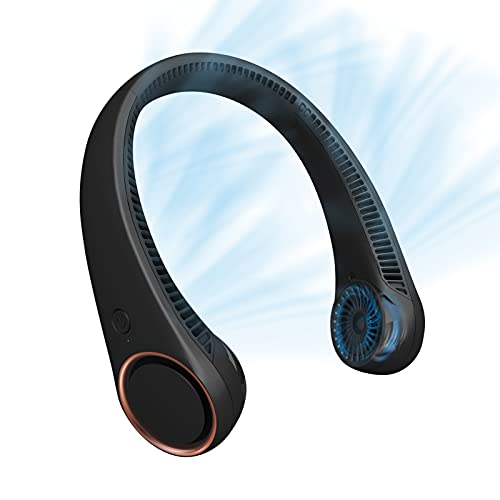
- LFR Score8.6
LFR Score is a ranking system developed by lightfansreviews.com. LFR Score has no relationship or impact from any manufacturers or sales agent websites. Learn more
- BrandCIVPOWER
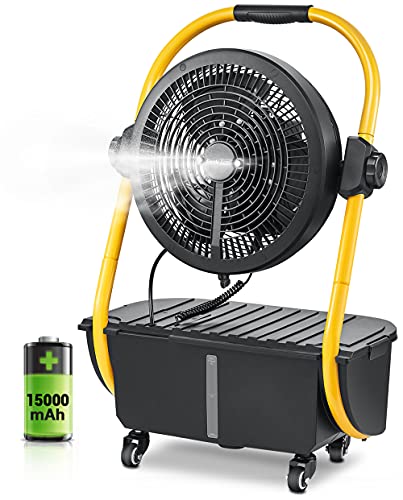
- LFR Score8.6
LFR Score is a ranking system developed by lightfansreviews.com. LFR Score has no relationship or impact from any manufacturers or sales agent websites. Learn more
- BrandGeek Aire
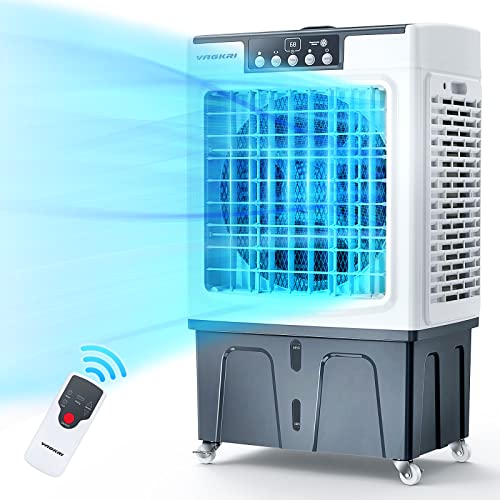
- LFR Score8.4
LFR Score is a ranking system developed by lightfansreviews.com. LFR Score has no relationship or impact from any manufacturers or sales agent websites. Learn more
- BrandVAGKRI

- LFR Score8.2
LFR Score is a ranking system developed by lightfansreviews.com. LFR Score has no relationship or impact from any manufacturers or sales agent websites. Learn more
- BrandTORRAS

- LFR Score7.0
LFR Score is a ranking system developed by lightfansreviews.com. LFR Score has no relationship or impact from any manufacturers or sales agent websites. Learn more
- BrandBig Ass Fans
Last update on 2023-05-19 / Affiliate links / Images, Product Titles, and Product Highlights from Amazon Product Advertising API
Lasko High Velocity Pivoting Utility Blower Fan Review
Heat has a way of creeping into places where comfort should be a given. A garage turns into a sauna, a workshop feels stale, and suddenly even a shaded patio isn’t cutting it. That’s where best outdoor fans for cooling start to matter, especially when airflow not just air is the real fix. The Lasko Pivoting Utility Blower steps in with a more aggressive approach, pushing air where standard fans just swirl it around.
Lasko Pivoting Utility Blower Fan
Raw airflow power hits differently with this unit. The motor pushes up to around 341 CFM, which doesn’t sound flashy until you feel it kick in across a hot room or semi-open outdoor space. It’s not a gentle breeze; it’s a focused stream that actually cuts through humidity and stagnant air. In real use, that translates to faster relief especially in garages, basements, or outdoor setups where heat tends to linger.
Directional airflow makes a big difference here. The pivoting blower head allows you to aim that strong stream exactly where it’s needed, instead of hoping the air spreads evenly. Whether drying a wet floor or cooling a workout corner, that flexibility turns a basic fan into a targeted cooling tool. It feels more like a piece of equipment than a casual appliance.
Compact footprint adds a surprising advantage. The unit sits at just over a foot tall and doesn’t hog space, which matters in cluttered garages or tight patios. It slides into corners, under benches, or beside workstations without turning into an obstacle. That small size paired with serious output creates a nice contrast that stands out quickly.
Built-in outlets are one of those features that seem minor until you actually use them. Two 120V accessory outlets on the side mean fewer extension cords running across the floor. It’s especially useful on job sites or DIY setups where power access is always a juggling act.
Performance In Real Heat Conditions
Hot and humid environments usually expose weak fans fast. This one holds up better than expected, thanks to its focused air delivery rather than wide, diluted circulation. It doesn’t try to cool an entire patio evenly; instead, it creates strong zones of airflow that feel noticeably cooler. That’s often more effective in real-world conditions.
Drying capability becomes a standout strength. Wet floors, damp carpets, or post-cleaning moisture don’t stick around long when this fan is running. Contractors and homeowners alike lean on this kind of performance because it speeds things up without needing specialized equipment. It’s a practical advantage that goes beyond simple cooling.
Noise level sits in a middle ground. It’s not whisper-quiet, but it doesn’t scream either. The sound leans toward a steady mechanical hum, similar to what you’d expect from a shop fan. For outdoor or work environments, that trade-off feels fair given the airflow strength.
Energy efficiency stays reasonable for a high-velocity unit. It doesn’t feel like it’s draining power excessively, especially compared to larger industrial fans. Running it for extended periods doesn’t come with that constant worry of skyrocketing energy use.
Ease Of Use And Handling
Plug-and-play simplicity defines the experience. No assembly, no confusing setup just plug it in and pick a speed. That straightforward design makes it appealing when time matters or when switching between tasks quickly.
Manual controls might feel old-school, but they’re reliable. No digital panels to glitch or overcomplicate things. A simple dial gives you control over the three speed settings, which is often all that’s needed in practical scenarios.
Portability gets a boost from the built-in handle and long power cord. Moving it around doesn’t feel like a chore, even when shifting between indoor and outdoor use. That flexibility makes it easier to adapt to changing conditions without needing multiple fans.
Durability shows up in the construction. The housing feels rugged enough to handle bumps, dust, and regular use without feeling fragile. It’s clearly designed with tougher environments in mind rather than delicate indoor spaces.
Pros And Cons Breakdown
Pros: Strong airflow stands out immediately, making it effective in high-heat areas. Compact size allows easy placement in tight spots without sacrificing power. Built-in outlets reduce clutter and improve convenience during use.
Cons: Noise level may not suit quiet relaxation zones or late-night use. Airflow is directional rather than wide-spread, which means positioning matters more. The industrial look doesn’t blend easily with decorative outdoor setups.
Strength vs limitation becomes clear depending on how it’s used. It excels in functional spaces like garages, workshops, and utility areas. It feels less suited for aesthetic-focused patios where subtle airflow matters more than raw power.
Practical Use Cases And Fit
Workspaces and garages benefit the most from this design. The fan tackles heat buildup quickly, especially in enclosed or semi-open environments. It turns uncomfortable zones into usable areas without needing major upgrades.
Outdoor cooling setups work best when airflow is directed toward seating or activity zones. It’s not about cooling the entire space evenly, but rather creating pockets of relief where it matters most. That approach often feels more effective in real use.
Multi-purpose functionality gives it an edge. Cooling, ventilating, exhausting air, and drying surfaces all fall within its capabilities. That versatility makes it more than just a seasonal purchase it becomes a year-round tool.
From a practical angle, softer lighting can balance strong airflow setups in the evening, and one example worth noting is gentle night light ideas that keep visibility without harsh glare.
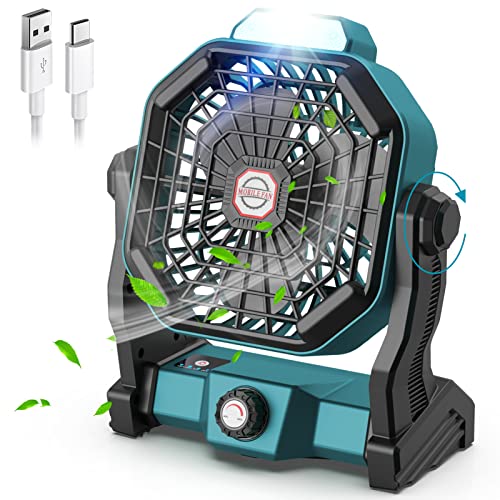
CONBOLA Portable Battery Operated Fan With LED Lantern Review
Power cuts, sticky air, and restless nights tend to show up at the worst possible moments. A small fan can either save the situation or make it worse with noise and weak airflow. That’s where best outdoor fans for cooling start to lean toward portability and smart design instead of brute force. The CONBOLA portable fan takes a different path, blending cooling, lighting, and battery life into something that feels built for unpredictable conditions.
CONBOLA Portable Camping Fan
Compact cooling power might not sound impressive on paper, but this little unit surprises once it’s running. The airflow feels steady and focused, enough to cut through still air inside a tent or small room. It’s not trying to cool a large patio, but for personal space, it punches above its size.
Ultra-quiet operation becomes the real highlight. With noise levels under 30 dB, it hums softly in the background instead of dominating the environment. Light sleepers or anyone tired of noisy fans will notice the difference immediately, especially during warm nights.
Adjustable speed control keeps things flexible. The knob design feels simple but effective, letting you dial airflow instead of jumping between fixed settings. That small detail makes it easier to fine-tune comfort without overthinking it.
Portable form factor rounds out the experience. It slips into a backpack without a second thought, and the lightweight build means it won’t become a burden during travel or outdoor activities.
Battery Life And Off-Grid Use
10400mAh battery capacity changes how this fan fits into daily use. It runs long enough to get through a full night, which matters when heat makes sleep difficult. That overnight endurance turns it into a reliable companion during outages or outdoor trips.
Rechargeable convenience eliminates the usual mess of cords. No scrambling for outlets, no dealing with tangled cables in tight spaces. A single charge keeps things going, and the Type-C input makes topping it up straightforward.
Power outage readiness stands out as a practical benefit. In hot, humid conditions without AC, this fan keeps air moving when everything else stops. That alone can make a huge difference in comfort and peace of mind.
Battery indicator lights help avoid surprises. Knowing when to recharge prevents that frustrating moment when the fan dies mid-use, especially during long nights or extended outdoor stays.
Dual Function Lighting System
Built-in LED lantern adds more value than expected. Three brightness levels provide enough flexibility for reading, relaxing, or basic visibility without harsh glare. It’s a soft light that feels easy on the eyes rather than overly bright.
Night usability improves significantly with that lighting feature. Instead of juggling separate devices, everything sits in one compact unit. That simplicity works well in tents, small rooms, or even emergency setups.
Energy efficiency plays a role here too. The LED doesn’t drain the battery aggressively, so both cooling and lighting can run together without cutting runtime too short. It’s a balanced setup rather than a compromise.
Versatility becomes the quiet advantage. One device handles airflow and illumination, reducing the need for extra gear, especially in minimal setups or travel situations.
Design And Flexibility
270-degree rotation gives more control than expected. Adjusting airflow direction feels natural, letting you aim the breeze exactly where it’s needed. That flexibility makes it useful in tight or awkward spaces.
Hanging hook design adds another layer of convenience. It can be suspended from a tent ceiling, umbrella, or even a hook in a small room. That opens up placement options beyond flat surfaces.
Stable base structure prevents tipping, even on uneven ground. The wide base keeps it steady during use, which matters when placing it outdoors or on makeshift surfaces.
Durable materials hold up well under regular use. The ABS and PC construction feels sturdy enough to handle travel, bumps, and outdoor conditions without feeling fragile.
Pros And Cons Breakdown
Pros: Quiet operation stands out, making it ideal for sleep or focused environments. Strong battery life supports overnight use without constant recharging. Dual functionality with LED lighting reduces the need for extra gear.
Cons: Airflow isn’t designed for large open spaces, so coverage stays limited. Manual controls lack advanced features like timers or smart settings. Charging time can feel a bit long depending on usage habits.
Strength vs limitation becomes clear quickly. It excels in personal cooling and compact environments but doesn’t aim to replace larger outdoor fans. That balance feels intentional rather than a drawback.
Real World Usage And Practical Fit
Camping and outdoor trips benefit the most from this setup. It handles heat inside tents, provides light at night, and runs without needing constant power access. That combination makes it a dependable travel companion.
Indoor backup use also works well. During power outages or hot evenings without AC, it keeps air moving and adds soft lighting without creating noise or chaos. That dual-purpose design feels especially useful in tight living spaces.
Desk and bedside placement feels natural too. Its quiet performance and adjustable airflow make it easy to integrate into daily routines without becoming distracting. It’s the kind of device that quietly does its job.
From a practical angle, pairing airflow with proper ventilation setups matters too, and one example worth noting is bathroom fan light combo setups that balance air movement and lighting in confined spaces.
Portable Misting Fan With LED Lantern Review
A hot table, a still tent, and a dry afternoon can make even a short break feel longer than it should. Small fans often promise relief, then push around warm air like they’re doing a favor. This Portable Misting Fan has a different trick up its sleeve, blending best outdoor fans for cooling performance with mist, battery power, and a lantern for spaces where a regular plug-in fan just doesn’t make sense. It’s compact, a little playful, and surprisingly practical for heat that sticks to the skin.
8-Inch Portable Misting Fan
Cooling comfort starts with the misting feature, and that’s the part that gives this fan its personality. Instead of relying only on airflow, it adds a fine spray that helps take the edge off dry heat. The effect feels especially noticeable on patios, camping tables, and small outdoor corners where the air sits still. Add ice water to the tank, and yep, the breeze feels fresher and sharper.
Personal cooling is clearly the sweet spot here. The 8-inch size won’t behave like a big utility blower, and that’s not the point. It’s built for close-range relief, the kind that makes sitting outside, working at a desk, or resting inside a tent more bearable. For anyone tired of dragging bulky fans around, this smaller shape feels like a smart trade.
Misting performance gets more useful because it offers two spray modes. Continuous mode uses about 150ml per hour, giving around 100 minutes from the 250mL tank. Discontinuous mode stretches that to about 150 minutes by using about 100ml per hour. That flexibility helps when the goal is either fast cooling or longer-lasting moisture.
Heat relief feels more targeted than room-wide. Sitting within its airflow path makes the mist and breeze work together nicely. Move too far away, though, and the cooling effect fades fast. That’s not a dealbreaker; it just means placement matters more than with larger outdoor fans.
Battery Life And Daily Convenience
10000mAh battery capacity gives this fan a real advantage for outdoor use. After a full charge of about 6.5 hours, the working time ranges from 7 to 35 hours, depending on fan speed, lighting, and mist usage. That range makes sense because high settings naturally drain power faster. Still, having enough runtime for long evenings or day trips is a big win.
Rechargeable operation keeps the setup tidy. No cord stretched across a patio. No awkward hunt for an outlet near a tent or picnic table. Once charged, it can sit on a desk, hang in a tent, or ride along for a weekend outing without making a fuss.
Outdoor flexibility is where this fan starts to feel more than decorative. Camping, BBQ nights, car backseats, dorm rooms, kitchen corners, and gym cooldowns all fit the product’s design. It’s not pretending to replace air conditioning. It simply gives moving air and light where larger cooling gear would be overkill.
Battery-powered cooling also helps during uncomfortable indoor moments. A stuffy room, a warm bedside table, or a desk with poor airflow can feel less annoying with this fan running nearby. In some cases, bedroom airflow ideas overlap with quiet cooling habits, and a neutral reference is floor fan for bedroom setups that focus on steady comfort without taking over the room.
Mist Tank And Cooling Modes
250mL water tank is enough for personal misting, though it isn’t huge. Continuous spray lasts around 100 minutes, which works well for short outdoor sessions or focused cooling bursts. Discontinuous spray stretches the tank farther, making it better for relaxed use. That’s handy when refilling water isn’t convenient.
Clean water use matters with this model. The product notes warn against dirty water because dust or debris can block the spray port. That’s fair, since small misting systems depend on a clean nozzle to work properly. Covering the spray cap when the fan isn’t used also helps keep the mist outlet from becoming a tiny dust magnet.
Ice water cooling adds a nice little hack. The manufacturer notes that it gets cooler with ice water, and honestly, that makes sense for a misting fan. Cold mist against warm air feels more refreshing than plain room-temperature spray. It’s not magic, but it does give the fan a noticeable lift during hot afternoons.
Water droplets in the tank may appear before first use because the fans go through functional testing. That detail is worth knowing so it doesn’t feel odd when unboxing. A small amount of leftover moisture doesn’t suggest prior ownership by itself. It’s tied to quality checks before the product leaves the factory.
Airflow, Motor, And Noise
Brushless motor design is one of the stronger technical points here. The description mentions a brushless motor imported from Germany, with quietness and long lifetime listed as its main advantages. Brushless motors usually suit small fans well because they can run smoothly with less mechanical fuss. For daily use, that means a calmer sound profile and fewer annoying vibrations.
Three speed settings give the fan a useful range. The listed airflow speeds are 6.6 ft/s, 11.0 ft/s, and 14.4 ft/s, so it can move from a mild breeze to a punchier stream. Low speed suits reading, sleeping, or desk work. High speed makes more sense outdoors, especially when the air feels heavy.
Aerodynamic fan blades help the compact body feel more capable. The fan doesn’t need to roar to feel useful, which is a relief. A small unit with loud, choppy airflow gets old fast. This one leans toward steady personal cooling rather than noisy drama.
Noise control depends on the setting, as expected. Lower speeds should feel more comfortable for quiet areas, while higher speeds trade calmness for stronger airflow. That balance feels reasonable for a fan meant to work across bedrooms, tents, offices, and outdoor tables. Different places call for different moods, and the speed options make that easier.
Lantern, Hook, And Build Quality
LED camping lantern gives this fan a second job after sunset. Two brightness settings cover soft nearby light and stronger tent lighting. The gentler mode feels better for winding down, while the brighter mode helps when visibility matters. That built-in light reduces the need to pack one extra gadget.
Hanging and standing design improves placement in real life. The non-slip base keeps it more stable on desks, tables, and flat surfaces. The hook design lets it hang from tents, trees, bars, or similar spots. That matters because airflow from above can feel more natural in a tent than airflow sitting at ankle level.
ABS housing gives the fan a sturdy, travel-friendly feel. The material choice fits the purpose: light enough to carry, tough enough for normal outdoor handling. It shouldn’t be treated like rugged job-site equipment, but for camping, dorms, cars, and patios, the build sounds well matched. The boxed presentation also makes it suitable as a summer gift without feeling thrown together.
Portability is the quiet strength running through the whole product. It can sit beside a laptop, hang above a sleeping bag, or cool the backseat during a long stop. That adaptability makes the fan easy to keep around rather than store away. Small gear earns its place when it solves little problems often.
Pros And Cons In Real Use
Pros start with the misting function, because regular airflow can feel underwhelming in dry heat. The 250mL tank, two mist modes, and ice-water option make cooling feel more refreshing at close range. The 10000mAh battery adds real mobility, especially for camping, patios, dorms, and power-limited spots. The LED lantern is a practical bonus rather than a gimmick.
Another strength is the flexible placement. A stable base makes desk use easy, while the hook turns it into a tent or hanging fan without extra hardware. The three speeds provide enough control for shifting between quiet use and stronger airflow. For a compact fan, the mix of features feels well balanced.
Cons mostly come from size and water capacity. The 8-inch fan is best for personal cooling, not large outdoor areas or wide patios. The 250mL tank needs refilling during longer misting sessions, especially in continuous mode. Anyone expecting whole-room cooling may feel shortchanged.
Maintenance also deserves attention. Clean water is a must, and the spray port needs protection from dust when stored. That’s not difficult, but it does add one more habit to the routine. Forgetting those small steps could weaken the misting performance over time.
Lasko Misto Outdoor Misting Blower Fan Review
Backyard heat can be sneaky. One minute the deck feels fine, then the air goes flat, the chairs feel warm, and the whole setup starts begging for real cooling instead of another weak breeze. The Lasko Misto steps into that gap with a misting design that fits the idea of best outdoor fans for cooling better than a plain fan in dry, sunny spaces. It’s built for patios, camping areas, sidelines, and outdoor hangouts where moving air alone doesn’t always pull its weight.
Lasko Misto Outdoor Fan
Cooling performance is the main reason this fan gets attention. It connects to a standard garden hose and produces a refreshing mist while the blower pushes air across the space. That combination can reduce the felt outdoor temperature by up to 25 degrees, based on the provided product details. Not bad at all for a compact unit that doesn’t need complicated setup.
Automatic internal louvers give the airflow a wider sweep than a fixed-direction blower. Instead of blasting one narrow spot, the louvers help spread both air and mist across a broader area. That matters during patio meals, sports breaks, or backyard projects where people shift around instead of staying glued to one chair. The result feels more generous and less fussy.
Pivoting fan head adds another layer of control. The head adjusts up to 90 degrees, making it easier to send mist and airflow where relief is actually needed. A low table setup, a shaded deck corner, or a sideline bench may all need different angles. With this fan, the breeze doesn’t have to be stuck in one stubborn direction.
Three refreshing settings keep the experience flexible. Manual controls make the fan simple to adjust without poking through menus or pairing apps. That old-school approach feels right for outdoor gear, especially with wet hands, garden hoses, and busy afternoons in the mix. Simple controls can be a blessing when heat has already tested everyone’s patience.
Misting Setup And Outdoor Comfort
Garden hose connection is the big practical difference here. There’s no tiny water tank to refill every hour, which makes the Lasko Misto more suitable for longer outdoor sessions. Hook it to a standard hose, adjust the setting, and the fan keeps the cooling mist going as long as the setup allows. That’s a smoother fit for patios and decks than small rechargeable misting fans.
Outdoor cooling comfort feels more natural with mist involved. Dry heat can make regular airflow feel like a warm hair dryer, but mist changes the sensation quickly. The fine spray works with the blower to cool the skin and soften that baked-air feeling. On a hot afternoon, that little shift can be the difference between staying outside and giving up early.
Wide-sweeping airflow also helps prevent one person from getting all the relief while everyone else sweats. The internal louvers distribute the mist more evenly, which gives the fan a better social setup. It suits shared areas like decks, patios, backyard game zones, and outdoor seating spaces. For cooling more than a single chair, that feature carries real weight.
Humidity conditions still matter, though. Misting fans tend to feel best in drier heat because the air can absorb the moisture more comfortably. In already muggy weather, the cooling effect may feel less crisp. That’s not a flaw so much as the usual trade-off with misting systems.
Power, Airflow, And Size
Compact build makes this fan easier to place than its performance might suggest. It measures about 6.25 inches long, 12.3 inches wide, and 14.85 inches high, so it doesn’t take over the patio. At 16.1 pounds, it has enough heft to feel planted without becoming a beast to move. The easy-grip carry handle helps, especially when shifting between deck, driveway, and campsite use.
Air delivery sits at a practical level for outdoor comfort. The provided details list 280 CFM on low and 350 CFM on high, giving it enough push for a compact misting blower. That range won’t behave like a large industrial fan, but it’s plenty meaningful at close to mid-range. The mist makes that airflow feel cooler than raw numbers might suggest.
Power usage is listed at 92/90 watts, with operation noted at high power in the product details. For a hose-connected outdoor misting blower, that seems reasonable within its intended role. It’s not a battery fan, so it needs a power source nearby. The trade-off is stronger, steadier operation without worrying about battery drain.
Space-saving design makes it handy for patios that already have furniture, grills, planters, and all the usual outdoor clutter. It sits low and compact, which reduces the chance of it blocking movement. That small profile also makes storage easier after summer use. Big cooling gear often gets annoying fast; this one keeps its footprint in check.
Safety And Weatherproof Design
Outdoor electrical safety matters a lot with any fan that mixes water and power. This model is ETL listed and includes an in-line GFI cord, which is exactly the kind of detail that shouldn’t be skipped. The setup is designed to reduce risk when the fan is used in outdoor conditions. That gives the product a more serious, purpose-built feel.
The Blue Plug safety feature adds another layer of protection. The 3-prong grounded safety plug is designed to cut power if an electrical fault is detected. That’s a smart inclusion for misting equipment, where damp surroundings are part of the job. Safety features like this don’t make the fan exciting, but they do make it easier to trust.
Weatherproof construction supports its outdoor role. Patios, decks, camping areas, and sports spaces all bring dust, moisture, sun, and random splashes. A basic indoor fan would feel out of place in that mess. The Lasko Misto is clearly made to live outside during use, not merely survive a lucky afternoon.
Fully assembled convenience keeps setup from becoming a chore. Nobody wants to build a fan before cooling off, especially with the sun leaning hard on the backyard. The product arrives ready for use, so the main job is connecting the hose and power. That quick start gives it a practical edge during busy outdoor days.
Pros And Cons In Real Use
Pros start with the misting performance. The hose-connected design avoids constant water refills, while the fan and mist work together to reduce the felt heat. The automatic louvers help spread relief across a wider area, not just one narrow blast zone. That makes it more useful for decks, patios, sports breaks, and camping setups.
Another strength is the mix of portability and safety. The compact body, carry handle, in-line GFI cord, ETL listing, and Blue Plug safety design all support outdoor use. It feels more specialized than a regular fan dragged outside as an afterthought. That difference matters when water, electricity, and heat are all sharing the same space.
Cons mostly come from the hose-and-cord setup. The fan needs both water access and electrical power, so placement depends on what’s available nearby. It also won’t be as grab-and-go as a battery-powered camping fan. For quick movement between far-off spots, that limitation may feel like a leash.
Another weakness is humidity sensitivity. Misting feels fantastic in dry heat, but muggy conditions can make added moisture less refreshing. The fan will still move air, yet the mist may not feel as crisp. That makes climate and placement worth thinking through before relying on it for every outdoor situation.
Patio, Camping, And Deck Use
Patio cooling is probably its strongest everyday role. The fan can sit near a seating area and send misted airflow across people without taking up much space. During lunch outside or late-afternoon lounging, it offers a steady comfort boost. It’s the kind of tool that makes shaded outdoor areas feel more usable.
Camping use works best where hose and power access are available. That may mean RV sites, organized campgrounds, or outdoor event spaces rather than remote trails. In those settings, the compact design and cooling mist can be a real treat. Roughing it feels a little less rough with a cool breeze nearby.
Sports and sideline comfort also fit the product’s strengths. Heat can build quickly around benches, tents, and waiting areas, especially during summer events. A misting blower helps create a cooler pocket for breaks. It won’t change the weather, but hey, it can make the pause between activities feel a whole lot better.
Outdoor design style leans functional rather than decorative. The blue body has a casual, practical look, not a furniture-matching finish. In some cases, outdoor comfort planning also includes nearby lighting or shade elements, and a related reference can be found in fabric floor lamp shade ideas for softer indoor ambiance after the patio cool-down ends.
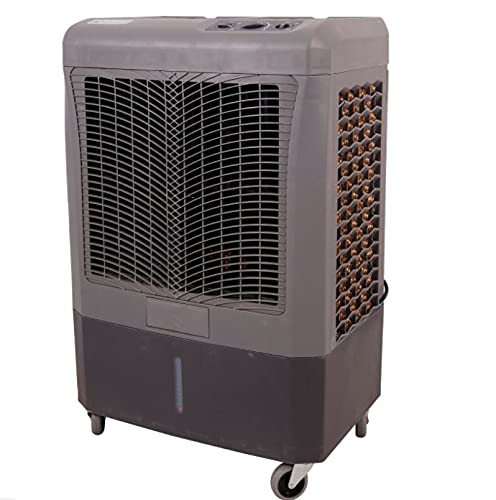
Hessaire MC37M Evaporative Cooler Review
Hot air in a garage or patio doesn’t always need fancy climate control; sometimes it just needs serious movement and moisture working together. A regular fan can stir the heat around, but that gets old fast when the space is wide, dusty, or half-open to the outdoors. The Hessaire MC37M sits closer to a swamp cooler than a simple fan, which makes it a stronger fit for best outdoor fans for cooling where dry heat and larger coverage matter. Big airflow, rolling mobility, and a continuous-fill option give it a workhorse feel without turning the setup into a science project.
Hessaire MC37M Evaporative Cooler
Cooling capacity is the headline feature here, and it’s not shy about it. The unit delivers 3,100 CFM, which puts it far above small tabletop or personal outdoor fans. That airflow rating matters in larger spaces because weak circulation barely makes a dent once heat settles into concrete, tools, furniture, and walls. For patios, workshops, and home areas up to 950 square feet, the MC37M is built to move a lot of air quickly.
Evaporative cooling gives this model a different personality from standard blade fans. Instead of only pushing warm air around, it pulls air through water-saturated cooling pads to create a cooler breeze. That design works especially well in dry climates where evaporation can do its job properly. In muggy weather, though, the cooling effect may feel less dramatic because the air already holds more moisture.
Three-sided cooling pads help increase the surface area for evaporation. More contact between air and wet media usually means a better cooling effect, and Hessaire’s rigid high-density pads are meant to support that process. The result is a fuller cooling approach, not just a narrow stream of air. For a space that feels baked by late afternoon, that extra evaporative surface can make the difference feel more noticeable.
Wide coverage gets help from oscillating louvers. The airflow doesn’t stay trapped in one straight line, which is important for shared spaces and active work areas. The louvers help spread the breeze across more of the room or patio. That makes the cooler feel less like a single-person fan and more like a space-comfort machine.
Power And Airflow Performance
Air delivery is where the MC37M earns its keep. At 3,100 CFM, it can push a heavy volume of air through large, open, or semi-open spaces. That’s useful for workshops where heat builds around tools, storage, and concrete floors. It also suits patios where still air can make even shaded seating feel sticky and uncomfortable.
Three fan speeds give the cooler enough range for changing conditions. Low can keep a space from feeling stale, medium offers steady comfort, and high brings the bigger push when heat starts acting stubborn. That speed control helps prevent overcooling smaller zones or underpowering larger ones. Simple, useful, no drama.
Oscillation control being separate is a smart touch. The fan, pump, and oscillation motor each have their own rotary control, so the cooler doesn’t force one fixed mode on every situation. Sometimes airflow alone is enough. Other times, the pump and louvers together make the whole space feel more evenly managed.
Corded electric power keeps performance steady. This isn’t a battery fan meant for quick personal cooling; it’s a larger unit that needs a 115-volt power source. The listed 250-watt draw reflects its bigger cooling role. That trade-off feels fair for a machine designed to handle far more space than compact rechargeable models.
Portability And Placement
Heavy-duty locking casters make a big difference because this unit isn’t tiny. At 38 x 16 x 24 inches, it has real presence, but the wheels keep it from feeling stuck in one spot forever. Rolling it from a workshop to a patio or garage corner is much easier than lifting and carrying. Once placed, the locking function helps keep it steady during use.
Firm-floor placement matters for noise and vibration. The provided product details mention placing the cooler on a firm floor to minimize both. That’s practical advice, especially since rolling coolers can rattle or vibrate on uneven surfaces. Concrete, tile, or a stable patio slab will usually make more sense than soft or bumpy ground.
Large-space mobility gives it an edge over fixed cooling options. A wall-mounted fan may stay useful in one area, but the MC37M can shift with the day. Morning garage work, afternoon patio cooling, evening workshop airflow same unit, different spot. That flexibility can make it feel more useful across a whole season.
Compact yet powerful design sounds like marketing, but the footprint is reasonable for the airflow it provides. It’s not small like a desk fan, of course. Still, for a 3,100 CFM evaporative cooler, the body doesn’t feel wildly oversized. That matters when storage space is already tight.
Water Fill And Maintenance
Continuous fill capability is one of the most practical features. Attaching a household hose with the included float adaptor means the cooler can refill without constant babysitting. That’s a real advantage during long outdoor use. Nobody wants to keep stopping mid-project just to check the water level again.
Manual fill option still keeps the cooler flexible. Not every setup has a convenient hose nearby, so being able to fill it manually is useful. For shorter sessions, manual filling may be perfectly fine. For long afternoons, the continuous fill setup feels like the better move.
Simple rotary controls make operation refreshingly straightforward. The fan, pump, and oscillation controls are separate, and each one does exactly what it says. No app, no tiny screen, no overbuilt menu system. That kind of simplicity is underrated on equipment that may be used in dusty, hot, hands-on spaces.
Maintenance should stay manageable as long as the cooling pads and water system are treated properly. Evaporative coolers depend on clean airflow and water movement, so basic care matters. The design doesn’t sound overly fussy from the provided details. Still, water-based cooling always needs more attention than a dry fan.
Pros And Cons Breakdown
Pros start with the strong 3,100 CFM airflow. That gives the Hessaire MC37M enough muscle for bigger areas up to 950 square feet. The three fan speeds, oscillating louvers, and independent controls make it easy to shape the cooling experience. It feels built for real heat, not just mild discomfort.
Another strength is the continuous-fill system. A hose connection with a float adaptor cuts down on refill interruptions, especially during long patio or workshop sessions. The heavy-duty locking casters also make it easier to move than its size suggests. That mix of power and mobility is where the unit starts to shine.
Cons mostly come from the nature of evaporative cooling. Dry air helps it perform better, while humid conditions can reduce the cooling effect. It also needs water and a corded power source, so placement is less free than with battery fans. That’s the price of stronger, longer-running cooling.
Noise and vibration may depend heavily on the surface beneath it. The product details specifically note that a firm floor helps minimize both. That means setup matters more than some people might expect. A solid base can make the experience feel smoother and less distracting.
Best Uses Around The Home
Workshop cooling feels like a natural fit for this model. Heat builds fast around tools, benches, stored materials, and closed doors. The MC37M moves enough air to freshen the space while the evaporative pads add cooler airflow. For long work sessions, that can make the room feel far less punishing.
Patio and garage use also makes sense. The cooler can roll into position, cover a broader area, and run steadily with a hose connection nearby. It won’t suit every climate perfectly, but in the right conditions, the cooling effect can feel much stronger than a basic outdoor fan. That’s especially true in dry summer heat.
Home cooling support can help in rooms that need extra airflow without turning to a full air-conditioning setup. The unit is corded, powerful, and designed for practical coverage rather than decorative subtlety. It’s more about relief than looks. And honestly, on brutal hot days, that’s usually the better priority.
Seasonal setup planning often stretches beyond airflow, especially around balconies, patios, and outdoor gathering spots. From a practical angle, a related reference can be found in Christmas lights for balcony ideas, where evening ambiance and outdoor layout choices meet in a different part of the year.


Best Small Flush Mount Ceiling Fans 2026 Ultimate Picks

Best Smart Ceiling Fan India 2026 For Effortless Comfort

Best Smart Ceiling Fans with Lights for 2026: Top Picks

Best Smart Home Non Ceiling Fans 2026 For Ultimate Comfort

Best Outdoor Misting Ceiling Fan 2026 For Ultimate Comfort

Best Outdoor Ceiling Fans For Porch 2026 With Style And Breeze

Best Smart Bulb For Ceiling Fan 2026 That Brightens Life
Best Smart Ceiling Fan Control 2026 For Effortless Comfort