Best Outdoor Light Fixtures For Salt Air 2026 Picks

Best outdoor light fixtures for salt air need more than a pretty shade and a warm bulb. Salt mist creeps into seams, settles on screws, and slowly chews through cheap coatings. That’s why coastal lighting has to lean on marine-grade materials, tight seals, and finishes that don’t flake after one rough season. A fixture can look charming on day one, then start bubbling around the edges by the time humid summer nights roll in.
Solid brass, copper, quality stainless steel, and well-coated aluminum usually hold up better near the ocean than bargain painted steel. Still, every material has a tradeoff. Brass and copper develop a patina, which can look rich and lived-in, but it won’t stay shiny unless it’s maintained. Powder-coated aluminum can look crisp and modern, yet chipped coating gives salt a tiny doorway to start trouble.
Sealed glass and covered sockets matter just as much as the frame. Open-bottom lanterns are easier to clean, sure, but wind-driven salt spray can reach the bulb base and wiring faster. Fully enclosed fixtures protect better, though they may trap heat or collect dead bugs if the design is fussy. So, the sweet spot is usually a fixture with weather-rated construction, accessible cleaning points, and hardware that doesn’t rust into place.
Coastal homes also deal with glare, fog, and damp entryways, not just corrosion. A bright bare bulb near a white wall can feel harsh after dark, especially around porches, patios, and side gates. Frosted glass, downward-facing designs, and warmer bulbs make outdoor areas feel calmer without turning the house into a dockyard spotlight. Small detail, big difference.
Maintenance still matters, even with tough fixtures. A quick rinse with fresh water can slow salt buildup, and wiping glass keeps the light from looking dim and cloudy. Harsh cleaners are a bad bet because they can strip protective finishes or leave scratches where corrosion starts. Good coastal lighting isn’t maintenance-free, but it shouldn’t demand a full weekend just to keep the porch looking decent.
The smartest pick depends on exposure. A covered porch can handle more decorative designs, while a beachfront wall with direct wind needs a tougher fixture with fewer weak points. Look closely at screws, mounting plates, gaskets, and finish type before falling for the shape. Pretty matters, but near salt air, durability earns its keep every single night.

- LFR Score9.6
LFR Score is a ranking system developed by lightfansreviews.com. LFR Score has no relationship or impact from any manufacturers or sales agent websites. Learn more
- BrandMULANDI
- LFR Score9.4
LFR Score is a ranking system developed by lightfansreviews.com. LFR Score has no relationship or impact from any manufacturers or sales agent websites. Learn more
- BrandLithonia Lighting

- LFR Score9.2
LFR Score is a ranking system developed by lightfansreviews.com. LFR Score has no relationship or impact from any manufacturers or sales agent websites. Learn more
- BrandKASTLITE

- LFR Score9.2
LFR Score is a ranking system developed by lightfansreviews.com. LFR Score has no relationship or impact from any manufacturers or sales agent websites. Learn more
- BrandDESIGNERS FOUNTAIN

- LFR Score8.8
LFR Score is a ranking system developed by lightfansreviews.com. LFR Score has no relationship or impact from any manufacturers or sales agent websites. Learn more
- BrandEMART
- LFR Score8.8
LFR Score is a ranking system developed by lightfansreviews.com. LFR Score has no relationship or impact from any manufacturers or sales agent websites. Learn more
- BrandEMART

- LFR Score8.8
LFR Score is a ranking system developed by lightfansreviews.com. LFR Score has no relationship or impact from any manufacturers or sales agent websites. Learn more
- BrandEMART
Last update on 2026-06-15 / Affiliate links / Images, Product Titles, and Product Highlights from Amazon Product Advertising API
MULANDI Classic Black Aluminum Wall Lamp Review
Outdoor fixtures near the coast rarely fail all at once. A little bubbling paint here, a rust-stained screw there, and before long, the whole setup starts looking tired. That slow decline makes best outdoor light fixtures for salt air a surprisingly tricky category to navigate. The MULANDI Classic Black Aluminum Wall Lamp arrives with a practical promise: keep the maintenance headaches to a minimum while standing up to damp mornings, salty breezes, and the occasional sideways rainstorm.
MULANDI Wall Lamp
Corrosion resistance sits at the heart of this fixture's appeal. MULANDI uses die-cast aluminum combined with sealed gaskets designed for wet locations, and that detail matters more than decorative flourishes in coastal settings. Salt air has a habit of exploiting weak coatings and exposed seams, so a sealed approach feels thoughtful rather than flashy.
The matte black finish also deserves attention. Black outdoor fixtures are everywhere, yet not all finishes age gracefully under constant exposure. According to the product details provided, this model focuses on resisting rust and yellowing instead of chasing trends, which creates more confidence in its long-term appearance.
Wet location certification isn't merely marketing language for this type of installation. Covered patios, open porches, detached garages, and side entrances all experience different degrees of exposure. A fixture intended for genuine outdoor use helps eliminate some of the guesswork homeowners often face.
Compact Design With Practical Intent
Some outdoor sconces dominate the wall. Others look undersized once installed beside a front entry. Measuring approximately 4.4 inches wide, 8.2 inches high, and 5.9 inches deep, this fixture lands somewhere comfortably in between. Compact proportions make it particularly useful for tighter spaces where oversized lanterns would overwhelm the architecture.
The pairing of a matte black body and textured tempered glass creates visual balance. The design leans traditional without becoming overly ornate, which means it can blend with farmhouse facades, modest suburban homes, or more contemporary exteriors without feeling out of place.
Textured glass introduces another subtle advantage. Harsh glare from exposed bulbs can make pathways and entryways feel uncomfortable after dark. Diffused illumination softens that effect while still delivering enough brightness for routine tasks like unlocking doors or navigating porch steps.
Its restrained styling also helps future-proof the look. Exterior updates happen infrequently, and nobody wants lighting that feels dated after a single season. This fixture avoids chasing design fads and sticks to familiar lines that tend to age well.
Flexible Lighting That Adapts
E26 compatibility gives this lamp versatility beyond what integrated LED fixtures often provide. Warm LED bulbs can establish a welcoming evening atmosphere, while brighter options support visibility near driveways or garage entrances. The choice stays in the homeowner's hands rather than being dictated by the manufacturer.
Dimmable bulb support introduces another layer of convenience. Dinner on the patio doesn't require the same brightness level as unloading groceries after sunset. The ability to adjust output without buzzing or flickering adds refinement that many people appreciate only after living with it.
The absence of an included bulb might disappoint shoppers expecting an all-in-one package. Yet there's another side to that coin. People already loyal to a specific bulb temperature, energy consumption level, or smart lighting ecosystem aren't forced into replacing bundled components they never intended to use.
Bulb flexibility also extends the fixture's useful lifespan. If lighting preferences evolve over time, changing the bulb becomes easier than replacing the entire unit.
Installation Without The Drama
Few household projects inspire enthusiasm when they involve unexpected trips to the hardware store. MULANDI attempts to simplify the process by including rust-proof screws, waterproof wire nuts, and a mounting template compatible with standard junction boxes. That preparation can shave off frustration before installation even begins.
The advertised three-step setup and approximate fifteen-minute timeline may vary depending on familiarity with electrical work and the condition of existing wiring. Older homes occasionally present surprises hidden behind mounting plates. Even so, reducing unnecessary complexity benefits anyone replacing outdated fixtures.
DIY accessibility becomes particularly appealing for single-fixture upgrades. Calling an electrician for every exterior lighting refresh isn't always practical or budget-friendly. A straightforward installation process lowers the barrier for routine home improvements.
Confidence matters, too. Clear mounting hardware and logical instructions often determine whether a project feels satisfying or exhausting by the end of the afternoon.
Maintenance And Everyday Realities
Outdoor fixtures collect more than rainwater. Pollen drifts through the air, insects squeeze into crevices, and debris settles wherever it can. MULANDI addresses that nuisance through a sealed base intended to discourage bugs and reduce internal buildup.
The maintenance routine remains refreshingly simple. According to the provided description, a damp cloth is usually sufficient for cleaning. Nobody dreams of spending weekends polishing porch lights, especially in environments where salty residue returns with the next ocean breeze.
Low-maintenance ownership may ultimately become this fixture's strongest selling point. Exterior lighting should quietly perform its job without demanding constant attention. That practicality often outweighs dramatic styling flourishes.
There's still value in setting realistic expectations. Even corrosion-resistant materials benefit from occasional inspections and cleaning, particularly in homes positioned very close to the shoreline. Durability reduces chores, but it rarely eliminates them entirely.
Thoughtful Tradeoffs Worth Noting
This fixture doesn't attempt to reinvent outdoor lighting. Instead, it focuses on solving familiar frustrations tied to coastal conditions through weather readiness, adaptable illumination, and manageable upkeep. That approach feels grounded rather than aspirational.
The single-pack configuration means larger projects involving multiple entry points require separate purchases and planning. Some homeowners may also prefer integrated smart functionality, which this traditional E26 setup doesn't inherently provide without compatible bulbs.
Tempered glass construction, corrosion-conscious materials, and installation simplicity collectively shape an experience aimed at reliability. It's less about dramatic innovation and more about removing recurring annoyances before they become expensive replacements.
Design conversations occasionally branch into decorative accents that complement exterior fixtures. An interesting perspective on proportion and visual balance appears in best lamp shade for tall lamp, illustrating how subtle lighting details influence the character of a space without overwhelming it.
Lithonia Lighting Jelly Jar Light Fixture Review
Fancy coastal sconces often steal the spotlight, yet they're not always the survivors once humidity, salt spray, and relentless weather settle in. Utility lighting has a different personality altogether. The best outdoor light fixtures for salt air sometimes turn out to be the ones built with stubborn practicality rather than decorative ambition, and this Lithonia Lighting Jelly Jar fixture leans heavily into that philosophy.
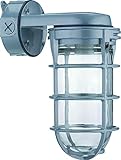
Lithonia Jelly Jar Utility Lamp
Industrial durability defines this fixture from the moment you see it. The gray die-cast aluminum housing paired with a substantial glass globe doesn't try to masquerade as a delicate designer piece. Instead, it gives off the reassuring impression that rough weather won't send it into early retirement.
Coastal environments have a knack for exposing weaknesses. Tiny chips in paint, flimsy hardware, and thin materials tend to surrender quickly when moisture lingers in the air. Lithonia addresses that concern with a rugged aluminum construction intended to tolerate demanding conditions rather than merely survive occasional rain.
The heavy-duty approach won't appeal to everyone aesthetically. Homeowners chasing ornate lantern charm may consider the appearance too utilitarian. Yet those prioritizing resilience over decoration may appreciate its straightforward honesty.
Built For Moisture And Messy Weather
Wet location certification isn't just a reassuring label on the box. According to the provided specifications, this fixture is listed to UL standards for wet environments and carries CSA labeling as well. That distinction becomes meaningful around garages, exposed entryways, garden structures, and breezeways where moisture is part of everyday life.
The vapor-tight construction creates an extra layer of confidence. Damp air has a habit of finding its way into vulnerable fixtures, encouraging corrosion and shortening lifespan. This design attempts to minimize those opportunities through enclosed construction that protects critical components.
Storms rarely announce themselves politely. Wind-driven rain, salty mist, and seasonal humidity swings can push outdoor lighting to its limits. A fixture engineered specifically for environments with moisture often delivers peace of mind that's difficult to quantify until a neighboring light fixture begins to fail.
Salt air resistance isn't explicitly marketed through dramatic promises here. Instead, the emphasis rests on robust materials and environmental suitability, which arguably feels more grounded and credible.
Lighting Performance With Flexible Choices
The fixture accommodates multiple light source types, including incandescent, fluorescent, metal halide, and high-pressure sodium bulbs. That flexibility opens the door to different lighting priorities depending on the installation area. Bright utility illumination near workshops differs substantially from softer ambient lighting beside service entrances.
Its prismatic glass globe contributes to even light distribution rather than producing concentrated hotspots. Harsh glare can create uncomfortable shadows and visual fatigue, particularly around frequently used pathways. Diffusion helps maintain visibility without overwhelming the surrounding space.
Because bulbs are sold separately, users retain control over brightness and operating costs. Some prefer warmer tones that soften industrial aesthetics, while others prioritize maximum visibility near detached garages and storage areas.
The absence of integrated LEDs may appear dated to shoppers expecting modern convenience. Yet replaceable bulbs can simplify maintenance and prevent the entire fixture from becoming obsolete when lighting preferences evolve.
Installation That Respects Practical Needs
Ease of maintenance often matters more than dramatic features once a fixture has been installed for years. Lithonia includes a junction box and supports wall mounting with threaded knockouts for side or top conduit entry. Those details cater to environments where accessibility and adaptability count.
Changing bulbs doesn't require wrestling with unnecessarily complicated assemblies. The housing and globe are designed for straightforward removal, reducing frustration during routine upkeep. Small conveniences tend to become major advantages over time.
The fixture operates at 120 volts, aligning with standard residential electrical systems. Familiar compatibility simplifies planning for replacements or upgrades without introducing unusual requirements.
Its approximate dimensions of 10 inches by 7¼ inches give it a more substantial presence than compact decorative sconces. That size works especially well in utility-focused settings where visual impact takes a back seat to dependable performance.
Living With The Industrial Character
Industrial lighting divides opinion, and this fixture won't magically blend into every architectural style. Sleek coastal cottages filled with delicate trim may benefit from softer silhouettes. On the other hand, workshops, mudrooms, detached garages, and contemporary exteriors often embrace this unapologetically functional appearance.
Heavy-duty glass construction contributes both visual weight and practical strength. Thicker glass tends to inspire more confidence around busy areas where accidental bumps occasionally happen. It also reinforces the fixture's no-nonsense personality.
Maintenance routines remain relatively manageable. Dirt and environmental residue still require occasional attention, especially in coastal climates, but accessibility helps keep those tasks from becoming dreaded weekend projects.
There's an appealing authenticity here. Rather than pretending to be something it's not, this fixture embraces its identity as a hardworking utility light built for real-world conditions.
Tradeoffs Worth Understanding
No product escapes compromise. The industrial aesthetic limits its decorative versatility compared with lantern-inspired alternatives designed primarily around curb appeal. Shoppers seeking intricate details and ornamental flourishes may lean elsewhere.
Its support for various bulb technologies creates flexibility, though incandescent users should remember that higher wattages can influence energy consumption and heat generation. Balancing efficiency, brightness, and atmosphere remains part of the decision-making process.
Durability, environmental readiness, and straightforward maintenance emerge as this fixture's strongest attributes. Those strengths feel particularly relevant for installations exposed to moisture and fluctuating conditions rather than sheltered porches with minimal environmental stress.
Household comfort discussions occasionally extend beyond lighting choices. Seasonal airflow considerations surface in many practical home setups, and a related perspective appears in best floor fan for air circulation, highlighting how functional essentials quietly shape everyday living experiences.
KastLite Nautical Outdoor Sconce Review
Salt air has a way of turning outdoor lighting into a quiet little headache. Metal starts staining, lenses cloud up, screws get stubborn, and the porch light that looked crisp in spring can feel worn out by fall. That’s where best outdoor light fixtures for salt air need a different kind of thinking, especially around docks, decks, coastal porches, and front doors that face damp wind. The KastLite Nautical Outdoor Sconce takes a practical route with a non-metallic coastal body, wet-location rating, and a classic downward shape that feels built for weather instead of just styled for curb appeal.
KastLite Nautical Sconce
KastLite Nautical Sconce doesn’t chase fancy ornament or delicate trim. Its personality is more dockside utility with a clean, coastal finish. The matte white body gives it a brighter, calmer look than the usual black lantern, which can feel heavy on smaller porches. That choice works nicely against siding, painted brick, weathered wood, or a simple garden wall where softer contrast feels more natural.
The big selling point is the non-metallic composite construction. Salt air loves exposed metal, and even coated metal can become a problem once the finish gets nicked. A rust-resistant composite body sidesteps that issue in a sensible way. For homes near water, that material choice feels less like a gimmick and more like common sense.
The acrylic lens also fits the same logic. Glass looks classic, but acrylic can be a practical pick where wind, rain, and dock activity are part of normal life. The provided details mention resistance to UV damage, which matters for exterior lights that spend long hours under direct sun. Still, acrylic may not have the same heavy feel as glass, so the tradeoff leans toward durability and weight savings rather than old-school heft.
Its 13-inch height and 10-inch width give it noticeable presence without making it feel bulky. The 5-inch backplate keeps the mounting area neat, while the 5.5-inch projection from the wall gives the shade enough depth to feel dimensional. In narrow entryways or tight deck corners, that balance can help the fixture look intentional instead of awkwardly oversized.
Coastal Materials That Make Sense
Rust resistance matters more than most people expect until a fixture starts bleeding orange streaks down the wall. The KastLite design avoids that common problem by using a non-metallic body instead of relying on painted steel or thin decorative metal. That decision matters in salty air, rainy climates, and damp service areas where moisture hangs around longer than it should.
The fixture is described as waterproof and made for coastal climates, with a body and lens meant to resist corrosion and UV exposure. That combination suits porches, docks, patios, and walkways where water arrives from more than one direction. Rain falls from above, mist blows sideways, and sprinklers sometimes join the party. A fixture with fewer rust-prone parts simply has fewer chances to become annoying.
The matte white finish brings a quiet benefit too. Dark fixtures can show salt residue quickly, especially where ocean breeze leaves a chalky film. White surfaces can still get dirty, of course, but the look often stays more forgiving between wipe-downs. A quick cleaning routine should be enough for most exterior grime instead of the polishing some metal fixtures demand.
Mounting hardware is not included, and that’s worth calling out plainly. It’s not a dealbreaker, but it does mean the installation plan needs the right screws and anchors before the fixture goes up. For coastal use, corrosion-resistant hardware would be the smarter match. Skipping that detail could weaken the whole point of choosing a rust-conscious light.
Downward Lighting With A Nautical Feel
The three-tier canopy gives this sconce its nautical character. More than decoration, the layered top helps shield the lens area from rain and debris. Downward lighting is especially useful near front doors, walkways, and dock edges because it sends light where feet, steps, and handles actually are. That feels more practical than a bare bulb throwing glare in every direction.
The design should create a calmer beam than exposed industrial fixtures. Softened light can make a porch feel safer without giving it a harsh utility-yard vibe. The acrylic lens helps distribute light, while the shade shape keeps the fixture from feeling too plain. It’s a nice middle ground: not overly decorative, not cold and warehouse-like either.
E26 bulb compatibility gives the fixture room to adapt. The product details say it accepts A19 bulbs up to 60 watts, with a suggested 9.5W 5000K Energy Star LED for efficient walkway lighting. That bulb choice will create a crisp, daylight-style effect, useful for visibility near docks or dark side paths. For a softer porch mood, a warmer LED could make the fixture feel less clinical.
Bulbs are where personal preference really changes the experience. A bright 5000K bulb can help with visibility, but it may feel stark beside a cozy seating area or cottage-style entry. A lower color temperature can soften the look, though it may reduce that sharp sense of security. The fixture gives flexibility, but the final feel depends heavily on the bulb.
Installation And Everyday Handling
Compact wall mounting keeps this light approachable for common exterior spots. The 6-inch wire lead gives room for connection, and the 5-inch backplate should suit many standard wall placements. Since mounting hardware isn’t included, the job may take a little extra preparation. That’s a small hassle, but still something better handled before standing on a ladder with the fixture in hand.
The fixture’s non-metallic body may also make handling easier during installation. Heavy metal sconces can be awkward on vertical surfaces, especially near door trim or porch posts. A lighter coastal fixture can feel more manageable while still offering weather-focused durability. That said, installation quality still matters, especially around sealing and hardware choice.
UL listing for wet locations adds a useful layer of confidence. Outdoor electrical fixtures need more than good looks, especially where rain and salt air are routine. A wet-location rating means the product is intended for exposed damp conditions rather than only covered, protected areas. That makes it better suited for docks, decks, and exterior entries that get real weather.
Maintenance should be fairly simple. The composite body avoids rust polishing, and the acrylic lens can be wiped down when salt film or pollen builds up. Coastal fixtures still need attention now and then, no getting around it. But this design reduces the kind of upkeep that makes outdoor lighting feel like another chore on the weekend list.
Where This Fixture Fits Best
The KastLite sconce feels most at home where salt air resistance and simple visibility matter more than ornate styling. Dock entrances, back porches, shed walls, garage walkways, patio doors, and coastal rental properties all make sense. Its look is clean but not delicate, which helps it blend into everyday spaces without acting precious. There’s a bit of working-coast charm in that.
Its matte white finish may not suit every exterior palette. Dark bronze, black, or brass fixtures can feel richer on certain homes, especially with stone or deep-colored siding. White works beautifully in bright coastal settings, but it can feel too casual for formal facades. That’s not a flaw, just a style boundary worth respecting.
Durability-focused design gives this fixture a practical edge over many metal sconces near water. The non-metallic body, acrylic lens, wet-location rating, and downward canopy all point toward real outdoor use. It doesn’t pretend to be a luxury lantern, and honestly, that restraint helps. The fixture seems more concerned with surviving damp seasons than winning a beauty contest.
Air movement and exterior comfort often sit beside lighting decisions in warm, humid homes. A related household reference appears in best tower fan under 5000, where practical airflow choices carry the same quiet importance as dependable lighting.
Designers Fountain Nantucket Outdoor Lantern Review
A porch light can make a home feel settled, but coastal weather has a funny way of testing every pretty detail. Salt in the air, damp evening fog, windblown rain, and sun exposure can turn a charming fixture into a maintenance problem faster than expected. That’s why best outdoor light fixtures for salt air need more than a handsome shape; they need materials, seals, and finishes that don’t give up easily. The Designers Fountain Nantucket Outdoor Lantern brings a rustic look with treated detailing, a weatherproof seal, and a wet-location certification that makes it feel more prepared than a purely decorative wall sconce.
Designers Fountain Nantucket
Designers Fountain Nantucket has a more traditional personality than many utility-style coastal lights. The bold scrolled arm, square back plate, and rustique finish give it a warmer, more dressed-up presence beside a front door or patio entrance. It doesn’t look like a dock light or a garage fixture, and that matters where curb appeal still has to carry its weight. The style leans rustic without feeling too fussy.
The clear seedy glass adds a little character without hiding the bulb completely. That means the fixture can throw stronger illumination than heavily frosted designs, which helps around walkways, entry steps, and garage-side doors. At the same time, clear glass can show dust, pollen, and salt film more quickly. A quick wipe now and then will keep the sparkle from turning cloudy.
Steel construction gives the lantern a sturdy frame, but steel near salt air always deserves a closer look. The product details say the fixture is treated to help prevent pitting, tarnishing, and discoloration. That’s encouraging, especially for homes that want a decorative exterior light rather than a plain composite or industrial model. Still, chipped finishes should be handled quickly because exposed steel can be less forgiving in salty conditions.
The fixture measures 7.5 inches wide by 14.25 inches high and extends 9.25 inches from the wall. That size gives it enough presence for a front entry without overwhelming a narrower porch column. It may feel too prominent for very tight side doors, though. Scale matters, and this one wants a bit of breathing room.
Rustic Style With Coastal Practicality
Rustique finish gives this lantern its old-house charm. It pairs well with brick, warm siding, stone trim, cedar accents, and garden paths where a plain black box might feel too cold. The scrolled arm adds a decorative lift, making the fixture feel intentional rather than purely functional. That’s useful for spaces where lighting is part of the home’s first impression.
The finish treatment is one of the most relevant details for salt-heavy air. Pitting and discoloration are common frustrations on outdoor fixtures, especially when moisture sits on surfaces overnight. A treated surface can help preserve the look longer than untreated metal. Even so, coastal homes still benefit from routine rinsing and gentle cleaning, especially after windy weather.
Clear seedy glass brings texture to the light pattern. Instead of a flat, plain lens, the glass gives the glow a slightly imperfect, handcrafted feel. That effect works nicely near patios and front doors where atmosphere matters as much as visibility. The tradeoff is that seedy glass may create more visible sparkle and shadow than a smooth diffuser.
This lantern feels better suited to visible areas than hidden service spots. A garage side wall or shed entrance can use it, sure, but its decorative detailing makes more sense where it can actually be seen. For purely rugged dock lighting, a non-metallic or vapor-tight fixture may be more practical. For a welcoming exterior wall, this one has more personality.
Weather Readiness And Wet Location Use
Wet exterior rating gives the Nantucket lantern an important advantage for outdoor placement. The provided details note cULus certification for installation and use in wet exterior areas. That matters around porches, patios, entryways, and garage walls where rain does not always stay polite. Moisture can arrive sideways, splash upward, or cling to surfaces long after the storm passes.
The fixture also includes a weatherproof seal, which helps protect the internal area from harsh outdoor elements. Sealing is easy to overlook until insects, moisture, or grime start finding their way inside a light. A better-sealed fixture usually means fewer annoying cleanouts and fewer worries about premature wear. That’s a small detail with a big impact over time.
Steel construction brings strength, but it also creates a realistic limitation near very aggressive salt exposure. A covered coastal porch may be a comfortable fit. A completely exposed oceanfront wall with constant spray may demand more specialized materials such as non-metallic composite, solid brass, or marine-grade finishes. The Nantucket fixture feels coastal-capable, but not invincible.
Outdoor durability depends on installation quality too. Proper mounting, snug seals, and suitable exterior hardware all help the fixture perform as intended. Even a well-built lantern can struggle if water sneaks behind the back plate. Careful setup can make the difference between a clean-looking installation and a wall stain waiting to happen.
Bulb Choice And Everyday Lighting Feel
The fixture uses one medium-base bulb up to 100 watts, with the bulb not included. That gives plenty of room for choosing brightness based on the location. A softer warm bulb can make a front porch feel inviting, while a brighter bulb can support visibility near a pathway or garage. The open visual style of the clear glass means bulb appearance matters more than usual.
A decorative filament-style LED would suit the rustic design well. It can keep the lantern from looking too bare while reducing energy use compared with traditional incandescent bulbs. Clear glass exposes the bulb, so a harsh or overly cool bulb may change the whole mood. Small choice, big personality shift.
Maximum outdoor illumination is one of the stated benefits, and the clear seedy glass helps support that. Unlike heavily shaded fixtures, this design lets more light move outward. That can be helpful around entry steps, locks, and darker patio corners. The flip side is potential glare if the bulb is too bright or mounted at eye level.
The lantern’s projection from the wall also affects how the light lands. At 9.25 inches deep, it sits far enough out to feel dimensional and cast light more broadly. That projection may not suit tight walkways where shoulders or garden tools pass close to the wall. Placement deserves a second thought before installation.
Installation And Maintenance Notes
Mounting hardware included makes the installation package feel more complete. That helps reduce the odds of stopping mid-project to hunt for missing basics. The product details also mention easy bulb replacement, which is a practical win for exterior fixtures. Nobody wants a simple bulb swap to turn into a wrestling match with tiny screws.
The square back plate gives the fixture a tidy mounting profile. It should look especially clean against flat siding, painted trim, or masonry with a proper electrical box. Uneven surfaces may need extra care during sealing. A neat install protects both the fixture and the wall behind it.
Maintenance will mostly revolve around the glass and finish. Clear seedy glass can collect a visible layer of salt haze, pollen, and dust. A damp cloth and gentle cleaner should be enough for routine care, while abrasive scrubbing would be a poor idea on treated finishes. Coastal fixtures reward light, regular attention more than aggressive rescue cleaning.
Since the fixture uses steel, checking the finish around edges, screws, and seams is wise after rough weather. Small scratches should not be ignored in salty areas. A tiny exposed spot can invite bigger cosmetic problems over time. That’s not a reason to avoid the lantern, just part of realistic ownership near salt air.
Where The Nantucket Lantern Makes Sense
The Nantucket works best where decorative outdoor lighting needs to feel warm, rustic, and weather-aware. Front doors, covered porches, patios, garage entries, and garden-facing walls all fit its personality. It brings more charm than a plain utility light, yet still includes wet-area certification and a sealed design. That balance is the main appeal.
It may not be the strongest pick for extreme marine exposure. Homes that get direct salt spray every day may benefit from non-metallic or marine-grade alternatives. This lantern feels better for coastal-style homes, humid outdoor spaces, and protected exterior areas rather than brutal dockside conditions. Honest expectations keep disappointment off the table.
Style, brightness, and serviceability are the strongest parts of the design. The bulb flexibility lets the look shift from cozy to bright, while the included hardware and accessible bulb replacement make ownership less fussy. Its weakness is the same thing that gives it structure: steel needs its protective finish to stay intact. Treat it kindly, and it should hold its charm much better than flimsy decorative sconces.
Outdoor lighting also pairs naturally with timing routines, especially around porches that shouldn’t stay lit all night. A related home-lighting reference appears in best outdoor light timer, where consistent scheduling can make exterior spaces feel easier to manage without adding another daily task.
EMART Anti-Corrosion Outdoor Porch Light Review
Rusty porch lights have a special talent for making an exterior feel neglected, even when the siding, plants, and entryway are well cared for. Salt air makes that problem worse because it sneaks into seams, settles around screws, and slowly ruins finishes that looked fine on day one. That’s why best outdoor light fixtures for salt air need more than a handsome lantern shape. The EMART Outdoor Porch Light takes a practical swing at the problem with anti-corrosion plastic material, a waterproof wall-mount design, and a matte black look that tries to keep coastal maintenance from becoming a monthly headache.
EMART Outdoor Porch Light
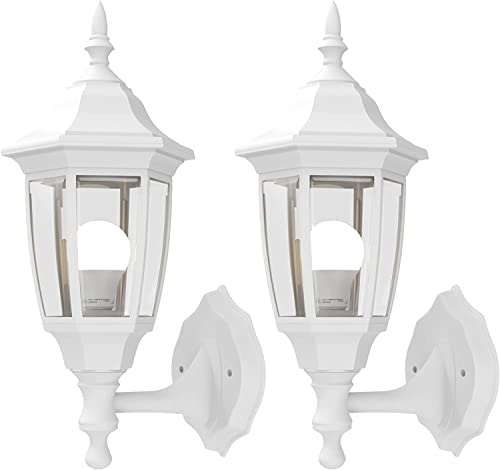
EMART Outdoor Porch Light feels different from the metal lanterns that usually dominate front porches and garage walls. Its biggest point is simple: plastic won’t rust. That may sound almost too plain, but near salty air, plain can be smart. A fixture that avoids corrosion-prone metal from the start removes one of the most common outdoor lighting frustrations.
The rubbed matte black plastic finish gives it a familiar exterior style without leaning too fancy. It can sit beside a front porch, backyard door, garage wall, or side entrance without shouting for attention. The beveled clear plastic shade keeps the look closer to a traditional lantern rather than a purely utility-style box. That balance makes the fixture easier to place around everyday home exteriors.
Anti-corrosion construction is the detail doing most of the heavy lifting here. Painted steel can look good for a while, but scratches, trapped moisture, and salt residue often start trouble at the edges. Plastic avoids that rusty streak problem in a more direct way. The tradeoff, of course, is that plastic doesn’t have the same weight or upscale feel as metal.
The included bulb adds convenience for a quick replacement project. That matters when the old fixture is already dead, flickering, or looking rough around the mounting plate. Having the light source included can make the first installation feel less fiddly. Later on, bulb preference may still matter depending on warmth, brightness, and how much glow the entryway needs.
Salt Air Practicality Without Metal Drama
Salt air resistance starts with material choice, and this fixture takes the no-rust route. Instead of relying on coating alone, the body uses plastic material designed to avoid the corrosion cycle that wears down many outdoor lights. That’s useful for coastal porches, humid garages, damp backyard walls, and exterior spaces where moisture never seems to fully leave. A light that doesn’t stain the wall beneath it already solves a real annoyance.
The product details describe the fixture as an exterior waterproof wall light. That makes sense for spots that deal with rain, splashing, and damp weather rather than only covered indoor-style placement. Waterproof construction matters because moisture around a bulb housing can lead to cleaning problems and premature wear. A porch light should not feel fragile every time the forecast turns ugly.
Plastic does bring realistic limits. It won’t rust, but it may not carry the same decorative presence as cast aluminum, brass, or steel. Some homes need that heavier architectural look, especially with stonework, iron railings, or formal entry doors. EMART leans more toward easy upkeep than heirloom-style charm.
Low-maintenance exterior lighting is the real appeal. A quick wipe is likely to feel more reasonable than polishing metal or treating corrosion spots. Around garden beds, hose areas, and garages where dirt and moisture collect, that easier care routine can matter more than decorative details. Nobody wants a porch light that behaves like another fussy outdoor project.
Design, Size, And Placement Feel
The fixture measures 15.5 inches high, 6.7 inches wide, and projects 7.8 inches from the wall. That gives it a taller lantern profile without becoming overly wide. Wall projection deserves attention, though, because tight pathways and narrow porch corners can make deeper fixtures feel more noticeable. It needs enough wall space to look balanced.
The back plate measures 5.6 inches by 4.4 inches, which gives the fixture a tidy mounting footprint. That size should work well for replacing many older porch lights, assuming the existing electrical box and wall surface are suitable. A clean back plate also helps hide old paint edges or minor marks left behind by the previous fixture. Little things, but they matter once the light is installed.
Two installation styles give the fixture a bit of flexibility. That detail can help match the direction or look preferred for a specific exterior wall. Some porch areas look better with a more traditional lantern orientation, while backyard or garage placements may call for the more practical option. Flexibility reduces the odds of the fixture feeling visually forced.
The matte black finish is familiar and easy to coordinate. It pairs with white trim, gray siding, brick, painted doors, and garden fences without much fuss. Still, black surfaces can show dust, pollen, and dried salt film in certain climates. A simple cleaning habit will keep the finish looking sharper.
Lighting Use Around Everyday Spaces
Front porch lighting has to do several jobs at once. It should make the door easier to use at night, help guests see steps, and add a little warmth without blasting glare across the whole yard. The clear beveled plastic shade lets more light pass through than heavily frosted designs. That can help around entries where visibility matters.
The included bulb is convenient, but bulb style still shapes the final mood. A warmer bulb can soften the look near seating areas or front doors. A brighter, cooler bulb can make a garage or backyard entrance feel more alert and functional. The fixture gives the housing, but the bulb decides the personality.
Outdoor wall lanterns with clear shades can sometimes reveal the bulb too strongly. That means a harsh bulb may look a bit raw, especially at eye level. A decorative or softer LED can make the fixture feel more finished. For practical spaces, though, stronger brightness may be exactly the point.
This EMART light seems better suited for routine exterior use than dramatic architectural lighting. It’s about lighting a porch, garage, backyard door, or front entry without worrying about rust taking over. That kind of practical reliability has its own charm. Not glamorous, but useful.
Installation Notes And Realistic Handling
The product details describe the fixture as very easy to install, even without being especially handy. Easy installation matters because replacing an outdoor light often starts as a small chore squeezed between other weekend tasks. A simpler setup can reduce frustration, especially when the goal is replacing a rusted or dated unit rather than rewiring half the house. Still, electrical work should always be handled carefully.
Plastic construction may also make the fixture easier to hold during installation. Heavy metal lanterns can feel awkward when lining up screws and wiring at the same time. A lighter body can make the job more manageable on a ladder or porch step. That said, lighter material can feel less substantial in the hand.
Mounting quality still determines how well the fixture handles weather. A neat seal against the wall helps keep water from sneaking behind the back plate. Outdoor-rated connections and proper installation habits matter just as much as the fixture body. Even a rustproof exterior can suffer if moisture gets where it shouldn’t.
The no-rust plastic approach can be especially useful where old fixtures have failed repeatedly. Salt-heavy air, sprinkler overspray, and damp shaded walls can punish metal lights year after year. Choosing a material that avoids that fight altogether feels refreshingly practical. Sometimes the clever move is not joining the battle.
Tradeoffs And Best-Fit Situations
Durability against rust is the strongest reason to consider this fixture. It won’t satisfy every design preference, especially where a home calls for brass, bronze, or a heavier coastal lantern. The plastic body is practical, but it may not deliver the same refined texture as premium metal designs. That’s the trade: less rust worry, less luxury feel.
The fixture makes sense for porches, garages, backyard entrances, sheds, and front doors where weather resistance matters more than decorative drama. Its tall lantern shape gives it enough presence for visible areas, while the matte black finish keeps it familiar. It’s also a reasonable pick where replacing corroded lights has become an irritating pattern. Salt air has a long memory, and this material choice pushes back in a simple way.
Waterproof design, included bulb convenience, and flexible installation styles all add practical value. The biggest limitation is mostly about perception and styling. Some people love the idea of rust-free plastic; others may prefer the feel of coated aluminum or steel. Both views make sense, depending on the home and exposure level.
Lighting conversations sometimes drift toward very different environments where moisture and illumination still matter. A separate lighting reference appears in best LED lights for reef aquarium, where controlled brightness plays a quieter but equally important role in maintaining a stable visual setup.


Top Rated 2026: Best Outdoor Light Timer Reviews

Best Outdoor LED Flood Light Fixtures: Top Picks %2026%

Best Outdoor Flood Light Fixtures 2026 Top Picks

Best Outdoor Flood Light Bulbs 2026 That Shine Brightly

Best Outdoor LED Flood Light Bulbs 2026 Brightness That Lasts
Best LED Light Bulbs for Outdoor Fixtures 2026 Top Picks
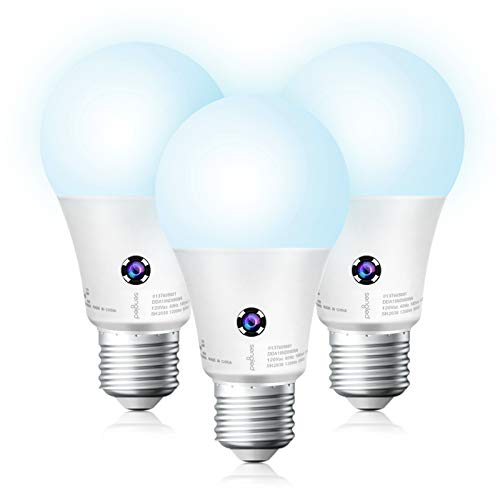
Best Light Bulbs For Outdoor Fixtures 2026 Top Picks

Best Dusk To Dawn Outdoor Light Bulbs 2026 For Reliable Illumination