
Best Personal Fan 2026: Small Fans That Feel Strong

A best personal fan should cool the space around your face and upper body without scattering papers, drowning out conversation, or claiming half the desk. That sounds simple, yet plenty of compact fans miss the mark. Some push a sharp, narrow stream that dries the eyes, while others barely stir the air unless they’re sitting inches away. The useful models strike a better balance with focused airflow, sensible speed control, and a base that stays put when bumped.
Portability matters, but smaller isn’t automatically better. A tiny fan can slip into a crowded tote, though its short battery life or weak motor may turn it into dead weight by midafternoon. A slightly larger body often makes room for a more stable stand, broader airflow, and easier controls. Still, bulky cages and oversized handles can be a pain in the neck when drawer space is tight, so dimensions deserve as much attention as the advertised power.
Noise level can make or break the experience. A low mechanical hum may fade into the background, but rattling plastic, pulsing motors, and high-pitched blade noise become irritating fast during calls, reading, or sleep. Higher speed settings will naturally sound louder, so the real question is whether the lower settings move enough air to feel useful. Frankly, a fan that needs full power all day isn’t offering much flexibility.
Power options shape where the fan fits into daily life. A rechargeable personal fan keeps working away from an outlet, yet battery capacity, charging time, and cable type affect how convenient it really feels. USB-powered models suit permanent desk setups, while battery models make more sense for commutes, outdoor lines, makeup routines, and stuffy rooms. Some designs can run while charging, which helps prevent the annoying choice between cooling down and waiting for the battery to refill.
Adjustment is another practical detail that’s easy to overlook. A tilting head directs air where it’s needed instead of forcing books, boxes, or folded towels under the base. Multiple speeds help soften airflow during quiet work and increase it after a hot walk. Clip-on designs save surface space, though a weak clamp may slide, and an overly stiff one can leave marks on delicate shelves.
Cleaning shouldn’t require a toolbox and a free afternoon. Dust collects quickly on blades and guards, especially near open windows, fabric, or pet hair. A removable front grille makes routine care far less frustrating, while sealed housings can trap grime where a cloth can’t reach. Realistically, even strong airflow fades once the intake is coated, so easy maintenance has a direct effect on long-term performance.
The strongest pick won’t suit every setting. Broad airflow feels pleasant beside a bed, but it may disturb documents in a small workspace. A powerful clip fan can handle a treadmill or patio chair, though its weight may overwhelm a thin laptop screen or narrow shelf. The smartest choice matches airflow, noise, size, and runtime to the places where heat actually becomes bothersome, rather than chasing the highest speed number on the box.

- LFR Score10.0
LFR Score is a ranking system developed by lightfansreviews.com. LFR Score has no relationship or impact from any manufacturers or sales agent websites. Learn more
- BrandKDYNIX

- LFR Score9.6
LFR Score is a ranking system developed by lightfansreviews.com. LFR Score has no relationship or impact from any manufacturers or sales agent websites. Learn more
- BrandDiveblues

- LFR Score9.4
LFR Score is a ranking system developed by lightfansreviews.com. LFR Score has no relationship or impact from any manufacturers or sales agent websites. Learn more
- BrandBearwind

- LFR Score9.4
LFR Score is a ranking system developed by lightfansreviews.com. LFR Score has no relationship or impact from any manufacturers or sales agent websites. Learn more
- BrandAUIIAH

- LFR Score9.2
LFR Score is a ranking system developed by lightfansreviews.com. LFR Score has no relationship or impact from any manufacturers or sales agent websites. Learn more
- BrandPeiyuu
![JISULIFE Handheld Mini Fan, 3 IN 1 USB Rechargeable Portable Fan [12-19 Working Hours] with Power Bank, Flashlight, Pocket Design for Travel/Summer/Concerts/Lash, Gifts for Women (Pink)](https://m.media-amazon.com/images/I/318dfxWKmtL._SL500_.jpg "JISULIFE Handheld Mini Fan, 3 IN 1 USB Rechargeable Portable Fan [12-19 Working Hours] with Power Bank, Flashlight, Pocket Design for Travel/Summer/Concerts/Lash, Gifts for Women (Pink)")
- LFR Score9.2
LFR Score is a ranking system developed by lightfansreviews.com. LFR Score has no relationship or impact from any manufacturers or sales agent websites. Learn more
- BrandJISULIFE

- LFR Score9.2
LFR Score is a ranking system developed by lightfansreviews.com. LFR Score has no relationship or impact from any manufacturers or sales agent websites. Learn more
- BrandHAUSBELL

- LFR Score9.2
LFR Score is a ranking system developed by lightfansreviews.com. LFR Score has no relationship or impact from any manufacturers or sales agent websites. Learn more
- BrandPlayHot

- LFR Score9.2
LFR Score is a ranking system developed by lightfansreviews.com. LFR Score has no relationship or impact from any manufacturers or sales agent websites. Learn more
- BrandHoneywell
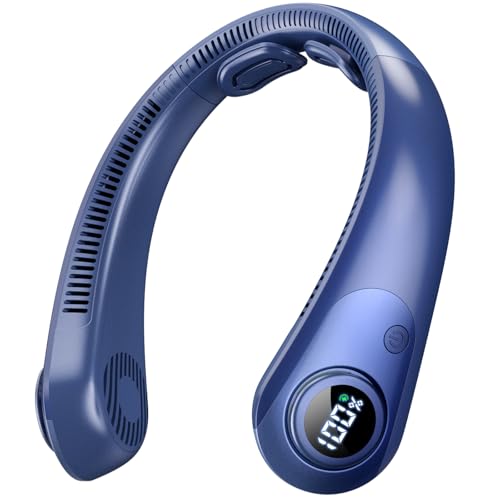
- LFR Score8.8
LFR Score is a ranking system developed by lightfansreviews.com. LFR Score has no relationship or impact from any manufacturers or sales agent websites. Learn more
- BrandCRISLEX
Last update on 2026-07-08 / Affiliate links / Images, Product Titles, and Product Highlights from Amazon Product Advertising API
KDYNIX Portable Handheld Fan Review
Sticky commutes, packed outdoor events, and warm offices can make a small temperature problem feel like a full-day nuisance. The KDYNIX Portable Handheld Fan tackles that discomfort with five airflow settings, a pocket-sized body, and a built-in light rather than piling on decorative extras. Its strongest appeal is simple: portable cooling that can shift from a mild desk breeze to a much sharper blast without taking up much room. The design sounds especially practical for anyone tired of weak mini fans that barely move air beyond a few inches.
KDYNIX Portable Handheld Fan
The KDYNIX model sits in the best personal fan category because it combines cooling power, battery flexibility, and genuine portability in one compact device. Its listed size of 5.47 by 1.41 by 1.41 inches keeps the body narrow enough for a handbag, backpack pocket, or crowded desk drawer. At 0.44 pounds, it shouldn't feel like a brick after several minutes in hand, though it isn't quite weightless either. That modest heft may actually help it feel steadier when placed upright on a flat surface.
Five adjustable speeds give the fan more range than a basic low-medium-high setup. The lower settings make sense for makeup, reading, office work, or any moment where a loud rush of air would become distracting. Higher levels are better suited to a hot walk, an outdoor concert, or a stuffy train platform where a whisper-soft breeze simply won't cut it. Speed flexibility matters because comfort changes from one setting to the next, and a single fixed output rarely feels right all day.
A digital display shows the selected speed, which removes the usual guessing game found on many button-controlled fans. Instead of tapping repeatedly and wondering whether the motor is on level three or four, the readout gives a clear reference at a glance. That sounds like a minor convenience, but it becomes useful after switching speeds several times during travel or work. The digital speed display also makes the fan easier to manage in dim rooms or noisy environments where motor sound isn't an obvious clue.
The product description lists a maximum motor speed of 20,000 RPM and airflow reaching 10 meters per second. Those figures suggest a noticeably more forceful top setting than the soft flutter associated with tiny novelty fans, though actual comfort will still depend on distance and angle. A narrow handheld fan usually produces a focused stream rather than cooling an entire room, so expectations should stay realistic. Turbo airflow is best treated as direct personal relief, not a substitute for a full-size desk fan or air conditioner.
Cooling Power And Everyday Control
Airflow control is the heart of this fan, and the five-speed setup gives it a practical edge. Level one can provide a gentle current near the face without whipping hair around or drying the eyes too quickly. Midrange settings should suit longer desk sessions because they balance cooling and noise more sensibly. The fifth level, with its 10m/s maximum airflow, is the setting intended for short bursts of stronger relief.
That top speed comes with an obvious tradeoff: stronger airflow usually means more motor noise and faster battery drain. The product information describes a quiet mode, but no exact sound measurement is provided, so it would be unfair to claim near-silent operation. In a library-quiet room, even a compact motor may be noticeable once the fan is pushed beyond its lower settings. The five-speed control helps manage that compromise rather than pretending one setting can handle every situation.
Placement also changes how effective the fan feels. Held close to the face, a focused breeze can cool quickly, but keeping any handheld device raised for long stretches becomes tiring. The flat-base option gives the KDYNIX fan a second role as a small desktop unit, which is handy during computer work, meals, or skincare routines. Still, the narrow body may be easier to knock over than a fan with a broad weighted stand, so surface stability deserves a little care.
Makeup application is one of the more convincing use cases. A low setting can help dry setting spray or reduce facial warmth without blasting powder across the counter. Outdoor lines, sports events, and public transportation call for stronger airflow, especially where shade is limited. That range makes the portable fan design feel less like a one-purpose gadget and more like a small comfort tool that adapts to changing conditions.
Battery Life And Charging Practicality
The built-in 3000mAh battery is listed for roughly 18 to 24 hours of operation, depending on speed. That qualification matters because maximum runtime almost always reflects gentler airflow rather than continuous turbo use. A full day at a low setting sounds plausible based on the supplied specifications, while frequent use of the highest speed will shorten the gap between charges. The 18-to-24-hour runtime gives the fan useful flexibility, but it shouldn't be read as 24 hours at full power.
USB-C charging makes the fan easier to fit into a modern travel setup. A power bank, laptop, or compatible wall adapter can recharge it without requiring a proprietary cable that becomes useless when misplaced. The listed charging time is about three hours, which is manageable for an overnight refill or a midafternoon charge at a desk. USB-C fast charging is one of the more practical features here because it reduces cable clutter and makes emergency charging less awkward.
Battery convenience depends heavily on routine. A commuter using the fan in ten-minute bursts may go several days before reaching for a charger, while a long outdoor event can drain it much faster on high speed. Keeping a small power bank nearby would make sense during camping, festivals, or travel delays, especially if the LED light is also being used. The 3000mAh battery offers solid capacity for the size, though power management still matters.
The product details don't state whether airflow remains identical as the battery level drops, so no firm claim can be made about end-of-charge performance. Some compact fans maintain steady output until shutdown, while others gradually lose force. That uncertainty isn't unusual, but it is worth keeping in mind before relying on turbo mode for an entire afternoon. The strongest practical habit is simple: recharge before long outings rather than testing the final sliver of battery reserve.
Built-In LED Light And Travel Value
The three-mode LED light gives the KDYNIX fan a useful secondary function. It can provide nearby illumination during a power outage, inside a tent, beside a hotel bed, or while searching through a bag after dark. Three brightness levels allow more control than a basic on-and-off lamp, which helps preserve battery when only a small amount of light is needed. The emergency LED light won't replace a dedicated lantern, but it adds practical value without requiring another item in the bag.
Camping is the clearest setting where both functions can work together. Daytime heat calls for airflow, while nighttime setup, tent organization, or a late walk to the restroom may call for light. Carrying one compact device instead of a fan and separate flashlight saves a little space, though shared battery use means neither feature is unlimited. The three lighting modes are convenient, but heavy use of the light will naturally reduce the remaining cooling time.
The pocket-sized claim is mostly supported by the narrow dimensions, yet the 5.47-inch length may fit some pockets better than others. A loose jacket or cargo pocket should handle it easily, while tight jeans may make the fan feel bulky or uncomfortable. A handbag or backpack pocket is the more natural fit for daily transport. The ultra-light body still makes it far easier to carry than a traditional battery-powered desk fan.
Travel use also highlights the benefit of straightforward controls. One button for speed changes and a visible display reduce the need to study a complicated control panel in a crowded terminal or dark vehicle. The LED function adds reassurance during outages or late arrivals, particularly where room lighting is poor. That blend of cooling and illumination gives the product a broader role than a typical seasonal accessory.
Strengths, Weaknesses, And Realistic Fit
The strongest feature is the combination of five airflow levels and a compact frame. Many small fans force a choice between weak portability and bulky power, while this model aims to cover both ends of the spectrum. The digital readout, USB-C charging, and LED light support that flexible design without making the controls overly busy. For desks, commutes, makeup tables, and outdoor events, the overall feature mix feels practical rather than decorative.
Portability does bring limitations. A handheld fan creates personal airflow, not room-wide circulation, and its narrow base may need careful placement on uneven surfaces. Continuous turbo use is also likely to be louder and more demanding on the battery than the lower settings. The key weakness isn't a missing feature so much as the physical limit of any pocket-sized fan.
The LED light is useful, though it shouldn't be mistaken for specialized emergency equipment. Its job is close-range illumination, not lighting a large campsite or replacing a powerful flashlight. Likewise, the listed 24-hour ceiling depends on operating conditions and speed selection. Keeping those limits in view makes the KDYNIX handheld fan easier to judge fairly.
Practical buyers will likely appreciate that the fan doesn't rely on a phone app, unusual charger, or complicated folding mechanism. The controls appear direct, the body is easy to carry, and the airflow range addresses both mild and intense heat. People who need whole-room cooling, wide oscillation, or a large stable base should look toward a conventional desk fan instead. For focused relief on the move, the best personal fan label fits this KDYNIX model most convincingly through its speed range, runtime, and compact two-in-one design.
Diveblues 100-Speed Portable Turbo Fan Review
A crowded train, a slow-moving concert line, or a desk with barely enough room for a coffee mug can make bulky cooling gear feel more troublesome than the heat itself. The Diveblues Portable Turbo Fan takes a different route with a foldable body, stepless speed adjustment, and four usable carrying or placement modes. Its pitch is built around precise personal cooling rather than room-wide circulation, which suits moments where direct airflow matters more than moving air across a large space. The design also avoids locking the fan into one posture, so it can move from hand to neck, desk, or bag without requiring separate accessories.
Diveblues Portable Turbo Fan
The first notable difference is the 1-to-100 speed control. Most compact fans divide airflow into three or five fixed levels, leaving a fairly large jump between barely noticeable and annoyingly forceful. Diveblues uses stepless adjustment, allowing smaller changes that can better match a warm office, a humid commute, or a breezy evening outdoors. That finer control sounds a little excessive on paper, but it can be genuinely useful when the comfortable setting sits somewhere between two ordinary presets.
Strong airflow is part of the appeal, though the product information doesn't provide a measured airspeed or motor RPM. That means the turbo claim should be read as a description of the upper end of its range rather than a laboratory comparison against other models. Still, a fan with broad adjustment can deliver a soft current for quiet indoor use and a more assertive blast when the heat gets sticky. The adjustable airflow is the practical strength here, not the sheer size of the speed number.
The HD display adds clarity without turning the fan into a complicated gadget. Speed information and remaining battery power are visible in one place, so there's less tapping, guessing, or getting caught with a nearly empty charge. That becomes handy during long outings because battery use changes considerably as airflow rises. A visible battery display lets the owner ease back on power before the fan shuts down at the worst possible moment.
The overall form also sets this model apart from a plain stick-shaped handheld fan. Its foldable construction supports several positions, yet every hinge introduces a point that should be handled with reasonable care. Repeatedly forcing the fan beyond its intended angle could wear the joint sooner than normal folding and storage. The folding mechanism creates flexibility, but it isn't an invitation to toss the fan loosely under heavy items in a packed bag.
Stepless Airflow Feels More Practical Than It Sounds
A hundred labeled settings may sound like overkill, and honestly, few people will memorize a favorite exact number. The real benefit is the absence of harsh jumps between speeds. A low setting can keep air moving near the face without creating a dry, constant blast, while the upper range can handle hotter outdoor conditions. That smooth speed adjustment makes the fan easier to tune around noise, comfort, and battery life.
Office use highlights this advantage well. Fixed-speed fans often have one level that's too weak and another that sends papers fluttering across the desk. With stepless control, airflow can be nudged upward until it feels useful without becoming disruptive. The fine airflow control is especially helpful beside a keyboard, notebook, or makeup station where a strong gust can cause a new problem.
Outdoor conditions call for a different approach. Heat, humidity, surrounding movement, and open air can weaken the effect of a small fan, so higher settings will likely feel more appropriate at concerts, festivals, sporting events, or long lines. Turbo airflow can provide immediate relief around the face and neck, but it still won't cool the entire body the way shade, hydration, or air conditioning can. The fan's direct cooling should be viewed as a comfort aid rather than protection from serious heat exposure.
Noise will naturally rise as the fan speed increases, even though no decibel figure is supplied. Lower settings should be the sensible choice for reading, meetings, or quiet rooms, while the top range makes more sense where background sound already exists. That tradeoff is normal for a compact motor working harder. The useful part is having enough adjustment to choose a workable point between airflow strength and sound.
Four Ways To Carry Or Position It
The four-in-one design covers handheld use, neck wear, desktop placement, and bag attachment. Each mode addresses a slightly different frustration, which keeps the feature from feeling like a marketing trick. Handheld mode offers the most control over distance and angle, while desk mode frees both hands during work or meals. The multi-position design gives this fan more day-to-day flexibility than a model that only works upright.
Neck use makes sense during walks, transit, outdoor queues, or tasks that keep both hands occupied. At 6.7 ounces, the fan is relatively light, though wearing any device around the neck for hours can eventually become noticeable. Positioning will also matter because a handheld-style fan worn on a strap may direct air differently as the body moves. The wearable cooling mode is convenient, but it may require a little adjustment to stop the fan from swinging or blowing past the face.
Desk placement benefits from the foldable structure, which can angle the fan instead of forcing it to point straight ahead. That makes it easier to direct airflow toward the upper body while keeping the unit away from papers or drinks. The compact base, however, may not feel as planted as a broad dedicated desk fan on a shaky table. A flat, stable surface will make the desktop mode much more satisfying.
The built-in carabiner-style hook gives the fan a sensible storage option during travel. It can attach to a backpack loop or piece of outdoor gear instead of disappearing into the bottom of a crowded bag. The hook is best treated as a carrying aid rather than a heavy-duty climbing component, since no load rating is provided. Used reasonably, this bag hook keeps the fan accessible and helps prevent scratches from loose keys or other pocket clutter.
Battery Life And USB-C Charging
The 3600mAh rechargeable battery is rated for up to 12 hours on low speed. That wording matters, because stepless control creates a wide range of possible power demands. Gentle airflow may stretch through much of a day, while stronger settings will shorten runtime, potentially by a substantial amount. The 12-hour battery claim is most relevant to low-power use, not continuous turbo operation.
Real routines rarely involve running a personal fan at one fixed level from morning to night. A commute might need a stronger burst, followed by a lower desk setting and then another short period outdoors. That mixed pattern could make the battery last more comfortably than leaving the motor near maximum all day. The display supports smarter use by showing remaining battery power before the fan becomes essential.
USB-C charging is a welcome practical detail because it matches many current phones, tablets, earbuds, and power banks. Fewer unique cables mean less fuss during travel and a better chance of borrowing a compatible charger if the original cable is misplaced. The supplied description doesn't state the full recharge time, so it would be misleading to call it fast without qualification. Still, USB-C compatibility makes topping up from a laptop, wall adapter, or portable battery much easier.
Battery care will influence how the fan feels after months of use. Constantly draining it to zero, leaving it in a hot vehicle, or storing it empty for long periods can be rough on any rechargeable cell. A partial recharge after heavy use is the safer habit, especially before festivals, beach days, or travel. The 3600mAh battery provides useful capacity, but it still benefits from ordinary care rather than neglect.
Folded Size And Everyday Portability
Folded dimensions of 4.21 by 2.20 by 2.95 inches make the Diveblues fan short and relatively compact. The shape is chunkier than a slim cylindrical fan, yet folding it flat can help it fit inside smaller bags, desk drawers, or carry-on compartments. That tradeoff favors storage efficiency over the narrowest possible profile. The fold-flat body is particularly useful for anyone who dislikes long handles poking out of an already crowded bag.
At 190 grams, it sits in a middle ground between featherlight novelty fans and larger battery-powered units. The weight should feel manageable during short handheld sessions, though keeping an arm raised for an hour is never especially comfortable. Desk or neck modes reduce that strain and make the fan's weight less relevant. The lightweight construction helps, but the multiple placement options do more to prevent fatigue.
Concerts and outdoor events are obvious use cases because seating, shade, and airflow are often outside anyone's control. A foldable fan can be carried in a small bag, clipped where it's easy to reach, then opened once the crowd starts feeling close and warm. Security policies vary by venue, so dimensions and permitted personal electronics should still be checked beforehand. The fan's compact travel size lowers the carrying burden without guaranteeing entry everywhere.
Commuting presents another realistic scenario. The fan can remain folded on cooler mornings, then shift to handheld or neck use on a crowded platform later in the day. Its display reduces the chance of leaving home with an almost empty battery, while the hook keeps it from being buried beneath chargers and receipts. That combination of easy storage and quick access is more valuable than flashy decoration.
Strengths And Tradeoffs Worth Knowing
The clearest strength is adaptability. Stepless speed control handles subtle indoor adjustments, while the folding body supports four practical modes without requiring a large stand. Battery information stays visible, and USB-C charging fits neatly into everyday tech routines. Together, these functional details address common frustrations rather than merely adding buttons.
The fan's biggest difference from basic handheld models is also a potential source of complexity. Hinges, a display, adjustable speed electronics, and a hook create more components than a simple fan with one switch. None of that automatically signals poor durability, but extra moving parts deserve gentler handling. The main tradeoff is versatility in exchange for a design that's less mechanically simple.
Runtime is another area where expectations should stay grounded. Twelve hours sounds generous, yet that figure applies to low speed, and the product description plainly notes that battery life varies by level. Anyone planning to run turbo airflow throughout a long outdoor event should carry charging backup rather than assume all-day power. The battery limitation isn't unusual, but the 1-to-100 control makes power consumption especially dependent on personal habits.
The neck mode may not suit every movement pattern or clothing style. Loose straps, collars, hair, or frequent bending can affect how comfortably the fan sits and where the air lands. Desk mode may also feel less stable on uneven picnic tables than on a smooth office surface. Those are realistic limits of a four-in-one personal fan, not fatal flaws, and they matter most in deciding which mode will actually get regular use.
Where This Personal Fan Makes The Most Sense
The Diveblues model fits situations where cooling needs change throughout the day. A quiet morning at a workstation may call for a low, steady breeze, while an afternoon commute can justify a much stronger setting. The same device can then fold down and clip onto a bag instead of occupying a hand. That flexible rhythm makes it a credible best personal fan candidate for mixed indoor and outdoor routines.
People who mainly need a permanent desk fan may prefer a wider base, a larger blade area, or oscillation. Those features usually provide broader circulation and more stability than a foldable handheld design. Diveblues makes more sense where portability and direct airflow outrank room coverage. Its focused cooling is useful up close, but it isn't designed to move air across an office or bedroom.
Travelers can benefit from the compact folded shape and common charging port, particularly when luggage space is tight. The carabiner-style hook keeps the unit within reach, while the display helps manage battery use between charging opportunities. Neck and handheld modes also reduce dependence on finding a table. The travel-friendly design earns its value through convenience rather than oversized power claims.
Hot-weather events may be the product's strongest setting because the user can switch positions as circumstances change. Handheld mode works in a stationary line, neck mode frees the hands inside a crowd, and bag attachment keeps the fan secure once temperatures drop. The 100-level adjustment allows careful control instead of forcing a jump from weak to loud. For personal relief that packs down neatly, the Diveblues Turbo Fan offers a thoughtful balance of airflow choice, battery visibility, and carry flexibility.
Bearwind Portable Handheld Turbo Fan Review
Summer heat has a sneaky way of turning ordinary errands into sweaty little endurance tests. A weak pocket fan often makes matters worse by adding noise without delivering enough air to cool the face, neck, or hands. The Bearwind Portable Handheld Turbo Fan approaches the best personal fan category with a 9 m/s maximum airflow rating, five speed levels, a 4000mAh battery, and a folding body that supports handheld, desktop, and neck use. That combination sounds well suited to days when portability matters, but a barely noticeable breeze simply won't cut it.
Bearwind Handheld Turbo Fan
Bearwind builds this model around a seven-blade turbine and a brushless motor rather than a basic low-output fan mechanism. The supplied specifications list airflow reaching up to 9 m/s, giving the upper setting enough force for direct, close-range cooling during commutes, outdoor lines, or humid afternoons. Its turbo airflow remains personal rather than room-filling, so the realistic benefit is fast relief around the face and upper body. Used that way, the compact size becomes an advantage instead of a limitation.
The five-speed layout keeps operation straightforward. Lower settings can provide softer airflow during desk work, makeup application, or nighttime use, while stronger levels are meant for outdoor events and hotter conditions. That range reduces the familiar frustration of owning a fan with one weak speed and one needlessly loud speed. The five adjustable gears offer enough separation to balance cooling strength, sound, and battery consumption throughout the day.
At 6.7 inches long and 0.42 pounds, the fan sits between tiny novelty models and heavier portable blowers. It should fit comfortably in many purses, backpacks, and larger pockets, though tight clothing pockets may feel cramped once the folded body and lanyard are included. The modest weight makes short handheld sessions manageable, while the folding stand reduces the need to keep an arm raised for hours. That practical size-to-power balance is one of the product's clearest strengths.
The black finish gives the fan a restrained look that won't feel out of place beside office equipment, travel gear, or everyday electronics. Styling doesn't improve airflow, of course, but a personal item carried in public benefits from not looking like a toy. Bearwind also offers other color combinations according to the description, though this review focuses on the black version. The clean exterior keeps attention on function rather than flashy decoration.
Turbo Airflow For Fast Personal Relief
The listed 9 m/s top airflow is the headline feature, and it addresses a common weakness in compact fans. Many small units feel pleasant indoors yet lose their usefulness outdoors where warm air, movement, and open space dilute the breeze. Bearwind's high-speed airflow system is designed to push a more concentrated stream toward the face or neck. That doesn't lower the surrounding temperature, but moving air can make uncomfortable conditions feel easier to tolerate.
Seven blades can help create a steadier flow than a simple low-blade design, although blade count alone doesn't determine real-world performance. Motor power, blade shape, housing design, and distance all influence how the breeze feels. The supplied description pairs the seven-blade structure with a brushless motor, suggesting that airflow consistency is a major design priority. The resulting focused air stream should be most noticeable at close range rather than across a room.
Maximum power won't be necessary for every situation. Sitting at a desk, a moderate setting may be more comfortable because aggressive airflow can dry the eyes, move papers, or become distracting during calls. Outside, though, the stronger gears make more sense after a hot walk or while standing in a crowded venue. The value of the five-speed range lies in moving between those situations without carrying two different fans.
Bearwind describes the airflow as three times stronger than ordinary fans, but no comparison model or standardized test method is supplied. That claim should therefore be treated as the manufacturer's positioning rather than a universal measurement against every competing product. The more reliable specification is the stated maximum of 9 m/s. Keeping expectations grounded, the fan appears designed for strong direct cooling, not whole-space circulation.
Battery Runtime And Charging Routine
A 4000mAh rechargeable battery gives the Bearwind fan more capacity than many ultra-compact models. The product information states up to 12 hours of cooling, with runtime depending on the selected gear. Lower speeds naturally stretch the charge farther because the motor isn't working as hard. The extended battery life suits mixed daily use, especially when cooling is needed in short bursts rather than continuously at full power.
The description says low settings can last through a night, while the highest speed can cover an entire concert. No exact hour figure is provided for each individual setting, so those phrases should be read as usage examples rather than guaranteed schedules. Event length, battery condition, ambient temperature, and charging habits can all affect runtime. A visible limitation remains: turbo mode consumes more power, even with a relatively large battery.
USB-C charging makes the refill process less annoying. The fan can share a common cable format with many phones, tablets, power banks, and headphones, cutting down on the pile of single-purpose cords in a travel bag. Bearwind lists a full charging time of about three hours, which is reasonable for an overnight recharge or a desk-side top-up. The USB-C connection also makes portable charging practical during festivals, road trips, or long travel days.
A simple charging routine will help avoid disappointment. Topping up before leaving home is wiser than assuming yesterday's remaining charge will survive a hot afternoon on the highest gear. Rechargeable batteries also dislike being left completely empty for long stretches, especially inside a hot vehicle or unventilated bag. Basic care protects the 4000mAh battery and keeps the fan ready when warm weather catches everyone off guard.
Three Ways To Use The Folding Body
The 180-degree folding design turns the same fan into a handheld unit, desktop fan, or neck-worn cooler. Handheld mode offers the most precise aiming because the airflow can be moved instantly from the face to the neck or arms. Desk mode frees both hands and creates a steady breeze during computer work, meals, skincare, or reading. The three-in-one design makes the fan useful beyond brief outdoor use.
Desktop performance depends on the folding hinge and the surface beneath it. A smooth, level table should provide better stability than a tilted tray, uneven picnic bench, or soft bed. The compact footprint saves space, though it won't feel as planted as a dedicated desk fan with a wide weighted base. That portable stand function is convenient, but careful placement will prevent accidental tipping.
The adjustable lanyard supports neck use during walks, errands, travel, and outdoor activities where both hands are occupied. Positioning may take a bit of trial and error because the fan needs to sit at an angle that actually directs air upward. Loose hair, necklaces, and dangling clothing should be kept away from the air intake and moving parts. The hands-free neck mode adds freedom, though it works best with sensible placement rather than careless swinging.
Folding also makes storage easier by shortening the profile and protecting the fan from sticking awkwardly out of a bag. Still, a hinged product deserves more care than a solid one-piece shell. Packing it beneath heavy bottles, books, or hard travel gear could put unnecessary pressure on the joint. The main folding tradeoff is clear: more positioning freedom comes with an extra moving component that shouldn't be abused.
Noise, Comfort, And Daily Handling
A brushless motor often supports smoother operation than a basic brushed design, but the supplied details don't include a decibel rating. Lower gears are therefore the sensible choice for quiet offices, study sessions, or nighttime use. The upper settings will almost certainly sound more noticeable because greater airflow requires more motor effort. The adjustable noise balance comes from choosing the right gear rather than expecting silence at full speed.
Comfort also depends on how close the fan sits to the face. Strong airflow at very short range can feel harsh, dry the eyes, or disturb makeup and contact lenses. Moving the fan slightly farther away or dropping one gear usually creates a softer, broader sensation. The personalized airflow control lets the user fine-tune comfort instead of tolerating whatever a fixed-speed motor provides.
The 0.42-pound body is light enough for mobile use, though holding any object continuously can become tiring. A lanyard reduces grip fatigue during walking, while desktop mode handles longer stationary sessions. Switching modes is smarter than stubbornly using the fan in one position all day. That flexibility turns lightweight portability into a practical benefit instead of merely a number on the product page.
Routine cleaning will matter after repeated use around beaches, bags, makeup products, and outdoor dust. The product details don't specify whether the front grille can be removed, so no easy-clean claim should be made. Wiping the exterior and keeping the intake clear will help prevent lint from restricting airflow. A clean air path supports more consistent performance and reduces the chance of the motor sounding strained.
Useful Situations And Clear Limitations
Beach trips make a convincing case for this fan because shade can be limited and bags are already crowded. The folding body packs more easily than a traditional desk fan, while the lanyard keeps it close during walks between parking, seating, and concessions. Sand remains a concern, however, since fine particles can collect around grilles and moving parts. The travel-friendly form is helpful, but it isn't sealed outdoor equipment.
Concerts and outdoor events suit the stronger speed settings. Crowded spaces often feel warmer than the reported temperature because body heat and limited air movement pile up quickly. Bearwind's direct airflow can provide a welcome stream toward the face without requiring a nearby outlet. The portable turbo setting earns its keep here, provided the battery is charged before arrival.
Makeup and eyelash work call for a gentler touch. Lower gears can move air across setting spray, skincare, or adhesive without creating the chaos of a full-power blast. A folding desktop angle also keeps both hands free and allows more precise positioning near a mirror. The controlled low-speed breeze is just as relevant as turbo power in these delicate routines.
This fan won't replace an air conditioner, ceiling fan, or large circulator. Its narrow airflow covers a person at close range, not an entire bedroom, office, or campsite. People needing broad oscillation or unattended all-night room cooling should choose a larger appliance with a stable base. The Bearwind model makes the most sense as a personal cooling tool carried between changing locations.
Strengths And Weaknesses In Real Use
The strongest feature mix includes a 9 m/s listed airflow, five gears, a 4000mAh battery, and a foldable three-mode body. Each element solves a practical problem: weak breeze, limited runtime, tiring handheld use, or awkward storage. USB-C charging adds another layer of convenience without complicating the controls. These core strengths make the fan appealing for days that move between desks, transit, errands, and outdoor plans.
The absence of exact noise measurements leaves some uncertainty for sound-sensitive environments. Turbo output should not be assumed quiet, and the low settings will likely be more appropriate near sleeping people or during meetings. The narrow base may also be easier to tip than a full-size desktop model. Those realistic weaknesses come from the compact format rather than a glaring omission in the feature list.
Battery claims require the same level-headed reading. Up to 12 hours reflects favorable settings, while the strongest gear will demand more energy. Carrying a small USB-C power bank can reduce anxiety during a full day away from outlets, though it also adds another item to the bag. The runtime tradeoff is manageable as long as turbo power isn't treated as an unlimited resource.
The folding hinge and lanyard broaden the fan's usefulness, but they also require thoughtful handling. Neck mode may feel awkward with loose hair, and desktop mode needs a flat surface to stay steady. Those details don't erase the value of the design; they simply define where it performs best. As a best personal fan contender, the Bearwind Portable Handheld Turbo Fan stands out most through strong close-range airflow, flexible positioning, and a battery sized for changing summer routines.
AUIIAH Portable Handheld Turbo Fan Review
Hot sidewalks, crowded venues, and still office air can turn a normal day into a sticky mess before lunch. A small fan only helps if it moves enough air to be felt without becoming awkward to carry, hold, or place nearby. The AUIIAH Portable Handheld Turbo Fan enters the best personal fan conversation with five speeds, a 10 m/s maximum wind rating, a foldable three-in-one body, and USB-C charging. Its feature set focuses on direct cooling rather than room circulation, making it better suited to close-range relief than broad airflow across a bedroom or office.
AUIIAH GS30 Turbo Fan
The GS30 uses a three-phase brushless motor paired with a six-blade fan design. According to the supplied specifications, that setup produces wind speeds reaching 10 m/s at the highest setting. The number points to a concentrated breeze intended for the face, neck, or upper body rather than a soft background draft. This turbo airflow should feel most useful after walking outdoors, waiting in a warm line, or sitting somewhere with poor air movement.
A brushless motor also suits a device expected to change speeds frequently. It removes the mechanical brushes found in traditional brushed motors, although the provided details don't include lifespan, sound, or efficiency measurements. That means no firm durability or silence claim can be made from the motor type alone. Still, the pairing of a brushless motor and six blades suggests that steady airflow is a central part of the design.
The black body gives the fan a simple, understated appearance. It can sit beside a laptop, makeup mirror, or travel gear without looking overly playful or bulky. Styling isn't the main reason to buy a cooling device, but compact products often stay visible on desks and in public spaces. The sleek exterior helps the GS30 blend into everyday routines rather than feeling like a seasonal novelty.
At 0.44 pounds, the fan remains light enough for short handheld sessions and mobile use. That weight is noticeable after extended holding, though it stays far below the heft of a traditional rechargeable desk fan. The folding body and strap offer alternatives once the wrist gets tired. This balance between low carrying weight and a stronger motor is one of the product's more practical qualities.
Five Speeds Make The Airflow Easier To Live With
Five speed settings provide more control than a basic fan with a single fixed output. The lowest level can create a mild breeze during reading, studying, makeup application, or desk work. Middle settings make sense for longer sessions because they can deliver useful airflow without immediately jumping to maximum force. The strongest mode supplies the 10 m/s airflow intended for hotter outdoor conditions.
Fine control matters because powerful airflow isn't always comfortable. A full blast held close to the face can dry the eyes, disturb loose hair, or send papers sliding across a small desk. Dropping the speed or moving the fan farther away can soften the effect without turning it off entirely. The five-level adjustment makes those small corrections possible instead of forcing a choice between weak and excessive.
Noise will likely rise as the motor works harder, though the product information doesn't include a measured decibel level. Quiet study rooms and shared offices will probably favor the first few settings, while busy concerts or outdoor gatherings can hide the sound of higher speeds. That's a normal tradeoff for a compact fan trying to move more air. The useful difference is having enough airflow control to match the setting rather than running at one loud level all day.
The manufacturer's claim that the fan is three times more powerful than ordinary fans isn't tied to a named comparison model or testing method. For that reason, the stated 10 m/s maximum is the more concrete specification to consider. Actual comfort will still depend on distance, surrounding heat, humidity, and how directly the fan is aimed. The GS30 should be judged as a focused personal cooler, not as a replacement for air conditioning or full-room circulation.
Foldable Design Adds Three Useful Positions
The 180-degree folding joint allows handheld, desktop, and neck use. Handheld mode gives the most precise control because the fan can be aimed at whichever area feels hottest. Desk mode keeps both hands free during computer work, meals, skincare, or study sessions. Neck mode shifts the load away from the hand, giving the three-in-one design a real purpose beyond marketing language.
Desk placement can be especially handy in cramped spaces. A full-size fan may take over a small table, while the folded GS30 needs much less surface area. Its compact base won't be as stable as a wide, weighted stand, so a flat surface is the sensible place to set it. The foldable stand offers convenience, but careless placement near the edge of a desk could lead to an easy tumble.
The adjustable strap supports hands-free use during walks, commutes, outdoor events, or errands. Angle matters here because the fan has to point upward toward the face rather than outward toward empty space. Loose hair, jewelry, and clothing should also stay clear of the intake and blade area. The neck fan mode can be useful, though it will work best after a little positioning rather than simply letting the device swing freely.
Folding the unit also makes it easier to fit inside a pocket, handbag, backpack, or carry-on. A compact folded shape is less likely to poke through an overloaded bag than a long rigid handle. Still, hinges deserve gentler treatment than a solid one-piece shell, especially around heavy bottles or books. The main portability tradeoff is more positioning freedom in exchange for an extra moving part that shouldn't be forced.
Battery Display And USB-C Charging Reduce Guesswork
The product description states that the fan can provide all-night cooling at a low speed and last through a full concert on high. Those examples don't include exact runtime figures, so they should be treated as general usage guidance rather than guaranteed hour counts. Battery condition, selected speed, ambient temperature, and charging habits can all change the result. The clear takeaway is that runtime varies by airflow level, with lower settings stretching the charge longer.
A built-in LED display shows wind speed and remaining battery life. That small detail can prevent a lot of irritation because compact fans often shut down with little warning. Seeing the charge level makes it easier to lower the speed before a long commute or recharge before heading outside. The battery indicator is particularly valuable during travel, festivals, and other situations where outlets aren't close by.
USB-C charging gives the GS30 a familiar power connection. The supplied information lists a full charge time of about three hours, which fits an overnight refill or a mid-day desk charge. A compatible power bank can also provide backup during long outdoor plans, though charging accessories and output may affect the experience. The three-hour USB-C recharge keeps the routine simpler than a proprietary cable would.
Battery care still matters, even with convenient charging. Leaving the fan empty for weeks or storing it inside a hot vehicle can be rough on a rechargeable cell. A quick top-up before a trip is a safer bet than trusting whatever power remains from the previous weekend. That habit helps preserve the usefulness of the rechargeable battery without turning maintenance into a chore.
Office, Makeup, Travel, And Outdoor Use
Office use calls for restraint rather than maximum power. A low or middle setting can move air across the face without scattering sticky notes or creating a distracting roar beside a microphone. Folding the fan onto the desk also frees the hands for typing and writing. The compact desktop mode is well matched to workspaces where a traditional fan would crowd the keyboard and coffee cup.
Makeup routines benefit from controlled airflow rather than raw force. Lower speeds can help with setting spray, skincare, or eyelash work without blowing loose powder around the room. The folding hinge allows the fan to sit near a mirror while keeping both hands available. This hands-free cooling can make warm bathrooms and dressing areas less uncomfortable without creating a strong gust at close range.
Travel shows off the fan's combination of size and flexibility. It can stay folded in a bag during cooler parts of the day, shift to handheld use on a warm platform, then rest on a hotel desk later. USB-C charging reduces cable clutter because the connection matches many common portable electronics. The travel-friendly format makes more sense for moving between locations than for staying permanently in one room.
Outdoor events put the upper speed levels to better use. Crowds, direct sun, and limited shade can make still air feel much hotter, and a concentrated breeze can offer immediate personal relief. The fan won't prevent heat illness or replace water, breaks, and shade, so expectations should remain sensible. Its strong close-range airflow is a comfort feature, not a safety device for extreme conditions.
Strengths And Weaknesses That Matter
The strongest part of the AUIIAH GS30 is the way its features support different daily situations. Five speeds handle changing airflow needs, the folding body creates three usable positions, and the display keeps battery information visible. USB-C charging rounds out the package without adding a special power cable. These practical strengths address common frustrations tied to weak fans, tired hands, and uncertain battery life.
Its biggest limitation comes from the compact category itself. Focused airflow can cool one person at close range, but it won't circulate air through a large room. The narrow folded base may also feel less secure than a dedicated desktop fan on uneven furniture. That coverage limitation matters for anyone expecting broad cooling rather than a direct stream.
The supplied details leave a few questions unanswered. There is no exact battery capacity, runtime table for each speed, decibel measurement, or stated recharge input. Those omissions don't make the product unsuitable, but they prevent precise claims about operating noise and endurance at maximum power. The honest uncertainty sits around detailed performance measurements, not the basic functions that have been described.
The hinge and strap add flexibility, yet both require reasonable handling. A neck setup may interfere with long hair or loose accessories, while repeated rough folding could place unnecessary stress on the joint. Keeping the intake clear of lint and bag debris will also help maintain airflow. The main maintenance consideration is simple care rather than complicated servicing.
Where The AUIIAH GS30 Fits Best
The GS30 makes the most sense for days that involve several locations. A mild breeze can handle a warm desk, a higher speed can help during transit, and the folded body can disappear into a bag once the temperature drops. That shifting routine plays directly to the fan's portable three-mode design. A fixed desktop unit may be steadier, but it can't follow the same schedule.
Sound-sensitive spaces may require sticking to lower gears. Without a supplied noise rating, anyone expecting silent turbo operation should keep expectations in check. The fan offers adjustment rather than a promise that every level suits every room. That honest speed-versus-noise tradeoff is common among small high-output fans.
People needing overnight room circulation would be better served by a larger fan with a broad grille and stable base. The AUIIAH model is designed to place air close to the body, not sweep it across a bedroom. Its foldable form prioritizes carrying ease and positioning choices over wide coverage. That distinction separates a personal fan from a conventional household appliance.
For direct cooling during work, makeup, commuting, travel, and outdoor plans, the AUIIAH GS30 brings together a strong listed airflow, five-speed control, and flexible placement. The LED display reduces battery surprises, while USB-C charging fits easily into familiar routines. Its limitations are mostly predictable for the size: narrow coverage, less desktop stability, and reduced runtime at stronger settings. Within those boundaries, the best personal fan appeal comes from adaptable use rather than exaggerated promises.
4000mAh Foldable Personal Fan Review
A warm bedroom, crowded commute, or stuffy workstation can make a large cooling appliance feel impractical, especially with limited space and no nearby outlet. This 4000mAh rechargeable fan tackles those everyday annoyances with six speeds, a slim folding body, and three distinct ways to use it. Its combination of low weight, digital controls, and direct airflow gives it a credible place among best personal fan candidates. Better yet, the design doesn't force a choice between carrying convenience and useful desk functionality.
Foldable 4000mAh Personal Fan
The fan measures 7.2 by 3.6 by 0.9 inches, giving it a broad but impressively slim shape. At 150 grams, or roughly 0.33 pounds, it shouldn't weigh down a purse, backpack, or travel pouch. The pocket-size body may fit easily inside a jacket or roomy pants pocket, although its 7.2-inch length could feel awkward in tighter clothing. For most daily routines, a bag pocket or desk drawer will be the more natural home.
Six speed levels give the airflow more range than the familiar three-setting layout. A soft setting makes sense beside a bed or laptop, while the upper gears can provide stronger direct cooling after a hot walk or during outdoor activities. That extra level of control helps avoid the annoying gap between barely noticeable air and an overly aggressive blast. The six-speed adjustment is particularly useful around papers, makeup, contact lenses, and other situations where too much airflow can become a nuisance.
A brushless motor powers the fan, and the supplied description says the airflow can provide a cooling sensation within two seconds. That statement should be understood as rapid direct airflow rather than an actual drop in the surrounding air temperature. Personal fans move air across the skin, but they don't refrigerate the breeze or cool an entire room. The main benefit is quick close-range relief aimed exactly where discomfort is strongest.
Six Speeds Offer Better Everyday Control
The lower gears are likely to earn the most use during long work sessions. A mild current can reduce that sticky, stagnant feeling without blowing receipts off the desk or becoming the loudest object in the room. Middle speeds suit warmer offices, kitchens, or waiting areas where more movement is needed. The strongest settings provide focused airflow for short periods when outdoor heat or crowded conditions become harder to tolerate.
One-button operation keeps the control scheme simple. Pressing the same key handles power and speed changes, so there's no cluster of tiny buttons to identify while walking or sitting in low light. That approach is easy to remember, though cycling through six levels can require several presses if the desired gear is far from the current one. The single-button control favors simplicity over instant access to a specific speed.
The LCD display helps offset that minor inconvenience by showing both speed and remaining power. A glance reveals the current setting instead of leaving the user to count button presses or judge by motor sound. Battery information is even more valuable because it prevents the fan from becoming a dead piece of luggage halfway through an outing. The digital readout turns basic information into a practical part of everyday battery management.
Noise Claims Deserve A Grounded Reading
The supplied specifications list noise below 20 decibels at the highest speed, an unusually low figure for a compact fan running at full output. No testing method, distance, or environment is provided, so that number shouldn't be treated as independently verified performance. Room acoustics and the listener's distance can change how motor noise is perceived. The safest reading is that quiet operation is a stated design goal, not a guarantee of near-silence in every setting.
Lower speeds will generally make more sense beside a sleeping person, during online meetings, or inside a quiet study room. Even a smooth motor can become noticeable when placed close to the ear or sitting on a hard surface that amplifies vibration. A folded cloth or stable desk mat may reduce buzzing caused by furniture rather than the fan itself. Careful placement supports a more comfortable low-noise experience without expecting physics to take the day off.
High speed brings an unavoidable tradeoff between airflow and sound. Moving more air requires greater motor effort, so anyone sensitive to noise may prefer a moderate setting at a closer distance. Busy transit stations, campsites, and outdoor events are less demanding because surrounding noise already masks small motors. The fan's wide speed range makes that compromise manageable rather than forcing maximum power everywhere.
Battery Life Covers Short And Long Routines
The built-in 4000mAh battery is rated for five to sixteen hours, depending on the selected gear. That range is more informative than a single maximum figure because it acknowledges how strongly speed affects endurance. Lower settings can stretch through extended desk use or much of a night, while the highest level will reach the charger sooner. The 5-to-16-hour runtime gives the fan useful flexibility without pretending every gear consumes power equally.
A listed charging time of 1.5 hours is one of the more appealing specifications. A short refill during lunch, a layover, or an afternoon break could restore the battery without tying the fan to an outlet all day. The included Type-C cable also avoids an obscure proprietary connector that would be difficult to replace. This fast Type-C charging fits naturally into travel and work routines where forgotten charging happens more often than anyone likes to admit.
The fan can also function as a mobile power source for compatible devices, according to the supplied details. That feature may provide a useful emergency top-up for a phone, though using the battery this way will leave less energy available for cooling. Charging larger devices could also consume the reserve quickly, so expectations should remain modest. The power-bank function is best treated as backup assistance rather than a replacement for a dedicated high-capacity battery pack.
Three Positions Solve Different Problems
Handheld mode offers the fastest and most precise control. The fan can be aimed toward the face, neck, arms, or any area that needs immediate airflow, then lowered once comfort returns. Its 0.33-pound weight reduces strain compared with heavier rechargeable models. Still, holding even a light object for hours gets old, which is where the three-in-one design starts earning its keep.
The 180-degree folding mechanism converts the unit into a mini desk fan. Adjusting the hinge changes the airflow angle, allowing the fan to sit below face level without blowing straight into papers or a keyboard. The slim body saves space, though it won't have the planted feel of a wide, weighted desk model. A level surface helps the foldable desktop stand remain stable during longer work or sleep sessions.
An included lanyard supports neck use when both hands are occupied. That arrangement can help during shopping, commuting, outdoor queues, or light tasks around a campsite. The fan will need to be positioned carefully so its airflow reaches upward rather than swinging away from the body. Loose hair, jewelry, and fabric should stay clear of the intake, making hands-free neck cooling useful but not entirely set-and-forget.
Work, Sleep, Travel, And Outdoor Use
Desk work puts the LCD display and moderate speeds to good use. The remaining battery stays visible, the hinge directs air upward, and the compact footprint leaves room for a mouse, notebook, and coffee cup. Lower airflow can reduce warmth without turning a workspace into a wind tunnel. The personal desk fan mode feels especially relevant in shared offices where changing the room thermostat isn't an option.
Nighttime use depends heavily on preferred airflow and tolerance for sound. A low gear may provide enough movement near the bed while conserving battery through longer sessions. The slim fan can sit on a nightstand, but its compact base should be kept away from the edge to avoid a sleepy late-night knock. The claimed quiet cooling sounds promising, though the unverified noise figure calls for realistic expectations.
Travel exposes the practical side of the slim dimensions. The unit can slide beside chargers, toiletries, or documents without taking up the rounded space required by a traditional caged fan. Handheld use suits hot platforms and terminal lines, while desk mode works in a hotel room or temporary workspace. The lightweight travel design serves changing locations better than a larger fan meant to stay in one place.
Strengths And Weaknesses In Daily Use
The product's main strength is the way several practical features support one another. Six speeds control comfort, the LCD display tracks power, and the folding hinge turns a handheld device into a desk or neck fan. A 4000mAh battery provides useful endurance, while the listed 1.5-hour recharge helps reduce downtime. None of these details feels randomly added just to lengthen a feature list.
The power-bank capability adds emergency value, but it also creates a resource tradeoff. Charging a phone may leave the fan without enough power for a hot commute later, particularly if stronger speeds are needed. The same battery can't provide maximum cooling and generous device charging indefinitely. This shared-battery limitation is easy to manage once both functions aren't expected to run without compromise.
The folding joint is another area that deserves sensible handling. It creates better angles and easier storage, yet repeated forcing or packing beneath heavy objects could place unnecessary pressure on the mechanism. No durability test or hinge-cycle rating is supplied. The mechanical tradeoff is extra flexibility paired with a moving component that benefits from basic care.
How It Fits The Best Personal Fan Category
A permanent bedroom or office setup may benefit more from a broad oscillating fan with a weighted base. This portable model produces close-range airflow and won't circulate air evenly across a large room. Its strength lies in moving between a desk, bag, neck strap, and hand without much fuss. That distinction keeps the personal cooling role clear and prevents unrealistic expectations.
People who switch locations throughout the day should get more value from the format. One device can provide low airflow while reading, stronger air during a walk, and hands-free cooling while carrying bags. The digital display helps budget the remaining charge before the next outlet becomes available. This adaptability gives the fan a meaningful difference from basic models that only work in one position.
The included package covers the necessary basics with the fan, a Type-C charging cable, and a user manual. No unnecessary accessories are listed, and the common charging connection should make replacement cables easy to source from existing electronics. Missing details such as exact airflow speed, battery output, and verified acoustic testing limit deeper technical judgment. Even so, the provided specifications make the 4000mAh Foldable Personal Fan a practical best personal fan contender for compact storage, flexible positioning, and day-to-day cooling control.


Best Quiet Ceiling Fan For Bedroom 2026 Ultimate Comfort Picks

Best Ceiling Fan For Master Bedroom 2026 With Ultimate Comfort

Best White Ceiling Fan With Light For Bedroom 2026 Top Picks

Best Quorum Medallion Ceiling Fan 2026 With Style & Breeze
Best Outdoor Fan For Pergola 2026 Comfort Boost

Best Ceiling Fan For Great Room 2026 With Ultimate Comfort

Best Outdoor DC Ceiling Fans 2026 For Breezy Comfort
Best ceiling exhaust bath fan with light and heater 2026





