
Best Portable Ventilation Fan for Kitchen 2026

A hot, stuffy kitchen can turn a quick dinner into a sweaty chore, especially when steam hangs around and cooking smells drift into nearby rooms. The best portable ventilation fan for kitchen use should move stale air where it needs to go without taking over the counter or requiring holes in a wall. Strong airflow matters, but raw power isn't the whole story. A loud fan that rattles across the counter or blasts lightweight ingredients around can create a new problem while fixing the old one.
Adjustable airflow makes a noticeable difference during everyday cooking. A lower setting can keep air circulating while simmering soup, whereas a stronger setting helps after frying fish, searing meat, or using several burners at once. Positioning matters too, since a portable fan can't remove smoke effectively if it simply pushes dirty air deeper into the room. Placing it near an open window or doorway usually creates a clearer path for heat, moisture, and odors to escape.
Compact kitchens leave little room for bulky equipment, so size and stability deserve close attention. A narrow footprint fits more easily beside a microwave, on a windowsill, or near the edge of a counter without crowding food-prep space. Even so, smaller doesn't automatically mean better. Tiny models may circulate nearby air but struggle to clear heavier smoke or humid air from the whole kitchen.
Power options can shape how practical the fan feels from day to day. A plug-in model often provides steadier airflow for long cooking sessions, while a rechargeable design removes the hassle of stretching a cord around wet counters or hot appliances. Battery runtime should match realistic habits, not an oversized promise printed on a product page. Higher fan speeds usually drain a battery faster, so the longest advertised runtime often applies only to the lowest setting.
Noise level is another tradeoff that becomes obvious once the fan is running beside clattering pans and an active range hood. Some motor noise is expected, particularly at maximum speed, but sharp whining or vibration can make conversation unpleasant. Rubber feet, a balanced blade assembly, and a solid housing help reduce movement and buzzing. A fan that stays planted also feels safer around hot cookware, loose paper towels, and crowded countertops.
Cleaning shouldn't become a weekend project, either. Grease eventually settles on nearby surfaces, and portable fans aren't magically spared. A removable front grille and accessible blades make routine wiping far less frustrating. Without that access, sticky residue can trap dust, create odors, and gradually reduce airflow.
The most useful models balance air movement, portability, control, and easy maintenance rather than chasing one oversized specification. They can ease heat and odor problems in apartments, rental homes, RV kitchens, or rooms with weak built-in ventilation. Still, a portable fan isn't a full replacement for a properly vented range hood when heavy smoke, gas combustion, or frequent high-heat cooking is involved. Think of it as a flexible helper that improves circulation and guides unwanted air outside, provided the room offers a sensible exit path.
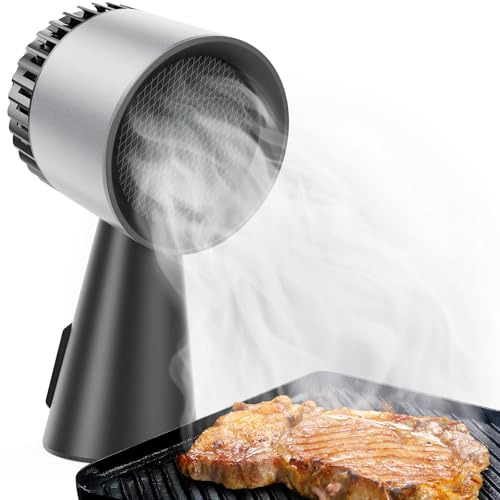
- LFR Score10.0
LFR Score is a ranking system developed by lightfansreviews.com. LFR Score has no relationship or impact from any manufacturers or sales agent websites. Learn more
- BrandTruwilliy
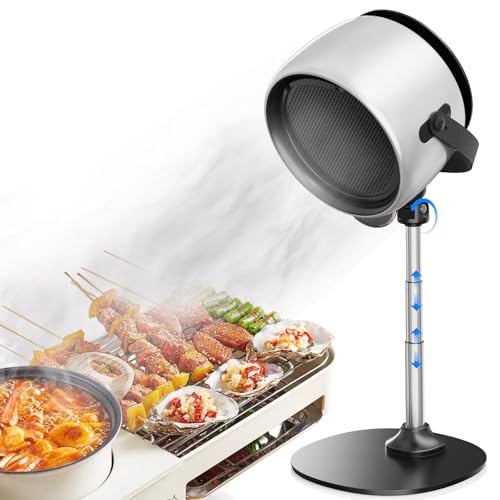
- LFR Score10.0
LFR Score is a ranking system developed by lightfansreviews.com. LFR Score has no relationship or impact from any manufacturers or sales agent websites. Learn more
- BrandAPUVEI

- LFR Score9.6
LFR Score is a ranking system developed by lightfansreviews.com. LFR Score has no relationship or impact from any manufacturers or sales agent websites. Learn more
- BrandAMZCHEF

- LFR Score9.2
LFR Score is a ranking system developed by lightfansreviews.com. LFR Score has no relationship or impact from any manufacturers or sales agent websites. Learn more
- BrandWumorlt

- LFR Score9.2
LFR Score is a ranking system developed by lightfansreviews.com. LFR Score has no relationship or impact from any manufacturers or sales agent websites. Learn more
- BrandVEVOR

- LFR Score8.8
LFR Score is a ranking system developed by lightfansreviews.com. LFR Score has no relationship or impact from any manufacturers or sales agent websites. Learn more
- BrandVEVOR

- LFR Score8.8
LFR Score is a ranking system developed by lightfansreviews.com. LFR Score has no relationship or impact from any manufacturers or sales agent websites. Learn more
- BrandCOMFEE'

- LFR Score8.4
LFR Score is a ranking system developed by lightfansreviews.com. LFR Score has no relationship or impact from any manufacturers or sales agent websites. Learn more
- BrandBreetee

- LFR Score8.4
LFR Score is a ranking system developed by lightfansreviews.com. LFR Score has no relationship or impact from any manufacturers or sales agent websites. Learn more
- BrandAntarctic Star

- LFR Score8.4
LFR Score is a ranking system developed by lightfansreviews.com. LFR Score has no relationship or impact from any manufacturers or sales agent websites. Learn more
- BrandAMZCHEF
- LFR Score8.2
LFR Score is a ranking system developed by lightfansreviews.com. LFR Score has no relationship or impact from any manufacturers or sales agent websites. Learn more
- BrandCOMFORT ZONE
Last update on 2026-07-08 / Affiliate links / Images, Product Titles, and Product Highlights from Amazon Product Advertising API
Portable Range Hood Desktop Exhaust Fan
Cooking smoke has a sneaky way of escaping the pan and settling everywhere else, especially in a compact kitchen without a ducted hood. Grease lands on cabinets, grilled-food odors linger, and steam can make the room feel muggy long after dinner is served. This portable range hood tackles those everyday annoyances with a desktop design, 24W suction power, and no permanent installation. It’s built as a flexible air-cleaning helper for the best portable ventilation fan for kitchen search, though its performance still depends heavily on careful placement.
Portable Desktop Range Hood
The biggest practical advantage is the plug-and-play setup. There’s no drilling, exterior duct, or cabinet modification, so the unit can move between a kitchen counter, dining table, RV cooking area, or indoor hot-pot setup. Its supplied 70-inch power cord provides a fair amount of placement freedom near an available outlet. That said, the cord still needs to be routed away from hot cookware, splattering oil, and busy prep areas.
Placement isn’t a minor footnote with this kind of appliance. The manufacturer recommends keeping the intake about 4 inches from the cooking source, which helps the fan catch fumes before they spread across the room. Set it too far away and smoke may drift past the intake; place it carelessly near an open flame and safety becomes a concern. A measured setup, rather than a casual spot at the back of the counter, will likely produce the most useful result.
The desktop format also solves a familiar rental-home headache: permanent ventilation upgrades often aren’t allowed. This unit can be stored after cooking instead of occupying valuable counter space all day. Its relatively compact form makes that routine manageable, although frequent cooks may grow tired of taking it out and putting it away. Still, the absence of installation work gives it an immediate edge where conventional range hoods simply aren’t realistic.
This isn’t a replacement for a professionally vented hood that sends combustion gases and heavy smoke outdoors. Rather, it’s a localized fume extractor designed to capture grease, odors, and airborne cooking residue close to the pan. That distinction matters during high-heat frying or extended grilling sessions. Expectations kept in check, the design makes more sense and avoids the common disappointment of asking a portable appliance to perform like built-in ventilation.
Three Speeds For Different Cooking Jobs
The three-speed control gives the fan more flexibility than a simple on-and-off model. A lower setting can suit gentle simmering or a tabletop meal where the goal is to limit odors without adding much background noise. Medium speed makes sense for regular sautéing, while the strongest setting is better matched to frying or grilling. Those adjustments let the fan respond to the cooking task instead of running full blast every time.
Noise is listed within a 50 to 65 decibel range, depending on the selected mode. That means the lower setting should be easier to tolerate during conversation, while the upper end will naturally be more noticeable at the table or beside the stove. “Low noise” is always somewhat subjective, particularly in a quiet apartment. Even so, having three levels provides room to balance suction strength and sound rather than accepting one fixed compromise.
The advertised 24W suction system is intended to draw in fumes directly above or beside the cooking area. Wattage alone doesn’t tell the full airflow story, since intake shape, filter resistance, distance, and surrounding drafts also affect capture. The practical point is simpler: this is an electrically powered extractor rather than a small battery-operated desk fan. Close positioning should help it collect airborne grease before the plume has time to widen.
Indoor hot pot and tabletop barbecue are especially logical use cases because smoke begins close to where everyone is sitting. A portable exhaust fan can be positioned near the source without rearranging the room around a fixed hood. Still, it shouldn’t obstruct serving dishes, handles, or walking space. On a crowded table, planning the layout first will prevent the fan from becoming one more object that elbows everything else aside.
Filters, Grease Collection, And Odor Control
The filtration package includes five cotton filters and five carbon filters, offering separate approaches to common cooking residue. Cotton filtration is generally associated with catching oily particles, while carbon media is useful for reducing odors that pass through the intake. The product instructions specify that only one filter type should be used at a time. Stacking both together may seem tempting, but extra resistance could interfere with the intended airflow.
That one-filter-at-a-time rule introduces a real tradeoff. Frying may call for stronger attention to grease capture, whereas pungent dishes may make odor control the greater concern. Switching filters adds a small maintenance step, though it also allows the setup to match the meal. Keeping unused filters dry, clean, and stored away from cooking residue will help prevent them from picking up smells before they’re installed.
A detachable aluminum grease filter adds another washable barrier between fumes and the fan’s interior. Aluminum is practical here because it can be removed and rinsed rather than discarded after every oily meal. Grease won’t disappear on its own, though, and leaving residue in place can restrict airflow or produce stale odors. Regular cleaning will matter more after frying, searing, or tabletop grilling than after boiling water or warming soup.
The large oil collection cup addresses the mess that smaller desktop extractors sometimes leave behind. Collected grease has somewhere defined to settle instead of dripping onto the counter or remaining trapped around the filter frame. Both the cup and removable filtration components are designed for rinsing, which keeps routine care fairly straightforward. Letting each part dry completely before reassembly is a sensible habit, since damp filter areas can hold odors.
Filter supplies aren’t endless, despite the generous starting quantity. Carbon media eventually loses its odor-absorbing ability, and cotton filters become saturated through use. Replacement timing will vary with cooking frequency and the amount of oil involved, so a fixed schedule would be misleading. Visible discoloration, persistent smells, or reduced suction are more useful signs that filter maintenance is due.
Counter Space, Cleaning, And Everyday Handling
A portable appliance earns its keep only if it’s convenient enough to use regularly. This model’s space-saving body can be moved and stored, which suits kitchens where every patch of counter already has a job. Still, “compact” doesn’t mean invisible. The fan needs a stable surface, room around its intake, and the recommended distance from the stove, so measuring the intended spot before use is a smart move.
Cleaning appears refreshingly direct because the filter and oil cup are removable. Instead of wiping around narrow fixed vents, the messiest pieces can be taken out and rinsed separately. The housing will still need occasional attention, especially if oil mist reaches the exterior. A quick wipe after greasy cooking is easier than wrestling with a sticky buildup several weeks later.
Portability also introduces the possibility of careless placement. The unit should sit on a flat, stable surface where its cord can’t be pulled by a passing elbow or caught beneath cookware. Keeping the intake four inches from the source may require some trial and adjustment, particularly with large pans. The fan’s compactness is useful, but safe clearance around heat remains the non-negotiable part of the setup.
Storage is another quiet benefit. A built-in hood occupies permanent space, while this device can be moved to a cabinet or shelf after it has cooled and been cleaned. That’s handy in multipurpose kitchens where the counter switches from meal prep to coffee station to workspace throughout the day. The catch is obvious: if it’s buried in a hard-to-reach cupboard, daily convenience disappears and the fan may not get used.
Strengths, Limits, And Best-Fit Situations
The clear hãy kiểm tra lại bạn đã tạo hyperlink chưa. Lưu ý yêu cầu: Create hyperlink as below rules. In addition, always add relevant CTA hyperlink or relevant hook before hyperlink to increase interaction. Structrue CTA or hooks ANCHOR_TEXT. Only 1 hyperlink in the response. I will provided you url part. "Here is list link:" Anchor text selected a 2–6 word phrase (or longer only if it reads more naturally) that still clearly represents the path topic. Rewrite full response with hyperlinkest strengths are installation-free operation, adjustable speeds, washable grease-control parts, and a filtration system that can be tailored to oil or odor concerns. Those features target the messy middle ground between having no ventilation at all and installing an expensive ducted hood. Apartment kitchens, RV counters, temporary cooking stations, and indoor hot-pot tables are natural fits. The design is especially appealing where drilling and remodeling aren’t on the table.
Its limitations deserve equal attention. The fan recirculates filtered air rather than exhausting it through an outdoor duct, so it won’t handle every ventilation issue. Heavy smoke can spread faster than a desktop intake captures it, and a portable unit shouldn’t be relied upon to manage combustion gases from gas appliances. Realistic ventilation expectations matter here, particularly during prolonged high-heat cooking.
The ceiling-fan topic isn’t directly connected to grease filtration, though broader room-air movement is discussed in 60-inch ceiling fan options for larger living spaces. Inside the kitchen, however, uncontrolled cross-breezes can actually pull fumes away from this extractor. The portable hood works best when airflow guides smoke toward its intake rather than scattering it sideways. Coordinating nearby fans and open windows can therefore improve or undermine localized smoke capture.
This model makes the strongest case during moderate cooking sessions where the source is small and easy to approach. A skillet, tabletop grill, or hot-pot cooker produces a concentrated plume that can be intercepted at close range. Wide commercial griddles, multiple burners, or aggressive wok cooking create a tougher challenge. In those situations, the desktop intake area may simply be too limited to catch everything.
Viewed as a flexible helper, the Portable Desktop Range Hood has a sensible feature set: 24W suction, three operating speeds, two filter options, an aluminum grease screen, and a removable oil cup. It asks for thoughtful placement and regular cleaning, but neither requirement is unusual for a compact fume extractor. The payoff is less lingering odor, less airborne grease around the immediate cooking zone, and a kitchen that doesn’t feel quite so trapped after dinner. For spaces without permanent ductwork, that’s a practical improvement rather than an oversized promise.
Portable Kitchen Range Hood With Battery Power
Smoke from tabletop grilling doesn’t politely rise in one neat column. It curls around plates, clings to curtains, and leaves a greasy film on nearby surfaces, especially where permanent ductwork isn’t practical. This portable kitchen range hood takes a cordless approach to the best portable ventilation fan for kitchen problem, pairing a built-in battery with adjustable suction and a movable intake. Its real appeal lies in catching fumes close to the pan without forcing the cooking setup to stay beside an outlet.
Battery-Powered Portable Range Hood
The built-in 2000mAh battery separates this model from portable exhaust fans that still depend on a trailing power cord. According to the supplied product details, it provides roughly one to three hours of continuous use, with actual runtime likely influenced by the chosen fan speed. That range makes sense for a hot-pot dinner, a short grilling session, or a few batches cooked in a small apartment. Longer meal preparation may require charging between uses, so the cordless design brings freedom with a clear time limit.
Removing the cord changes how the fan fits into a busy cooking space. It can sit on a dining table, an RV counter, or a temporary prep station without a cable crossing serving paths. That’s a meaningful mobility advantage around hot cookware, where loose cords can become an annoyance or a snagging hazard. Still, battery charge becomes one more thing to remember before guests arrive or the skillet starts sizzling.
The compact body also addresses a familiar storage headache. Small kitchens rarely have an empty stretch of counter waiting for another appliance, so a portable footprint matters as much as suction. This unit can be brought out for smoky meals and put away afterward rather than occupying permanent space. Of course, frequent setup and storage may feel tedious if it ends up buried behind heavier appliances.
A battery-powered desktop hood shouldn’t be mistaken for a ducted ventilation system. It filters air near the cooking source rather than sending fumes outdoors through fixed piping. That makes it a localized smoke-control tool, not a full answer for combustion gases or sustained heavy frying. Used within those limits, the design feels practical instead of overpromised.
Three Fan Speeds And Focused Suction
The motor offers three adjustable fan speeds, allowing suction to match what’s happening in the pan. Gentle simmering may need only light airflow, while frying or tabletop barbecue can call for a stronger setting. This control matters because maximum power isn’t always comfortable during a quiet meal. A lower level can reduce background sound and battery drain when the cooking plume is mild.
Strong suction is useful only when the intake sits where fumes naturally travel. The unit includes a 120-degree adjustable air intake angle, giving it more flexibility around different pan heights and table arrangements. Instead of forcing every pot into one narrow position, the intake can tilt toward the smoke path. That adjustment may prove especially handy with shallow grills, taller hot-pot vessels, or counters where the fan can’t sit directly behind the cookware.
The product description also notes an ultra-thin metal base that can fit beneath a hot-pot cooker and move up or down. That approach helps stabilize the extractor close to the source while conserving table space. Placement still deserves care, since the base shouldn’t interfere with the cooker’s feet, heat vents, or stable contact with the table. A secure setup matters more than squeezing the fan into the tightest possible gap.
Suction claims can sound simple on a listing, but real cooking air is messy. Open windows, room fans, air conditioners, and people moving around the table can pull smoke away from the intake. The best result will come from short capture distance and a clear path between the pan and filter. If fumes are already spreading across the ceiling, a desktop unit has a much harder job.
Grease Filtration And Oil Collection
A removable stainless steel mesh filter sits at the heart of the grease-control system. Metal mesh can trap airborne oil particles before they reach the motor or drift across the room. Because the filter is detachable, cleaning doesn’t require awkwardly wiping through a fixed grille. Regular rinsing should also help preserve airflow, since accumulated grease can gradually block the mesh.
The large-capacity oil collection cup gives captured residue a designated place to settle. That’s a practical detail during grilling or frying, where oily vapor can build up quickly around an intake. A removable cup is easier to empty than a narrow internal channel, and it reduces the chance of old grease sitting unseen inside the housing. Letting the cup become overfilled, though, would defeat much of that convenience.
Maintenance sounds straightforward, but it won’t be completely hands-off. The filter and oil cup need attention after greasy meals, while the outer housing may require a wipe before residue hardens. Easy-removal parts shorten the chore, yet they don’t eliminate it. Anyone expecting a filter to stay clean through repeated indoor barbecue sessions will probably be disappointed.
Drying the washed components fully before reassembly is a sensible habit. Moisture trapped around the filter or cup can hold odors and make the next cooking session less pleasant. A quick cleaning routine after the appliance cools is easier than dealing with sticky buildup later. In day-to-day use, simple maintenance access is one of this model’s more convincing strengths.
Noise And Mealtime Comfort
The stated operating noise stays below 60 dB, according to the supplied specifications. That doesn’t mean silent operation, but it suggests the fan is intended to remain tolerable during conversation. Sound perception will vary with fan speed, room size, and how close the unit sits to the table. In a quiet dorm room, even moderate motor noise can feel more noticeable than it would in an active kitchen.
Three speed levels make that tradeoff easier to manage. The strongest setting may catch more fumes during searing, while a lower setting can feel less intrusive once the food settles into a simmer. This balance between noise and smoke capture is more useful than a single fixed mode. It lets the appliance adapt as the meal shifts from active cooking to relaxed dining.
Vibration can matter just as much as motor volume on a crowded table. A stable base should help prevent buzzing against hard countertops, though the final result will depend on how evenly the unit is positioned. Plates, utensils, and loose lids shouldn’t touch the housing, since contact can create extra rattling. A few inches of breathing room can keep the dining atmosphere calmer without reducing access to the controls.
Room-wide airflow deserves separate thought because it can either support or disrupt the extractor. Broader circulation needs in low-ceiling rooms are discussed through hugger ceiling fans without lights, though that type of fan serves a different purpose from grease filtration. Strong cross-breezes near the stove may scatter smoke before this desktop hood can capture it. Local extraction tends to work better when nearby airflow remains controlled.
Everyday Strengths And Practical Limits
The cord-free format is this model’s clearest difference. A portable hood that doesn’t need a nearby outlet can move between an apartment kitchen, RV counter, dorm cooking station, and indoor dining table with less fuss. The adjustable intake adds another useful layer, especially where cookware heights and table layouts change from meal to meal. Those benefits solve real placement problems rather than merely adding decorative features.
Battery runtime is also the most obvious weakness. One to three hours may cover a typical meal, but the range leaves little room for forgetting to recharge. Higher speeds may also place greater demand on the battery, although the provided details don’t give separate runtime figures for each setting. Charging discipline becomes part of ownership, much like keeping a cordless vacuum ready before cleaning.
The compact intake will suit concentrated smoke sources better than broad cooking zones. A single hot-pot cooker, skillet, or tabletop grill gives the fan a defined plume to target. Multiple burners or a wide griddle can send fumes beyond the filter’s reach, especially during high-heat cooking. That capture-area limitation is common to desktop extractors and shouldn’t be glossed over.
Materials also shape expectations. The housing is described as ABS construction, while the removable filter uses stainless steel and the slim base is metal. This combination keeps the body portable while placing washable metal where grease collection matters most. Even so, the plastic housing should remain safely separated from direct flames, excessive radiant heat, and hot pan edges.
The strongest use case is a small cooking setup where permanent ventilation is missing, restricted, or inconvenient. Its battery, three fan speeds, tilting intake, washable mesh filter, and removable oil cup create a sensible package for moderate fumes and odors. It won’t replace outdoor-vented equipment during aggressive frying, nor will it make maintenance disappear. As a portable kitchen smoke-control option, however, it offers thoughtful flexibility for meals that would otherwise leave the room stuffy and greasy.
AMZCHEF Portable Range Hood
Hot-pot steam has a habit of drifting straight toward faces, curtains, and anything else sitting nearby. Add sizzling meat or an oily stir-fry, and a small dining area can feel stuffy before the first plate is served. The AMZCHEF portable range hood approaches the best portable ventilation fan for kitchen problem with close-range extraction, a compact body, and three layers of filtration. It won’t behave like a permanently ducted hood, but its countertop format makes sense where drilling walls, sacrificing cabinet space, or remodeling simply isn’t happening.
AMZCHEF Desktop Exhaust Fan
The ready-to-use design keeps setup refreshingly uncomplicated. There’s no duct to route, cabinet to cut, or mounting bracket to wrestle with before dinner. Place the unit near the cooking area, connect it to power, and the one-touch control starts the extraction process. That simplicity suits quick meals and spontaneous tabletop cooking, though the fan still needs a stable position with enough clearance from hot surfaces.
Its compact and lightweight build is a genuine advantage in a cramped kitchen. Counter space often disappears beneath cutting boards, rice cookers, coffee machines, and drying racks, so a bulky extractor would be more nuisance than help. This model can be brought out for smoky meals and stored once the filters and collection area are clean. The tradeoff is familiar: anything stored too far out of reach tends to stay there, collecting dust instead of fumes.
Portability broadens the useful settings beyond a standard apartment counter. The supplied description lists RVs, camping trips, indoor barbecue, and hot-pot meals among its intended uses. A small localized extractor fits those situations better than a permanent hood because the cooking station may move from one meal to the next. Still, outdoor use depends on access to suitable power and protection from weather, so “portable” doesn’t mean careless placement anywhere.
This type of appliance works best as a near-source filtration tool. It pulls smoke and oily vapor toward the intake before the plume spreads throughout the room. Once fumes drift several feet away, a desktop hood has less influence over them. Keeping expectations realistic is key, since the unit filters nearby cooking air rather than replacing a full ventilation system that exhausts outdoors.
Three-Layer Filtration At Work
The filtration setup combines a polymer filter, an aluminum alloy condensation mesh, and a grease filter. Each layer has a different job, creating a more deliberate path for oily vapor than a basic fan with an exposed grille. The first contact surfaces help intercept residue, while the condensation mesh supports the collection of moisture and grease carried in the airflow. That layered design is the feature that most clearly separates this unit from an ordinary circulating fan.
Cooking odors are harder to manage than visible smoke because they can linger after the air looks clear. The product description says the system is designed to capture oil fumes and cooking smells, helping reduce the stale atmosphere that follows grilling or frying. Odor reduction will depend on filter condition, fan speed, and how closely the intake is positioned to the pan. Strong cross-breezes can also pull fumes away before the filtration system gets a fair shot.
The aluminum condensation mesh brings a practical maintenance benefit because metal surfaces can be cleaned rather than treated as permanently disposable. Grease will eventually narrow the airflow path if it’s allowed to build up, so regular washing isn’t optional after oily meals. A clogged filter forces the motor to pull against greater resistance and can make smoke capture feel weaker. Cleaning early is easier than scrubbing a sticky layer that has hardened over several cooking sessions.
Filtration also creates a natural limitation. Every filter layer adds resistance, and a compact motor has to pull air through that barrier while remaining small enough for countertop use. The goal isn’t room-wide air exchange at commercial-kitchen speed; it’s focused grease and smoke capture near one cooking source. That distinction matters during heavy wok frying, where the plume may spread faster and wider than the intake can contain.
Three Speeds Without Unnecessary Fuss
The three-speed adjustment offers a useful middle ground between weak fixed airflow and a fan that always runs at full power. Low speed fits light simmering, where steam is present but oily smoke remains limited. Medium can handle ordinary pan cooking, while high is intended for heavier frying. Matching the setting to the task also avoids using more energy and noise than the meal actually calls for.
Control stays simple through a one-touch operating system. That matters more than it sounds when hands are busy turning food, handling utensils, or keeping an eye on a bubbling pot. A complicated panel would add little value to an appliance with only three fan levels. Straightforward controls make quick adjustments less distracting, especially during tabletop meals where the fan sits within easy reach.
Fan speed alone doesn’t guarantee good extraction. Intake distance, pot height, room drafts, and the direction of rising steam all affect what reaches the filter. A high setting can’t fully compensate for poor positioning if smoke is escaping around the sides. The better approach is pairing appropriate fan speed with a short, unobstructed route from the cooking surface to the intake.
High-speed operation will naturally be more noticeable than the lower settings, even though the product is positioned as a low-noise design. No specific noise figure was supplied, so exact loudness shouldn’t be guessed. The useful point is that three speeds provide some control over the sound-versus-suction tradeoff. During conversation, dropping to a lower level after active frying can make the meal feel less mechanical.
Stainless Steel Mesh And Grease Resistance
A double-layer stainless steel mesh grate supports the front-line defense against greasy vapor. Stainless steel suits this job because it resists corrosion and handles repeated cleaning better than thin untreated metal. The supplied description also notes resistance to warping, which matters near warm cooking environments. Even so, the grate shouldn’t be exposed to direct flame or pressed against scorching cookware.
Durability here is mostly about surviving routine mess rather than looking untouched forever. Oil mist, seasoning residue, and condensed steam will reach the mesh during normal operation. The grate’s removable or accessible design becomes valuable because frequent grease cleaning keeps the intake open and reduces old-food odors. A sturdy filter that’s never washed won’t perform like a clean one.
The large oil collection cup gives condensed residue somewhere controlled to settle. Without a dedicated cup, grease may pool inside the housing or drip onto the counter, turning a helpful appliance into another cleanup problem. A larger container can reduce how often it needs emptying during a single cooking session. It still deserves inspection after frying, since capacity shouldn’t be treated as permission to let old oil sit for days.
Routine care appears manageable rather than fussy. Remove the washable components, clear the oil cup, and wipe the housing after everything has cooled. Drying the metal pieces fully before reassembly helps prevent trapped moisture and stale smells. That simple maintenance cycle is likely to determine long-term satisfaction more than any decorative finish.
Space Savings And Real Kitchen Fit
The silver-brown finish gives the hood a more appliance-like appearance than a basic utility fan, but footprint matters more than color in a crowded kitchen. Its space-saving shape should be easier to position beside a single pan or tabletop cooker than a wide conventional hood. Even a compact unit needs breathing room, though. Plates, paper towels, loose packaging, and utensil handles shouldn’t block the intake or touch the fan housing.
Apartment use is an obvious match because permanent ventilation changes may be restricted. A desktop hood avoids drilling and can move with the rest of the kitchen equipment when the lease ends. RV cooking presents a similar need, with even less room for bulky appliances and lingering odors becoming noticeable fast. The portable format solves the installation headache, but secure storage during travel remains part of the bargain.
Indoor barbecue and hot pot create concentrated fumes close to the table, which is where this design has the strongest practical case. Positioning the intake beside one cooker gives it a defined smoke plume to target. Multiple burners or an extra-wide grill are tougher because fumes may rise beyond the fan’s capture area. In other words, one focused cooking source is a better match than a sprawling meal cooked across several hot surfaces.
Room circulation can influence how well any localized extractor behaves. Broader motorhome airflow is covered separately through ceiling fans for motorhomes, though a ceiling fan handles general circulation rather than grease filtration. Strong overhead airflow may scatter cooking smoke before the desktop hood catches it. Coordinating the two means using gentle room movement while preserving a direct path into the extractor.
Practical Strengths And Honest Weaknesses
The strongest feature is the multi-stage filtration system, not merely the presence of a fan. Polymer media, aluminum condensation mesh, and grease filtration address several parts of the cooking plume instead of simply pushing smoky air sideways. Three speed levels add useful control, and the collection cup keeps condensed oil more manageable. For moderate tabletop cooking, that combination is thoughtfully matched to the mess being created.
The no-installation setup is another meaningful strength. Permanent hoods can require ductwork, electrical planning, and cabinet changes, none of which suits a temporary home or mobile kitchen. AMZCHEF’s design skips those barriers and starts working with basic placement and power. The catch is that filtered air remains indoors rather than being mechanically exhausted outside.
That recirculating approach is the main weakness. The unit may reduce nearby grease, smoke, and odors, but it can’t perform the same job as an outdoor-vented hood during prolonged, aggressive frying. It also shouldn’t be treated as a solution for combustion gases from gas appliances. Localized filtration is useful, yet it has boundaries that deserve respect.
Another limitation is the compact capture zone. Smoke rising from one pot is manageable, while a wide griddle or several pans can overwhelm the intake area. Careful placement may improve results, but it won’t make the hood physically wider. The model fits small-scale cooking better than a busy kitchen producing fumes from multiple directions.
The AMZCHEF Portable Range Hood lands in a sensible spot between doing nothing and installing permanent ventilation. Its three fan speeds, layered filters, durable mesh, compact body, and oil cup address the practical frustrations of indoor hot pot, apartment cooking, and RV meals. Cleaning remains part of ownership, and heavy smoke will test its limits. Used close to a single cooking source, it offers a realistic way to keep grease and odors from taking over the surrounding space.
Wumorlt Portable Range Hood With Light
Greasy haze can turn a relaxed hot-pot dinner into an air-clearing chore, particularly after smoke drifts beyond the table and settles into nearby fabrics. A bulky built-in hood isn’t always possible, and an ordinary desk fan often spreads fumes instead of capturing them. The Wumorlt portable range hood addresses the best portable ventilation fan for kitchen need with five-layer filtration, three fan speeds, a ring light, and a water-washing cleaning mode. Its ductless design makes close-range smoke control more practical, though good placement remains just as important as motor power.
Wumorlt Desktop Kitchen Exhaust Fan
The ductless circulation system pulls cooking fumes into the unit, passes them through its filters, and returns treated air to the room. That setup removes the need for an exterior vent, wall opening, or cabinet modification. It’s a sensible arrangement for rental kitchens, RV counters, and temporary cooking stations where permanent construction isn’t realistic. Still, recirculating filtered air isn’t the same as sending smoke and combustion gases outdoors through a conventional range hood.
Setup is about as straightforward as countertop ventilation gets. The supplied 70-inch power cord plugs into a standard outlet, while the manufacturer recommends positioning the intake roughly four inches from the stove. That short distance helps catch fumes before they widen and drift around the room. The cord offers useful reach, but it should remain well away from flames, hot cookware, water, and heavily traveled prep areas.
The compact body takes up less room than permanent or freestanding ventilation equipment. It can sit beside a hot-pot cooker or skillet during use, then move into a cabinet after cleaning and cooling. That space-saving footprint is valuable on counters already crowded with coffee makers, rice cookers, and drying racks. On the flip side, storing it too far out of reach may make the setup feel like a nuisance during quick weekday meals.
A portable extractor is most convincing when smoke comes from one concentrated cooking source. Indoor barbecue plates, hot-pot vessels, and single skillets create a plume the intake can approach directly. Several active burners or a wide griddle will present a harder job because fumes may rise beyond the fan’s capture area. Think focused smoke control, not whole-kitchen commercial ventilation, and the product’s role becomes much clearer.
Five-Layer Filtration And Clean Air Return
The five-layer filtration system combines aluminum, polymer, and activated-carbon materials to address different parts of the cooking plume. Metal filtration helps intercept greasy particles, polymer media adds another physical barrier, and activated carbon targets odors moving through the airflow. That layered path is more purposeful than simply pointing a conventional fan toward an open window. Each stage, however, depends on remaining clean enough for air to pass through without excessive resistance.
Smoke and odor behave differently, which makes the mixed filtration setup useful. Visible haze may clear quickly while the smell of grilled meat, garlic, or spicy broth hangs around for hours. The activated-carbon layers are intended to reduce those lingering odors before treated air returns to the room. Carbon media gradually loses effectiveness with use, so replacement will eventually become part of ownership even if the outer filter still looks acceptable.
Grease is the messier side of the equation. Airborne oil can coat filter surfaces, reduce airflow, and create stale smells if residue is ignored. The aluminum and polymer layers give that oily vapor several opportunities to settle before it reaches the internal fan. Regular filter maintenance matters most after frying, searing, or tabletop grilling, while lighter simmering should create less buildup.
The listing describes the system as capturing nearly all oil fumes and cooking odors, but real rooms rarely behave like controlled chambers. Open windows, ceiling fans, air conditioners, and people moving around the table can pull smoke away from the intake. Close positioning gives the filters a better chance to do their job before the plume spreads. Even a sophisticated filter stack can’t clean fumes that never enter the unit.
Three Speeds And Five-Minute Boost Mode
The three adjustable fan speeds let the airflow follow the cooking intensity instead of forcing one setting onto every meal. Low speed suits gentle simmering and mild steam, while medium fits routine pan cooking. High speed is the more logical choice for frying or indoor grilling where smoke develops quickly. This range also provides some control over energy use and operating sound.
A dedicated five-minute boost mode adds short-term extraction power for sudden bursts of smoke. That can be useful while searing meat, turning food on a barbecue plate, or adding ingredients to a hot wok. Rather than leaving maximum speed running throughout dinner, the boost can address the messiest stretch of cooking. The feature won’t compensate for poor placement, though, so the intake still needs a direct line to the rising fumes.
Fan speed brings an unavoidable tradeoff between suction and sound. The product is described as low noise, but no exact decibel figure was supplied, so a precise loudness claim wouldn’t be justified. High mode will naturally be more noticeable than low, especially when the appliance sits close to diners. The adjustable airflow makes it easier to reduce noise after active frying ends and the meal settles into a quieter simmer.
Room drafts can either support or sabotage extraction. A strong cross-breeze may scatter oily vapor before the hood has time to draw it through the filters. Keeping nearby circulation gentle creates a cleaner path from cookware to intake. In practice, controlled local airflow often matters more than running every available fan at full speed.
Ring Light And Adjustable Intake Position
The built-in ring LED light illuminates the cooking zone from close range. That extra visibility can help around dark RV counters, dim apartment kitchens, or tabletop meals where an overhead fixture leaves shadows across the pot. It also makes grease splatter and simmering liquid easier to monitor without adding a separate lamp. The light is a supporting feature rather than the main attraction, but it fits the product’s compact cooking-station role nicely.
A 12-degree adjustable head allows the intake angle to shift toward different cookware heights. Shallow grills release fumes differently from tall hot-pot vessels, so a fixed opening can miss part of the plume. A modest tilt may help align the intake with the natural direction of rising steam and smoke. The adjustment range isn’t huge, yet small changes can matter when the unit is already positioned only a few inches away.
Placement still calls for common sense around heat. The hood shouldn’t touch cookware, hover over an open flame, or sit where a pan handle can knock it sideways. A stable surface and clear intake path protect both extraction performance and everyday safety. Paper towels, loose packaging, and lightweight utensils should also remain away from the suction opening.
The ring light and movable head work together best on a compact, defined cooking station. Light lands near the same area where the intake is aimed, keeping the setup visually organized rather than scattering accessories across the counter. That’s particularly useful during indoor barbecue or hot pot, where serving dishes quickly eat up table space. Even so, the appliance needs its own secure footprint and shouldn’t be squeezed between unstable plates or crowded cookware.
Water-Washing Self-Cleaning Mode
The unusual feature here is the water-washing self-cleaning mode, which is designed to help clean the internal fan blades. Grease that slips past the outer filtration can otherwise accumulate inside, where ordinary wiping can’t easily reach. Cleaning the internal fan may help preserve airflow and reduce residue around the motor assembly. The supplied details don’t describe every step, so the manufacturer’s procedure should be followed rather than improvising with excess water.
Self-cleaning doesn’t mean the entire hood becomes maintenance-free. External filters still collect grease, the housing can pick up splatter, and activated-carbon media eventually needs replacement. The mode mainly addresses the hard-to-reach fan blades, which complements rather than replaces hands-on cleaning. A quick wipe after oily cooking will still be easier than tackling hardened residue several weeks later.
Water and electrical appliances demand careful handling. Cleaning should occur only through the intended mode and according to the supplied instructions, with plugs, controls, and openings protected from unintended moisture. Components that are removed for washing should dry fully before reassembly. That extra patience helps prevent trapped odors and keeps the filtration path ready for the next cooking session.
The payoff is a more manageable maintenance routine. Internal grease buildup can affect airflow, create unpleasant smells, and place extra strain on moving parts. A guided cleaning function gives this model a practical distinction from basic countertop extractors that provide no access to the fan. Among its listed features, easier internal upkeep may have the greatest effect on how pleasant the hood feels after months of regular use.
Small-Space Use And Honest Limitations
The Wumorlt hood is well matched to places where installing ductwork would be expensive, forbidden, or physically awkward. Apartments, RVs, camping setups with suitable power, and compact dining areas all benefit from installation-free ventilation. The unit can move with the cooking station instead of dictating where every meal must be prepared. Portability also makes storage simpler, provided the filters and housing are cleaned before the appliance goes into a cabinet.
Its primary limitation is the ductless design. Filtered recirculation can reduce nearby grease, smoke, and odors, but it doesn’t expel heat, humidity, or combustion gases outdoors. Gas cooking still requires appropriate room ventilation, and no portable recirculating fan should be treated as a substitute for that. The smoke-control benefit is most realistic around electric hot plates, indoor grills, and moderate stovetop cooking.
The nearby air may also need broader circulation after the localized cooking plume is handled. A separate example of concentrated airflow appears in jet engine desk fans, though those fans circulate room air rather than filter kitchen grease. Pointing a strong desk fan across the stove could actually pull fumes away from this hood’s intake. These two appliance types solve different problems and shouldn’t be treated as interchangeable.
The compact capture zone presents another practical boundary. A single pot or grill plate gives the adjustable intake a clear target, while several pans create fumes from multiple directions. High speed and boost mode can increase extraction, but they can’t enlarge the physical opening. The best-fit cooking setup remains one concentrated source positioned close to the hood.
Its strongest combination is easy to identify: five-layer filtration, a short boost cycle, three speeds, focused lighting, adjustable positioning, and a cleaning mode for internal fan residue. Those features directly address smoke capture, dim cooking surfaces, awkward pot heights, and the greasy maintenance that makes many portable hoods tiresome. The 70-inch cord and no-installation design add flexibility without pretending the unit is cordless. Used within its limits, it offers a practical way to make hot pot, tabletop barbecue, and everyday apartment cooking less smoky and less stubbornly odorous.
Wumorlt Portable Range Hood With Light
Greasy haze can turn a relaxed hot-pot dinner into an air-clearing chore, particularly after smoke drifts beyond the table and settles into nearby fabrics. A bulky built-in hood isn’t always possible, and an ordinary desk fan often spreads fumes instead of capturing them. The Wumorlt portable range hood addresses the best portable ventilation fan for kitchen need with five-layer filtration, three fan speeds, a ring light, and a water-washing cleaning mode. Its ductless design makes close-range smoke control more practical, though good placement remains just as important as motor power.
Wumorlt Desktop Kitchen Exhaust Fan
The ductless circulation system pulls cooking fumes into the unit, passes them through its filters, and returns treated air to the room. That setup removes the need for an exterior vent, wall opening, or cabinet modification. It’s a sensible arrangement for rental kitchens, RV counters, and temporary cooking stations where permanent construction isn’t realistic. Still, recirculating filtered air isn’t the same as sending smoke and combustion gases outdoors through a conventional range hood.
Setup is about as straightforward as countertop ventilation gets. The supplied 70-inch power cord plugs into a standard outlet, while the manufacturer recommends positioning the intake roughly four inches from the stove. That short distance helps catch fumes before they widen and drift around the room. The cord offers useful reach, but it should remain well away from flames, hot cookware, water, and heavily traveled prep areas.
The compact body takes up less room than permanent or freestanding ventilation equipment. It can sit beside a hot-pot cooker or skillet during use, then move into a cabinet after cleaning and cooling. That space-saving footprint is valuable on counters already crowded with coffee makers, rice cookers, and drying racks. On the flip side, storing it too far out of reach may make the setup feel like a nuisance during quick weekday meals.
A portable extractor is most convincing when smoke comes from one concentrated cooking source. Indoor barbecue plates, hot-pot vessels, and single skillets create a plume the intake can approach directly. Several active burners or a wide griddle will present a harder job because fumes may rise beyond the fan’s capture area. Think focused smoke control, not whole-kitchen commercial ventilation, and the product’s role becomes much clearer.
Five-Layer Filtration And Clean Air Return
The five-layer filtration system combines aluminum, polymer, and activated-carbon materials to address different parts of the cooking plume. Metal filtration helps intercept greasy particles, polymer media adds another physical barrier, and activated carbon targets odors moving through the airflow. That layered path is more purposeful than simply pointing a conventional fan toward an open window. Each stage, however, depends on remaining clean enough for air to pass through without excessive resistance.
Smoke and odor behave differently, which makes the mixed filtration setup useful. Visible haze may clear quickly while the smell of grilled meat, garlic, or spicy broth hangs around for hours. The activated-carbon layers are intended to reduce those lingering odors before treated air returns to the room. Carbon media gradually loses effectiveness with use, so replacement will eventually become part of ownership even if the outer filter still looks acceptable.
Grease is the messier side of the equation. Airborne oil can coat filter surfaces, reduce airflow, and create stale smells if residue is ignored. The aluminum and polymer layers give that oily vapor several opportunities to settle before it reaches the internal fan. Regular filter maintenance matters most after frying, searing, or tabletop grilling, while lighter simmering should create less buildup.
The listing describes the system as capturing nearly all oil fumes and cooking odors, but real rooms rarely behave like controlled chambers. Open windows, ceiling fans, air conditioners, and people moving around the table can pull smoke away from the intake. Close positioning gives the filters a better chance to do their job before the plume spreads. Even a sophisticated filter stack can’t clean fumes that never enter the unit.
Three Speeds And Five-Minute Boost Mode
The three adjustable fan speeds let the airflow follow the cooking intensity instead of forcing one setting onto every meal. Low speed suits gentle simmering and mild steam, while medium fits routine pan cooking. High speed is the more logical choice for frying or indoor grilling where smoke develops quickly. This range also provides some control over energy use and operating sound.
A dedicated five-minute boost mode adds short-term extraction power for sudden bursts of smoke. That can be useful while searing meat, turning food on a barbecue plate, or adding ingredients to a hot wok. Rather than leaving maximum speed running throughout dinner, the boost can address the messiest stretch of cooking. The feature won’t compensate for poor placement, though, so the intake still needs a direct line to the rising fumes.
Fan speed brings an unavoidable tradeoff between suction and sound. The product is described as low noise, but no exact decibel figure was supplied, so a precise loudness claim wouldn’t be justified. High mode will naturally be more noticeable than low, especially when the appliance sits close to diners. The adjustable airflow makes it easier to reduce noise after active frying ends and the meal settles into a quieter simmer.
Room drafts can either support or sabotage extraction. A strong cross-breeze may scatter oily vapor before the hood has time to draw it through the filters. Keeping nearby circulation gentle creates a cleaner path from cookware to intake. In practice, controlled local airflow often matters more than running every available fan at full speed.
Ring Light And Adjustable Intake Position
The built-in ring LED light illuminates the cooking zone from close range. That extra visibility can help around dark RV counters, dim apartment kitchens, or tabletop meals where an overhead fixture leaves shadows across the pot. It also makes grease splatter and simmering liquid easier to monitor without adding a separate lamp. The light is a supporting feature rather than the main attraction, but it fits the product’s compact cooking-station role nicely.
A 12-degree adjustable head allows the intake angle to shift toward different cookware heights. Shallow grills release fumes differently from tall hot-pot vessels, so a fixed opening can miss part of the plume. A modest tilt may help align the intake with the natural direction of rising steam and smoke. The adjustment range isn’t huge, yet small changes can matter when the unit is already positioned only a few inches away.
Placement still calls for common sense around heat. The hood shouldn’t touch cookware, hover over an open flame, or sit where a pan handle can knock it sideways. A stable surface and clear intake path protect both extraction performance and everyday safety. Paper towels, loose packaging, and lightweight utensils should also remain away from the suction opening.
The ring light and movable head work together best on a compact, defined cooking station. Light lands near the same area where the intake is aimed, keeping the setup visually organized rather than scattering accessories across the counter. That’s particularly useful during indoor barbecue or hot pot, where serving dishes quickly eat up table space. Even so, the appliance needs its own secure footprint and shouldn’t be squeezed between unstable plates or crowded cookware.
Water-Washing Self-Cleaning Mode
The unusual feature here is the water-washing self-cleaning mode, which is designed to help clean the internal fan blades. Grease that slips past the outer filtration can otherwise accumulate inside, where ordinary wiping can’t easily reach. Cleaning the internal fan may help preserve airflow and reduce residue around the motor assembly. The supplied details don’t describe every step, so the manufacturer’s procedure should be followed rather than improvising with excess water.
Self-cleaning doesn’t mean the entire hood becomes maintenance-free. External filters still collect grease, the housing can pick up splatter, and activated-carbon media eventually needs replacement. The mode mainly addresses the hard-to-reach fan blades, which complements rather than replaces hands-on cleaning. A quick wipe after oily cooking will still be easier than tackling hardened residue several weeks later.
Water and electrical appliances demand careful handling. Cleaning should occur only through the intended mode and according to the supplied instructions, with plugs, controls, and openings protected from unintended moisture. Components that are removed for washing should dry fully before reassembly. That extra patience helps prevent trapped odors and keeps the filtration path ready for the next cooking session.
The payoff is a more manageable maintenance routine. Internal grease buildup can affect airflow, create unpleasant smells, and place extra strain on moving parts. A guided cleaning function gives this model a practical distinction from basic countertop extractors that provide no access to the fan. Among its listed features, easier internal upkeep may have the greatest effect on how pleasant the hood feels after months of regular use.
Small-Space Use And Honest Limitations
The Wumorlt hood is well matched to places where installing ductwork would be expensive, forbidden, or physically awkward. Apartments, RVs, camping setups with suitable power, and compact dining areas all benefit from installation-free ventilation. The unit can move with the cooking station instead of dictating where every meal must be prepared. Portability also makes storage simpler, provided the filters and housing are cleaned before the appliance goes into a cabinet.
Its primary limitation is the ductless design. Filtered recirculation can reduce nearby grease, smoke, and odors, but it doesn’t expel heat, humidity, or combustion gases outdoors. Gas cooking still requires appropriate room ventilation, and no portable recirculating fan should be treated as a substitute for that. The smoke-control benefit is most realistic around electric hot plates, indoor grills, and moderate stovetop cooking.
The nearby air may also need broader circulation after the localized cooking plume is handled. A separate example of concentrated airflow appears in jet engine desk fans, though those fans circulate room air rather than filter kitchen grease. Pointing a strong desk fan across the stove could actually pull fumes away from this hood’s intake. These two appliance types solve different problems and shouldn’t be treated as interchangeable.
The compact capture zone presents another practical boundary. A single pot or grill plate gives the adjustable intake a clear target, while several pans create fumes from multiple directions. High speed and boost mode can increase extraction, but they can’t enlarge the physical opening. The best-fit cooking setup remains one concentrated source positioned close to the hood.
Its strongest combination is easy to identify: five-layer filtration, a short boost cycle, three speeds, focused lighting, adjustable positioning, and a cleaning mode for internal fan residue. Those features directly address smoke capture, dim cooking surfaces, awkward pot heights, and the greasy maintenance that makes many portable hoods tiresome. The 70-inch cord and no-installation design add flexibility without pretending the unit is cordless. Used within its limits, it offers a practical way to make hot pot, tabletop barbecue, and everyday apartment cooking less smoky and less stubbornly odorous.

Best Quiet Ceiling Fan For Bedroom 2026 Ultimate Comfort Picks

Best Ceiling Fan For Master Bedroom 2026 With Ultimate Comfort

Best White Ceiling Fan With Light For Bedroom 2026 Top Picks

Best Quorum Medallion Ceiling Fan 2026 With Style & Breeze
Best Outdoor Fan For Pergola 2026 Comfort Boost

Best Ceiling Fan For Great Room 2026 With Ultimate Comfort

Best Outdoor DC Ceiling Fans 2026 For Breezy Comfort
Best ceiling exhaust bath fan with light and heater 2026





