
Best Smart Home Light System 2026, Fewer Headaches

Best smart home light system setups aren’t just about colorful bulbs anymore. The real win is getting lights to behave without turning every room into another app chore. A solid system should handle daily routines, dimming, warm evening light, voice control, and reliable schedules without constant fiddling. That sounds simple, but anyone who has reset a stubborn bulb at 11 p.m. knows the rabbit hole gets old fast.
Philips Hue still feels like the polished route for whole-home lighting, especially where stability matters more than saving a few dollars. The bridge-based setup can feel annoying at first, sure, but it often pays off with steadier control across bulbs, strips, lamps, and outdoor fixtures. Govee brings more playful lighting for less money, especially for gaming rooms, TV walls, shelves, and mood-heavy spaces. The tradeoff is that some colors can look softer than expected, and setup may take a little patience.
Matter compatibility has made the category less messy, but it hasn’t magically fixed every smart home headache. A system still needs strong Wi-Fi, thoughtful placement, and realistic expectations around brightness. Tiny bulbs tucked behind lampshades won’t suddenly light a kitchen counter like a proper fixture. So, the smarter move is matching light type to the room instead of buying a random pack and hoping it all clicks.
Living rooms usually benefit from layered lighting, not one bright overhead bulb doing all the work. A mix of lamps, strips behind the TV, and a few warm white bulbs can make evenings feel less harsh without turning the space into a neon arcade. Bedrooms need gentler dimming and dependable schedules, because nobody wants a cold blue blast before sleep. Kitchens and plant corners need brighter whites, especially where herbs, pothos, or small indoor pots already struggle with weak daylight.
The best setup is the one that disappears into the routine. Lights turn on before a dark hallway feels annoying, fade down before bed, and stay predictable after a router reboot. Smart switches can help in rooms where people still use wall controls by habit. Smart bulbs shine in lamps and accent areas, while light strips earn their keep under cabinets, behind desks, and around shelves where regular bulbs look clumsy.

- LFR Score9.4
LFR Score is a ranking system developed by lightfansreviews.com. LFR Score has no relationship or impact from any manufacturers or sales agent websites. Learn more
- BrandPhilips Hue

- LFR Score9.2
LFR Score is a ranking system developed by lightfansreviews.com. LFR Score has no relationship or impact from any manufacturers or sales agent websites. Learn more
- BrandGovee

- LFR Score9.0
LFR Score is a ranking system developed by lightfansreviews.com. LFR Score has no relationship or impact from any manufacturers or sales agent websites. Learn more
- BrandAmazon

- LFR Score9.0
LFR Score is a ranking system developed by lightfansreviews.com. LFR Score has no relationship or impact from any manufacturers or sales agent websites. Learn more
- BrandAmazon Basics

- LFR Score8.8
LFR Score is a ranking system developed by lightfansreviews.com. LFR Score has no relationship or impact from any manufacturers or sales agent websites. Learn more
- BrandLepro

- LFR Score8.8
LFR Score is a ranking system developed by lightfansreviews.com. LFR Score has no relationship or impact from any manufacturers or sales agent websites. Learn more
- BrandGHome Smart

- LFR Score8.8
LFR Score is a ranking system developed by lightfansreviews.com. LFR Score has no relationship or impact from any manufacturers or sales agent websites. Learn more
- BrandLinkind
Last update on 2026-06-15 / Affiliate links / Images, Product Titles, and Product Highlights from Amazon Product Advertising API
Philips Hue White and Color Ambiance A19 Smart Bulb 3 Pack
Smart lighting often sounds easier than it turns out to be. A bulb promises instant convenience, then suddenly there's a maze of apps, confusing setup steps, and random disconnects that test anyone's patience. The best smart home light system should remove friction rather than create it, and that's exactly where this Philips Hue package tries to separate itself. Instead of demanding a degree in troubleshooting, it leans heavily into simplicity without stripping away the advanced controls people eventually grow into.
Hue Color A19
Ease of setup is the first thing that stands out. The Bluetooth functionality allows these bulbs to get up and running without forcing an immediate investment in a separate hub. Download the app, screw in the bulbs, and the process feels refreshingly straightforward. Philips labels this product as Certified for Humans, and while that's marketing language, the actual setup experience supports the claim better than many competing smart bulbs.
Voice assistant integration feels natural rather than bolted on as an afterthought. Alexa and Google Assistant compatibility means adjusting brightness or changing colors becomes part of everyday routines instead of another screen to tap. The result isn't flashy technology for its own sake. It's practical convenience during busy mornings or exhausted evenings.
Adding up to ten Bluetooth-enabled bulbs provides flexibility for apartments, bedrooms, and shared spaces where a full smart home overhaul isn't necessary. Some households never move beyond this stage, and honestly, that's perfectly reasonable. The absence of a mandatory hub lowers the barrier to entry considerably.
Color Performance And Daily Atmosphere
Sixteen million colors sounds like one of those specifications designed for packaging rather than real life. Yet the impact becomes obvious during seasonal gatherings, movie nights, or simply shifting the mood after a stressful day. Warm amber tones soften a living room, while cooler blues introduce an entirely different atmosphere without changing a single lamp fixture.
The transition between brightness levels feels smooth. Abrupt jumps in intensity can make smart bulbs feel mechanical, but Hue generally avoids that problem through instant wireless dimming. Reading before bed benefits from subtle adjustments that don't strain tired eyes.
White ambiance flexibility deserves equal attention. Beyond colorful accents, these bulbs provide thousands of warm and cool white variations suited for everyday routines. Crisp daylight tones support focus during morning tasks, while softer illumination encourages relaxation once the day winds down.
Pre-set light recipes simplify decision fatigue. Some evenings call for cozy lighting without experimentation. Other mornings demand brightness strong enough to shake off lingering grogginess. Those built-in scenes quietly remove one more small decision from an already crowded day.
Growing Into The Hue Ecosystem
Bluetooth functionality covers the basics nicely, but the optional Hue Bridge reveals where Philips has built its reputation. Connecting the bulbs through Zigbee unlocks advanced automations that transform individual smart bulbs into a cohesive lighting ecosystem. Timers, routines, and remote control become accessible through a more stable framework.
Expansion potential matters because smart home habits tend to evolve. A single bedroom setup becomes hallway lighting, then outdoor fixtures, then motion sensors tucked near entryways. Existing Hue owners benefit from seamless compatibility that avoids replacing previous investments.
The Hue Hub supports up to fifty lights, making this three-pack less of a destination and more of an introduction. That scalability won't appeal equally to everyone. Smaller households may never require extensive automation, and purchasing the bridge separately does increase overall costs.
Price remains one of Hue's biggest sticking points. Less expensive alternatives exist, and budget-conscious shoppers will notice the premium immediately. The counterargument lies in long-term consistency, broader accessory support, and mature software that has benefited from years of refinement.
Realistic Tradeoffs And Limitations
No product escapes compromise, and Hue isn't immune. The initial Bluetooth limitation of ten bulbs may frustrate those planning extensive lighting arrangements without investing in the bridge. Larger homes will likely outgrow that threshold sooner rather than later.
Brightness expectations should remain grounded in practical use. These A19 bulbs perform admirably for bedrooms, living spaces, accent lighting, and general household tasks. However, replacing specialized task lighting in workshops or extremely large areas may require supplemental fixtures.
The premium price tag naturally raises expectations. Buyers hoping for dramatic improvements from basic color changes alone might question the investment. The genuine value emerges through daily interactions, routine automation, and the subtle comfort of dependable lighting behavior over time.
Energy efficiency helps soften long-term ownership costs. Philips estimates a lifespan reaching 25,000 hours under average usage conditions and backs the bulbs with Energy Star certification. While actual experiences vary depending on habits and environments, reduced replacement frequency adds practical appeal.
Design Compatibility And Everyday Living
Smart bulbs often live inside lamps people already own, making compatibility surprisingly important. The familiar A19 E26 format integrates easily into standard household fixtures without demanding decorative sacrifices. Existing spaces retain their personality while quietly becoming more responsive.
Conversations about lighting sometimes drift toward fixture aesthetics rather than technology alone. In that broader context, an interesting design perspective appears in best hexagon chandelier lamp shade, offering insight into how decorative choices influence the character of illuminated spaces without overshadowing functionality.
Routine reliability ultimately defines the ownership experience more than specifications on a product page. Lights responding predictably before sunrise, dimming gently in the evening, or creating atmosphere during celebrations become habits people stop noticing precisely because they work so well.
Philips Hue doesn't attempt to reinvent lighting through gimmicks. Instead, it focuses on reducing friction while gradually revealing deeper capabilities to those ready to use them. That measured approach explains why these bulbs continue appearing in conversations about the best smart home light system for households seeking convenience without constant tinkering.
Govee Smart Light Bulbs WiFi Bluetooth RGB 4 Pack
Picture this: the playlist is finally right, everyone's settled into the evening, and the lighting still feels flat and lifeless. That's the funny thing about the best smart home light system. You don't realize how much atmosphere matters until ordinary bulbs start feeling a little dull. Govee takes a playful approach here, aiming less at rigid automation and more at making everyday spaces feel responsive, expressive, and surprisingly fun without demanding a complicated setup.
Govee Glow RGB
Setup simplicity deserves credit right away. The combination of WiFi and Bluetooth makes onboarding feel approachable, even for households that don't enjoy wrestling with technology. The Govee Home App guides the process without burying essential controls beneath layers of menus. That straightforward experience removes a common frustration attached to many smart lighting products.
Voice assistant support through Alexa and Google Assistant adds convenience that quickly becomes second nature. Turning lights on while carrying groceries or dimming the room without leaving the couch sounds minor until it becomes part of the routine. Convenience isn't flashy, but it's often what determines whether a product remains useful months later.
The requirement for a stable 2.4GHz WiFi connection is worth noting. Households relying exclusively on other network configurations may need to adjust settings during installation. It's hardly unusual within this category, though it's something prospective buyers should understand before getting started.
Color Variety That Doesn't Feel Gimmicky
Sixteen million color options can sound excessive on paper. Realistically, most people won't cycle through every imaginable shade before breakfast. Still, having the flexibility to create subtle amber glows, cooler whites, or energetic party lighting means the bulbs adapt to shifting moods rather than forcing a one-size-fits-all atmosphere.
The inclusion of 54 preset scene modes saves time and encourages experimentation. Some evenings call for cozy lighting that softens a stressful day. Other occasions benefit from brighter tones that energize a gathering without overwhelming the room. Those presets offer variety without demanding endless manual tweaking.
Color consistency remains pleasing for decorative spaces like entertainment rooms, reading corners, and accent lamps. Expectations should stay realistic, though. Specialized task lighting still has its place, especially where precision and maximum brightness matter more than ambiance.
DIY customization adds another layer of personality. Tweaking scenes until they reflect the mood of the moment can become oddly satisfying. There's a sense of ownership in creating a lighting setup that doesn't feel copied from a catalog photo.
Music Sync And Entertainment Appeal
The standout feature for many people will be the Music Sync mode. Rather than existing as background illumination, the bulbs react dynamically to sounds detected through the smartphone microphone. Movie marathons, birthday celebrations, and spontaneous dance breaks gain an extra visual dimension that traditional bulbs simply can't replicate.
This feature isn't without limitations. The synchronization depends on microphone availability, meaning another app using the microphone could interrupt the experience. Understanding that dependency helps avoid confusion during setup and use.
Entertainment-focused lighting often risks feeling gimmicky after the novelty fades. Govee avoids that trap by allowing users to switch effortlessly between playful scenes and practical daily lighting. One moment supports a lively gathering, while the next settles into a calm evening routine.
The transition from fun to functionality reflects thoughtful product design. Instead of demanding constant interaction, the bulbs adapt to changing situations with minimal effort. That's often the difference between technology people enjoy and technology they abandon.
Scheduling That Supports Daily Rhythms
Timer and scheduling functions quietly become some of the most valuable tools in the package. Sunrise settings gradually brighten the room, offering a gentler start than sudden overhead glare. Sunset routines can ease the shift toward bedtime by slowly lowering intensity.
Daily habits thrive on predictability. Having lights respond automatically reduces the small mental load of repetitive tasks. The convenience feels subtle at first, but over time those tiny moments add up.
Group control capabilities strengthen the overall experience. Coordinating multiple Govee products through a single scheme creates consistency throughout shared spaces. Rather than adjusting bulbs one by one, entire environments respond together.
Households with growing collections of Govee devices may appreciate this unified approach even more. Expansion doesn't necessarily require learning a brand-new interface every time another product enters the mix.
Practical Strengths And Honest Tradeoffs
Value stands among Govee's strongest advantages. The four-pack configuration provides broad coverage at a price point that often feels more approachable than premium competitors. That accessibility lowers the hesitation many people experience before trying smart lighting for the first time.
Software dependence remains one of the tradeoffs. The richest customization options live inside the Govee Home App, so individuals hoping to avoid apps entirely may find the experience less appealing. Fortunately, the interface itself remains relatively intuitive.
Lighting conversations occasionally drift toward other specialized illumination topics. That broader perspective appears in best UV light for gel nail polish, highlighting how different lighting solutions serve entirely different purposes depending on daily routines and priorities.
Govee Smart Light Bulbs succeed because they embrace versatility without pretending to be something they're not. They bring personality into ordinary spaces, simplify recurring routines, and offer enough customization to keep things interesting long after the initial excitement settles down. Within discussions surrounding the best smart home light system, this four-pack earns attention by balancing entertainment, convenience, and accessibility in a refreshingly down-to-earth way.
Echo Glow Multicolor Smart Lamp For Kids
Bedtime negotiations can stretch longer than anyone expects, and getting through the morning rush sometimes feels like orchestrating a tiny parade with mismatched instruments. The best smart home light system isn't always about flashy automation or dramatic color displays. Sometimes, it's about creating visual cues that reduce friction in everyday routines. Echo Glow takes that quieter route, blending playful lighting with practical structure in a way that feels refreshingly down to earth.
Echo Glow Lamp
Simplicity sits at the center of Echo Glow's appeal. This lamp is part of Amazon's Certified for Humans lineup, which emphasizes a setup process that doesn't leave people staring at instruction manuals with a furrowed brow. Pairing it with a compatible Alexa device is straightforward, and voice commands become part of the experience almost immediately.
The requirement for a compatible Alexa device is worth acknowledging upfront. Echo Glow isn't designed as a standalone smart lamp, and households outside the Alexa ecosystem may view that as a limitation. Still, for spaces already using Alexa products, the integration feels natural rather than forced.
Voice-controlled brightness and color adjustments reduce the need to fiddle with switches. Whether softening the room before bedtime or brightening things up during playtime, the experience stays approachable without becoming overly technical.
Making Everyday Routines More Visual
One of Echo Glow's strongest features lies in its ability to transform routines into something children can actually see. Abstract concepts like "five more minutes" don't always resonate, but color transitions offer gentle visual reinforcement that can be easier to understand. It's a subtle shift that changes the tone of daily reminders.
The Rainbow Timer deserves particular attention. As colors move gradually through the spectrum, the lamp provides a visual countdown that can support bedtime preparation, reading sessions, or transitions before dinner. Rather than relying entirely on repeated verbal prompts, the lighting itself contributes to the rhythm of the household.
These cues won't magically eliminate resistance or erase every challenging moment. Real life rarely works that way. What Echo Glow does offer is an additional tool that feels encouraging instead of nagging, helping routines develop with less tension.
Consistency often matters more than complexity. A simple lighting signal repeated over time can become surprisingly effective because expectations become clearer without requiring lengthy explanations.
Creativity Through Color
Echo Glow isn't limited to schedules and structure. The lamp also introduces a sense of playfulness through multicolor customization. Different shades can reflect changing moods, favorite colors, or imaginative storytelling moments during the day.
Dragonfire and Night Owl modes bring personality to the experience. Rather than offering generic presets with forgettable names, these lighting themes encourage imagination without overwhelming users with endless options. The choices feel curated instead of cluttered.
Music sessions, quiet play, and winding down with books can all take on a slightly different atmosphere depending on the selected lighting mode. That flexibility makes the lamp feel less like a routine-management device and more like a companion piece integrated into everyday moments.
At the same time, expectations should remain grounded. Echo Glow isn't designed to flood large spaces with intense illumination. Its purpose leans toward accent lighting, creating ambiance and visual cues rather than replacing primary room lighting.
Strengths And Realistic Tradeoffs
Ease of use remains Echo Glow's biggest strength. The straightforward Alexa pairing process removes many barriers associated with smart products. People already juggling packed schedules often appreciate technology that quietly works without demanding constant troubleshooting.
The Alexa dependency inevitably narrows its appeal. Households invested in other voice ecosystems may hesitate, especially if introducing another smart platform feels unnecessary. That's less a flaw in execution and more a reflection of Echo Glow's intended ecosystem.
Customization options strike an interesting balance. There are enough modes and color choices to keep things engaging without creating decision fatigue. The lamp encourages interaction while maintaining a gentle learning curve.
Brightness limitations deserve mention as well. Echo Glow works beautifully as a bedside accent, reading companion, or visual timer, but expecting it to illuminate an entire playroom may lead to disappointment. Matching expectations to its intended role ensures a more satisfying experience.
Everyday Value Beyond Novelty
Plenty of smart products earn attention during the first week and quietly fade into the background after the novelty wears off. Echo Glow avoids that pitfall because its usefulness extends beyond entertainment. Routine support, visual structure, and approachable controls encourage long-term engagement rather than temporary fascination.
Conversations about comfort-enhancing products occasionally extend beyond lighting alone. Broader lifestyle discussions sometimes surface in resources like best handheld fan with mist, highlighting how small environmental adjustments often contribute to smoother daily experiences.
Predictability is an underrated benefit. Knowing that a visual countdown accompanies bedtime or that favorite colors can brighten an ordinary afternoon adds a sense of familiarity. Those small rituals can quietly shape how a space feels over time.
Echo Glow doesn't attempt to compete with elaborate whole-home lighting ecosystems packed with advanced automations. Instead, it focuses on making certain moments easier, calmer, and a bit more colorful. Within conversations about the best smart home light system, that focused approach gives it a distinct place by prioritizing practical support wrapped in a playful package.
Amazon Basics Smart A19 LED Light Bulb
The hallway light left on all night, the lamp across the room that nobody wants to get up for, the bathroom bulb that feels too harsh before sunrise, these are the little annoyances that make smart lighting feel useful instead of flashy. The best smart home light system doesn't have to start with a big hub, a pile of accessories, or a complicated app folder. This Amazon Basics bulb takes a simpler path by leaning fully into Alexa, Wi-Fi control, color adjustment, and scheduling without asking for another bridge on the shelf. That narrow focus is both its charm and its biggest limitation.
Amazon Basics A19 Smart Bulb
Setup simplicity is the whole pitch here. Screw in the bulb, open the Alexa app, and the device is meant to appear without requiring a separate hub or third-party skill. That matters in real homes where patience runs thin after one failed pairing screen. The process feels built for people who already use Alexa and want one bulb to behave better, not for someone rebuilding an entire house around a new platform.
The Alexa-only compatibility should be treated as a clear boundary, not a footnote. This bulb doesn't support Google Assistant, Apple HomeKit, or SmartThings according to the provided details. For an Alexa household, that keeps the experience tidy and centralized. For mixed-platform homes, though, it may feel boxed in before the bulb even gets warm.
2.4GHz Wi-Fi is also part of the deal. Many smart devices still rely on that band because it tends to travel farther through walls than faster network bands, but setup can get annoying if the router merges network names in a way that confuses pairing. Once connected, the no-hub design keeps the hardware side lean. Fewer pieces on the counter, fewer things to explain later.
The optional simplified setup through Amazon account linking adds another layer of convenience. That kind of zero-touch direction can reduce the usual smart-home friction, especially during a quick room upgrade. Still, the bulb's success depends heavily on the Alexa app behaving smoothly and the home network staying stable. A smart bulb can't outrun weak Wi-Fi.
Everyday Control Without Extra Hardware
Voice control is where this bulb starts earning its keep. Saying a simple command to turn off the bedroom or change the hall light to purple feels small, but small comforts stack up quickly. It helps during busy evenings, hands-full mornings, or those half-asleep moments when walking across the room feels like a whole expedition. The bulb supports that lazy-but-practical side of smart lighting without making it feel silly.
The Alexa app gives another route for control when voice commands don't suit the moment. Brightness adjustments, color changes, and power controls can all happen from the phone. That helps when quiet matters, like late at night or while someone else is resting. App-based control also makes the bulb useful outside the room where it's installed.
Remote control adds a practical layer beyond convenience. The provided details describe controlling lights away from home through the Alexa app, which can make a house appear occupied while traveling, running errands, or staying late somewhere. It's not a full security system, of course. Still, a scheduled light pattern can make an empty room look less abandoned.
The absence of a physical dimmer compatibility note deserves attention. This bulb is dimmable through Alexa voice control or the Alexa app, not through a traditional wall dimmer. Put it on the wrong switch setup and expectations can get messy. That limitation isn't unusual, but it does matter in dining rooms, bedrooms, or older homes with existing dimmer controls.
Color, Brightness, And Room Personality
Color changing gives the Amazon Basics bulb more personality than a plain white smart bulb. The provided details mention sixteen preset color selections, which keeps things manageable rather than turning every color change into a tiny design project. Movie nights, holiday evenings, and casual gaming setups all benefit from lighting that can shift with the mood. It won't replace dedicated accent strips, but it can make a standard lamp feel less ordinary.
The bulb offers brightness control from 5% to 100%, which is useful across different parts of the day. Low brightness can soften bedrooms or hallways at night, while higher brightness works better for general room use. That range gives the bulb flexibility without pretending it's a specialized task lamp. Desk work, kitchen prep, or plant care may still need more focused lighting depending on the space.
800 lumens and a 60W-equivalent design place this bulb in familiar household territory. It fits the role of a general A19 bulb rather than a dramatic room-flooding fixture. In a small bedroom, lamp, hallway, or bathroom, that output can feel appropriate. In a larger open living room, one bulb may feel more like a supporting player than the main event.
Color lighting has limits, too. Deep shades often feel more atmospheric than bright, so expecting a saturated red or purple to illuminate a whole room like daylight may lead to disappointment. That's not a knock against this bulb specifically. It's simply how many color smart bulbs behave in daily use.
Scheduling, Groups, And Routine Value
Sunrise and sunset routines are where the bulb starts feeling less like a gadget and more like a quiet household helper. Scheduling lights to come on at dusk reduces that awkward moment when the house suddenly feels dark. Morning routines can also feel less jarring when lighting turns on automatically. Nobody needs another tiny decision before coffee.
Group control through the Alexa app makes the bulb more useful if additional smart lights are added later. Rooms can be controlled together, which feels cleaner than naming every individual bulb and hoping everyone remembers the right command. Saying one phrase to shut down a bedroom or living area removes friction from nighttime habits. That kind of convenience is the reason smart lighting sticks around after the novelty fades.
The single-pack format makes sense for testing the waters. One bulb can prove whether Alexa lighting fits a routine before turning the whole home into a smart-lighting project. It also helps in spots where only one fixture needs better control, like a reading lamp, entryway light, or bathroom fixture. Small upgrades often beat overbuilt setups.
Decorative lighting sometimes works best when indoor convenience connects with outdoor atmosphere in a broader home plan. A related seasonal lighting reference appears in best outdoor string lights solar, which sits in a different category but shares the same idea of using light to make everyday spaces feel more intentional.
Best Fit, Friction Points, And Practical Expectations
Alexa households get the cleanest experience from this bulb. The product's biggest strength is also its dividing line: it keeps setup and control inside Amazon's ecosystem. That can feel refreshingly simple if Alexa already runs timers, reminders, speakers, and routines around the home. It can feel restrictive if the house is split between multiple smart assistants.
The no-hub requirement keeps costs and clutter down, but Wi-Fi bulbs depend on the router more directly than bridge-based systems. A crowded network may create occasional delays, especially in homes packed with cameras, plugs, speakers, and streaming devices. For one or a few bulbs, that tradeoff is usually reasonable. For a large whole-home setup, a hub-based system may feel steadier.
Damp location suitability gives this bulb extra flexibility for bathrooms and similar indoor spaces, based on the provided details. That helps in rooms where harsh lighting can feel unpleasant during early mornings or late nights. Still, damp location suitability doesn't mean outdoor exposure or wet fixture use. Placement matters, and assumptions can shorten a bulb's life fast.
The Amazon Basics Smart A19 bulb feels practical, budget-minded, and intentionally narrow. It doesn't chase every smart-home platform, and it doesn't pretend to be a premium lighting ecosystem with endless accessories. Instead, it focuses on Alexa control, color changes, scheduling, and everyday convenience in a familiar bulb shape. For the best smart home light system built around simple Alexa routines, that straightforward personality may be exactly the point.
Lepro B1 AI Smart Light Bulbs 2 Pack
A room can look tidy and still feel oddly flat once the sun drops, especially if every lamp throws the same tired shade of white. The best smart home light system should do more than turn on from a phone. It should help a space shift from work mode to movie mode, from dinner calm to party energy, without making every change feel like a settings chore. Lepro B1 leans into that idea with app-based AI lighting design, RGBWW color control, music sync, voice assistant support, and scheduling that tries to make mood lighting feel less like guesswork.
Lepro B1 AI Bulbs
Lepro B1 AI Smart Light Bulbs feel different from basic color bulbs because the product centers on personalized lighting suggestions rather than only preset scenes. The LightGPM 4 feature is described as a personalized AI lighting designer, which means the app can respond to preferences, colors, effects, and lighting requests over time. That approach can be useful when someone knows the mood they want but doesn't want to manually scroll through a long list of scenes. Honestly, that little bit of guidance can save the whole evening from turning into a color-picker rabbit hole.
The biggest appeal here is creative control without endless tinkering. Instead of building every effect from scratch, the product description says users can tell the Lepro app what they want, such as a holiday mood, party feel, movie theme, or game-inspired atmosphere. That makes the bulbs feel more conversational than traditional app-controlled lights. It's a smart direction for rooms where lighting changes often but patience runs short.
WiFi and Bluetooth support also makes the setup feel more flexible, though the WiFi requirement is limited to 2.4GHz. That detail matters because many smart bulbs still rely on that band for setup and control. A stable network will matter more than the app's clever features if the bulb can't stay connected. The no-hub design keeps the hardware simple, but it also means the router carries more responsibility.
The two-pack format works best for small zones rather than whole-home coverage. A pair of bulbs can reshape a bedroom, desk corner, media area, or paired lamp setup without forcing a major smart home investment. Larger rooms may need additional bulbs to feel balanced. Lighting coverage, after all, depends as much on fixture placement as the bulb itself.
AI Lighting That Feels More Personal
LightGPM 4 is the headline feature, and it gives Lepro B1 a more modern personality than many straightforward RGB bulbs. The product description says it remembers favorite colors and effects, then adjusts lighting design around those preferences. That sounds useful for people who don't want generic scenes that feel copied and pasted across every room. A bedroom with warm, slow-changing tones needs a different personality than a gaming desk pulsing with sharper color shifts.
The photo-based lighting feature adds another interesting twist. The description says users can snap a picture of a room or upload an image, such as a movie poster or game character, so the app can generate a matching lighting design. That can be handy for creating a mood without naming exact colors. Sometimes, "make it feel like this" is easier than explaining teal shadows, soft amber highlights, and muted purple accents.
AI-generated effects can also be adjusted by brightness, speed, and color, according to the provided details. That matters because fully automated lighting can go too far if the effect feels too intense or too busy. A good smart light system should still leave control in human hands. Lepro seems to understand that generated lighting needs room for personal correction.
There is a realistic tradeoff, though. AI lighting depends heavily on the app experience, so anyone who prefers physical switches and simple presets may not use the smartest parts often. The bulbs still offer color changing and scheduling, but the standout value lives inside the Lepro app. App comfort becomes part of the buying decision.
Color Range, White Light, And Daily Mood
Sixteen million colors give the Lepro B1 plenty of room for personality. That number sounds huge, but the practical benefit is simple: the bulbs can shift from soft everyday lighting to bold accent color without needing separate decorative lamps. A living room can feel warmer for dinner, cooler for focused tasks, and more dramatic during a movie. That range keeps the bulbs from feeling trapped in one role.
The RGBWW design adds value because it covers both color effects and usable white light. The provided description lists 2700K to 6500K white shades, which stretches from warm, cozy tones to cooler daylight. That range matters for real routines. Early mornings often need crisp brightness, while evenings usually feel better with lower, warmer light.
Brightness control becomes especially useful in rooms that do more than one job. A desk corner might need clean white light during work hours, then softer color after dinner. A bedroom lamp might need low brightness before sleep but enough clarity for folding laundry or reading. The Lepro B1 has the flexibility to support those shifting moments without changing fixtures.
Color bulbs still have limits. Saturated colors often work better as mood lighting than task lighting, especially in larger spaces. A deep red or blue may look striking, but it won't help much with reading labels, watering houseplants, or sorting laundry. Realistic expectations keep the experience satisfying instead of disappointing.
Voice Control And App Control In Practice
Alexa and Google Assistant compatibility gives the Lepro B1 broader smart home appeal than bulbs locked to one platform. Voice control can handle simple tasks like power, brightness, and color changes once the bulbs are connected properly through the Lepro app and WiFi. That hands-free convenience feels especially useful in kitchens, bedrooms, and living rooms. Nobody wants to unlock a phone just to dim a lamp while carrying a snack plate.
The app remains the deeper control center. According to the provided details, users can manage multiple WiFi bulbs for different rooms or scenes, adjust brightness, change color temperatures, set timers, and control bulbs away from home as long as they remain connected to WiFi. Anywhere control adds peace of mind for forgotten lights. It also helps keep routines consistent during travel or long workdays.
Group control has real everyday value. Managing several bulbs together prevents the annoying one-by-one adjustment routine that makes smart lighting feel clunky. A pair of lamps can behave as one scene, which looks cleaner and feels easier. If more Lepro bulbs are added later, room-based control becomes even more useful.
The main friction point is setup discipline. The bulbs need a 2.4GHz WiFi connection first, and mixed router settings can sometimes confuse smart device pairing. That's not unique to Lepro, but it deserves attention. Stable WiFi can make or break the experience, especially with app-driven features and remote controls.
Music Sync, Routines, And Atmosphere
LightBeats Music Sync gives Lepro B1 a more energetic side. The product description says the dynamic lighting can sync with music rhythms, which suits parties, dancing, gaming sessions, or any room that needs a little movement. Used well, music sync can make a space feel alive without extra decor. Used too often, well, it can become a bit much before the playlist even hits the second song.
The dedicated wake-up and sleep modes are more practical for daily life. The bulbs can simulate sunrise and sunset by gradually brightening or dimming within a chosen time frame, according to the provided details. Gradual transitions can feel gentler than sudden brightness before bed or first thing in the morning. Small changes like that tend to stick because they solve a real irritation.
Timers and routines help the bulbs move beyond novelty. Lights can turn on before a dark hallway becomes annoying or fade down during the evening without constant reminders. That sort of automation is the quiet backbone of a good smart lighting setup. Flashy colors draw attention, but routines keep the product useful.
Outdoor and travel lighting needs often call for different gear than indoor smart bulbs. A related lighting reference appears in best solar lights for camping, which fits a separate use case where portability and off-grid power matter more than app-based room scenes.
Strengths, Weak Spots, And Best Use Cases
Personalized scene creation is the Lepro B1's strongest selling point. The app's AI direction makes it easier to shape lighting around moods, images, music, and daily routines without building everything manually. That makes the bulbs feel less like basic utilities and more like creative tools. The experience suits spaces where atmosphere changes often.
The 2.4GHz-only WiFi requirement is the most obvious setup limitation. Anyone with a modern router may need to separate bands or confirm network settings before pairing. The bulbs also rely heavily on the Lepro app for their most interesting features. Without that app engagement, some of the product's personality gets left on the table.
As part of the best smart home light system conversation, Lepro B1 feels more playful and adaptive than plain smart bulbs. It doesn't try to replace premium hub-based ecosystems built around dozens of accessories. Instead, it focuses on flexible scenes, AI-assisted creativity, music movement, scheduling, and voice control in a compact two-pack. That focus makes it a compelling fit for bedrooms, gaming corners, small living areas, and mood-driven spaces that need more character than a basic white bulb can provide.


Best Lighting For Makeup 2026 Bright Ideas For Flawless Looks

Best Wall Sconces For Staircase 2026 Brighten Your Home
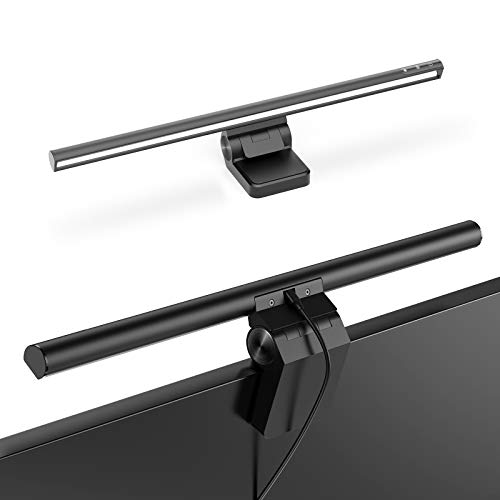
Best Lighting For Computer Desk 2026 For Focused Work

Best Boat Black Lights 2026 For Nighttime Adventure

Best Black 30 Inch Light Bar Reviews – Top Picks of 2026

Best Black Light For Aquarium 2026 For Vibrant Glow

Best Black Light for Authenticating Glass 2026 Top Picks
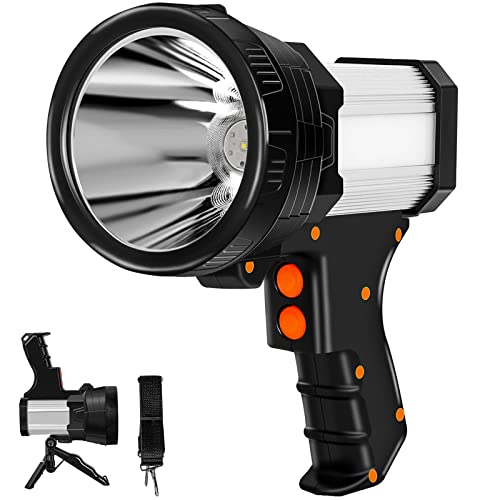
Best Waterproof Spotlight 2026 That Outshines Expectations






