
Best Smoke Extractor Fan For Kitchen 2026 Picks

A lingering cloud of smoke can turn a quick stir-fry into an evening of open windows, noisy portable fans, and fabric that smells like dinner. The best smoke extractor fan for kitchen setups tackle that mess close to the source, pulling away airborne grease, steam, and strong odors before they drift through the house. Raw power matters, but bigger numbers don't automatically mean cleaner air. Airflow capacity, hood coverage, duct layout, filter condition, and installation height all shape how well the fan handles real cooking.
A wide extraction area makes a noticeable difference over large cooktops because smoke rarely rises in one tidy column. It curls outward, especially during frying, searing, and wok cooking, so a narrow hood may let fumes slip around the edges. A canopy that matches or slightly exceeds the cooktop width usually captures more of that wandering plume. Still, oversized equipment can feel bulky in a tight kitchen, so the footprint needs to make sense for the cabinets and available headroom.
Ducted extraction usually removes smoke and moisture more effectively because it sends polluted air outdoors rather than passing it through a filter and returning it to the room. The catch is installation. Long duct runs, sharp bends, undersized pipes, and restrictive exterior vents can choke airflow and make a capable motor sound louder than expected. A short, smooth route gives the fan an easier job, and frankly, that practical detail often matters more than flashy controls.
Ductless fans can still help where exterior venting isn't realistic, but expectations need to stay grounded. Grease filters catch oily particles, while carbon filters reduce some odors, yet recirculating systems don't remove the same amount of heat or humidity. Filter upkeep is the make-or-break issue here. Once grease builds up or carbon media becomes saturated, performance fades, odors hang around longer, and the motor may work harder without delivering better results.
Noise deserves just as much attention as airflow because a fan that roars over every conversation tends to stay switched off. Lower settings should handle simmering, boiling, and light sautéing without dominating the room, while a stronger boost mode can step in for smoky cooking. Well-designed housings, larger blowers running at moderate speeds, and solid mounting often produce a steadier sound than small motors spinning flat out. Even so, maximum mode will rarely be whisper quiet, and that's a fair tradeoff during a brief burst of heavy frying.
Controls should feel simple with wet or greasy hands. Clear push buttons, responsive touch panels, and easy-to-reach speed settings beat a crowded display that takes too much attention during meal prep. Built-in lighting also earns its keep by revealing oil shimmer, browning, and pan residue more clearly. Warm or neutral LEDs tend to feel comfortable, although replaceable bulbs may be easier to maintain over many years than sealed lighting modules.
Cleaning is where an attractive extractor either becomes a trusted kitchen tool or a weekly annoyance. Dishwasher-safe metal filters cut down on scrubbing, and smooth surfaces collect less grime around seams and decorative trim. Stainless steel shows fingerprints, glass can reveal every grease speck, and painted finishes may need gentler cleaners. No finish stays spotless by itself, so easy access and removable parts are worth more than a showroom shine that takes ages to restore.
The strongest setup balances smoke capture, tolerable sound, realistic installation, and manageable maintenance. A powerful fan connected to poor ductwork can disappoint, while a modest unit with good coverage and a direct vent path may clear the air surprisingly well. Think about the meals cooked most often, not the imaginary holiday feast that happens once a year. That simple reality check keeps the kitchen comfortable without paying for capacity, size, or features that won't earn their space.

- LFR Score9.2
LFR Score is a ranking system developed by lightfansreviews.com. LFR Score has no relationship or impact from any manufacturers or sales agent websites. Learn more
- BrandWumorlt

- LFR Score9.2
LFR Score is a ranking system developed by lightfansreviews.com. LFR Score has no relationship or impact from any manufacturers or sales agent websites. Learn more
- BrandZomagas

- LFR Score8.8
LFR Score is a ranking system developed by lightfansreviews.com. LFR Score has no relationship or impact from any manufacturers or sales agent websites. Learn more
- BrandAmico

- LFR Score8.8
LFR Score is a ranking system developed by lightfansreviews.com. LFR Score has no relationship or impact from any manufacturers or sales agent websites. Learn more
- BrandSHRINLUCK
- LFR Score8.8
LFR Score is a ranking system developed by lightfansreviews.com. LFR Score has no relationship or impact from any manufacturers or sales agent websites. Learn more
- BrandMdeinu

- LFR Score8.8
LFR Score is a ranking system developed by lightfansreviews.com. LFR Score has no relationship or impact from any manufacturers or sales agent websites. Learn more
- BrandHG Power
- LFR Score8.6
LFR Score is a ranking system developed by lightfansreviews.com. LFR Score has no relationship or impact from any manufacturers or sales agent websites. Learn more
- BrandAAOBOSI

- LFR Score8.4
LFR Score is a ranking system developed by lightfansreviews.com. LFR Score has no relationship or impact from any manufacturers or sales agent websites. Learn more
- BrandBreetee

- LFR Score8.4
LFR Score is a ranking system developed by lightfansreviews.com. LFR Score has no relationship or impact from any manufacturers or sales agent websites. Learn more
- BrandNIXOD

- LFR Score8.4
LFR Score is a ranking system developed by lightfansreviews.com. LFR Score has no relationship or impact from any manufacturers or sales agent websites. Learn more
- BrandBreetee

- LFR Score8.2
LFR Score is a ranking system developed by lightfansreviews.com. LFR Score has no relationship or impact from any manufacturers or sales agent websites. Learn more
- BrandAURVOX
Last update on 2026-07-08 / Affiliate links / Images, Product Titles, and Product Highlights from Amazon Product Advertising API
Wumorlt Portable Range Hood With Light
Smoke from tabletop grilling has a habit of drifting sideways before a fixed hood can catch it, and a small apartment can hold that smell for hours. The Wumorlt Portable Range Hood addresses that everyday headache with a compact, ventless design that sits close to the pan and recirculates filtered air into the room. It won't replace a professionally installed ducted hood for nonstop high-heat cooking, but its portable footprint, adjustable head, and layered filtration make it a practical alternative where permanent ventilation isn't possible. For indoor hot pot, occasional BBQ, RV meals, and countertop cooking, the idea makes plenty of sense.
Wumorlt Portable Kitchen Exhaust Fan
The core appeal is simple: this unit requires no ductwork, wall opening, or cabinet modification. It plugs into a standard outlet through its 70-inch power cord, sits roughly four inches from the cooking area, and begins pulling in fumes as soon as the fan is switched on. That setup avoids the usual mess of measuring vents, hiring installers, or asking a landlord for permission. Moving it between the kitchen counter, dining table, RV, and covered camping area also takes far less effort than dealing with a fixed appliance.
Its compact body is especially useful where every inch of counter space has a job. The fan can stay beside a portable burner during cooking, then move into a cabinet once dinner is done, which keeps a small prep area from feeling permanently crowded. That said, placement matters because a portable extractor has a smaller capture zone than a full-width range hood. Keeping it close to the source gives smoke less room to escape around the intake.
The 12-degree adjustable head adds a small but meaningful layer of control. Tall pots, shallow frying pans, tabletop grills, and hot pot vessels release fumes at slightly different heights and angles, so a fixed intake can miss part of the plume. Tilting the head toward the active cooking surface helps improve smoke capture without requiring stacks of books, improvised stands, or awkward counter arrangements. The adjustment range isn't huge, but it's enough to make positioning less fussy.
Filtration And Everyday Smoke Control
Wumorlt uses a five-layer filtration system built from aluminum, polymer material, and activated carbon. The metal and polymer layers are intended to catch airborne grease particles, while the carbon layers help reduce cooking odors before air returns to the room. This recirculating approach is useful where external venting isn't available, though it can't remove heat and moisture the way a ducted system can. Steamy cooking may still raise room humidity, even when smoke and greasy residue are reduced.
Dual carbon filters and carbon filter cotton give the machine more odor-control material than a basic desktop fan with a single thin pad. That matters during hot pot, pan-fried fish, bacon, or tabletop BBQ, where the smell often lingers long after visible smoke disappears. Still, carbon filters are consumable, and their effectiveness gradually drops as they absorb grease and odor compounds. Regular replacement should be treated as part of ownership rather than an optional chore.
The three fan speeds let the airflow match the mess instead of running at full power for every meal. Low speed makes sense for gentle simmering or light sautéing, while the higher settings are better suited to frying, grilling, and foods that release heavier fumes. A five-minute boost mode gives the fan a short burst of stronger extraction when smoke suddenly builds. That temporary boost is a sensible feature because the noisiest setting doesn't need to run throughout an entire meal.
Expectations should remain realistic, though. A compact recirculating fan catches smoke after it rises from the cookware, so cross-breezes, ceiling fans, and an intake placed too far away can pull fumes off course. A related discussion of whole-room air movement appears in ceiling fans for home, although strong overhead airflow may interfere with close-range smoke capture during cooking. Switching nearby fans to a gentler setting can help the extractor work with less competition.
Lighting, Cleaning, And Noise
The built-in ring LED light surrounds the intake area and spreads illumination across the cooking surface. That extra visibility helps with tasks that depend on subtle changes, such as watching oil begin to shimmer, checking browning on meat, or spotting sauce before it scorches. Overhead kitchen lights often cast shadows from the cook's body or nearby cabinets, so close-range lighting is more useful than it first sounds. It also makes tabletop hot pot easier to manage in dim dining areas.
Grease buildup is the unglamorous part of any extractor, and this model tries to ease that burden with a water-washing self-cleaning mode. The feature is designed to help clean residue from the internal fan blades, reducing the sticky film that can affect airflow and strain the motor over time. It doesn't eliminate manual maintenance, since filters, exterior surfaces, and reachable intake components will still need attention. Even so, easier internal cleaning lowers the odds of putting the job off until the fan smells stale or sounds rough.
Low-noise operation is another stated benefit, but sound perception will vary with fan speed, room size, and the surface beneath the unit. A hollow countertop or lightweight folding table can amplify vibration, while a solid counter tends to keep the sound more controlled. The lowest setting should be the least intrusive during conversation, whereas boost mode will naturally make itself heard. The useful tradeoff is that speed control allows quieter operation for mild cooking and stronger airflow only when the smoke demands it.
Strengths, Limits, And Best Uses
The strongest advantage is installation freedom. Renters can improve smoke control without drilling holes, RV owners can use it near a compact cooking station, and tabletop meals no longer have to rely only on an open window. Its portable body also makes seasonal storage straightforward, unlike a bulky countertop appliance that occupies space year-round. For cooking areas with no hood at all, that flexibility solves a very real problem.
The design also combines several conveniences that usually appear separately: adjustable airflow, a short boost cycle, task lighting, layered filters, and internal blade cleaning. None of these features is flashy on its own, but together they reduce the little frustrations that make portable extractors annoying to live with. The adjustable intake angle helps with different cookware, while the compact form avoids swallowing the entire counter. It feels built around temporary cooking setups rather than pretending to be a miniature commercial hood.
Its main weakness is the same limitation shared by every ventless desktop extractor. Filtered air returns to the room, so the unit can't carry moisture, heat, or all odor particles outdoors. Heavy searing or frequent deep frying may overwhelm the small capture area, particularly in a large open kitchen. A permanently ducted hood remains the stronger answer for intense daily cooking, while this fan is better viewed as localized smoke control for situations where structural changes aren't practical.
Maintenance costs deserve consideration as well. Carbon media eventually needs replacement, and neglected grease filters can restrict airflow regardless of how capable the motor is. The self-cleaning function helps with internal buildup, but it won't make the entire unit maintenance-free. Owners willing to clean the reachable parts and refresh the filters will get far more consistent odor reduction than those who treat it like a sealed appliance.
Practical Cooking Experience
Indoor hot pot is a natural fit because the fan can sit close to the table instead of several feet away under a wall-mounted hood. Steam will still escape, but the extractor can pull in oily vapor and stronger food odors before they spread through adjoining rooms. The ring light also brightens the center of the table without requiring another lamp. For long meals where ingredients cook in batches, continuous low or medium speed should feel more sensible than running boost mode repeatedly.
Countertop grilling and portable induction cooking place more demands on the fan. Greasy smoke rises quickly from meat and marinades, so the intake should be positioned near the downwind side of the cooking surface rather than wherever it looks most symmetrical. Tilting the head toward the strongest plume can improve capture, especially with shallow grills. A little experimentation is unavoidable, but once the effective position is identified, setup becomes much quicker.
RV use highlights both the product's strengths and its limits. The small body, plug-in operation, and lack of ducting suit tight spaces, while the filtration system helps keep cooking smells from settling into bedding and upholstery. On the flip side, compact interiors heat up quickly, and recirculation won't remove that warmth. Pairing the fan with safe window ventilation can provide better overall air control without expecting one small machine to handle every part of the problem.
Wumorlt's portable range hood makes the most sense as a focused tool rather than a full kitchen ventilation replacement. It captures nearby smoke, reduces grease and odor through layered filters, adds useful lighting, and stores away when the counter is needed for something else. The need for close placement and ongoing filter care is real, but neither drawback is unusual for this category. Its ductless convenience is the deciding benefit, especially where a traditional hood simply isn't an option.
30-Inch Stainless Steel Under-Cabinet Range Hood
A smoky skillet can expose weak kitchen ventilation in a hurry, especially once odors creep into nearby rooms and grease begins settling on cabinet doors. This 30-inch stainless steel model takes a more permanent approach than a portable extractor, pairing a 280 CFM airflow rating with ducted or recirculating installation. Its slim body, simple rocker controls, and modest two-speed fan favor straightforward daily use over elaborate settings. As a candidate for the best smoke extractor fan for kitchen use, it makes the strongest case in compact kitchens where cabinet clearance and uncomplicated operation matter.
30-Inch Under-Cabinet Kitchen Vent Hood
The hood measures 29.9 inches wide, 17.5 inches deep, and 4.7 inches high, giving it a low-profile shape beneath a standard 30-inch cabinet. That slim 4.7-inch body leaves more visual breathing room above the stove than bulkier chimney-style models. Stainless steel also fits easily beside common appliance finishes without making the cooking area look pieced together. Still, the nearly 17.5-inch depth should be measured against cabinet position and head clearance before installation.
Two rocker switches handle the fan and LED light, so there’s no touch panel, delayed response, or crowded control strip to figure out with greasy fingers. The two-speed operation keeps decisions simple: one setting for lighter simmering and another for cooking that releases more smoke. That simplicity has a downside, since there’s no middle speed for balancing airflow and sound. Even so, basic mechanical controls can feel refreshingly practical in a kitchen where the hood’s main job is to start quickly and keep working.
Installation requires more preparation than the clean product shape might suggest. The unit is designed for hardwired installation, and the compatible plug is sold separately, so it isn’t a plug-and-play appliance straight from the package. A junction box is also not included, even though enclosed wire connections are an important part of a safe setup. Anyone uncomfortable with electrical work should factor professional installation into the total cost rather than treating it as an afterthought.
Airflow And Smoke Capture
The maximum 280 CFM suction gives this hood enough stated capacity for routine boiling, sautéing, pan frying, and similar home cooking. It should have an easier time collecting smoke than a small desktop recirculating fan because the intake spans much more of a standard cooktop. Coverage matters here. A hood that nearly matches the stove width can catch fumes rising from multiple burners instead of relying on one narrow intake positioned beside the pan.
Cooking habits will decide whether 280 CFM feels sufficient. Eggs, pasta, sauces, and moderate stovetop frying place reasonable demands on the motor, while frequent wok cooking or hard searing can create smoke faster than a slim residential hood clears it. The high-speed setting is the sensible choice before oil reaches searing temperature, not after a cloud has already spread across the room. Starting the fan early helps establish upward airflow and gives the hood a better shot at catching grease near its source.
Capture also depends on mounting height and the surrounding air currents. A hood installed too high may let smoke roll outward before reaching the filter, while an open window or nearby overhead fan can pull the plume away from the intake. Air movement across bigger rooms raises a separate set of comfort questions, and a neutral reference appears in ceiling fans for great rooms for spaces where circulation extends well beyond the stove. During smoky cooking, gentler room airflow may help the hood collect fumes without competing against a strong cross-breeze.
Ducted And Ductless Flexibility
The convertible layout supports a 7-inch top round vent and a rectangular rear outlet, offering useful choices for kitchens with existing duct routes. Venting outdoors is the stronger arrangement because it carries smoke, heat, moisture, and odor away rather than sending filtered air back into the room. A short duct run with minimal bends will generally allow the motor to move air more freely. Cramped turns or undersized ductwork, by contrast, can restrict airflow and make the hood sound busier than its performance suggests.
Ductless operation serves kitchens where opening a wall or cabinet isn’t realistic. In that setup, the aluminum mesh and activated carbon cotton composite filter traps grease and reduces some cooking odor before air recirculates. The recirculating mode is useful for apartments or interior kitchens without an exterior vent, but it won’t remove steam or cooking heat. Boiling several pots can still leave the room humid, and strong food aromas may take longer to fade than they would with outdoor exhaust.
The convertible design adds flexibility, though buyers should decide on the installation method before mounting the hood. Ducted and ductless setups have different preparation needs, and switching later may involve reopening cabinets or changing vent components. The top and rear outlet choices are valuable only when they line up with the available route. Careful measuring saves a lot of muttering under the cabinet once the drill is already out.
Grease Filtration And Maintenance
The supplied filter combines an aluminum mesh layer with activated carbon cotton, allowing one component to address both grease particles and odor reduction. Aluminum mesh catches oily residue before it reaches the blower, helping protect internal parts from the sticky buildup common above frying pans. Carbon cotton handles a different job by absorbing some odor compounds, which is most relevant in ductless mode. That layered approach is sensible, although a single filter means maintenance can’t be postponed without affecting the whole system.
The manufacturer suggests replacing the filter every three to four months. Actual timing will vary with cooking frequency, grease levels, and whether the hood recirculates or exhausts outdoors, but the stated schedule gives ownership a clear recurring cost. A saturated activated carbon layer won’t keep absorbing odors effectively, and a grease-loaded mesh section can reduce airflow. Households that fry often may need to inspect the filter sooner instead of treating the calendar as a hard rule.
Cleaning the exposed stainless steel also takes a little discipline. Grease specks and fingerprints show quickly on reflective metal, particularly beneath bright kitchen lighting. A soft cloth and a cleaner suited to stainless steel should keep the surface presentable without scratching the grain. The simple flat exterior helps here because there are fewer decorative seams and ledges where residue can collect.
Lighting And Daily Operation
A single 2-watt LED light illuminates the cooktop while using little power. That close-range light can make it easier to watch browning, judge sauce consistency, and spot spills near the rear burners. One lamp won’t create the broad, even coverage of a multi-light hood, so the result may be brighter in the center than at the edges. Kitchens with weak ceiling lighting will probably notice that limitation more than rooms already equipped with good task lights.
The hood’s restrained feature set keeps daily operation uncomplicated. There’s no timer, automatic sensor, digital display, or multiple lighting level to manage, which may sound plain but also means fewer controls competing for attention. The rocker-button layout suits quick adjustments during active cooking. A thumb can change speed or switch on the light without navigating menus while a pan is demanding attention.
Noise expectations should remain tied to the slim housing and two-speed motor. High mode will likely be more noticeable than low mode because the fan is moving more air through a relatively compact enclosure. Solid mounting and properly sized ductwork can help reduce rattling or strained airflow sounds. The low-speed setting should be the more comfortable choice for simmering and routine stovetop work, while high speed earns its keep during brief smoky stretches.
Strengths, Weaknesses, And Practical Fit
The strongest combination here is full-width capture, a space-saving cabinet profile, and installation flexibility. Unlike a portable fan, this hood stays centered over the stove and doesn’t occupy prep space or require placement before every meal. Ducted use can remove contaminated air outdoors, while ductless conversion keeps the product viable where venting isn’t available. That versatility gives the hood broader usefulness than a fixed duct-only model.
The tradeoffs are just as concrete. Two speeds offer limited control, the 2-watt light is fairly modest, and hardwiring makes installation less convenient than plugging in a countertop appliance. The missing junction box and separately sold plug should be included in planning from day one. These installation extras don’t make the hood impractical, but overlooking them can turn a seemingly simple purchase into an interrupted afternoon project.
Heavy, smoke-intensive cooking may also expose the ceiling of its 280 CFM design. A larger blower and deeper capture canopy would be better suited to frequent wok tossing, blackened foods, or long high-heat sessions. For everyday meals, moderate frying, and kitchens where a bulky hood would crowd the cabinetry, the balance is more convincing. Its real advantage lies in doing the essential jobs with a thin body and familiar controls rather than piling on features that may never be used.
This model fits best where cabinet space is tight, a 30-inch cooktop needs broad coverage, and either ducted or recirculating installation may be required. Regular filter replacement and proper electrical preparation are part of the deal, not small-print details to ignore. Once those responsibilities are accepted, the hood offers a grounded mix of smoke capture, grease control, task lighting, and compact construction. The ducted versus ductless choice will ultimately shape how effectively it handles odor, moisture, and heat during real cooking.
30-Inch Stainless Steel Under-Cabinet Range Hood
A smoky skillet can expose weak kitchen ventilation in a hurry, especially once odors creep into nearby rooms and grease begins settling on cabinet doors. This 30-inch stainless steel model takes a more permanent approach than a portable extractor, pairing a 280 CFM airflow rating with ducted or recirculating installation. Its slim body, simple rocker controls, and modest two-speed fan favor straightforward daily use over elaborate settings. As a candidate for the best smoke extractor fan for kitchen use, it makes the strongest case in compact kitchens where cabinet clearance and uncomplicated operation matter.
30-Inch Under-Cabinet Kitchen Vent Hood
The hood measures 29.9 inches wide, 17.5 inches deep, and 4.7 inches high, giving it a low-profile shape beneath a standard 30-inch cabinet. That slim 4.7-inch body leaves more visual breathing room above the stove than bulkier chimney-style models. Stainless steel also fits easily beside common appliance finishes without making the cooking area look pieced together. Still, the nearly 17.5-inch depth should be measured against cabinet position and head clearance before installation.
Two rocker switches handle the fan and LED light, so there’s no touch panel, delayed response, or crowded control strip to figure out with greasy fingers. The two-speed operation keeps decisions simple: one setting for lighter simmering and another for cooking that releases more smoke. That simplicity has a downside, since there’s no middle speed for balancing airflow and sound. Even so, basic mechanical controls can feel refreshingly practical in a kitchen where the hood’s main job is to start quickly and keep working.
Installation requires more preparation than the clean product shape might suggest. The unit is designed for hardwired installation, and the compatible plug is sold separately, so it isn’t a plug-and-play appliance straight from the package. A junction box is also not included, even though enclosed wire connections are an important part of a safe setup. Anyone uncomfortable with electrical work should factor professional installation into the total cost rather than treating it as an afterthought.
Airflow And Smoke Capture
The maximum 280 CFM suction gives this hood enough stated capacity for routine boiling, sautéing, pan frying, and similar home cooking. It should have an easier time collecting smoke than a small desktop recirculating fan because the intake spans much more of a standard cooktop. Coverage matters here. A hood that nearly matches the stove width can catch fumes rising from multiple burners instead of relying on one narrow intake positioned beside the pan.
Cooking habits will decide whether 280 CFM feels sufficient. Eggs, pasta, sauces, and moderate stovetop frying place reasonable demands on the motor, while frequent wok cooking or hard searing can create smoke faster than a slim residential hood clears it. The high-speed setting is the sensible choice before oil reaches searing temperature, not after a cloud has already spread across the room. Starting the fan early helps establish upward airflow and gives the hood a better shot at catching grease near its source.
Capture also depends on mounting height and the surrounding air currents. A hood installed too high may let smoke roll outward before reaching the filter, while an open window or nearby overhead fan can pull the plume away from the intake. Air movement across bigger rooms raises a separate set of comfort questions, and a neutral reference appears in ceiling fans for great rooms for spaces where circulation extends well beyond the stove. During smoky cooking, gentler room airflow may help the hood collect fumes without competing against a strong cross-breeze.
Ducted And Ductless Flexibility
The convertible layout supports a 7-inch top round vent and a rectangular rear outlet, offering useful choices for kitchens with existing duct routes. Venting outdoors is the stronger arrangement because it carries smoke, heat, moisture, and odor away rather than sending filtered air back into the room. A short duct run with minimal bends will generally allow the motor to move air more freely. Cramped turns or undersized ductwork, by contrast, can restrict airflow and make the hood sound busier than its performance suggests.
Ductless operation serves kitchens where opening a wall or cabinet isn’t realistic. In that setup, the aluminum mesh and activated carbon cotton composite filter traps grease and reduces some cooking odor before air recirculates. The recirculating mode is useful for apartments or interior kitchens without an exterior vent, but it won’t remove steam or cooking heat. Boiling several pots can still leave the room humid, and strong food aromas may take longer to fade than they would with outdoor exhaust.
The convertible design adds flexibility, though buyers should decide on the installation method before mounting the hood. Ducted and ductless setups have different preparation needs, and switching later may involve reopening cabinets or changing vent components. The top and rear outlet choices are valuable only when they line up with the available route. Careful measuring saves a lot of muttering under the cabinet once the drill is already out.
Grease Filtration And Maintenance
The supplied filter combines an aluminum mesh layer with activated carbon cotton, allowing one component to address both grease particles and odor reduction. Aluminum mesh catches oily residue before it reaches the blower, helping protect internal parts from the sticky buildup common above frying pans. Carbon cotton handles a different job by absorbing some odor compounds, which is most relevant in ductless mode. That layered approach is sensible, although a single filter means maintenance can’t be postponed without affecting the whole system.
The manufacturer suggests replacing the filter every three to four months. Actual timing will vary with cooking frequency, grease levels, and whether the hood recirculates or exhausts outdoors, but the stated schedule gives ownership a clear recurring cost. A saturated activated carbon layer won’t keep absorbing odors effectively, and a grease-loaded mesh section can reduce airflow. Households that fry often may need to inspect the filter sooner instead of treating the calendar as a hard rule.
Cleaning the exposed stainless steel also takes a little discipline. Grease specks and fingerprints show quickly on reflective metal, particularly beneath bright kitchen lighting. A soft cloth and a cleaner suited to stainless steel should keep the surface presentable without scratching the grain. The simple flat exterior helps here because there are fewer decorative seams and ledges where residue can collect.
Lighting And Daily Operation
A single 2-watt LED light illuminates the cooktop while using little power. That close-range light can make it easier to watch browning, judge sauce consistency, and spot spills near the rear burners. One lamp won’t create the broad, even coverage of a multi-light hood, so the result may be brighter in the center than at the edges. Kitchens with weak ceiling lighting will probably notice that limitation more than rooms already equipped with good task lights.
The hood’s restrained feature set keeps daily operation uncomplicated. There’s no timer, automatic sensor, digital display, or multiple lighting level to manage, which may sound plain but also means fewer controls competing for attention. The rocker-button layout suits quick adjustments during active cooking. A thumb can change speed or switch on the light without navigating menus while a pan is demanding attention.
Noise expectations should remain tied to the slim housing and two-speed motor. High mode will likely be more noticeable than low mode because the fan is moving more air through a relatively compact enclosure. Solid mounting and properly sized ductwork can help reduce rattling or strained airflow sounds. The low-speed setting should be the more comfortable choice for simmering and routine stovetop work, while high speed earns its keep during brief smoky stretches.
Strengths, Weaknesses, And Practical Fit
The strongest combination here is full-width capture, a space-saving cabinet profile, and installation flexibility. Unlike a portable fan, this hood stays centered over the stove and doesn’t occupy prep space or require placement before every meal. Ducted use can remove contaminated air outdoors, while ductless conversion keeps the product viable where venting isn’t available. That versatility gives the hood broader usefulness than a fixed duct-only model.
The tradeoffs are just as concrete. Two speeds offer limited control, the 2-watt light is fairly modest, and hardwiring makes installation less convenient than plugging in a countertop appliance. The missing junction box and separately sold plug should be included in planning from day one. These installation extras don’t make the hood impractical, but overlooking them can turn a seemingly simple purchase into an interrupted afternoon project.
Heavy, smoke-intensive cooking may also expose the ceiling of its 280 CFM design. A larger blower and deeper capture canopy would be better suited to frequent wok tossing, blackened foods, or long high-heat sessions. For everyday meals, moderate frying, and kitchens where a bulky hood would crowd the cabinetry, the balance is more convincing. Its real advantage lies in doing the essential jobs with a thin body and familiar controls rather than piling on features that may never be used.
This model fits best where cabinet space is tight, a 30-inch cooktop needs broad coverage, and either ducted or recirculating installation may be required. Regular filter replacement and proper electrical preparation are part of the deal, not small-print details to ignore. Once those responsibilities are accepted, the hood offers a grounded mix of smoke capture, grease control, task lighting, and compact construction. The ducted versus ductless choice will ultimately shape how effectively it handles odor, moisture, and heat during real cooking.
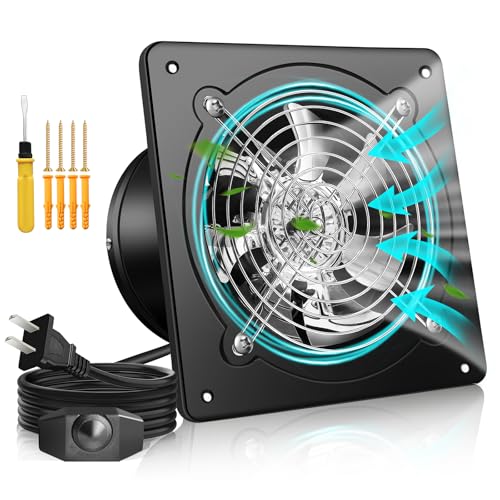
SHRINLUCK Portable Range Hood With Touch Control
Tabletop grilling can turn a cozy meal into a stubborn cleanup job once oily vapor settles on nearby cabinets, curtains, and furniture. The SHRINLUCK Portable Range Hood tackles that problem without asking for wall openings, ductwork, or permanent installation, making it a plausible contender for the best smoke extractor fan for kitchen setups with limited ventilation. Its side-facing exhaust, touch controls, three fan speeds, and layered filters are built around close-range smoke capture rather than whole-room extraction. That distinction matters because this compact appliance can reduce localized fumes, but it shouldn't be mistaken for a full-size ducted hood over a large stove.
SHRINLUCK Portable Kitchen Exhaust Fan
The side-vent layout gives this model a different airflow path from portable hoods that release filtered air through the top. Smoke and greasy vapor enter near the cooking source, pass through the multi-layer filtration system, and leave through the side instead of blowing upward toward the cook's face. That arrangement may feel more comfortable during hot pot or tabletop grilling, especially beneath low cabinets. Placement still carries plenty of weight, though, because fumes that drift beyond the intake can't be pulled backward once they spread across the room.
SHRINLUCK recommends keeping the unit at least four inches from the stovetop. That gap gives the intake room to pull air while keeping the housing away from direct heat, splatter, and cookware handles. A portable burner or compact grill should be arranged so the smoke plume rises toward the fan rather than crossing behind a tall pot. A little repositioning may be needed from one dish to the next, but that comes with the territory for any countertop extractor.
The touch-control panel keeps the front surface cleaner than stiff mechanical buttons surrounded by small seams. Greasy fingers can still leave marks, yet a flat panel is easier to wipe after cooking than a row of raised switches. The controls also give the unit a tidier countertop appearance, which helps when the fan stays visible between meals. Touch operation isn't automatically better in every kitchen, but the smooth control surface fits a product designed around quick cleanup.
Three Speeds And Close-Range Suction
Three fan settings allow the airflow to match the intensity of the meal. Low speed suits gentle simmering and light steaming, while medium speed makes more sense for sautéing, shallow frying, or a tabletop pot that releases a steady stream of vapor. Level three is intended for stronger smoke and heavier odor, including indoor grilling. That adjustable suction is more useful than a single on-off setting because maximum airflow isn't necessary for every pan on the stove.
The supplied instructions note that using one filter at level three may maximize suction during heavier cooking. That tradeoff is worth understanding before dinner gets smoky: additional filter material can improve particle and odor capture, but it also creates more resistance against the moving air. Removing layers may increase airflow while reducing some filtration depth. The practical balance depends on whether the immediate problem is visible smoke volume or lingering odor after the meal.
Portable suction works best before fumes scatter. Switching the fan on as the pan heats gives the air a consistent path, while waiting until smoke fills the room asks too much of a small intake. Cross-breezes can also interfere, particularly from open windows, standing fans, or strong ceiling airflow. Broader room circulation follows a different set of needs, and a neutral reference appears in ceiling fans with light for spaces where comfort airflow extends beyond the immediate cooking area.
Layered Filtration And Odor Control
The filtration package combines three aluminum four-core filters, polymer layers, and activated carbon layers. Aluminum handles the greasy portion of the plume, helping intercept droplets before they coat the internal fan assembly. Polymer material adds another barrier for finer residue, while activated carbon is intended to absorb part of the odor load. Each layer serves a different purpose, so the system isn't simply a thick pad doing the same job several times.
The white filter pads are designated for grease, while the black pads focus on fumes and odors. That color distinction makes replacement less confusing, particularly after the original packaging has been stored away. Ten oil filters and ten carbon filters are included, reducing the need to source replacements immediately. Still, the claim that they will cover years of use depends heavily on cooking frequency, grease output, and how consistently the pads are changed.
Recirculation has a hard limit that no stack of carbon filters can erase. The fan returns treated air to the room rather than carrying heat and moisture outdoors, so boiling and hot pot can still leave the space warm and humid. Strong aromatics may also remain noticeable after cooking, particularly once the carbon media becomes saturated. The ductless design prioritizes convenience and portability, not the complete removal of everything released by a hot pan.
Noise, Size, And Everyday Placement
The listed operating range of 37 to 55 dB suggests a meaningful difference between lower and higher speeds. Low mode should be less intrusive during conversation, while level three will naturally make more noise as the fan pushes harder against the filters. Counter material can alter the perceived sound, too. A solid surface usually contains vibration better than a hollow folding table, so the actual noise experience may vary even when the motor speed stays the same.
Compact construction is a major benefit in apartments, dorm rooms, RVs, and kitchens where prep space disappears quickly. The fan can sit beside a portable cooker during use, then move to a shelf or cabinet once it cools and has been wiped down. That flexibility avoids dedicating permanent counter space to ventilation equipment. The compromise is a smaller capture area, which means careful positioning matters far more than it would with a hood spanning the full width of a stove.
A 75-inch power cord gives more placement freedom than a short lead, but the route still needs to stay clear of hot cookware and wet surfaces. Loose cable shouldn't cross the cooking zone or hang where someone can snag it during a crowded meal. Plug-and-play operation removes the need for wiring work, which is a relief in rented spaces. Even so, safe cord management deserves the same attention as filter maintenance and fan placement.
Cleaning And Ongoing Maintenance
The removable grease container handles residue that makes it through the filters or drains from the intake area. Taking out the cup and washable components should be less frustrating than cleaning a sealed housing with narrow internal corners. A quick rinse may handle fresh grease, but cooled oil can become sticky and may require warm water and a mild degreasing soap. The removable collection system helps, though it doesn't turn cleanup into a completely hands-off task.
Filter replacement is central to maintaining suction. Grease-loaded pads restrict airflow, forcing the motor to work against a clogged barrier while capturing less smoke at the source. Saturated carbon pads also lose their ability to hold odors, even when they still look usable from the outside. Regular inspection is a better habit than waiting for the fan to become noticeably weaker or for cooking smells to linger longer than usual.
The touch panel, outer housing, and vent opening will also collect a thin film over time. Wiping those areas shortly after the unit cools prevents residue from hardening into a tacky layer that attracts dust. Harsh abrasive pads could scratch the finish or cloud the control surface, so a soft cloth is the safer route. Consistent, light maintenance protects both the clean appearance and the airflow path without turning each cleaning session into a major chore.
Strengths, Weaknesses, And Realistic Use
The strongest part of the design is its combination of no-installation convenience and flexible filtration. It can move between a small kitchen, dining table, RV counter, or temporary cooking station without drilling, hardwiring, or routing a duct. Three speeds provide more control than a basic desktop fan, and the included replacement filters lower the immediate upkeep burden. For occasional indoor BBQ, hot pot, and portable burner meals, those features address practical annoyances rather than adding decorative extras.
The main weakness is limited capture reach. A compact intake can't cover several burners or collect smoke that rises from the opposite side of a wide griddle. Tall cookware may block the airflow path, and strong room currents can carry fumes away before the fan catches them. The best results depend on keeping the unit close, choosing the correct speed early, and accepting that some steam or odor may remain.
The advertised 10-year warranty and lifetime technical support sound reassuring, but support quality can't be judged from the supplied specifications alone. Coverage terms, exclusions, replacement procedures, and filter availability deserve attention before those promises carry much weight. The included filters have immediate, measurable value because they're physically part of the package. Long-term service, by contrast, remains a manufacturer commitment that should be evaluated through the written warranty terms rather than promotional wording.
SHRINLUCK's portable hood makes the most sense as a focused smoke-control tool for smaller cooking zones. It offers layered grease and odor filtration, side-directed exhaust, quiet lower-speed operation, and a cleanup routine that doesn't require taking the entire unit apart. Heavy daily frying on a full-size range may call for a wider ducted hood with outdoor exhaust. For space-limited cooking and tabletop meals, the portable, recirculating format offers a workable middle ground between opening a window and remodeling the kitchen.
700 CFM 8-Inch Wall-Mount Kitchen Exhaust Fan
Heavy frying can overwhelm a weak vent before the first batch leaves the pan, sending smoke across the ceiling and greasy odor into nearby rooms. This 8-inch wall-mount exhaust fan takes a direct route by pushing contaminated air outdoors instead of filtering it and returning it to the kitchen. Its stated 700 CFM airflow, variable speed controller, metal housing, and automatic damper give it the raw ingredients expected from a best smoke extractor fan for kitchen candidate. Still, it behaves more like a powerful room exhaust unit than a traditional hood, so installation location and make-up air will decide whether those specifications translate into useful smoke control.
700 CFM 8-Inch Kitchen Exhaust Fan
The fan uses seven large blades and a brushless motor rated to reach 2,600 RPM, with a stated power draw of 80 watts. That combination is designed for rapid air exchange rather than gentle recirculation around the stove. A wall position near the cooking zone can help remove heat, humidity, and odor before they drift deeper into the home. Mounted too far from the source, though, the fan may ventilate the room broadly while still allowing grease to settle around the range.
Its 700 CFM rating sounds substantial for an 8-inch unit, but airflow figures never tell the whole story by themselves. Wall thickness, exterior resistance, protective grilles, and pressure differences inside the home can reduce the air moved after installation. The fan will also need a clear supply of replacement air from a window, doorway, or dedicated vent. Without enough make-up air, suction can weaken and doors may become harder to open while the motor is running near full speed.
This isn’t a countertop appliance that can be unpacked, plugged in, and shifted beside whichever pan happens to smoke. The fan requires an opening through a wall, ceiling, or compatible duct path, which makes it a more committed ventilation project. Once installed properly, however, it won’t occupy counter space or block access to burners. That fixed exhaust approach suits kitchens where portable filters feel like a temporary patch rather than a lasting answer.
Variable Speed Control In Daily Cooking
An infinitely adjustable speed controller is more useful here than a simple low-and-high switch. Gentle simmering may only need modest airflow, while shallow frying, griddle cooking, or searing can justify a much stronger pull. Dialing the fan down helps reduce unnecessary noise and energy use during lighter meals. The variable airflow also gives the motor room to work at a practical pace instead of running flat out every time someone boils pasta.
Full speed makes the most sense during short periods when smoke, steam, or heat rises quickly. Starting the fan before the pan becomes smoky lets the room establish an outward airflow path early, which usually works better than trying to clear a cloud after it spreads. Lower settings can remain active afterward to remove residual odor and humidity. That simple routine gets more value from the speed controller without treating maximum output as the default.
The controller also matters in colder or hotter weather. Exhausting hundreds of cubic feet per minute can carry conditioned indoor air outside along with cooking fumes, so constant full-power use may make heating or cooling systems work harder. A moderate setting can strike a better balance during routine cooking. The fan’s strength is adjustability, while its practical weakness is that high airflow has a comfort cost if used longer than needed.
Brushless Motor And Metal Construction
The brushless motor uses double ball bearings, a design intended to reduce friction and support smoother long-term operation. Less mechanical contact can help limit wear compared with motors that rely on more friction-prone components. The product description also positions the motor as quieter and more energy-conscious than older designs. Those benefits are plausible, but the supplied information doesn’t include a measured noise rating, so quiet operation should be treated as relative rather than silent.
Metal construction gives the fan a sturdier feel than lightweight plastic housings commonly used in small utility vents. Kitchens expose ventilation equipment to warm air, moisture, and airborne grease, making corrosion resistance more than a cosmetic detail. A rigid shell can also help keep the motor and blade assembly aligned during operation. Even so, metal durability still depends on finish quality and regular cleaning, especially if salty vapor or sticky residue is allowed to sit for months.
The dense protective mesh reduces the chance of fingers or loose objects reaching the moving blades. That barrier is useful in workshops, garages, pet rooms, and kitchens where equipment may be mounted within reach. Mesh also adds airflow resistance and can collect grease, dust, or lint over time. Regular inspection protects both safety and airflow, since a clogged guard can make a capable motor work harder for less ventilation.
Damper Design And Outdoor Protection
An automatic closing valve helps block insects, debris, and outside air when the fan is switched off. That feature is especially useful on exterior walls where an unprotected opening could invite drafts or pests into the room. During operation, the air pressure should push the damper open so fumes can escape. The backdraft protection adds everyday convenience, although grease buildup around the moving flap may eventually affect how freely it opens and closes.
Damper movement should be checked after installation rather than assumed. A flap that catches on siding, a crooked wall sleeve, or excessive sealant can restrict the opening and reduce airflow. Outdoor wind can also cause lightweight dampers to chatter under certain conditions. Careful alignment keeps this small component from becoming the weak point in an otherwise powerful exhaust path.
Whole-room airflow can overlap with other circulation equipment, and a neutral reference appears in Hunter ceiling fans with light and remote for rooms where overhead circulation serves a separate comfort role. Strong crossflow near the stove may pull smoke away from the exhaust opening before it can leave the kitchen. During high-heat cooking, gentler ceiling-fan settings may help the wall extractor maintain a clearer route. The two products solve different problems, so airflow direction matters more than simply running every fan at maximum speed.
Installation Size And Electrical Reach
The outer dimensions are listed as roughly 9.8 by 9.8 by 7.5 inches, while the actual cylinder diameter is 7.5 inches. That difference is crucial because the nominal 8-inch label refers to the intended duct or wall opening class, not the exact diameter of the internal barrel. Measuring the opening before purchase avoids a nasty surprise after cutting begins. The small clearance around the cylinder is intended to leave room for electrical routing and installation tolerances.
The included 8.2-foot power cord gives the installer more freedom to reach an outlet from a high wall or ceiling position. A longer cord can reduce the temptation to rely on a loosely placed extension lead near hot or damp areas. Cable routing still needs to remain tidy and protected from sharp metal edges. The extended power cord simplifies placement, but it doesn’t replace proper electrical planning or local installation requirements.
Four screws and installation hardware are included, along with a user manual. The rounded panel edge is a thoughtful touch because sheet-metal corners can be unpleasant during overhead or wall-mounted work. Even with those conveniences, cutting through an exterior wall and sealing the opening is more demanding than mounting a decorative shelf. Proper weatherproofing, level positioning, and secure support protect the installation integrity long after the first test run.
Cleaning And Grease Management
The detachable design allows access for cleaning grease and debris from the blades, housing, mesh, and damper. That matters in a kitchen because sticky residue can change blade balance, restrict the protective grille, and make the motor sound rougher over time. Regular wipe-downs are easier than waiting until the assembly develops a thick brown film. The serviceable construction gives this model an advantage over sealed utility fans that are awkward to reach internally.
This exhaust fan doesn’t include the broad grease filters found beneath a traditional range hood. As a result, some oily particles may travel through the fan and collect on the blades, wall sleeve, exterior flap, or surrounding surfaces. Placing it near the cooking area improves smoke removal but may also increase the cleaning burden. That filterless airflow path favors raw ventilation capacity over grease separation.
Cleaning frequency will depend on what leaves the pan. Steaming vegetables and boiling water produce less oily residue than frying bacon, searing meat, or cooking with a wok. A kitchen used for frequent high-heat meals will need closer inspection than a garage or attic installation. The fan can move a lot of air, but maintenance remains part of the bargain if grease-heavy cooking is common.
Strengths, Weaknesses, And Practical Fit
The strongest feature is the combination of 700 CFM airflow and precise speed adjustment in a relatively compact 8-inch format. It can remove heat, humidity, and smoke directly outdoors, which gives it a fundamental advantage over recirculating desktop extractors. The brushless motor, metal housing, long power cord, and automatic damper support use beyond the kitchen as well. That broad utility makes sense in garages, workshops, basements, greenhouses, and other spaces needing continuous ventilation.
The main limitation is its lack of a capture canopy. A range hood gathers smoke directly above the cooktop, while a wall exhaust fan depends on room airflow to carry fumes toward the opening. Poor placement can leave smoke hovering over the stove even while plenty of air exits elsewhere. For kitchen use, location is every bit as important as motor power.
Noise may also become noticeable near the highest setting. Seven blades turning as fast as 2,600 RPM and moving a stated 700 CFM won’t behave like a barely audible desk fan, even with a brushless motor. Variable control gives a useful escape hatch because everyday ventilation can run below maximum. Buyers expecting silence should temper that expectation, while those prioritizing fast smoke removal may accept the stronger sound during brief cooking bursts.
This fan suits a kitchen with a suitable exterior wall, enough replacement-air access, and a willingness to perform a real installation. It’s less appropriate for renters who can’t cut openings, kitchens needing built-in lighting, or cooktops that require a wide overhead grease-capture area. Used in the right layout, the direct outdoor exhaust can clear heat and odor more decisively than a small recirculating unit. Used in the wrong spot, its impressive airflow may ventilate the room without fully solving the smoke rising from the pan.

Best Quiet Ceiling Fan For Bedroom 2026 Ultimate Comfort Picks

Best Ceiling Fan For Master Bedroom 2026 With Ultimate Comfort

Best White Ceiling Fan With Light For Bedroom 2026 Top Picks

Best Quorum Medallion Ceiling Fan 2026 With Style & Breeze
Best Outdoor Fan For Pergola 2026 Comfort Boost

Best Ceiling Fan For Great Room 2026 With Ultimate Comfort

Best Outdoor DC Ceiling Fans 2026 For Breezy Comfort
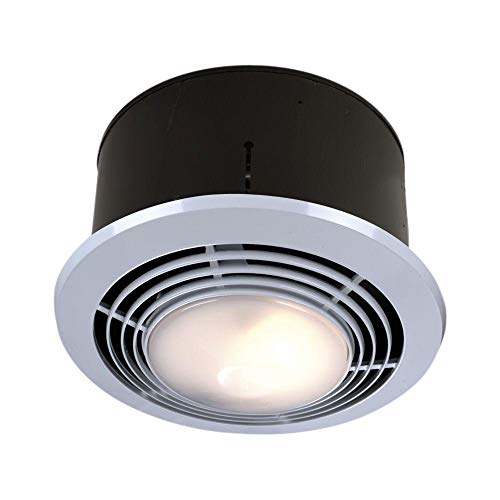
Best ceiling exhaust bath fan with light and heater 2026





