Best Table Lamp for Study 2026, Sharp Picks

Best table lamp for study shopping gets tricky fast because a pretty lamp can still leave notebooks shadowy, screens washed out, and eyes feeling cooked after one long chapter. A solid study lamp should give steady task lighting, not a harsh spotlight that turns every page into a glare trap. Brightness matters, sure, but control matters more. Too dim, and concentration slips. Too sharp, and the desk starts feeling like an interrogation room.
Adjustable brightness makes the biggest day-to-day difference because study sessions don’t all feel the same. A bright setting helps with handwriting, diagrams, and textbook margins packed with tiny print. A softer level feels better for review notes, flashcards, or winding down without fully killing focus. That little bit of control saves a lot of squinting, and honestly, it’s the kind of feature that sounds boring until it’s missing.
Color temperature deserves attention too. Cool white light can help keep the brain alert during early evening work, while warmer light feels less aggressive during late-night reading. Some lamps let you shift between modes, which is handy in rooms that do double duty as bedrooms, work corners, or shared spaces. Still, the brightest setting isn’t always the smartest one. A balanced beam with low flicker and decent diffusion usually feels better over time than raw brightness alone.
Desk space is another pain point hiding in plain sight. A bulky base can crowd a laptop, pencil cup, water bottle, and half-open planner before the real work even starts. Slim bases, clamp designs, and foldable arms help keep the surface usable without turning the setup into a juggling act. But there’s a tradeoff. Ultra-light lamps may wobble if the arm extends too far, so stability shouldn’t get tossed aside for a sleeker look.
A good LED study lamp should also stay cool, sip power, and avoid that annoying buzz some cheaper lights make after an hour. USB ports, timers, and memory settings can be useful, but they shouldn’t distract from the basics: clean light, easy adjustment, and a head that points exactly where the page needs it. The right lamp won’t magically make studying fun, let’s be real. It simply removes the little lighting problems that make focus harder than it has to be.

- LFR Score9.6
LFR Score is a ranking system developed by lightfansreviews.com. LFR Score has no relationship or impact from any manufacturers or sales agent websites. Learn more
- BrandPzloz

- LFR Score9.4
LFR Score is a ranking system developed by lightfansreviews.com. LFR Score has no relationship or impact from any manufacturers or sales agent websites. Learn more
- BrandHoneywell
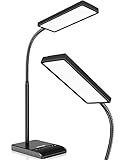
- LFR Score9.4
LFR Score is a ranking system developed by lightfansreviews.com. LFR Score has no relationship or impact from any manufacturers or sales agent websites. Learn more
- BrandLEPOWER

- LFR Score9.4
LFR Score is a ranking system developed by lightfansreviews.com. LFR Score has no relationship or impact from any manufacturers or sales agent websites. Learn more
- BrandLepro

- LFR Score9.4
LFR Score is a ranking system developed by lightfansreviews.com. LFR Score has no relationship or impact from any manufacturers or sales agent websites. Learn more
- BrandHoneywell

- LFR Score9.2
LFR Score is a ranking system developed by lightfansreviews.com. LFR Score has no relationship or impact from any manufacturers or sales agent websites. Learn more
- BrandAirlonv

- LFR Score9.2
LFR Score is a ranking system developed by lightfansreviews.com. LFR Score has no relationship or impact from any manufacturers or sales agent websites. Learn more
- BrandVoncerus

- LFR Score9.0
LFR Score is a ranking system developed by lightfansreviews.com. LFR Score has no relationship or impact from any manufacturers or sales agent websites. Learn more
- BrandDott Arts

- LFR Score8.6
LFR Score is a ranking system developed by lightfansreviews.com. LFR Score has no relationship or impact from any manufacturers or sales agent websites. Learn more
- BrandWhite crown

- LFR Score8.6
LFR Score is a ranking system developed by lightfansreviews.com. LFR Score has no relationship or impact from any manufacturers or sales agent websites. Learn more
- BrandACNCTOP
Last update on 2026-06-01 / Affiliate links / Images, Product Titles, and Product Highlights from Amazon Product Advertising API
Best Table Lamp For Study With Wide Desk Coverage
Late-night study sessions can go sideways fast once shadows start creeping across notebooks and monitor glare kicks in. Tiny desk lamps usually look fine at first, then suddenly half the keyboard disappears into darkness while the other half feels like a dentist’s spotlight. That’s where the best table lamp for study setups start separating themselves from decorative desk clutter. This dual-head LED lamp leans heavily into practical lighting instead of flashy gimmicks, especially for larger desks packed with books, screens, sketchpads, or scattered sticky notes.
Led Desk Lamp For Office Home
Desk coverage stands out immediately here. The dual lamp bars stretch surprisingly wide, so the light spreads evenly across long desks instead of creating one harsh bright circle in the center. That matters more than people think. Reading under uneven light gets irritating after an hour, especially during detailed tasks like drafting, editing documents, or reviewing dense textbook pages.
The adjustable clamp also changes the whole desk setup experience. Traditional lamps eat up precious surface space, which becomes frustrating once laptops, charging cables, coffee mugs, and notebooks start piling up. This clamp system keeps the base completely off the desk, leaving more breathing room for actual work. Small apartment desks and compact dorm setups benefit a lot from that arrangement.
Brightness control feels thoughtfully designed instead of tossed in as an afterthought. Five color temperatures paired with multiple brightness levels create enough flexibility for different moods and routines. Warm light feels calmer during evening reading, while cooler tones help keep focus sharper during early morning work sessions. The transition between brightness settings also feels smooth rather than aggressively jumpy.
Still, this isn’t exactly a tiny minimalist lamp. The wider arm span works beautifully for large desks, but cramped setups may feel crowded once the arms fully extend. People expecting a subtle decorative accent piece could find the design a bit industrial looking. Then again, this lamp clearly prioritizes function over aesthetics, and honestly, that tradeoff makes sense here.
Lighting That Handles Dual Monitor Desks Better
Dual monitor lighting creates weird challenges most standard lamps fail to solve. One screen usually catches glare while the other sits awkwardly dim. This model handles that problem better because the split lamp heads distribute light across a broader angle instead of firing one concentrated beam directly downward.
The gooseneck flexibility adds another layer of control. Adjusting the lamp around stacked books, curved monitors, or drafting materials feels quick and natural without requiring constant tightening screws or awkward repositioning. That flexibility matters during long study stretches where posture and desk layout keep changing every hour or so.
Eye comfort becomes a real talking point after extended use. Harsh flickering lights can quietly wear people down over time, especially during detailed reading or computer-heavy tasks. This lamp produces softer illumination with less aggressive glare, which helps reduce that tired, scratchy-eye feeling that sneaks in during marathon study nights.
On the flip side, people sensitive to cooler LED tones may spend some time tweaking settings before finding the sweet spot. Not every mode feels equally natural depending on room color, wall reflections, or screen brightness. The good news is the controls are flexible enough to adjust around those quirks instead of locking users into one lighting style.
Remote Features Feel More Useful Than Expected
Remote control functionality sounds lazy on paper, yet it becomes oddly convenient once daily routines settle in. Reaching behind a monitor arm or leaning across cluttered desks gets annoying fast, especially during focused work sessions. The wireless remote simplifies brightness adjustments without interrupting concentration every few minutes.
The memory function deserves more appreciation than flashy marketing usually gives it. Nobody enjoys resetting preferred brightness and color settings every single evening. This lamp remembers previous adjustments, so the setup feels consistent instead of constantly fiddly. That tiny convenience removes more friction than expected during busy workweeks.
Timer mode also lands differently depending on study habits. Some people push through exhaustion without realizing how long they’ve been sitting at the desk. The one-hour shutoff acts like a subtle reminder to pause, stretch, or step away briefly before burnout kicks in. It’s not groundbreaking technology, but it does support healthier pacing during repetitive tasks.
In some cases, people already building smart entertainment setups may also care about responsive control accessories, and best remote control for Sonos discussions often focus on the same convenience-first mindset that makes hands-free desk adjustments feel less distracting during long work sessions.
Real Desk Situations Where It Performs Best
Study environments vary wildly, and this lamp clearly fits some setups better than others. Large shared desks, engineering workstations, sewing tables, and drafting corners benefit heavily from the wide light spread. People juggling both physical paperwork and digital screens at the same time will probably appreciate the balanced illumination the most.
Craft projects also pair naturally with this style of lighting. Fine stitching, sketching, model building, and detailed handwriting all depend on consistent visibility across broader surfaces. One concentrated spotlight usually creates awkward shadows from hands and tools, while this wider coverage softens that issue considerably.
Heat management stays fairly controlled during extended use too. Some older desk lamps gradually warm the surrounding area enough to become distracting after several hours. This LED setup remains cooler overall, which helps during summer evenings or smaller rooms with weaker airflow. Long study nights already feel draining enough without extra heat building around the workspace.
The mounting clamp feels sturdier than many lightweight budget lamps floating around online marketplaces. Once attached properly, the structure stays fairly stable even while adjusting the gooseneck repeatedly. That sounds minor, but wobbling lamps become surprisingly irritating during concentrated reading sessions.
Pros And Cons After Extended Use
Pros start with the broad lighting coverage. Large desks finally feel evenly lit instead of patched together with random bright and dark zones. The clamp saves desk space effectively, and the adjustable arms make positioning far easier than stiff traditional lamps. Multiple brightness and color combinations also help adapt the lamp to different tasks throughout the day.
Eye-friendly lighting helps reduce visual fatigue during long reading sessions, especially compared to cheap lamps that flicker subtly or create sharp hotspots. The memory function keeps routines smoother, while the remote simplifies quick adjustments without interrupting workflow. Build stability also feels reassuring once mounted properly to a desk edge.
Cons mainly revolve around size and visual style. Smaller desks may struggle to accommodate the full arm extension comfortably. The design also leans functional rather than cozy, so minimalist decorative setups might find it slightly bulky. Some brightness modes can feel cooler than expected depending on room lighting conditions.
The lamp also favors wider workspaces more than compact bedside setups. People wanting soft ambient lighting for casual nighttime reading may find the structure a bit oversized for that purpose. But for focused studying, drafting, reading, or computer-heavy work, the functionality lines up much more naturally with real daily use.
Best Table Lamp For Study With Eye-Friendly Lighting
Dim rooms can quietly wreck concentration long before fatigue even shows up. Glare bouncing off notebooks, uneven lighting across a keyboard, and that washed-out feeling after staring at bright LEDs for hours all add up fast. The best table lamp for study setups usually solve those tiny annoyances before they become real distractions. Honeywell’s Sunturalux desk lamp leans into that idea with a softer lighting approach, practical charging features, and enough flexibility to handle crowded desks without feeling clunky.
Honeywell Sunturalux Desk Lamp
Natural-looking light becomes the first thing most people notice with this lamp. The Sunturalux LED system aims to mimic daylight more closely instead of pushing out the cold, sterile brightness that cheaper desk lamps often rely on. Long reading sessions feel easier on the eyes, especially during evenings when overly blue light can make a room feel harsh and uncomfortable. That softer tone helps printed pages look cleaner and less reflective too.
The CRI rating also deserves attention because color accuracy matters more than people realize. Notes highlighted in different colors stay distinct instead of blending into muddy shades under weak LEDs. Sketches, diagrams, and textbooks with detailed visuals look more natural, which helps reduce eye strain during long study stretches. Small detail, sure, but it changes the whole reading experience over time.
Flicker-free lighting gives the lamp another practical advantage. Some budget desk lamps create subtle flickering that people barely notice at first, then suddenly headaches or tired eyes start creeping in halfway through a work session. Honeywell’s softer light delivery avoids that sharp, jittery feel. The result feels calmer, especially in darker rooms where harsh lighting tends to stand out more aggressively.
That said, the lamp leans more toward balanced comfort than ultra-intense brightness. People working with oversized drafting tables or large dual-monitor setups may want a wider lighting spread. The 11-inch panel covers standard desks nicely, but extra-large workstations could still need supplemental lighting in certain corners.
Brightness Modes Feel More Thoughtful
Lighting customization can easily turn gimmicky, but this setup keeps things practical. Four color modes paired with dimming controls give enough flexibility without burying users under complicated menus or endless presets. Warm tones feel relaxing during late-night reading, while cooler settings help sharpen focus during busy mornings or heavy editing sessions.
The touch controls respond smoothly too. Sliding a finger across the brightness panel feels cleaner than repeatedly stabbing at stiff physical buttons. Tiny interaction details like that sound minor until daily routines settle in. Then suddenly, awkward controls become one of those little frustrations nobody wants to deal with.
Professional work mode stands out as a surprisingly useful preset. Instead of endlessly adjusting brightness every time lighting conditions change, the lamp provides a balanced setup aimed at computer work and desk tasks. That consistency helps during long stretches of studying where constant light changes can quietly break concentration.
One practical limitation does show up with touch-sensitive controls, though. Dust or fingerprints become more noticeable on glossy control panels over time, especially in busy study spaces. It’s not a huge problem, but people who prefer tactile physical switches may need a short adjustment period.
Desk Clutter Feels Less Annoying
USB charging ports quietly make daily desk life less chaotic. Phones, wireless earbuds, small speakers, and tablets constantly compete for limited wall outlets, especially in bedrooms or compact apartments. Having both USB-A and USB-C charging ports built directly into the lamp base simplifies the whole setup.
The placement feels genuinely practical rather than decorative. Charging cables stay within reach without stretching awkwardly across the desk or disappearing behind furniture. That matters more than flashy design details once study materials, coffee cups, and tangled chargers start fighting for space.
Foldable construction also helps the lamp adapt better to real-world desk setups. The adjustable head rotates smoothly, and the folding arm makes it easier to reposition lighting without dragging the entire lamp around the surface. Smaller desks especially benefit from that flexibility because fixed-angle lamps can quickly feel restrictive in cramped spaces.
In some cases, home setups that rely heavily on connected entertainment devices also overlap with streamlined desk organization habits, and a related reference appears in best remote control for Kodi discussions where convenience and simplified control layouts become part of the overall room setup.
Reading Sessions Feel Less Fatiguing
Eye comfort changes dramatically during longer reading sessions, and this lamp clearly focuses on reducing that worn-out feeling people get after staring at bright screens and dense text for hours. Softer illumination helps printed pages look more even, while reduced glare keeps reflective paper from becoming distracting under direct light.
Nighttime studying benefits quite a bit from the warmer color temperatures. Harsh cool-white lamps can make late-night work feel mentally exhausting after a while, especially in darker bedrooms or quiet apartments. This lamp’s warmer settings create a calmer atmosphere without making the workspace feel sleepy or dim.
Memory settings also remove small routine annoyances. Nobody enjoys readjusting brightness every evening just to recreate the same preferred setup again and again. The lamp remembers previous settings, which helps work sessions feel more seamless instead of constantly interrupted by fiddling with controls.
The 30-minute timer adds another subtle convenience. Some people drift off while reading or accidentally leave desk lights running overnight. Automatic shutoff handles that problem quietly in the background without turning the feature into a flashy selling point.
Strengths And Realistic Tradeoffs
Strengths lean heavily toward comfort, convenience, and desk-friendly functionality. The natural-looking light feels gentler than many cold LED desk lamps, while the flexible brightness controls adapt nicely to different routines. USB charging support keeps devices organized, and the folding structure works well for smaller workspaces where every inch matters.
The lamp also avoids looking overly industrial. Some study lamps prioritize raw brightness so aggressively that the entire setup starts resembling office equipment instead of a comfortable workspace. Honeywell’s cleaner shape blends more naturally into bedrooms, study corners, and shared living spaces.
Tradeoffs mostly involve lighting coverage and brightness expectations. People needing ultra-wide illumination for massive desks or detailed workshop projects may find the light spread slightly limited compared to larger dual-head architect lamps. The softer lighting style also prioritizes comfort over extreme brightness intensity.
Touch-sensitive surfaces may not appeal to everyone either. Physical button fans sometimes prefer the certainty of tactile controls, especially during late-night adjustments in darker rooms. Still, for reading, studying, laptop work, and general desk use, the balance between eye comfort and practical features feels thoughtfully tuned instead of overloaded with unnecessary extras.
LEPOWER 800LM LED Desk Lamp
A cramped desk can turn a simple study session into a mess of shadows, glare, and constant squinting. Notes sit on one side, laptop on the other, and suddenly the lamp that looked fine online can’t cover the real working area. That’s why the best table lamp for study needs more than a bright bulb. The LEPOWER 800LM LED Desk Lamp focuses on wide lighting, eye-caring output, and flexible control, which makes it feel built for long reading blocks, writing sessions, detailed crafts, and screen-heavy work.
LEPOWER 800LM LED Desk Lamp
The first thing that gives this lamp some weight is its RG0 eye-caring design. LEPOWER says the lamp uses RG0 lamp beads with professional optical lenses to prevent hazardous blue light under IEC 62778. That detail matters because harsh light can make a desk feel punishing after a while, especially during late study hours. Instead of blasting the page with a cold beam, this lamp aims for softer, safer-looking illumination.
The 800LM brightness gives it enough muscle for reading, writing, and detailed desk tasks without needing a second light nearby. Brightness alone isn’t the whole story, though. The upgraded panel is described as wider than typical desk lamps, and that wider surface helps spread light across the workspace instead of creating a small hot spot. That’s a big deal for anyone who flips between a notebook, textbook, keyboard, and tablet in the same session.
Study lighting can get annoying when it forces constant compromise. Too dim, and every sentence starts feeling heavier than it should. Too sharp, and the desk turns into a glare zone. LEPOWER’s mix of brightness, optical lens design, and broader panel tries to land in that middle lane where pages stay visible and the eyes don’t feel ambushed.
The lamp still has a practical personality rather than a decorative one. It’s not trying to look like a cozy bedside accent or a sculptural office piece. The gooseneck, wide panel, and touch controls all say the same thing: this is made for work, study, and task lighting. That honesty is refreshing, though it may feel a little plain in rooms built around soft decor.
Wide Light For Busy Desks
Lighting area is one of the more convincing parts of this desk lamp. LEPOWER lists a lighting area up to 50 inches, which gives it a broader reach than small lamps that only brighten a tight circle. That wider coverage helps with textbooks, printed notes, worksheets, sewing patterns, puzzles, or anything spread across the desk. Less shifting the lamp around, less fuss.
The upgraded lamp panel also changes the way shadows behave. A narrow light source can throw hard shadows from hands, pens, mugs, and monitor edges. A wider panel softens that problem because the light comes from a broader surface. For handwriting or drawing, that can make the difference between smooth focus and constant repositioning.
Brightness output is listed at 800 lumens with 1400 lux, so the lamp is clearly built for task visibility rather than gentle background glow. That suits serious desk work better than casual mood lighting. Still, stronger light needs control, and that’s where the dimming range becomes important. Nobody wants full brightness at midnight while reviewing a few flashcards.
The lamp’s wider panel may take up more visual space than smaller desk lights. On compact desks, the head could feel a bit dominant, especially if the setup already includes a large monitor or shelf above the workspace. But for wider desks where weak lighting leaves corners gloomy, the extra reach is the whole point.
Fifty Lighting Modes Feel Practical
Fifty lighting choices sounds like marketing fluff at first, but the setup is pretty straightforward. The lamp combines 5 color temperatures with 10 brightness levels, giving a broad range without requiring complicated controls. A cooler light can help during focused reading or work sessions. A warmer setting feels better when the room is already dark and the goal is to avoid that harsh, wired feeling.
The color temperature options make the lamp more adaptable than one-setting desk lights. Study habits aren’t the same at 9 a.m., 4 p.m., and after dinner. Morning desk work may need a cleaner, brighter tone, while evening reading benefits from something calmer. Having those choices means the lamp can shift with the room instead of forcing the room to work around it.
Touch controls give the whole lamp a cleaner daily rhythm. Traditional plus and minus buttons are still there, but the stepless slide-control bar makes brightness changes feel quicker. That matters during long sessions because tiny interruptions pile up. Fiddling with controls every few minutes can break momentum, especially during problem solving or close reading.
Smart memory adds another quiet convenience. The lamp remembers the last settings after being turned back on, so there’s no need to rebuild the same lighting setup every time. That’s especially useful for desks used at the same time each day. Once the preferred brightness and tone are set, the lamp behaves more like part of the routine than another gadget begging for attention.
Gooseneck Control And Desk Comfort
The 360-degree gooseneck gives this lamp a more hands-on feel than fixed-arm designs. Bending the light toward a textbook, angling it away from a glossy screen, or lowering it over a craft project feels natural. That flexibility helps because real desks are rarely neat little showroom setups. Books stack up, cables wander, and the lamp has to work around the chaos.
The metal gooseneck also gives the lamp a practical edge for detailed tasks. Drawing, sewing, nail work, puzzles, and crafts all need light aimed exactly where the eyes are working. A fixed lamp head can leave awkward shadows in those situations. With this design, the beam can be pulled closer, pushed back, or tilted aside without moving the entire base.
Eye comfort also depends on angle, not just brightness. Light pointed straight at reflective paper or a laptop screen can create glare even if the lamp itself is well designed. The adjustable neck helps reduce that issue by letting the light hit the work surface from a better direction. That’s a simple feature, but it matters during long study nights.
There is a tradeoff, of course. Gooseneck lamps rely on the neck holding its position well over time, and very frequent bending may not appeal to people who prefer rigid arms with set joints. The design feels better suited for flexible desk habits than for someone who wants a perfectly locked architectural arm. Practical, yes, but not ultra-formal.
Eye-Caring Design For Long Study Blocks
Blue light protection is the feature LEPOWER clearly wants people to notice. The RG0 certification claim, paired with optical lens design, gives the lamp a more safety-focused identity than many basic LED desk lights. For long study blocks, that kind of design matters because eye strain often sneaks in slowly. First it’s a little dryness, then the text starts feeling heavier, then focus goes out the window.
The lamp also targets a common problem with cheap bright LEDs: uncomfortable intensity. A lamp can be bright and still unpleasant if the light feels sharp, uneven, or unstable. LEPOWER describes this model as soft and bright, which is the right balance for study work. Bright enough to keep details visible, but not so aggressive that every page feels overexposed.
Study rooms often double as bedrooms, home offices, hobby spaces, or shared corners of a living room. That mixed-use reality makes adjustable lighting more valuable. The lamp can support reading one moment, then drawing or laptop work the next. A related lighting concern also appears in desk lamp for migraine sufferers, where glare control and visual comfort carry extra weight in daily routines.
This lamp won’t replace room lighting in every situation. Large rooms, dark wall colors, or deep desks may still need ambient light in the background to reduce contrast between the screen and surroundings. But as a focused desk lamp, the wide panel, dimming range, and adjustable neck make it better suited for real study use than small decorative lamps pretending to be task lights.
Strengths And Weak Spots
Strength starts with the balance between brightness and control. The 800LM output gives the lamp enough punch for serious desk tasks, while the 50 lighting modes keep it from feeling one-note. That combination makes it useful across reading, writing, crafting, drawing, and computer work. It doesn’t force one lighting mood onto every task.
The wider lamp panel is another major plus. Wider light coverage means fewer dark edges across the desk, especially during messy work sessions with papers spread out everywhere. The gooseneck makes the lamp easy to aim, and the smart memory function saves time for repeated use. Those aren’t flashy features, but they smooth out daily annoyances.
Weakness shows up mostly in style and footprint. This isn’t the lamp for someone chasing a warm, decorative bedside look. The design leans functional, and the wider panel may look a little assertive on a small desk. Some people may also prefer a clamp lamp if surface space is extremely limited.
The touch controls are convenient, but they may not satisfy everyone. Physical switches can feel easier to locate by feel in a dark room, while touch panels sometimes require a quick glance. Even so, the slide-control bar gives the lamp a modern, easy adjustment style that fits most desk routines. For the best table lamp for study category, the LEPOWER model makes its strongest case through comfort-focused lighting, useful brightness range, and a workspace-friendly beam spread.
Lepro LED Desk Lamp
Desk lighting can make a quiet study hour feel either focused or weirdly exhausting. A tiny pool of light leaves half the notebook in shadow, while a harsh beam bounces off screens and glossy textbook pages like it has something to prove. The best table lamp for study should sit in that sweet spot: bright enough for real work, soft enough for tired eyes, and compact enough to stay out of the way. The Lepro LED Desk Lamp takes that practical route with 800lm brightness, diffused non-flickering light, and a foldable metal design that feels more useful than flashy.
Lepro LED Desk Lamp
The shortened name fits because this lamp is refreshingly straightforward. Lepro LED Desk Lamp doesn’t pretend to be a luxury decor piece or a tech-heavy command center. It’s built around simple desk needs: enough light, enough adjustment, and enough control to keep reading, sewing, crafting, or puzzle work from feeling like a squinting contest. That plainspoken design is part of its appeal.
The 9.5W LED setup produces 800lm brightness, which gives the lamp enough output for focused tasks without turning the room into a bright office cubicle. That matters for study work because raw brightness alone can get uncomfortable fast. A lamp needs to spread light evenly, not just blast one spot. Lepro’s long lamp head and frosted shade help soften the beam across the desk.
The product description notes 72 energy efficient LEDs, and that wider LED layout gives the lamp a smoother feel than narrow single-source desk lights. Pages stay easier to read because the light doesn’t collapse into one sharp circle. For people who keep a laptop open beside handwritten notes, that broader span helps reduce the hard contrast between the monitor and the surrounding area.
There’s a practical mood to this lamp that I like. No app dependency, no overly complicated remote, no odd extras that sound clever but sit unused. The controls focus on lighting modes and brightness levels, which is exactly where a study lamp should spend its energy.
Lighting Modes That Actually Make Sense
The 5 color modes and 5 brightness levels create 25 possible lighting combinations, but the system still feels easy to understand. Bright white light suits laptop work, note rewriting, and tasks where small text needs extra clarity. Softer warm light fits bedside reading or late evening review sessions when the brain doesn’t need another jolt. That flexibility keeps the lamp from feeling locked into one personality.
Study routines change throughout the day, and lighting should change with them. Morning work often benefits from a clean, alert tone, while evening reading usually feels better under warmer light. The Lepro lamp gives enough range to handle those shifts without forcing constant compromise. Adjustable color temperature becomes less of a luxury and more of a sanity saver after a few long sessions.
The dimmable control also helps with shared rooms. Full brightness may be useful for crafting or textbook reading, but it can feel too loud visually in a bedroom or quiet corner. Dropping the brightness makes the lamp easier to live with, especially during lighter tasks like reviewing flashcards or reading fiction before sleep. Simple adjustment, big comfort difference.
Still, the lamp doesn’t offer endless fine-tuning like some more advanced models with stepless sliders or remote controls. That’s not necessarily a flaw. For many desks, 5 brightness levels are plenty. But anyone who wants micro-adjustments for very specific lighting preferences may notice the more basic control structure.
Eye Comfort And Diffused Light
Eye care lighting is where this lamp makes one of its stronger arguments. The description highlights diffused non-flickering lighting, along with a frosted shade designed to reduce glare. That combination matters during long reading blocks because eye fatigue usually builds quietly. First the page looks a little harsh, then the screen feels too bright, then focus starts slipping away.
The long lamp head also plays a role in comfort. A broader light source can soften shadows from hands, pens, and desk objects. That’s helpful for handwriting, sketching, and sewing because hard shadows tend to interrupt detailed work. The lamp doesn’t just brighten the desk; it makes the light feel less jumpy and uneven.
Monitor contrast reduction is another useful detail in the product description. A bright screen floating in a dark room can feel rough on the eyes, especially during evening work. By spreading soft light around the desk area, the lamp helps the screen blend more naturally into the environment. That’s a small ergonomic win, but it matters during multi-hour sessions.
The lamp won’t erase every eye strain issue, of course. Room lighting, screen brightness, posture, and break habits all play their part. Still, compared with harsh clip lights or tiny bedside lamps pressed into desk duty, the Lepro’s frosted shade and soft light spread make it better suited for steady study use.
Compact Shape For Crowded Desks
Minimal desk space is a real advantage here. Many study desks already carry too much: notebooks, laptop stands, chargers, water bottles, pens, sticky notes, and the occasional snack plate that somehow never leaves. A bulky lamp base can make that mess worse. Lepro’s slim, foldable shape keeps the setup cleaner without making the desk feel crowded.
The design fits neatly on desks, workbenches, sewing tables, bedside nightstands, and nail stations. That wide range matters because study lamps often end up doing double duty around the house. One night it’s helping with reading. The next afternoon, it’s aimed at a craft project or puzzle. Flexible placement gives the lamp more everyday usefulness.
The foldable structure also makes storage easier. The main arm and top light bar can be adjusted and folded down when the lamp isn’t being used. That’s handy in small rooms where the desk may double as a vanity, hobby table, or laptop station. Less visual clutter, less awkward shifting around.
One practical limitation comes with the standard desktop base. It saves space compared with chunkier lamps, but it still occupies surface area. A clamp lamp may suit extremely small desks better. For most regular desks and nightstands, though, this lamp keeps a reasonable footprint without feeling flimsy or overly tiny.
Adjustability For Study And Detail Work
Stable adjustment matters because fixed lamps rarely cooperate with real desk habits. Books move, screens tilt, notebooks shift, and the light has to follow. The Lepro lamp’s main arm and top light bar allow focused positioning, which helps aim light toward the active workspace rather than flooding the whole room. That kind of control is especially useful during close-up tasks.
Reading and crafting benefit in different ways. A textbook needs broad, even lighting across two pages, while sewing or nail work needs a narrower focus on small details. The adjustable arm helps bridge those uses without requiring a second lamp. Task lighting feels better when it bends around the work instead of making the work bend around it.
The metal desk light design gives the lamp a more grounded feel than plastic-heavy alternatives. It still keeps a clean white look, so it doesn’t visually overpower a desk setup. The overall style leans simple and modern, not ornate. That works well for home offices, study rooms, and bedrooms where visual noise can get tiring.
A practical household note fits here too, because lighting gear eventually brings small maintenance headaches. In real home setups, a useful side reference is how to remove stuck light bulb for situations where older lamps or ceiling fixtures become stubborn during replacement.
Strengths And Tradeoffs Worth Noting
Strength starts with the lamp’s balance of brightness and softness. The 800lm output gives enough visibility for serious tasks, while the frosted shade and diffused light keep the beam from feeling overly sharp. That makes the lamp comfortable for study blocks, reading, crafting, sewing, puzzles, and nail work. It’s practical without being fussy.
The 25 lighting combinations also give it a useful range. Bright white can support focused office-style work, while warm light feels better beside a bed or during slower evening reading. This flexibility makes the lamp easier to keep on one desk all day instead of swapping lights for different tasks. The foldable design adds another point in its favor.
Weakness mostly comes from simplicity. There’s no USB charging port mentioned in the provided details, no remote control, and no clamp mount. Some people may miss those extras if their desk is already full of devices and cables. The lamp focuses on core lighting rather than accessory features.
The lamp’s light spread is broad for its size, but it may not satisfy oversized workstations or wide dual-monitor setups. Larger desks may need a wider bar lamp or extra ambient lighting to keep every corner evenly lit. For standard desks, bedside tables, small hobby stations, and focused study zones, though, the Lepro LED Desk Lamp makes a strong case through soft illumination, adjustable brightness, and a compact design that doesn’t boss the desk around.
Honeywell H4 Sunturalux Desk Lamp
A study desk can look perfectly organized and still feel wrong once the light starts fighting the room. Shadows fall across handwritten notes, glossy pages throw back glare, and screen work gets tiring before the real work even begins. That’s where the best table lamp for study needs to do more than sit pretty. The Honeywell H4 Sunturalux Desk Lamp brings full-spectrum lighting, automatic dimming, and a sturdy adjustable build into a setup that feels made for longer reading sessions, focused work blocks, and detail-heavy desk habits.
Honeywell H4 Sunturalux Desk Lamp
The shortened name keeps the spotlight where it belongs: on the lamp’s practical desk performance. Honeywell H4 Sunturalux Desk Lamp isn’t trying to win attention with wild styling or unnecessary extras. Its strongest pitch is calmer light with smarter control, which matters once a desk becomes the place for reading, writing, painting, laptop work, and late evening review. Simple idea, but honestly, the execution sounds more thoughtful than many basic study lamps.
The 108 Sunturalux full-spectrum LED lamp beads give this model a more serious lighting foundation. Honeywell describes the light as RG0 level without blue light hazard, with a double anti-glare design and a high CRI≥97. That color rendering number matters because weak lamps can make printed diagrams, highlighted notes, art materials, and colored labels look dull or off. Better color accuracy helps visual details stay clear instead of muddy.
The lamp also separates itself from cheaper task lights by focusing on comfort rather than raw brightness alone. A bright lamp can still be irritating if the beam feels sharp or uneven. This model’s eye-caring light is aimed at reducing that harsh desk feeling that creeps in during long sessions. Less glare, less visual noise, and fewer little annoyances piling up in the background.
Still, this lamp has a modern office personality. The black finish, metal base, and adjustable arm lean more practical than decorative. That works beautifully on a home office desk or study table, but it may feel a little too structured for someone wanting a soft bedside accent. Function clearly drives the design here.
Auto Dimming Feels Genuinely Useful
Automatic dimming is the feature that gives this lamp a smarter day-to-day rhythm. The built-in ambient light sensor detects surrounding brightness and adjusts the lamp level to make the workspace more comfortable. That helps because room lighting changes constantly, especially near windows, shared living spaces, or bedrooms where overhead lights come and go. Instead of chasing the right brightness every hour, the lamp handles part of that adjustment on its own.
This kind of feature makes sense for study work because concentration breaks easily. A desk can feel fine at 4 p.m., then too dim by 5:30, then too sharp after the room goes dark. Manual adjustment works, sure, but it adds one more little interruption. Auto dimming smooths out that transition, which keeps the lamp from becoming another thing to babysit.
The lamp still gives manual control, which is important. Automatic systems are handy, but personal comfort isn’t always perfectly predictable. The combination of 3 color temperatures and 5 brightness levels keeps the user in charge when the sensor’s choice doesn’t match the task. A painting project, a dense textbook, and a casual reading break all need different light moods.
One small tradeoff comes with expectations. Auto dimming helps with comfort, but it won’t magically fix a poorly lit room by itself. Dark walls, deep shelves, and large monitors can still create contrast problems. The feature works best as part of a balanced desk setup rather than a total replacement for sensible room lighting.
Color Modes And Brightness For Real Study Habits
Three color temperatures keep this lamp practical without making the controls feel bloated. Warm light at 3000K suits relaxed reading and night use, natural light at 4000K fits general studying, and white light at 5000K supports clearer focus during desk-heavy work. That range covers most real routines without turning the lamp into a confusing menu of endless presets. Nice and tidy.
The brightness levels give enough stepping room for different tasks. Full brightness works for detailed reading, painting, or careful note review, while lower settings help during calmer evening sessions. The 10 percent night lighting mode adds a softer option for low-light rooms. That matters in bedrooms where a harsh lamp can feel like a spotlight after dark.
The memory function is another quiet win. Once the preferred brightness and color mode are dialed in, the lamp remembers the last setting after being turned on again. That saves the small daily hassle of rebuilding the same lighting setup every time. It’s the kind of feature people stop noticing because it simply behaves the way a desk lamp should.
Lighting preferences can be oddly personal, though. Some people love cooler white light because it feels crisp and alert. Others feel more comfortable with warmer tones, especially during long reading sessions. This Honeywell lamp gives enough range to satisfy both habits, but it still favors a focused task-lighting feel over cozy ambient glow.
Adjustable Build And Desk Stability
Four-axis adjustment gives the lamp a lot of positioning freedom. The head moves up and down 180 degrees and rotates side to side 300 degrees, which makes it easier to send light exactly where it’s needed. That’s useful for switching between laptop work, handwritten notes, and hobbies like sewing or crafting. Real desks shift all day, so fixed-angle lamps can get old fast.
The metal base adds a reassuring sense of stability. Wobbly desk lamps are more annoying than they look online, especially when the light head moves or the table gets bumped. A sturdier base helps keep the lamp planted while the arm is adjusted. That steadiness also suits shared desks where books, mugs, chargers, and elbows all compete for space.
The adjustable head is especially helpful for glare control. Light pointed directly at a screen or glossy textbook can make even a good lamp feel uncomfortable. Being able to tilt and rotate the lamp head helps redirect the beam away from reflective surfaces. Precise light placement often matters as much as brightness itself.
There is a space tradeoff, though. A stable base takes up desktop real estate, and this lamp is not a clamp-style space saver. Smaller desks may need careful placement so the base doesn’t crowd a keyboard, notebook, or mouse area. For standard study desks and home office setups, the stability feels worth the footprint.
Timer And Night Light In Daily Use
Night lighting gives this lamp a softer side. The one-touch night light mode uses 3000K at 10 percent brightness, which suits low-light rooms better than blasting a full desk beam across the space. It’s handy for reading a few pages, moving around a bedroom, or keeping the desk visible without making the room feel wide awake. Small feature, but it fits real evenings.
The 60-minute auto-off timer also feels practical. Study sessions and reading breaks have a funny way of stretching longer than planned, and lamps can stay on after the desk is abandoned. A timer helps reduce wasted energy and adds a gentle stopping point. It doesn’t nag, beep, or turn the lamp into a productivity coach; it just shuts things down after the set time.
A household maintenance angle fits naturally with lamps and wiring awareness. In older rooms or study corners with questionable switches, a useful reference is how to test light switch because desk lighting comfort still depends on safe, reliable power around the workspace.
The timer may not suit every routine perfectly. Some focused work sessions run longer than an hour, and nobody wants the light shutting off mid-thought. Still, the feature can be useful for bedtime reading, short review blocks, or any setup where lights often get left on by accident.
Strengths And Tradeoffs Worth Noting
Strength begins with the lamp’s balanced approach to eye comfort. The CRI≥97, RG0-level design, double anti-glare structure, and full-spectrum LED setup all point toward a more comfortable visual environment. That makes the Honeywell H4 feel better suited for sustained desk use than simple lamps that only chase brightness. It’s built around seeing clearly without feeling visually battered.
The automatic dimming gives it another meaningful advantage. Changing room brightness can quietly ruin desk comfort, and the sensor helps reduce that friction. Add the memory function, adjustable arm, night light, and timer, and the lamp starts feeling polished rather than overloaded. Each feature has a job instead of just filling a spec list.
Weakness comes mostly from desk footprint and style. The metal base adds stability, but it also takes up space. The black design looks clean and work-ready, though not especially soft or decorative. People wanting a tiny bedside lamp or an invisible desk accessory may find it a bit too serious-looking.
The color range is useful, but it stops at 3 temperature modes rather than offering a huge spectrum of presets. That’s not a dealbreaker, especially since the provided modes cover the main study needs. For the best table lamp for study category, the Honeywell H4 Sunturalux Desk Lamp makes its strongest impression through eye-caring light, smart brightness control, and a stable adjustable build that respects how messy, changing, and task-heavy a real desk can be.


Best Floor Lamps for Dark Rooms: Top Picks 2026
Best Value Outdoor Christmas Lights 2026 Brighten Nights

Best Lighting For Makeup 2026 Bright Ideas For Flawless Looks

Best Quiet Ceiling Fan For Bedroom 2026 Ultimate Comfort Picks

Best Christmas Lights For Bushes 2026 Brighten Your Yard
Best Outdoor Waterproof Christmas Lights 2026 For Festive Glow

Top 16 Kichler Barrington Flush Mount 2026 - Highly Rated

Best Wall Sconces For Staircase 2026 Brighten Your Home