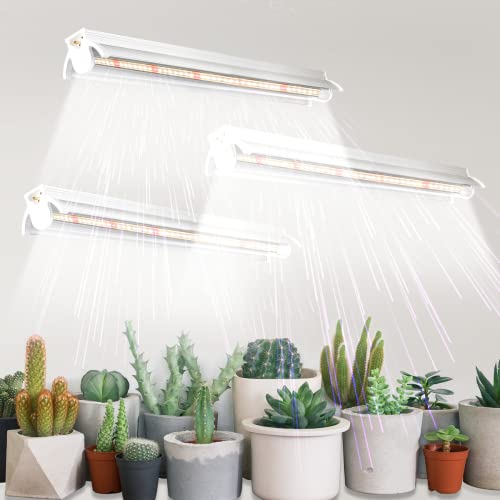
Best Table Lamp For Studying 2026 Smart Picks

Best table lamp for studying isn’t just about brightness. A lamp can look sharp on a desk and still throw annoying glare across a laptop, wash out pencil marks, or leave half a notebook sitting in shadow. That’s the part many buyers miss, and yep, it matters more during long evening sessions than a flashy touch button ever will.
Adjustable brightness should sit near the top of the list because study work changes by the hour. Reading printed pages, marking diagrams, solving math problems, and working beside a screen don’t all need the same light level. A lamp with several dimming steps makes it easier to avoid that harsh, squinty feeling that creeps in after dinner.
Color temperature control helps too, especially in rooms that shift from daylight to warm indoor lighting. Cooler white light can keep small text crisp, while warmer settings feel calmer for late-night review. Still, too much cool light at midnight can feel a bit like sitting under a grocery store ceiling, so balance beats brute brightness.
Glare control separates a decent study lamp from one that quietly gets on your nerves. A wide lamp head, diffused LED panel, or angled arm can spread light across books without bouncing directly into the eyes. On cramped desks, a swivel head or clamp base can save space while keeping the beam exactly where the work happens.
Desk size also changes the whole decision. A broad desk needs wider coverage, while a tiny dorm-style setup may need a compact lamp that won’t hog the corner beside notebooks, chargers, and coffee. Heavy bases feel stable, but they can become a nuisance if every inch of surface space is already spoken for.
Eye comfort doesn’t come from one magic feature. It comes from steady light, low flicker, smart placement, and brightness that matches the surrounding room. Put simply, the lamp should support focus without shouting for attention.
LED study lamps usually make the most sense because they stay cooler, use less energy, and offer more control than old-school bulbs. Still, built-in LEDs can’t always be replaced, so long-term repairability may be limited. That tradeoff is worth weighing before paying extra for sleek controls and a fancy silhouette.
The best table lamp for studying should make a messy desk feel more workable, not more complicated. Look for adjustable arms, clean diffusion, stable placement, and simple controls you can change without breaking concentration. Small details, honestly, make the biggest difference once the room gets quiet and the deadline starts breathing down your neck.

- LFR Score9.6
LFR Score is a ranking system developed by lightfansreviews.com. LFR Score has no relationship or impact from any manufacturers or sales agent websites. Learn more
- BrandPzloz

- LFR Score9.6
LFR Score is a ranking system developed by lightfansreviews.com. LFR Score has no relationship or impact from any manufacturers or sales agent websites. Learn more
- BrandHONEYWELL

- LFR Score9.6
LFR Score is a ranking system developed by lightfansreviews.com. LFR Score has no relationship or impact from any manufacturers or sales agent websites. Learn more
- BrandMicomlan

- LFR Score9.4
LFR Score is a ranking system developed by lightfansreviews.com. LFR Score has no relationship or impact from any manufacturers or sales agent websites. Learn more
- BrandJELIMOV

- LFR Score9.4
LFR Score is a ranking system developed by lightfansreviews.com. LFR Score has no relationship or impact from any manufacturers or sales agent websites. Learn more
- BrandHoneywell

- LFR Score9.4
LFR Score is a ranking system developed by lightfansreviews.com. LFR Score has no relationship or impact from any manufacturers or sales agent websites. Learn more
- BrandLepro

- LFR Score9.2
LFR Score is a ranking system developed by lightfansreviews.com. LFR Score has no relationship or impact from any manufacturers or sales agent websites. Learn more
- BrandAirlonv

- LFR Score9.2
LFR Score is a ranking system developed by lightfansreviews.com. LFR Score has no relationship or impact from any manufacturers or sales agent websites. Learn more
- BrandHensam

- LFR Score9.0
LFR Score is a ranking system developed by lightfansreviews.com. LFR Score has no relationship or impact from any manufacturers or sales agent websites. Learn more
- BrandDott Arts

- LFR Score8.8
LFR Score is a ranking system developed by lightfansreviews.com. LFR Score has no relationship or impact from any manufacturers or sales agent websites. Learn more
- Brandvimeepro
Last update on 2026-06-01 / Affiliate links / Images, Product Titles, and Product Highlights from Amazon Product Advertising API
Best Table Lamp For Studying With Dual Monitor Setup
Long evenings at a cluttered desk can wear you down faster than most people expect. Harsh glare bouncing off monitors, dark corners across notebooks, and tiny lamps struggling to cover the workspace all start piling onto the frustration after a few hours. That’s exactly why the best table lamp for studying matters more than flashy desk accessories or trendy workspace décor. Good lighting keeps concentration steady, helps reduce eye fatigue, and makes a packed desk feel far less chaotic.
Led Desk Lamp With Clamp
Desk organization improves immediately once bulky lamp bases disappear from the workspace. This model uses a sturdy metal clamp instead of a traditional weighted stand, which frees up room for notebooks, keyboards, tablets, and monitor stands. Smaller desks especially benefit from that setup because every inch starts feeling valuable once study materials spread out across the surface. The clamp also grips tightly enough that the lamp doesn’t wobble every time the desk shakes slightly.
Dual lamp bars help solve one of the biggest issues with regular desk lamps: uneven coverage. A single lamp head often leaves one side of the desk brightly lit while the other fades into shadow. Here, the extended design spreads light across a much wider area, making it easier to read printed material while still keeping monitors comfortably illuminated. The wider beam feels especially useful for larger desks or dual-screen workstations.
Installation stays pleasantly straightforward. No complicated brackets. No loose hardware scattered across the desk halfway through setup. The clamp tightens quickly, and the structure feels solid once attached to the table edge. Some adjustable lamps start drifting downward after repeated repositioning, but this one holds angles surprisingly well during regular daily use.
Heat output stays relatively controlled too. Older architect-style lamps with traditional bulbs can warm up the workspace quickly during long sessions. The LED system here avoids that issue, so the desk area remains more comfortable during extended reading, drafting, or study marathons.
Flexible Lighting For Different Tasks
Brightness variety becomes more useful than people realize after spending several nights at the same desk. Bright white light works well for detailed note-taking or technical reading, while softer tones feel easier on tired eyes later in the evening. This lamp includes five brightness levels and five color temperatures, creating enough flexibility to match different routines without constantly fighting uncomfortable lighting.
Warm lighting modes help soften the room during late-night sessions that already feel mentally draining. Cooler settings sharpen focus a bit more for drafting or detailed computer work, though they can feel overly clinical if pushed too far at night. Switching between modes feels practical rather than gimmicky because the changes noticeably affect how the workspace feels.
Remote control access sounds small on paper, but it quickly becomes convenient once the lamp sits behind monitors or mounted near shelves. Reaching across the desk to tap controls over and over gets old fast during long study blocks. The remote makes quick adjustments easier without interrupting concentration every few minutes.
Memory settings quietly remove another annoying habit from the daily routine. Nobody wants to reset brightness and color temperature every single evening. This lamp remembers the previous setup, which helps create a more consistent workspace instead of constantly starting over with blinding default settings.
Eye Comfort During Long Hours
Eye fatigue usually builds from poor light distribution more than simple brightness alone. Flickering LEDs, concentrated hotspots, and sharp reflections force your eyes to keep adjusting throughout the night. This lamp focuses on broad, even illumination with reduced glare, which helps the workspace feel calmer during extended study sessions.
Wide coverage works particularly well for multi-monitor setups or drafting desks where materials spread across different sections of the workspace. Smaller lamps often leave books or keyboards sitting in partial shadow while only the center area stays illuminated. The extended dual-head structure handles larger setups much more naturally.
Gooseneck flexibility also improves daily usability. The lamp bends smoothly around monitor arms, shelves, and stacked books without forcing awkward positioning. Adjustable lighting matters because glare angles shift constantly depending on screen height, seating position, and desk layout.
Screen reflection control feels noticeably better once the lamp gets angled correctly. Direct overhead light bouncing off glossy monitors can become genuinely irritating after several hours. Positioning the wider beam slightly outward helps maintain brightness across the desk without turning screens into mirrors.
Everyday Convenience And Tradeoffs
Large lighting setups naturally require more room than compact bedside lamps. The extended lamp bars deliver excellent coverage, but smaller desks with upper shelving may feel cramped depending on the layout. People expecting a tiny minimalist lamp could find the overall footprint larger than anticipated.
Timer functionality adds practical value for anyone prone to losing track of time during work sessions. The automatic shutoff after one hour won’t magically fix bad sleep habits, but it helps avoid waking up at 3 a.m. with the desk lamp still blazing. Little conveniences like that tend to matter more over time than decorative extras.
Energy efficiency remains another strength of LED desk lighting. Lower power usage and reduced bulb replacements make daily operation simpler over the long run. Built-in LEDs do eventually wear out like anything else, though the longer lifespan still cuts down on maintenance headaches compared to older bulb-based architect lamps.
Workspace comfort discussions often overlap with lighting, airflow, and room setup choices. A broader perspective on outdoor relaxation and cooling setups appears naturally in best outdoor ceiling fans at Lowes, especially for patio workspaces, enclosed balconies, or sunroom study areas where airflow matters alongside lighting quality.
Where This Lamp Fits Best
Wide desks and multi-monitor workstations match this lamp far better than tiny corner setups. The broader lighting spread helps maintain consistent brightness across notebooks, keyboards, tablets, and screens without creating harsh hotspots. Drafting tables, crafting stations, and technical workspaces also benefit from the larger coverage area.
Long study routines pair nicely with the adjustable brightness and color temperatures. Some nights demand sharper white light to maintain focus, while slower reading sessions feel easier under warmer settings. That flexibility becomes genuinely useful once study sessions stretch several hours beyond sunset.
People sensitive to glare will likely appreciate the softer light distribution most. Sharp reflections and flickering brightness wear down concentration surprisingly fast. This lamp keeps the desk illuminated without forcing the eyes to constantly adapt between bright and dark zones.
Minimalist setups may not fully benefit from the wider structure. Compact desks with only a laptop and a small notebook probably won’t need this much lighting coverage. Larger workspaces, though, are exactly where the extended design starts making practical sense instead of feeling oversized.
Best Table Lamp For Studying In Small Spaces
Late-night studying gets frustrating fast once desk lighting starts working against you instead of helping. Harsh glare on a laptop screen, dim corners around notebooks, and bulky lamps eating up half the workspace can quietly ruin concentration after a couple of hours. That’s where the best table lamp for studying starts feeling less like a decorative extra and more like a practical everyday tool. Honeywell’s foldable LED desk lamp leans heavily into flexibility, eye comfort, and compact usability rather than trying to look flashy for social media desk setups.
Honeywell Foldable Desk Lamp
Compact design changes the entire feel of a crowded desk. Some desk lamps look sleek online, then arrive with oversized bases that steal precious room from books, tablets, coffee mugs, and charging cables. This Honeywell model keeps a slimmer footprint thanks to its foldable structure and adjustable arm. Smaller desks, dorm setups, and shared workstations benefit immediately from that space-saving layout.
Touch controls also help the lamp feel cleaner during daily use. Mechanical buttons tend to collect dust around the edges over time, especially on study desks that double as snack stations or work areas. Here, a simple swipe adjusts brightness and color settings without needing extra pressure or noisy clicking sounds. The controls respond quickly enough that switching modes doesn’t interrupt concentration.
Build flexibility feels surprisingly practical rather than decorative. The 90-degree rotating head and adjustable arm make it easier to angle light around monitors, stacked books, or awkward shelf placements. A fixed lamp head can become annoying once glare starts bouncing across glossy screens, so the adjustable positioning genuinely matters for longer work sessions.
Foldable storage becomes useful in apartments or smaller bedrooms where the desk occasionally serves multiple purposes. The lamp collapses neatly when not in use, which helps reduce visual clutter. That little detail sounds minor until the workspace starts feeling cramped halfway through the week.
Pros Of The Lighting Experience
Brightness control stands out immediately during evening use. The smooth dimming range from 10% to 100% allows the lighting to adapt naturally instead of jumping between harsh preset levels. Softer lighting works well for winding down with printed reading material, while brighter settings sharpen focus during note-taking or detailed assignments.
Four color temperatures give the lamp noticeably more flexibility than single-tone desk lights. Warm 2700K lighting feels calmer late at night, especially when colder white light starts making the room feel sterile and exhausting. On the flip side, the cooler 5700K setting helps sharpen contrast during technical reading or spreadsheet-heavy work.
Eye comfort remains one of the stronger selling points here. Honeywell uses full-spectrum LED lighting with reduced glare and flicker, which helps the desk feel softer during long stretches in front of screens. The high CRI rating also improves color accuracy, making textbooks, highlighted notes, and art materials appear more natural rather than washed out.
Wide light coverage helps prevent the annoying hotspot effect common with smaller desk lamps. The larger 11-inch light panel spreads illumination more evenly across notebooks and keyboards instead of creating one blinding center beam. That wider distribution reduces the constant eye adjustment between bright and dim areas around the desk.
Useful Features That Actually Matter
USB charging ports quietly become one of those features people end up using every single day. Having both USB-A and USB-C built directly into the lamp base helps reduce outlet congestion around crowded desks. Phones, earbuds, and tablets can charge without reaching behind furniture or juggling extra adapters.
Memory settings also deserve credit because resetting brightness every evening gets old surprisingly quickly. This lamp remembers the previous setup, so the lighting feels consistent from one session to the next. Tiny conveniences like that often end up mattering more over time than flashy design details.
Timer functionality works particularly well for late-night readers who accidentally drift off with the light still running. The built-in 30-minute auto-off feature adds a little peace of mind without overcomplicating the controls. Some people may wish for longer timer options, though the included setting still feels useful for bedtime reading.
Daily convenience comes from how naturally the features fit together. Nothing feels overloaded or unnecessarily technical. The lamp simply adjusts quickly, charges devices efficiently, and folds away without turning the desk into a tangled mess of accessories.
Cons And Realistic Tradeoffs
Maximum brightness should satisfy most study desks, but extremely large workstations may still want broader lighting coverage. Multi-monitor setups or oversized drafting tables usually benefit more from dual-head lamps with wider spans. This Honeywell model handles medium-sized desks comfortably, though massive setups might push its limits.
Touch-sensitive controls feel modern, but they can occasionally react too easily during quick adjustments. Brushing the panel accidentally while organizing the desk may trigger brightness changes unexpectedly. Physical buttons sometimes offer more precise control for people who prefer tactile feedback.
Integrated LEDs improve energy efficiency and reduce maintenance, though they also mean replacing the entire lamp once the lighting system eventually reaches the end of its lifespan. Traditional replaceable-bulb lamps still hold an advantage there. That tradeoff tends to matter more for buyers focused on very long-term repairability.
Foldable hinges create flexibility, but lightweight adjustable designs can feel slightly less rugged than heavy architect-style desk lamps. The lamp remains stable during regular use, though people constantly repositioning it throughout the day may notice a bit more movement compared to fixed-arm models.
Everyday Study And Reading Performance
Reading sessions feel noticeably easier under softer, evenly distributed lighting. Some desk lamps blast concentrated light directly into the page, which creates sharp contrast and tiring reflections after a while. This model spreads illumination more gently across books and notebooks, helping reduce that squinting feeling during longer sessions.
Laptop work also benefits from the adjustable positioning. Angling the light away from glossy screens helps cut down on reflections that make text harder to read. The flexible arm makes those adjustments simple without forcing awkward desk rearrangements every few hours.
Shared spaces gain another advantage from the dimming flexibility. Softer brightness settings work better in bedrooms or apartments where aggressive overhead lighting becomes distracting at night. The warmest color mode especially helps create a calmer environment for evening reading or quiet study blocks.
Portable lighting setups often overlap with other convenience-focused home accessories. In real-world usage, compact nighttime lighting solutions like rechargeable motion sensor lights tend to complement foldable desk lamps nicely in hallways, bedside corners, or smaller apartments where outlet access gets limited.
Micomlan Architect Desk Lamp With Ambient Lighting
A busy desk has a funny way of exposing weak lighting. One minute the notes look fine, then the monitor throws glare back at your eyes, the keyboard sits in a dull patch, and the sketchpad needs more light than the laptop screen can tolerate. This Micomlan model fits the best table lamp for studying conversation because it doesn’t rely on one fixed beam or a tiny pool of brightness. It gives the desk more control, more reach, and a lighting style that feels built for long work blocks instead of quick decorative use.
Micomlan Architect Desk Lamp
Adjustability is the first thing that makes this lamp feel different from a basic study light. The five rotatable joints give you more freedom to raise, lower, angle, and stretch the beam across a desk. That matters for people who move between reading, typing, drawing, and sorting papers during the same evening. A fixed lamp can feel fine for ten minutes, then oddly stubborn once the desk layout changes.
The 28-inch height reach gives the lamp enough lift to work over monitors, books, and larger work surfaces. Lower-profile lamps often shine directly into the screen or create a bright spot that’s too narrow for serious desk work. This one can sit higher and spread light with a more natural overhead feel. The result is less fussing around every time the task shifts.
Bilateral light bars add another layer of control. Turned upward, they can expand coverage and soften the room’s mood. Turned downward, they create a brighter work zone for close-up tasks like sewing, crafting, or detailed writing. That dual behavior makes the lamp feel less like a one-trick desk accessory and more like a small lighting system.
Lighting Design And Eye Comfort
Asymmetric lighting is one of the smartest details in this lamp. The 45-degree angled-away side lighting is designed to illuminate the desk and keyboard rather than blasting the screen or the eyes. That’s a big deal during laptop-heavy study sessions, where glare can slowly turn focus into a headache. A lamp that avoids direct screen reflection earns its place pretty quickly.
Flicker control and reduced blue light exposure also matter during longer hours. The product details describe gentle, uniform lighting with no distracting flicker, which supports a calmer desk environment. That doesn’t mean eye fatigue disappears completely, of course. Poor posture, dry rooms, and marathon screen time still have their say, but better light removes one common source of irritation.
CRI above 90 gives this lamp a practical edge for color-sensitive work. Notes highlighted in different colors, printed charts, craft materials, and design sketches can look more accurate under higher color rendering. That may not matter much for plain typing, but it matters a lot when color differences help organize information. Small visual cues can make studying feel less messy.
Smart Sensor And Ambient Lighting
The built-in light sensor gives the lamp a more responsive feel than simple preset lighting. It adjusts brightness based on surrounding light, helping the desk stay comfortable as daylight fades or room lighting changes. That automatic adjustment can reduce the habit of constantly tapping controls every half hour. Still, people who like exact manual control may prefer setting brightness themselves.
Ambient lighting becomes useful when the auxiliary lights shine upward. Instead of only lighting the desk surface, the lamp can add a softer glow around the workspace. That extra background light helps reduce the harsh contrast between a bright desk and a dark room. For late-night study, that softer balance can feel much easier to sit with.
Main and auxiliary lights operate separately for on and off control, which adds flexibility but also creates a small learning curve. Brightness and color temperature are controlled together, so the system isn’t fully independent. That’s not a dealbreaker, but it’s worth noting for anyone expecting separate tuning for every light section. Practical, yes, but not endlessly customizable.
Stability And Desk Fit
The heavy round base sets this lamp apart from clamp-only architect lights. Clip-on lamps can be excellent for saving space, but they need the right desk edge and can feel awkward on thick tables or rounded surfaces. This Micomlan lamp uses an 8-inch base with anti-slip pads, so it can sit on more types of desks, workbenches, or study tables. That broader placement freedom helps in rooms where furniture wasn’t bought with lamp clamps in mind.
Base size is also the main tradeoff. The stable footprint helps keep the lamp secure, but it does take desk space. A narrow dorm desk or tiny nightstand may feel crowded with an 8-inch base sitting beside books and chargers. Bigger desks will appreciate the stability more than the space cost.
Anti-slip pads add confidence during regular adjustments. Swing-arm lamps can shift around if the base is too light, especially when the arm gets extended. This model’s heavier base helps it stay planted while you change angles. That steadiness matters when the lamp is used for hands-on tasks like drafting or crafting.
Brightness Modes And Everyday Use
Five color temperature modes and five brightness levels give enough range for most study routines. Warmer light can suit relaxed evening reading, while cooler light helps sharpen detail during focused work. The touch sensor keeps those changes simple, and long-press control allows finer adjustments. That kind of control feels useful without making the lamp feel overly technical.
The memory function saves the previous lighting setup, which is one of those quiet conveniences that becomes more appreciated over time. Nobody wants to rebuild the same lighting mood every night after turning the lamp on. The lamp coming back to a familiar setting makes the desk feel ready faster. Small thing, big difference.
Touch controls are clean and modern, though they aren’t perfect for everyone. Some people prefer physical buttons because they provide clear tactile feedback. A sensitive panel can also pick up accidental touches while moving papers or wiping dust. The tradeoff is a smoother look and quicker adjustment once the control layout becomes familiar.
Where It Makes The Most Sense
Large desks, computer workstations, and hobby tables are where this lamp feels most at home. The rotatable joints, tall reach, and bilateral lighting bars suit spaces where materials spread out instead of staying in one neat pile. It’s especially useful for mixed routines, like typing on a keyboard, reading printed pages, and working on hands-on projects in the same spot. A simple bedside lamp wouldn’t handle that mix nearly as well.
Study comfort improves most when lighting can be shaped around the actual task. The Micomlan lamp lets the beam move instead of forcing the desk setup to adapt to the lamp. That’s helpful for reducing glare, widening coverage, and keeping light away from the eyes. From a practical angle, related shade and fixture styling appears in pendant chandelier lamp shades for rooms where overhead lighting affects the whole workspace mood.
Small-space buyers should think carefully before choosing this model. The lamp offers strong adjustability and stable placement, but the base and arm structure need room to breathe. It may feel excessive on a tiny desk used only for quick laptop work. On a fuller workspace, though, the extra control starts making everyday study sessions feel less cramped and more deliberate.
Dual Arm LED Desk Lamp For Studying
A wide desk can make a normal lamp look a little silly. One bright circle lands near the keyboard, the far side of the notebook goes dull, and the monitor catches just enough reflection to make your eyes feel busy before your brain even gets started. This dual-arm model makes sense in the best table lamp for studying category because it’s built for bigger setups, not just a tidy little writing corner. With long light bars, remote control, stepless dimming, and a clamp-style frame, it aims to solve the daily mess of screens, books, sketches, and late-night work without taking over the whole desk.
Dual Arm LED Desk Lamp
Desk coverage is the first thing that gives this lamp its personality. Each arm measures 17.5 inches, and the light bars extend up to 35 inches across the workspace. That makes it much better suited for wide desks, dual-monitor setups, drafting areas, and workbenches than a small bedside-style study lamp. A compact lamp may feel cozy, but it usually struggles once papers and devices start spreading out.
The clamp design keeps the surface cleaner by moving the lamp base off the desk. That’s a real advantage if the workspace already holds a keyboard, mouse pad, tablet, notebooks, and maybe one too many coffee cups. The sturdy metal frame clamps to desk edges up to 2.36 inches, so the fit should be checked before buying. Thick tabletops or rounded edges may not play nicely with this style.
Monitor compatibility is another useful detail. The product description says it works around 30-inch, 29-inch, 27-inch, 24-inch, and similar monitor sizes, which makes the lamp feel more intentional for screen-heavy desks. Instead of sitting awkwardly beside a monitor, it can stretch above or around the setup. That helps keep the light on the desk and keyboard rather than right in your face.
The tall working height over 31 inches gives the arms enough clearance for larger screens and raised stands. Short lamps often force the beam into bad angles, especially if the monitor sits high. This taller reach makes it easier to create broad illumination without turning the lamp into a glare machine. For a serious study station, that extra clearance matters.
Lighting Control And Daily Adjustments
Stepless dimming gives this lamp a smoother feel than models that jump between three or four fixed brightness levels. Brightness adjusts from 10% to 100%, so the light can be tuned for soft reading, sharp note-taking, or detailed drawing. That flexibility is handy because studying rarely stays in one mode all evening. A warm low setting may suit review notes, while a brighter cool setting helps with diagrams or design work.
Color temperature control runs from 3000K to 6500K, which covers warm, neutral, and cool white lighting. The warm end feels easier for relaxed evening reading, while the cooler end can make text and fine lines look crisper. Too much cool light late at night can feel harsh, though. The best setup usually sits somewhere between comfort and clarity, not at the brightest setting just because it exists.
The magnetic remote adds a nice layer of convenience. Lamps mounted behind monitors or near the back of a wide desk can become annoying if every change requires reaching across the workspace. A remote makes brightness, color, timer, and mode changes easier to manage while staying seated. It’s a small thing, but small things start pulling weight during long study blocks.
The memory function keeps the last used mode and brightness, which saves a bit of daily fiddling. Nobody wants to rebuild the same lighting setup every time the lamp turns on. This feature helps the desk feel ready faster, especially if the same brightness and color tone are used most nights. It’s not flashy, just quietly practical.
Eye Care And Screen Glare Control
Eye comfort is where this lamp tries to do more than simply blast light across the table. The product description mentions uniform brightness without flicker, blue light, or glare. That matters for anyone moving between printed pages and digital screens, since harsh contrast can make the eyes work harder. Better light won’t fix bad posture or marathon screen time, but it can remove one common irritation from the setup.
The 45-degree tilted LED design is a smart touch for monitor use. Side lighting focuses the beam toward the desk and keyboard instead of bouncing directly off the screen. Screen reflections are one of those small frustrations that slowly turn into a headache, especially at night. A lamp that keeps light off the display earns its space pretty quickly.
The 224 LED layout supports broad, even coverage rather than one tight hotspot. That’s helpful for handwritten notes, open textbooks, and large mouse pads spread across the desk. A single bright center beam can make everything outside the middle feel dull by comparison. Wider distribution feels calmer and more natural during longer sessions.
Energy efficiency also adds practical value. The product information states the lamp is 85% more energy-efficient than traditional incandescent bulbs. That claim fits the usual advantage of LED lighting, especially for people who keep a desk lamp on for long stretches. Lower power use and less heat make the workspace feel easier to live with day after day.
Pros Worth Noticing
Wide illumination is the biggest strength here. The dual-arm layout gives this lamp a real advantage over narrow desk lights, especially on wide tables or dual-screen setups. It can cover keyboards, notebooks, and side materials without forcing everything into one cramped bright zone. For scattered study habits, that wider reach feels like breathing room.
Flexible positioning comes from the six rotatable joints and dual lamp arms. The arms can move vertically and horizontally, while the top section can be adjusted for finer light direction. That makes it easier to switch from broad desk lighting to more focused task lighting. Drawing, painting, reading, and typing all benefit from different angles, so this flexibility isn’t just for show.
The one-hour timer is surprisingly sensible for late-night use. It can shut the lamp off automatically after an hour, which helps prevent the familiar trap of working past the point of usefulness. It won’t manage your schedule for you, naturally. Still, it gives the desk a gentle boundary when the night starts slipping away.
Space saving deserves another nod because the clamp frees up the actual desktop. On a crowded desk, a large lamp base can feel like one more object fighting for elbow room. This design keeps the working area open while still delivering large-format light coverage. That combination is exactly why clamp lamps remain popular for serious workstations.
Cons And Realistic Limits
The clamp requirement may be the biggest limitation. The lamp needs a compatible desk edge within the listed thickness range, and not every table shape will cooperate. Rounded edges, very thick tops, glass desks, or unusual workbenches may create installation headaches. A base lamp is less space-efficient, but it’s often easier to place anywhere.
The wide arm structure also needs room behind or above the monitor. Tiny desks with shelves, wall-mounted organizers, or low overhead cabinets may limit the lamp’s range. The lamp is made for broader setups, so compact study corners may not get the full benefit. In a small space, the arms could feel larger than expected.
Remote dependence can be both convenient and slightly annoying. The magnetic remote is handy, but any remote can be misplaced under books or pushed behind a monitor. Built-in controls still matter for backup use, especially on messy desks. Convenience works best when the control stays where it belongs.
Stepless controls feel smooth, though they may take a few tries to dial in perfectly. Some people prefer clear preset modes because they’re faster and more predictable. Fine-tuning brightness and color temperature is useful, but it can also tempt constant tweaking. After a while, the memory function helps settle that habit down.
Study Fit And Practical Use
Large study desks are the natural home for this lamp. It suits work areas with multiple monitors, wide keyboards, notebooks, tablets, and side materials all competing for light. The lamp’s broader coverage helps keep those zones visible without relying on harsh overhead room lighting. That’s especially useful in bedrooms or apartments where ceiling light feels too blunt.
Creative work also fits the lamp’s strengths. Drawing, painting, drafting, and design work need controllable brightness and careful angle placement. The flexible joints and wide bars help shape the light around the task instead of forcing the task into one fixed pool of light. That makes the lamp more useful than a basic reading lamp for mixed desk routines.
Late-night comfort benefits from the warm-to-cool range and glare-reducing side light. The lamp can feel calm for reading, then shift brighter for detailed work without swapping bulbs or moving fixtures around. In some cases, a related lighting reference appears in make black light, especially for understanding how different light types change the mood and visibility of a room. The topic isn’t the same as desk lighting, but it sits close enough to the broader conversation about how light behaves in real spaces.
Simple study setups may not need everything this lamp offers. A single laptop and one notebook on a narrow desk might be served just fine by a smaller foldable lamp. This model makes more sense when the desk is wide, the workload changes often, and screen glare has already become a regular annoyance. In that setting, the dual-arm design feels purposeful rather than oversized.
Honeywell Sunturalux LED Desk Lamp
Small desks can become surprisingly unforgiving once books, a laptop, chargers, and a half-finished cup of coffee start fighting for space. A lamp that looks neat in a photo can still feel awkward if the light is harsh, the base hogs room, or the controls need too much fiddling during a study session. This Honeywell model earns attention in the best table lamp for studying category because it focuses on softer full-spectrum lighting, practical charging, and a foldable design that doesn’t boss the whole desk around. It’s not trying to be a huge architect lamp for a command-center workstation, and honestly, that restraint is part of its appeal.
Honeywell Sunturalux Desk Lamp
The shortened name fits the product well: Honeywell Sunturalux Desk Lamp. It’s compact, clean, and built around the kind of desk routine where reading, typing, relaxing, and charging devices all happen in the same little zone. The foldable structure keeps it from feeling bulky, which matters in bedrooms, apartments, dorm-style desks, or shared home office corners. A big lamp can feel powerful, but sometimes a calmer footprint wins the day.
Full-spectrum LED lighting is the headline feature here. The lamp uses 48 Sunturalux LEDs to simulate natural sunlight, according to the provided product details. That kind of lighting can make reading materials feel more natural than the flat, bluish tone found on many cheaper desk lights. For study work, softer and more balanced light often feels less tiring than raw brightness alone.
The black finish gives the lamp a simple, low-distraction look. It doesn’t scream for attention on the desk, which is helpful when the goal is staying focused rather than admiring another gadget. The design feels better suited to practical study spaces than decorative display shelves. Put plainly, it looks like a tool first and a desk accessory second.
Light Quality And Eye Comfort
Eye comfort is where this lamp makes its strongest case. The provided description says the light is free from blue light, glare, and flicker, which directly addresses the usual complaints that show up during long reading or screen-heavy sessions. Harsh lighting can turn a decent study block into a squinting contest. A gentler beam helps the desk feel calmer, especially after sunset.
CRI ≥94 is a useful detail for anyone dealing with highlighted notes, printed charts, design references, or color-coded study materials. Higher color rendering helps colors appear more accurate and less muddy. That may sound like a small thing, but small color differences can matter when notes rely on visual organization. Clean color presentation makes the page feel easier to read at a glance.
Natural sunlight simulation also gives the lamp a more pleasant everyday tone. Some LED lamps feel cold and clinical, like a waiting room at midnight. This one aims for a brighter but gentler light character, which suits reading and writing without turning the workspace into a harsh spotlight. Still, room lighting and screen brightness should be balanced too, because even a good lamp can’t fix a completely dark room with a glowing monitor.
Dimming And Color Modes
Dimmable control runs from 10% to 100%, giving the lamp more range than basic on-off desk lights. A lower setting can suit late-night reading or relaxed review, while a brighter level helps with worksheets, handwriting, or focused office tasks. The benefit is flexibility without needing multiple lamps around the room. Not every task deserves the same brightness, and this lamp gets that right.
Four color temperatures offer 2700K, 4000K, 5000K, and 5700K options. The warmer 2700K setting feels more relaxed and bedroom-friendly, while the cooler 5700K mode can sharpen the look of text and details. The middle settings are probably where many study sessions will land, since they balance clarity with comfort. Too much cool light late at night can feel a bit sharp, so the warmer modes aren’t just decorative extras.
Smart touch controls keep the surface clean and modern. Sliding a finger to adjust brightness or mode feels easier than clicking through stiff buttons, especially during quiet late-night work. Touch panels can sometimes react to accidental brushes, so that’s one realistic tradeoff. Still, for most desks, the control setup feels tidy and quick enough for daily use.
Charging Ports And Timer Use
USB-A and USB-C ports built into the base make the lamp more useful than a simple light source. Phones, tablets, speakers, and other small devices can charge without stealing extra wall outlets. That matters in rooms where one outlet strip already handles a laptop charger, monitor, fan, and maybe a diffuser sitting nearby. Cable clutter has a way of growing like weeds.
The 5V/2A charging output sounds practical for everyday device top-ups, based on the provided details. It’s not presented as a fast-charging powerhouse, so expectations should stay realistic. The value sits in convenience rather than speed. Having charging ports within reach can still make a study desk feel more organized and less like a hunt for empty sockets.
The 30-minute timer fits bedtime reading and short review sessions nicely. It gives the lamp a built-in stopping point without needing a separate smart plug or phone alarm. That’s helpful for people who read “just one more page” and then wake up later with the light still on. A longer timer range would be nice, but the included function still feels practical.
Foldable Design And Desk Fit
The folding structure makes this lamp easier to live with in tight spaces. The lamp head rotates 90 degrees left and right, the arm folds up and down 136 degrees, and the base folds 90 degrees. That range helps aim the light toward books, keyboards, or bedside reading spots without forcing the whole lamp to move. A fixed lamp head can feel oddly stubborn once desk layouts change.
The 11-inch light panel gives the lamp a wider lighting area than tiny puck-style desk lamps. Wider coverage reduces the harsh bright-center effect that can make everything outside the beam feel dim. For open notebooks, printed pages, and laptop-side note-taking, that broader spread feels more useful than a narrow spotlight. It won’t cover a giant drafting table, but it should suit everyday study and home office surfaces well.
Portability is another quiet strength. The foldable design means the lamp can tuck down when the desk needs to look cleaner or when the space has to serve another purpose. That’s handy for multi-use rooms where the desk becomes a vanity, nightstand, craft corner, or paperwork station depending on the day. Compact lighting often needs to adapt, not just sit there looking pretty.
Pros And Practical Strengths
The biggest strength is the balance between eye-friendly lighting and everyday utility. The lamp brings dimming, color modes, touch control, timer use, and dual charging into one compact body. None of those features feel wildly overbuilt or confusing. They line up with the real annoyances of studying at home: glare, clutter, weak outlets, and lighting that never quite feels right.
The memory function adds another convenience layer. The lamp can retain preferred lighting choices, so the same comfortable setup is ready again without constant adjustment. That sounds minor until the third or fourth evening of resetting brightness by hand. Good desk gear tends to remove small irritations, not create new rituals.
The full-spectrum approach also makes the lamp feel more polished than a bargain-bin LED light. Accurate color rendering, softer illumination, and reduced flicker all support a more comfortable study environment. A relevant lighting concept sits behind longest wavelength light, especially for readers curious about how different light types affect color, warmth, and visual comfort in a room. The topic is separate from this product, but it fits naturally beside a discussion of color temperature and light behavior.
Cons And Realistic Limits
The compact design may not satisfy very large desks or dual-monitor setups. The 11-inch panel offers wider coverage than many small lamps, but it isn’t the same as a dual-arm architect lamp built for a 70-inch workstation. Bigger desks may still have dim outer zones. For wide workbenches, a larger lamp format would make more sense.
Touch controls can be a mixed blessing. They look sleek and feel quiet, but accidental touches may happen while moving books, wiping dust, or reaching for a charger. Physical knobs and buttons sometimes give more predictable feedback. This lamp favors a cleaner modern interface over old-school tactile control.
Built-in LEDs reduce bulb maintenance, yet they also limit repairability once the light source eventually reaches the end of its life. The provided product details list a lifespan of up to 30,000 hours, but no lamp lasts forever. People who prefer replaceable bulbs may see that as a tradeoff. For most daily study setups, though, the lower maintenance will probably feel more convenient.
Best Use Around A Study Desk
This lamp fits best on desks where space, comfort, and charging access matter just as much as brightness. It’s a strong match for reading, studying, office tasks, and bedroom workstations that need a softer light source than harsh overhead fixtures. The foldable body keeps it from overwhelming the surface. That makes it especially appealing for smaller rooms where every object has to earn its spot.
Study sessions benefit from the adjustable warmth and brightness. A warmer setting can ease the room into a calmer evening mood, while brighter neutral or cool settings help with sharper focus during writing or review. The lamp doesn’t try to replace a full room lighting plan. It works better as a personal task light that keeps the desk usable without flooding the whole room.
Realistic expectations make this lamp easier to appreciate. It’s not the strongest choice for giant workbenches, intense drafting setups, or multi-screen command centers. It is, however, a tidy and thoughtfully equipped study lamp with practical charging, flexible positioning, and comfortable light quality. For a normal desk that needs less clutter and better evening visibility, that combination lands well.


Best Floor Lamps for Dark Rooms: Top Picks 2026
Best Value Outdoor Christmas Lights 2026 Brighten Nights

Best Lighting For Makeup 2026 Bright Ideas For Flawless Looks
Best Quiet Ceiling Fan For Bedroom 2026 Ultimate Comfort Picks

Best Christmas Lights For Bushes 2026 Brighten Your Yard
Best Outdoor Waterproof Christmas Lights 2026 For Festive Glow

Top 16 Kichler Barrington Flush Mount 2026 - Highly Rated

Best Wall Sconces For Staircase 2026 Brighten Your Home