Best UV Light For Air Conditioner 2026 Picks

Best uv light for air conditioner setups usually make the most sense where damp coils, stale vents, and that sour “dirty sock” smell keep coming back. A UV-C HVAC light doesn’t replace filter changes or duct cleaning, but it can help slow organic buildup on the evaporator coil. That matters because moisture sits there for hours, especially during humid months. So, yes, the right light can quietly handle a problem that sprays and scented filters only cover up for a while.
Coil-mounted UV lights are often the more practical pick for air conditioners because they shine directly on the wettest part of the system. Air-sanitizing models can help inside the duct path, but they need enough exposure time to be useful. That’s the catch. Air moves fast, while mold and biofilm on coils sit still, which makes the coil area a smarter target in many homes.
Installation space matters more than many product pages admit. Some HVAC cabinets are tight, awkward, or packed with wiring, so a compact lamp can be easier to fit than a bulky dual-bulb setup. A plug-in model may feel simpler, but hardwired units can look cleaner once installed. Either way, the bulb should never shine where eyes or skin can be exposed, because UV-C light is not something to treat casually.
Bulb replacement is another real-world cost. Many UV bulbs still glow after a year, but their germicidal output can drop even when the lamp looks alive. That little detail trips people up. A setup with easy bulb access saves frustration later, especially when the air handler is in an attic, closet, or cramped basement corner.
Ozone-free UV lights are usually the safer direction for home HVAC use. Some older or poorly labeled lamps may produce ozone, which can irritate breathing and create another indoor air problem. A clear “ozone-free” label is worth checking before buying. Also, a UV light won’t fix leaky ducts, heavy dust, standing drain pan water, or a filter that’s been ignored for months.
The best fit balances lamp strength, safe placement, maintenance access, and the type of HVAC system already in place. Bigger isn’t always better. A modest, well-positioned light near the coil can beat an oversized unit installed in the wrong spot. Keep expectations realistic, and it becomes a useful tool instead of another shiny HVAC add-on.

- LFR Score10.0
LFR Score is a ranking system developed by lightfansreviews.com. LFR Score has no relationship or impact from any manufacturers or sales agent websites. Learn more
- BrandBAIMNOCM

- LFR Score9.2
LFR Score is a ranking system developed by lightfansreviews.com. LFR Score has no relationship or impact from any manufacturers or sales agent websites. Learn more
- BrandREKOLIGHTING

- LFR Score9.0
LFR Score is a ranking system developed by lightfansreviews.com. LFR Score has no relationship or impact from any manufacturers or sales agent websites. Learn more
- BrandMammoth
- LFR Score8.8
LFR Score is a ranking system developed by lightfansreviews.com. LFR Score has no relationship or impact from any manufacturers or sales agent websites. Learn more
- BrandREKOLIGHTING

- LFR Score8.8
LFR Score is a ranking system developed by lightfansreviews.com. LFR Score has no relationship or impact from any manufacturers or sales agent websites. Learn more
- BrandFresh-Aire UV
- LFR Score8.0
LFR Score is a ranking system developed by lightfansreviews.com. LFR Score has no relationship or impact from any manufacturers or sales agent websites. Learn more
- BrandOdorStop

- LFR Score7.8
LFR Score is a ranking system developed by lightfansreviews.com. LFR Score has no relationship or impact from any manufacturers or sales agent websites. Learn more
- BrandFresh-Aire UV
Last update on 2026-06-15 / Affiliate links / Images, Product Titles, and Product Highlights from Amazon Product Advertising API
BAIMNOCM 15-Inch UVC Replacement Bulb
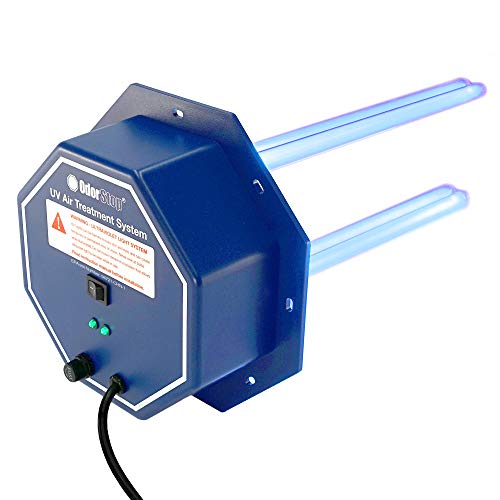
Hidden inside an HVAC system, small maintenance details often decide whether indoor air feels fresh or leaves that stubborn stale smell lingering longer than expected. The best uv light for air conditioner setups aren't only about adding another gadget to the system. Replacement quality matters just as much. BAIMNOCM 15 Inches UVC Replacement Bulb steps into that overlooked role by focusing on compatibility, straightforward installation expectations, and dependable UV-C output designed for existing HVAC purification systems.
BAIMNOCM UVC Bulb
Compatibility stands out as this bulb's strongest selling point. Instead of forcing homeowners into complicated cross-referencing sessions, this replacement supports several widely recognized models, including Fresh Air references such as L81-109, L81109, TUVL215P, TUVL-200P, TUVL200P, and Blue Tube configurations. It also aligns with AHU Series 1 and APCO MAG15 systems, reducing uncertainty during replacement planning.
Replacing HVAC components can become surprisingly stressful once older documentation disappears. A compatible option like this helps avoid that frantic hunt through faded installation manuals. That convenience doesn't sound glamorous, yet it often determines whether routine maintenance happens promptly or gets postponed until problems become obvious.
Practical compatibility also benefits service technicians who regularly encounter mixed HVAC installations. Having a replacement lamp capable of fitting multiple referenced systems streamlines service visits. Less guesswork generally means fewer interruptions to an already packed maintenance schedule.
UV-C Performance And Material Construction
This BAIMNOCM replacement bulb emits 254nm UV-C wavelength light, which remains the recognized germicidal wavelength commonly used in HVAC ultraviolet applications. The intention isn't to perfume indoor spaces or instantly erase years of neglect. Instead, UV-C exposure targets biological buildup developing around moisture-prone areas such as evaporator coils.
Quartz material construction contributes to efficient UV transmission. Compared with standard glass alternatives, quartz allows the intended wavelength to pass through effectively. That characteristic matters because a UV bulb's usefulness depends on delivering the proper output rather than merely producing visible illumination.
Expectations should stay realistic, though. A replacement lamp won't compensate for clogged filters, neglected drain pans, or duct issues. Its role works best as one component within broader HVAC upkeep rather than acting as a cure-all for every indoor air concern.
Consistent performance often depends on scheduled replacement intervals. Even if UV lamps continue glowing visibly, germicidal intensity naturally declines over time. Maintaining awareness of manufacturer recommendations helps preserve intended effectiveness.
Installation Experience And Safety Factors
The bulb measures an overall length of 15 inches, including its four-prong configuration. That specification sounds minor until installation day arrives and dimensions suddenly become critical. HVAC cabinets rarely offer generous working space, especially within utility closets or attic compartments.
BAIMNOCM includes an important safety notice advising complete power disconnection before installation. It may sound obvious, yet rushing through maintenance creates unnecessary risk. Electrical systems and UV exposure deserve careful handling rather than guesswork.
People comfortable replacing HVAC consumables may appreciate the straightforward nature of a direct replacement. Those unfamiliar with electrical components might prefer professional assistance. There's no shame in that approach. Protecting both the system and personal safety outweighs shaving a few minutes off installation.
Four-prong alignment should be verified before purchase against the existing lamp. Compatibility references simplify selection, but visual confirmation remains worthwhile, particularly when dealing with older systems that may have undergone prior modifications.
Everyday Benefits And Practical Tradeoffs
The appeal of HVAC UV systems often comes down to consistency. Moisture repeatedly collects around cooling components, creating conditions favorable for unwanted buildup. A functioning UV replacement bulb quietly supports the system's efforts without requiring daily interaction.
Maintenance tradeoffs still exist. Replacement lamps introduce recurring ownership costs, and access panels located in awkward spaces can make annual servicing feel inconvenient. That's simply part of responsible HVAC ownership rather than a flaw unique to this product.
BAIMNOCM avoids exaggerated promises through its compatibility-focused presentation. The description acknowledges that it is a compatible UV replacement lamp rather than an affiliated Fresh UV product. Transparency about reference usage helps establish clearer expectations before purchase.
Indoor comfort often depends on routines nobody notices until something goes wrong. Replacing an aging UV bulb may not generate excitement, but neglected components rarely reward procrastination. Quiet reliability has its own value.
Referenc hãy kiểm tra lại bạn đã tạo hyperlink chưa. Lưu ý yêu cầu: Create hyperlink as below rules. In addition, always add relevant CTA hyperlink or relevant hook before hyperlink to increase interaction. Structrue CTA or hooks ANCHOR_TEXT. Only 1 hyperlink in the response. I will provided you url part. "Here is list link:" Anchor text selected a 2–6 word phrase (or longer only if it reads more naturally) that still clearly represents the path topic. Rewrite full response with hyperlinke Notes And Limitations
This replacement lamp is presented specifically as a compatibility-based solution. Brand names, trademarks, and model references appear solely to identify matching systems. That distinction matters because buyers sometimes mistake compatibility references for original manufacturer affiliation.
Limitations deserve equal attention. This bulb's effectiveness depends entirely on being paired with an existing compatible UV system. It doesn't function as a standalone air purifier and requires appropriate fixtures designed for its specifications.
Plant enthusiasts occasionally notice ultraviolet discussions crossing into unrelated categories. In some cases, a separate perspective on specialized growing applications appears in best uv light for plants, illustrating how UV technology serves different purposes depending on the environment involved.
Realistic expectations shape the ownership experience. BAIMNOCM delivers what its specifications describe: a compatible 15-inch UV-C replacement bulb intended to restore functionality within supported HVAC purification systems without unnecessary embellishment.
R600 24V HVAC Air Purifier UV Light Coil Cleaner
Few things are more frustrating than maintaining an HVAC system faithfully only to notice lingering odors or suspect that hidden buildup keeps returning behind the scenes. The conversation around the best uv light for air conditioner solutions often focuses on flashy promises, yet long-term value usually comes down to practical details. R600 24V HVAC Air Purifier UV Light Coil Cleaner takes a refreshingly straightforward approach by emphasizing coil cleanliness, installation convenience, and efficient operation without unnecessary embellishment.
R600 UV Coil Cleaner
Ozone-free operation immediately places this unit in a more reassuring category for households concerned about indoor air quality. The system uses a 253.7nm UV-C lamp designed specifically for air conditioning coils rather than relying on broad claims that stretch beyond its intended role. That focus gives the product a more grounded appeal.
Coils often become silent troublemakers inside HVAC systems. Moisture settles in, airflow passes over damp surfaces, and organic buildup can gradually accumulate. The R600 targets that vulnerable area directly, helping reduce mold and bacteria growth where conditions encourage them to thrive.
Specialized application matters because not every UV product serves the same purpose. This isn't marketed as a decorative gadget or a stand-alone room purifier. Instead, it addresses one specific challenge hidden within air conditioning systems.
Installation That Respects Reality
The inclusion of a magnetic bracket introduces a practical advantage that often goes overlooked until installation begins. HVAC compartments can be cramped, awkward, and frustrating to navigate. A mounting method that simplifies positioning can save both time and aggravation.
This model operates through a 24Vac hardwire configuration, with recommendations suggesting a dedicated 24Vac transformer for HVAC integration. That requirement won't appeal equally to everyone. Individuals comfortable around low-voltage wiring may appreciate the flexibility, while others may prefer professional assistance for added confidence.
Ease of placement doesn't eliminate the importance of careful planning. Proper lamp positioning affects effectiveness, and sufficient clearance remains essential. A magnetic mount simplifies adjustments without introducing unnecessary complexity.
Installation shortcuts have a habit of creating headaches later. Spending extra attention during setup usually pays off through more dependable operation over the life of the system.
Efficiency And Long-Term Ownership
One of the more appealing characteristics is the lamp's stated 16,000-hour lifespan, supported by LongLife+ technology. Extended service intervals reduce the frequency of replacements, which can be especially welcome when HVAC components sit in hard-to-reach locations.
Energy efficiency enters the discussion as well. According to the product description, operation costs only pennies over time while helping maintain cleaner HVAC components. Cleaner coils may support better airflow and efficiency because excessive buildup can force systems to work harder than necessary.
Maintenance expectations still deserve realism. UV technology doesn't remove dust accumulation, replace air filters, or solve mechanical issues. Routine servicing remains part of responsible ownership regardless of the lamp installed.
Quiet consistency often proves more valuable than dramatic promises. A product designed to operate in the background without demanding constant attention has its own understated appeal.
Indoor Air Considerations
Improved indoor air quality remains one of the primary motivations behind HVAC UV installations. The R600 emits ultraviolet light intended to help reduce mold and bacteria growth around air conditioning coils, addressing an area frequently exposed to moisture.
Expectations benefit from balance. UV systems support cleanliness efforts inside the HVAC environment, but they don't transform neglected systems overnight. Drain pans, ductwork conditions, and filter maintenance still influence the broader picture.
EPA Establishment Number 96373-FL-1 appears within the specifications, providing identification associated with the product's manufacturing registration. That reference shouldn't be interpreted as a guarantee of outcomes, yet transparency about such details helps buyers understand exactly what information is being presented.
Curiosity about other home lighting solutions sometimes leads people down entirely different paths. For those interested in decorative alternatives that serve another purpose altogether, related inspiration appears in battery operated wall sconces, highlighting how lighting products can solve very different household needs.
Tradeoffs Worth Considering
Hardwired installation represents both a strength and a limitation. It creates a more integrated setup, but it also introduces additional planning compared with plug-and-play alternatives. Comfort with electrical work inevitably shapes the ownership experience.
The magnetic bracket offers flexibility, though it depends on compatible mounting surfaces within the HVAC compartment. Older systems with unusual layouts may require additional evaluation before installation proceeds smoothly.
Focused functionality defines the overall character of this product. It doesn't attempt to address every indoor air concern under one umbrella. Instead, it concentrates on coil cleanliness, efficiency support, and helping manage conditions favorable to biological growth.
That restrained approach may actually be its strongest quality. Rather than leaning on exaggerated language, the R600 presents itself as a dedicated HVAC UV solution built around practical maintenance priorities and clearly stated specifications.
BioShieldUV 18W Magnetic HVAC UV Light
Air handlers don’t exactly invite casual inspection, and that’s part of the problem. Moisture, dust, and stale airflow can build into a quiet mess before anything feels obviously wrong at the vents. The best uv light for air conditioner setup should make maintenance feel less like a weekend project and more like a practical system upgrade. BioShieldUV 18W Magnetic HVAC UV Light leans into that idea with wall outlet power, magnetic mounting, and an HVAC-focused UV lamp built for easier placement inside AC systems.
BioShieldUV Magnetic HVAC UV Light
BioShieldUV Magnetic HVAC UV Light feels built for people who want cleaner HVAC support without drilling into sheet metal like they’re remodeling the whole air handler. The magnetic design gives it a practical edge because placement can be adjusted more easily during setup. That matters in tight mechanical closets, attic air handlers, and awkward furnace compartments where every extra screw feels like a nuisance. The 18W lamp also gives the system a clear role inside AC and HVAC environments.
The biggest appeal is its external wall outlet connection. Many HVAC UV lights require hardwiring, which can quickly turn a simple idea into a job involving transformers, terminals, and second thoughts. This model uses a 120V wall outlet, so the power arrangement feels more familiar. Still, proper routing and safe placement remain important because HVAC cabinets aren’t forgiving spaces.
No-drill installation is more than a convenience feature here. It reduces the chances of creating rough mounting holes, misaligning brackets, or making future repositioning harder than necessary. A magnetic lamp can be moved if the first position doesn’t give the best coverage. That flexibility is useful because coil areas, duct shapes, and access panels vary from one system to another.
The product description positions it for residential HVAC units, AC systems, and commercial air handlers. That broader fit sounds helpful, but the actual experience still depends on cabinet space, outlet access, and whether the mounting surface supports the magnet securely. A little planning goes a long way. Measure twice, especially around moving parts and service panels.
Cleaner Coil Support Without Overcomplication
The practical reason for installing an HVAC UV light usually starts with the coil area. Evaporator coils can stay damp during cooling cycles, creating conditions where unwanted buildup can take hold. BioShieldUV aims its value at that hidden zone by using UVC for AC treatment inside the air handler. It doesn’t scrub surfaces by itself, but it can help support a cleaner environment around moisture-prone components.
Air treatment is often misunderstood because people expect a lamp to fix every smell, dust issue, or allergy trigger at once. That’s not realistic. A UV light works best as part of a routine that still includes filter changes, drain pan checks, and ordinary HVAC servicing. Used that way, it becomes a steady helper rather than a magic fix.
The 18W output gives the BioShieldUV unit a defined presence inside the system. More important than wattage alone, though, is where the lamp sits. Poor placement can limit exposure to the surfaces that need it most. A magnetic mount helps here, since small positioning changes can be made without committing to permanent holes.
Coil cleanliness can also affect airflow comfort over time. Heavy buildup may force the system to work harder, while cleaner components tend to support smoother operation. That doesn’t mean this lamp guarantees lower bills or dramatic performance changes. It simply addresses one maintenance factor that often gets ignored because it’s out of sight.
Ozone Details And Safety Claims
Zero ozone emission is one of the more important claims in the provided description. The product lists EPA and CARB ozone limits at 0.05ppm and states the BioShieldUV HVAC kit was tested at 0.013ppm of ozone by-product. That detail matters because indoor air upgrades shouldn’t introduce a new irritation while trying to solve an old one. Clear ozone information makes the product easier to evaluate.
The safety story doesn’t stop there. The description also mentions fire-safe certification for HVAC use, with the unit intended for long-term operation inside air ducts, furnaces, and AC systems. That kind of claim should still be treated with practical caution. Installation quality, correct power use, and proper clearance remain part of responsible ownership.
UV-C exposure deserves respect. The lamp should never shine where eyes or skin can be exposed during operation. Access panels should be closed, power should be disconnected before handling, and the installation should avoid contact with materials not meant for UV exposure. No shortcut is worth a safety problem inside an HVAC cabinet.
The built-in bulb indicator lights on the power adaptor add a useful monitoring detail. Instead of opening the system just to wonder whether the bulb is active, a quick visual cue can reduce guesswork. That’s especially helpful when the air handler sits in a cramped utility corner where repeated access becomes annoying fast.
Daily Use, Maintenance, And Realistic Limits
BioShieldUV’s strongest everyday advantage is that it doesn’t demand much attention once installed correctly. The lamp runs from a wall outlet, the magnetic mount holds positioning, and the adaptor indicator helps confirm operation. That low-fuss setup fits the reality of home maintenance. Nobody wants another device that needs constant babysitting.
Bulb replacement still belongs on the calendar. UV lamps can appear lit even after their useful germicidal output has declined, so visible glow alone isn’t the full story. The provided description mentions that the indicator helps show when UV bulb replacements are needed. That feature can prevent the common mistake of assuming a glowing bulb is still performing at its intended level.
The tradeoff is that a plug-in design depends on outlet placement. Some HVAC areas have a nearby socket, while others don’t. Extension cords inside mechanical areas can create messy, unsafe setups if handled carelessly. A neat power path matters almost as much as the lamp itself.
Magnetic installation also has boundaries. It needs a compatible metal surface and stable contact. If the HVAC cabinet surface is uneven, painted heavily, insulated, or positioned awkwardly, the mount may require extra attention. Convenient doesn’t mean careless, especially around vibrating equipment.
How It Fits Into A Practical Home Setup
This BioShieldUV model makes the most sense where ease of installation carries real weight. Some HVAC UV systems feel better suited to a technician’s toolkit than a household maintenance plan. This one lowers that barrier by using wall socket power and magnetic placement. That combination helps reduce the intimidation factor without pretending the HVAC system is a toy.
The product also fits homes where stale vent smells keep returning after basic filter changes. That recurring odor can point toward moisture and buildup near cooling components. A UV system placed near the coil may help manage that environment more consistently. Still, drain issues, dirty ducts, or poor humidity control can keep causing problems if ignored.
Design simplicity gives BioShieldUV a friendly edge, but it won’t suit every installation. Hardwired systems may look cleaner in some mechanical rooms, especially where outlet access is limited. A plug-in cord can also require more thoughtful routing than expected. That’s the price paid for easier power access.
Small comfort upgrades around the home often overlap in surprising ways, even when the equipment serves different rooms and purposes. A separate reference for compact airflow needs can be found in small fan for desk, which sits in a different category but speaks to the same practical itch for better everyday comfort. The BioShieldUV stays focused on HVAC air treatment rather than room-level breeze or personal cooling.
Strengths, Weak Spots, And Buying Sense
Installation flexibility is the headline strength. The magnetic mount and 120V outlet power make this product easier to approach than many hardwired UV lights. That matters for systems where drilling feels risky or unnecessary. It also helps during positioning, since the lamp can be adjusted before settling into its final spot.
The ozone by-product figure in the description gives the product a more transparent feel than vague “safe air” language alone. Mentioning 0.013ppm gives a specific reference point without needing inflated claims. Paired with the listed EPA and CARB limit of 0.05ppm, it helps frame the safety discussion in a more concrete way. Still, buyers should read the included documentation and follow the installation guidance closely.
The weak spot is mostly about fit. A wall outlet powered unit can be awkward if the air handler sits far from a socket or inside a tight utility space with limited routing options. A magnetic bracket also depends on the right surface. Those aren’t dealbreakers, but they’re worth thinking through before expecting a five-minute setup.
BioShieldUV 18W Magnetic HVAC UV Light feels best suited to systems where coil-area treatment, easy mounting, and simple power access matter more than a fully hardwired installation. It offers a sensible balance of convenience and HVAC-specific purpose. With realistic expectations, it works as a practical maintenance companion for AC systems rather than a cure-all for every indoor air complaint.
REKO R2000 Whole House UV HVAC Light
A duct can hide a lot of ugly little problems while the thermostat keeps pretending everything is fine. Dust keeps moving, moisture hangs around after cooling cycles, and stale air sometimes shows up before anyone thinks to inspect the metalwork. The best uv light for air conditioner setup should fit into that hidden space without making the whole project feel like a contractor-only mystery. REKO R2000 Whole House UV HVAC Light keeps things direct with a duct-mounted design, 253.7NM UVC output, and a 120V plug that avoids complicated hardwire planning.
REKO R2000 UV HVAC Light
REKO R2000 UV HVAC Light is built around a simple idea: place UVC inside the duct path where air already moves through the HVAC system. That makes it different from coil-only lamps that focus tightly on the evaporator area. A duct-mounted setup can feel more straightforward in systems where access to the duct is easier than access to the coil cabinet. Still, placement matters, because UV exposure needs the right position to be useful.
The product description states that the bulbs are UVC and put out 253.7NM. That wavelength is commonly associated with germicidal ultraviolet applications, which is why it appears so often in HVAC UV equipment. The point isn’t to make air smell perfumed or freshly sprayed. It’s about adding ultraviolet exposure inside the system where ordinary filters don’t address everything.
European-made bulbs are also listed as part of the product’s appeal. That detail may matter to someone who prefers clearer component sourcing over vague replacement lamp language. It doesn’t automatically prove performance by itself, but it does give the product description a more specific footing. Specifics beat fluffy promises every time.
The R2000 also lists EPA Est No 96373-FL-1. That is an establishment number from the provided description, not a magic stamp saying the product will solve every indoor air issue. It’s useful identification, though, and it helps separate the stated specifications from generic claims that often clutter this category.
Duct Installation And Power Setup
The strongest practical feature is the 120V plug with a 9ft power cord. Hardwired UV lights can be neat once installed, but they’re not always friendly to people who don’t want to deal with low-voltage transformers or HVAC control boards. A plug-in design lowers that barrier. It also makes the planning stage easier if there’s a nearby outlet in the mechanical area.
Duct installation has its own rhythm. The lamp is designed to be installed on an HVAC duct, which means the metal ductwork needs enough surface area and a sensible location. Tight closets, insulated ducts, or awkward attic runs can complicate what looks simple on paper. That’s the kind of detail worth checking before buying, not after the box is open.
The 9ft cord gives a helpful amount of reach, but cord routing still deserves care. A loose cable dangling near service panels or hot components is asking for trouble. Clean routing, protected placement, and easy access for future bulb checks make the installation feel more finished. Little things, yes, but little things matter around HVAC equipment.
Plug-in convenience also creates one tradeoff. The system depends on outlet availability and steady power, so an outlet controlled by a switch or overloaded with other equipment can become annoying. A dedicated, sensible power location keeps the setup cleaner. Nobody wants an air treatment lamp sharing a messy corner with random extension cords.
Performance Expectations In Real Homes
REKO R2000 works best as part of a broader HVAC maintenance plan. UVC light can support cleaner conditions inside the duct environment, but it doesn’t replace filter changes, duct sealing, coil cleaning, or humidity control. That may sound obvious, but this category attracts a lot of wishful thinking. The lamp can help, yet it won’t rescue a neglected system by itself.
Airflow speed is one of the real-world limitations with duct UV systems. Air moves quickly through ducts, so exposure time is not the same as a lamp shining continuously on a stationary coil surface. That doesn’t make duct UV useless. It simply means installation position and realistic expectations matter more than big promises.
Stale smells can come from several places: dirty coils, damp drain pans, old duct lining, poor filtration, or household moisture problems. The R2000 addresses one part of that puzzle by placing 253.7NM UVC in the duct system. If the underlying issue sits elsewhere, the improvement may be limited. HVAC air quality is rarely a one-knob fix.
The best way to think about this unit is as a quiet helper. It runs in the background, doesn’t demand daily attention, and supports the system’s existing airflow path. That low-drama role is exactly why plug-in HVAC UV lights appeal to practical households. Not flashy. Just steady.
Build Details And Maintenance Sense
The product’s repeated emphasis on UVC bulbs made in Europe gives the R2000 a more concrete identity than many bare-bones duct lights. Replacement bulbs are often the part people forget until the lamp has been sitting in place for too long. Knowing the bulb type and source language can make future maintenance less confusing. That matters once the original paperwork disappears into a drawer.
Bulb upkeep should not be ignored. UVC lamps can continue glowing after their effective ultraviolet output has declined, so visible light alone isn’t a perfect performance signal. Keeping a replacement schedule avoids the false comfort of a lamp that looks active but may not be delivering its intended output. HVAC maintenance rewards boring consistency.
The plug and cord design also makes servicing a little less intimidating. Power can be disconnected without touching furnace wiring or control terminals. That simplicity can reduce hesitation around routine checks. Even so, UV exposure safety still applies, and the unit should never be viewed directly while operating.
Installation access may decide whether ownership feels easy or irritating. A duct location that requires crawling deep into an attic every time the bulb needs attention will get old fast. A reachable duct section near the air handler usually makes more sense. Convenience today becomes maintenance discipline later.
Where The R2000 Makes Sense
The R2000 fits especially well in HVAC setups where duct access is cleaner than coil access. Some air handlers are packed tightly into closets, while nearby ductwork offers a more workable mounting surface. In those cases, a duct-mounted UV system can feel like the path of least resistance. That’s not laziness, either. Smart installation choices usually respect the space available.
Whole-house air treatment language can sound broad, so it needs a grounded reading. The lamp sits in the duct system serving the HVAC airflow path, not in every room independently. Its influence depends on system runtime, airflow design, installation position, and existing cleanliness. Those factors shape the experience more than the product name alone.
This model won’t be the cleanest fit for every home. If there’s no nearby outlet, if the duct is flexible rather than rigid metal, or if service access is poor, installation may feel less convenient than expected. A hardwired coil-mounted system may suit some layouts better. That’s the honest tradeoff.
Indoor growing equipment uses light for a completely different purpose, yet the overlap in bulb terminology can make the research trail oddly confusing. A separate discussion around plant-focused lighting appears in light bulb for growing weed, which belongs to a different use case than HVAC duct treatment. REKO R2000 stays firmly in the air conditioning and duct-mounted UV lane.
Strengths And Weaknesses In Plain Terms
Ease of power connection is the first real strength. The 120V plug and 9ft cord make the R2000 more approachable than systems that require extra electrical parts. That doesn’t remove every installation concern, but it does simplify one of the biggest hurdles. For many HVAC setups, that’s a meaningful advantage.
The 253.7NM UVC specification gives the product a clear functional identity. It isn’t just a blue-looking lamp tossed into ductwork for show. The stated wavelength aligns with the type of ultraviolet output commonly used in air treatment products. Proper placement remains the deciding factor, though.
The weakness is that duct-mounted UV can be more dependent on airflow dynamics than coil-mounted UV. Fast-moving air gives the lamp less contact time than a fixed surface receives. That’s why the R2000 feels better as a duct air treatment aid than a full substitute for coil cleaning or moisture control. Expectations should stay sensible.
REKO R2000 Whole House UV HVAC Light comes across as a practical plug-in duct UV system for air conditioning setups where access, cord routing, and placement line up well. It offers clear specifications, a simple power approach, and a focused HVAC purpose without needing inflated language. For the right duct layout, that combination can make routine air-system upkeep feel a bit less like guesswork.
Fresh-Aire Blue Tube 24V UV Light
A clean filter can only do so much when the trouble sits deeper inside the air handler. Damp coils, dark duct spaces, and slow-moving buildup can keep indoor air feeling off even after the obvious maintenance chores are handled. The best uv light for air conditioner setup should support the HVAC system from the inside, not just promise fresher air from the outside. Fresh-Aire Blue Tube 24V UV Light focuses on that hidden zone with a 254 NM UV-C lamp, contractor-installed design, and air-handler treatment built around steady, low-maintenance operation.
Fresh-Aire Blue Tube UV Light
Fresh-Aire Blue Tube UV Light comes across as a purpose-built HVAC accessory rather than a casual plug-in gadget. The system is designed for HVAC air handlers, where moisture and airflow create conditions that ordinary room air purifiers may never touch. That makes it especially relevant for homes where musty smells keep coming back after filter changes. It works behind the scenes, which is exactly where many air conditioning problems begin.
The provided description calls it a widely popular UV light system because of reliability, ease of installation, innovative features, and quality components. Popularity claims should always be read carefully unless supported by current source data, but the feature set itself is easy to understand. A 24-volt UV system with a dedicated power adapter fits the practical rhythm of HVAC service work. It’s not trying to be decorative, portable, or multi-purpose.
The included one-year effective life UV-C lamp is a key ownership detail. UV lamps can still glow after their useful output drops, so scheduled replacement matters more than appearances. A lamp that looks alive isn’t always doing the same job it did at the start. That little maintenance note can save a lot of false confidence.
Made in USA appears in the supplied description, which may matter for buyers who prefer clearer sourcing language. It doesn’t replace proper installation or regular service, of course. Still, it gives the product a more defined identity than generic UV kits with vague component details. In this category, clarity earns points.
Air Handler Treatment And Daily Comfort
The core promise centers on helping keep the HVAC system healthy. Air handlers often deal with cold surfaces, moisture, and organic material that can settle where nobody wants to crawl in and inspect. A UV-C lamp placed correctly can help prevent unwanted growth from building up inside the system. That’s the kind of quiet maintenance support people usually appreciate only after stale odors start making themselves known.
Indoor air quality benefits should stay grounded. The product description says it treats air continuously and helps neutralize airborne allergens and bacteria without chemicals. That sounds appealing, but UV treatment works best as part of a broader setup that includes clean filters, clear drain lines, and routine HVAC inspection. No single lamp should be treated like a cure-all.
The 254 NM UV-C band is one of the most important specifications provided. UV-C at this wavelength range is commonly used in HVAC ultraviolet systems because it targets microbial growth under the right exposure conditions. Placement and runtime matter. A poorly installed lamp won’t deliver the same practical value as one positioned correctly inside the air handler.
There’s a comfort angle here that’s hard to ignore. Nobody wants to think about what might be sitting on damp coils during a long cooling season. A system like this gives that hidden space some attention without adding fragrance, sprays, or another countertop appliance. Quiet, boring, and useful often wins in HVAC maintenance.
Installation Requirements And Safety Notes
The description states that this system must be installed by a licensed contractor. That requirement may feel like a speed bump, but it also makes sense for equipment installed inside an HVAC air handler. Electrical connection, lamp placement, panel access, and UV safety all need to be handled correctly. A rushed do-it-yourself install can create problems nobody asked for.
Ultraviolet radiation is not harmless light. The provided safety warning notes that UV exposure can cause adverse health effects, including sunburn and eye irritation. Direct exposure to skin and eyes should be avoided during installation and service. That warning deserves respect, not a quick skim.
The 24-volt design and included power adapter make the system feel more integrated than a loose, improvised solution. Still, wiring and placement should match the HVAC setup rather than forcing the lamp into a poor location. An air handler is full of practical constraints. Clearance, access, and serviceability all matter once the cover goes back on.
Contractor installation also helps with positioning the UV lamp where it can do useful work. The difference between “installed” and “installed well” can be huge in this category. A lamp pointed at the wrong area may look impressive but offer limited benefit. That’s why professional placement can be worth the extra step.
Maintenance, Lamp Life, And Ownership Rhythm
The included lamp is described as having a one-year effective life. That’s a plain, useful detail because HVAC UV lights are easy to forget once installed. The system runs out of sight, and out of sight tends to become out of mind. A yearly replacement rhythm keeps expectations realistic.
Virtually maintenance free appears in the description, with UV lamp replacement identified as the main routine task. That’s fair if the system is installed correctly and the HVAC cabinet remains accessible. Still, the surrounding HVAC system needs normal care. Dirty filters, clogged drains, and neglected coils can still undermine comfort.
Replacement planning matters more than most people expect. If the air handler sits in an attic, crawlspace, or cramped closet, bulb access can become annoying fast. A contractor can often help choose a placement that balances performance with future servicing. That practical detail can make ownership feel much smoother.
EPA Establishment #75179-FL-2 is listed in the provided product information. That number identifies the establishment tied to the product details, but it should not be read as a guarantee of specific results. Clear labeling is helpful, yet real-world performance still depends on installation, system condition, and maintenance habits.
Strengths That Stand Out
The biggest strength is the product’s HVAC-specific design. It isn’t trying to serve as a camping light, desk gadget, or room purifier. It belongs inside the air handler, where the cooling system’s hidden moisture problems often start. That focus gives it a cleaner purpose than many mixed-use light products.
Chemical-free air treatment is another appealing angle. Sprays and scented filters may mask odors, but they don’t address what’s happening inside the HVAC cabinet. UV-C treatment takes a different path by working directly within the system environment. For recurring stale-air issues, that approach feels more practical than covering the smell.
The included one-year lamp keeps the first maintenance cycle simple. There’s no need to wonder whether a starter bulb comes in the box based on the details provided. That makes the kit feel more complete from the beginning. After that, replacement scheduling becomes part of normal system care.
Some home lighting decisions sit far outside the HVAC world, yet they share the same need for durable outdoor-friendly planning. A separate reference for exterior lighting ideas can be found in solar powered outdoor wall lights, which belongs to a different use case but still speaks to practical lighting choices around the home. Fresh-Aire Blue Tube stays focused on air-handler UV treatment rather than decorative or outdoor illumination.
Limitations And Fit Considerations
Licensed installation is both a safeguard and a limitation. It adds cost and scheduling compared with simpler plug-in units. On the flip side, HVAC UV lights aren’t exactly casual household lamps. Proper installation helps protect the system, the lamp, and anyone servicing the equipment later.
This system also won’t replace basic HVAC hygiene. Filter changes, drain maintenance, duct condition, humidity control, and coil cleanliness still influence the air coming through the vents. The UV light supports those efforts, but it doesn’t erase neglect. Fair expectations make the product easier to appreciate.
The product description mentions that it helps neutralize airborne allergens and bacteria without chemicals. That benefit depends on exposure, placement, system operation, and airflow behavior. Fast-moving air can limit contact time, while surface treatment near the air handler may deliver steadier exposure. HVAC layouts are not all the same.
Fresh-Aire Blue Tube 24V UV Light makes the most sense for systems where air-handler treatment, professional installation, and yearly lamp replacement fit the maintenance plan. It’s a serious HVAC accessory, not a quick-fix air freshener. For the right setup, its strengths sit in steady operation, clear safety guidance, and focused support for cleaner internal HVAC conditions.


Best Lighting For Makeup 2026 Bright Ideas For Flawless Looks

Best Wall Sconces For Staircase 2026 Brighten Your Home
Best Lighting For Computer Desk 2026 For Focused Work

Best Boat Black Lights 2026 For Nighttime Adventure

Best Black 30 Inch Light Bar Reviews – Top Picks of 2026

Best Black Light For Aquarium 2026 For Vibrant Glow

Best Black Light for Authenticating Glass 2026 Top Picks
Best Waterproof Spotlight 2026 That Outshines Expectations