Best Ventilation Fan for Kitchen 2026: Smarter Picks

A lingering fried-food smell can make last night's dinner feel like an uninvited breakfast guest. The best ventilation fan for kitchen use needs to move smoky, greasy, humid air outdoors before it spreads through adjoining rooms or settles on cabinets. Raw airflow matters, but a large CFM number alone doesn't guarantee a cleaner kitchen. Duct length, elbow count, vent diameter, fan placement, and replacement air all influence how much air actually leaves the room.
A compact kitchen with light stovetop cooking may stay comfortable with moderate airflow, while frequent searing, frying, or wok cooking usually calls for stronger extraction. The fan should sit close enough to the cooking zone to catch rising heat before cross-drafts pull it elsewhere. Ceiling exhaust fans can reduce general heat and moisture, though they won't capture grease as directly as a properly sized range hood. Wall-mounted models provide another practical route when ceiling access is awkward or existing ductwork runs toward an exterior wall.
Noise level deserves more attention than it usually gets. A roaring fan often gets switched off halfway through cooking, which defeats the whole point. Ratings expressed in sones make comparison easier, with lower numbers generally indicating quieter operation. Still, airflow and sound need to be judged together because an ultra-quiet fan that barely clears steam won't solve a stubborn ventilation problem.
Ducting can quietly make or break the setup. Narrow, flexible, or sharply bent ducts add resistance, forcing the motor to work harder while moving less air. A short run of smooth rigid duct with gradual turns usually supports steadier airflow and less turbulence. Venting into an attic, wall cavity, or ceiling void is a bad shortcut because moisture and grease can collect where they shouldn't.
Grease management also separates practical kitchen equipment from ordinary room exhaust fans. Cooking vapors carry fine oily particles that cling to fan blades, grilles, duct surfaces, and nearby paint. Removable filters or washable covers simplify upkeep and help preserve airflow over time. Even then, cleaning can't be ignored, since a clogged filter turns a capable fan into little more than background noise.
Strong exhaust systems may create negative pressure inside a tightly sealed home. That can make doors harder to open, pull air through gaps, or interfere with naturally vented combustion appliances. Local building rules may require a makeup-air system once exhaust capacity passes a specified threshold. Checking those requirements before buying prevents a nasty surprise during installation.
Controls shape daily convenience more than flashy extras do. Variable speeds let the fan run gently while simmering and ramp up during high-heat cooking. Timers clear leftover humidity after the burners are off, so there's no need to remember the switch later. Automatic humidity sensors can help, although kitchen smoke and grease may demand manual control sooner than the sensor reacts.
The smartest purchase balances airflow, capture area, noise, duct compatibility, cleaning effort, and installation limits. Bigger isn't always better, and quieter isn't useful if the fan can't keep up. A realistic match clears the air without rattling the walls or demanding constant maintenance. That's the sweet spot: steady ventilation that becomes part of the routine instead of another appliance to wrestle with.

- LFR Score9.2
LFR Score is a ranking system developed by lightfansreviews.com. LFR Score has no relationship or impact from any manufacturers or sales agent websites. Learn more
- BrandWumorlt

- LFR Score8.8
LFR Score is a ranking system developed by lightfansreviews.com. LFR Score has no relationship or impact from any manufacturers or sales agent websites. Learn more
- BrandAmico
- LFR Score8.8
LFR Score is a ranking system developed by lightfansreviews.com. LFR Score has no relationship or impact from any manufacturers or sales agent websites. Learn more
- BrandMdeinu

- LFR Score8.8
LFR Score is a ranking system developed by lightfansreviews.com. LFR Score has no relationship or impact from any manufacturers or sales agent websites. Learn more
- BrandCOMFEE'

- LFR Score8.8
LFR Score is a ranking system developed by lightfansreviews.com. LFR Score has no relationship or impact from any manufacturers or sales agent websites. Learn more
- BrandHG Power

- LFR Score8.8
LFR Score is a ranking system developed by lightfansreviews.com. LFR Score has no relationship or impact from any manufacturers or sales agent websites. Learn more
- BrandHG Power

- LFR Score8.6
LFR Score is a ranking system developed by lightfansreviews.com. LFR Score has no relationship or impact from any manufacturers or sales agent websites. Learn more
- BrandAAOBOSI

- LFR Score8.4
LFR Score is a ranking system developed by lightfansreviews.com. LFR Score has no relationship or impact from any manufacturers or sales agent websites. Learn more
- BrandCOMFORT ZONE

- LFR Score8.4
LFR Score is a ranking system developed by lightfansreviews.com. LFR Score has no relationship or impact from any manufacturers or sales agent websites. Learn more
- BrandBreetee

- LFR Score8.2
LFR Score is a ranking system developed by lightfansreviews.com. LFR Score has no relationship or impact from any manufacturers or sales agent websites. Learn more
- BrandAURVOX
Last update on 2026-08-18 / Affiliate links / Images, Product Titles, and Product Highlights from Amazon Product Advertising API
Wumorlt Portable Range Hood With Light
Smoke from tabletop grilling has a sneaky way of drifting past the cooking area and settling into curtains, cushions, and yesterday's jacket. A fixed hood can handle that problem, but installing one isn't realistic in every apartment, RV, rental kitchen, or temporary cooking space. The Wumorlt Portable Range Hood approaches the best ventilation fan for kitchen question from a different angle by capturing fumes near the cookware, filtering them, and returning treated air to the room. That ductless design won't replace a full exterior-vented hood in every situation, yet it offers a practical middle ground where permanent alterations simply aren't on the table.
Wumorlt Portable Kitchen Exhaust Fan
The Wumorlt unit is built around portable air recirculation rather than outdoor exhaust. Its fan draws in smoke, airborne grease, and cooking odors after they rise from the pan, then routes that air through a layered filter assembly. Cleaned air is released back into the room, so there's no wall opening, ceiling duct, or window adapter to fuss with. For a renter staring down a strict lease, that distinction matters a lot.
Setup is refreshingly plain. Place the fan near the cooking source, connect the 70-inch cord to a standard outlet, and choose a speed that suits the meal. The supplied guidance calls for positioning it roughly 4 inches from the stove, keeping the intake close enough to intercept fumes before they spread. That close placement also means counter layout deserves a little thought, especially beside larger pans or crowded prep areas.
The compact body helps it fit where a conventional hood never could. It can sit beside an induction burner during hot pot, move near an indoor grill for a weekend meal, and disappear into a cabinet afterward. That small footprint is one of the clearest reasons to consider it, particularly in kitchens where every square inch already has a job. Still, portable doesn't mean invisible, and you'll need a stable patch of counter space while it's running.
This is also a specialized appliance rather than a general room fan. Its intake needs to face the smoke source, and its performance depends heavily on how quickly fumes reach the filter. A strong cross-breeze, an oversized grill, or a pan positioned too far away can let smoke escape around the sides. Used with realistic expectations, though, the focused design makes more sense than trying to clear cooking odors with an ordinary desk fan.
Five-Layer Filtration And Air Recirculation
The standout feature is the five-layer filtration system, which combines aluminum, polymer material, activated carbon, and additional carbon filtering components. Each layer has a different job: grease particles need a physical barrier, while smoke and odor molecules benefit from carbon-based filtration. That layered approach is more suitable for cooking fumes than a bare fan blade spinning air around the room. Instead of merely relocating the haze, the unit attempts to trap part of what makes the air unpleasant.
Dual carbon filters and carbon filter cotton add depth to the odor-control setup. Activated carbon can reduce many common cooking smells as air passes through it, although no compact recirculating fan can erase every trace of heavy frying or charred food. Spicy hot pot broth, grilled meat, and oily stir-fry can produce persistent vapors that challenge any ductless appliance. The Wumorlt design should reduce the burden, but opening a window may still help during especially smoky meals.
Grease capture is equally important because airborne oil doesn't simply vanish. It lands on cabinets, nearby walls, light fixtures, and the fan itself, gradually forming a sticky film that grabs dust. The aluminum and polymer layers are intended to catch those larger particles before they reach deeper components. That can make the surrounding cooking zone easier to live with, provided the filters are cleaned or replaced as needed.
Recirculation creates an unavoidable tradeoff. Since the unit doesn't send hot, humid air outdoors, some heat and moisture remain inside the room even after smoke and odor levels drop. Boiling a large pot, steaming dumplings, or simmering broth for hours may still raise indoor humidity. This fan is better viewed as a targeted smoke, grease, and odor reducer than a complete substitute for exterior ventilation.
Three Speeds And Five-Minute Boost Mode
Three fan speeds give the Wumorlt more flexibility than a basic one-setting extractor. A low setting can handle lighter tasks such as warming soup or cooking with minimal oil, while stronger settings suit searing, grilling, and bubbling hot pot. That control helps balance airflow and sound instead of forcing the motor to run flat out during every meal. It also makes the appliance less intrusive when only modest extraction is needed.
The five-minute boost mode is aimed at short bursts of heavier smoke. A steak hitting a hot pan, fatty meat cooking on a tabletop grill, or a sudden plume from an overheated sauce can overwhelm a gentle fan setting. Boost mode gives the motor a temporary push without requiring constant adjustment. Five minutes is long enough to handle many brief smoke spikes, though sustained high-heat cooking may need repeated use or continuous operation at the highest regular speed.
Low-noise operation is listed as part of the product's appeal, but no exact sound measurement is provided in the supplied details. That's worth keeping in perspective because perceived noise changes with fan speed, room size, and distance from the appliance. A portable extractor sitting only a few feet away will naturally sound more noticeable than a ceiling fan across the room. The useful question isn't whether it's silent, but whether the noise remains tolerable enough that it won't be switched off while smoke is still rising.
Speed selection may take a few meals to dial in. Starting the fan before food begins smoking gives it a better chance to establish steady airflow near the pan. Waiting until the room already looks hazy asks a compact appliance to play catch-up, and that's a much tougher job. Early operation and close placement are simple habits that can noticeably improve capture.
Ring LED Light And Adjustable Head
The built-in ring LED light adds practical visibility around the cooking area. Portable burners and tabletop grills are often used away from the brightest overhead fixture, leaving the pan surface dim or shadowed. A wide ring of light can make browning, bubbling, and smoke buildup easier to see without adding another lamp to the counter. That feature feels especially useful in RV kitchens, studio apartments, and temporary dining setups.
The fan head tilts through a 12-degree adjustable range, allowing the intake angle to better match different cookware heights. A shallow skillet releases fumes differently from a tall hot pot, and a fixed intake can miss part of the rising plume. Tilting the head won't compensate for poor placement, but it gives the airflow path a bit more precision. Small adjustments may be enough to keep smoke from slipping above or beside the intake.
That limited tilt range also keeps expectations grounded. Twelve degrees offers fine-tuning rather than a dramatic repositioning of the fan. Very tall stockpots, wide griddles, or unusually shaped grills may still extend beyond the most effective capture zone. The design appears best suited to cookware that can sit fairly close to the unit without blocking its intake.
Lighting and tilt work together in a surprisingly sensible way. Better visibility helps with cooking, while the adjustable head lets the extraction point follow the active side of the pan. Neither feature is flashy for its own sake; both address small annoyances that show up in cramped spaces. Useful controls beat decorative extras, and this combination earns its place on the appliance.
Water-Washing Self-Cleaning Mode
Grease buildup is the unglamorous side of kitchen ventilation, and it can gradually reduce airflow while making a fan smell stale. Wumorlt's water-washing self-cleaning mode is designed to clean the internal blades more easily and limit the grime that accumulates around the motor area. That could save some awkward scrubbing, particularly because compact fan housings aren't always easy to reach by hand. A cleaner blade surface should also spin with less greasy drag over time.
Self-cleaning doesn't make the entire appliance maintenance-free. Filters still collect grease and odor-producing residue, outer surfaces still catch splatter, and activated carbon eventually loses effectiveness. The cleaning mode mainly addresses the internal fan section, not every component exposed to cooking fumes. Regular inspection remains part of ownership, especially after frequent indoor grilling or frying.
The real benefit is maintenance accessibility. A fan that's annoying to clean tends to stay dirty until performance drops or odors become obvious. Giving the blades a dedicated washing function lowers that barrier and may encourage more consistent upkeep. That's not a glamorous selling point, but it has more long-term value than a control you'll use once and forget.
Care instructions should be followed closely because water and powered appliances aren't casual roommates. The supplied description confirms the washing mode but doesn't provide the full cleaning sequence, water quantity, or drying procedure. Those details belong in the product manual and shouldn't be improvised. Proper handling matters more here than rushing through cleanup after dinner.
Apartment, RV, Hot Pot, And BBQ Use
The strongest use case is a cooking area that lacks permanent exhaust. Studio apartments, rentals, dorm-style spaces with permitted appliances, and RV counters often leave little room for a conventional range hood. The Wumorlt unit avoids installation and stores away when the meal is done. That plug-in portability gives it an edge where drilling, ducting, and electrical modifications aren't allowed.
Indoor hot pot is another natural fit because the cooking source usually sits on a table rather than beneath a built-in hood. Steam, broth aromas, and wisps of smoke rise right beside the diners, making a nearby extractor more useful than a distant ceiling vent. The adjustable head and multiple speeds let the fan sit near one edge of the pot without crowding the whole setup. Careful cord routing is still important so nobody catches the 70-inch cable with a chair or serving tray.
Tabletop BBQ creates a harsher challenge. Fat dripping onto a hot surface can produce sudden smoke, and marinades may caramelize quickly. The boost function and layered filtration are well matched to those short, intense bursts, but very smoky grilling may exceed what a compact ductless fan can comfortably process. Moderate indoor grilling is a more realistic expectation than restaurant-style smoke control.
The product also has a place in camping setups with access to a suitable electrical supply. It can help manage cooking fumes in a sheltered area, though it shouldn't encourage grilling in an unsafe enclosed space. Ventilation rules for combustion appliances still apply, and a recirculating fan doesn't remove carbon monoxide. Separately, broader household airflow planning is discussed in large ceiling fan guidance, although that topic serves room circulation rather than close-range grease filtration.
Strengths, Weaknesses, And Everyday Tradeoffs
The clearest strength is freedom from ductwork. No contractor, wall penetration, or permanent mounting is needed, and the fan can follow the cooking setup instead of being tied to one spot. Its layered filters, three speeds, boost function, LED lighting, adjustable head, and internal washing mode form a thoughtful package for limited-space cooking. Few of those features matter alone, but together they make the appliance easier to live with.
The main weakness comes from the same ductless design that makes it convenient. Filtered air returns to the room, so heat and moisture aren't expelled outdoors. Carbon media can reduce odors, yet it can't perform indefinitely without cleaning or replacement. Heavy smoke may also outrun the intake if the fan sits too far away or the cookware produces a wide plume.
Counter space presents another tradeoff. The housing is described as compact, but it still occupies the most valuable real estate in a small kitchen: the area beside the stove. A narrow counter packed with ingredients, utensils, and a cutting board may feel cramped once the fan is added. Storing it in a cabinet solves the problem between meals, though repeated setup may feel tedious for someone who cooks several times a day.
There are also practical unknowns in the supplied information. Exact dimensions, filter replacement intervals, replacement-filter cost, motor wattage, measured airflow, and measured noise aren't stated. Those missing specifications make direct comparison with other portable hoods harder. The product's feature set is promising, but fit, upkeep cost, and actual capacity deserve attention before treating it as a full answer to every kitchen ventilation problem.
How It Fits The Best Kitchen Ventilation Search
A traditional externally vented hood remains the stronger tool for removing heat, humidity, grease, and smoke from frequent high-output cooking. The Wumorlt model plays a different role: it offers localized filtration without renovation. That distinction keeps the review honest. It isn't trying to become a commercial hood in miniature, and judging it by that standard would miss why it exists.
For light to moderate stovetop meals, tabletop hot pot, occasional indoor grilling, and compact living, the design addresses several stubborn frustrations at once. It brings the intake close to the source, provides adjustable airflow, lights the pan, and simplifies internal blade cleaning. Those details can make cooking feel less messy and less likely to perfume the entire living area. The result depends, however, on placing it correctly and maintaining the filters.
Practical buyers should weigh convenience against the limits of recirculation. A removable appliance is easier to adopt than a permanent hood, but it asks for storage, filter care, and a free outlet. A five-layer system sounds substantial, yet cooking volume and smoke intensity still set the ceiling for performance. Small-space flexibility is the real reason to choose it, not the expectation that it will behave like a ducted kitchen installation.
The Wumorlt Portable Range Hood makes the most sense as a focused smoke and odor manager for kitchens that can't support permanent ventilation. Its combination of five-layer filtration, three-speed control, five-minute boost, adjustable lighting, and self-cleaning support gives it a practical identity beyond a simple countertop fan. Heavy frying, oversized cookware, and long cooking sessions may expose its limits, while routine apartment meals and tabletop cooking align much better with its design. Used within that lane, it offers a credible way to keep cooking fumes from taking over the room.
Amico 8-Inch Kitchen Exhaust Fan
Heavy frying can turn a comfortable kitchen into a hot, smoky box before the pan even leaves the burner. Odors hang in the air, moisture settles on nearby surfaces, and conversation gets drowned out if the fan has to roar just to keep up. The Amico 8-Inch Kitchen Exhaust Fan tackles the best ventilation fan for kitchen problem with 686 CFM airflow, nine speed settings, remote operation, and a 29W EC motor. It’s a wall-mounted extractor built for serious air removal rather than gentle circulation, which makes its installation needs and raw capacity equally important.
Amico 8-Inch Exhaust Fan
The main attraction is the stated 686 CFM exhaust capacity. That level of airflow is intended to move heat, moisture, smoke, and cooking odors out of the room quickly instead of letting them wander into hallways and living spaces. A 2873 RPM motor supplies the pull, giving the fan enough speed for frequent frying, high-heat searing, or long cooking sessions. The catch, naturally, is that strong airflow only helps when the wall opening and exhaust route are properly prepared.
This model uses a nominal 8-inch format, but the actual cylindrical body measures 7.12 inches in diameter. That smaller body is designed to slide into a standard 8-inch duct or wall opening while leaving room for electrical wiring. The sizing detail matters because buyers often assume an “8-inch fan” will have an exact 8-inch body. Measuring the opening before installation can prevent a lot of head-scratching later.
Unlike a portable countertop extractor, the Amico is meant for fixed wall installation. Once mounted, it creates a direct path for stale indoor air to leave the building. That approach removes heat and humidity rather than recirculating them through filters. It’s a stronger fit for kitchens where smoke buildup is a regular headache, though renters may need permission before cutting or modifying a wall.
The black exterior gives the unit a simple, industrial look rather than a decorative range-hood appearance. That styling can blend easily into utility rooms, garages, workshops, or darker kitchen finishes. Still, this isn’t designed to sit discreetly above a polished cooktop like a built-in hood. Function takes the front seat, and the appearance follows that practical direction.
High Airflow For Smoke, Heat, And Moisture
Cooking fumes don’t rise in a neat little column. Grease vapor spreads sideways, steam rolls across the ceiling, and sudden smoke from an overheated skillet can fill the room in a hurry. The Amico’s high-volume extraction is meant to replace that dirty air quickly by pulling it toward the wall outlet. For open kitchens or rooms that heat up fast, that direct exhaust path can feel much more effective than a fan that merely stirs the air.
Raw CFM should still be judged against room size and makeup air. A powerful exhaust fan can create negative pressure if the house is tightly sealed, especially while doors and windows remain closed. That pressure may pull air through cracks or affect naturally vented combustion appliances. Balanced airflow matters, so the room needs a safe source of incoming replacement air while the fan is operating.
Placement changes the result more than many buyers expect. A wall fan installed close to the main cooking area can catch smoke sooner, while a unit placed across the room may spend more time clearing fumes after they’ve already spread. The shortest, least restrictive exhaust route usually supports steadier performance. Long ducts, tight bends, and undersized openings can all reduce effective airflow even when the motor itself is powerful.
The fan can also handle spaces beyond the kitchen. Garages collect exhaust smells and summer heat, greenhouses trap humidity, and attics can become brutally warm during sunny weather. The stated airflow gives the Amico enough range for those kinds of ventilation jobs, provided installation and electrical requirements are met. Multi-space usefulness is a real strength here, though each room still needs its own airflow plan.
29W EC Motor And Energy Use
The 29W EC motor is designed to deliver substantial airflow without relying on the higher wattage often associated with older fan motors. EC technology generally supports efficient speed control and lower electrical draw at reduced settings. That matters for a fan that may run for long stretches during meal prep or summer ventilation. Lower consumption also reduces the sting of leaving the fan on a timer after cooking.
The supplied description says the motor uses up to 50 percent less energy than traditional 60W models. That comparison is tied to the stated wattage difference, but actual household savings depend on run time, speed setting, local electricity rates, and how often the fan is used. The claim of more than $150 in possible annual savings should therefore be treated as a scenario rather than a guaranteed outcome. Real savings vary, especially in homes where ventilation runs only a few minutes per day.
Nine speeds make the efficient motor more useful. Low settings can handle lingering moisture or mild odors without running at full power, while higher settings are available for heavy smoke and heat. That flexibility avoids the waste of using maximum airflow for every task. It also lets the fan adapt to different seasons, since a hot summer kitchen may need more extraction than the same room during winter.
Motor efficiency doesn’t cancel installation losses. A partially blocked outlet, restrictive grille, or poor wall opening can force the system to work harder while moving less air. Keeping the path clear protects both airflow performance and sensible energy use. A powerful motor deserves a clean route, plain and simple.
Remote Control, Nine Speeds, And Timer
The included wireless remote handles the fan’s nine speed levels and timer settings. That’s handy when the switch is mounted high on a wall, behind a counter, or across the room from the cooking area. Instead of walking away from a hot pan, speed can be adjusted from a safer, more convenient spot. The remote also helps in garages, greenhouses, and attics where the fan may be difficult to reach directly.
Nine speeds sound like a lot, but the extra steps can be useful rather than fussy. Small adjustments help balance extraction against noise, indoor temperature, and the amount of replacement air entering the room. A low setting may be enough for simmering, while oily frying might call for a much stronger pull. Fine airflow control makes the fan easier to live with than a simple on-or-off setup.
The timer supports automatic shutoff for as long as eight hours. In a kitchen, that means the fan can continue clearing heat and lingering odors after the burners are off without being forgotten overnight. Longer timer settings make more sense in garages, attics, or greenhouses where ventilation may need to continue unattended. The feature isn’t flashy, but it solves a very ordinary problem: remembering to return and switch the fan off.
Spare remote support is mentioned in the supplied details, which helps address a common weak spot in remote-controlled appliances. A lost or damaged controller can make an otherwise functional fan frustrating to operate. Even so, storing the remote in one consistent place is the easiest insurance policy. Convenient controls only stay convenient when they aren’t buried under mail, utensils, or workshop clutter.
Noise Level And Everyday Comfort
The stated maximum operating noise is 50 dB. That figure suggests the fan is designed to keep sound under control despite its high airflow, although perceived loudness will depend on room acoustics, mounting quality, and selected speed. Hard kitchen surfaces can reflect sound more sharply than a furnished room. A poorly secured wall panel may also add vibration that has nothing to do with the motor itself.
Maximum noise tells only part of the story because the fan won’t need top speed all the time. Lower settings should be more comfortable during light cooking, casual conversation, or extended ventilation. The nine-step control gives some room to trade raw extraction for quieter operation. That flexibility matters because a fan that feels irritating tends to get switched off too early.
Installation quality can make or break the low-noise design. Uneven mounting, loose screws, or contact with a resonant metal panel may produce rattles even if the motor runs smoothly. A solid wall opening and careful fastening help keep vibration from spreading through the structure. The fan may be rated at 50 dB, but the surrounding installation determines whether that number feels believable in daily use.
Kitchen noise is also relative. A sizzling pan, running faucet, dishwasher, and range hood can already create a busy soundscape. Against that background, a controlled exhaust hum may be easier to tolerate than trapped smoke and heat. Comfort is the balance, not silence at any cost.
Stainless Steel Build And Maintenance
The housing uses stainless steel, giving the fan resistance to rust and corrosion in humid or greasy environments. Kitchens expose ventilation equipment to steam, oily residue, and frequent temperature changes. Garages and greenhouses add their own moisture and dust problems. A metal surface that can be wiped down easily is a sensible match for those conditions.
Grease still needs attention. Stainless steel resists corrosion, but it doesn’t repel airborne oil or dust. A sticky coating on the grille and blades can reduce airflow over time and make the fan noisier. Routine cleaning protects performance, especially in kitchens where frying happens several times a week.
The open extractor format differs from a filtered range hood. The supplied details focus on direct exhaust power rather than grease-filter stages, so nearby placement and regular inspection become important. Heavy grease-laden air may leave residue inside the fan or duct path. That doesn’t make the product unsuitable, but it does mean maintenance shouldn’t be treated as an afterthought.
Cleaning access will depend partly on how the unit is mounted. An installation that leaves safe access to the grille and visible surfaces will be easier to maintain than one buried behind cabinetry or equipment. Electrical safety comes first, of course, so power should be disconnected before cleaning internal areas. Simple upkeep helps the motor keep doing the job it was bought to do.
Installation Fit And Practical Limitations
The fan is designed for a standard hole-mounted wall setup, which gives it a more permanent role than plug-in ventilation products. The actual 7.12-inch cylinder is intended to fit inside an 8-inch opening with clearance for wiring. That thoughtful sizing reduces the chance of a body that jams tightly against the duct wall. Still, the surrounding structure, wall thickness, exterior outlet, and power connection all need proper planning.
A direct wall exhaust should terminate safely outdoors. Dumping hot, moist air into an attic, wall cavity, crawlspace, or enclosed garage can shift the problem rather than solve it. Condensation, grease, and odors may collect in hidden areas where cleanup becomes difficult. Outdoor discharge is a basic requirement for a sound installation.
This fan may be oversized for a very small, tightly sealed kitchen. Strong exhaust can pull conditioned air out quickly and create drafts near doors or windows. A lower speed can soften that effect, but room ventilation and makeup air still deserve attention. Bigger airflow isn’t automatically better if the space can’t support it safely.
The wall-mounted format also limits flexibility after installation. A portable fan can move beside different appliances, while this one serves the area connected to its fixed exhaust path. Careful placement matters because relocating it later means more wall work. Permanent capacity is the benefit, and permanent commitment is the tradeoff.
Strengths, Weaknesses, And Best-Fit Scenarios
The clearest strength is the combination of 686 CFM airflow and a 29W motor. That pairing aims to deliver serious extraction without the electrical draw of a traditional 60W design. Nine speeds, a remote, and an eight-hour timer give the motor more finesse than a basic utility fan. Stainless steel construction and a stated 50 dB maximum round out a feature set built around daily practicality.
The biggest weakness is that installation isn’t casual. A suitable wall opening, safe wiring, outdoor discharge, and enough replacement air are all part of the job. The fan also lacks the close-capture canopy and grease filters found on many dedicated range hoods. Smoke removal can still be strong, but the result depends heavily on placement and room airflow.
This model makes the most sense where heat and smoke build quickly and a permanent exhaust route is available. Busy kitchens, garages, workshops, greenhouses, attics, basements, and sheds all fit the stated use cases. Smaller rooms can still benefit, though lower speeds may be more appropriate. Capacity with control is the product’s real calling card.
Room-air movement and direct exhaust solve different problems, and that distinction also appears in flush-mount ceiling fan guidance, where circulation matters more than removing smoke outdoors. The Amico is built to expel stale air rather than redistribute it around the room. For kitchens chasing the best ventilation fan for kitchen performance without stepping into a full decorative hood system, that focused purpose gives it a clear lane. Its value rests on proper installation, realistic airflow planning, and a willingness to use the lower speeds instead of treating maximum power as the default.
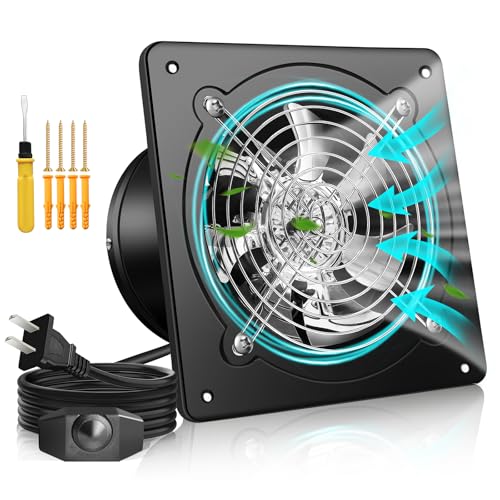
8-Inch 700 CFM Wall Exhaust Fan
Smoke that lingers above the stove doesn’t stay put for long. It creeps into nearby rooms, clings to fabric, and leaves a greasy film on surfaces that seemed clean an hour earlier. This 8-inch wall exhaust fan enters the best ventilation fan for kitchen conversation with a stated 700 CFM airflow, an adjustable controller, and a direct outdoor exhaust path. It’s a muscular utility fan rather than a decorative range hood, so its appeal rests on fast air removal, practical installation, and the ability to tame airflow instead of running full blast all day.
700 CFM Wall Exhaust Fan
The central feature is a stated 700 CFM airflow rating generated at speeds up to 2600 RPM. Seven large blades pull smoke, odors, humidity, and hot indoor air toward the outlet instead of merely pushing them around the kitchen. That direct extraction approach can be especially helpful during frying, searing, grilling, or long simmering sessions. Still, the surrounding wall opening and discharge route need to support the fan, or some of that advertised capacity may be lost.
An 80W power draw places the fan firmly in heavy-duty territory. It uses more electricity than a small bathroom ventilator, but it also aims to move far more air through an 8-inch opening. The brushless motor and double ball bearings are designed to reduce friction and support steadier operation over time. Those components won’t eliminate routine maintenance, though they give the motor a sensible foundation for frequent use.
The housing measures 9.8 by 9.8 by 7.5 inches, while the cylindrical section has an actual diameter of 7.5 inches. That size is intended to fit within a standard 8-inch duct or wall opening while leaving clearance for wiring and installation. Measuring first is not busywork here. A hole that’s too tight, uneven, or partly obstructed can turn a straightforward job into an afternoon of trimming and patching.
This product is built as a wall-mounted extractor, though the extended cord may also support certain ceiling placements where the structure allows it. Its appearance leans industrial, with metal construction, a protective mesh, and a rear damper. That makes it a natural fit for practical kitchens, workshops, garages, basements, and other spaces where airflow matters more than matching cabinet hardware. It won’t disappear into the decor, but it has a job and looks ready to do it.
Adjustable Airflow Without Fixed Speed Steps
The included controller offers continuous speed adjustment rather than forcing the fan into a few preset levels. A gentle turn can provide low background ventilation, while a higher setting can handle a sudden cloud of smoke or rising room temperature. That freedom is useful because cooking conditions change quickly. Boiling water doesn’t need the same airflow as blackening fish in a hot skillet.
Variable control also makes the fan less exhausting to live with, no pun intended. Full-speed extraction may be unnecessary during light cooking and could remove conditioned indoor air faster than expected. Dialing the motor back helps balance ventilation, sound, and energy use. It also reduces the chance of creating an uncomfortable draft near doors or windows.
Unlike a remote-controlled model, the speed controller needs to remain accessible. Placement should make it easy to adjust without reaching over hot cookware or squeezing behind appliances. The 8.2-foot power cord offers flexibility, yet loose cable routing can become a snagging hazard if it crosses a walkway or counter edge. A tidy installation matters just as much as a convenient one.
Continuous adjustment may take a little practice. There’s no numbered speed list in the supplied details, so the right setting will be based on smoke behavior, room comfort, and audible fan speed. Starting low and increasing airflow as needed is usually more sensible than slamming the control to maximum every time. Responsive control is the feature’s strength, but good judgment remains part of the setup.
Seven Blades And Brushless Motor Design
Seven broad blades create the mechanical pull behind the stated airflow. A larger blade count can help move a steady volume of air through the housing, especially when paired with a motor capable of reaching 2600 RPM. The fan is intended to remove airborne grease, hot air, moisture, smoke, and stale odors through an exterior opening. That’s a different job from a ceiling fan, which circulates room air without sending contaminants outside.
The brushless motor is paired with double ball bearings. This design is meant to reduce friction, support smoother rotation, and extend service life compared with simpler motor arrangements. Less friction can also help limit wasted energy and mechanical wear. Even so, a grease-coated blade assembly or clogged mesh can make any motor work harder than it should.
Kitchen air is rough on mechanical parts. Fine oil particles settle on blades, dust sticks to that oily layer, and the buildup gradually changes the fan’s balance. The detachable design makes regular cleaning more manageable, which is a meaningful advantage for a fan used near cooking. Clean blades and open airflow paths preserve capacity better than simply turning the controller higher.
The supplied description calls the operation quiet but doesn’t provide a measured sound rating. At 2600 RPM and 700 CFM, some airflow noise should be expected, particularly at maximum speed. Wall construction, mounting tension, and nearby hard surfaces can amplify vibration or create rattles. A solid installation may matter more to perceived noise than the motor design alone.
Metal Housing, Mesh Guard, And Rear Damper
The fan uses a metal housing intended to resist heat, moisture, and corrosion. Those qualities suit kitchens, bathrooms, greenhouses, basements, and garages, where damp or dirty air can shorten the life of lightweight equipment. Metal also gives the motor a firm mounting structure. The tradeoff is added weight, so the wall or ceiling surface must hold the unit securely.
A dense protective mesh covers the opening to reduce accidental contact with the moving blades. That guard is helpful during cleaning, installation, and everyday use, especially in busy utility areas. It can also stop larger debris from entering the housing. Fine grease and dust will still collect on the mesh, so it needs occasional wiping to keep resistance from building.
The automatic rear valve closes when the fan isn’t operating. This backdraft damper helps block outdoor insects and loose debris from traveling through the opening into the room. It may also reduce unwanted reverse airflow during windy weather. Dampers aren’t airtight seals, however, and their movement should be checked periodically so grease or dirt doesn’t hold them partly open.
Corrosion resistance doesn’t mean the fan can be forgotten after installation. Cooking residue can stain the housing, gum up the damper, and make removable parts harder to separate later. Mild, regular cleaning is usually easier than wrestling with hardened grease months down the road. Durability and maintenance work together; one can’t entirely replace the other.
Kitchen Smoke And Humidity Removal
A kitchen produces several ventilation problems at once. Frying creates grease-laden smoke, boiling adds humidity, and high burner output raises the room temperature. This extractor is designed to send all three outside through a direct wall or duct opening. That broad heat, odor, and moisture removal gives it an advantage over small recirculating fans that return filtered air to the room.
Location determines how much smoke the fan catches before it spreads. Mounting it reasonably close to the cooking zone can shorten the path fumes must travel. A unit positioned across a large room may still clear the air, but it will act more like general exhaust than source capture. Cross-breezes from open windows, doors, or portable fans can also pull smoke away from the intake.
This isn’t a canopy-style range hood, so it lacks the broad capture area that sits directly over a cooktop. Wide pans and front burners may release fumes beyond the fan’s immediate pull, particularly if the wall opening is off to one side. The high airflow helps compensate, but it can’t rewrite the basic physics of smoke capture. Placement is the make-or-break detail.
Humidity removal can be especially useful during long boiling or steaming sessions. Sending damp air outside helps reduce window condensation and the clammy feeling that follows a big batch of soup or dumplings. The fan can’t prevent every moisture issue if the room lacks replacement air or exterior discharge is blocked. Still, proper exhaust gives that moisture somewhere useful to go.
Installation Details That Deserve Attention
The package includes a manual, four screws, and installation hardware. A rounded panel edge helps reduce the chance of scraping or cutting hands while positioning the housing. That small detail is welcome because sheet-metal edges can be unforgiving during a tight installation. The detachable structure also makes later cleaning less awkward.
The actual cylinder diameter is 7.5 inches, not a full 8 inches. That clearance is intentional, allowing the fan to slide into a nominal 8-inch opening while leaving room for wiring. Wall thickness, siding material, framing location, and the exterior vent path should all be checked before cutting. Guessing at any of those details can create leaks, loose mounting, or a fan that sits crooked.
The 8.2-foot cord offers more reach than a short appliance lead. It can help when the nearest outlet isn’t directly beside the installation point or when the fan is placed high on a wall. Extension cords and improvised electrical connections aren’t a sound substitute for a safe setup. Electrical routing should remain dry, protected, and clear of moving parts or hot cooking surfaces.
Exhaust air must terminate outdoors rather than inside a ceiling void, attic cavity, or enclosed wall. Sending grease and moisture into hidden building spaces can encourage odors, staining, and condensation where they’re difficult to notice. The damper should face the correct direction and open freely under airflow. A clean, short exhaust path generally gives the fan the best chance of reaching its intended capacity.
Makeup Air And Room Pressure Tradeoffs
Moving 700 cubic feet of air per minute out of a room creates a demand for incoming air. In a drafty garage, that replacement may enter easily through gaps and open doors. A tightly sealed apartment or renovated kitchen is another story. The fan can create negative indoor pressure if there isn’t a safe path for fresh air to enter.
Negative pressure may cause doors to pull shut, drafts to appear around windows, or odors from neighboring spaces to move indoors. More seriously, strong exhaust can interfere with naturally vented gas appliances in some buildings. A window opened slightly may help in simple situations, though local codes and combustion safety requirements still apply. High airflow deserves more planning than a small bathroom fan.
The variable controller helps manage this issue. Lowering the fan speed reduces the volume of air leaving the room and may keep pressure effects under control during ordinary cooking. Maximum output can be reserved for short periods of heavy smoke or heat. Full power is a tool, not necessarily the everyday default.
Weather matters, too. Pulling large amounts of hot outdoor air inside during summer or cold air during winter can make the heating and cooling system work harder. That doesn’t make strong exhaust a bad idea, but it adds an operating tradeoff. The most comfortable setting is the lowest speed that clears the room effectively.
Use Beyond The Kitchen
The same airflow that clears cooking smoke can serve garages, workshops, attics, basements, warehouses, greenhouses, bathrooms, and pet rooms. Each location brings a different problem, from trapped heat to humidity or persistent odor. The adjustable controller lets the fan respond to those changing demands. Multi-room flexibility is one of the better reasons to consider this utility-focused design.
Garages and smoking rooms benefit from direct exhaust because stale air needs to leave rather than circulate. The fan may reduce lingering odors, but it shouldn’t be treated as protection against dangerous vehicle exhaust or hazardous fumes. Engines shouldn’t run in enclosed spaces, even with a ventilation fan operating. The same caution applies to solvents, fuel vapors, and combustible dust.
Greenhouses and attics present heat-management challenges instead. High-speed airflow can evacuate warm air, while lower settings maintain steadier background ventilation. Moisture, insects, and outdoor debris make the metal housing, guard, and damper relevant in those spaces. The fan should still be sheltered and installed according to its electrical limitations.
RV ventilation follows different power and space constraints, and that separate airflow topic appears naturally in 12-volt RV ceiling fan guidance. This wall extractor operates on 110V at 60Hz and draws 80W, so it belongs in a different electrical category. Its fixed exhaust design suits buildings and powered workspaces more readily than compact off-grid interiors.
Strengths, Weaknesses, And Realistic Expectations
The leading strength is straightforward: substantial stated airflow through a compact 8-inch format. Seven blades, a brushless double-bearing motor, and continuous speed control give the fan both power and flexibility. The long cord, detachable housing, mesh guard, and closing damper add practical value around installation and upkeep. It’s built like a utility machine, not a countertop accessory.
The main weakness is the amount of planning required to use that power properly. A wall opening, outdoor discharge route, stable mounting surface, safe electrical connection, and replacement-air strategy are all part of the purchase. This fan also lacks a dedicated grease-filter canopy, so kitchen placement and cleaning become more important. It can remove smoke quickly, but it won’t capture every plume as neatly as a hood positioned directly over the burners.
Noise remains another uncertainty because the supplied information doesn’t state a decibel measurement. Maximum speed will likely be more noticeable than a low controller setting, especially in a small room with hard walls. Mounting vibration could add extra sound if screws loosen or the panel sits unevenly. Adjustable speed helps manage comfort, but the fan shouldn’t be assumed silent.
The 80W motor also represents a tradeoff. It supports the fan’s high airflow, yet frequent full-speed operation will consume more electricity than a smaller low-capacity ventilator. Running only as hard as the situation requires can limit unnecessary use. The controller earns its keep here by turning a blunt 700 CFM extractor into a more adaptable ventilation tool.
How It Fits A Serious Kitchen Ventilation Setup
This fan sits between small household ventilators and full overhead range hoods. Its 700 CFM rating gives it enough stated muscle for kitchens that regularly deal with smoke, heat, and humidity. The wall-mounted design sends dirty air outdoors, which is a meaningful advantage over recirculating equipment. Yet its performance depends on whether the intake is close enough to the cooking source.
Frequent frying, wok cooking, indoor grilling, and long simmering sessions align well with its intended capacity. Light cooking in a tiny room may not require maximum output, and the continuous controller makes that less of a problem. Garages, shops, basements, and greenhouses broaden its usefulness after the kitchen job is understood. Strong extraction with adjustable restraint is the basic formula.
The product description supplies clear dimensions, voltage, wattage, speed, airflow, and cord length, but it leaves out measured sound output and detailed performance under duct resistance. Those missing points limit precise comparison with laboratory-rated ventilation equipment. Buyers should treat 700 CFM as the stated free-air specification unless the manufacturer provides a tested pressure curve elsewhere. That cautious reading keeps expectations sensible.
As a candidate for the best ventilation fan for kitchen use, the 8-inch extractor makes its strongest case in spaces that permit permanent wall installation and need direct air removal. Its variable controller makes the high-capacity motor more manageable, while the metal body and detachable design suit greasy or humid conditions. Limited source capture, possible noise, and makeup-air demands are the compromises sitting on the other side of that power. Installed close to the problem and cleaned before grease piles up, it offers a practical route for moving stubborn kitchen air where it belongs: outside.
Comfee F13 30-Inch Range Hood
Grease haze has a way of announcing dinner long after the plates are cleared. It settles over cabinets, hangs around in fabric, and makes a small kitchen feel stuffier than it really is. The Comfee F13 30-Inch Range Hood takes a straightforward route into the best ventilation fan for kitchen discussion with 200 CFM airflow, two fan speeds, and a slim under-cabinet body. It isn’t built for restaurant-level smoke, but its convertible ventilation and reusable filtration make sense for everyday cooking in spaces where simplicity carries more weight than raw power.
Comfee F13 Under-Cabinet Hood
The Comfee F13 uses a familiar 30-inch under-cabinet format, measuring 30 inches wide, 18 inches deep, and 5.6 inches high. That low-profile body leaves more visual breathing room above the stove than a bulky chimney hood. It fits a common cabinet width, so the installation doesn’t require redesigning the whole cooking wall. For condos and apartments, that tidy footprint is often the difference between adding ventilation and putting the project off indefinitely.
A stainless steel shell gives the hood a clean, practical finish while making routine wipe-downs less of a chore. Cooking grease still leaves fingerprints and film, of course, but the smooth exterior won’t trap grime like heavily textured surfaces can. The slim stainless steel body also feels appropriate in kitchens where appliances are expected to blend in rather than dominate the room. It’s a workmanlike design, plain enough to sit comfortably beside many cabinet styles.
The package includes the hood, an aluminum filter, an aluminum and activated-carbon composite filter, an E26 lamp holder, installation screws, a long baffle, and an exhaust pipe connector. That parts list supports both ducted and recirculating configurations without requiring an entirely different hood model. The included lamp holder also leaves room for task lighting over the cooktop, although the supplied details don’t state that a bulb is included. What arrives in the box covers the core installation pieces, but wall conditions and duct layout may still call for additional hardware.
This isn’t a portable fan that can be moved beside whichever burner happens to be busy. It becomes part of the kitchen once mounted beneath the cabinet, giving smoke a consistent capture point above the range. That fixed position is a strength for daily cooking because setup doesn’t need to be repeated at every meal. The tradeoff is obvious: placement has to be right the first time, especially if existing cabinets or outlets leave little room for adjustment.
Two-Speed Airflow For Everyday Cooking
The hood provides two exhaust speeds, keeping the controls simple enough to use without much thought. Lower speed suits light simmering, reheating, and meals that create only modest steam or odor. Higher speed is better reserved for frying, sautéing, or anything that sends a visible plume toward the cabinet. Two settings don’t offer fine control, but they cover the basic split between gentle ventilation and stronger extraction.
Comfee lists the maximum airflow at 200 CFM. That capacity is more aligned with routine residential cooking than aggressive wok work, repeated high-heat searing, or indoor grilling. A pot of pasta, a skillet breakfast, or a weeknight stir-fry sits closer to its comfort zone. Thick smoke produced faster than the hood can capture may still drift beyond the intake, so expectations need to stay grounded.
Airflow ratings don’t tell the whole story, either. The hood’s distance from the cooktop, the width of the pan, duct resistance, filter cleanliness, and cross-drafts all affect how much smoke actually reaches the fan. A dirty mesh filter can quietly choke performance, while a poorly routed duct can make a capable motor feel sluggish. Real kitchen ventilation depends as much on installation and maintenance as the number printed in the specifications.
The stated low-noise design is appealing because ventilation only helps when people leave it running. A fan that overwhelms conversation often gets switched off too early, especially during long simmering sessions. The supplied details don’t include a decibel rating, so there’s no honest way to pin down exactly how quiet it will sound. Still, a 200 CFM two-speed hood generally aims for a different experience than a high-output utility extractor rattling at full tilt.
Ducted And Ductless Installation Choices
The Comfee F13 supports ducted or ductless operation, giving the same hood two distinct ways to manage cooking air. Ducted installation sends smoke, moisture, and odors outside through a connected exhaust route. Ductless installation pulls air through grease and carbon filtration before returning it to the kitchen. That flexibility is valuable when one home has an existing vent and another doesn’t permit structural changes.
Ducted use offers the stronger overall ventilation result because contaminated air actually leaves the room. Steam and heat travel outdoors along with smoke, helping the kitchen recover faster after cooking. The exhaust connector and long baffle included in the package support that setup, though the supplied information doesn’t spell out the full duct size or route requirements. A short, smooth exhaust path will usually preserve more airflow than a long run packed with tight bends.
Ductless use avoids exterior venting, which can be a relief in an apartment or condo where drilling through a wall isn’t allowed. The composite filter combines aluminum mesh with activated-carbon cotton to catch grease and reduce cooking odors. It won’t remove heat or humidity from the room, since filtered air returns indoors. That’s the core ductless tradeoff: easier installation in exchange for less complete air removal.
Choosing between the two modes shouldn’t be based on convenience alone. Frequent boiling, steaming, and heavy frying create moisture and grease that are better handled by outdoor exhaust. Occasional light cooking may fit a recirculating setup more comfortably, especially with a nearby window or general room ventilation. The Comfee’s convertible design keeps both routes open, but the kitchen itself decides which one makes more sense.
Reusable Mesh And Carbon Filtration
The package contains a reusable aluminum mesh filter intended for ducted operation and a composite filter suited to ductless use. The aluminum filter captures airborne grease before it reaches the fan and internal surfaces. Because it is listed as dishwasher safe, cleanup can be less tedious than hand-scrubbing every fold. A regular washing schedule helps keep airflow steady and prevents old cooking residue from turning sour.
The aluminum and activated-carbon composite filter adds odor reduction for recirculating installation. Carbon material absorbs some of the compounds responsible for lingering food smells, while the mesh portion catches larger grease particles. Comfee suggests replacing that filter every three to four months, identified as part CVU30-F. Replacement frequency may still shift with cooking habits, since daily frying loads a filter faster than occasional reheating.
Filters aren’t decorative accessories. Once grease blocks the mesh, the fan has to pull against greater resistance, and smoke can spill around the hood rather than passing through it. A saturated carbon layer may continue moving air while doing less to reduce odor. That slow decline makes filter care easy to overlook because the hood still sounds as though it’s working.
The reusable and replaceable components create a reasonable maintenance balance. The washable aluminum mesh avoids recurring disposal in ducted mode, while the carbon composite handles odor control where outdoor venting isn’t available. Replacement filters do add an ongoing cost, so ductless ownership isn’t completely maintenance-free. Still, access to a specified replacement part is preferable to guessing which generic filter might fit.
Lighting And Cooktop Visibility
An E26 lamp holder is included beneath the hood, providing a familiar socket format for cooktop lighting. Better visibility helps with browning, simmer control, and spotting grease splatter before it lands outside the pan. Under-cabinet kitchens often suffer from shadows cast by the cook’s body or overhead cabinets. A dedicated lamp directly above the range solves that small irritation more effectively than a brighter ceiling bulb across the room.
The supplied details don’t state the included bulb type, wattage limit, or brightness. That means lighting performance will depend partly on the compatible bulb chosen for the socket. A suitable heat-resistant bulb should follow the manufacturer’s guidance rather than whatever happens to be sitting in a drawer. Correct bulb selection matters because the area above a cooktop deals with warmth, grease, and frequent cleaning.
Task lighting also supports safer cooking. Pan handles, bubbling sauces, and color changes in oil are easier to read under direct illumination. That’s particularly helpful in a compact kitchen where the hood may cover the darkest part of the counter run. The light isn’t the headline feature, yet it contributes to a more usable cooking station every evening.
Cleaning around the lamp deserves attention because oily vapor collects on lenses, bulbs, and nearby metal. Even a bright bulb becomes dull behind a film of grease. A quick wipe after messy cooking is easier than waiting until residue bakes onto the surface. Simple maintenance keeps the lighting useful and the hood looking less tired.
Installation Fit And Cabinet Planning
The 30-inch width is designed to align with a standard residential range and cabinet opening. Still, width alone doesn’t settle the fit. The hood’s 18-inch depth and 5.6-inch height need to clear cabinet doors, backsplashes, outlets, and any shelf contents above. Careful measurements prevent the classic problem of a hood that technically fits but interferes with everything around it.
Ducted installation requires more planning than attaching the housing beneath a cabinet. The exhaust opening must line up with the duct route, and the discharge needs to terminate outdoors rather than inside a cabinet, ceiling cavity, or attic. Grease and moisture dumped into hidden spaces can create odors and damage far from the stove. A sound installation gives contaminated air a complete path out of the building.
Ductless mounting removes the exterior vent requirement, but it still needs secure attachment and adequate clearance around the intake. The carbon composite filter must be installed in the proper orientation so air passes through it rather than around it. Cabinet material also matters because thin panels may need suitable anchors or reinforcement. Solid mounting keeps vibration and rattling from becoming part of dinner.
The hood’s slim profile helps preserve cabinet space, though the installation area still needs access for wiring and future filter removal. A design that fits tightly against surrounding trim may look neat while making maintenance needlessly awkward. Leaving practical access is worth a tiny visual gap. Nobody enjoys dismantling half a cabinet just to wash a greasy filter.
Cleaning, Grease Control, And Upkeep
Stainless steel is durable, but kitchen grease doesn’t care how tough a surface is. Vaporized oil settles as a thin film, attracting dust and fingerprints until the finish looks cloudy. A soft cloth and a cleaner suitable for stainless steel can keep the exterior manageable. Frequent light cleaning is far easier than attacking hardened buildup every few months.
The dishwasher-safe aluminum mesh simplifies one of the messiest maintenance jobs. Removing it regularly prevents grease from creeping deeper into the hood and restricting the fan. The filter should be fully dry before reinstalling, since trapped moisture doesn’t belong near electrical components. A second filter on hand could reduce downtime, although the package description lists one reusable aluminum unit.
Ductless operation asks for extra discipline because carbon filters aren’t restored by ordinary washing. Once saturated, the composite filter needs replacement rather than another trip through the dishwasher. Ignoring that interval may leave the hood moving air but doing little about odor. Airflow and odor control are separate jobs, and each filter layer needs the right kind of care.
The interior deserves occasional inspection as well. Grease can reach the fan housing even with a filter in place, particularly if cleaning has been delayed. The product description doesn’t detail internal disassembly, so maintenance should follow the manual rather than improvised steps. Unplugging or safely disconnecting power comes first before any work near the fan or lamp holder.
Strengths, Weaknesses, And Cooking Limits
The main strength is practical adaptability. One slim hood supports both outdoor exhaust and filtered recirculation, so it can move between different installation realities without changing the entire appliance choice. Two included filter types, stainless steel construction, a familiar 30-inch width, and straightforward controls keep ownership uncomplicated. It’s the sort of design that focuses on everyday usefulness rather than piling on features that rarely leave the manual.
The most obvious weakness is the 200 CFM ceiling on airflow. That output can handle common household meals, but heavy smoke from repeated searing or high-heat wok cooking may escape the capture area. Two speeds also provide less finesse than a multi-level fan. The hood makes more sense for moderate cooking than for a kitchen that behaves like a short-order grill every night.
Ductless performance carries another limitation because recirculated air keeps heat and humidity indoors. Carbon filtration can soften odors, yet it can’t send steam outside or eliminate every trace of strong seasoning. A window, room exhaust fan, or other ventilation may still help after long cooking sessions. Ducted mode remains the stronger arrangement where building conditions allow it.
The unrelated matter of personal spot cooling follows a different airflow logic, and that distinction appears in Hunter desk fan notes. A desk fan circulates air for comfort, while the Comfee hood captures grease and cooking fumes near their source. Mixing those jobs usually leads to disappointment because circulation can spread smoke rather than remove it. The F13 earns its place by staying focused on the cooktop.
How The Comfee F13 Fits Daily Kitchen Life
The Comfee F13 fits a kitchen where meals are regular but not relentlessly smoky. Breakfast eggs, simmered sauces, sautéed vegetables, pasta, and occasional frying line up well with its 200 CFM ventilation. The low setting can handle gentle steam, while the higher setting steps in once oil and heat start filling the air. That simple control pattern won’t require a learning curve or constant adjustment.
Apartment and condo kitchens gain the most from the installation flexibility. Ductless operation provides a workable answer where exterior venting is blocked by lease terms or building design. A future renovation can shift the same hood toward ducted use if an outdoor route becomes available. Convertible installation gives the appliance more staying power than a recirculation-only model.
Frequent high-heat cooking exposes the product’s boundaries. The hood can reduce smoke and odor, but 200 CFM isn’t a magic eraser for thick grease clouds or wide griddles that extend beyond the intake. Starting the fan before the pan gets hot helps establish airflow early, and keeping filters clean prevents avoidable losses. Even then, realistic expectations matter more than wishful thinking.
Within the best ventilation fan for kitchen search, the Comfee F13 stands out less for brute force and more for sensible fit. Its slim stainless steel body, two filtration options, reusable mesh, and uncomplicated two-speed fan address the everyday annoyances of small residential kitchens. Ductless limits, modest airflow, and recurring carbon-filter replacement are the compromises. For cooking routines that value tidy installation, manageable noise, and straightforward upkeep, those compromises may be easier to live with than an oversized hood built for demands that never arrive.
HG Power 6-Inch Kitchen Exhaust Fan
A small kitchen can feel surprisingly stuffy once steam, smoke, and fried-food odor start piling up. Opening a window helps only when the weather cooperates, and a basic circulating fan often spreads the problem instead of removing it. The HG Power 6-Inch Exhaust Fan approaches the best ventilation fan for kitchen question with 308 CFM airflow, a 38W motor, seven blades, and a plug-in power cord. It’s compact enough for tighter spaces yet strong enough to serve as a direct exhaust fan in kitchens, garages, basements, workshops, and other rooms that need stale air pushed outside.
HG Power 6-Inch Exhaust Fan
The HG Power fan uses a 6-inch wall-mounted format, making it more compact than larger 8-inch utility extractors. That smaller footprint can be easier to accommodate in narrow kitchen walls, small workshops, or rooms where a broad fan housing would look awkward. Its stated 308 CFM airflow gives it substantially more purpose than a decorative vent cover or low-output bathroom fan. Still, the final result depends on where it’s installed and how freely the exhaust air can leave the building.
Seven blades handle the airflow, supported by a motor designed to remove smoke, humidity, heat, and lingering odors. The blade count helps create a steady pull through the opening rather than a weak breeze near the grille. For routine frying, simmering, steaming, or reheating, that focused extraction can keep cooking air from drifting through the rest of the home. Heavy indoor grilling or repeated high-heat searing may still ask more from the fan than its compact size can comfortably provide.
The silver metal housing gives the unit a straightforward utility appearance. It won’t imitate the polished shape of a traditional range hood, but it suits garages, basements, workshops, smoking rooms, and practical kitchens where airflow matters more than visual drama. A wall opening remains visible after installation, so placement should consider both function and appearance. Compact doesn’t mean hidden, especially when the fan sits at eye level.
This model is also a plug-in appliance rather than a bare-wire fan. The pre-installed cord simplifies power access and removes one layer of electrical work from the setup. That’s useful in spaces with a nearby outlet, though the cord’s limited length may influence where the fan can realistically be placed. Its appeal rests on a clean idea: mount it, plug it in, and give stale air a direct route outside.
308 CFM Airflow In A Compact Frame
The stated 308 CFM capacity is the central performance figure. That airflow is intended to clear smoke, warm air, dampness, and odors from smaller rooms without requiring a large industrial fan. In a kitchen, it can support everyday cooking that produces moderate steam and grease vapor. The closer the fan sits to the active cooking zone, the sooner it can intercept fumes before they spread.
Room size matters, but so does the source of the smoke. A skillet positioned directly beneath or near the intake gives the fan a better chance than a stove several feet away. Cross-drafts from open doors, ceiling fans, or windows may pull fumes sideways before they reach the grille. Airflow direction is just as important as the airflow number printed in the product description.
The fan operates as an exhaust device, so it removes contaminated air rather than filtering and returning it indoors. That distinction helps with heat and humidity as well as odor. A recirculating fan may reduce some smells, but it can’t send steam outdoors. The HG Power design is better suited to rooms where an exterior vent path is available and permanent air removal is the goal.
Strong exhaust also creates a need for replacement air. In a tightly sealed kitchen, the fan may struggle unless fresh air can enter through a doorway, window, or dedicated vent. Poor makeup air can reduce extraction and create drafts through cracks elsewhere in the building. Balanced ventilation keeps the fan from fighting the room itself.
38W Motor And Energy Use
The motor draws a stated 38 watts while producing 308 CFM airflow. That combination gives the fan a reasonable efficiency profile for ongoing ventilation in small to midsize rooms. It uses less power than many larger utility fans, which matters if the unit runs for extended periods after cooking. Lower wattage doesn’t guarantee lower bills by itself, though; usage time still drives the final cost.
A fan running for twenty minutes after dinner consumes far less electricity than one left on for hours every day. The HG Power model doesn’t include a timer or variable speed controller in the supplied description, so control remains simple. It operates as a straightforward plug-in exhaust fan rather than a programmable ventilation system. Simplicity reduces fuss, but it also means airflow can’t be fine-tuned for lighter tasks.
The fixed-speed design may feel slightly overpowered during mild ventilation and insufficient during an unusually smoky meal. That’s the tradeoff with a single operating level. There’s no low setting for background air exchange and no boost mode for sudden smoke. Even so, one dependable speed can be easier to manage than a control panel full of features that rarely get used.
Energy efficiency also depends on cleanliness. Grease, dust, feathers, or workshop debris can restrict the grille and make the motor work against resistance. Regular cleaning protects both airflow and power efficiency. A compact fan doesn’t have much extra space around the blades, so buildup can become noticeable sooner than expected.
Seven-Blade Design And Motor Durability
The seven large blades are meant to move a steady volume of air through the compact opening. More blade surface helps the fan pull smoke and humidity toward the outlet rather than letting it hover near the ceiling. The design is particularly relevant in kitchens and smoking rooms, where stale air needs to leave instead of simply circulating. Direct extraction is the whole point here.
The product information states a service life of up to 30,000 hours. That figure reflects the manufacturer’s claimed lifespan, not a guarantee that every installation will reach the same number. Heat, grease, dust, moisture, and cleaning habits can all influence longevity. A fan mounted in a clean office faces a much easier life than one sitting beside a greasy cooktop.
Metal construction gives the motor and blades a rigid housing. That stability can reduce flexing and help the fan stay aligned during operation. Loose mounting screws, however, may still create vibration and rattling even if the motor itself is running properly. Secure installation has a direct effect on both sound and long-term wear.
The supplied description doesn’t provide a decibel rating, so claims about quietness should remain modest. A 308 CFM fan moving air through a six-inch opening will produce some audible airflow. Wall material, grille cleanliness, and mounting quality can make that sound smoother or harsher. Expect a functional exhaust hum rather than silence.
Metal Construction And Backdraft Damper
The housing is made from durable metal, which suits humid kitchens, dusty garages, and warm attic spaces better than flimsy plastic in many situations. Metal handles routine wiping and temperature changes without feeling delicate. It also gives the fan an industrial look that fits utility areas naturally. In a polished kitchen, the visual style may feel more practical than decorative.
A detachable backdraft damper helps prevent outdoor air, insects, and loose debris from entering when the fan is off. The flap opens under exhaust pressure and closes once airflow stops. That’s useful during windy weather or in garages where outside dust can travel through open vents. Dampers aren’t airtight, but they’re far better than leaving a completely open hole.
The damper needs occasional inspection because grease and dirt can interfere with its movement. A flap stuck partly open may allow drafts or insects indoors, while one stuck closed can choke the fan’s airflow. Cleaning the surrounding area keeps the mechanism responsive. Small moving parts often decide whether an otherwise solid ventilation setup feels dependable.
Ceiling installation is possible according to the supplied details, but the damper should be removed for that orientation. Gravity changes how the flap behaves, so a component designed for wall mounting may not open or close correctly overhead. That detail shouldn’t be skipped. The fan’s versatility is useful, but each mounting position still needs the correct setup.
Plug-In Setup And Installation Limits
The pre-installed 3.3-foot power cord is one of the fan’s most practical features. It avoids the need to connect loose electrical leads directly during a basic installation. Once the fan is securely mounted and the exhaust route is prepared, the cord can be connected to a nearby outlet. That plug-and-run approach is less intimidating than hardwiring for many home users.
The cord length is also a limitation. Three feet may be plenty when an outlet sits close to the opening, but it can feel short in older kitchens or high wall placements. Extension cords shouldn’t become a permanent substitute for proper power access, particularly near heat, moisture, or moving equipment. Outlet placement deserves attention before any hole is cut.
The fan can be mounted on a wall or ceiling, provided the structure supports it and the damper is handled correctly. A wall installation usually gives the simplest outdoor exhaust route. Ceiling placement may require ducting through an attic or roof, which adds complexity beyond merely fastening the housing overhead. The easy-installation claim applies most naturally to a prepared wall opening with nearby power.
Air should discharge outdoors, not into an attic, crawlspace, ceiling cavity, or enclosed garage. Moisture and cooking grease can collect in hidden spaces and create odors or surface damage over time. A short, clear outlet path supports stronger airflow and simpler maintenance. Safe discharge routing is the part of the job that matters long after the screws are tightened.
Cleaning And Low-Maintenance Ownership
The detachable design makes the fan easier to access for routine cleaning. Kitchen use will eventually coat the grille and blades with a mixture of grease and dust. That layer can reduce airflow, create odors, and throw the blade assembly slightly out of balance. Occasional cleaning keeps a small fan from slowly losing the performance that made it useful.
Metal surfaces usually respond well to a soft cloth and a cleaner appropriate for the finish. Harsh abrasives may scratch the housing, while excess water can reach electrical components. Disconnecting the fan from power before cleaning should be treated as standard practice. A quick wipe every few weeks is easier than scraping away hardened residue later.
The fan doesn’t include a grease filter in the supplied description, which separates it from a traditional under-cabinet range hood. Without a filter layer, more cooking residue may reach the blades and rear housing. That doesn’t prevent kitchen use, but it makes cleaning frequency more important. Direct exhaust without filtration favors simplicity at the cost of extra attention around greasy cooking.
Workshops, chicken coops, pet rooms, and basements create different maintenance demands. Dust, feathers, pet hair, and cobwebs can collect on the mesh and blade edges even when grease isn’t present. Each environment has its own kind of grime. The fan’s low-maintenance design still needs basic inspection to stay effective.
Kitchen Performance And Realistic Cooking Scenarios
The HG Power fan fits everyday kitchen routines better than extreme smoke production. Boiling pasta, sautéing vegetables, frying eggs, and simmering sauces fall within a reasonable use case for 308 CFM ventilation. Starting the fan before smoke becomes visible allows airflow to establish early. Waiting until the room is already hazy puts the compact unit at a disadvantage.
Heavy wok cooking, blackened meat, or indoor grilling may produce smoke faster than the six-inch intake can capture it. The fan can still help clear the room afterward, but source capture may be incomplete. A wide overhead hood usually handles broad smoke plumes more effectively because it surrounds more of the cooking surface. Compact size creates boundaries, even when the motor is capable.
Steam removal is another useful role. Boiling and long simmering raise humidity, leaving windows damp and cabinets clammy. Direct exhaust sends that moisture outside instead of allowing it to settle around the room. The effect will be strongest when the fan sits near the cooking area and makeup air can enter freely.
The absence of variable speed means the fan delivers the same airflow during every task. Some cooks will appreciate the simplicity, while others may miss a quieter low setting. It’s a no-nonsense setup: power on for extraction, power off when the air clears. Basic operation can be a virtue in utility spaces where elaborate controls would add little value.
Garages, Basements, Shops, And Animal Spaces
The fan’s use extends well beyond cooking. Garages, basements, home offices, workshops, smoking rooms, and commercial spaces can all benefit from direct stale-air removal. The metal body and 308 CFM airflow make it suitable for rooms where a decorative fan would feel out of place. Broad application is one of the product’s strongest practical arguments.
Chicken coops and pet rooms create persistent odor and humidity rather than sudden cooking smoke. Continuous or scheduled ventilation can help keep those spaces less stuffy, though the fan itself doesn’t include a timer. Feathers, fur, and dust may collect quickly on the protective surfaces. More frequent inspection would be sensible in those environments.
Garages and smoking rooms benefit from moving contaminated air outdoors, but the fan shouldn’t be viewed as protection against dangerous gases. Vehicle engines, fuel fumes, solvents, and combustion appliances can create hazards that ordinary ventilation may not control safely. The HG Power unit supports general air exchange, not industrial contaminant management. Ventilation has limits, and those limits matter most in enclosed work areas.
Room circulation solves a different comfort problem, and that distinction appears naturally in modern wood ceiling fan guidance. A ceiling fan redistributes indoor air, while the HG Power extractor removes air through a wall or ceiling opening. One can improve how a room feels, and the other can reduce smoke, humidity, or odor. They may complement each other, but they don’t perform the same job.
Strengths, Weaknesses, And Best-Fit Use
The leading strength is the balance between compact size and useful airflow. A 6-inch body is easier to place than a large extractor, while 308 CFM offers meaningful ventilation for kitchens, workshops, and smaller utility rooms. The 38W draw, seven blades, metal construction, and included damper create a straightforward package. Nothing feels unnecessarily complicated.
The biggest weakness is the lack of speed control. Full airflow may be more than needed for light ventilation, yet there’s no lower setting for quiet background use. The short power cord may also restrict placement unless an outlet is conveniently located. These aren’t fatal flaws, but they shape where the fan feels easy to live with.
Kitchen users should also account for the absence of a dedicated grease filter. The fan can remove cooking air, but grease may collect directly on the grille, blades, and exhaust path. Regular cleaning becomes part of ownership rather than an occasional afterthought. Simple construction reduces parts, though it doesn’t remove maintenance.
The fan fits best in a room with an existing or easily created six-inch vent route, nearby power, and moderate exhaust demands. Smaller kitchens, garages, basements, pet rooms, workshops, and smoking areas match that profile. Very large rooms or heavy-duty cooking environments may need greater capacity or a wider capture surface. Right-sized ventilation matters more than choosing the largest number available.
How It Fits The Kitchen Ventilation Search
The HG Power fan offers a different answer from a ductless countertop extractor or a full under-cabinet hood. It doesn’t filter air, light the stove, or provide multiple controls. Instead, it delivers direct 308 CFM exhaust through a compact metal housing. That focused purpose can be valuable in a kitchen where the main problem is trapped smoke and moisture rather than missing appliance features.
Its 38W motor supports reasonable energy use, while the plug-in cord simplifies power connection. Seven blades and a backdraft damper round out a design built around basic airflow rather than decorative extras. The fan should be installed close enough to the smoke source to capture fumes early. A distant opening can still clear the room, but it won’t behave like a hood positioned directly above the burners.
Sound output remains an unknown because no measured decibel level is supplied. The 30,000-hour lifespan is also a manufacturer-stated figure that depends on installation, cleaning, temperature, and workload. Those gaps don’t erase the useful specifications, but they prevent overly confident claims about quietness or exact durability. Known performance details should carry more weight than assumptions.
Within the best ventilation fan for kitchen search, the HG Power 6-inch model makes its case through compact installation, 308 CFM airflow, a 38W motor, and a ready-to-use power cord. Its weaknesses are equally clear: one speed, no grease filter, a relatively short cord, and less smoke capture than a wide range hood. For moderate cooking and utility-room ventilation, that plainspoken design may be exactly the point. It removes stale air without asking the user to manage a complicated control system or dedicate much wall space to the equipment.

Best Quiet Ceiling Fan For Bedroom 2026 Ultimate Comfort Picks

Best Ceiling Fan For Master Bedroom 2026 With Ultimate Comfort

Best White Ceiling Fan With Light For Bedroom 2026 Top Picks

Best Quorum Medallion Ceiling Fan 2026 With Style & Breeze
Best Outdoor Fan For Pergola 2026 Comfort Boost

Best Ceiling Fan For Great Room 2026 With Ultimate Comfort

Best Outdoor DC Ceiling Fans 2026 For Breezy Comfort
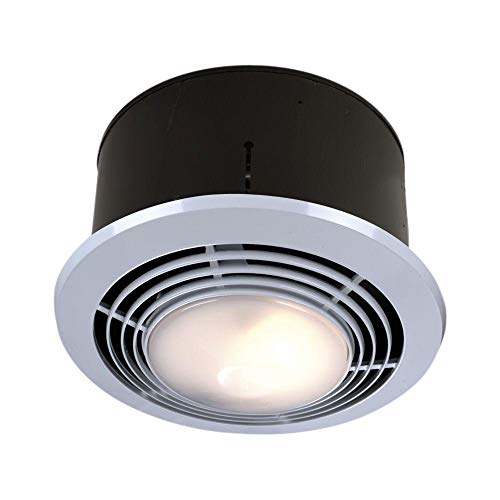
Best ceiling exhaust bath fan with light and heater 2026