How to Clean Ceiling Fan Blades Without Dropping Dust

Slide an old pillowcase over each blade. Wiping inside a damp pillowcase traps every speck of dirt before it can fall. As you pull the cloth back toward the tip, it scrapes off the buildup and holds everything inside the pocket. Nothing showers down onto your bed, rug, or floor. The job takes only minutes, and you skip the headache of vacuuming the entire room afterward.
A few details can change how you tackle the chore. Extra-tall ceilings require an extendable microfiber duster so your feet stay safely on the floor. Fans spinning near a kitchen often pick up sticky cooking oils, which take warm water and mild dish soap rather than a simple wipe. Delicate wood finishes also need a gentle touch to prevent surface damage. Here is how to clear away the mess quickly while keeping your fan balanced and quiet.
How to Clean Ceiling Fan Blades with a Pillowcase Step by Step
Dusting a ceiling fan often creates more work than it saves. When you swipe at the blades with a dry rag or a feather duster, thick clumps of gray debris tumble straight down onto your clean sheets, couch cushions, or rug. The pillowcase technique stops that mess completely by enclosing the blade so every speck stays trapped inside the fabric.
Before you start, grab a standard cotton pillowcase, an ordinary spray bottle filled with clean water, and a steady step stool. Follow these numbered steps to clean each blade safely without scattering dust across the room:
- Turn off the wall switch and make sure the blades come to a complete stop. You never want the motor to start while your hands are on the unit, and moving parts can easily cause hand injuries or knock you off balance.
- Place your step stool slightly to the side of the blade rather than directly below it. Standing right underneath puts your face directly in the drop zone if loose debris falls, while working from the side keeps your eyes clear and gives your arms much better reach.
- Lightly mist the inside of your pillowcase with water so the fabric feels barely damp. Bone-dry cloth lets loose dirt drift back out of the opening, but a tiny amount of moisture grabs static dust on contact without dripping dirty water onto the floor.
- Slip the pillowcase completely over the blade, pushing it all the way back to the motor. Enclosing the entire blade from base to tip ensures that dust resting on the upper face, bottom surface, and narrow side edges is completely sealed inside the cloth bag.
- Place one hand flat on the top of the blade and your other hand on the bottom, then pull backward toward the tip. Squeezing the blade gently between your palms as you pull slides the thick debris directly off the blade and scrapes it down into the bottom of the pillowcase.
- Rotate the fan by hand to bring the next blade toward your step stool, and repeat the slide. Turning the blades to you lets you stay in one stable spot instead of climbing down and dragging your stool around the room for every single blade.
- Take the pillowcase straight to an outside trash bin, turn it inside out, and shake it out. Emptying the trapped dust clumps outdoors keeps millions of loose dust particles from floating back into your indoor air before you toss the pillowcase into the laundry.
How to Remove Sticky Grease and Grime from Blades
Ceiling fans in dining spaces, kitchens, or open living areas often gather more than dry dust. Floating cooking vapors, aerosol sprays, and humidity bind with airborne particles to form a sticky, gummy film. A dry dusting cloth slides right over this residue without lifting it. Removing it requires a mild cleaner that breaks down grease without ruining the blade finish.
Here is what to do to strip away sticky grime safely:
- Mix warm water with a few drops of mild dish soap: Standard liquid dish soap cuts through kitchen oils naturally without using harsh solvents. Fill a small bucket with warm water, add two or three drops of soap, and stir until lightly sudsy.
- Wring out your cleaning cloth until it is almost dry: Dip a soft microfiber cloth into the soapy water, then squeeze it thoroughly. Excess water can seep into unsealed composite edges or run down into the electrical motor, causing warping or shorts.
- Support the blade with your free hand while wiping: Place one hand flat under the blade to take the weight of your wipe. Rub sticky spots with gentle, circular motions until the yellowed oil film releases.
- Wipe immediately with a clean, dry towel: Never let moisture sit on wood, painted composite, or veneer blades. Drying the surface right away protects the finish from swelling, bubbling, or losing its protective clear coat.
- Avoid abrasive pads and chemical sprays: Never use scouring pads, wire wool, ammonia, or bleach-based bathroom sprays. These harsh items scratch smooth plastic surfaces, strip real wood stains, and leave dull streaks across glossy composite blades.
Cleaning Vaulted and High Ceiling Fans from the Floor
Great rooms, entryways, and master suites with cathedral ceilings often suspend fans from a long downrod (the metal hanging pipe that extends from the ceiling mount). When blades sit 10 to 15 feet off the floor, climbing a tall ladder inside the house creates a serious fall hazard and takes two people to manage safely.
The safest way to clean these high fixtures is from the floor using an extendable pole fitted with a curved microfiber duster head. These curved heads feature an open oval or U-shape that slides directly over the fan blade. As you walk the pole along the blade, the microfiber fingers clean both the top and bottom surfaces at the same time.
Microfiber uses a natural static charge to hold onto loose particles, but high fans often drop a few loose crumbs when wiped from a distance. Lay an old sheet or drop cloth over your furniture and flooring before you start. Extend the pole so you can comfortably hold it at chest height without straining your neck or leaning backward. Slide the curved head over the blade near the center, then draw the pole straight back toward you in a steady, smooth stroke.
Keeping high blades free of heavy dust keeps your air fresh throughout large spaces. For rooms with raised ceilings, like master suites, pairing a simple cleaning routine with the best ceiling fan for master bedroom layouts helps keep air circulating smoothly without blowing hidden dust blankets onto your bedding.
How to Avoid Damaging Fan Brackets and Motors While Wiping
A ceiling fan that wobbled smoothly before cleaning might suddenly squeak, click, or shake violently once you finish. This irritating wobble almost never means the motor is failing. In most cases, it happens because someone pulled down too hard on the blades during cleaning and bent the mounting hardware.
Keep these checks in mind to protect your fan balance and electrical components every time you clean:
- Never push down or pull down on the blade: The blade iron (the metal bracket holding the blade to the motor) is made from cast zinc or stamped steel. These brackets bend under modest downward force. Even a bend of one-sixteenth of an inch ruins the factory alignment and creates an annoying wobble.
- Keep all moisture outside the motor housing: The motor housing (the center motor hub) contains copper windings, electrical wire connections, and sensitive bearings. Never spray cleaning solutions toward the motor, and keep damp cloths at least two inches away from any open vents in the center hub.
- Do not pull sideways on the hanging pipe: Pulling hard against the downrod can twist the ball joint resting in the ceiling bracket. If the ball pops out of its built-in safety groove, the entire fan will rock off balance and wear down the ceiling mount.
- Check the bracket screws if you notice play: While your stool is set up, gently wiggle each blade near the base. If you feel any looseness, use a handheld screwdriver to snug up the screws connecting the blade to the metal bracket, and the bracket to the motor. Avoid power drills, which can easily strip the screw heads or crush composite blades.
Simple Tricks to Keep Dust from Building Up Quickly
Ceiling fans gather dust quickly because of static electricity. As the blades slice through the air, friction builds a mild electric charge across the blade material. This charge acts like a magnet, pulling floating lint, pet fur, and skin flakes out of the air and locking them to the leading edges.
You can slow down this dust buildup with an ordinary unused dryer sheet. After wiping your blades completely clean, take a single dry dryer sheet and lightly buff both sides of each blade. The anti-static coating transfers to the blade, lowering the surface friction and preventing dry dust from clinging tightly over the next few months.
Running your fan in the correct seasonal direction also helps. In summer, your fan should rotate counterclockwise to push a cooling breeze straight down. In winter, set it to rotate clockwise at low speed to draw cool air up and push warm air down off the ceiling. Switching the direction twice a year gives you a natural reminder to do a quick visual check. If you have a light fixture like a best white ceiling fan with light for bedroom spaces, spending thirty seconds with a dry cloth once a month keeps dark dust outlines from settling around bright light bowls and white blade edges.
Choosing the Right Cleaning Tools for Hard-to-Reach Fans
If your home features high ceilings, sloped rooflines, or fans mounted directly over stairwells, basic cloths and stepladders will not reach safely. Choosing a dedicated ceiling fan duster allows you to keep every fixture clean from the comfort of the floor.
When selecting a cleaning tool, look for a lightweight pole that extends high enough so you do not have to stretch on your tiptoes. Aluminum and fiberglass extension poles offer good stiffness without bending under their own weight when fully extended. Avoid thin, twist-lock plastic poles that sag or collapse while you apply pressure to a blade.
Pay close attention to the shape and material of the cleaning head. A curved duster that wraps around both the upper and lower surfaces of the blade cleans twice as fast as a flat duster. Pick tools with removable, machine-washable microfiber or chenille sleeves. Washable sleeves save money over time and trap loose debris far better than disposable dusting sheets that fill up after half a blade.

- LFR Score7.4
LFR Score is a ranking system developed by lightfansreviews.com. LFR Score has no relationship or impact from any manufacturers or sales agent websites. Learn more
- BrandClean Beastie

- LFR Score9.2
LFR Score is a ranking system developed by lightfansreviews.com. LFR Score has no relationship or impact from any manufacturers or sales agent websites. Learn more
- BrandARAINY
- LFR Score8.1
LFR Score is a ranking system developed by lightfansreviews.com. LFR Score has no relationship or impact from any manufacturers or sales agent websites. Learn more
- BrandParsca

- LFR Score7.1
LFR Score is a ranking system developed by lightfansreviews.com. LFR Score has no relationship or impact from any manufacturers or sales agent websites. Learn more
- BrandGeneric

- LFR Score8.7
LFR Score is a ranking system developed by lightfansreviews.com. LFR Score has no relationship or impact from any manufacturers or sales agent websites. Learn more
- BrandMLHpeak
- LFR Score7.1
LFR Score is a ranking system developed by lightfansreviews.com. LFR Score has no relationship or impact from any manufacturers or sales agent websites. Learn more
- BrandGeneric

- LFR Score7.1
LFR Score is a ranking system developed by lightfansreviews.com. LFR Score has no relationship or impact from any manufacturers or sales agent websites. Learn more
- BrandFONUNO

- LFR Score8.3
LFR Score is a ranking system developed by lightfansreviews.com. LFR Score has no relationship or impact from any manufacturers or sales agent websites. Learn more
- BrandLOVECO

- LFR Score7.8
LFR Score is a ranking system developed by lightfansreviews.com. LFR Score has no relationship or impact from any manufacturers or sales agent websites. Learn more
- BrandSetSail

- LFR Score7.8
LFR Score is a ranking system developed by lightfansreviews.com. LFR Score has no relationship or impact from any manufacturers or sales agent websites. Learn more
- BrandBlade Maid

- LFR Score8.7
LFR Score is a ranking system developed by lightfansreviews.com. LFR Score has no relationship or impact from any manufacturers or sales agent websites. Learn more
- BrandFONUNO

- LFR Score9.2
LFR Score is a ranking system developed by lightfansreviews.com. LFR Score has no relationship or impact from any manufacturers or sales agent websites. Learn more
- BrandUNGER

- LFR Score9.7
LFR Score is a ranking system developed by lightfansreviews.com. LFR Score has no relationship or impact from any manufacturers or sales agent websites. Learn more
- BrandHeonay

- LFR Score8.2
LFR Score is a ranking system developed by lightfansreviews.com. LFR Score has no relationship or impact from any manufacturers or sales agent websites. Learn more
- BrandHlimior
Last update on 2026-10-04 / Affiliate links / Images, Product Titles, and Product Highlights from Amazon Product Advertising API
FAQs
Can I use a vacuum attachment to clean ceiling fan blades?
Yes, a vacuum equipped with a soft brush attachment works well for lifting dry, loose dust. Hold the brush flat against the blade and move slowly from the motor hub outward to the tip. Always support the blade with your free hand so the suction and pressure do not bend the metal mounting bracket.
How often should ceiling fan blades be cleaned?
Most ceiling fan blades need a quick dusting once every month to keep heavy build-up from forming. Fans located in kitchens, dining areas, or homes with multiple pets may need a wipe-down every two to three weeks to prevent sticky grease from trapping pet fur along the blade edges.
Why does my ceiling fan wobble after I cleaned it?
Wobbling usually happens when one blade bracket was accidentally bent downward during cleaning, throwing off the weight balance. It can also occur if heavy dust was removed unevenly, leaving thick residue on only one or two blades. Check that all blades are completely clean, and snug up the mounting screws on any loose brackets.
Is vinegar safe to use on wooden ceiling fan blades?
A mild mix of equal parts warm water and white distilled vinegar is safe for sealed wood, laminate, and plastic fan blades. Never soak the wood, and always ring your cloth out until it is barely damp before wiping. Dry the surface immediately with a soft towel so the mild acid does not soften the protective clear coat.

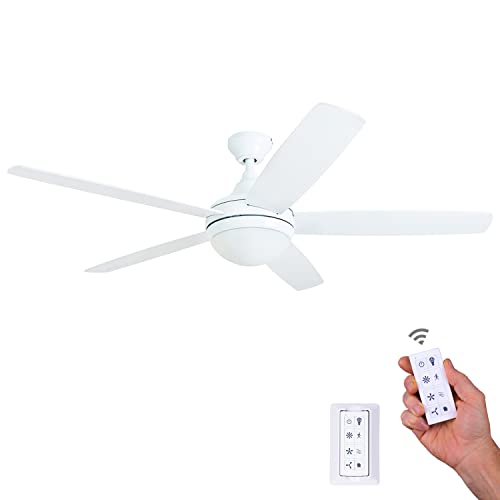
Best Quiet Ceiling Fan For Bedroom 2026 Ultimate Comfort Picks

Best Ceiling Fan For Master Bedroom 2026 With Ultimate Comfort

Best White Ceiling Fan With Light For Bedroom 2026 Top Picks

Best Quorum Medallion Ceiling Fan 2026 With Style & Breeze
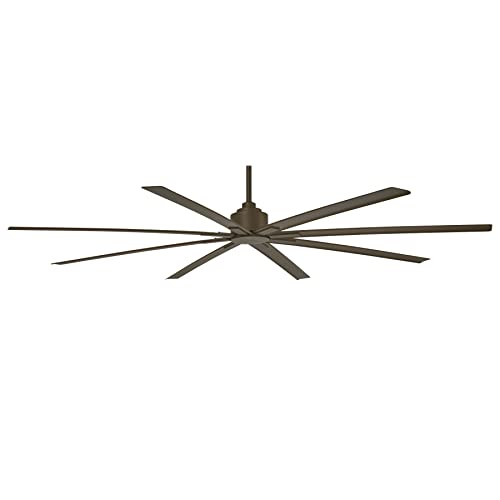
Best Outdoor Fan For Pergola 2026 Comfort Boost

Best Ceiling Fan For Great Room 2026 With Ultimate Comfort

Best Outdoor DC Ceiling Fans 2026 For Breezy Comfort
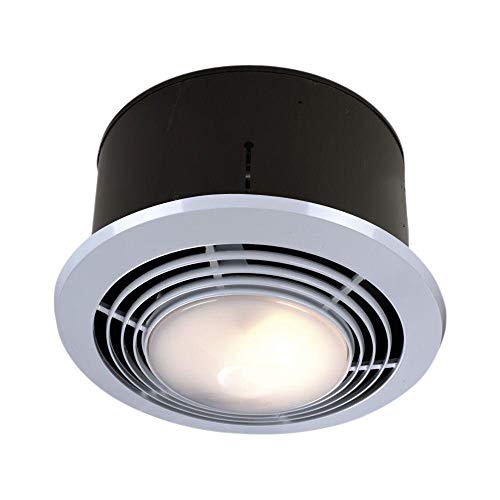
Best ceiling exhaust bath fan with light and heater 2026