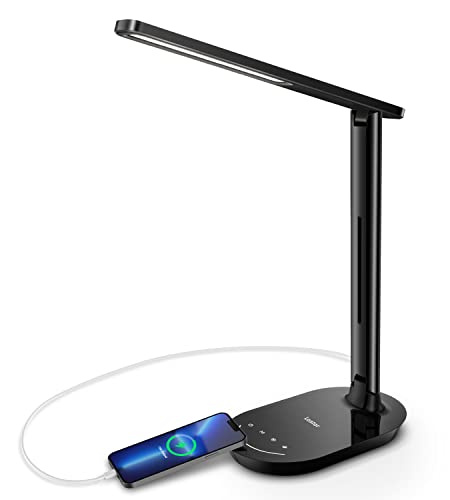
Can You Safely Hardwire a Plug-In Sconce?

Yes, but only with the right fixture. A wall lamp can connect directly to your home wiring only if it is built as a convertible model. Chopping the cord off a standard plug-only lamp is never safe. Unrated cords lack heavy insulation, and tucking bare wire splices behind drywall creates a genuine fire hazard.
Safe installation depends on what sits inside the fixture and inside your wall. The sconce needs a sturdy mounting plate that completely covers the wall opening. Your wall must also have an approved electrical box, which is the plastic or metal compartment that safely holds spliced wires. The light fixture also requires a proper ground wire to stop accidental shocks. Here is how to check your sconce, prepare the wall opening, and decide if you can tackle the job yourself.
The Short Version
- You can only hardwire a plug-in sconce if it is manufactured as a convertible dual-mount light with a mounting canopy and wiring built for a wall box.
- Never cut the cord on a plug-only lamp, because standard lamp cords lack the insulation, grounding, and safe mounting plates required for household circuits.
- Every permanent hardwired connection requires a junction box (the plastic or metal wall box that holds wire splices safely) recessed into your wall to contain heat and prevent electrical fires.
- If your light is a certified convertible model, you can safely detach the plug-in cord, connect the wires inside an approved wall box, and enjoy a clean, built-in appearance.
Why Cutting a Standard Plug-In Cord Creates a Fire Risk
When you see a dangling cord running from a wall sconce down to an outlet, cutting off the plug and pushing the bare wires into the drywall seems tempting. But cutting a factory-assembled plug-in cord to make a hardwired light creates serious safety hazards that can quietly spark inside your walls.
A standard plug-in lamp uses thin lamp cord. This cord has light insulation designed to hang freely in open room air where heat dissipates easily. Household wiring carries more current and stays hidden behind walls. When you bury thin lamp wire inside an enclosed wall cavity, heat cannot escape. Over time, that trapped heat dries and cracks the plastic coating, leaving live copper exposed to drywall dust and wooden studs.
Another danger is the lack of an electrical enclosure. Building codes require all wire splices to sit inside an approved junction box (the plastic or metal wall box that holds wire splices safely). When wire ends are joined behind bare drywall without a box, any loose connection or stray spark has direct contact with flammable materials. A proper wall box traps heat and chokes sparks before they can spread.
Standard two-prong lamp cords also lack a ground wire (the bare or green safety wire that stops electric shocks). If an internal wire frays and touches the metal frame of an ungrounded light, the entire fixture becomes electrified. Anyone who touches the metal body can receive a dangerous shock.
How to Check If Your Sconce Is Built for Hardwiring
Not all sconces with cords are limited to wall outlets. Many modern fixtures are manufactured as convertible or dual-mount lights. These models give you the freedom to choose between plugging into a wall outlet or wiring directly into a wall box. Check these details to confirm your sconce is safe to convert:
- Check the product manual: Look for phrases like "dual-mount," "convertible," or "hardwire compatible." If the instructions only explain how to plug the fixture into an outlet, it is not built for direct wiring.
- Inspect the canopy depth: The canopy is the base plate that covers the wall hole and wiring. A convertible sconce has a hollow base plate wide and deep enough to cover a standard wall box. Plug-only sconces often have flat plates that cannot cover wall openings.
- Look for a ground wire: A convertible model includes a dedicated ground wire (the bare or green safety wire that stops electric shocks). This safety wire attaches directly to the metal fixture frame.
- Examine the cord connection: On a convertible sconce, the cord attaches with accessible wire nuts or terminal screws. If the cord passes through a permanently sealed, glued opening with no internal access, you cannot safely adapt it.
- Check the mounting bracket: Dual-mount fixtures include a metal mounting crossbar with screw slots designed to screw directly into standard wall boxes.
What Must Be Inside Your Wall Before You Install
A clean, built-in light fixture requires proper support behind the drywall. Even the best convertible sconce cannot be installed safely without the right electrical setup in place.
First, your wall must contain an approved junction box (the plastic or metal wall box that holds wire splices safely). If you are adding a light where no fixture existed before, you need to install an "old work" remodel box. This box clamps firmly to the drywall with built-in brackets. Never screw a sconce to drywall anchors while leaving wire connections loose inside the open wall.
Second, you need proper household circuit cable running into that box. In modern homes, this is sheathed cable containing black hot, white neutral, and bare copper ground wires. This cable must connect back to a power source and a wall switch. If you plan to link your accent lights to smart home automation lighting, having a dedicated wall box makes installing smart controls straightforward.
Third, verify that the box has enough room for your wires. Packing too many wire splices into a tiny box creates pressure that can pinch insulation against sharp metal edges, leading to short circuits.
Step-by-Step: How to Safely Hardwire a Convertible Sconce
Once you confirm your fixture is a convertible model and you have a secure junction box, you can begin installation. Work methodically through these steps to ensure a safe, lasting result:
- Shut off the power: Always shut off the circuit breaker at the main electrical panel, never just the wall light switch. Use a reliable non-contact voltage sensor to confirm that no power is flowing to any wire in the wall box before touching anything.
- Remove the plug-in cord: Open the canopy to access the internal connections. Follow the manufacturer instructions to disconnect the cord from the internal wires, then slide the cord out through the bottom hole. Insert the provided metal plug to seal the empty cord hole.
- Attach the mounting crossbar: Fasten the metal crossbar to your junction box using the mounting screws included with the box. Position the crossbar so the sconce hangs straight, and guide the house wires through the center opening.
- Connect the ground wire: Twist the bare copper ground wire from the wall together with the fixture ground wire. If you have a metal box, connect a ground wire pigtail to the green grounding screw inside the box as well. Secure them with a wire nut (the small twist-on plastic cap that holds wires together).
- Connect neutral and hot wires: Join the white neutral house wire to the white fixture wire using a wire nut. Next, join the black hot house wire to the black fixture wire with another wire nut. Gently tug each wire to confirm the caps hold firmly.
- Tuck wires and mount the canopy: Carefully fold the connected wires into the junction box. Align the sconce canopy over the crossbar screws, press it flat against the wall, and secure it with the decorative cap nuts.
- Install the bulb and restore power: Screw in an appropriate bulb, such as one with a standard screw-in bulb base (E26 medium base). Turn the circuit breaker back on at the main electrical panel and check that the light turns on smoothly without buzzing or flickering.
Safety Mistakes to Avoid and When to Call an Electrician
Electrical work requires close attention to detail. Watch out for these common errors to keep your lighting safe and reliable:
- Leaving wire splices outside a box: Never tuck wire connections directly into open drywall. If a wire nut loosens, heat or sparks can ignite wall framing or insulation.
- Reversing hot and neutral wires: Swapping the black and white wires allows the light to work, but it keeps the threaded bulb socket energized. This creates a severe shock hazard when changing bulbs.
- Ignoring location ratings: A dry-rated fixture is intended only for dry spaces like living rooms and bedrooms. Steamy bathrooms need damp-rated fixtures designed to resist moisture. If you are improving accent lighting near pathways, installing indoor motion sensor lights for hallways can provide safe illumination without complex rewiring.
- Skipping the ground connection: Omitting the ground wire leaves the metal frame vulnerable to stray voltage, removing your protection against accidental shocks.
Know when to stop and seek professional help. Call a licensed electrician if you encounter old knob-and-tube or aluminum wiring, if your breaker repeatedly trips, or if you need to run new cables through finished walls.
What to Look for in a Convertible Wall Sconce
If you want the convenience of a plug now but the option for a built-in look later, buying a factory-made convertible wall sconce is the smartest route. These dual-mount lights give you full flexibility without compromising safety.
Look for a model with a wide, sturdy canopy that fits completely over a standard wall box. It should include a mounting crossbar, wire nuts, and a decorative cap to plug the cord opening. Verify the switch placement so it suits your daily routine, especially if you plan to use wall switches or integrate fixtures with app-controlled lighting setups for custom schedules.

- LFR Score9.7
LFR Score is a ranking system developed by lightfansreviews.com. LFR Score has no relationship or impact from any manufacturers or sales agent websites. Learn more
- BrandGlobe Electric
- LFR Score9.2
LFR Score is a ranking system developed by lightfansreviews.com. LFR Score has no relationship or impact from any manufacturers or sales agent websites. Learn more
- BrandGlobe Electric

- LFR Score9.1
LFR Score is a ranking system developed by lightfansreviews.com. LFR Score has no relationship or impact from any manufacturers or sales agent websites. Learn more
- BrandGlobe Electric

- LFR Score7.7
LFR Score is a ranking system developed by lightfansreviews.com. LFR Score has no relationship or impact from any manufacturers or sales agent websites. Learn more
- BrandGlobe Electric

- LFR Score7.1
LFR Score is a ranking system developed by lightfansreviews.com. LFR Score has no relationship or impact from any manufacturers or sales agent websites. Learn more
- BrandGlobe Electric
Last update on 2026-10-18 / Affiliate links / Images, Product Titles, and Product Highlights from Amazon Product Advertising API
FAQs
Can I use a cord cover instead of hardwiring my plug-in sconce?
Yes, paintable cord covers are an easy way to hide hanging cords without opening walls. These shallow channels attach directly to drywall and can be painted to match your wall color. They provide a tidy appearance while keeping your light safely plugged into an existing outlet.
Does converting a plug-in sconce void the manufacturer warranty?
Cutting the cord on a standard plug-only lamp almost always voids the warranty and cancels safety certifications. However, converting an approved dual-mount sconce using its factory hardwire kit preserves your warranty. Check your product manual to confirm specific warranty terms before starting.
Can a hardwired sconce be controlled by a wall switch?
Yes, once connected to a wall junction box, the sconce works with standard wall switches and compatible dimmer switches. If the fixture has its own built-in switch, leave that switch set to the on position so the wall control has full command of the light.
What should I do if there is no junction box where I want the light?
If your chosen wall spot has no electrical box, you can keep the sconce in plug-in mode or install an old-work remodel box. Adding an in-wall box requires fishing electrical cable through wall studs from an existing circuit. If you are uncomfortable pulling new wire, hire a licensed electrician to handle the rough-in work.


Best Lighting For Makeup 2026 Bright Ideas For Flawless Looks

Best Wall Sconces For Staircase 2026 Brighten Your Home
Best Lighting For Computer Desk 2026 For Focused Work

Best Boat Black Lights 2026 For Nighttime Adventure

Best Black 30 Inch Light Bar Reviews – Top Picks of 2026

Best Black Light For Aquarium 2026 For Vibrant Glow

Best Black Light for Authenticating Glass 2026 Top Picks
Best Waterproof Spotlight 2026 That Outshines Expectations