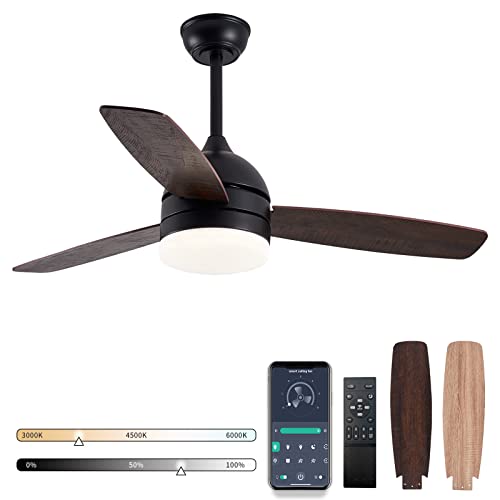
How Does a Table Fan Work Inside Your Room?

How does a table fan work sounds like one of those everyday questions people rarely stop to think about. Flip the switch, feel the breeze, move on with the day. Still, the little machine sitting quietly on a desk or beside a bed does far more than simply spin blades around. Inside that compact frame, a motor, capacitor, rotating shaft, and angled blades all work together to push air in a way that changes how a room feels within minutes.
Warm rooms can feel sticky, restless, and honestly a bit unbearable after a long afternoon. That’s where air circulation becomes the real hero. A table fan doesn’t actually lower room temperature like an air conditioner. Instead, it moves air rapidly across the skin, helping sweat evaporate faster and creating that cooling sensation people crave during humid nights or stuffy indoor afternoons. Funny enough, even a weak breeze can make a huge difference when airflow has been completely stagnant.
The motor sits at the heart of the fan. Electricity flows into the motor coils, creating magnetic movement that spins the rotor. Once the rotor begins turning, the attached fan blades cut through the air and push it forward. Blade angle matters more than most people expect. Slightly curved blades pull air from behind and throw it outward, building continuous circulation across the room instead of random bursts of air.
Oscillation also changes how the fan behaves. Without side-to-side movement, airflow hits only one direction, which can leave parts of the room feeling hot and stale. Oscillating designs spread air more evenly, helping reduce that uncomfortable “one spot cold, everywhere else warm” problem. Bedrooms, study corners, and compact apartments usually benefit the most from this wider airflow pattern because tight spaces trap heat quickly.
Noise levels can become a headache too, especially late at night. Cheap fan motors often rattle, hum loudly, or vibrate against hard surfaces. Better blade balance and stronger internal bearings help reduce those irritating sounds while keeping airflow steady. Sometimes the simplest fix is placing the fan slightly higher instead of directly on the floor, allowing air movement to travel more naturally across the room.
Dust buildup creates another common frustration. Dirty blades force the motor to work harder while weakening airflow at the same time. A quick wipe every few weeks helps maintain stronger circulation and smoother operation. Small maintenance habits often stretch the lifespan of a fan far longer than people expect, especially during heavy summer use.
Modern models may include adjustable speed settings, timers, tilt controls, or energy-saving motors. Those features aren’t just fancy extras. Lower speeds help during cooler evenings, while stronger settings improve circulation in crowded or poorly ventilated rooms. The balance between airflow, comfort, noise, and energy use is what makes a good table fan feel practical instead of annoying.

- LFR Score9.2
LFR Score is a ranking system developed by lightfansreviews.com. LFR Score has no relationship or impact from any manufacturers or sales agent websites. Learn more
- BrandHoneywell
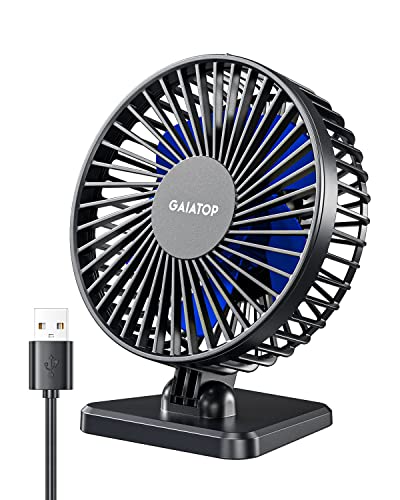
- LFR Score9.2
LFR Score is a ranking system developed by lightfansreviews.com. LFR Score has no relationship or impact from any manufacturers or sales agent websites. Learn more
- BrandGaiatop
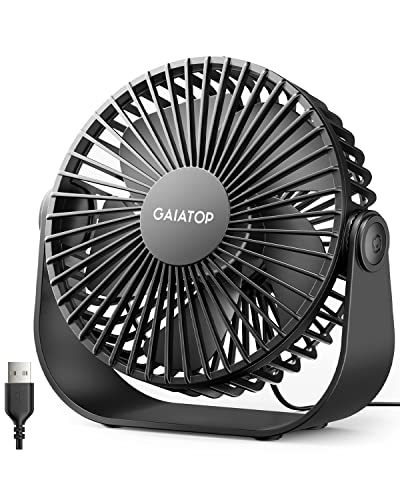
- LFR Score9.2
LFR Score is a ranking system developed by lightfansreviews.com. LFR Score has no relationship or impact from any manufacturers or sales agent websites. Learn more
- BrandGaiatop
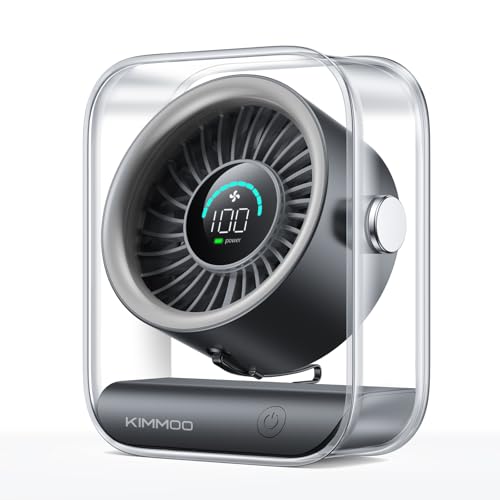
- LFR Score9.2
LFR Score is a ranking system developed by lightfansreviews.com. LFR Score has no relationship or impact from any manufacturers or sales agent websites. Learn more
- BrandKIMMOO

- LFR Score9.2
LFR Score is a ranking system developed by lightfansreviews.com. LFR Score has no relationship or impact from any manufacturers or sales agent websites. Learn more
- BrandDorobeen

- LFR Score8.8
LFR Score is a ranking system developed by lightfansreviews.com. LFR Score has no relationship or impact from any manufacturers or sales agent websites. Learn more
- Brandlet'me

- LFR Score8.6
LFR Score is a ranking system developed by lightfansreviews.com. LFR Score has no relationship or impact from any manufacturers or sales agent websites. Learn more
- BrandAmazon Basics
- LFR Score8.4
LFR Score is a ranking system developed by lightfansreviews.com. LFR Score has no relationship or impact from any manufacturers or sales agent websites. Learn more
- BrandCIVPOWER

- LFR Score8.4
LFR Score is a ranking system developed by lightfansreviews.com. LFR Score has no relationship or impact from any manufacturers or sales agent websites. Learn more
- BrandGRANDFAST
Last update on 2026-06-01 / Affiliate links / Images, Product Titles, and Product Highlights from Amazon Product Advertising API
How Does A Table Fan Work
A sticky room can make a simple evening feel longer than it should. The air sits there, heavy and stale, while the desk feels warm and the bed refuses to cool down. That’s where how does a table fan work becomes more than a random appliance question. A table fan creates comfort by using motor power, angled blades, and directed airflow to move air across the room and across your skin.
Table Fan Basics
A table fan starts with a simple job: move air from one place to another. It doesn’t chill air the way an air conditioner does, and that little detail matters. The fan creates a breeze that helps sweat evaporate faster, which makes your body feel cooler. So, the comfort comes from air movement, not from the fan lowering the room’s actual temperature.
The main parts include the electric motor, shaft, blades, guard, base, speed switch, and sometimes an oscillation system. Each piece has a small but useful role. The motor creates rotation, the shaft carries that motion, and the blades push air forward. Put together, those parts turn electrical energy into mechanical movement.
Blade shape makes a bigger difference than most people think. Flat blades would mostly slap at the air, but angled blades grab air from behind and push it forward. That angle creates a steady stream instead of random turbulence. Better blade balance also helps reduce wobbling, rattling, and that annoying buzz that can ruin a quiet room.
Placement changes the fan’s usefulness too. A fan pointed straight at a wall wastes much of its airflow, while one aimed across an open path spreads air better. Small rooms, bedside tables, and work desks usually need careful positioning because heat gets trapped fast. For broader room cooling ideas, compare airflow setups with a ceiling fan for cooling bedroom before deciding how to move air in a sleeping space.
Motor And Power Flow
The motor is the heart of a table fan. Once plugged in and switched on, electricity flows into the motor windings and creates a magnetic field. That magnetic pull starts the rotor spinning inside the motor housing. From there, the connected shaft begins turning the fan blades.
Most household table fans use a small AC motor because wall outlets provide alternating current. The motor changes electrical energy into rotational force, and that force keeps the blades moving at a steady speed. A speed switch changes how much power reaches the motor windings. Lower settings create gentler airflow, while higher settings push more air but usually make more noise.
A capacitor often helps the motor start smoothly. Without that extra electrical boost, the fan may hum, struggle, or fail to spin properly. That’s why an old fan sometimes buzzes but won’t move until someone gives the blade a nudge. A weak capacitor can create slow starts, uneven spinning, and poor airflow.
Heat also affects motor life. Dust, blocked vents, and constant high-speed use can make the motor work harder than it should. A clean guard and clear rear intake area help the fan breathe. That small habit protects motor efficiency and keeps the fan from sounding like it’s fighting for its life.
Blade Design And Airflow
The blades do the visible work, but their shape is more clever than it looks. Each blade sits at an angle so it can pull air from the back and push it forward. That angle creates pressure difference, which is the reason air starts moving in a clear direction. Bigger blades can move more air, but they also need a stronger motor and more space.
Blade speed affects comfort in a very direct way. A slow spin creates a soft breeze, which feels nice during mild evenings or quiet work hours. A fast spin moves more air, but it may feel harsh up close. That tradeoff between comfort, noise, and air volume explains why speed settings matter so much.
Blade material can change both sound and durability. Lightweight plastic blades are common because they’re easy to spin and cheaper to replace. Metal blades may feel stronger, but they can be louder and less forgiving if the guard gets damaged. For a desk or nightstand, balanced plastic blades often make more sense than heavier options.
Dust on blades is not just ugly. It changes how smoothly air moves across the blade surface and can make the motor strain harder. A fan with dirty blades may still spin, but the breeze feels weaker and rougher. To keep nearby fixtures dust-free during the same cleaning routine, use a careful home-maintenance method like remove recessed light cover before wiping ceiling areas that collect grime.
Oscillation And Room Coverage
Oscillation helps a table fan cover more space without blasting one person nonstop. The small gear system inside the fan head slowly moves it from side to side. That motion spreads airflow across a wider area. A fixed fan feels stronger in one direction, but an oscillating fan feels more balanced in a shared room.
The oscillation knob usually connects or disconnects a gear mechanism. Push it down, and the fan head begins sweeping left and right. Pull it up, and the fan stays locked in one direction. Simple, yes, but that feature can make the difference between a comfortable room and a breeze that keeps missing the spot.
Room shape matters here. Long narrow rooms may need the fan angled diagonally so air travels farther before bouncing off a wall. Square rooms often respond better to gentle oscillation from a corner or side table. The goal is circulation, not just wind hitting your face.
Oscillation also reduces that dry-eye feeling people get from sitting too close to direct airflow. Instead of constant air pressure on one spot, the breeze passes in waves. That feels more natural during reading, sleeping, or working. A steady sweep keeps the room from feeling stale while avoiding the “too much air” problem.
Speed Settings And Daily Comfort
Speed settings exist because comfort changes throughout the day. A hot afternoon may need full power, while a cooler night might only need a low hum of airflow. The best setting depends on room size, body comfort, humidity, and how close the fan sits. Cranking the fan to high all day isn’t always the smartest move.
Low speed is usually better for sleep, especially if the fan sits near the bed. It keeps air moving without making the room feel restless or noisy. Medium speed works well for desks, dining corners, and small living rooms. High speed is useful for stuffy rooms, but it can feel too aggressive at close range.
Noise often climbs with speed. More rotations mean more air turbulence, and turbulence creates sound. A well-balanced fan keeps that sound smoother, while a poorly built one rattles, clicks, or vibrates across the tabletop. That’s why blade balance and a sturdy base matter more than flashy buttons.
Smart plugs and voice-controlled routines sometimes get added to older fans, but not every setup behaves the same way. A fan with a mechanical switch usually works better with a smart plug because it turns back on after power returns. For related smart-home troubleshooting, fix light-ring distractions with turn off Alexa light ring while setting up quieter nighttime routines.
Why The Breeze Feels Cool
A table fan doesn’t create cold air, and that truth surprises plenty of people. The breeze feels cooler because moving air helps moisture leave your skin faster. That process is called evaporative cooling. Your body loses heat as sweat evaporates, so the fan makes you feel more comfortable even if the thermometer barely changes.
Humidity changes how well that trick works. In dry air, sweat evaporates quickly, so the breeze can feel sharp and refreshing. In humid air, evaporation slows down because the air already holds plenty of moisture. The fan still helps, but the effect may feel weaker and stickier.
Air movement also breaks up the warm layer of air around your body. Without a fan, body heat lingers close to the skin like an invisible blanket. Moving air carries that heat away and replaces it with air from the room. That’s the everyday science behind cooling comfort.
Distance affects the cooling feel too. Sit too close, and the breeze may feel harsh or dry. Sit too far away, and the airflow may fade before it reaches you. A good setup finds the sweet spot where airflow feels steady, noise stays low, and the fan doesn’t turn into a desk-sized wind tunnel.
Why Table Fans Feel Cooler In Small Rooms
Some rooms trap heat like a closed parked car, especially after a long afternoon with poor ventilation. The air barely moves, the walls hold warmth, and even a lightweight blanket starts feeling annoying. That’s why people often notice a huge comfort shift once a table fan starts circulating air properly. A steady breeze creates better airflow balance, faster sweat evaporation, and a room that feels less suffocating.
Room Placement Changes Everything
A table fan shoved into the wrong corner can waste half its airflow before it reaches anyone. Air needs space to travel, bounce, and circulate back through the room. Placing the fan near a window often helps pull fresher air indoors during cooler evenings. That setup improves cross ventilation and prevents heat from collecting in one stagnant area.
Bed placement matters too. A fan pointed directly at your face all night may dry your eyes or leave your throat scratchy by morning. Angling the airflow slightly above the bed usually feels smoother and less aggressive. Small adjustments can create more even cooling without making the room feel windy.
Desk setups have their own quirks. A fan sitting too low often pushes air into furniture instead of across the body. Raising it slightly on a stable shelf or side table helps the breeze travel farther. That little change can improve air circulation across the entire workspace.
Outdoor airflow problems follow similar patterns. Mosquito-heavy patios and humid decks often need broader air movement instead of direct blasts. To improve outdoor comfort while reducing stagnant air pockets, compare airflow coverage with an outdoor ceiling fan mosquitoes away setup that handles wider open areas more effectively.
Why Dust Weakens Fan Performance
Dust builds up faster than people realize, especially in bedrooms and small apartments with closed windows. Once dust sticks to the blades, airflow becomes uneven and weaker. The fan still spins, but the breeze loses that clean, smooth feeling. Thick buildup also forces the motor to work harder over time.
The guard around the fan collects debris too. Tiny lint particles, pet hair, and cooking residue can slowly block airflow near the intake area. That restriction lowers efficiency and sometimes increases rattling noise. Cleaning the guard helps restore steady airflow without needing higher speed settings.
Blade cleaning doesn’t need complicated tools. A damp microfiber cloth usually removes most buildup if done regularly. Leaving grime untouched for months creates sticky layers that become harder to wipe off. Simple maintenance protects motor lifespan and keeps the airflow feeling stronger.
Dust can also throw blade balance slightly off center. That imbalance causes wobbling, vibration, and the familiar shaky-table sound people hate during quiet nights. Even a small cleaning routine helps reduce unnecessary strain. Better balance means less noise and smoother airflow across the room.
Noise Problems And What Causes Them
Not every loud fan is broken. Some fans naturally create more turbulence because of blade shape or higher motor speed. Still, harsh rattling, clicking, or grinding usually points toward loose parts or worn bearings. Noise often becomes the first warning sign that something inside needs attention.
A shaky base creates more sound than many people expect. Lightweight tables amplify vibration instead of absorbing it. Placing the fan on a sturdier surface or adding a thin rubber pad underneath can reduce buzzing dramatically. That tiny adjustment improves comfort without changing airflow performance.
Loose screws around the fan guard create another common issue. Over time, repeated oscillation slowly loosens small fasteners. Tightening those connections helps reduce metallic rattles during operation. Stable assembly improves quiet airflow and makes nighttime use far more tolerable.
Motor strain can also raise noise levels. Old motors sometimes hum loudly because the bearings inside begin wearing down. Dust buildup, blocked airflow, or nonstop high-speed use can speed up that wear. A fan running at medium speed with clean blades often feels more comfortable than one screaming at maximum power.
How Humidity Changes Cooling Comfort
Humidity can make a room feel heavier than the actual temperature suggests. Sweat lingers on the skin instead of evaporating quickly, which leaves that sticky, uncomfortable feeling people complain about during summer nights. A table fan helps by pushing moving air across the body. That airflow supports evaporation and makes humid rooms feel less oppressive.
Dry climates behave differently. Sweat evaporates much faster there, so even a lower fan speed can feel surprisingly cool. Some people end up using fans too aggressively in dry air and wake up with irritated eyes or dry sinuses. Adjusting speed settings carefully helps maintain balanced comfort instead of overdoing airflow.
Kitchen humidity creates another challenge. Cooking steam, boiling water, and indoor heat can turn compact apartments into uncomfortable spaces quickly. A table fan placed near the kitchen entrance helps move warm moist air away before it spreads through the room. That setup improves air circulation without relying entirely on air conditioning.
Bathrooms and laundry areas trap moisture too. Fans used near doorways can help reduce lingering dampness after showers or drying clothes indoors. Better circulation lowers that heavy air feeling and may help reduce musty smells over time. Small airflow improvements can change how an entire room feels within minutes.
Energy Use And Daily Costs
Table fans stay popular partly because they use much less electricity than air conditioners. Running a fan for hours usually costs only a fraction of what central cooling systems consume. That difference matters during hot months when utility bills start climbing. Lower energy use gives people more flexible cooling without constant worry about electricity costs.
Speed settings affect power consumption directly. High speed pulls more electricity because the motor spins faster and pushes more air. Medium speed often creates the best balance between comfort and efficiency for everyday use. That middle range usually keeps airflow steady while reducing unnecessary strain on the motor.
Old fans sometimes waste more power because worn motors operate less efficiently. Grinding bearings, weak capacitors, and dirty blades force the system to work harder than it should. Replacing badly worn fans can sometimes reduce noise and improve airflow at the same time. Efficient airflow matters more than raw speed alone.
Compact cooling setups can also work surprisingly well in tight spaces. Smaller desk fans help reduce direct heat buildup around electronics, gaming stations, and office equipment. For compact airflow setups around PCs and workstations, compare airflow priorities with a mini itx cpu fan designed for restricted spaces and controlled cooling paths.
Common Mistakes People Make
One of the biggest mistakes is aiming the fan directly at one spot for hours without improving room circulation. That setup cools the skin temporarily but leaves the rest of the room stale and warm. Fans perform better when airflow can move across open paths. Balanced circulation creates more stable comfort throughout the room.
Ignoring maintenance causes trouble faster than people expect. Dust-covered blades weaken airflow and create extra strain on moving parts. Many people assume the fan is “getting old” when it really just needs cleaning. Regular maintenance protects motor performance and keeps airflow smoother.
Using the highest speed constantly can shorten motor life too. High speed creates more heat inside the motor housing and increases bearing wear over time. Medium settings often provide enough airflow for daily comfort without unnecessary stress. Smart usage habits help maintain long-term reliability.
People also underestimate room layout. Blocking airflow with curtains, furniture, or crowded corners reduces circulation dramatically. Even a strong fan struggles if the air has nowhere to travel. A small repositioning move sometimes improves cooling more than buying a larger fan.
What Makes One Fan Feel Better Than Another
Two fans can look almost identical yet feel completely different during daily use. Blade balance, motor smoothness, airflow pattern, and noise control all shape that experience. A fan with uneven airflow may feel choppy or irritating even at lower speed settings. Better balance creates smoother circulation that feels easier to live with.
Oscillation quality changes comfort too. Cheap oscillation systems sometimes jerk from side to side with uneven motion. Better mechanisms sweep gradually and spread airflow more naturally across the room. That smoother movement helps reduce hot spots and improves overall room comfort.
Weight and base stability matter more than flashy controls. A lightweight fan with a weak base may vibrate loudly on hardwood desks or side tables. Heavier bases absorb movement better and usually feel steadier during operation. Stable construction improves both noise control and long-term durability.
Real comfort usually comes from balance rather than raw power. Strong airflow means little if the fan becomes too noisy, dries the air excessively, or rattles through the night. The best table fans create a comfortable flow that feels steady, predictable, and easy to live with day after day.


Best Small Flush Mount Ceiling Fans 2026 Ultimate Picks

Best Smart Ceiling Fan India 2026 For Effortless Comfort

Best Smart Ceiling Fans with Lights for 2026: Top Picks

Best Smart Home Non Ceiling Fans 2026 For Ultimate Comfort

Best Outdoor Misting Ceiling Fan 2026 For Ultimate Comfort

Best Outdoor Ceiling Fans For Porch 2026 With Style And Breeze

Best Smart Bulb For Ceiling Fan 2026 That Brightens Life
Best Smart Ceiling Fan Control 2026 For Effortless Comfort