How High Should a Bathroom Vanity Light Be?

Most people assume that any wall light can just go wherever the existing electrical box sits, but guessing often leaves dark shadows across your face. A standard light bar mounted above the mirror belongs 75 to 80 inches from the floor, resting roughly one to three inches above the mirror frame. Fixtures mounted on the sides of the glass work best near eye level, right around 60 to 65 inches from the floor.
That target changes slightly based on the height of your mirror, your ceiling clearance, and who uses the sink most. A tall mirror leaves less room above the glass, while family members of different heights might need a balanced middle ground to keep bulbs from glaring directly into anyone's eyes. Taking a few careful measurements before drilling saves your drywall and ensures clean, even light every morning.
Standard Heights for Overhead Vanity Lights and Side Sconces
Getting the height right on a bathroom light comes down to the style of fixture you choose and where it sits relative to your mirror. Most bathrooms rely on one of two setups: a horizontal light bar mounted directly over the glass, or a pair of wall lights mounted on the sides of the mirror, commonly called sconces. Each style works differently with the human face, which means each requires its own set of measurements.
For an overhead vanity light bar, the standard mounting height is between 75 and 80 inches from the finished floor (the installed floor surface). In a room with standard eight-foot ceilings, this range positions the fixture high enough to clear the mirror frame while keeping the illumination close enough to wash across your face. If your household has taller family members, aiming for 78 to 80 inches prevents taller adults from staring directly into exposed bulbs while shaving or washing up.
Side sconces call for a lower placement because their job is to illuminate your face from the sides rather than from above. Mount side sconces between 60 and 65 inches from the finished floor. This places the center of the light bulb roughly at average eye level. Eye-level lighting provides balanced cross-illumination across your cheeks, eyes, and chin, wiping away the deep shadows that overhead lights often leave behind.
When hanging side sconces, horizontal spacing is just as critical as height. Aim to space the two fixtures 36 to 40 inches apart, centering each light about 18 to 20 inches away from the middle of your sink basin. If your mirror is unusually wide, mounting sconces on the side walls of a narrow alcove produces the same flattering, shadow-free result.
Keep moisture in mind before picking your final fixture. Bathrooms collect steam quickly, so make sure your selection is damp-rated for steamy bathrooms rather than dry-rated for living rooms and bedrooms. A damp rating ensures that moisture from long, hot showers will not corrode the internal wiring or shorten the lifespan of your light sockets.
How to Measure and Mark Your Vanity Light Placement Step by Step
Before you drill holes or anchor an electrical box in the wall (junction box), take a few minutes with a tape measure and pencil to confirm your layout. Working through these steps in order helps you avoid ugly drywall patches and ensures your light hangs straight and true on the first attempt.
-
Measure up from the finished floor surface: Run your tape measure directly up from the final flooring rather than bare subfloor, and make a light pencil mark at your target height between 75 and 80 inches for an overhead light, or between 60 and 65 inches for side sconces.
Reason: Unfinished subflooring can sit anywhere from a quarter-inch to a full inch lower than finished tile or vinyl, which can throw off your alignment once the room is completed.
-
Find and mark the center line of the sink basin: Locate the exact middle of the sink drain and extend a vertical pencil line up the wall using a long carpenter level.
Reason: People naturally stand directly in front of the sink bowl rather than the center of the countertop, so aligning the light fixture with the sink keeps illumination centered on your body.
-
Check the top edge of your mirror: Hold your mirror against the wall or measure its total height, noting exactly where the upper frame will rest once hung.
Reason: An overhead light bar needs about 1 to 3 inches of clear space above the mirror frame so the fixture does not bang into the glass or cast a dark shadow across the top of the mirror.
-
Confirm your ceiling clearance: Measure the open wall space between your target light mark and the ceiling to ensure you have at least 3 inches of breathing room above the fixture.
Reason: Jamming a fixture flush against the ceiling makes installing shades difficult, traps rising heat, and prevents you from easily reaching up to change light bulbs.
-
Factor in your household eye level: Stand in front of the vanity and note where your eyes fall on your vertical center line, adjusting your side sconce marks so the bulb center sits within 1 to 2 inches of that eye line.
Reason: Matching sconce height to natural eye level prevents light from shining upward into your nostrils or casting heavy brow shadows downward into your eye sockets.
-
Account for the electrical box offset on the fixture mounting plate: Check the back of your light fixture to see whether the mounting plate sits directly behind the bulbs or if the sockets branch significantly higher or lower than the center mounting screws.
Reason: The electrical box in the wall (junction box) holds the mounting plate, but the bulbs themselves may sit two to four inches above or below that wall box depending on the fixture arm design.
-
Shut off the circuit breaker at the main electrical panel before making physical adjustments: Walk to your breaker panel and flip off the specific switch powering the bathroom lighting circuit before cutting drywall or touching any wires.
Reason: Flipping a standard wall switch leaves power feeding into the wall box in many wiring setups, making the main breaker the only completely safe way to cut electrical current.
Shades Facing Up Versus Shades Facing Down: How Orientation Changes Height
Many overhead vanity lights allow you to mount the glass shades pointing upward toward the ceiling or downward toward the floor. Choosing which way the shades point is not just a style choice; it directly changes where the light lands and how high you should mount the electrical box in the wall.
When shades face downward, the light bulbs point directly toward the sink and countertop. This creates intense, focused task lighting that makes daily grooming routines like applying makeup or shaving very clear. However, downward shades hang several inches below the center of the electrical box. If you place your electrical box at 75 inches from the floor, down-facing shades might drop the bulbs down to 71 inches, potentially hitting the top edge of a tall mirror. When installing shades that face down, mount the electrical box slightly higher, closer to 78 or 80 inches, to maintain proper clearance over the mirror.
When shades face upward, the bulbs sit above the electrical box, bouncing light off the ceiling and upper walls. This creates a softer, ambient glow that fills the entire bathroom without blinding you when you look up. Because the shades reach upward toward the ceiling, you must ensure you have enough overhead clearance. In bathrooms with standard eight-foot ceilings, an upward-pointing fixture works best when the electrical box sits around 74 to 76 inches from the floor, leaving plenty of room below the ceiling line.
Bulb selection also affects how comfortable this lighting feels. Look for bulbs that deliver ample brightness in lumens (which measures actual light output rather than watts, which only measure energy use). To avoid harsh glares, choose bulbs with a warm color tone or warmth (Kelvin) between 2700K (warm soft white) and 3000K (crisp clean white). For the most natural look on skin tones and makeup, check that your bulbs offer high color accuracy (CRI) rated at 90 or above.
Common Placement Mistakes That Create Glare and Harsh Shadows
Small measuring errors can turn a beautiful new bathroom light into a source of daily frustration. Here are the most frequent placement mistakes to watch out for before securing your fixture to the wall:
- Mounting the light bar directly against the mirror frame: Leaving zero gap between the light and the mirror makes the fixture look crammed and reflects blinding bulb glare off the top of the glass. Always leave 1 to 3 inches of clear drywall between the mirror frame and the lowest point of your light fixture.
- Placing overhead lights too high: Pushing a fixture up to 85 inches on a standard wall causes light to beam down on the crown of your head. This top-down angle casts deep shadows under your brow, nose, and chin, making shaving or morning routines frustrating.
- Centering the light on the wall instead of the vanity mirror: In bathrooms where the vanity sits slightly offset from the room corners, centering the light fixture on the total wall width creates an awkward, lopsided look. Always align the fixture with the vertical center line of the sink and mirror.
- Spacing side sconces too far apart: When side sconces are spread wider than 40 inches, the light loses its ability to overlap across your face. The center of the mirror becomes dim, defeating the primary purpose of cross-illumination.
- Using clear glass shades with bare, clear bulbs at eye level: Clear glass shades paired with high-output bulbs produce intense visual hotspots. Frosted or opal glass shades diffuse the brightness in lumens evenly, protecting your eyes from painful glare.
- Installing an incompatible wall dimmer switch: Using an older switch with modern LED fixtures can cause annoying buzzing sounds or visible flickering. Upgrade to an LED-compatible dimmer switch so you can soften the lighting for relaxing evening baths without electrical hums.
- Fumbling with blazing vanity lights in the middle of the night: Flipping on full vanity lighting during midnight visits can shock tired eyes. Setting up low-level illumination such as indoor motion sensor lights for hallways and stairs just outside the bathroom lets you navigate safely without blinding yourself.
If your installation requires cutting into wall studs, running fresh electrical cables through finished tile, or relocating an old electrical box, stop and consult a qualified licensed electrician. A professional can ensure all wiring meets local building codes and keeps your home completely safe.
FAQs
What if the people sharing the bathroom are very different heights?
When adults of significantly different heights share a single bathroom, split the difference with your measurements. For side sconces, mount them between 62 and 63 inches from the finished floor to provide balanced light for both shorter and taller users. If you are installing an overhead light bar, prioritize the taller user by mounting the fixture closer to 78 or 80 inches. This ensures taller family members do not have direct bulb glare in their line of sight while shorter users still get plenty of downward illumination.
How far above the top of the mirror should a vanity light hang?
An overhead vanity light should hang roughly 1 to 3 inches above the top edge of the mirror frame. This small gap prevents the fixture from pressing against the mirror while keeping the light source close enough to illuminate your reflection effectively. If your mirror features an ornate, thick decorative frame, leave closer to 3 inches of space so the frame does not cast a dark shadow across the top portion of the mirror glass.
Are side sconces better than a light bar mounted above the mirror?
Side sconces provide superior lighting for grooming, shaving, and makeup application because they cast light evenly across both sides of your face. This side-to-side cross illumination eliminates the dark pockets that often appear under the nose and chin with overhead lights. However, overhead light bars remain an excellent and practical solution for smaller bathrooms where tight wall clearances or wide medicine cabinets leave no room for side fixtures.
Can I install a vanity light bar if my bathroom ceiling is only seven feet tall?
You can install a vanity light under a seven-foot ceiling, but you must select your mirror and fixture dimensions carefully. Choose a shorter mirror, ideally under 30 inches tall, so its top edge stays around 70 inches from the floor. Then, select a slim overhead fixture with downward-pointing or horizontal shades mounted at 72 to 74 inches, leaving adequate clearance below the low ceiling line.


Best Lighting For Makeup 2026 Bright Ideas For Flawless Looks

Best Wall Sconces For Staircase 2026 Brighten Your Home
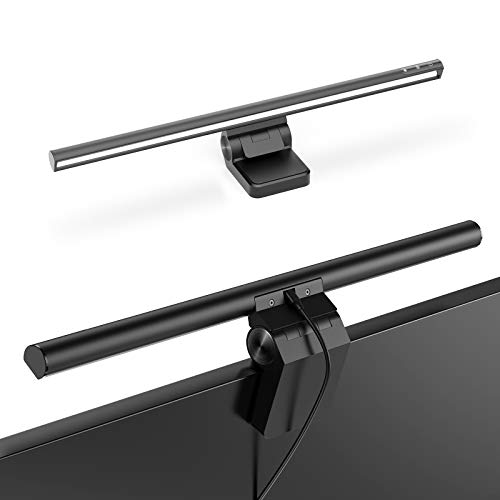
Best Lighting For Computer Desk 2026 For Focused Work

Best Boat Black Lights 2026 For Nighttime Adventure

Best Black 30 Inch Light Bar Reviews – Top Picks of 2026

Best Black Light For Aquarium 2026 For Vibrant Glow

Best Black Light for Authenticating Glass 2026 Top Picks
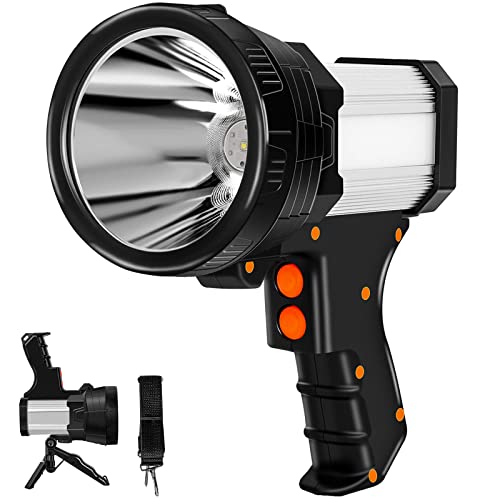
Best Waterproof Spotlight 2026 That Outshines Expectations