How Many Lumens in a 60 Watt Incandescent Light Bulb

How many lumens in a 60 watt incandescent light bulb is a question that quietly pops up when lighting suddenly feels too dim or oddly harsh. Traditionally, a 60 watt incandescent bulb produces around 800 lumens, a level long associated with comfortable, familiar brightness in living rooms, bedrooms, and dining spaces. Back in the day, people judged brightness by wattage alone, assuming higher watts meant more light, plain and simple. These bulbs convert much of their energy into heat, not light, which explains why they feel warm to the touch and why their efficiency lags behind modern options. Still, that 800 lumen benchmark remains the reference point most people instinctively understand.
As lighting technology evolved, lumens replaced watts as the real measure of brightness, shifting how people shop for bulbs. Lumens describe the actual amount of visible light emitted, cutting through the confusion caused by energy consumption numbers. When someone looks for an LED or CFL alternative, they are usually hunting for a bulb labeled “800 lumens” to match the glow of a classic 60 watt incandescent. This shift matters because energy efficient bulbs can deliver the same brightness while using far less power. In other words, the light stays familiar, but the electricity bill breathes a sigh of relief.
Understanding how many lumens in a 60 watt incandescent light bulb also helps prevent lighting mistakes that can subtly change how a room feels. Too few lumens can make spaces feel gloomy and cramped, while too many can turn a cozy corner into an interrogation room. The 800 lumen range hits a sweet spot for general purpose lighting, offering enough clarity for daily tasks without overwhelming the eyes. That balance is why this brightness level has endured for decades. It is not flashy, but it works, day in and day out.
There is also an emotional layer to this brightness that often goes unspoken. Many people associate the warm glow of a 60 watt incandescent bulb with comfort, routine, and home life. Even when switching to LEDs, shoppers often look for “warm white” color temperatures that mimic the same inviting feel. Matching lumens alone is not always enough if the light color shifts too cool or sterile. Still, knowing the lumen equivalent is the first step toward preserving that familiar atmosphere.
In practical terms, remembering that a 60 watt incandescent equals about 800 lumens makes lighting decisions faster and more confident. It becomes easier to compare packages, avoid overbuying brightness, and choose bulbs suited to each room’s purpose. Whether upgrading for efficiency or simply replacing a burnt out bulb, this single number acts like a quiet guidepost. It keeps lighting consistent, comfortable, and predictable. Sometimes, a little clarity goes a long way.
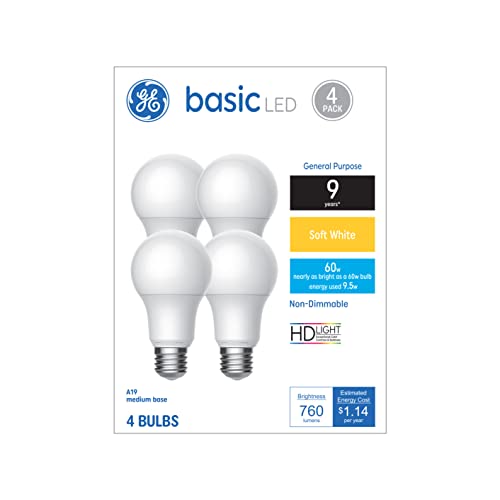
- LFR Score9.2
LFR Score is a ranking system developed by lightfansreviews.com. LFR Score has no relationship or impact from any manufacturers or sales agent websites. Learn more
- BrandGE

- LFR Score9.2
LFR Score is a ranking system developed by lightfansreviews.com. LFR Score has no relationship or impact from any manufacturers or sales agent websites. Learn more
- BrandLEDVANCE

- LFR Score9.2
LFR Score is a ranking system developed by lightfansreviews.com. LFR Score has no relationship or impact from any manufacturers or sales agent websites. Learn more
- BrandHUDSON BULB CO.

- LFR Score9.0
LFR Score is a ranking system developed by lightfansreviews.com. LFR Score has no relationship or impact from any manufacturers or sales agent websites. Learn more
- BrandNew Lights
- LFR Score9.0
LFR Score is a ranking system developed by lightfansreviews.com. LFR Score has no relationship or impact from any manufacturers or sales agent websites. Learn more
- BrandMaylaywood

- LFR Score8.6
LFR Score is a ranking system developed by lightfansreviews.com. LFR Score has no relationship or impact from any manufacturers or sales agent websites. Learn more
- BrandLEDVANCE

- LFR Score8.0
LFR Score is a ranking system developed by lightfansreviews.com. LFR Score has no relationship or impact from any manufacturers or sales agent websites. Learn more
- BrandMMBGJKG

- LFR Score7.6
LFR Score is a ranking system developed by lightfansreviews.com. LFR Score has no relationship or impact from any manufacturers or sales agent websites. Learn more
- BrandJslinter
Last update on 2026-05-19 / Affiliate links / Images, Product Titles, and Product Highlights from Amazon Product Advertising API
The familiar glow behind a 60 watt incandescent bulb
The question how many lumens in a 60 watt incandescent light bulb usually surfaces when lighting suddenly feels off, either too dull or oddly harsh. For decades, this bulb defined what “normal” brightness looked like in homes, offices, and small shops. A typical 60 watt incandescent produces about 800 lumens, a level that feels balanced rather than overpowering. That soft yet functional glow became the benchmark people still rely on today.
What made this brightness so popular was its versatility across everyday tasks. It was bright enough to read, cook, or clean without straining the eyes, yet gentle enough to relax under in the evening. The light spread evenly, avoiding sharp contrasts that cause fatigue. Even now, many people subconsciously judge new bulbs against this familiar output. That emotional memory keeps the 60 watt standard alive.
Incandescent bulbs achieve this brightness inefficiently, turning much of their energy into heat rather than light. This inefficiency explains why the bulb feels hot and why it burns out faster than modern alternatives. Still, the resulting light quality feels warm and natural, which many people find comforting. That trade off between efficiency and feel is central to why this bulb remains relevant in conversations today.
Knowing the 800 lumen reference point helps anchor lighting decisions, especially when replacing bulbs with LEDs or CFLs. Instead of guessing by wattage, shoppers can now look directly at lumen numbers. This clarity reduces frustration and prevents costly mistakes. One number quietly simplifies the entire process.
Lumens vs watts why the confusion still lingers
For years, wattage acted as a shortcut for brightness, even though it really measures energy use. Higher watts were assumed to mean more light, and for incandescent bulbs, that assumption mostly worked. The shift to energy efficient lighting disrupted this mental model overnight. Suddenly, a bulb using only 9 or 10 watts could match the brightness of a 60 watt incandescent.
Lumens cut through that confusion by measuring actual light output. When people ask how many lumens in a 60 watt incandescent light bulb, they are really asking how to translate old habits into modern terms. The answer, roughly 800 lumens, acts as a bridge between generations of lighting technology. It keeps expectations realistic while encouraging smarter choices.
This confusion often leads to rooms that feel “wrong” after a bulb swap. Too few lumens can make a space feel gloomy, while too many can feel glaring and uncomfortable. By focusing on lumens instead of watts, lighting becomes intentional rather than accidental. The room regains its balance.
Retail packaging now emphasizes lumens for this exact reason. Clear labeling helps buyers compare bulbs across technologies without guesswork. Over time, this shift reduces trial and error and wasted money. The learning curve flattens once the lumen concept clicks.
Why 800 lumens feels right in everyday spaces
There is a reason 800 lumens has endured as the go to brightness for general lighting. It provides enough illumination for daily activities without overwhelming the senses. In living rooms, it creates a welcoming atmosphere that feels relaxed rather than clinical. That balance is difficult to replicate with extremes at either end.
In bedrooms, this brightness supports winding down while still being functional. It allows people to read, organize, or move safely without harsh shadows. Too much light disrupts rest, while too little strains the eyes. The 60 watt equivalent hits a comfortable middle ground.
Kitchens and dining areas also benefit from this level of output when used as ambient lighting. Task lighting can be layered on top, but the base illumination remains pleasant. This layered approach mirrors how lighting designers think about comfort. It starts with a reliable baseline.
The emotional familiarity of this brightness should not be underestimated. Many people associate it with home, routine, and stability. Even as technology evolves, that feeling remains a powerful influence. Lumens may be technical, but comfort is deeply human.
Replacing incandescent bulbs without ruining the mood
Switching away from incandescent bulbs often raises concerns about losing that warm, inviting feel. Matching lumens is only part of the equation, but it is the most critical starting point. Choosing an LED labeled around 800 lumens ensures brightness stays consistent. From there, color temperature fine tunes the experience.
Warm white LEDs in the 2700K range closely mimic the glow of a 60 watt incandescent. This pairing preserves ambiance while dramatically reducing energy use. The room looks the same, but the bulb runs cooler and lasts longer. That is a practical upgrade without sacrifice.
Many people notice that modern bulbs reveal details more clearly. Colors appear cleaner, and shadows feel more controlled. This improvement can subtly enhance artwork, decor, and textures around the room. Paired correctly, efficiency does not have to feel sterile.
For display lighting, selecting the right brightness matters even more. Art and photos benefit from controlled output that avoids glare. In these cases, knowing the baseline of a 60 watt incandescent helps guide smarter choices like best led picture light bulb options designed for visual comfort.
Common mistakes people make with lumen choices
One frequent mistake is assuming brighter is always better. Installing bulbs with far more than 800 lumens can make spaces feel harsh and tiring. This often happens in small rooms where light reflects aggressively off walls. The result feels unsettling rather than inviting.
Another issue arises when people mix bulbs with inconsistent lumen outputs in the same space. Uneven lighting creates visual imbalance and draws attention to the wrong areas. Matching brightness across fixtures maintains harmony. Consistency matters more than raw power.
Ignoring fixture design is another overlooked factor. Enclosed fixtures trap light differently than open ones, affecting perceived brightness. A bulb that works well in one lamp may feel dim or intense in another. Context shapes how lumens are experienced.
Outdoor and accent lighting introduce their own challenges. Using indoor brightness standards outside can lead to wasted energy or insufficient visibility. Specialized solutions, such as best outdoor christmas icicle lights, are designed with appropriate lumen levels for their setting.
How this knowledge shapes smarter lighting decisions
Knowing how many lumens in a 60 watt incandescent light bulb empowers confident decisions instead of trial and error. It turns lighting from a guessing game into a measured choice. This clarity saves time, money, and frustration over repeated swaps. Small decisions add up quickly.
It also encourages people to think in layers rather than single sources. Ambient lighting sets the base, while task and accent lighting add depth. Each layer uses lumens intentionally rather than excessively. The result feels thoughtful and comfortable.
For creative spaces, accurate brightness matters even more. Artwork, photography, and displays demand consistent light without distortion. Selecting fixtures based on lumen output supports visual integrity. Tools like best track lighting for paintings are chosen with these nuances in mind.
Ultimately, lumens shift the conversation from power consumption to quality of light. That change aligns lighting with how people actually live and feel in their spaces. The humble 60 watt incandescent still teaches this lesson well. Its legacy lives on through a simple number.
Energy efficiency shifts the value of 800 lumens
Once energy costs started creeping upward, the familiar 60 watt bulb began to feel wasteful. Producing around 800 lumens while shedding most of its energy as heat is hardly efficient by modern standards. LEDs can now deliver the same brightness using a fraction of the power, often under 10 watts. That contrast reshapes how people evaluate value, not just brightness.
For households watching monthly bills, matching lumens instead of watts changes everything. The light output stays consistent, but energy consumption drops dramatically. Over a year, that difference adds up in noticeable savings. The comfort of familiar brightness no longer demands a financial trade off.
Heat output is another overlooked cost of inefficiency. Incandescent bulbs warm surrounding air, forcing cooling systems to work harder in warm climates. LEDs producing the same 800 lumens run cool, easing that hidden burden. Less heat means less strain on the room and the systems supporting it.
This shift encourages people to think long term rather than bulb to bulb. Efficiency, lifespan, and consistent brightness become the new baseline. The old glow survives, but its delivery method evolves. Progress quietly wins.
How lumen awareness improves specialty lighting choices
General lighting is only the starting point for smart lumen decisions. Specialty applications demand precision, where too much or too little light causes real problems. Grow spaces, workshops, and display areas all rely on carefully balanced brightness. Knowing the 60 watt benchmark helps scale up or down responsibly.
In controlled environments, heat matters just as much as brightness. Excess heat can damage plants, materials, or sensitive equipment. Solutions such as best hydroponic heat lamp options are chosen not just for output, but for controlled warmth and efficiency. Lumens guide these decisions without guesswork.
Workspaces benefit from deliberate brightness layering. Ambient light establishes comfort, while task lighting adds precision. Using lumen references prevents over lighting that leads to glare and fatigue. Eyes last longer when light feels intentional.
Even decorative lighting improves with lumen awareness. Accents shine without overpowering, and focal points stand out naturally. Control replaces chaos. That balance elevates the entire space.
Timers and control bring consistency to brightness
Brightness is not only about how much light, but also when it appears. Inconsistent lighting schedules disrupt routines and waste energy. Timers introduce predictability that aligns lighting with real life patterns. The same 800 lumens feel different at noon than at midnight.
Automated control ensures lights serve their purpose without constant attention. Simple setups can prevent lights from staying on unnecessarily. Guides like set light timer resources help users maintain consistency without complexity. Small adjustments yield lasting convenience.
Consistency reduces visual stress as well. Sudden changes in brightness strain the eyes and break focus. Gradual, predictable lighting transitions support comfort throughout the day. The room feels calmer and more deliberate.
Over time, this control reshapes habits. Lighting becomes a background support rather than a daily concern. Reliability replaces reaction. That quiet stability matters.
Psychology of brightness and emotional comfort
Brightness influences mood more than most people realize. The 800 lumen level associated with a 60 watt incandescent often feels safe and familiar. It signals normalcy, routine, and home. Deviating too far can subtly unsettle that emotional balance.
Excessively bright spaces trigger alertness rather than relaxation. Dim spaces can feel isolating or uninviting. The middle ground fosters ease and openness. That is why this brightness level has endured across generations.
Lighting also shapes perception of space. Proper lumens make rooms feel proportionate and grounded. Shadows soften, edges define themselves naturally. The environment feels intentional rather than accidental.
This psychological comfort explains resistance to drastic lighting changes. People are not rejecting efficiency, they are protecting familiarity. Matching lumens honors that instinct. Change feels safe when it feels the same.
Using the 60 watt benchmark as a lifelong reference
The concept of how many lumens in a 60 watt incandescent light bulb serves as a mental anchor long after the bulb itself fades away. It offers a consistent point of comparison across technologies, fixtures, and trends. That reference simplifies future decisions without constant relearning. One number keeps everything grounded.
As lighting options multiply, clarity becomes more valuable than novelty. Lumens cut through marketing noise and technical jargon. The familiar benchmark protects against overbuying or under lighting. Confidence grows with every informed choice.
This reference also supports adaptability. Whether upgrading rooms, moving homes, or redesigning spaces, the baseline remains useful. It scales naturally with needs and environments. Familiarity travels well.
In the end, the legacy of the 60 watt bulb is not its inefficiency, but its balance. That balance lives on through lumens. The light stays right, even as the bulb changes.

Best Bulb For Exposed Light 2026 That Shines Bright

Best Industrial Light Bulb Reviews: Top Picks for 2026
Best Outdoor Light Bulb Reviews: Top-Rated Picks for 2026
Best LED Reading Light Bulb Reviews - Top Picks for 2026

Best Vintage Light Bulb 2026 With Style And Glow
Best Yellow Fog Light Bulb 2026 For Clearer Night Drives

Best Z Wave Light Bulb 2026 Top Picks For Smart Control
Best Light Bulb For Vanity Mirror 2026 Brightness Boost