
how many lumens is a 75 watt bulb explained clearly

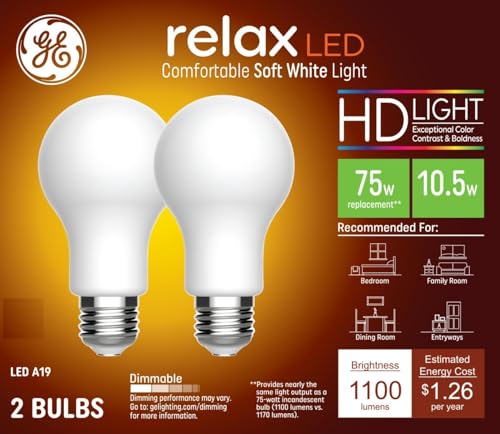
Understanding how many lumens is a 75 watt bulb starts with knowing that watts no longer tell the full story. Back in the day, wattage hinted at brightness, but now it mostly signals energy use. Lumens, on the other hand, reveal how much visible light actually fills a room. That shift changes how people choose bulbs, especially when switching from incandescent to LED.
In simple terms, a traditional 75 watt incandescent bulb produces around 1,100 lumens. That level of brightness feels familiar in living rooms, kitchens, and active spaces where clarity matters. LEDs can reach the same lumen output using far less power, which often surprises people at first. Once that clicks, the lighting aisle suddenly makes a lot more sense.
Brightness isn’t just about seeing better; it shapes mood and comfort. A bulb around 1,100 lumens delivers balanced illumination without feeling harsh or dim. That’s why this level works well for general lighting rather than accent or ambient roles. It’s bright enough to read, cook, or move around safely without straining your eyes.
Another key factor tied to how many lumens is a 75 watt bulb is color temperature. Warm white light at this brightness feels cozy and inviting, while cooler tones appear sharper and more energetic. The same lumen output can feel very different depending on color choice. That subtle detail often separates a pleasant room from one that feels off.
Energy efficiency quietly steals the spotlight here. A modern LED producing roughly 1,100 lumens may use only 10 to 12 watts. That’s a dramatic drop in electricity use while keeping the same brightness people expect. Over time, that difference adds up without changing how the room looks or feels.
Placement also plays a role in how brightness is perceived. One 1,100-lumen bulb might be perfect for a small room but insufficient for a large open space. Layering light with multiple sources often creates better balance than relying on a single bulb. Lighting, after all, works best when it’s intentional rather than accidental.
By focusing on lumens instead of watts, lighting decisions become clearer and more confident. The question isn’t about power anymore, but about visible impact. Once you grasp how many lumens is a 75 watt bulb, choosing the right bulb feels less like guesswork and more like common sense.

- LFR Score9.4
LFR Score is a ranking system developed by lightfansreviews.com. LFR Score has no relationship or impact from any manufacturers or sales agent websites. Learn more
- BrandLinkind

- LFR Score9.2
LFR Score is a ranking system developed by lightfansreviews.com. LFR Score has no relationship or impact from any manufacturers or sales agent websites. Learn more
- BrandLEDVANCE

- LFR Score9.2
LFR Score is a ranking system developed by lightfansreviews.com. LFR Score has no relationship or impact from any manufacturers or sales agent websites. Learn more
- BrandGE

- LFR Score9.2
LFR Score is a ranking system developed by lightfansreviews.com. LFR Score has no relationship or impact from any manufacturers or sales agent websites. Learn more
- BrandE ENERGETIC LIGHTING

- LFR Score9.0
LFR Score is a ranking system developed by lightfansreviews.com. LFR Score has no relationship or impact from any manufacturers or sales agent websites. Learn more
- BrandFeit Electric

- LFR Score9.0
LFR Score is a ranking system developed by lightfansreviews.com. LFR Score has no relationship or impact from any manufacturers or sales agent websites. Learn more
- BrandLinkind

- LFR Score9.0
LFR Score is a ranking system developed by lightfansreviews.com. LFR Score has no relationship or impact from any manufacturers or sales agent websites. Learn more
- BrandLUXRITE

- LFR Score8.8
LFR Score is a ranking system developed by lightfansreviews.com. LFR Score has no relationship or impact from any manufacturers or sales agent websites. Learn more
- BrandFeit Electric
- LFR Score8.8
LFR Score is a ranking system developed by lightfansreviews.com. LFR Score has no relationship or impact from any manufacturers or sales agent websites. Learn more
- BrandGE
- LFR Score8.6
LFR Score is a ranking system developed by lightfansreviews.com. LFR Score has no relationship or impact from any manufacturers or sales agent websites. Learn more
- BrandLEDVANCE
Last update on 2026-05-19 / Affiliate links / Images, Product Titles, and Product Highlights from Amazon Product Advertising API
Why lumen clarity matters in modern lighting choices
Lighting decisions don’t fail because of taste; they fail because of mismatched expectations. The question how many lumens is a 75 watt bulb sits right at the center of that mismatch, especially for people transitioning away from old incandescent habits. Watts used to hint at brightness, but today they mostly whisper about energy use. Lumens, on the other hand, shout the truth about visible light.
A traditional 75 watt incandescent bulb delivers roughly 1,100 lumens, a brightness many people instinctively recognize. That level feels neither dim nor glaring, striking a balance that works in living rooms, kitchens, and shared spaces. When shoppers ignore lumens, they often end up with lighting that feels off, even if the bulb technically “fits.” That discomfort is subtle but persistent.
Modern lighting aisles don’t make this easier. Packaging is crowded with claims, efficiency badges, and color codes that blur together fast. Knowing the lumen equivalent anchors those decisions in something familiar and reliable. Once brightness expectations are clear, everything else falls into place.
This clarity saves time, money, and frustration. It prevents the trial-and-error cycle of buying, installing, and returning bulbs. Understanding how many lumens is a 75 watt bulb isn’t trivia; it’s a practical shortcut to lighting that simply feels right.
What 1,100 lumens actually looks like in daily life
Numbers alone don’t paint a picture, so it helps to imagine 1,100 lumens in action. This brightness comfortably lights a medium-sized room without harsh shadows or dull corners. It’s the kind of light that lets you read a book, cook dinner, or hold a conversation without squinting. In everyday terms, it’s “just right.”
That’s why this lumen level often serves as general-purpose lighting. It fills the space rather than spotlighting it, creating even illumination across walls and surfaces. For areas like kitchens or hallways, this balance reduces eye strain and improves visibility. Too little light feels gloomy; too much feels clinical.
The perception of brightness also depends on fixtures and placement. A shaded lamp diffuses 1,100 lumens softly, while an open fixture delivers it more directly. In track setups, spacing and angle matter just as much as raw output. That’s where choosing the best bulbs small track lights becomes part of the equation.
Room size amplifies these effects. In a compact space, one 1,100-lumen bulb may be plenty. In an open layout, the same bulb might need support from additional light sources to avoid dark pockets.
LED equivalents and the energy reality behind the numbers
The most surprising part of modern lighting is how little power it takes to recreate familiar brightness. An LED producing about 1,100 lumens typically uses only 10 to 12 watts. That’s a dramatic drop from the old 75 watt draw, with no sacrifice in visible light. Energy bills feel the difference month after month.
This efficiency isn’t just about savings; it’s about control. Lower wattage means less heat, which matters in enclosed fixtures and warmer climates. LEDs stay cooler, reducing stress on sockets and shades. That translates into longer fixture life and safer operation.
Longevity also shifts the cost equation. Incandescent bulbs often lasted around 1,000 hours, while LEDs commonly reach 15,000 hours or more. Fewer replacements mean fewer trips to the store and less hassle overhead. Over time, the math becomes hard to ignore.
For many households, this change feels almost invisible. The room looks the same, the brightness feels the same, but the efficiency quietly improves. That’s the practical appeal behind how many lumens is a 75 watt bulb in today’s lighting landscape.
Color temperature and why brightness alone isn’t enough
Brightness answers one question, but color temperature answers another entirely. A 1,100-lumen bulb can feel cozy or sharp depending on whether it’s warm white or cool white. Warm tones around 2700K echo the glow of traditional incandescent light. Cooler tones push spaces toward a more energetic, task-focused feel.
This difference matters more than many expect. The same lumen output can change the mood of a room dramatically. Warm light flatters living spaces, while cooler light enhances focus in kitchens or work areas. Choosing incorrectly often leads to a space that feels “off,” even if it’s bright enough.
Outdoor and seasonal lighting adds another layer. Brightness needs may stay similar, but color choice shifts with purpose. For example, decorative installations often rely on controlled brightness paired with specific tones, such as setups using best outdoor led strip christmas lights. The goal there isn’t just illumination; it’s atmosphere.
Matching lumens with the right color temperature turns good lighting into great lighting. It aligns function with feeling rather than forcing a compromise. That balance keeps spaces comfortable and visually consistent.
Room function and matching lumens to real needs
Not every room asks the same thing from a light bulb. General living areas benefit from around 1,100 lumens per primary fixture, while bedrooms may prefer slightly less for a softer feel. Kitchens and workspaces often layer multiple light sources to reach higher total brightness without glare. Context shapes comfort.
Track lighting illustrates this perfectly. Individual bulbs may sit around the 1,100-lumen mark, but their combined effect defines the room. Spacing, direction, and beam angle all influence how that brightness lands. Choosing the best track lighting small kitchen ensures the lumens work with the layout, not against it.
Bathrooms, hallways, and entryways fall somewhere in between. They need enough brightness for safety and clarity, but not so much that the space feels harsh. That’s where familiarity with a 75 watt equivalent really helps. It offers a reliable reference point.
Thinking in lumens encourages intentional lighting design. Instead of guessing, each space gets the brightness it actually needs. That approach reduces wasted energy and visual fatigue at the same time.
Common mistakes people make when replacing a 75 watt bulb
One frequent mistake is choosing bulbs based solely on wattage labels. Many people grab a low-watt LED without checking lumens, only to find the room feels dim. The inverse happens too, creating spaces that feel overly bright and uncomfortable. Both issues stem from ignoring lumen output.
Another pitfall involves mixing color temperatures within the same room. A 1,100-lumen warm bulb beside a cool one creates visual tension. The brightness may match, but the tone clashes. Consistency matters more than most expect.
Fixture compatibility also trips people up. Enclosed fixtures can trap heat, making some LEDs unsuitable despite correct lumens. Checking bulb ratings prevents flicker, overheating, or shortened lifespan. These details save headaches later.
By anchoring decisions around how many lumens is a 75 watt bulb, these mistakes become easier to avoid. The result is lighting that feels intentional, balanced, and comfortable from day one.
Lighting comfort and eye health over long hours
Brightness isn’t just about visibility; it quietly shapes how your eyes feel at the end of the day. Knowing how many lumens is a 75 watt bulb helps avoid lighting that’s either too weak or overly aggressive. Around 1,100 lumens offers steady illumination without forcing your eyes to constantly adjust. That balance reduces fatigue, especially in spaces used for reading or screen time.
Glare is often the hidden culprit behind headaches and tired eyes. When brightness overshoots the room’s needs, reflections bounce off surfaces and strain vision. Matching lumen output to room size keeps light even and predictable. It’s a small adjustment with a noticeable payoff.
Soft transitions between lit areas matter as well. Walking from a bright kitchen into a dim hallway forces the eyes to work overtime. Consistent lumen planning smooths those transitions. Over time, that consistency feels more relaxing than people expect.
Choosing the right brightness also supports better sleep patterns. Excessively bright lighting late at night can delay relaxation cues. A familiar 75 watt equivalent keeps spaces usable without overstimulation.
Specialty lighting and why lumen context still matters
Not all lighting serves the same purpose, yet lumen awareness still applies. Grow rooms, workshops, and hobby spaces often use high-output fixtures that dwarf household bulbs. Even there, knowing baseline brightness helps compare options realistically. It prevents assumptions that brighter is always better.
For example, horticultural setups often reference intensity far beyond residential norms. Comparing a home bulb to something like a best super hps grow lamp highlights just how specialized those environments are. The contrast reinforces why 1,100 lumens feels ample indoors. Context keeps expectations grounded.
In creative or task-heavy spaces, layering light works better than overpowering it. A moderate base brightness paired with focused task lights maintains comfort. This approach preserves clarity without washing out detail. It’s precision over brute force.
Understanding lumens across different use cases builds confidence. Whether lighting plants or people, clarity about output leads to smarter choices. That confidence removes guesswork from even niche setups.
Visual distractions and managing unnecessary light sources
Brightness isn’t always welcome, especially when it shows up where you don’t expect it. Indicator lights, LEDs, and glowing accents can become visual noise. Even small points of light draw attention in dark rooms. Managing these sources improves comfort.
This is where awareness extends beyond bulbs themselves. Electronics with bright status lights can disrupt an otherwise balanced space. People often look for guides like turn off jbl headphone light to reduce that distraction. It’s the same instinct applied to a different source.
When primary lighting sits around a familiar 75 watt equivalent, these small lights stand out more. Eliminating or dimming them restores visual calm. The room feels intentional again.
Lighting comfort comes from harmony, not just brightness. Removing stray glows lets the main light do its job. That harmony supports relaxation and focus alike.
Cost efficiency beyond the bulb itself
The real cost of lighting isn’t limited to the price tag on the box. Energy use compounds month after month, quietly shaping utility bills. A modern LED delivering 1,100 lumens uses a fraction of the power once required. That efficiency pays off steadily.
Maintenance costs matter too. Fewer replacements mean less time spent climbing ladders or stocking spares. Long-lasting bulbs simplify household routines. Convenience becomes an unexpected benefit.
Heat reduction adds another layer of savings. Lower wattage bulbs generate less warmth, easing the load on cooling systems. In warmer climates, that difference feels especially relevant. Comfort improves while costs shrink.
Thinking long-term reframes the value of proper lumen selection. The right brightness protects both budgets and comfort. It’s efficiency that doesn’t feel like sacrifice.
Confidence in choosing the right bulb every time
Once the lumen concept clicks, shopping for bulbs becomes straightforward. The question shifts from “How many watts?” to “How bright should this space feel?” Knowing how many lumens is a 75 watt bulb anchors that decision. It’s a reference point that rarely fails.
This confidence reduces overthinking. Instead of scanning endless packages, you zero in on the numbers that matter. That clarity shortens trips and avoids regret purchases. Simplicity feels empowering.
It also encourages intentional design. Each room gets lighting tailored to its purpose, not guesswork. Over time, the home feels more cohesive and comfortable.
Lighting stops being a chore and starts feeling solved. With lumens as the guide, every bulb choice aligns with real needs. That quiet certainty is the true payoff.

Best Bulb For Exposed Light 2026 That Shines Bright

Best Industrial Light Bulb Reviews: Top Picks for 2026
Best Outdoor Light Bulb Reviews: Top-Rated Picks for 2026
Best LED Reading Light Bulb Reviews - Top Picks for 2026

Best Vintage Light Bulb 2026 With Style And Glow
Best Yellow Fog Light Bulb 2026 For Clearer Night Drives

Best Z Wave Light Bulb 2026 Top Picks For Smart Control
Best Light Bulb For Vanity Mirror 2026 Brightness Boost






