
How Much Do Ceiling Fans Cost to Buy and Install?

Check the existing ceiling mount before setting a firm budget. The total project cost hinges heavily on what is hidden above the drywall, because hanging a spinning motor safely requires dedicated support. While standard fixtures remain quite affordable on their own, expenses jump quickly if an electrician must reinforce the ceiling box or run new cables.
Several key details will shift that final spending number. Choosing a wider blade span, built-in lighting, or a quiet energy-saving motor naturally raises the retail tag. Meanwhile, tall ceilings that need extended hanging pipes, or older rooms that lack proper switch wiring, will drive up professional labor fees. Here is a clear breakdown of what each piece of the job involves so you can plan every expense with confidence.
Comparing Purchase Prices for Basic, Mid-Tier, and High-End Fans
The sticker price of a ceiling fan fixture reflects three clear elements: the motor type, the materials used for the blades, and the included control features. Knowing how these elements divide into clear pricing tiers helps you decide where to spend your money and where to save.
Basic entry-level models generally sit between $50 and $100. These fans provide straightforward, no-frills cooling with traditional pull chains and standard alternating-current motors. The fan blades are typically made from flat composite wood or molded plastic, and the light kits use standard screw-in bulb bases. While these units move air reliably in smaller rooms, standard motors draw slightly more electricity and can develop a faint electrical hum over years of steady use.
Mid-tier fixtures represent the most popular balance of comfort and budget, usually landing between $100 and $250. In this bracket, you gain a quiet energy-saving motor, also known as a DC motor, which runs virtually silent while using a fraction of the power of older designs. These fans almost always come with handheld remote controls, multiple airflow speeds, and built-in LED lighting. The built-in lights frequently offer adjustable light color warmth, allowing you to cycle from warm soft white (2700K) for a relaxing bedroom mood up to crisp daylight (5000K) for reading or morning routines.
High-end and designer fans range from $250 to well over $600. At this level, you pay for premium materials such as real carved timber blades, heavy-duty architectural housings, and smart wireless controls that pair with mobile phone apps. You also find larger blade spans designed for open-concept living rooms, as well as specialized damp-rated and wet-rated finishes built to endure exterior humidity without warping.
Long-term operating expenses stay remarkably low across all three tiers. A standard ceiling fan draws between 15 and 65 watts of power on normal settings, depending on the motor style. That equates to just a few pennies per day in electricity, even if you leave the fan running all afternoon. Because moving air produces a natural wind-chill effect across your skin, a room at 78 degrees feels like 74 degrees. That sensation allows you to bump your central air conditioner thermostat up several degrees, lowering your monthly utility bill during hot summer months.
Professional Installation Fees Versus the Real Cost of Doing It Yourself
Labor charges can easily equal or exceed the purchase price of the fan itself. Electricians typically charge an hourly trade rate or a flat installation fee based on the complexity of your ceiling setup. Knowing what kind of electrical prep work your room requires is the best way to avoid surprise bills.
If you already have a functional ceiling fan and simply want to swap it for a newer style, the project remains straightforward. An electrician can usually remove the old fixture, verify the mount, wire the new motor, balance the blades, and test the wall switch in about one to two hours. For a standard replacement where existing wiring and support hardware are in good shape, professional labor fees typically range from $100 to $250.
Complications arise when you want to hang a fan where only an ordinary light fixture hung previously. A standard light fixture weighs only a few pounds and hangs motionless, whereas a ceiling fan weighs significantly more and vibrates continuously while running. Replacing a standard ceiling box with a heavy-duty, fan-rated support box adds extra labor and hardware fees, often bringing the total labor bill to $200 or $350.
Starting from scratch in a room with no overhead electrical fixture requires the highest budget. An electrician must fish new cables through the ceiling joists, connect to an existing household power circuit, install a wall control box, and cut a clean opening in your ceiling drywall. Depending on attic access and room height, running fresh wiring and mounting a new fan usually costs between $300 and $800 in labor alone.
Taking on the job yourself eliminates professional labor fees, but only if you already own basic electrical tools. You will need a sturdy stepladder, a wire stripper, screwdrivers, and a non-contact voltage sensor pen to confirm power is safely off. If you have to purchase these tools or rent high ladders for tall ceilings, your initial DIY savings shrink quickly.
Hidden Expenses to Check Before You Buy
The most common budgeting mistake is buying a ceiling fan and assuming the ceiling is ready to hold it. Several small structural and electrical parts are required for safe operation, and missing them can halt your project mid-installation.
- A fan-rated ceiling electrical box: Hanging a moving fan from an ordinary plastic or lightweight metal light box is a dangerous fire and fall hazard. A heavy-duty, fan-rated ceiling electrical box with an expanding metal brace secured directly between ceiling joists costs between $20 and $45 at any home center.
- An extended metal hanging pipe: Ceiling fans need to hang approximately eight to nine feet above your finished floor to circulate air properly. If your room features ceilings taller than nine feet, you must purchase an extended metal hanging pipe, commonly called a downrod, along with longer wiring extensions, which adds $20 to $50.
- An LED-compatible wall switch: Connecting a modern fan with built-in LED lighting to an older rotary dimmer switch can create annoying humming sounds, flickering lights, and motor strain. Upgrading to a modern LED-compatible dimmer switch or a dedicated fan speed control costs between $25 and $60.
- Ceiling repair and paint supplies: Modern fans often have sleeker, smaller ceiling canopies than older light fixtures. When you remove your old fixture, you may uncover unpainted drywall, screw holes, or ceiling paint discoloration that requires spackling compound, sandpaper, and touch-up paint.
- Exterior weather ratings: Installing a standard dry-rated indoor fan in a steamy bathroom, screened porch, or open deck leads to rusted hardware and sagging blades. Damp-rated fans for moisture and wet-rated fans for direct rain exposure carry weather-sealed motors that generally cost 15 to 30 percent more than indoor models.
Addressing these small requirements upfront prevents mid-project trips to the hardware store and protects your home against electrical hazards.
How to Know When to Call an Electrician
Working with residential electricity always demands safety first. While changing a fixture is a manageable weekend task for handy homeowners, certain ceiling situations demand the training of a licensed electrician.
You can reasonably tackle the installation yourself if your home has modern wiring and you are replacing an existing ceiling fan of similar size. You also need to confirm that the existing ceiling electrical box is clearly stamped with text stating it is listed for fan support. Before you begin, always shut off the circuit breaker at the main electrical panel. Never rely on the wall light switch alone, as switches do not cut power to all wires inside the ceiling cavity. Verify that the wires are completely dead using a non-contact voltage sensor pen before unhooking any connections.
You should stop and call a licensed professional whenever your home wiring is old or unclear. Homes built before the mid-1970s often contain ungrounded metal conduit or brittle cloth-wrapped wiring. Bending brittle wiring can crack its aged protective coating, creating hidden short circuits inside the ceiling box. An electrician knows how to handle delicate wiring safely and can confirm whether your home system has a reliable ground wire.
Call a professional if your ceiling does not have an approved fan-rated support box. Installing an expanding retrofit brace inside closed drywall can be tricky, and securing dynamic moving weight overhead requires absolute precision. You should also hire a professional if your room has cathedral, vaulted, or two-story ceilings. Maneuvering a twenty-pound motor while balancing atop a tall extension ladder creates serious fall risks.
If pulling new ceiling wires proves too difficult or expensive for secondary areas in your home, you can always explore simple low-voltage alternatives. For example, installing indoor motion sensor lights for hallways and stairs can brighten dark pathways without the expense of opening drywall or hiring an electrician for full ceiling wiring.
Choosing the Right Fixture for Your Room and Budget
Selecting the right fixture comes down to matching the fan size, mounting style, and lighting features to your specific room layout. Getting these proportions right ensures smooth airflow and quiet operation without overspending.
Start with the room dimensions. For small bedrooms, home offices, and breakfast nooks under 100 square feet, a 42-inch blade span circulates plenty of air without overwhelming the space. For standard master bedrooms and living rooms between 150 and 300 square feet, a 52-inch fan moves more air at slower, quieter speeds, keeping the room comfortable without creating drafty buffeting.
Next, evaluate your ceiling height to determine the correct mount. If your room has an eight-foot ceiling, select a ceiling-hugging mount, also known as a flush mount, which sits flat against the drywall to keep the spinning blades safely above head height. For ceilings nine feet or higher, choose a model that hangs on a short metal pipe so the blades drop into the active airflow zone of the room.
Finally, look for convenience features that provide everyday comfort. Built-in LED lighting with adjustable light color warmth allows you to select the exact tone you need, whether that is warm soft white (2700K) for relaxing or crisp daylight (5000K) for focused tasks. A quiet energy-saving motor paired with a handheld remote control gives you multi-speed airflow and reversible winter-to-summer settings at the press of a button, keeping your utility costs low year-round.
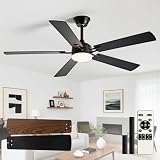
- LFR Score9.4
LFR Score is a ranking system developed by lightfansreviews.com. LFR Score has no relationship or impact from any manufacturers or sales agent websites. Learn more
- BrandDepuley
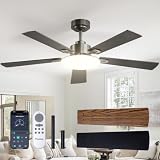
- LFR Score8.3
LFR Score is a ranking system developed by lightfansreviews.com. LFR Score has no relationship or impact from any manufacturers or sales agent websites. Learn more
- BrandPassky

- LFR Score8.1
LFR Score is a ranking system developed by lightfansreviews.com. LFR Score has no relationship or impact from any manufacturers or sales agent websites. Learn more
- BrandZOUQILAI

- LFR Score8.0
LFR Score is a ranking system developed by lightfansreviews.com. LFR Score has no relationship or impact from any manufacturers or sales agent websites. Learn more
- BrandOhniyou

- LFR Score7.5
LFR Score is a ranking system developed by lightfansreviews.com. LFR Score has no relationship or impact from any manufacturers or sales agent websites. Learn more
- BrandOJX
Last update on 2026-10-15 / Affiliate links / Images, Product Titles, and Product Highlights from Amazon Product Advertising API
FAQs
Can I replace an ordinary ceiling light fixture with a ceiling fan without rewiring?
Yes, existing lighting wires can typically supply enough power for a ceiling fan because modern motors use very little electricity. However, you cannot hang the new fan directly from an ordinary light fixture box. You must verify that the box inside the ceiling is specifically rated for ceiling fan support, or replace it with a heavy-duty braced support box before hanging the fixture.
How much does running a ceiling fan add to an electric bill each month?
Running a ceiling fan daily usually adds only one or two dollars to your monthly electric bill. Modern fixtures with quiet energy-saving motors draw between 15 and 35 watts on normal speeds, which is comparable to a small household lamp. Using the fan also creates a cooling breeze that lets you raise your air conditioning thermostat, which can lower your overall home electric bill.
Why does my new ceiling fan buzz when connected to a wall switch?
A buzzing or humming sound usually occurs when a modern fan motor or built-in LED light is connected to an older wall dimmer switch. Standard lighting dimmers work by rapidly chopping the electrical current to alter brightness, which disrupts fan motor coils and LED circuits. Installing an LED-compatible dimmer switch or a dedicated fan speed controller will eliminate the noise and protect the motor.


Best Lighting For Makeup 2026 Bright Ideas For Flawless Looks

Best Wall Sconces For Staircase 2026 Brighten Your Home

Best Lighting For Computer Desk 2026 For Focused Work

Best Boat Black Lights 2026 For Nighttime Adventure

Best Black 30 Inch Light Bar Reviews – Top Picks of 2026

Best Black Light For Aquarium 2026 For Vibrant Glow

Best Black Light for Authenticating Glass 2026 Top Picks

Best Waterproof Spotlight 2026 That Outshines Expectations





