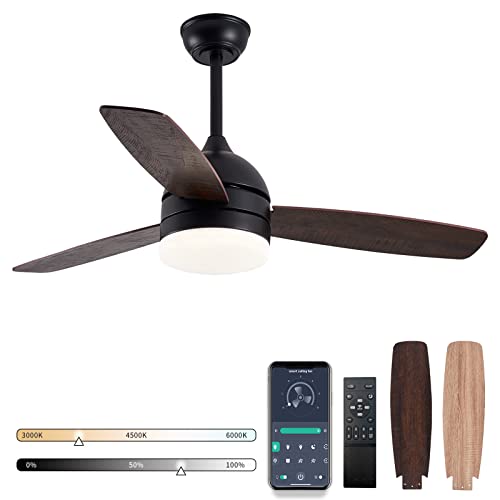
How Much Electricity Does a Table Fan Use Daily?

How Much Electricity Does a Table Fan Use sits right at the center of a question many households quietly wrestle with every summer. Electricity bills creep higher, rooms still feel stuffy, and suddenly that small fan spinning in the corner starts looking suspicious. Funny thing is, table fans usually consume far less power than most people assume. Still, wattage differences, motor quality, speed settings, and daily usage habits can shift energy consumption more than expected.
Older table fans often pull more electricity because dust buildup and aging motors force the unit to work harder. Newer models, especially those with DC motors, tend to run more efficiently while producing steady airflow without the annoying buzzing noise. A fan running overnight every single day may only add a modest amount to the monthly utility bill, but multiple fans across several rooms can slowly stack up costs. Small habits, like lowering the speed setting during cooler evenings, can noticeably reduce unnecessary energy waste.
Room size also changes how effectively a fan performs. A tiny fan placed in a large humid room usually spins nonstop while barely improving comfort, which leaves people frustrated and tempted to crank the speed even higher. On the flip side, properly sized fans circulate air more effectively and avoid overworking the motor. That balance between airflow and efficiency matters more than flashy features or oversized blades.
Energy efficiency becomes especially important during heat waves when cooling devices run for hours at a stretch. Many people don't realize table fans typically use anywhere between 20 and 75 watts depending on blade size and motor design. Compared to air conditioners, that's pretty light on electricity usage. Even so, choosing the wrong fan or running it carelessly can still chip away at monthly savings over time.
Noise level plays a role too. Some fans generate strong airflow but create constant rattling that becomes unbearable during sleep or work hours. Quiet operation often signals a smoother motor system, and smoother systems generally waste less energy through vibration and friction. Dusty blades, loose grills, and clogged vents can also push electricity consumption upward without obvious warning signs.
How Much Electricity Does a Table Fan Use isn't only about numbers on a power label. Comfort, airflow direction, room ventilation, and even seasonal humidity affect how efficiently the fan actually performs day after day. A well-maintained fan with reasonable usage habits can stay surprisingly economical while still keeping indoor spaces far more comfortable during sticky afternoons and restless nights.
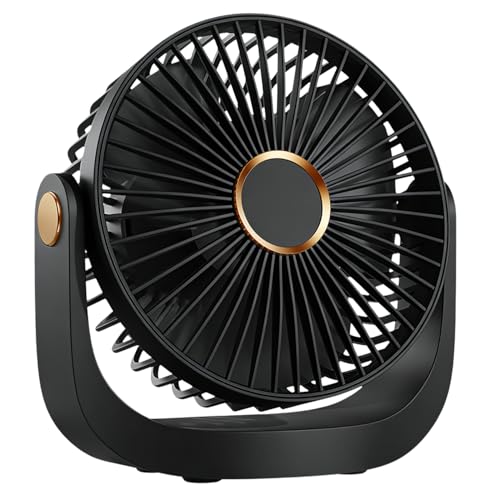
- LFR Score9.8
LFR Score is a ranking system developed by lightfansreviews.com. LFR Score has no relationship or impact from any manufacturers or sales agent websites. Learn more
- BrandDoHome
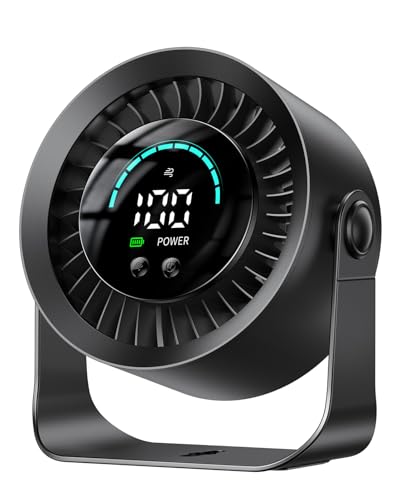
- LFR Score9.4
LFR Score is a ranking system developed by lightfansreviews.com. LFR Score has no relationship or impact from any manufacturers or sales agent websites. Learn more
- BrandDIGIX

- LFR Score9.2
LFR Score is a ranking system developed by lightfansreviews.com. LFR Score has no relationship or impact from any manufacturers or sales agent websites. Learn more
- BrandHoneywell
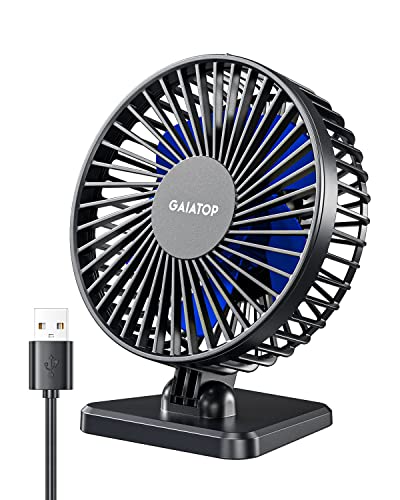
- LFR Score9.2
LFR Score is a ranking system developed by lightfansreviews.com. LFR Score has no relationship or impact from any manufacturers or sales agent websites. Learn more
- BrandGaiatop

- LFR Score9.2
LFR Score is a ranking system developed by lightfansreviews.com. LFR Score has no relationship or impact from any manufacturers or sales agent websites. Learn more
- BrandGaiatop

- LFR Score9.2
LFR Score is a ranking system developed by lightfansreviews.com. LFR Score has no relationship or impact from any manufacturers or sales agent websites. Learn more
- BrandTriPole
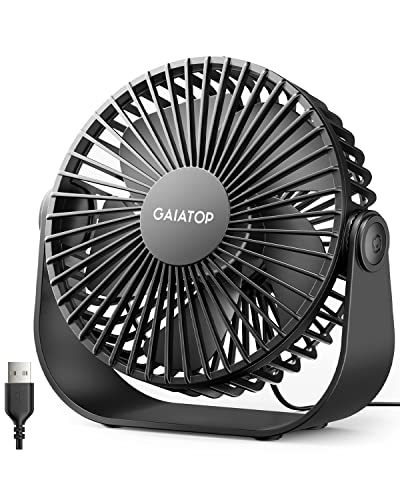
- LFR Score9.2
LFR Score is a ranking system developed by lightfansreviews.com. LFR Score has no relationship or impact from any manufacturers or sales agent websites. Learn more
- BrandGaiatop
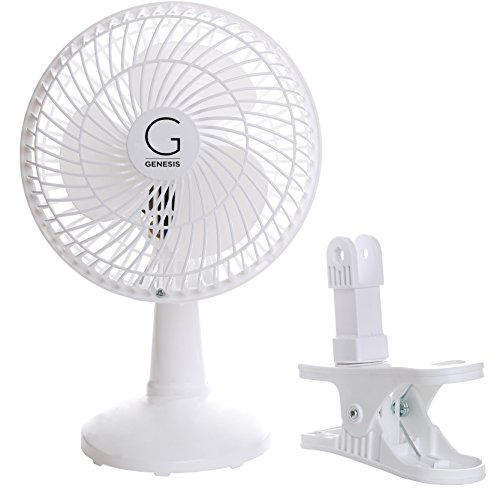
- LFR Score9.0
LFR Score is a ranking system developed by lightfansreviews.com. LFR Score has no relationship or impact from any manufacturers or sales agent websites. Learn more
- BrandGenesis

- LFR Score8.6
LFR Score is a ranking system developed by lightfansreviews.com. LFR Score has no relationship or impact from any manufacturers or sales agent websites. Learn more
- BrandAmazon Basics

- LFR Score8.6
LFR Score is a ranking system developed by lightfansreviews.com. LFR Score has no relationship or impact from any manufacturers or sales agent websites. Learn more
- BrandHoneywell
Last update on 2026-06-01 / Affiliate links / Images, Product Titles, and Product Highlights from Amazon Product Advertising API
How Much Electricity Does A Table Fan Use
A hot bedroom, a buzzing motor, and a utility bill that feels a little too spicy can make a small fan look guilty. Most table fans are modest power users, but how much electricity does a table fan use depends on wattage, speed setting, runtime, and how well the fan actually moves air through the room.
Table Fan Power Use
A typical table fan often runs somewhere around 20 to 75 watts, depending on its size, motor type, and speed setting. That means it usually uses far less electricity than an air conditioner, but the cost still adds up if it runs all day and all night. The simple formula is watts ÷ 1,000 × hours used = kilowatt-hours. So, a 50-watt fan running for 8 hours uses about 0.4 kWh.
That number sounds tiny at first, and honestly, it is pretty gentle compared with heavy cooling appliances. Still, small devices become noticeable when they run for long stretches. A fan left on for 12 to 16 hours daily can quietly become part of the monthly bill. The real issue usually isn’t the fan itself, but runtime habits.
Speed settings make a real difference too. Low speed may use noticeably less power than high speed because the motor doesn’t need to work as hard. High speed feels satisfying during a sticky afternoon, but it can be overkill once the room has better airflow. A smarter habit is starting on high speed, then dropping to medium or low once the room feels more comfortable.
Fan condition matters more than people expect. Dusty blades, clogged grills, and a tired motor can reduce airflow while still pulling electricity. That’s a bad trade, plain and simple. Clean blades and open vents help the fan push air smoothly, which supports better cooling without wasting extra power.
Monthly Cost In Real Life
The monthly cost of a table fan depends on local electricity rates, wattage, and daily use. A 50-watt fan used 8 hours per day consumes about 12 kWh per month. If electricity costs 15 cents per kWh, that fan costs roughly $1.80 per month. Rates vary by location, but the calculation stays the same.
That low monthly cost explains why table fans remain popular in bedrooms, kitchens, dorm rooms, and small offices. They’re cheap to run, easy to move, and simple to control. But here’s the catch: using several fans at once changes the math fast. Three 50-watt fans running daily could use about 36 kWh per month.
Placement also affects whether those watts actually help. A fan pointed at a wall or blocked by furniture may run for hours without making the room feel much cooler. Better placement near a doorway, window, or open air path can improve circulation. For comfort without extra noise, compare quieter models through this helpful guide to best portable fan noise before buying another fan.
Room activity plays a role as well. Cooking, computers, sunlight, and poor ventilation can trap heat and make a small fan feel weak. In that case, running the fan longer may not solve the root problem. Better shade, open windows during cooler hours, and a clean airflow path can make low-watt cooling feel much more effective.
Wattage, Speed, And Motor Type
Wattage tells you how much power the fan may draw while running, but it doesn’t tell the whole story. A larger fan may use more watts, yet move more air at a lower speed. A smaller fan may sip electricity, but struggle in a warm room. The best choice depends on room size, airflow needs, and how often the fan runs.
AC motor table fans are common and usually affordable. They can be reliable, but some models get noisier with age or use more energy at higher speeds. DC motor fans often use less electricity and offer smoother speed control. The tradeoff is simple: DC fans may cost more upfront, but they can be easier on the bill during long daily use.
Noise gives away a lot about efficiency. A fan that rattles, hums, or vibrates may be wasting energy through friction and loose parts. That doesn’t always mean it’s dangerous, but it does mean airflow may not match the electricity being used. A stable fan with clean blades and a balanced base usually delivers steadier airflow.
Lighting and cooling often overlap in real homes, especially in bedrooms, kitchens, and work corners where heat builds up around fixtures. To reduce heat from older fixtures while improving room comfort, use this practical guide to open fluorescent light cover before cleaning or replacing parts. Less trapped heat can make a table fan feel more useful instead of forcing it to fight a warmer room.
Smart Ways To Lower Fan Electricity Use
Start with the easiest fix: clean the fan. Dust on blades changes airflow and can make the motor work harder for weaker results. A quick wipe every couple of weeks during hot seasons can help maintain better air movement. It’s not glamorous, but it works.
Use timers whenever the fan runs during sleep. Many people leave fans on long after the room has cooled or after they’ve fallen asleep. A timer cuts wasted runtime without changing comfort much. That small habit protects both electricity use and the fan motor.
Match the fan to the room instead of chasing the biggest model on the shelf. A compact fan may suit a desk or bedside table, while a wider oscillating fan may work better in a shared room. Dining spaces often need broader airflow, so compare layout-friendly options through this guide to best ceiling fan dining room if a table fan keeps missing the mark.
Airflow direction matters more than brute speed. Pointing the fan across the room, toward a doorway, or near a cooler air source can create circulation without maxing out the motor. During cooler evenings, place the fan near a window to pull in fresher air. That setup can make low speed feel stronger than high speed in the wrong spot.
Why Runtime Matters More Than Fan Size
A slightly higher-watt fan used wisely can cost less than a smaller fan running nonstop. That sounds backward, but the math checks out. Runtime is the sneaky part because every extra hour adds to total consumption. A 60-watt fan used for 4 hours uses less energy than a 30-watt fan used for 12 hours.
Daily routines shape the bill more than the fan label. A fan used during work hours, sleep hours, and cooking time may run 14 hours without anyone noticing. That’s still cheaper than many appliances, but waste is waste. Switching it off when leaving the room is the easiest win.
Oscillation can help reduce runtime because it spreads air across more of the room. Instead of blasting one spot, the fan keeps air moving around furniture and corners. This helps prevent that weird problem where one chair feels breezy and the rest of the room feels stale. Better circulation supports comfort at lower speeds.
Humidity changes the experience too. A fan doesn’t remove moisture from the air, so a humid room may still feel sticky even with strong airflow. In that situation, the fan helps sweat evaporate from skin, but it won’t dry the room like a dehumidifier. Realistic expectations keep energy decisions practical instead of frustrating.
How Much Does A Table Fan Cost In Electricity
Late-night heat can make even a decent room feel miserable, especially when the air turns heavy and stale. Plenty of people leave a table fan running nonstop just to stay comfortable, then start wondering whether that steady breeze quietly pushes the electric bill higher every month. The good news is that table fans usually stay among the lowest-cost cooling devices in most homes. Still, small mistakes with placement, maintenance, and runtime can waste more electricity than expected.
Why Some Table Fans Feel Weak
A fan can spin all day and still leave a room feeling sticky if airflow gets trapped. Curtains blocking vents, crowded furniture, and closed doors often limit circulation. That forces the fan to keep running longer without creating meaningful comfort. Better airflow paths improve cooling efficiency without increasing electricity use.
Blade shape changes airflow more than many people realize. Narrow blades may create sharper airflow in one direction, while wider blades spread air more evenly across the room. Cheap lightweight blades sometimes wobble over time, which creates noise and reduces performance. Stable blades usually support smoother air movement and less vibration.
Heat sources inside the room also matter. Gaming consoles, televisions, desktop computers, and bright lighting fixtures can slowly raise indoor temperatures during long evenings. Fans end up fighting against trapped heat instead of simply circulating air. To reduce heat buildup while improving atmosphere, explore best wall lights gaming room setups that produce softer lighting with less warmth.
Humidity makes everything feel worse. A fan cools people by helping sweat evaporate, but humid air slows that process down. So the room may still feel damp even with strong airflow. Pairing a table fan with open ventilation during cooler hours often improves overall comfort more effectively than blasting the fan at maximum speed.
How Fan Placement Changes Energy Use
A table fan pushed into the wrong corner wastes airflow and electricity at the same time. Positioning matters because moving air across the room works better than spinning air into furniture or walls. Fans placed near windows during cooler evenings can help pull fresh air indoors. That simple setup often reduces the urge to run higher speeds overnight.
Oscillating fans usually perform better in shared rooms because they spread airflow wider instead of focusing on one spot. A stationary fan may cool one chair nicely while leaving the rest of the room stuffy. Wider circulation creates a more balanced feel without needing extra devices. That helps support longer comfort at lower settings.
Height affects airflow too. Fans sitting too low may struggle against beds, couches, or cluttered flooring. Raising the fan slightly can improve circulation across the room. Even a small adjustment sometimes makes a dramatic difference in how effective the airflow feels.
Outdoor airflow habits can help indoor cooling decisions too. Covered patios and semi-open spaces often rely on broader air movement instead of concentrated airflow. For larger open areas with evening heat, compare best outdoor patio ceiling fans lights to see how wider circulation strategies improve comfort while limiting wasted energy.
Signs Your Fan Is Wasting Electricity
A rattling fan usually signals trouble before complete failure happens. Loose screws, unbalanced blades, and worn bearings can reduce airflow while increasing strain on the motor. The fan still spins, but the cooling feels weaker and noisier. That combination often points to reduced efficiency.
Warm motor housing is another warning sign. Some heat is normal during operation, especially after long use, but excessive heat may mean the motor struggles internally. Dust buildup around vents can trap heat and force the fan to work harder. Cleaning the grill and blades regularly helps maintain steady airflow.
Sudden drops in airflow should never be ignored. A fan that once cooled the room quickly but now feels sluggish may have internal wear or dirty blades reducing performance. People often respond by increasing runtime instead of addressing the real issue. That only increases electricity consumption without solving the comfort problem.
Buzzing sounds during oscillation can point to mechanical resistance inside the turning system. Friction wastes energy because the motor works harder to move the fan head. Lubricating moving parts where appropriate and tightening loose hardware can improve operation noticeably. Small fixes often restore better cooling performance without buying a replacement.
How Seasonal Weather Affects Fan Costs
Dry summer heat and humid summer heat create very different experiences with table fans. Dry air allows sweat to evaporate faster, which makes airflow feel cooler against skin. Humid conditions reduce that effect and can make even strong airflow feel disappointing. That’s why some people assume the fan is weak when the weather itself is the bigger problem.
Night temperatures can help reduce electricity use naturally. Running the fan near an open window after sunset often cools a room faster than blasting recycled indoor air. Cooler outside air improves circulation while reducing strain on the motor. That supports lower runtime and better sleep comfort.
Rainy periods sometimes create stagnant indoor air that feels muggy even at moderate temperatures. A fan alone may not fully solve the discomfort in those situations. Pairing airflow with occasional ventilation or moisture control usually works better than simply increasing speed. Real comfort often comes from balancing air movement and humidity control.
Winter use surprises many people too. Some households still run table fans during colder months to circulate warm indoor air more evenly. Low-speed airflow can reduce stuffy corners and help rooms feel less uneven without major electricity use. Moderate operation keeps energy demands fairly light compared with larger heating equipment.
Small Habits That Lower Cooling Costs
Turning the fan off before leaving the room sounds obvious, but people forget constantly. A fan cools people, not the air itself, so empty-room operation wastes electricity. Smart plugs and timers help reduce those forgotten hours. Tiny habits build meaningful savings over time.
Cleaning schedules matter more during dusty seasons. Pet hair, lint, and fine dust gather around grills surprisingly fast, especially in bedrooms and offices. Restricted airflow forces the motor to push harder for weaker circulation. Regular cleaning helps maintain stronger airflow and quieter operation.
Using curtains during the hottest afternoon hours can reduce indoor heat buildup dramatically. Less heat entering the room means the fan doesn’t need to run at aggressive settings as long. That simple adjustment often improves comfort more than buying another small fan. Better shade supports lower energy use naturally.
Fan size should match realistic room conditions instead of marketing promises. Tiny desk fans may struggle badly in larger humid rooms, while oversized high-speed fans can feel excessive in compact bedrooms. Matching airflow needs to actual space creates better comfort without unnecessary electricity use. Balanced cooling usually beats brute-force airflow every single time.


Best Small Flush Mount Ceiling Fans 2026 Ultimate Picks

Best Smart Ceiling Fan India 2026 For Effortless Comfort

Best Smart Ceiling Fans with Lights for 2026: Top Picks

Best Smart Home Non Ceiling Fans 2026 For Ultimate Comfort

Best Outdoor Misting Ceiling Fan 2026 For Ultimate Comfort

Best Outdoor Ceiling Fans For Porch 2026 With Style And Breeze

Best Smart Bulb For Ceiling Fan 2026 That Brightens Life
Best Smart Ceiling Fan Control 2026 For Effortless Comfort