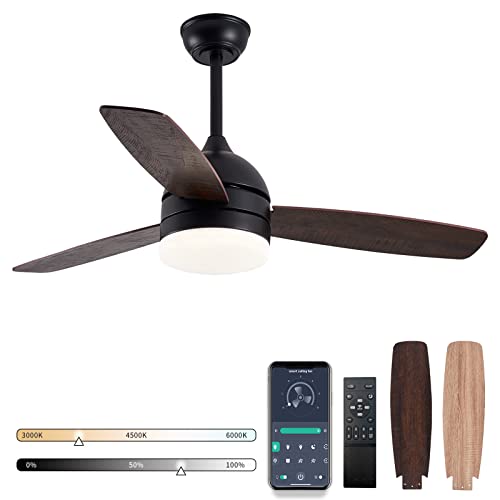
How to Change Ceiling Fan Direction in Winter Effortlessly

Adjusting the ceiling fan direction in winter can make a world of difference in home comfort and energy savings. Cold air tends to settle near the floor, leaving living spaces chilly despite the heater running. By flipping your fan blades to rotate clockwise at low speed, you can gently push warm air from the ceiling back down, creating a cozy atmosphere without blasting the thermostat. Many homeowners overlook this simple yet effective trick, struggling with uneven heating and higher energy costs. Understanding the mechanics behind fan direction helps prevent common frustrations like drafty corners or overheated rooms.
Executing the change is straightforward with minimal tools. Most ceiling fans come with a switch on the motor housing that flips the blade rotation. Ensuring the fan is powered off and blades are stationary is crucial for safety. Once switched, the clockwise motion circulates the trapped warm air, balancing temperatures across the room. It’s a subtle adjustment that doesn’t require replacing your existing fan or investing in complex systems. Even older fans can benefit from this method if they feature a reversible motor.
The benefits extend beyond comfort. Reducing reliance on central heating can cut monthly energy bills, while consistent air movement prevents cold spots and drafts. For larger spaces or rooms with high ceilings, this technique is particularly effective, maintaining even warmth from corner to corner. Combining this practice with strategic furniture placement enhances efficiency, allowing heaters to work smarter rather than harder. Homeowners often notice a marked improvement in overall coziness and a drop in energy consumption, all thanks to the proper fan setup.
Maintenance also plays a role. Ensuring blades are dust-free and well-balanced improves airflow and reduces noise, making the warm air circulation smoother and quieter. Pairing the right blade angle with low-speed clockwise rotation maximizes the redistribution of heat without creating a breeze that feels chilly. Small adjustments, like checking the fan switch for proper engagement and confirming blade stability, add to long-term reliability. Over time, consistent winter direction adjustments help your fan work optimally each season, keeping your home welcoming and comfortable without extra effort.

- LFR Score10.0
LFR Score is a ranking system developed by lightfansreviews.com. LFR Score has no relationship or impact from any manufacturers or sales agent websites. Learn more
- Brandlightingindoors

- LFR Score10.0
LFR Score is a ranking system developed by lightfansreviews.com. LFR Score has no relationship or impact from any manufacturers or sales agent websites. Learn more
- BrandGUGEGUGE
- LFR Score10.0
LFR Score is a ranking system developed by lightfansreviews.com. LFR Score has no relationship or impact from any manufacturers or sales agent websites. Learn more
- BrandECSiNG

- LFR Score9.6
LFR Score is a ranking system developed by lightfansreviews.com. LFR Score has no relationship or impact from any manufacturers or sales agent websites. Learn more
- BrandSwitchPrince

- LFR Score9.0
LFR Score is a ranking system developed by lightfansreviews.com. LFR Score has no relationship or impact from any manufacturers or sales agent websites. Learn more
- BrandReluen

- LFR Score9.0
LFR Score is a ranking system developed by lightfansreviews.com. LFR Score has no relationship or impact from any manufacturers or sales agent websites. Learn more
- BrandHQRP

- LFR Score9.0
LFR Score is a ranking system developed by lightfansreviews.com. LFR Score has no relationship or impact from any manufacturers or sales agent websites. Learn more
- BrandMOTOKU

- LFR Score9.0
LFR Score is a ranking system developed by lightfansreviews.com. LFR Score has no relationship or impact from any manufacturers or sales agent websites. Learn more
- BrandMEETOOT

- LFR Score8.6
LFR Score is a ranking system developed by lightfansreviews.com. LFR Score has no relationship or impact from any manufacturers or sales agent websites. Learn more
- BrandAnderic

- LFR Score8.4
LFR Score is a ranking system developed by lightfansreviews.com. LFR Score has no relationship or impact from any manufacturers or sales agent websites. Learn more
- BrandZZLZX
Last update on 2026-06-13 / Affiliate links / Images, Product Titles, and Product Highlights from Amazon Product Advertising API
How to Change Ceiling Fan Direction in Winter
Rooms often feel colder than they should despite the heater running at full blast. The chilly draft settling near the floor can make cozy evenings frustrating, leaving you constantly adjusting blankets or shivering by the couch. A simple tweak with your ceiling fan direction can redistribute warmth efficiently, balancing temperature without extra energy use. Implementing this adjustment transforms the way warm air circulates, making a noticeable difference in comfort. It’s a subtle shift that pays off throughout the winter season.
Fan Rotation Basics
Most ceiling fans come equipped with a switch on the motor housing that controls the blade rotation direction. Flipping it clockwise pushes warm air downwards, creating a gentle convection effect that warms the lower living areas. Incorrect settings often leave warm air trapped near the ceiling, wasting energy and comfort. Ensuring blades are stationary before changing the switch is a key safety step.
Fans with reversible motors let you switch effortlessly between cooling and heating modes. Low-speed clockwise rotation is ideal for winter as it avoids creating an unwanted breeze while still circulating heat. Even older models can offer this benefit if they have the reversible option. Proper setup ensures maximum efficiency without any modifications to your heating system.
For larger rooms, combining blade angle and speed adjustments can improve heat distribution. Blades tilted correctly reduce turbulence and noise, enhancing the overall comfort factor. Users often notice a smoother airflow, which makes every corner of the room feel consistently warm. Adjustments are simple yet profoundly impactful for seasonal comfort.
Keeping the fan clean and balanced is essential. Dust accumulation can reduce airflow efficiency and cause unnecessary strain on the motor. Balanced blades ensure quiet operation while distributing warm air evenly. Regular checks extend the fan's lifespan and maintain its heat circulation effectiveness.
Safety Precautions and Tools
Safety is paramount before adjusting the ceiling fan direction. Always ensure the fan is powered off to prevent accidents. Using a stable ladder or step stool gives proper reach to the fan switch. Basic tools are rarely needed, but having a screwdriver on hand can help tighten loose blades for balanced operation.
Handling the fan with care avoids misalignment, which could impact efficiency. Secure grips on the ladder or chair minimize risk while making the switch. Avoid rushing the process as spinning blades can be dangerous if the fan is accidentally turned on. Safety awareness directly protects both users and equipment.
Wear gloves if necessary to prevent slips when adjusting the switch, especially on older models with tight levers. Even minor adjustments can create significant differences in airflow patterns. Taking these precautions ensures a smooth, accident-free change of direction. Correct implementation safeguards fan integrity and household safety.
Check for loose screws or wobbly mounting before changing direction. Unstable fans can amplify vibration and reduce heat circulation efficiency. Maintenance and safety are intertwined; proper setup ensures longevity and reliable performance. Small preventive measures create long-term comfort benefits.
Optimal Blade Speed and Angle
Choosing the right fan speed is crucial for winter comfort. Low-speed clockwise rotation prevents cold drafts while effectively moving warm air. High-speed settings may create an undesirable breeze that cools the room instead. Proper speed management ensures the heat distribution factor is maximized.
Blade tilt angles affect airflow patterns. Adjusting them slightly enhances vertical air movement, pushing warm air down without turbulence. Even a few degrees can influence the efficiency of air circulation dramatically. This subtle calibration avoids hotspots or cold pockets in the room.
For rooms with high ceilings, combining low-speed rotation with a slightly steeper blade angle improves overall warmth. It allows the fan to reach further distances, distributing heat evenly across large spaces. Correctly aligned blades also reduce energy waste, keeping your heating bills in check.
Monitoring room temperature after adjustment helps fine-tune the fan settings. Small modifications in speed and tilt create a more pleasant indoor climate. This iterative approach ensures the ceiling fan direction works harmoniously with the heating system.
Energy Efficiency and Cost Savings
Redirecting warm air with your fan reduces reliance on heaters, saving significant energy. Efficient air circulation lowers the thermostat setting while maintaining comfort, cutting monthly energy bills. Studies suggest fans used this way can reduce heating costs by up to 10% in moderately sized rooms. This small change has a measurable financial impact.
Even short periods of proper fan operation contribute to long-term savings. The gentle clockwise motion ensures warmth reaches frequently used areas, avoiding wasteful heating. Users often notice a more balanced temperature, which means less frequent adjustments to the thermostat. Efficient circulation is a practical benefit with immediate impact.
Incorporating ceiling fan adjustments with other energy-saving practices amplifies results. Sealing windows and doors, using thermal curtains, and proper insulation complement the fan’s air movement. The synergy between fan direction and insulation strategies maximizes comfort and savings. Energy-conscious households gain both warmth and efficiency with minimal effort.
Tracking energy bills before and after fan direction adjustments illustrates the financial advantage. Even incremental savings accumulate over months, making the investment in proper fan management worthwhile. Small, strategic adjustments create consistent comfort and long-term cost reduction.
Maintenance Tips for Longevity
Routine maintenance keeps your fan functioning optimally throughout winter. Dust and grime accumulation on blades reduces airflow efficiency and can strain the motor. Cleaning blades and the motor housing periodically ensures smooth operation and quiet rotation. Maintenance is a critical factor in sustaining performance.
Check blade alignment regularly to prevent wobbling, which can decrease circulation and create noise. Tightening screws and inspecting mounts improves stability and overall heat distribution. Proper upkeep avoids frequent adjustments and protects the fan’s lifespan. Simple checks go a long way in maintaining efficiency.
Lubrication may be needed for older models to keep motors running smoothly. Reduced friction enhances blade movement, improving warm air movement and reducing electrical load. Well-maintained fans ensure consistent performance across multiple winters. Paying attention to mechanical health sustains the fan’s directional efficiency.
Investing a few minutes monthly in cleaning and inspection prevents bigger issues. Prolonged neglect can result in imbalance, noise, and uneven airflow. Attention to these details ensures that the fan remains a reliable tool for comfort and energy savings. Maintenance complements all other adjustments, reinforcing the overall benefit.
Advanced Fan Features
Modern fans often include reversible motors, remote controls, and programmable timers. These features allow effortless winter adjustments without manual switching. Remote control functionality ensures convenience, while programmable timers maintain consistent airflow patterns. Incorporating these enhancements elevates daily comfort with minimal effort.
Fans with sensor technology detect temperature changes and adjust rotation accordingly. This automation ensures optimal warm air circulation throughout the day. Rooms remain evenly heated without constant monitoring. Smart features reduce human error and increase efficiency.
Some high-end models offer blade angle adjustments and multi-speed settings. These strengths allow fine-tuning of airflow for unique room layouts or high ceilings. Combining speed, angle, and rotation direction delivers superior winter comfort. Advanced models maximize energy efficiency while minimizing manual intervention.
Integration with home automation systems provides remote scheduling and monitoring. This benefit ensures fans work in concert with heating systems. Automated adjustments prevent cold spots and optimize room temperature dynamically. Smart integration delivers both convenience and tangible energy savings.
Remote Control Options
Remote-controlled fans simplify seasonal changes. With a press of a button, users can switch the ceiling fan direction or adjust speed. This eliminates the need for ladders or reaching over furniture, enhancing safety and convenience. Remote functionality also allows experimentation with different settings for optimal warmth.
Advanced remotes can store multiple speed and rotation preferences. Users can quickly select winter mode, reducing the trial-and-error process. The memorized settings optimize air circulation efficiency across different rooms and activities. Convenience is paired with precision for consistent comfort.
Some remotes include timers for automatic shutdown. This ensures the fan doesn’t run unnecessarily, conserving energy and maintaining ideal temperature levels. Scheduled operation reinforces the energy-saving benefits of fan adjustments. Consistency and control become effortless with remote technology.
Using remote functionality alongside manual safety checks ensures optimal performance. Users maintain control while protecting the equipment from wear or misalignment. Proper combination of convenience and oversight preserves the fan’s long-term effectiveness.
winter ceiling fan setup and optimization
Adjusting your ceiling fan isn’t just about comfort it impacts how efficiently your home retains heat. Fans that aren’t set correctly can trap warm air near the ceiling, forcing your heating system to work harder. Switching blades to rotate clockwise on low speed moves heat downward gently, balancing room temperatures. This minor adjustment offers a tangible improvement in warmth without any complicated setup.
remote control convenience
Modern fans often include a remote for seamless adjustments. The ability to change rotation direction and fan speed from your couch adds convenience and enhances safety. Even small tweaks, like switching to low-speed clockwise rotation, make a noticeable difference in distributing warm air evenly. For effortless winter adjustments, consider exploring best remote control for windows for compatible models that streamline operation.
Remote functionality also allows scheduling. Users can pre-set fans to switch direction or speed at specific times, ensuring comfort without constant attention. This automation enhances energy efficiency while keeping warmth consistent. Remote controls amplify the ease of use and optimize heating performance.
Some remotes store multiple presets. Winter mode, combined with low-speed rotation, creates a consistent temperature without constant manual input. Preset configurations support consistent heat distribution across rooms. Minor adjustments using a remote can replicate professional HVAC effects without high costs.
Integrating remote operation reduces the need for ladders or repeated manual intervention. Fans remain accessible and functional, maintaining the performance and safety standards essential for winter comfort. Convenience and functionality work hand-in-hand for optimal outcomes.
selecting the right fan model
Choosing an appropriate ceiling fan significantly affects winter efficiency. Certain designs, like those from Monte Carlo, offer high-quality motors and reversible blades optimized for heat circulation. Reliable construction ensures that clockwise rotation moves air without creating unwanted drafts. Reading reviews on are monte carlo ceiling fans good can guide informed selection.
High-performance fans feature durable blades and stable mounts. Stability prevents wobbling, ensuring consistent air circulation. Properly engineered fans retain heat in lower zones, reducing energy use and increasing comfort. A well-built model minimizes noise, which is particularly appreciated in quiet winter evenings.
Some fans include multi-speed options, giving users flexibility to balance airflow and warmth. Slower speeds maintain a gentle air movement, ideal for bedrooms and living rooms. The combination of design, motor quality, and speed options is a critical factor for efficient winter heating.
Installation location also matters. Fans placed centrally in rooms distribute heat more evenly. Combining proper placement with clockwise rotation maximizes circulation, ensuring that warmth reaches all corners. Selecting the right model and positioning it correctly ensures sustained comfort and energy savings.
blade maintenance for efficiency
Clean, balanced blades directly affect fan performance. Dust accumulation reduces efficiency and can disrupt the intended air pattern. Regular cleaning enhances airflow and warmth distribution. Checking blade balance prevents wobbling and unnecessary motor strain.
Tightening screws and inspecting mounts helps maintain smooth rotation. Even slight misalignment can create turbulence, reducing the efficiency of warm air circulation. Maintenance safeguards long-term performance and preserves the fan’s integrity. Addressing minor issues proactively avoids larger problems later.
Lubrication of older motors ensures minimal friction. Smooth operation guarantees that clockwise motion efficiently pushes warm air downward. Well-maintained fans operate quietly, complementing the comfort and energy-saving benefits during colder months. Regular upkeep is a small effort with substantial rewards.
Monitoring fan performance after maintenance confirms improved circulation. Adjustments and cleaning together maintain optimal winter efficiency. Taking care of blades and mounts supports long-lasting function and maximized comfort.
combining fans with heating systems
Fans work best when paired strategically with heating systems. Clockwise rotation at low speed pushes warm air toward occupied spaces, allowing heaters to operate at lower settings. This synergy reduces energy consumption while maintaining consistent comfort. Small changes in fan settings can make central heating more effective.
High ceilings benefit particularly from this combination. Fans redistribute heat trapped near the top, preventing cold zones below. The integration of fan direction and thermostat management improves overall room warmth. Combining mechanical airflow with heating reduces energy waste significantly.
Monitoring room temperature after adjustments helps fine-tune the interaction. Small modifications in fan speed or rotation enhance heater efficiency. Over time, consistent pairing of fans and heaters yields a more balanced indoor climate and lower utility bills. Efficient coordination is a key benefit for both comfort and savings.
Strategic furniture placement amplifies airflow effectiveness. Positioning seating under circulated warm air optimizes comfort without additional energy use. Thoughtful arrangement complements fan adjustments, ensuring maximum heat distribution across rooms.
seasonal checkups and upgrades
Inspecting fans before winter ensures optimal function. Check for loose screws, blade warping, or motor issues. Proper maintenance sustains efficiency and durability through harsh months. Small preemptive steps prevent sudden performance drops.
Upgrading older models enhances comfort and energy efficiency. Fans with reversible motors and modern blade designs circulate air more effectively. Upgraded features improve warmth distribution and reduce operational noise. Investment in modern technology provides noticeable seasonal benefits.
Reviewing fan performance mid-season identifies any adjustment needs. Tweaking rotation, speed, or tilt ensures optimal results. Continuous monitoring reinforces the effectiveness of fan direction adjustments. Periodic evaluations maintain consistent indoor comfort.
Replacement of damaged components like blades or switches ensures smooth winter operation. Maintaining fan integrity and performance reduces energy waste and enhances warmth consistency. Addressing small issues early prevents long-term complications.
additional tips for comfort
Ceiling fans alone can’t address all drafts. Combining blade rotation with insulated curtains, draft stoppers, or area rugs improves heat retention. Strategic fan operation complements these measures, boosting overall comfort. Coordinated adjustments yield noticeable warmth throughout the home.
Using multiple fans in larger spaces enhances circulation. Synchronizing clockwise rotation ensures uniform warmth, avoiding cold pockets. The consistency of air movement reduces reliance on multiple heaters. Proper planning of fan placement maximizes winter comfort efficiently.
Adjust fan speed to suit different activities. Lower speeds while sleeping prevent drafts, while slightly higher settings in living areas improve heat distribution. Flexibility ensures personal comfort and energy efficiency. Adjusting for context enhances satisfaction without added cost.
Consider combining fan direction adjustments with heater timers. Coordinated schedules create a balanced indoor climate, making every corner of the room consistently warm. Thoughtful integration of all heating strategies supports the efficiency and comfort you seek in winter months.


Best Small Flush Mount Ceiling Fans 2026 Ultimate Picks

Best Smart Ceiling Fan India 2026 For Effortless Comfort

Best Smart Ceiling Fans with Lights for 2026: Top Picks

Best Smart Home Non Ceiling Fans 2026 For Ultimate Comfort

Best Outdoor Misting Ceiling Fan 2026 For Ultimate Comfort

Best Outdoor Ceiling Fans For Porch 2026 With Style And Breeze

Best Smart Bulb For Ceiling Fan 2026 That Brightens Life
Best Smart Ceiling Fan Control 2026 For Effortless Comfort