How to Safely Change the Light Bulb in a Porch Light

Most people assume swapping an outdoor bulb is just as simple as changing an indoor lamp. In reality, outdoor fixtures protect against weather, so the job starts with shutting off the wall switch and opening the exterior housing before you can unscrew the dead bulb. Many lanterns let you reach up through an open bottom, while others require loosening small thumb screws or opening a hinged glass door.
What you run into depends on your fixture style, the weather wear on the metal, and the replacement bulb you choose. Rain and outdoor humidity often leave rusted screws or a corroded socket, which can easily crack fragile glass panels if forced. You also need an outdoor-rated replacement bulb that will not overheat inside a closed cover. Here is how to open the lantern safely, loosen stuck parts, and install the right light for your entry.
Preparing for Safety: Power and Ladder Setup
Working on an outdoor light fixture introduces risks you do not face in an indoor hallway. Porch lights sit exposed to rain, wind, and blowing dust, which causes metal components to corrode and glass panels to stick. Taking two minutes to set up your work area properly protects you from electrical shock and painful ladder falls.
- Cut the power source: Flipping the wall switch to the off position is the bare minimum, but switching off the breaker at your main service panel is much safer. Outdoor fixtures sometimes share circuits with other exterior outlets, and a simple switch does not always protect you if the wiring inside the wall box has worn insulation. If you only use the wall switch, place a strip of masking tape over it so no one inside flips it on while you work.
- Let the old bulb cool down: Incandescent and halogen bulbs reach high temperatures within seconds. Give a dead bulb at least ten minutes to shed its heat before you touch the glass. Even standard household teardrop bulbs (often labeled A19 bulbs) can cause surface burns if handled right after losing power.
- Establish a stable ladder base: Porch steps, sloped concrete walkways, and wooden decking create uneven surfaces. Place your stepladder on a flat, dry spot where all four feet make firm contact. Never balance a ladder on door thresholds, loose welcome mats, or soft garden mulch. Keep your hips centered between the ladder rails and never stand on the top step or the paint shelf.
- Gather protective gear: Put on a pair of lightweight work gloves with rubberized grips and clear safety glasses. Old exterior bulbs can shatter if their thin glass has become brittle from years of sun exposure, and dirt or dead bugs often fall from the housing as soon as you open it.
Porch Light Housing Styles: How Your Fixture Opens
Porch fixtures come in several shapes, and the hardest part of the job is often figuring out how to get inside the housing without cracking a pane of glass. Before reaching for tools, step up and look closely at how the lantern is assembled.
Open-bottom lanterns are the simplest design. The bottom of the metal frame has no glass cover, leaving the socket open to the air below. In these fixtures, you do not need to take anything apart. You simply reach up into the cage, grasp the dead bulb, and twist it out. If you have this style, you can explore the best bulb for an exposed light to find an option that looks attractive from below while handling damp evening air.
Top-canopy fixtures use decorative nuts, known as finials, or small knurled thumb screws located on the roof or upper rim of the fixture. When you loosen these top fasteners, the entire roof or the lower glass cage drops away. Always support the bottom of the fixture with one hand while unscrewing these fasteners so the glass body does not drop to the floor.
Hinged-door lanterns look like traditional carriage lamps. These models feature a small swinging door on the front or side of the metal frame, held closed by a mechanical latch, a magnetic catch, or a tiny sliding pin. Opening the latch lets the door swing wide on its hinges, granting direct access to the socket inside.
Globe and jar fixtures feature a rounded glass bowl or a cylindrical ribbed jar that threads directly into a metal base mounted to the wall or porch ceiling. These fixtures do not use screws. Instead, you twist the entire glass globe counterclockwise to unscrew it from the base. Other ceiling-mounted flush fixtures use two or three spring clips or small set screws along the metal perimeter that release the glass bowl when loosened.
Steps to Replace Your Porch Light Bulb
- Position your ladder and bring a small tray for hardware. Reason: Having a small dish, magnetic tray, or even your pocket ready prevents small screws and decorative nuts from bouncing off the porch and getting lost in the grass.
- Shut off the electrical power at the breaker panel. Reason: Cutting power at the circuit breaker guarantees zero current reaches the exterior socket, which keeps you safe if you touch the metal socket rim or encounter frayed wiring.
- Inspect the fixture for insect nests and loose parts. Reason: Wasps and spiders often build nests behind outdoor lanterns, and spotting them early prevents surprise stings or sudden movements while balanced on a ladder.
- Support the glass housing with one hand while loosening fasteners. Reason: Outdoor glass panels can slide loose unexpectedly once the retaining clips or thumb screws are released, leading to shattered glass on hard porch concrete.
- Remove or swing open the housing access panel and set parts aside safely. Reason: Clearing the opening fully gives your hands enough clearance to reach the socket without putting pressure on delicate metal lantern frames.
- Grasp the dead bulb gently and turn it counterclockwise. Reason: Standard household teardrop bulbs use right-hand threads, so twisting left breaks the seal without putting uneven twisting pressure on the glass neck.
- Inspect the socket interior for corrosion or black soot. Reason: Moisture often oxidizes the brass contact tab at the bottom of the socket, and spotting corrosion now tells you whether the socket needs cleaning before installing the new bulb.
- Screw the replacement bulb clockwise into the socket until finger-snug. Reason: Turning the bulb until it stops creates a solid electrical connection, but over-tightening can crack the ceramic socket base or tear the metal socket loose.
- Wipe down the interior glass panels and inspect the rubber weather gaskets. Reason: Removing built-up grime improves light output, while checking the rubber seal ensures moisture cannot slip into the housing during heavy rainstorms.
- Reattach the glass cover or secure the access door with the original fasteners. Reason: Fastening the housing completely keeps wind gusts from rattling the glass or blowing driving rain directly onto the warm bulb.
- Restore power at the breaker and verify the light turns on. Reason: Checking the light while your tools are still out lets you troubleshoot immediately if the bulb needs to be turned another quarter-turn to make contact.
How to Handle Stuck Screws, Rusted Finials, and Frozen Bulbs
Because outdoor lights face morning dew, rain, and winter frost, their metal hardware frequently corrodes. When you run into parts that refuse to budge, forcing them with heavy pliers can snap the mounting bracket or crack the fixture glass.
If a mounting screw or decorative cap is frozen with rust, do not immediately crank on it with all your strength. Stripping the screw head leaves you with very few options. Instead, apply a tiny drop of penetrating oil directly to the threads using a cotton swab. Keep the oil away from the electrical socket and wire connections. Let the oil sit for ten to fifteen minutes so it can seep through the rust. When you set your screwdriver into the screw, push inward firmly toward the fixture as you turn counterclockwise to keep the tool bit from slipping out of the slot.
A light bulb can also become seized inside its standard medium screw base (known as an E26 base). This happens when moisture causes galvanic corrosion between the aluminum base of the bulb and the metal socket lining. If the bulb will not budge under normal hand pressure, put on heavy leather work gloves. Wrap a short strip of duct tape around the middle of the glass bulb, leaving a small tape handle sticking out. Grip both the bulb and the tape tab to give yourself extra traction, then twist firmly counterclockwise.
If the glass bulb separates from its metal base, leaving the metal threaded cylinder stuck inside the socket, stop immediately. Double-check that the circuit breaker is switched off. With the power completely dead, take a pair of needle-nose pliers with rubber-insulated handles. Insert the tips of the pliers into the hollow metal base, spread the plier jaws outward against the inner walls of the base, and twist counterclockwise. Alternatively, grab the exposed metal rim of the base with the pliers and gently twist it inward to break the rust bond before unscrewing it. If you ever deal with specialty indoor or heat-sensitive bulbs that require extra care, learning how to change a halogen light bulb safely offers good insight on avoiding glass contamination.
Choosing the Right Outdoor Replacement Bulb
Grabbing any spare bulb from your hallway closet can cause headaches within a few weeks. Porch fixtures have specific operating environments that quickly ruin regular indoor light bulbs. Before buying a replacement, check three critical specifications to ensure long life and safe operation.
First, verify the socket type and wattage limit. Most porch lanterns use the standard medium screw base (E26 base), though some decorative carriage lights use a candelabra or small screw base (E12 base). Look for a small silver or white sticker inside the fixture housing that lists the maximum wattage limit, such as "Max 60W." Never exceed this number. When choosing an LED bulb, focus on lumens, which measure actual brightness, rather than watts, which measure electricity used. An 800-lumen LED provides the same bright glow as an old 60-watt incandescent bulb while consuming only a fraction of the power.
Second, verify the fixture rating. If your porch light has a sealed glass cage or a screw-on globe with no air vents, it is an enclosed fixture. Sealed glass traps heat generated by the bulb's internal driver. You must select a bulb specifically marked as enclosed fixture rated. Using a standard bulb inside a sealed globe causes the internal electronics to overheat, leading to flickering, buzzing, and premature failure within months. Additionally, make sure the bulb packaging states it is rated for damp locations (for covered porches protected from direct rain) or wet locations (for exposed lamp posts and open-air fixtures).
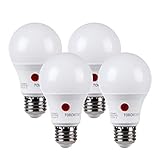
Third, pick the light color and convenience features that fit your home. For a warm, welcoming glow that highlights brick and wood siding, select a soft warm white bulb rated at 2700K. If your priority is security and seeing details across the driveway clearly, select a daylight white bulb rated at 5000K. If you do not want to remember to flip the switch every evening, consider a bulb with a built-in photocell (an automatic dusk-to-dawn sensor). These bulbs detect ambient sunlight through the glass housing, automatically turning the light on when the sun sets and turning it off at dawn.

- LFR Score9.4
LFR Score is a ranking system developed by lightfansreviews.com. LFR Score has no relationship or impact from any manufacturers or sales agent websites. Learn more
- BrandILC

- LFR Score9.4
LFR Score is a ranking system developed by lightfansreviews.com. LFR Score has no relationship or impact from any manufacturers or sales agent websites. Learn more
- BrandLOXYEE
- LFR Score9.2
LFR Score is a ranking system developed by lightfansreviews.com. LFR Score has no relationship or impact from any manufacturers or sales agent websites. Learn more
- BrandTORCHSTAR

- LFR Score9.2
LFR Score is a ranking system developed by lightfansreviews.com. LFR Score has no relationship or impact from any manufacturers or sales agent websites. Learn more
- BrandSUNNEST

- LFR Score9.2
LFR Score is a ranking system developed by lightfansreviews.com. LFR Score has no relationship or impact from any manufacturers or sales agent websites. Learn more
- BrandSETEN

- LFR Score9.2
LFR Score is a ranking system developed by lightfansreviews.com. LFR Score has no relationship or impact from any manufacturers or sales agent websites. Learn more
- BrandAmazon Basics

- LFR Score9.2
LFR Score is a ranking system developed by lightfansreviews.com. LFR Score has no relationship or impact from any manufacturers or sales agent websites. Learn more
- BrandTORCHSTAR

- LFR Score8.8
LFR Score is a ranking system developed by lightfansreviews.com. LFR Score has no relationship or impact from any manufacturers or sales agent websites. Learn more
- BrandVicstone

- LFR Score7.4
LFR Score is a ranking system developed by lightfansreviews.com. LFR Score has no relationship or impact from any manufacturers or sales agent websites. Learn more
- BrandTupkee
Last update on 2026-10-02 / Affiliate links / Images, Product Titles, and Product Highlights from Amazon Product Advertising API
Frequently Asked Questions
Is turning off the wall switch enough to safely change a porch light bulb?
Flipping the wall switch cuts power to the hot wire under normal conditions, but turning off the circuit breaker is much safer for outdoor fixtures. Exterior junction boxes frequently collect moisture, and old wiring can leak stray voltage if the insulation has cracked. Shutting off the breaker eliminates all risk of shock while your hands are working around metal frames and corroded sockets.
Can I use a regular indoor LED bulb in my outdoor porch light?
Regular indoor bulbs should not be used outdoors because their internal circuits are not sealed against morning condensation, freezing temperatures, or high summer humidity. Indoor bulbs installed outside often fail early, flicker, or pose a fire risk if moisture enters the base. Always look for packaging clearly marked for damp or wet outdoor locations.
Why does my new dusk-to-dawn sensor bulb turn on and off repeatedly at night?
This rapid cycling, often called strobing, happens when the bulb's built-in light sensor picks up its own reflection. If the sensor faces a reflective metal fixture wall, a shiny porch ceiling, or a dirty glass pane, the sensor thinks morning has arrived and shuts off. Once dark again, it clicks back on. Loosen the bulb slightly or adjust its position so the small sensor eye points away from reflective surfaces and toward the open yard.
What should I do if the glass globe on my porch ceiling light will not twist off?
Threaded glass globes often stick because dirt and moisture settle into the mounting threads over time. Put on heavy rubber-coated work gloves to improve your hand grip across the curved glass. Push upward gently into the fixture base while turning counterclockwise to relieve tension on the threads. If it remains stuck, run a thin strip of painter's tape along the seam and tap the metal base lightly with a wooden spoon handle to break the seal created by dried dirt.

Best Bulb For Exposed Light 2026 That Shines Bright

Best Industrial Light Bulb Reviews: Top Picks for 2026
Best Outdoor Light Bulb Reviews: Top-Rated Picks for 2026
Best LED Reading Light Bulb Reviews - Top Picks for 2026

Best Vintage Light Bulb 2026 With Style And Glow
Best Yellow Fog Light Bulb 2026 For Clearer Night Drives

Best Z Wave Light Bulb 2026 Top Picks For Smart Control
Best Light Bulb For Vanity Mirror 2026 Brightness Boost