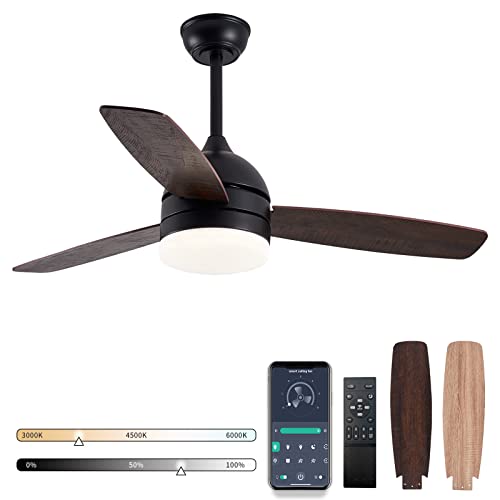
How To Clean A Ceiling Fan Over The Bed Safely

How To Clean A Ceiling Fan Over The Bed sounds simple until dust starts raining down onto freshly washed sheets. One careless swipe can leave pillowcases covered in grime, while stubborn buildup clings to the blade edges like it pays rent. Plenty of people put the task off for weeks because balancing on a chair above a mattress feels awkward, messy, and honestly a little annoying. Still, ignoring it only makes the dust thicker and the room stuffier.
Ceiling fans sitting directly over beds collect more than ordinary dust. Tiny fabric fibers, skin particles, pet hair, and oily residue float upward night after night, then settle onto the blades. That buildup eventually gets pushed back into the air every time the fan spins. A room may look spotless at first glance, yet the fan quietly spreads grime around like confetti at a bad party. Cleaning it properly helps the room feel lighter, fresher, and far less dusty during sleep.
The tricky part usually isn't the cleaning itself. It's avoiding the avalanche of dirt falling onto blankets and mattresses below. A rushed approach often creates more cleanup afterward, especially if dry dust scatters across the entire bed. That's why preparation matters just as much as wiping the blades. Simple things like covering bedding, using the right cloth, and cleaning one blade at a time can save a massive headache later.
Safe positioning also plays a huge role. Stretching too far while standing on soft bedding or unstable furniture can turn a basic chore into a risky situation fast. A sturdy step ladder, balanced footing, and slow movements make the process far more manageable. Nobody wants to twist awkwardly while holding a dusty rag in one hand and trying not to wobble. Slow and steady wins this race every single time.
Cleaning solutions matter more than many realize, too. Heavy sprays can leave sticky residue behind, causing blades to attract dust faster after cleaning. Mild soap mixtures or lightly damp microfiber cloths usually work better for routine care. Thick grime around the motor housing may need extra attention, but soaking the fan isn't the answer. A little restraint goes a long way here.
How To Clean A Ceiling Fan Over The Bed becomes far less frustrating with a repeatable routine. Regular maintenance keeps buildup manageable, reduces airborne dust, and helps the fan operate more smoothly. Even better, the room feels cleaner almost immediately afterward. Fresh airflow hitting clean bedding just feels different, plain and simple.

- LFR Score9.4
LFR Score is a ranking system developed by lightfansreviews.com. LFR Score has no relationship or impact from any manufacturers or sales agent websites. Learn more
- BrandStorystore

- LFR Score9.4
LFR Score is a ranking system developed by lightfansreviews.com. LFR Score has no relationship or impact from any manufacturers or sales agent websites. Learn more
- BrandEyliden

- LFR Score9.4
LFR Score is a ranking system developed by lightfansreviews.com. LFR Score has no relationship or impact from any manufacturers or sales agent websites. Learn more
- BrandHeonay

- LFR Score9.2
LFR Score is a ranking system developed by lightfansreviews.com. LFR Score has no relationship or impact from any manufacturers or sales agent websites. Learn more
- BrandDRQ

- LFR Score9.2
LFR Score is a ranking system developed by lightfansreviews.com. LFR Score has no relationship or impact from any manufacturers or sales agent websites. Learn more
- BrandCLDREAM

- LFR Score9.2
LFR Score is a ranking system developed by lightfansreviews.com. LFR Score has no relationship or impact from any manufacturers or sales agent websites. Learn more
- BrandYANLIFY

- LFR Score9.0
LFR Score is a ranking system developed by lightfansreviews.com. LFR Score has no relationship or impact from any manufacturers or sales agent websites. Learn more
- BrandSetSail

- LFR Score9.0
LFR Score is a ranking system developed by lightfansreviews.com. LFR Score has no relationship or impact from any manufacturers or sales agent websites. Learn more
- BrandTonmp

- LFR Score9.0
LFR Score is a ranking system developed by lightfansreviews.com. LFR Score has no relationship or impact from any manufacturers or sales agent websites. Learn more
- BrandEVERSPROUT

- LFR Score8.8
LFR Score is a ranking system developed by lightfansreviews.com. LFR Score has no relationship or impact from any manufacturers or sales agent websites. Learn more
- BrandSFIELCAPA

- LFR Score8.6
LFR Score is a ranking system developed by lightfansreviews.com. LFR Score has no relationship or impact from any manufacturers or sales agent websites. Learn more
- BrandMNWHUC
Last update on 2026-07-24 / Affiliate links / Images, Product Titles, and Product Highlights from Amazon Product Advertising API
How To Clean A Ceiling Fan Over The Bed Without Dust Fallout
Dust above a pillow feels personal, doesn’t it? A bedroom can look calm and freshly made, then one spin of a dirty fan sends lint, gray fuzz, and stale air right back into the place meant for rest. That’s why how to clean a ceiling fan over the bed needs a careful plan, not a random swipe with an old rag. The real goal is controlling the mess, protecting the bedding, and keeping the fan cleaner for longer.
Start With The Bed Protected
The bed sits directly in the danger zone, so protection comes first. Pull back decorative pillows, folded throws, and anything that traps dust easily. A flat sheet, old towel, or washable cover over the mattress catches falling grime before it sinks into the fabric. That simple barrier saves you from washing half the room after one cleaning session.
Freshly washed bedding deserves a little respect, especially if dust has been gathering for weeks. Fan blades collect lint, skin flakes, pet hair, and fine debris that cling to the top surface where nobody looks often. Once disturbed, that buildup drops fast. Covering the bed turns a messy chore into a controlled cleanup instead of a laundry ambush.
A pillowcase can work like a quiet little dust trap. Slide it over one blade, press gently around both sides, and pull it back toward you so the dirt stays inside. This method keeps loose dust contained instead of scattering it across the comforter. It’s not fancy, but it’s one of those tricks that earns its keep.
Keep the fan switched off at the wall before anything starts. A moving blade, even a slow one, makes cleaning awkward and unsafe. Give the blades a few seconds to fully stop, then check your footing before reaching up. Stable setup matters more than speed because nobody wins by rushing above a bed.
Choose Tools That Do Not Spread Dust
Dry feather dusters look handy, but they often push dust into the air. A microfiber cloth grabs particles better because the fibers hold onto fine debris instead of flicking it around. Lightly dampening the cloth gives it more grip without soaking the blade. Too much moisture can drip onto bedding or creep into blade seams, so keep it barely damp.
A step ladder beats standing on the mattress every single time. Soft bedding shifts under your feet, and that wobble gets worse once both arms are above your head. Use a sturdy ladder placed beside the bed, not on top of it. Balanced footing keeps your hands free to clean instead of grabbing for something to steady yourself.
Sticky grime needs a different touch than ordinary dust. A mild mix of warm water and a tiny drop of dish soap can loosen oily buildup near the blade edges. Spray the cloth, not the fan, so liquid stays under control. That small habit protects the motor housing, nearby lights, and the bedding below.
Skip harsh cleaners unless the fan manufacturer specifically allows them. Strong products can dull painted finishes, leave streaks on wood-look blades, or create a residue that attracts dust faster. Gentle cleaning may take an extra pass, but it leaves the surface cleaner in a practical way. Less residue means the next cleaning session won’t feel like scraping old syrup off a shelf.
Clean Each Blade With Slow Control
Work on one blade at a time and keep your movements steady. Start near the motor and wipe outward toward the blade tip. This direction helps pull dust and debris away from the center instead of packing it into the blade brackets. Slow strokes also reduce the chance of shaking loose dirt onto the bed.
The top side of each blade usually carries the worst buildup. That hidden surface gathers dust quietly while the bottom looks cleaner than it really is. Press gently along the blade, then fold the cloth to a clean side before making another pass. A dirty cloth only smears fine grime around and makes the blade look cloudy.
Blade edges deserve extra attention because dust often forms a fuzzy ridge there. Airflow pushes particles toward those edges, and over time they cling like a stubborn gray trim. Pinch the cloth around the edge and wipe from the base to the tip. That little detail improves clean airflow and makes the fan look noticeably sharper.
Check the blade brackets while you’re up there. Small screws, decorative arms, and joints collect dust in little pockets that a wide cloth can miss. Wrap a microfiber cloth around your finger for tight spots, or use a soft brush if the dust is dry. Careful detail cleaning helps prevent dust from falling later, right after you thought the job was done.
Separately, small lighting projects around the bedroom can create their own dust traps, especially around fabric shades and liners. To choose safer materials for a nearby lamp refresh, compare best material for lamp shade making before buying supplies that may discolor or collect lint too quickly.
Handle Stains Without Damaging The Finish
Some ceiling fans above beds develop dull, sticky patches from humidity, body oils in the air, or nearby candles. That residue doesn’t always disappear with a single wipe. Let a damp microfiber cloth rest on the spot for a few seconds, then wipe gently instead of scrubbing hard. Patience protects the finish better than elbow grease in this case.
Painted blades can chip or streak if treated too aggressively. Wood-look blades may swell or discolor if water sits too long on the surface. Use minimal moisture and dry each blade right after cleaning. Quick drying helps preserve the blade surface and keeps moisture from settling into seams.
Greasy buildup near the blade tip can feel frustrating because it grabs fresh dust fast. A mild soap solution usually handles it, but the cloth needs frequent rinsing. Once the cloth looks gray, it’s done helping and starts spreading grime around. Clean cloth sections make a bigger difference than using a stronger cleaner.
Bedroom fans with light kits need extra caution. Dust around bulbs and glass shades can fall straight onto pillows if handled roughly. Remove loose dust first, then clean glass parts only after they are cool. Cool surfaces reduce streaking, protect your hands, and lower the risk of cracking delicate parts.
Bedroom lighting details can also affect how much dust collects near the fan area. For a separate shade repair or lining project, rely on best paper for lamp shade liner so the material handles heat and shape better than flimsy craft paper.
Keep Dust From Coming Back Fast
A clean fan won’t stay spotless forever, but the right habits slow the buildup. Run a microfiber cloth over the blades every couple of weeks before dust turns sticky. Quick upkeep takes far less effort than deep cleaning a heavy layer later. Small maintenance beats big cleanup every time.
Air quality around the bed plays a quiet role. Fabric headboards, thick curtains, rugs, pets, and open windows all add more particles to the room. Vacuuming around the bed and washing pillowcases regularly can reduce what lands on the fan. Cleaner surfaces below often mean cleaner blades above.
Fan speed matters too. High speed can fling loose debris across the room if the blades are already dirty. After cleaning, start the fan on low for a moment and watch for leftover dust along the edges. That quick check helps catch missed buildup before it drifts onto bedding.
Blade direction can also change how dust moves through the bedroom. Seasonal direction changes are useful for comfort, but they can stir settled particles if the fan hasn’t been cleaned first. Wipe the blades before switching direction after a long break. Fresh blades help airflow feel cleaner instead of stale.
Work Safely Around The Mattress Area
Cleaning over a bed creates a weird reach angle. The mattress blocks close access, and stretching too far can throw off your balance. Move the bed slightly if possible, or place the ladder where your shoulders stay relaxed. Comfortable reach keeps the job safer and more precise.
Never lean your full weight against the fan or pull on a blade for support. Ceiling fan blades are not handles, and brackets can bend if pressured the wrong way. Hold the ladder with one hand whenever you need to reposition. Controlled movement prevents damage to the fan and keeps you steady.
Glasses or a simple face covering can help if the fan is heavily dusty. Fine debris tends to fall at the worst moment, usually right as you look up. Eye irritation and sneezing make ladder work more annoying than it needs to be. Basic protection is worth it if the fan hasn’t been cleaned in a while.
Bedrooms with smaller layouts need extra planning because furniture gets in the way fast. A large fan above a compact bed can leave little room for safe ladder placement. For sizing context in another room setup, compare best size ceiling fan for 10x10 room before choosing a fan that overwhelms a tight space.
How To Keep A Ceiling Fan Over The Bed Dust Free Longer
Cleaning the blades once feels satisfying for about two days, then that thin gray layer starts creeping back again. Bedrooms collect more floating debris than most people expect because blankets, pillows, rugs, and fabric furniture constantly release fibers into the air. A ceiling fan above the bed catches all of it little by little until the blades look dull again. That’s why long-term dust control matters just as much as the cleaning itself.
Reduce Dust Floating Around The Bedroom
Dust problems rarely start at the fan. Bedding sheds tiny fibers every night, especially during warmer months when blankets move around constantly. Vacuuming the mattress edges, washing sheets often, and cleaning fabric headboards can reduce how much debris travels upward. Cleaner fabric surfaces help slow buildup on the blades more than most people realize.
Air circulation also changes the way dust settles across the room. Open windows may feel fresh, but they can pull pollen and outdoor particles directly toward the fan. Bedrooms near busy roads often collect extra grime from outside air without anyone noticing at first. Controlled airflow makes the room easier to maintain over time.
Heavy curtains trap dust like magnets. Thick textured fabrics look cozy, but they release lint into the air every time they move slightly from airflow. Washing curtains every few months can noticeably reduce what lands on the fan blades above the bed. Smaller changes like that often improve overall room freshness more than expensive gadgets.
Humidity plays a sneaky role too. Damp air can make dust cling to blade surfaces faster, especially in warmer climates. Running a dehumidifier occasionally helps keep the room feeling lighter and reduces sticky buildup on the fan. Balanced humidity makes regular cleaning easier because dry dust wipes away more cleanly.
Watch For Wobbling And Uneven Blades
A wobbling fan doesn’t just look annoying. It shakes loose dust from blade edges and spreads debris across the bed much faster than a balanced fan. Small alignment problems can happen gradually after years of use or after rough cleaning. Stable blade movement helps the room stay cleaner and quieter.
Loose screws around the blade brackets often cause the problem. Tightening them gently with a screwdriver can improve stability almost immediately. Don’t overtighten anything, though, because stripped screws become another headache later. A fan should feel firm and smooth, not shaky and noisy.
Blade warping creates uneven airflow that pushes dust in odd directions around the room. Moisture exposure or aggressive scrubbing can slowly bend thinner blades over time. Hold a steady eye line across all blades to check whether one sits lower than the others. Even a small difference can affect air circulation and comfort while sleeping.
Electrical problems shouldn’t be ignored either. Strange clicking noises, flickering lights, or inconsistent speed changes deserve attention before they become larger repair issues. For another household switch repair that follows similar safety habits, compare steps for change the brake light switch before handling wiring projects without preparation.
Use The Right Cleaning Schedule
Most people wait until the fan looks obviously dirty, but by then the dust layer is already thick enough to scatter through the room. Light cleaning every two or three weeks keeps buildup manageable and cuts down on deep scrubbing later. A quick wipe takes only a few minutes if the blades stay relatively clean. Consistent maintenance saves time in the long run.
Bedrooms with pets usually need more frequent attention. Pet hair floats farther than expected and clings stubbornly to blade edges once mixed with ordinary dust. Long-haired pets can create fuzzy buildup surprisingly fast near the motor housing. Pet-heavy rooms benefit from shorter cleaning intervals.
Seasonal changes also affect cleaning frequency. Spring pollen, dry winter air, and summer humidity all change the way dust behaves indoors. During high pollen months, fan blades may develop a yellowish layer faster than usual. Adjusting the cleaning routine with the seasons keeps air quality feeling more comfortable overnight.
Bedrooms used every single day naturally gather more airborne particles than guest rooms. Fans above children’s beds or heavily used primary bedrooms often need extra attention because fabric movement stays constant. Watching the blade edges weekly makes it easier to spot buildup before it turns thick and sticky. Early cleaning prevents frustrating deep-clean sessions later.
Clean Around The Motor And Pull Chain
Fan blades grab most of the attention, but the motor housing collects its own layer of dust. That buildup can dull the finish and create a stale smell once the fan heats slightly during operation. Wipe the housing gently with a microfiber cloth and avoid pushing dust into vents or seams. Careful motor cleaning keeps the entire fixture looking fresher.
Pull chains often feel sticky because hands touch them regularly while dust settles on top. A damp cloth with mild soap usually handles the grime without damaging the finish. Dry the chain afterward so moisture doesn’t sit around metal parts. Clean touch points make the fan feel less neglected overall.
Glass light covers deserve patience too. Removing them slowly prevents dust from raining onto the bed unexpectedly. Hold the glass firmly with one hand while loosening clips or screws with the other. A careful approach protects fragile light covers and keeps cleanup under control.
Fans installed in humid areas need even more attention around metal components. Moisture can leave faint residue marks around screws and brackets over time. For moisture-heavy spaces like covered patios or damp climates, compare details about wet rated ceiling fan setups before installing a standard indoor model where humidity stays high.
Avoid Common Cleaning Mistakes
Spraying cleaner directly onto spinning blades creates more problems than it solves. Liquid can drip into the motor housing, stain bedding, or leave streaks along the blade surface. Spray the cloth instead and keep moisture controlled from the start. Measured cleaning protects both the fan and the bed underneath.
Standing on the mattress might feel faster, but it shifts your balance constantly. A ladder positioned beside the bed gives better control and lowers the chance of falling sideways into nearby furniture. Stability matters more than speed during overhead cleaning tasks. Safe positioning reduces stress while reaching awkward angles.
Using rough scrubbers on delicate blade finishes creates tiny scratches that attract more dust later. Smooth surfaces stay cleaner because debris has fewer rough spots to cling onto. Soft microfiber cloths handle routine maintenance better than stiff brushes or abrasive pads. Gentle tools usually deliver cleaner-looking results.
Ignoring the blade tops after wiping the visible underside is another common mistake. Dust collects heavily on top because nobody sees it daily. The first time the fan spins at high speed, loose debris from the upper surface spreads through the room immediately. Complete blade cleaning keeps fresh bedding cleaner longer.
Keep The Bedroom Feeling Fresher Overnight
A clean ceiling fan changes the feel of a bedroom more than people expect. Air feels lighter, sheets stay fresher longer, and the room loses that stale dusty smell that creeps in quietly over time. Clean blades also move air more evenly across the bed instead of pushing around trapped debris. Balanced airflow creates a more comfortable sleeping space night after night.
Noise levels can improve too. Dust buildup along blade edges sometimes creates faint fluttering or imbalance sounds during higher speeds. Once cleaned properly, many fans run smoother and quieter almost immediately. Reduced vibration helps the room feel calmer during sleep.
People with mild allergies often notice the difference first. Cleaner blades mean fewer airborne particles moving around while the fan runs overnight. Pillows and blankets may stay cleaner longer because less dust gets recirculated through the room. Lower airborne debris helps the bedroom feel less stuffy in the morning.
Little maintenance habits tend to matter more than dramatic deep-cleaning marathons. Quick wipe-downs, cleaner bedding, controlled humidity, and stable airflow all work together quietly in the background. A ceiling fan above the bed doesn’t need constant attention, but it does reward consistent care. Steady upkeep keeps the room cleaner, calmer, and easier to relax in.


Best Small Flush Mount Ceiling Fans 2026 Ultimate Picks

Best Smart Ceiling Fan India 2026 For Effortless Comfort

Best Smart Ceiling Fans with Lights for 2026: Top Picks

Best Smart Home Non Ceiling Fans 2026 For Ultimate Comfort

Best Outdoor Misting Ceiling Fan 2026 For Ultimate Comfort

Best Outdoor Ceiling Fans For Porch 2026 With Style And Breeze

Best Smart Bulb For Ceiling Fan 2026 That Brightens Life

Best Smart Ceiling Fan Control 2026 For Effortless Comfort