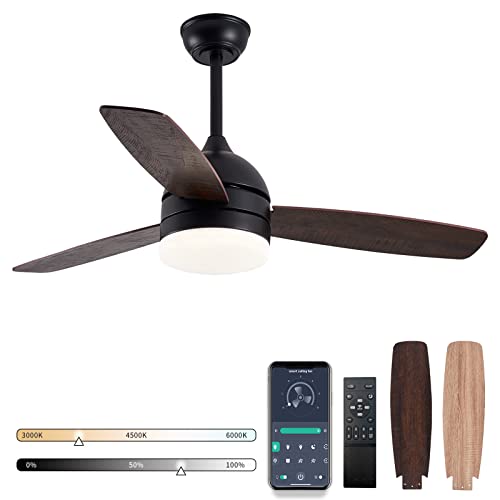
How To Clean Ceiling Fan With Sock Without The Mess

How To Clean Ceiling Fan With Sock sounds almost too simple at first glance, yet that little household trick can save a surprising amount of frustration. Dusty fan blades have a sneaky way of spreading grime across furniture, bedding, and floors the second someone flips the switch. Nobody wants to spend half the afternoon cleaning one thing only to create another mess somewhere else. A soft sock changes the whole process because it grabs dust directly instead of tossing it into the air like confetti.
Ceiling fans collect more buildup than most people realize. Sticky kitchen residue, pet hair, lint, and dry dust cling to the blades layer by layer until the surface feels rough and grimy. Using paper towels often pushes debris around rather than trapping it properly, and feather dusters? Well, they tend to scatter dust everywhere. Microfiber socks, on the other hand, hug the blade tightly and pull particles away with far less cleanup afterward.
Plenty of people put off fan cleaning because ladders feel awkward and traditional methods become a headache fast. One wrong move and dust rains onto freshly cleaned furniture or straight into your face. That’s where the sock method quietly earns its reputation. Sliding fabric over each blade creates better control, especially in smaller bedrooms, apartments, or low-ceiling spaces where maneuvering bulky cleaning tools feels clumsy.
Dust control matters more than most expect. Ceiling fan buildup can worsen stale indoor air, especially during warmer months when the fan runs daily. Thick dust also sticks around vents, light fixtures, and corners, making the entire room feel dull no matter how often the floors get cleaned. A quick wipe using an old sock keeps buildup manageable before it turns into that stubborn gray sludge nobody enjoys scrubbing.
Old socks finally get a second life with this trick, and honestly, that’s part of the appeal. No expensive gadgets. No complicated setup. Just a washable fabric layer that reaches both sides of the blade in one smooth motion. Cotton works in a pinch, though microfiber material usually traps finer particles better and leaves fewer streaks behind.
Some fan blades need extra attention because greasy buildup clings harder in kitchens or humid rooms. A lightly dampened sock with mild cleaning solution helps loosen grime without soaking the fan motor or dripping onto furniture below. Still, balance matters. Oversaturating the fabric can leave streaks or moisture spots behind, which only creates another chore later.
Small habits make a huge difference with ceiling fans. Cleaning blades regularly keeps the motor running smoother and prevents thick layers of dust from building into stubborn residue. Plus, the room instantly feels fresher afterward. Funny enough, many people notice cleaner airflow almost immediately once the blades stop circulating old dust around the space.

- LFR Score10.0
LFR Score is a ranking system developed by lightfansreviews.com. LFR Score has no relationship or impact from any manufacturers or sales agent websites. Learn more
- BrandYSJFNVUI
- LFR Score9.4
LFR Score is a ranking system developed by lightfansreviews.com. LFR Score has no relationship or impact from any manufacturers or sales agent websites. Learn more
- BrandStorystore

- LFR Score9.2
LFR Score is a ranking system developed by lightfansreviews.com. LFR Score has no relationship or impact from any manufacturers or sales agent websites. Learn more
- BrandDRQ
- LFR Score9.2
LFR Score is a ranking system developed by lightfansreviews.com. LFR Score has no relationship or impact from any manufacturers or sales agent websites. Learn more
- BrandCLDREAM

- LFR Score9.0
LFR Score is a ranking system developed by lightfansreviews.com. LFR Score has no relationship or impact from any manufacturers or sales agent websites. Learn more
- BrandYANLIFY

- LFR Score9.0
LFR Score is a ranking system developed by lightfansreviews.com. LFR Score has no relationship or impact from any manufacturers or sales agent websites. Learn more
- BrandTonmp

- LFR Score8.8
LFR Score is a ranking system developed by lightfansreviews.com. LFR Score has no relationship or impact from any manufacturers or sales agent websites. Learn more
- BrandSFIELCAPA

- LFR Score8.8
LFR Score is a ranking system developed by lightfansreviews.com. LFR Score has no relationship or impact from any manufacturers or sales agent websites. Learn more
- BrandZZ LAZYCOTTAGE

- LFR Score8.8
LFR Score is a ranking system developed by lightfansreviews.com. LFR Score has no relationship or impact from any manufacturers or sales agent websites. Learn more
- BrandUNGER
- LFR Score8.8
LFR Score is a ranking system developed by lightfansreviews.com. LFR Score has no relationship or impact from any manufacturers or sales agent websites. Learn more
- BrandFRYTEPUYE

- LFR Score8.6
LFR Score is a ranking system developed by lightfansreviews.com. LFR Score has no relationship or impact from any manufacturers or sales agent websites. Learn more
- BrandMNWHUC
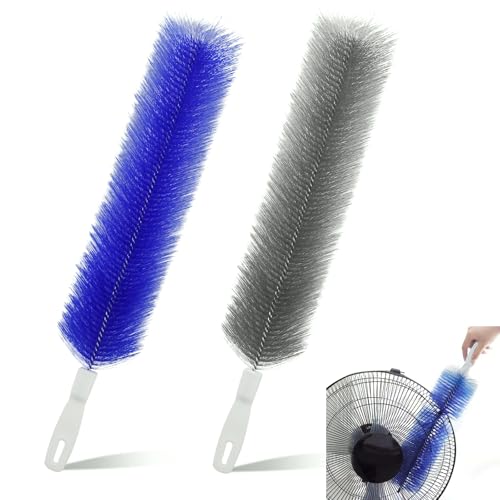
- LFR Score8.2
LFR Score is a ranking system developed by lightfansreviews.com. LFR Score has no relationship or impact from any manufacturers or sales agent websites. Learn more
- BrandDXMWWTP
Last update on 2026-05-19 / Affiliate links / Images, Product Titles, and Product Highlights from Amazon Product Advertising API
How To Clean Ceiling Fan With Sock Without The Mess
Dust falling onto a made bed feels like a tiny betrayal after the room already looks clean. A ceiling fan can sit quietly for weeks, then suddenly fling gray buildup across pillows, lampshades, and shelves the second the blades spin. That’s why how to clean ceiling fan with sock is such a practical trick, because it traps the grime instead of letting it drift around the room. The method is simple, cheap, and surprisingly neat, especially for homes where dust control matters more than another fancy cleaning tool.
Why The Sock Method Works
A sock wraps around the fan blade like a soft sleeve, so it grabs both the top and edge in one controlled pass. That close contact helps collect loose dust, lint, and pet hair without sending half of it floating into the air. The U.S. Environmental Protection Agency notes that frequent cleaning and using a damp cloth can help reduce indoor dust buildup, which makes this method more sensible than dry sweeping. A slightly damp sock gives the blade enough grip to hold debris instead of smearing it across the surface.
Old cotton socks can work, but microfiber socks usually do a better job because the tiny fibers catch fine particles more easily. A thick athletic sock also gives your hand a little padding, which helps when you’re wiping wider fan blades or rougher edges. Thin dress socks are less useful because they can roll, stretch too much, or leave lint behind. The sweet spot is a soft sock that fits snugly over your hand and doesn’t sag as you wipe.
Ceiling fans gather more than plain dust. Kitchen fans often collect greasy residue, bedroom fans pick up fabric lint, and living room fans may hold pet dander along the blade edges. A dry duster can knock that mix loose, but a sock keeps it contained like a little dust pocket. That’s the real win here, because the cleanup stays on the sock instead of spreading across the room.
The method also fits small homes, apartments, and busy spaces where dragging out a large cleaning kit feels like overkill. A sock, a sturdy step stool, and a mild cleaner can handle the job without making the room look like a project zone. Still, the trick works best with slow, careful wiping, not rushed swipes. Move too fast and, yep, dust will still escape.
Set Up The Room First
Start by turning the fan off and letting the blades stop completely. That sounds obvious, but plenty of cleaning mistakes happen because someone assumes a slow-moving fan is harmless. Pull the chain, flip the wall switch, or turn off the remote control setting before touching anything. Safety comes first, and stable footing matters just as much as the sock itself.
Place an old sheet or towel under the fan if the buildup looks heavy. The sock will catch most of the mess, but thick dust clumps can fall if the blades haven’t been cleaned in months. This extra layer protects bedding, rugs, and furniture from surprise debris. It’s a small step, but less cleanup afterward makes the whole job feel less annoying.
Choose a step stool that lets your arm reach the blade comfortably without stretching. Wobbling on a chair is asking for trouble, especially while your hand is above shoulder height. Keep your body close to the fan and avoid leaning too far to one side. A steady position gives you better pressure, cleaner passes, and fewer missed spots.
Lighting also matters more than people think. Dust hides along blade edges, near screws, and around decorative trim where shadows make buildup harder to see. Open curtains, turn on a nearby lamp, or use a small flashlight if the fan is in a dim room. A quick scan before cleaning helps you spot sticky grime before it turns into streaks.
Pick The Right Sock And Cleaner
A clean microfiber sock is the easiest pick for most ceiling fan jobs. It holds dust well, fits over your hand, and can be washed afterward instead of tossed in the trash. Cotton socks are fine for light buildup, though they may not trap fine dust as neatly. For heavy grime, microfiber texture usually gives better control with fewer repeat passes.
Skip socks with loose threads, holes, or rough decorations. Those bits can snag on blade seams, pull at wood veneer, or leave fibers behind on painted surfaces. A plain sock is boring, sure, but boring works beautifully here. The goal is smooth contact, not a fabric that fights the blade.
For most rooms, lightly dampen the sock with water and a drop of mild dish soap. The fabric should feel damp, not wet enough to drip. Too much liquid can run toward the fan motor, stain unfinished wood, or leave streaks on darker blades. Gentle moisture creates better dust capture without turning a simple cleaning job into a repair problem.
Greasy kitchen fans need a little more patience. Use a mild degreasing mix on the sock, then wipe slowly so the residue loosens instead of smearing. Rinse or switch socks once the fabric looks dirty, because a loaded sock just moves grime from one blade to another. For rooms managed by lights, fans, and plant shelves, simplify your routines and compare best digital timer lights for steadier daily control around the home.
Clean Each Blade Without Spreading Dust
Slide the sock over your hand like a mitten, then pinch one fan blade gently between your palm and fingers. Start near the center where the blade meets the bracket, then pull outward toward the tip in one smooth motion. That direction keeps dust moving away from the motor housing and toward the sock pocket. Slow movement gives dust particles fewer chances to escape.
Flip the sock to a clean area after each blade if the fan is dusty. Reusing the same dirty patch can leave gray streaks behind, especially on white or light wood blades. Keep a second sock nearby for the final wipe if the first one gets packed with debris. This little swap makes the finish look cleaner and keeps blade surfaces from feeling tacky.
Don’t forget the blade edges. Dust often builds into a fuzzy line along the front edge because the fan cuts through air while it runs. Pinch the edge with the sock and make a controlled pass from base to tip. That edge cleaning can make a bigger visual difference than the flat surface, especially on darker fans where dust lines stand out.
Fan brackets need a lighter touch. Use your sock-covered fingers to wipe around screws, arms, and decorative curves without pushing moisture into tight hardware spaces. If the bracket has detailed grooves, fold the sock over one finger for better control. The trick is gentle pressure, because bent brackets can throw the fan slightly off balance.
Handle Grease, Pet Hair, And Stubborn Buildup
Kitchen ceiling fans can feel sticky because airborne cooking residue lands on the blades and holds dust in place. A dry sock won’t do much against that film, so use a damp sock with mild dish soap and work in small sections. Wipe once to loosen the grime, then wipe again with a cleaner side of the sock. That second pass matters because grease removal needs lift, not just pressure.
Pet hair creates a different problem. It clings to dust and forms little ropes along blade edges, especially in rooms with rugs, bedding, or upholstered furniture. A slightly damp microfiber sock catches the hair better than a dry cloth, but it can fill up fast. Shake loose debris into a trash bag between blades so the sock keeps its grip and texture.
Stubborn buildup may need a short pause after applying cleaner. Let the damp sock sit on the dirty area for a few seconds, then wipe again with steady pressure. Avoid soaking the blade, though, because wood, laminate, and painted finishes can react badly to too much moisture. Patience beats scrubbing here, and surface protection should stay at the front of your mind.
Some fan blades show streaks after cleaning, especially if the finish is glossy or dark. Use a dry sock for a final buff once the grime is gone. That quick finishing pass removes leftover moisture and makes the blades look even. For larger rooms where airflow and lighting both matter, upgrade planning can start with best 56 inch ceiling fan with light for broader coverage and easier everyday comfort.
Clean Around The Fan Without Making Extra Work
The motor housing collects dust too, but it needs more care than the blades. Wipe the outer surface with a dry or barely damp sock, keeping moisture away from vents, seams, and pull-chain openings. Dust can settle on top where nobody sees it until the fan starts shaking loose particles. A careful wipe keeps hidden buildup from dropping later.
Light kits need a separate, gentle pass. Turn the lights off and let bulbs cool before touching glass shades or metal trim. A sock can remove loose dust from the outside, but glass covers may need a separate wash if they’re cloudy or greasy. Keep the process calm and avoid rushing, because hot bulbs and damp fabric don’t belong together.
After the fan is clean, wipe nearby surfaces that may have caught stray dust. Check the nightstand, dresser, couch arms, or plant shelves under the fan. Even with the sock method, a few particles can escape from heavily loaded blades. A fast touch-up keeps the room feeling finished instead of half-cleaned.
Indoor air can feel fresher after removing dust from overhead surfaces, especially in rooms where the fan runs every day. The EPA’s advice to dust with a damp cloth lines up well with this sock method because damp fabric helps keep settled dust from returning to the air. That doesn’t make the sock a medical fix or a magic air purifier, but it does support better dust management. For separate wellness routines outside cleaning, explore best red light therapy tinnitus with realistic expectations and careful product comparison.
Keep The Fan Cleaner Between Deep Wipes
A ceiling fan stays easier to clean if you don’t wait for thick gray buildup. Light dust comes off quickly, while old grime takes more pressure, more cleaner, and more patience. A quick sock wipe every few weeks can prevent the sticky layer that makes people dread the task. Small habits protect clean airflow without turning fan care into a weekend chore.
Running the fan in the right direction can also affect how dust settles around the room. Seasonal direction changes are useful for comfort, but they can stir settled particles if the blades are already dirty. Clean the blades before switching speeds or direction after a long break. That one move helps prevent dust clouds from spreading across freshly cleaned spaces.
Keep one or two retired microfiber socks with your cleaning supplies so the habit is easy to repeat. Label them for cleaning if needed, especially in shared households where laundry mix-ups happen. Wash them separately from delicate fabrics after dirty fan jobs because trapped grime can transfer. Reusing the same socks makes the method cheap, simple, and less wasteful.
Some homes need more frequent fan cleaning than others. Pets, open windows, nearby roads, cooking residue, and fabric-heavy rooms can all speed up dust buildup. Watch the blade edges rather than the calendar, because those edges usually show the first signs. Once the gray line appears, it’s time for a quick pass with a clean damp sock.
Easy Ways To Keep Ceiling Fan Blades Dust Free Longer
Freshly cleaned fan blades never stay spotless forever, especially in rooms where windows stay cracked open or pets nap on every soft surface in sight. Dust creeps back slowly, then suddenly the blade edges start looking fuzzy again. That’s why regular upkeep matters after learning how to clean ceiling fan with sock, because maintenance keeps the mess manageable instead of turning it into another frustrating deep-clean session. Small habits usually beat exhausting once-a-season cleaning marathons.
Stop Dust From Building Up So Fast
Air movement affects how quickly ceiling fans collect grime. Fans running daily pull tiny particles upward, especially in bedrooms with blankets, rugs, curtains, and fabric furniture. Those fibers drift through the room and settle quietly along the blade tops. Keeping nearby surfaces cleaner helps reduce airborne dust before it gathers overhead.
Changing HVAC filters regularly also helps limit buildup. Dirty filters circulate more particles through the room, which means the fan blades trap extra dust every time the air kicks on. Some households notice a visible difference within weeks after replacing clogged filters. Cleaner airflow supports less blade residue and makes routine wiping easier.
Humidity changes the texture of dust too. Dry air creates loose powdery buildup, while humid rooms can develop sticky layers that cling harder to the blades. Bathrooms, kitchens, and laundry spaces usually need more frequent fan attention because moisture traps grime faster. Fans installed near patios or covered decks may need extra care as well, especially around seasonal weather shifts and best wet rated outdoor ceiling fans built for damp conditions.
Open windows bring fresh air indoors, but they also invite pollen, outdoor dust, and tiny debris particles. Ceiling fans near windows often collect buildup unevenly because air currents push dirt toward one side of the blade. A quick weekly inspection helps catch that grime before it thickens into sticky residue. Staying ahead of the mess keeps fan cleaning routines short and far less annoying.
Use Safer Cleaning Habits Around Ceiling Fans
Plenty of people rush through fan cleaning because the task feels awkward overhead. Still, moving too fast can lead to shaky footing, bent blades, or cleaning liquid dripping into electrical parts. Stable positioning matters more than speed here. A sturdy step stool paired with controlled wiping creates a safer and cleaner result.
Never spray cleaner directly onto the fan. Liquid can seep into screws, motor housings, or light fixtures, especially on older fans with worn seals. Spray the sock lightly instead, then wipe the surface with gentle pressure. That simple switch protects electrical components while still loosening grime effectively.
Blade balance deserves attention too. Leaning heavily on one blade or twisting it while cleaning can throw the fan slightly off center. That wobble may not show immediately, but it can create noise later during operation. Use a soft grip and avoid pushing downward too hard. Careful handling protects both blade alignment and long-term fan performance.
Children and pets should stay away from the area during cleaning, especially while a ladder or stool is out. Dust chunks can fall unexpectedly, and cleaning supplies left nearby become easy targets for curious hands or paws. Clearing the space first creates fewer distractions and smoother movement. A calm setup supports safer maintenance from start to finish.
Know Which Ceiling Fan Materials Need Extra Care
Wood blades react differently than painted metal or plastic finishes. Real wood can warp if soaked repeatedly, especially in humid rooms where moisture already hangs in the air. A barely damp microfiber sock works better than wet cloths for those surfaces. Gentle cleaning protects wood grain finishes without causing swelling or discoloration.
Glossy fan blades tend to show streaks faster after wiping. Dark brown, black, and espresso finishes especially highlight leftover moisture or uneven cleaning marks. Use a dry sock after cleaning to buff away haze before the blades air dry completely. That final step helps preserve a smoother appearance without extra products.
Metal fan blades can develop fingerprints, smudges, or oxidation spots if harsh cleaners get used too often. Strong chemicals may strip protective coatings or dull decorative finishes over time. Mild dish soap and water usually handle normal dust buildup without causing damage. Simpler cleaning solutions often protect surface durability better than aggressive sprays.
Plastic blades are easier to maintain, though textured surfaces can trap grime inside grooves and decorative patterns. Fold the sock over one finger to reach tight spots without scratching the finish. Slow detail work prevents leftover dirt from collecting around seams later. Fans powered by quieter motors often stay running longer throughout the day, so reading about what is a dc motor ceiling fan can help explain why some models gather dust differently during constant use.
Reduce Allergens And Stale Indoor Air
Ceiling fans don’t create dust, but they absolutely move it around once buildup starts collecting on the blades. Every spin can scatter particles across bedding, furniture, curtains, and carpets below. That constant circulation becomes more noticeable during allergy season or in homes with pets. Regular cleaning supports cleaner indoor airflow without relying on harsh chemicals.
Dust buildup often hides in places people rarely notice at first glance. Blade tops, motor housings, and light fixture trim can all hold layers of debris that slowly drift downward over time. Rooms may start feeling stale even after vacuuming and surface wiping. Removing hidden grime overhead creates a surprisingly noticeable difference in room freshness.
Fabric-heavy rooms collect airborne particles faster than minimalist spaces with fewer soft surfaces. Thick curtains, blankets, upholstered headboards, and decorative pillows release tiny fibers into the air every day. Ceiling fans catch those fibers slowly, especially while running overnight. Consistent cleaning helps control floating lint and dust before the buildup becomes obvious.
Air purifiers can help, though they won’t completely solve dirty fan blades alone. A clean fan paired with better filtration usually produces better results than either one separately. That combination reduces the amount of loose debris moving through the room each day. Cleaner blades also help prevent dust streaks from spreading onto nearby walls and ceilings.
Fix Common Problems After Cleaning
Sometimes a fan starts wobbling slightly after cleaning, especially if one blade got bent during wiping. Check each blade angle carefully while the fan is off. Even a tiny shift can affect balance once the fan spins at higher speeds. Straightening the blade gently usually restores smoother movement without needing replacement parts.
Streaks appearing after cleaning usually come from excess moisture or dirty fabric. Swap to a dry microfiber sock and buff the blade lightly until the finish looks even again. Dark blades especially reveal leftover residue under bright lighting. A final dry pass improves surface clarity and reduces dull-looking haze.
Persistent sticky spots may need repeated gentle wiping instead of stronger chemicals. Kitchen grease can build into thin layers that don’t disappear in one pass. Apply a mild cleaning mix to the sock, hold it against the spot briefly, then wipe carefully again. Slow repetition protects blade finishes better than aggressive scrubbing.
Some people notice a dusty smell after turning the fan back on. That usually means debris remains around the motor housing, blade brackets, or nearby ceiling area. Wipe those hidden spots carefully with a dry sock or microfiber cloth. Cleaning overlooked areas improves air circulation quality and helps the room feel fresher afterward.
Create A Faster Weekly Fan Cleaning Routine
Long cleaning sessions usually happen because dust buildup gets ignored too long. A quick maintenance routine keeps the task manageable and prevents thick grime from forming around the blade edges. One light pass every few weeks often handles most of the problem before it grows. Smaller routines protect clean living spaces with less effort overall.
Store a few dedicated cleaning socks in the laundry room or cleaning cabinet so they’re always nearby. Digging through drawers every time the fan needs attention makes the task feel bigger than it really is. Keeping supplies ready removes friction from the habit. That convenience encourages more consistent upkeep.
Set reminders during seasonal cleaning periods if fan maintenance keeps slipping your mind. Spring pollen, summer humidity, and winter indoor heating all affect how quickly dust settles on ceiling fans. Timing cleanings around seasonal shifts can prevent surprise buildup. Rooms feel noticeably better once overhead dust stops circulating daily.
Light maintenance beats exhausting deep scrubs almost every time. A clean sock, a stable step stool, and five careful minutes usually handle routine buildup before it turns stubborn. The fan looks better, the room feels fresher, and dust stops raining down every time the blades spin. That simple routine keeps how to clean ceiling fan with sock practical instead of becoming another forgotten cleaning trick.


Best Small Flush Mount Ceiling Fans 2026 Ultimate Picks

Best Smart Ceiling Fan India 2026 For Effortless Comfort

Best Smart Ceiling Fans with Lights for 2026: Top Picks

Best Smart Home Non Ceiling Fans 2026 For Ultimate Comfort

Best Outdoor Misting Ceiling Fan 2026 For Ultimate Comfort

Best Outdoor Ceiling Fans For Porch 2026 With Style And Breeze

Best Smart Bulb For Ceiling Fan 2026 That Brightens Life
Best Smart Ceiling Fan Control 2026 For Effortless Comfort