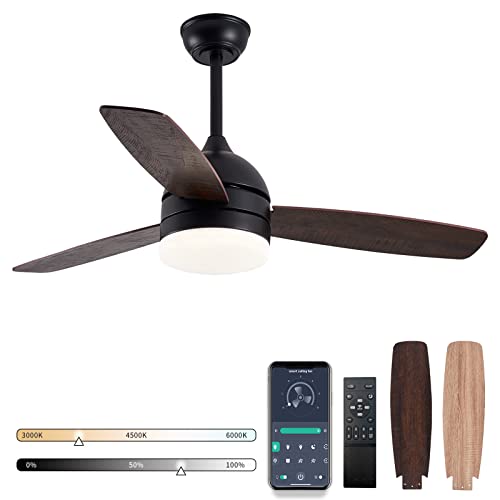
How To Connect Ceiling Fan Regulator Without Guesswork

How To Connect Ceiling Fan Regulator often sounds harder than it really is. Plenty of people stare at those wires, scratch their heads, and suddenly feel like the whole room might lose power if one tiny step goes sideways. Still, ceiling fan regulators aren’t some mysterious gadget hidden behind the wall. They simply help control fan speed smoothly, reduce annoying humming sounds, and make everyday comfort feel a whole lot easier. A poorly connected regulator, though, can leave the fan jerking, overheating, or refusing to respond at all.
Messy wiring tends to create frustration fast. One loose terminal can trigger flickering, inconsistent speed control, or that irritating buzzing noise that gets under your skin after a while. That’s why understanding wire placement, switch compatibility, and power flow matters more than fancy tools sitting in a toolbox. People usually want the fan to work quietly and reliably without dealing with random surprises later. Nobody enjoys reopening a switchboard because something felt rushed the first time around.
Modern regulators have changed quite a bit over the years. Older step-type regulators often wasted electricity and generated excess heat, while newer electronic versions handle speed control far more smoothly. That shift makes energy efficiency and stable airflow easier to achieve in bedrooms, living rooms, and workspaces where comfort really counts. Some fans even react differently depending on the regulator type, which catches many people off guard during installation.
Wall box space can also turn into a headache. Tight electrical boxes, tangled wires, and aging switches create awkward situations where every movement feels cramped. A clean setup matters because crowded connections increase the chance of loose wiring or accidental contact. Careful positioning of the regulator module keeps airflow steady and helps prevent unnecessary wear on the fan motor over time.
Safety always deserves attention, plain and simple. Turning off the breaker, checking voltage properly, and securing wire connections aren’t optional shortcuts people can ignore. One careless move around live wiring can cause damage that lingers long after installation day. Stable electrical connections help the fan respond smoothly while reducing the risk of overheating, sparks, or burnt terminals hidden behind the switch plate.
Some fans behave unpredictably with incompatible regulators, especially newer high-speed models or remote-controlled systems. That’s where understanding fan compatibility becomes useful instead of blindly connecting wires and hoping for the best. A regulator designed for the correct wattage and motor type keeps the fan operating steadily without strange noises or speed fluctuations. Little details like this save a lot of irritation later.
Comfort inside a room often depends on airflow more than people realize. A properly connected regulator gives smoother control during humid nights, lazy afternoons, or moments when full speed simply feels too strong. Small adjustments make the room feel balanced rather than windy or stuffy. Honestly, once the regulator works correctly, everyday comfort feels far less annoying and much more natural.
- LFR Score9.2
LFR Score is a ranking system developed by lightfansreviews.com. LFR Score has no relationship or impact from any manufacturers or sales agent websites. Learn more
- BrandTEBTEOTEK

- LFR Score9.0
LFR Score is a ranking system developed by lightfansreviews.com. LFR Score has no relationship or impact from any manufacturers or sales agent websites. Learn more
- BrandHumpptom

- LFR Score8.8
LFR Score is a ranking system developed by lightfansreviews.com. LFR Score has no relationship or impact from any manufacturers or sales agent websites. Learn more
- BrandPrichor

- LFR Score8.4
LFR Score is a ranking system developed by lightfansreviews.com. LFR Score has no relationship or impact from any manufacturers or sales agent websites. Learn more
- BrandHumpptom
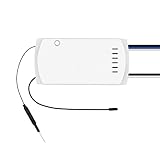
- LFR Score8.2
LFR Score is a ranking system developed by lightfansreviews.com. LFR Score has no relationship or impact from any manufacturers or sales agent websites. Learn more
- BrandSONOFF
Last update on 2026-08-02 / Affiliate links / Images, Product Titles, and Product Highlights from Amazon Product Advertising API
How To Connect Ceiling Fan Regulator Safely
A fan that runs too fast, too slow, or with that scratchy wall-switch buzz can make a room feel more annoying than comfortable. The fix often starts behind the switch plate, where how to connect ceiling fan regulator becomes less about guesswork and more about clean wiring, correct load, and steady control. A ceiling fan regulator is a small part, sure, but it affects fan speed, motor behavior, and everyday comfort every single time the switch is touched. Get the wiring wrong, and the fan may hum, heat up, stall, or respond like it has a mind of its own.
Ceiling Fan Regulator Basics
A ceiling fan regulator controls how much electrical power reaches the fan motor, which changes the blade speed. Older regulators often use resistance-based control, while many newer ones use electronic speed control to reduce wasted heat. That difference matters because the wrong regulator can make the fan feel rough even when the wiring looks tidy. A smooth setup starts with matching the regulator type to the fan’s motor and power rating.
Most wall regulators sit between the live power supply and the fan’s live wire. The neutral wire usually bypasses the regulator and goes directly to the fan circuit, depending on the wiring layout in the room. That simple path is why line and load identification matters so much before touching any terminal. One swapped wire can leave the fan dead, stuck at one speed, or heating the regulator plate.
Many homes still have older switchboards with cramped boxes, mixed wire colors, or past repairs that don’t follow a neat pattern. That’s where a voltage tester becomes more useful than memory or color guessing. Wire color alone should never be treated as proof, especially in older installations or rental homes. A careful check keeps the job safer and prevents the classic “it looked right” mistake.
A regulator also has limits. Every unit is built for a certain load, so a regulator rated too low may overheat or fail early. The safer move is to check the fan wattage and choose a regulator that can handle it with room to spare. Correct wattage capacity protects the regulator, the switchboard, and the fan motor from unnecessary stress.
Safety Checks Before Wiring
Power should be turned off at the breaker before the switch plate comes off. Not the wall switch, not a hopeful tap on the button, but the actual breaker feeding that circuit. A non-contact voltage tester or multimeter should confirm that the wires are dead before work starts. That one habit can prevent shocks, burnt terminals, and a very bad afternoon.
Loose connections cause more trouble than most people expect. A wire that sits halfway inside a terminal may work for a while, then start heating, buzzing, or cutting power at random. Tight, clean terminals give the regulator a stable path for current. Secure wire clamping is one of those boring details that quietly keeps everything working.
Old insulation deserves a close look too. Brittle, cracked, or blackened wire insulation can point to overheating, aging, or previous overload problems. A regulator installation should not hide damaged wiring behind a fresh plate. If the wire looks cooked or frayed, electrical repair needs to happen before speed control becomes the priority.
Some fan setups include a separate light circuit, a remote receiver, or a capacitor inside the fan canopy. That makes the switch box more confusing because not every wire belongs to the speed regulator. Separating the fan live wire from the light live wire prevents the regulator from dimming a light or interfering with a remote module. To avoid damage with other ceiling-mounted fixtures, compare the airflow and lighting needs against a lighted bathroom ceiling fan before mixing fan and light controls in the same box.
Choosing The Right Regulator
Regulator choice should start with the fan type. Standard AC ceiling fans usually work with common step or electronic regulators, while some BLDC or remote-controlled fans need their own controller. Using the wrong device can create speed instability, unwanted noise, or weak airflow. A fan that already has a remote module may not respond well to a wall regulator unless the manufacturer allows it.
Step regulators are simple and familiar. They click through fixed speed levels, which makes them easy to use and less confusing for basic setups. The tradeoff is that lower-quality versions may feel clunky or cause uneven speed gaps. A good step regulator still works fine where simple speed control matters more than ultra-smooth adjustment.
Electronic regulators feel smoother and usually waste less energy than old resistance-style units. They also tend to fit better in modern switch plates and can make the wall area look cleaner. Still, not every electronic regulator plays nicely with every fan motor. Compatibility matters more than the label on the box or the sleek knob on the front.
Brand and fan quality can also affect regulator behavior. Some fans tolerate basic regulators without drama, while others need a better-matched control system to avoid humming or weak starting torque. For a separate fan upgrade decision, compare build style and motor reputation through monte carlo ceiling fans before pairing a new regulator with a fan that may already have specific control requirements. A regulator can only do its job well if the fan motor is built to respond cleanly.
Wiring Flow That Makes Sense
The typical connection starts with live power entering the switch box. That live wire goes to the input terminal of the regulator, then the regulator output goes to the fan’s live wire. The neutral line usually connects straight through to the fan, not through the regulator. This basic input and output flow is the backbone of a safe ceiling fan regulator connection.
Before removing old wires, taking a quick photo of the existing setup can save a lot of head-scratching later. Labels help too, especially if the box has more than one switch or multiple outgoing wires. A small piece of tape marked “fan live” or “supply live” keeps the job from turning into a guessing game. Clear wire marking is simple, cheap, and surprisingly helpful.
After connecting the wires, each copper end should sit fully inside the terminal without stray strands sticking out. Stray copper can touch the metal box, another terminal, or a nearby wire, creating sparks or tripping the breaker. The wire should feel firm after tightening, not loose enough to wiggle free with a gentle tug. Clean terminal contact helps the fan run without random dropouts.
The regulator body should sit neatly in the switch box without crushing wires behind it. Crowded boxes can push wires loose as the plate is screwed back on, which is a sneaky source of later problems. Folding wires gently into the box protects insulation and keeps terminals from being stressed. Proper box spacing matters even though nobody sees it after the cover goes on.
Common Mistakes That Cause Trouble
Connecting the regulator to the neutral wire is one of the most common mistakes. The fan may not run correctly, and the regulator won’t control speed the way it should. The regulator belongs on the live side of the fan circuit in most standard AC wiring setups. Live wire control is the key idea to keep straight.
Another mistake is using a dimmer switch instead of a fan regulator. Light dimmers are made for lighting loads, not ceiling fan motors, and they can cause humming, overheating, or motor damage. A fan needs a controller designed for inductive motor loads. Fan-rated regulation is not the same as dimming a bulb.
People also rush through reassembly and pinch wires behind the faceplate. A pinched wire may not fail immediately, but heat and pressure can damage insulation over time. That hidden damage can lead to buzzing, intermittent power, or breaker trips. Careful switch plate fitting protects the wiring after the visible work is done.
Small covers and plates can be stubborn in other appliances too, and the same patient handling helps prevent cracked plastic or bent clips. For nearby household maintenance, follow the same slow, steady approach with a refrigerator light bulb cover instead of forcing a stuck cover and snapping a tab. A gentle hand saves parts, whether the job involves a ceiling switch or a kitchen appliance.
Testing The Fan After Connection
After the regulator is wired and mounted, the breaker should be turned back on only after the plate is secure. Start at the lowest speed setting, then move through each speed level slowly. The fan should respond without loud buzzing, burning smell, flickering lights, or sudden jerks. Gradual testing gives problems a chance to show up before the fan runs for a long stretch.
A light hum can happen with some fan and regulator combinations, but a harsh buzz is a red flag. Heat around the regulator plate is another warning sign, especially if it becomes uncomfortable to touch. The fan should start reliably and settle into a steady rhythm at each setting. Quiet operation and steady airflow are good signs that the connection is doing its job.
Speed changes should feel predictable. If the fan jumps from barely moving to full blast with no useful middle range, the regulator may not match the fan well. Some low-cost regulators have wide gaps between settings, which can feel annoying in bedrooms or small rooms. Usable speed range matters more than having a fancy-looking knob.
If the breaker trips, the fan refuses to run, or the regulator smells hot, power should be turned off again immediately. That usually means a wiring fault, overloaded regulator, damaged component, or incompatible control setup. Continuing to test a bad connection can make the problem worse. Safe troubleshooting starts by stopping before heat, sparks, or motor strain escalates.
How To Wire Ceiling Fan Regulator Without Motor Noise
Some ceiling fans sound perfectly fine at full speed, then suddenly start humming like an old refrigerator once the regulator drops lower. That annoying vibration can ruin sleep, interrupt conversations, or make a quiet room feel irritating for hours. Most of the time, the issue points back to poor regulator compatibility, weak electrical contact, or old wiring hidden behind the switch plate. A smoother setup starts with matching the fan, regulator, and wiring layout so the motor can run without unnecessary strain.
Why Fan Motors Start Humming
Ceiling fan motors react differently depending on the regulator type and the condition of the electrical supply. Some motors tolerate cheaper regulators fairly well, while others immediately produce a buzzing sound at lower speeds. That noise usually happens because the motor isn't receiving stable current flow. Uneven voltage control often creates the vibration people hear through the blades, canopy, or wall plate.
Loose screws inside the fan housing can also make the sound worse. The regulator may be blamed first, but vibration from loose blade brackets or canopy mounts can amplify even a small motor hum. Tightening the visible hardware before replacing electrical parts saves time and avoids unnecessary expenses. Mechanical stability matters almost as much as wiring quality.
Heat buildup behind the switchboard creates another hidden problem. A regulator squeezed into a crowded electrical box may trap heat around the terminals, especially in older homes with limited wall space. Warm regulators can behave unpredictably after long operation at medium speed. Proper airflow around electrical parts helps maintain steady performance.
Some homeowners swap regulators repeatedly without checking the actual fan condition. A worn capacitor inside the ceiling fan can cause weak startup torque or uneven speed response that looks like regulator failure. Before replacing more wall components, inspect the fan itself for aging parts or sluggish blade movement. Balanced troubleshooting prevents wasted money and frustration.
Best Wire Practices For Stable Speed
Clean wire stripping makes more difference than people expect. Copper strands should stay straight and intact instead of twisted into messy bunches that barely fit inside the terminal. Damaged strands reduce electrical contact and may create unstable fan behavior over time. Strong terminal contact keeps current flowing consistently through the regulator.
Wire nuts and terminal screws deserve equal attention. A loose terminal screw may allow tiny electrical arcs that generate heat, flickering, or random fan shutdowns. That issue tends to appear gradually rather than immediately after installation, which makes it harder to trace later. Firm electrical connections help the fan maintain smooth speed changes without interruption.
Mixing old aluminum wiring with copper connections can create additional headaches if the connection method isn't handled correctly. Corrosion and poor conductivity may increase resistance behind the switch plate over time. Older houses especially benefit from a careful inspection before installing a new regulator. Safe conductor matching reduces long-term electrical issues.
Switch plates should also fit tightly without bending the regulator body or forcing wires into awkward angles. Pressure against the regulator terminals can loosen screws after repeated heating and cooling cycles. A neatly arranged box protects the wiring from accidental stress. Organized wire placement helps maintain reliable fan control year after year.
Speed Levels That Feel More Natural
Some regulators jump awkwardly between slow and fast settings with almost no comfortable middle range. That uneven response can make bedrooms feel stuffy at one setting and windy at the next. Better regulators spread the voltage change more smoothly across the speed range. Balanced airflow control creates a more comfortable everyday experience.
Electronic regulators usually handle low-speed performance more gracefully than older coil-style models. The fan blades continue rotating steadily instead of wobbling or stalling at reduced speeds. That smoother operation also places less strain on the motor during long overnight use. Consistent low-speed rotation helps reduce unnecessary motor wear.
Large ceiling fans often need stronger starting torque than smaller units. A regulator that feels acceptable on a compact bedroom fan may struggle badly with larger blades in living rooms or open areas. Blade size, motor wattage, and ceiling height all influence regulator performance more than many people expect. Fan size compatibility matters for stable operation.
Motor quality also changes how speed transitions feel during use. Some fans maintain airflow smoothly even at lower power, while cheaper motors may pulse or hesitate between settings. Before assuming the regulator is defective, compare the motor construction and brand reliability through who makes monte carlo ceiling fans to see how fan engineering affects speed consistency. A regulator can't fully compensate for weak motor design.
Handling Old Switchboards Carefully
Older switchboards often hide brittle insulation, overloaded wiring, or terminals darkened from years of heat exposure. Pulling the regulator out too aggressively can loosen neighboring wires connected to lights or outlets in the same box. Slow, careful movements reduce the chance of creating a second electrical problem while fixing the first one. Gentle handling keeps aging wiring safer.
Dust buildup inside older wall boxes can trap moisture and heat around the terminals. That grime also makes it harder to see damaged insulation or loose connections during installation. A quick cleaning with power disconnected helps reveal potential trouble spots before the new regulator goes in. Clean electrical space improves both visibility and safety.
Some older boxes are simply too shallow for modern electronic regulators. Forcing a larger regulator into a cramped space can bend wires sharply or press terminals against the back of the box. That pressure increases the risk of heat buildup and loose wiring later on. Proper box depth helps electronic regulators operate more reliably.
Heat-sensitive electrical devices nearby may also react poorly to crowded installations. Extra warmth trapped behind overloaded wall plates can shorten the lifespan of connected controls and switches. For another household setup where heat management matters, compare airflow and electrical placement around a red light therapy box before overloading a single wall circuit with multiple high-draw devices. Stable wiring benefits more than just the fan.
Signs The Regulator Needs Replacement
A regulator that feels hot enough to sting your fingers after normal use should not be ignored. Mild warmth can happen during operation, especially with older resistance-based models, but excessive heat points toward overload or failing components. Burning smells, crackling sounds, or inconsistent speed changes are clear warning signs. Overheating regulators deserve immediate attention.
Fans that suddenly stop responding to speed adjustments often indicate worn internal contacts. The knob or button may physically move while the fan stays stuck at one speed. That failure usually becomes worse over time instead of fixing itself. Unresponsive speed control often signals internal regulator wear.
Flickering lights connected near the same switchboard can also hint at loose electrical connections affecting the regulator circuit. Shared wiring problems sometimes spread beyond the fan itself. Ignoring small flickers can allow the issue to worsen gradually behind the wall. Stable current flow matters for the entire electrical setup.
Cheap replacement regulators sometimes fail faster because of weaker internal components or lower heat tolerance. Spending slightly more for a reliable model usually saves frustration later. A regulator used daily for years needs durable terminals, steady control, and decent internal insulation. Long-term reliability becomes more important than saving a few dollars upfront.
Simple Habits That Extend Fan Life
Running a ceiling fan at maximum speed all day may seem harmless, but continuous high-speed operation increases wear on bearings and motor components. Slowing the fan during cooler evenings helps reduce unnecessary strain. A properly connected regulator gives more flexibility without sacrificing comfort. Controlled airflow management supports longer fan lifespan.
Dust buildup on fan blades affects balance more than people realize. Uneven dust layers can create wobbling that stresses the motor and mounting bracket over time. Cleaning the blades regularly helps maintain smoother rotation and quieter performance. Balanced blade movement reduces extra motor strain.
Humidity inside kitchens, bathrooms, or coastal homes can gradually affect regulator terminals and wall switches. Corrosion around electrical contacts may weaken performance after years of exposure. Occasional inspections help catch discoloration or loose terminals before major problems appear. Moisture awareness keeps the wiring system healthier over time.
Seasonal fan direction changes also influence airflow comfort and motor workload. Lower speeds during colder months usually place less stress on the regulator while still circulating air effectively. Small adjustments like these keep the fan operating more consistently across changing conditions. Thoughtful daily use helps both the regulator and motor last longer.


Best Small Flush Mount Ceiling Fans 2026 Ultimate Picks

Best Smart Ceiling Fan India 2026 For Effortless Comfort

Best Smart Ceiling Fans with Lights for 2026: Top Picks

Best Smart Home Non Ceiling Fans 2026 For Ultimate Comfort

Best Outdoor Misting Ceiling Fan 2026 For Ultimate Comfort

Best Outdoor Ceiling Fans For Porch 2026 With Style And Breeze

Best Smart Bulb For Ceiling Fan 2026 That Brightens Life
Best Smart Ceiling Fan Control 2026 For Effortless Comfort