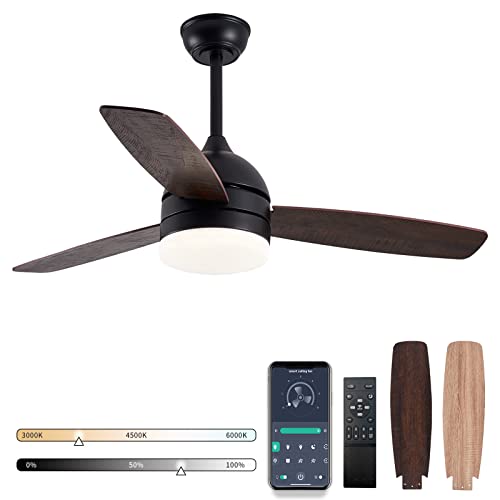
How To Fix A Wobbly Ceiling Fan Base Fast

How To Fix A Wobbly Ceiling Fan Base often turns into a bigger headache than most people expect. One minute the fan seems harmless, then suddenly the whole thing starts rattling like loose change in a dryer. That constant wobble can make a room feel irritatingly noisy, especially late at night when every tiny vibration sounds twice as loud. A shaky fan base also raises concerns about loose screws, worn mounting brackets, or hidden ceiling damage that shouldn’t be ignored.
Small balancing problems usually start quietly. A faint clicking sound. A slight sway during higher speeds. Then, before long, the fan begins wobbling enough to catch your attention every single time you walk into the room. Tightening the mounting hardware, inspecting the electrical box, and checking blade alignment can dramatically reduce movement without replacing the entire fixture. Plenty of ceiling fans develop instability simply because screws loosen over time from regular vibration and seasonal temperature shifts.
Ceiling fan stability depends heavily on proper support at the mounting point. Even perfectly balanced blades won’t compensate for a loose ceiling box or an improperly secured bracket. That’s where many people get tripped up, honestly. They focus only on the blades while the real problem hides above the canopy cover. A secure mounting system creates the foundation for smooth airflow and quieter operation.
Dust buildup can also throw things off more than expected. Uneven grime accumulation on one blade may create imbalance that causes subtle shaking during rotation. Sounds ridiculous at first, sure, but it happens all the time in kitchens, bedrooms, and covered patios where dust collects unevenly. Cleaning the blades thoroughly before making adjustments helps eliminate one common source of wobbling.
How To Fix A Wobbly Ceiling Fan Base also involves paying attention to blade arm condition. Bent blade brackets create uneven movement that no balancing kit can fully correct. Replacing warped hardware or tightening loose arm screws often restores smooth spinning almost immediately. Sometimes the fix feels surprisingly simple after hours of frustration.
Noise reduction becomes another major benefit once the wobble disappears. Fans with secure mounting systems and balanced blades operate more quietly, creating a calmer atmosphere throughout the room. That difference becomes especially noticeable during sleep or while working from home where background noise can slowly drive anyone up the wall. Stable rotation also reduces unnecessary stress on the motor, helping extend the fan’s lifespan over time.
Working through the issue step by step prevents unnecessary spending. Plenty of people assume a wobbling fan automatically needs replacement, but that’s rarely true. A few careful adjustments, proper tightening, and blade balancing can restore smooth performance without turning the project into a full weekend disaster. Bit by bit, the room starts feeling comfortable again instead of sounding like a helicopter trying to land indoors.

- LFR Score9.6
LFR Score is a ranking system developed by lightfansreviews.com. LFR Score has no relationship or impact from any manufacturers or sales agent websites. Learn more
- BrandFanbulous

- LFR Score9.0
LFR Score is a ranking system developed by lightfansreviews.com. LFR Score has no relationship or impact from any manufacturers or sales agent websites. Learn more
- BrandDepuley

- LFR Score9.0
LFR Score is a ranking system developed by lightfansreviews.com. LFR Score has no relationship or impact from any manufacturers or sales agent websites. Learn more
- BrandOJX

- LFR Score8.8
LFR Score is a ranking system developed by lightfansreviews.com. LFR Score has no relationship or impact from any manufacturers or sales agent websites. Learn more
- BrandZMISHIBO

- LFR Score8.8
LFR Score is a ranking system developed by lightfansreviews.com. LFR Score has no relationship or impact from any manufacturers or sales agent websites. Learn more
- BrandBYKISTOK
- LFR Score8.8
LFR Score is a ranking system developed by lightfansreviews.com. LFR Score has no relationship or impact from any manufacturers or sales agent websites. Learn more
- Brandaddlon

- LFR Score8.8
LFR Score is a ranking system developed by lightfansreviews.com. LFR Score has no relationship or impact from any manufacturers or sales agent websites. Learn more
- BrandZOUQILAI

- LFR Score8.8
LFR Score is a ranking system developed by lightfansreviews.com. LFR Score has no relationship or impact from any manufacturers or sales agent websites. Learn more
- BrandTCL

- LFR Score8.6
LFR Score is a ranking system developed by lightfansreviews.com. LFR Score has no relationship or impact from any manufacturers or sales agent websites. Learn more
- BrandOhniyou

- LFR Score8.4
LFR Score is a ranking system developed by lightfansreviews.com. LFR Score has no relationship or impact from any manufacturers or sales agent websites. Learn more
- BrandAmico
Last update on 2026-06-11 / Affiliate links / Images, Product Titles, and Product Highlights from Amazon Product Advertising API
How To Fix A Wobbly Ceiling Fan Base Safely
A fan that shakes above your head can make a quiet room feel tense fast. The noise is annoying, sure, but the bigger concern is whether the mounting point is still doing its job. Learning how to fix a wobbly ceiling fan base starts with slowing down, cutting power, and treating the wobble like a support problem instead of a cosmetic nuisance.
Safety comes first because the base sits right where wiring, brackets, screws, and ceiling support all meet. Switch off the fan at the wall, then turn off the breaker before touching the canopy or mounting hardware. A stable ladder matters too, since reaching overhead while the fan shifts around is a recipe for a bad afternoon. Keep one hand free whenever possible, and don’t rush the inspection.
The first thing to check is the canopy cover, which hides the bracket and electrical box. If it wiggles easily by hand, the fan may not be secured tightly to the ceiling bracket. Tightening the visible screws can help, but don’t assume that solves the whole problem. A loose canopy can also point to deeper movement above it.
Ceiling fan wobble often starts small because vibration slowly works screws loose over time. High speeds, slightly uneven blades, and years of daily use all add up. The base may only shake at one speed, which can fool people into blaming the motor. Still, a shaky base deserves a closer look before the fan keeps running.
Check The Mounting Bracket Before Blaming The Blades
The mounting bracket carries the weight of the fan, so it needs to sit tight against the electrical box. Remove the canopy carefully and look for screws that have backed out or shifted. A bracket that moves even a little can make the whole fan sway once the motor spins. Tighten the bracket screws firmly, but avoid stripping them.
Electrical box support is the part many people miss. A regular light fixture box is not always rated to hold a ceiling fan, especially a heavier model. If the box flexes, cracks, or shifts inside the ceiling, tightening the fan itself won’t fix the real issue. That’s the point where replacing the box with a fan-rated brace becomes the smarter move.
A good rule of thumb is simple: the fan base should not move by hand. Grab the downrod or motor housing gently and test for movement after the power is off. If the base shifts while the blades stay still, the problem is likely at the mounting system. If only the blades wobble during operation, blade balance may be the bigger suspect.
For rooms where airflow feels weak after repairs, adjust the spin pattern before blaming the fan size. Improve comfort after the base is secure with ceiling fan direction for cooling, especially during hot months when airflow direction changes how the room feels. Base stability and air movement work together, so both deserve attention.
Tighten Hardware Without Making New Problems
Loose screws are boring, but they cause a ridiculous amount of fan wobble. Check the screws holding the canopy, bracket, downrod, motor housing, and blade arms. Use the right screwdriver size so the heads don’t strip. A screw that feels snug but keeps spinning may need replacement instead of more force.
The downrod connection can also create movement that looks like a loose ceiling base. Many fans use set screws and a hanging ball assembly that must sit correctly inside the bracket. If the downrod is not seated in the bracket groove, the fan may rock even after everything looks tight. That small alignment detail can make a huge difference.
Overtightening is a sneaky mistake. Cranking screws too hard can damage threads, bend brackets, or crack plastic trim pieces. Firm and secure is the goal, not brute force. If hardware looks worn, rusty, or mismatched, replacing it is safer than trying to squeeze one more season out of it.
Lighting near the fan can make inspection easier, especially in rooms with shadows around the ceiling. Brighten the workspace with a focused setup like face light for streaming if you need cleaner visibility while checking screws, brackets, and canopy gaps. Clear visibility helps spot crooked hardware before it turns into repeated shaking.
Separate Base Wobble From Blade Imbalance
Blade imbalance can trick you into thinking the base is failing. Dust, warped blades, or loose blade arms can create shaking that travels up through the motor housing. Clean every blade first, top and bottom, before adjusting anything else. Uneven dust weight sounds silly, but it can absolutely throw rotation off.
Measure each blade tip from the ceiling to check for uneven blade height. If one blade sits lower than the others, the fan will wobble as it spins. Slightly bent blade arms can often be corrected gently, but cracked or badly warped parts should be replaced. Guesswork usually wastes time here, so measure instead of eyeballing it.
A balancing kit can help after the base and bracket pass inspection. Clip the temporary weight onto one blade, run the fan, then move the clip until the wobble improves. Once the smoothest position is found, attach the permanent weight to the blade. This step works best after all screws and mounting points are already secure.
How to fix a wobbly ceiling fan base doesn’t always mean the base is the only problem. Fans behave like one connected system, so movement at the blades can stress the mount, and movement at the mount can exaggerate blade shake. Fixing only one side may leave a smaller wobble behind. The sweet spot is checking both support and balance.
Inspect The Ceiling Box And Support Brace
The ceiling box should feel rock solid because it carries the fan’s weight while the motor runs. Older homes sometimes have boxes meant only for light fixtures, not moving fan loads. If the box wiggles inside the ceiling, stop using the fan until it’s corrected. A fan-rated box or brace is not a fancy upgrade, it’s basic support.
Look for cracks, loose nails, shifting screws, or sagging drywall around the fan base. Small ceiling gaps can hint that the bracket is pulling away from its support. Stains or soft drywall may point to moisture damage, which can weaken the mounting area. That’s not the time to shrug and tighten one more screw.
Fan-rated support braces are designed to span between ceiling joists and hold the moving load safely. They are especially useful when the fan was installed where only a light used to be. If attic access is limited, retrofit braces can often be installed through the ceiling opening. Still, electrical work may call for a qualified electrician if wiring or box replacement feels beyond your comfort zone.
A cleaner room setup can also make ceiling checks less frustrating, especially around mirrors, vanities, and tight corners. Create better task lighting around nearby furniture with lighting for dressing table so small cracks, gaps, and hardware shadows are easier to see. Better light means fewer missed details during inspection.
Test Speeds After Each Adjustment
Speed testing helps reveal whether the repair actually worked. Run the fan on low first, then medium, then high while watching the base carefully. A fan that stays steady at low but shakes at high may still have blade imbalance. A fan that shakes at every speed may still have support or mounting trouble.
Listen for clicking, scraping, humming, or rhythmic knocking. A steady hum may point toward motor or electrical issues, while clicking often comes from loose blade arms or trim pieces. Scraping sounds deserve immediate attention because something may be touching inside the housing. Noise gives clues, so don’t ignore it.
After tightening hardware, give the fan a few minutes at each speed. Real-world operation shows problems that a quick hand test can miss. Watch the canopy, downrod, motor housing, and blade tips separately. That small patience can save you from taking the fan apart twice.
How to fix a wobbly ceiling fan base works best as a step-by-step process, not a one-screw gamble. Start with power safety, check the bracket, inspect the ceiling box, tighten hardware, clean the blades, then balance only after the support feels solid. Each step removes one possible cause. Bit by bit, the fan should move from shaky and distracting to steady enough that you stop noticing it.
How To Stop Ceiling Fan Base From Shaking Again
Fixing the wobble once feels good, but keeping it from coming back matters even more. Plenty of fans start shaking again because tiny issues get ignored after the first repair. A loose screw here, a dusty blade there, and suddenly the ceiling starts rattling all over again. Long-term fan stability depends on small maintenance habits that keep pressure off the motor and mounting system.
Humidity changes inside bathrooms, kitchens, and covered patios can slowly affect hardware tension. Metal expands and contracts over time, especially in rooms with temperature swings. Fans installed near cooking spaces also collect grease that traps dust unevenly across the blades. That extra buildup can shift balance little by little until the wobble creeps back.
Seasonal airflow changes can also affect how often a fan runs at high speed. Constant high-speed use places more stress on the mounting bracket, blade arms, and downrod connections. Slower settings reduce strain while still moving enough air for comfort in many rooms. A fan that stays stable at medium speed usually lasts longer with fewer balance problems.
Some homeowners use secondary airflow instead of pushing the ceiling fan nonstop all day. Add extra circulation in cooking areas with portable fan for kitchen setups that help move heat without forcing the ceiling fan to carry the entire workload. Balanced airflow reduces stress on ceiling-mounted hardware over time.
Watch For Early Warning Signs
Small warning signs usually appear before major wobbling starts. A faint clicking sound, slight side movement, or a low humming vibration often points toward hardware loosening again. Catching those signals early saves a ton of frustration later. Waiting too long usually turns a simple tightening job into a larger repair project.
Pay attention to changes in fan movement during speed transitions. Some fans wobble more while accelerating or slowing down because the balance is slightly off. That temporary shaking shouldn’t be violent or noisy. Smooth transitions typically mean the support system still feels solid.
Blade condition matters more than people realize. Wood blades can absorb humidity over time, while lightweight composite blades may warp from heat exposure near skylights or upper-floor ceilings. Even slight shape changes can create uneven airflow and subtle movement. Warped blades rarely fix themselves, so replacing damaged parts early prevents extra strain on the motor.
Ceiling stains around the canopy deserve attention too. Water damage weakens drywall and may loosen support braces hidden above the ceiling. A stable fan mounted to compromised material can become dangerous faster than expected. Structural support always matters more than cosmetic appearance.
Balance Kits Help But They Have Limits
A balancing kit can calm minor wobble, but it won’t rescue a fan with a loose mounting system. Some people keep adding adhesive weights while ignoring the actual ceiling bracket problem overhead. That approach usually leads to temporary improvement followed by more shaking later. Balance weights work best after every support component feels secure.
Patience matters during balancing adjustments. Move the temporary clip slowly from blade to blade while testing each speed setting. Rushing through the process often makes the wobble worse instead of better. Tiny weight changes can affect airflow more than expected.
Fan blade matching also matters. Replacing one damaged blade with a different size, thickness, or weight can throw off the entire rotation system. Even blades that look almost identical may spin unevenly once the motor reaches higher speed. Using matched replacement parts keeps the fan rotating more smoothly.
Older fans sometimes reach a point where repeated balancing no longer solves the issue completely. Worn bearings, bent shafts, or aging motors create movement that balancing kits cannot fully hide. In those situations, replacing the fan may cost less frustration than chasing the same wobble every few months. Realistic expectations help avoid wasting time and money.
Room Placement Changes Fan Performance
Room layout can influence how stable a fan feels during operation. High ceilings, open floor plans, and strong cross-breezes from windows may exaggerate movement that looks worse than it actually is. Fans installed too close to sloped ceilings or oversized light fixtures can also create uneven airflow patterns. That turbulence sometimes mimics wobble.
Large furniture placement affects air circulation more than many people expect. Tall cabinets or shelving positioned directly below the blades can interrupt airflow and create strange vibration patterns. The fan may sound louder or appear less stable because of reflected airflow bouncing through the room. Air movement patterns change how vibration travels indoors.
Lighting fixtures attached to the fan deserve inspection too. Loose glass shades, decorative trim, or poorly secured bulbs can create rattling noises that sound like severe wobbling. Tightening those pieces often quiets the fan dramatically. Sometimes the actual base stays solid while accessory parts create the distraction.
For anyone still wondering are ceiling fans dangerous, review practical safety concerns through are ceiling fans dangerous before ignoring repeated shaking or loose mounting signs. Stable installation matters because ceiling fans combine weight, electricity, and continuous movement in one fixture. A little caution goes a long way.
Clean The Fan Before Every Major Adjustment
Dust accumulation creates more imbalance than most people think. Thick dust layers build unevenly depending on airflow direction, humidity, and room use. Kitchen fans collect grease-coated particles faster, while bedroom fans often gather lint-like buildup along blade edges. Cleaning first prevents chasing fake balance problems caused by debris.
Use a damp microfiber cloth instead of dry dusters that push particles into the air. Wipe both sides of each blade carefully because hidden buildup on top affects weight distribution too. Dirty motor housings can also trap heat, which increases wear over time. Routine cleaning keeps both airflow and balance more consistent.
Check blade screws while cleaning since vibration may loosen them gradually. A screw that backs out slightly can create clicking noises before visible wobble appears. Tightening hardware during regular cleaning sessions helps stop small problems from growing. That quick habit saves plenty of ladder trips later.
Cleaning also helps reveal cracks, bent brackets, or warped blades that dust may hide. Tiny structural flaws become easier to spot once the surface is clear. Visual inspection works better on a clean fan because shadows and grime no longer cover important details.
Know When Repairs Stop Making Sense
Some ceiling fans simply wear out after years of constant use. Repeated wobble, motor noise, overheating, or grinding sounds may point toward internal wear that basic tightening cannot solve anymore. At that point, repair costs and frustration start stacking up fast. Motor lifespan matters just as much as blade balance.
Very old fans may lack modern support systems and updated mounting designs. Replacement parts can become harder to match correctly, especially for discontinued models. Installing new blades on an aging motor sometimes creates fresh imbalance because tolerances no longer match well. Aging components create tradeoffs that aren’t always worth fighting.
Energy efficiency becomes another factor over time. Older motors often consume more electricity while producing weaker airflow than newer fan models. Running an inefficient fan constantly to compensate for poor airflow increases wear even more. Replacing a struggling fan may improve comfort while reducing mechanical stress indoors.
How to fix a wobbly ceiling fan base starts with tightening and balancing, but lasting stability depends on consistent maintenance, realistic repairs, and safe structural support. Fans should feel steady, quiet, and predictable during daily use. Once the base stays solid and the airflow smooths out, the entire room feels calmer without that constant overhead distraction pulling your attention every few minutes.


Best Small Flush Mount Ceiling Fans 2026 Ultimate Picks

Best Smart Ceiling Fan India 2026 For Effortless Comfort

Best Smart Ceiling Fans with Lights for 2026: Top Picks

Best Smart Home Non Ceiling Fans 2026 For Ultimate Comfort

Best Outdoor Misting Ceiling Fan 2026 For Ultimate Comfort

Best Outdoor Ceiling Fans For Porch 2026 With Style And Breeze

Best Smart Bulb For Ceiling Fan 2026 That Brightens Life
Best Smart Ceiling Fan Control 2026 For Effortless Comfort