How to Fix Lights on a Prelit Christmas Tree Safely

To fix the lights on a prelit Christmas tree, unplug it first, then check the power connections, bulbs, and any replaceable plug fuse using the tree’s manual. The right fix depends on whether the whole tree is dark or just one section.
A dark section can point to a loose bulb or a connection between sections, while a fully dark tree may have a power or fuse problem. Trees are wired in different ways, so don’t force a bulb or connector, and don’t guess at replacement parts. Stop if you see damaged wires or a damaged plug. Start with these safe checks, then follow the steps that fit what you see.
The Short Version
- Unplug the tree before touching bulbs, plugs, fuses, or light-section connectors.
- If one section is dark, check that section’s bulbs and the place where its lights connect to the next section. If the whole tree is dark, start at the wall outlet and main plug.
- Replace a bulb or plug fuse only when the manual says how and identifies the correct replacement. Never force parts or alter the built-in wires.
- Stop if you find a damaged cord, plug, socket, or connector. Keep the tree unplugged and contact the manufacturer.
Why One Section Can Go Dark While the Rest Stays Lit
A dark section often points to a loose or failed bulb, a loose connection between sections, or a problem in that section’s wiring. The rest of the tree may stay lit because some prelit trees divide their lights into separate sections. Other trees use a connected set, so one fault can affect more lights.
If the entire tree is dark, check for a problem that affects all the lights, such as an outlet that has no power, a loose main plug, or a blown plug fuse. A blown fuse is a small part in the plug that can cut power. The cause can’t always be identified by looking at the tree, so work through the safe checks in order.
Prelit trees don’t all connect the same way. Some have plugs or connectors between branches or sections, while others have wiring built into the branches. The manual is the best place to confirm which parts you can disconnect or replace. Don’t assume that a connector or bulb from another tree will fit.
Check the Tree Safely, in Order
- Unplug the tree. Pull the plug from the outlet before you inspect the lights. Don’t rely on switching off a foot pedal or wall switch. Keep the plug where you can see it so nobody reconnects the tree while you’re working.
- Look for an obvious safety problem. Check the main plug, cord, and visible wires for cracks, cuts, melted areas, dark marks, or exposed wire. If you see any of these, don’t plug in the tree again. Contact the manufacturer for help.
- Check the outlet and main plug. Make sure the tree’s plug was fully seated in the outlet. If the outlet has a reset button, check whether it has tripped and follow the outlet instructions. You can also check the outlet with another working item, but don’t use an outlet or cord that feels hot, smells burnt, or looks damaged.
- Look for a loose connection between sections. If your tree has separate light sections, find the connectors where the sections join. With the tree unplugged, check whether each connector is fully joined and whether its wires look intact. Separate or reconnect a connector only if the manual shows that it is meant to come apart. Hold the connector itself, not the wires, and don’t force it.
- Inspect the dark section’s bulbs. Look for bulbs that are crooked, partly out of their sockets, cracked, missing, or visibly darkened. Check nearby bulbs too, because a loose bulb can affect other lights in some designs. Follow the manual before removing anything.
- Check the plug fuse if the manual allows it. The fuse compartment is usually marked on the plug, but its location and opening method vary. Use the steps in the manual rather than prying at the plug. If the tree still has no lights after the allowed checks, stop instead of trying random repairs.
Inspect Bulbs and Connectors Without Forcing Them
Start with the lights that are out, then look along that section for a bulb that sits at an odd angle or doesn’t match the surrounding bulbs. A bulb may look intact but still be loose in its socket. The tree must stay unplugged while you inspect or handle it.
If the manual says bulbs are replaceable, use only the replacement type it specifies. Some bulbs look similar but have different bases or electrical needs. A bulb that doesn’t fit easily is the wrong one for that socket. Don’t push harder, bend its contacts, or use a bulb from a different string just because it appears to fit.
Check connectors for a gap, a bent part, or a wire that has pulled away from the connector. Rejoin a connector only in the way shown in the manual. Don’t pull on the cord to separate it, and don’t twist, tape, cut, splice, or bypass built-in wiring.
- Look for cracks, dark spots, melted plastic, or a burnt smell.
- Check that bulbs sit straight and that any replaceable bulb is the type listed in the manual.
- Make sure section connectors are joined as shown, without pinching wires between branches.
- Stop if a socket, connector, plug, or wire looks damaged or feels loose in a way the manual doesn’t explain.
Replace a Plug Fuse Only as the Manual Directs
A plug fuse can be a possible cause when all the lights are out, but not every tree has a fuse you can replace. The manual should show whether the plug has a small slide-door fuse compartment and how to open it. Keep the tree unplugged for every step.
- Find the fuse instructions. Check the tree manual or the label on the plug. Confirm that the fuse is meant to be replaced by the owner and note the exact replacement type specified.
- Open the compartment as shown. Use the marked slide door or the method described in the instructions. Don’t pry open a sealed plug or put a tool into the plug.
- Look at the fuse. If the manual describes what a failed fuse looks like, follow that guidance. Don’t replace it with a fuse that merely looks similar.
- Use only the specified replacement. Fit it as directed and close the compartment fully before plugging the tree back in.
- Reconnect the tree and check it once. If the lights remain dark or the replacement fuse stops working again, unplug the tree and contact the manufacturer. Don’t keep replacing fuses or try a different type.
If the manual is missing, check the manufacturer’s instructions for your tree before opening the plug. A fuse compartment that won’t open as directed is a reason to stop, not a reason to force it.
Know When to Stop and Contact the Manufacturer
Some bulb or fuse changes are simple when the manual explains them. Damaged wiring is different. A repair that cuts, joins, or bypasses the built-in wires can create a shock or fire risk, so leave that work alone.
- The plug, cord, socket, connector, or wire is cracked, cut, melted, exposed, or badly discolored.
- You notice a burnt smell, sparks, unusual heat, or a fuse that keeps failing.
- A section stays dark after you’ve checked its connections and followed the manual’s bulb instructions.
- The manual doesn’t explain how to remove a bulb, open the fuse compartment, or separate a connector.
- You can’t identify the correct replacement part or the tree’s wiring has come loose inside a branch.
Keep the tree unplugged while you contact the manufacturer. Have the tree’s label and manual nearby so you can describe the section that is out and the checks you completed. If the tree is still under a manufacturer’s warranty, ask what repair options are allowed before opening or altering any part.
Repairing the Built-In Lights or Covering the Dark Section
Repairing the built-in lights is the better next step when the manual identifies a replaceable bulb or fuse, or shows how to reconnect a loose section. It keeps the tree’s original wiring in place. If a wire or connector is damaged, don’t try to make the repair yourself.
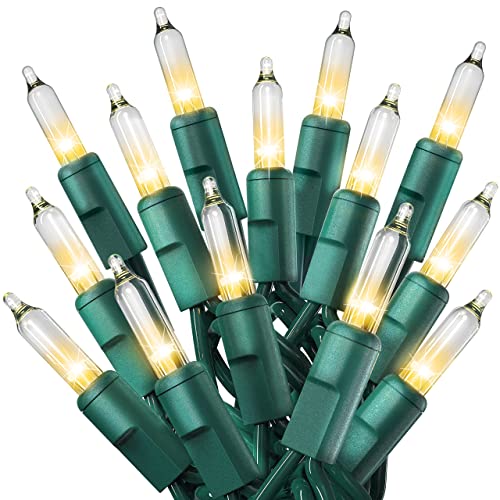
A separate light string can cover a dark section when the built-in lights can’t be repaired safely. It is an added decoration, not a replacement part for the tree’s built-in lights. The strings listed near this article are not confirmed as compatible with any particular prelit tree.
Before choosing a separate string, check the tree maker’s instructions for any limits on adding lights. Confirm that the string is suitable for indoor use and that its plug and cord are in good condition. Keep the added cord clear of crushed branches, tight bends, and places where people might trip over it.
If the built-in lights repeatedly fail or the tree has damaged wiring, compare the manufacturer’s repair options with replacing the tree. A different prelit tree can have a different light setup, so check how its sections connect and what the maker says can be replaced. You can also compare options in this guide to dual-light Christmas trees if you’re considering a replacement rather than another repair.

- LFR Score9.6
LFR Score is a ranking system developed by lightfansreviews.com. LFR Score has no relationship or impact from any manufacturers or sales agent websites. Learn more
- BrandBrightown

- LFR Score9.5
LFR Score is a ranking system developed by lightfansreviews.com. LFR Score has no relationship or impact from any manufacturers or sales agent websites. Learn more
- BrandDazzle Bright

- LFR Score9.4
LFR Score is a ranking system developed by lightfansreviews.com. LFR Score has no relationship or impact from any manufacturers or sales agent websites. Learn more
- BrandTW SHINE

- LFR Score9.0
LFR Score is a ranking system developed by lightfansreviews.com. LFR Score has no relationship or impact from any manufacturers or sales agent websites. Learn more
- BrandBrightown

- LFR Score7.9
LFR Score is a ranking system developed by lightfansreviews.com. LFR Score has no relationship or impact from any manufacturers or sales agent websites. Learn more
- Brandvimeepro
Last update on 2026-11-08 / Affiliate links / Images, Product Titles, and Product Highlights from Amazon Product Advertising API
FAQs
Why are only some lights on my prelit tree?
A single dark section may have a loose bulb, a disconnected section connector, or a fault in that section’s wiring. The rest can stay lit if the tree has separate sections. Unplug the tree and check the dark area using the manual’s instructions.
Can I replace a bulb or fuse myself?
You can replace one only if the manual says it is replaceable and gives the correct part and steps. Unplug the tree first, and don’t force a bulb or plug compartment. If the part won’t come out or the replacement doesn’t solve the problem, stop and contact the manufacturer.
What should I do if the whole prelit tree is still dark?
With the tree unplugged, look for visible damage, then check that the main plug and any section connectors are properly joined. Check the outlet and inspect a plug fuse only if the manual explains how to replace it. If the tree remains dark, or you see damage or smell burning, leave it unplugged and contact the manufacturer.

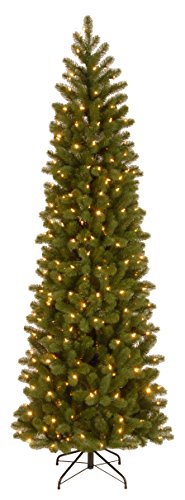
Best Dual Light Christmas Tree 2026 With Magical Glow

Best Rated Outdoor Christmas Lights 2026
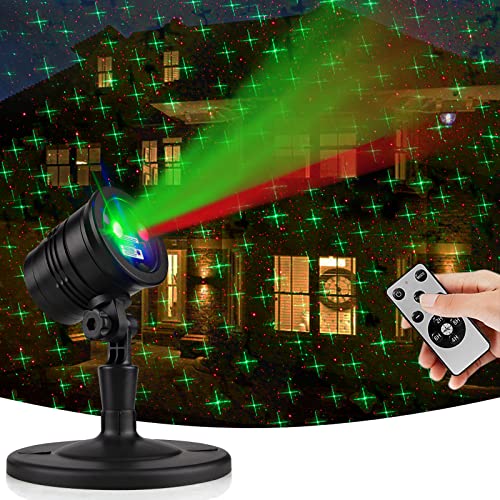
Best Outdoor Laser Light Projector 2026 For Stunning Night Displays
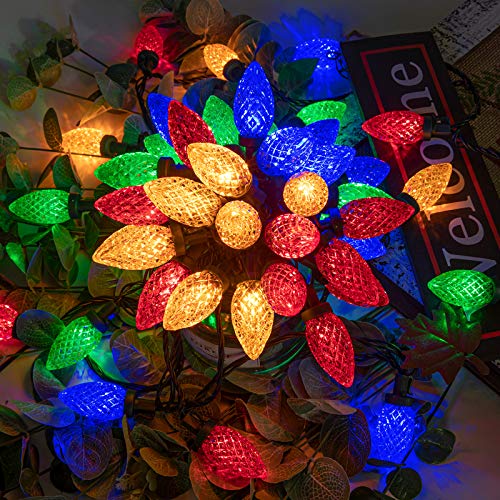
Best Value Outdoor Christmas Lights 2026 Brighten Nights

Best Christmas Lights For Bushes 2026 Brighten Your Yard
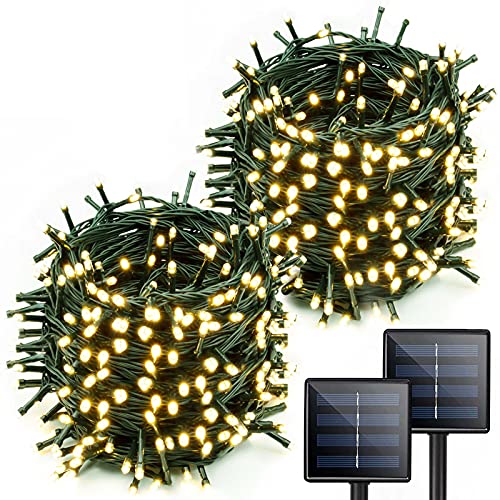
Best Outdoor Waterproof Christmas Lights 2026 For Festive Glow
Best Village Christmas Lights 2026 Magical Display Picks
12 Best String Lights For Christmas Tree of 2026 To Prevent Dark Patches