How to Hang Christmas Lights on a Roof Safely

A homeowner looks up at the roofline and notices the gutters are just out of reach. The safer approach is to use clips that fit the roof edge and light wire, then attach the lights from a stable ladder with someone nearby, rather than walking on the roof. Use lights and cords marked for outdoor use, and keep electrical connections dry.
The right clips depend on whether the roof has gutters and on the shape of the bulbs and wire. Roof steepness, weather, and how safely you can reach the edge matter too. Don’t climb onto a wet, icy, steep, or damaged roof, and don’t force a clip that pulls at shingles or gutters. Start by checking the lights, clips, weather, and power before you set up.
Match the clips to your roof edge and light wire
The right clip depends on what the roof edge looks like and how the lights are built. A plastic gutter hook holds lights on a gutter lip, while a shingle clip slides under the edge of a shingle. Neither style fits every roof, gutter, or light string, so check the clip package and the light maker’s instructions before you buy or attach anything.
Look at the roofline from the ground. If a gutter runs along the eaves, the lower edge of the roof, check whether the clips are made to hook over that gutter’s edge. If there’s no gutter, look for clips made for the roof edge or shingles. Don’t force a clip into place or wedge one deep under a shingle. That can lift or crack the shingle and let water in.
Check the light wire and bulb shape, too. Some clips hold the wire; others grip the base of a bulb. A clip that fits large roofline bulbs may not hold thin mini-light wire securely. If you’re unsure, compare the clip opening with the wire or bulb base and follow the clip maker’s fit instructions.
For a roofline you can’t safely reach, you don’t have to put lights on the roof itself. Lights along a reachable gutter or eaves can still outline the house. You can also choose a display that doesn’t need roof access, such as an outdoor laser light projector, and set it up according to its instructions.
Gather outdoor lights and check the weather first
Before you bring out a ladder, lay out the lights, clips, and extension cords on the ground. Read the labels and instructions. Lights and cords need to be marked for outdoor use, and the clips need to match both your roof edge and your light wire or bulb style.
Check the whole light string for split insulation, bare wire, loose bulbs, or a damaged plug. Put a damaged strand aside rather than hanging it. Check the plug fuse if the lights don’t work, following the instructions for that strand. Don’t open a plug or handle a connection while it’s plugged in.
Look at the forecast and the surfaces you’ll use. Wait if the roof, gutter, ladder, or ground is wet, icy, snowy, or slick. Wind can also make ladder work unsteady. Pick a calm, dry time, and don’t rush to finish before bad weather arrives.
Choose a power point before you start. Use an outdoor outlet with a reset button, often called a GFCI outlet. It can shut off power if it detects a problem. Keep plug connections off the ground and away from puddles, and use a waterproof cord shield or weather cover made for outdoor connections. Follow the light maker’s directions for connecting strands and extension cords.
Measure the roofline from the ground if you can, and plan where each strand will start and end. Check how many strands may be connected end to end in the instructions. The allowed number varies by light string, so don’t assume two strands can be joined just because their plugs fit. For help choosing outdoor lights, see our guide to outdoor Christmas lights.
Hang the lights from a stable ladder, one section at a time
Set up the ladder on firm, level ground. Keep it clear of doors, walkways, and overhead wires. Open a folding ladder fully and lock its braces. If you use an extension ladder, follow the ladder maker’s setup instructions and make sure the top rests against a solid surface, not a gutter. Have another adult stay nearby to steady the ladder and keep people away from the work area.
Unplug the lights. Keep the string unplugged while you attach clips and arrange the wire. This keeps you from handling powered lights as you work.
Start where you can reach without leaning. Climb only as high as the ladder allows while keeping your body centered between its sides. Keep both feet on a rung and don’t reach sideways to grab a distant section. Climb down and move the ladder instead.
Attach clips along the gutter or eaves. Use the clip type made for that edge. Follow the package directions, and space clips as the maker recommends. If no spacing is listed, place them close enough that the wire rests without sagging, but don’t pull the wire tight.
Fit the light wire or bulbs into each clip. Check that the wire sits in the holder and that bulb bases are supported if the clip is designed for them. Keep bulbs facing the way you want them, and make small adjustments before moving along the roofline.
Leave slack at corners and connections. The wire should turn around corners without a sharp bend or strain. Keep plugs and joined connections where they can be protected from rain and won’t hang in a gutter or rest in standing water.
Pause and inspect from the ground. Look for loose clips, drooping sections, pinched wire, or bulbs pointing in different directions. If something needs adjusting, unplug the string and move the ladder rather than leaning out.
You can often hang lights without walking on the roof by working from a ladder along the eaves. A long pole with a light-hanging attachment may help with a low, reachable roofline, but use it only as directed and from stable ground. Don’t stand on a chair, stack objects under a ladder, or reach over a gutter to make a difficult spot fit.
When you finish attaching the strands, climb down before plugging them in. Check that the outdoor outlet and cord connections are protected as their instructions require. Turn the lights on from the ground, then look along the roofline for dark sections, sagging wire, or a connection that has come loose. Unplug the lights before fixing anything.
Avoid shortcuts that can damage the roof or cause a fall
Don’t use staples, nails, or metal tacks. They can puncture the wire and damage shingles, trim, or gutters. Use clips made for the roof edge and light type instead.
Don’t walk on a steep, wet, icy, snowy, or damaged roof. A roof can be slippery even when it looks dry. A weak or damaged area may not support your weight.
Don’t overload or bend the gutter with your weight. Gutters are not a safe place to stand or brace a ladder. Rest the ladder as the ladder maker directs, and keep it off the gutter whenever possible.
Don’t plug in wet or damaged connections. Keep plugs and joined cords dry and raised off the ground. If water has reached a connection, switch off power at the outlet if you can do so safely, unplug it only when it’s dry and safe to touch, and follow the manufacturer’s directions.
Don’t leave loose wire where it can snag. Keep cords away from doors, walkways, and places where someone could catch a foot or pull the lights down. Don’t pinch a cord in a window or door.
If lights trip the outlet’s reset button, unplug the strands and check for wet plugs, damaged wire, or a bad connection. Don’t keep resetting the outlet while the cause is unknown. If the outlet keeps shutting off or you see sparks, a burning smell, or a damaged outlet, stop and contact a qualified electrician.
Stop and get help if the roofline isn’t safely reachable
Skip the climb if the roof is steep, damaged, or hard to reach from a stable ladder position. The same goes for a ladder that shifts, soft ground, a high roof edge, or a spot near overhead wires. A roofline display isn’t worth a fall or damage to the house.
Ask a qualified professional to hang the lights if the work requires walking on the roof, reaching over a gutter, or using a ladder in a place where it can’t sit securely. If you’re unsure whether a shingle or gutter can take a clip, check with a roofer rather than forcing one into place. For a balcony or another reachable area, lights for a balcony may offer a simpler decorating option.
Stop work if the weather turns, the ladder moves, or you feel unsteady. Climb down carefully and wait for safe conditions. If you can’t complete the job without leaning or stepping onto an unsafe roof, leave that section unlit or arrange help.
Choose outdoor lights that suit the roofline
Outdoor-rated light strings can supply the lights for a roofline, but they don’t replace suitable clips or safe access equipment. Before buying, check that the lights are marked for outdoor use, that the wire and bulb style fit the clips you plan to use, and that the maker’s instructions allow the way you intend to connect and hang them.
Think about the look you want and where the power connection will sit. Warm white gives a soft golden glow, cool white looks brighter and icier, and multicolor gives a more traditional mixed-color display. If the roof edge is too high or unsafe to reach, choose a decoration that can be set up from the ground instead of trying to make a roofline installation work.

- LFR Score9.6
LFR Score is a ranking system developed by lightfansreviews.com. LFR Score has no relationship or impact from any manufacturers or sales agent websites. Learn more
- BrandBrightown

- LFR Score9.5
LFR Score is a ranking system developed by lightfansreviews.com. LFR Score has no relationship or impact from any manufacturers or sales agent websites. Learn more
- BrandDazzle Bright

- LFR Score9.4
LFR Score is a ranking system developed by lightfansreviews.com. LFR Score has no relationship or impact from any manufacturers or sales agent websites. Learn more
- BrandTW SHINE

- LFR Score9.0
LFR Score is a ranking system developed by lightfansreviews.com. LFR Score has no relationship or impact from any manufacturers or sales agent websites. Learn more
- BrandBrightown

- LFR Score7.9
LFR Score is a ranking system developed by lightfansreviews.com. LFR Score has no relationship or impact from any manufacturers or sales agent websites. Learn more
- Brandvimeepro
Last update on 2026-11-08 / Affiliate links / Images, Product Titles, and Product Highlights from Amazon Product Advertising API
FAQs
Can I hang Christmas lights without walking on the roof?
Yes, if you can reach the eaves from a properly placed ladder or from the ground with a suitable light-hanging pole. Keep your body centered on the ladder and move it whenever the next section is out of reach. Don’t step onto a steep or slippery roof to finish a short section.
How do I keep clips from damaging shingles or gutters?
Use clips made for your roof edge and light type, and follow the clip maker’s directions. Don’t force a clip under a shingle, bend a gutter, or use nails or staples. Stop if the clip doesn’t fit easily or the roof edge looks weak or damaged.
Can I hang lights when the roof or ladder is wet?
No. Wait until the roof, ladder, and ground are dry and stable. Wet or icy surfaces can make a ladder or roof dangerously slippery, even if you’re only reaching a small area.
How do I protect outdoor plug connections from rain?
Keep connections raised off the ground and use a waterproof cord shield or weather cover made for outdoor use. Follow the light maker’s directions, and don’t plug in a connection that is wet or damaged. If an outdoor outlet keeps shutting off, unplug the lights and ask a qualified electrician to check the cause.


Best Dual Light Christmas Tree 2026 With Magical Glow

Best Rated Outdoor Christmas Lights 2026

Best Outdoor Laser Light Projector 2026 For Stunning Night Displays
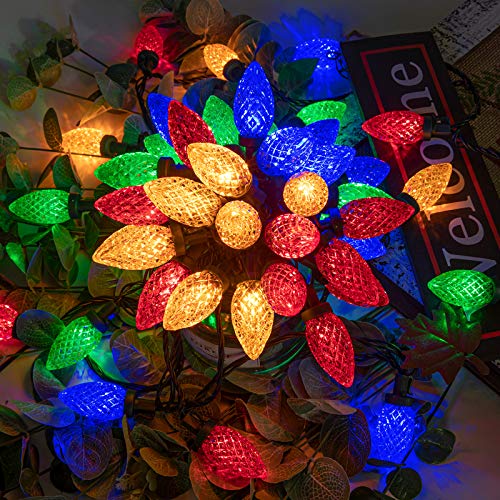
Best Value Outdoor Christmas Lights 2026 Brighten Nights

Best Christmas Lights For Bushes 2026 Brighten Your Yard
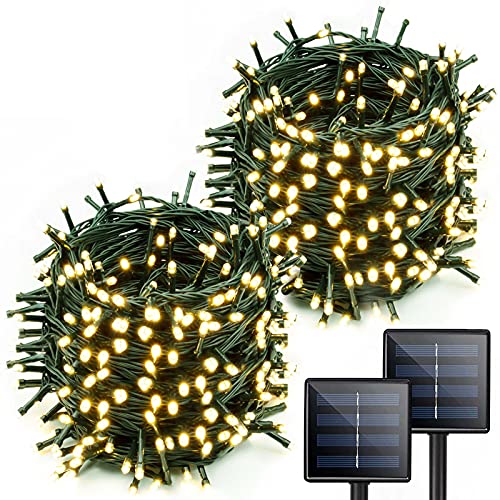
Best Outdoor Waterproof Christmas Lights 2026 For Festive Glow

Best Village Christmas Lights 2026 Magical Display Picks

12 Best String Lights For Christmas Tree of 2026 To Prevent Dark Patches