How to Install Under Cabinet Lighting Without Hassle

How to install under cabinet lighting isn’t just a wiring task, it’s a practical upgrade that quietly changes how a kitchen feels and functions. Proper lighting under cabinets removes shadows from countertops, makes food prep safer, and adds a warm glow that overhead fixtures simply can’t deliver. Whether the goal is subtle ambiance or crisp task lighting, the installation process rewards careful planning more than brute force. Done right, it blends into the space and works every single day without drawing attention to itself.
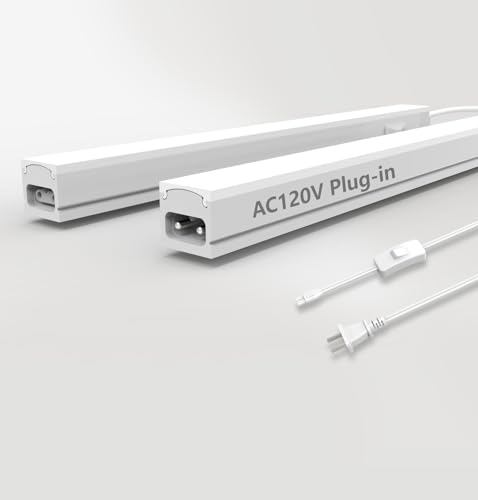
The first step in how to install under cabinet lighting is choosing the right type of fixture for the layout and lifestyle. Plug-in systems suit renters and quick upgrades, while hardwired options offer a seamless, built-in appearance. Battery-powered lights can solve tricky spots but often trade brightness for convenience. Matching color temperature and brightness across all fixtures keeps the kitchen from feeling patchy or uneven.
Preparation carries more weight than many expect, and that’s where most installations succeed or stumble. Measuring cabinet lengths accurately, mapping outlet locations, and planning wire routes prevent awkward gaps and visible cords later on. Turning off power at the breaker, even for simple swaps, keeps the process safe and stress-free. A little patience here saves a lot of backtracking once fixtures are mounted.
Mounting techniques vary, yet the principle stays the same: secure placement and clean alignment matter. Screws provide the most stable hold for permanent setups, while adhesive strips work for lightweight LED bars when surfaces are properly cleaned. Keeping lights set back from the cabinet edge helps avoid glare while still flooding the counter with light. Small adjustments during mounting make a noticeable difference once everything is powered on.
Wiring and connection steps define the final polish of how to install under cabinet lighting. Concealing cords with channels or routing them through cabinet backs creates a tidy, intentional look. Linking multiple fixtures in a series requires attention to load limits and connector orientation. When the lights switch on smoothly and evenly, the effort pays off in a space that feels thoughtfully designed.
Maintenance and future flexibility shouldn’t be overlooked during installation. Choosing systems with replaceable drivers or modular bars allows upgrades without starting from scratch. Easy-access switches or dimmers add daily convenience and control. In the long run, a well-planned installation keeps the kitchen adaptable, bright, and comfortable without constant tweaks.

- LFR Score9.2
LFR Score is a ranking system developed by lightfansreviews.com. LFR Score has no relationship or impact from any manufacturers or sales agent websites. Learn more
- BrandGritin

- LFR Score9.2
LFR Score is a ranking system developed by lightfansreviews.com. LFR Score has no relationship or impact from any manufacturers or sales agent websites. Learn more
- BrandEZVALO

- LFR Score9.2
LFR Score is a ranking system developed by lightfansreviews.com. LFR Score has no relationship or impact from any manufacturers or sales agent websites. Learn more
- BrandLitever

- LFR Score9.2
LFR Score is a ranking system developed by lightfansreviews.com. LFR Score has no relationship or impact from any manufacturers or sales agent websites. Learn more
- BrandASOKO HOME

- LFR Score9.0
LFR Score is a ranking system developed by lightfansreviews.com. LFR Score has no relationship or impact from any manufacturers or sales agent websites. Learn more
- BrandMCGOR

- LFR Score9.0
LFR Score is a ranking system developed by lightfansreviews.com. LFR Score has no relationship or impact from any manufacturers or sales agent websites. Learn more
- BrandMCGOR
- LFR Score9.0
LFR Score is a ranking system developed by lightfansreviews.com. LFR Score has no relationship or impact from any manufacturers or sales agent websites. Learn more
- BrandLeetdud

- LFR Score9.0
LFR Score is a ranking system developed by lightfansreviews.com. LFR Score has no relationship or impact from any manufacturers or sales agent websites. Learn more
- BrandMCGOR
Last update on 2026-03-07 / Affiliate links / Images, Product Titles, and Product Highlights from Amazon Product Advertising API
Planning The Layout Before Touching Any Tools
How to install under cabinet lighting starts long before a drill comes out, and skipping this stage is where most frustration begins. Countertop shadows, dark prep corners, and uneven brightness usually trace back to poor planning, not bad fixtures. Mapping where light is actually needed helps avoid wasted effort and disappointing results. A few minutes of planning can prevent hours of rework later.
Cabinet length, depth, and the distance from the wall all influence how light spreads across the surface. Shallow cabinets need fixtures placed further back to avoid glare, while deeper cabinets benefit from forward placement for better coverage. Thinking through these details ensures consistent illumination instead of patchy brightness. That consistency is what makes the kitchen feel intentional rather than improvised.
Power access is another critical factor that often gets overlooked. Existing outlets inside cabinets simplify installation, while hardwired setups require more preparation and safety checks. Knowing where power will come from shapes every decision that follows. Without this clarity, even the best lighting system can turn into a logistical headache.
Planning also means deciding how the lights will be controlled day to day. Wall switches, inline switches, and smart controls all affect convenience and usability. Choosing early prevents awkward solutions later, like cords stretched to unreachable plugs. A well-planned control setup makes how to install under cabinet lighting feel effortless once it’s done.
Choosing The Right Type Of Under Cabinet Lighting
Not all lighting systems solve the same problems, and this choice defines the entire experience. LED strip lights offer flexibility and even glow, while light bars deliver more structure and focused brightness. Puck lights add accent but often fall short for task lighting. Matching the fixture to the real need is where smart decisions pay off.
Color temperature plays a bigger role than most expect. Warm light creates a cozy feel but can distort food colors, while cooler light improves visibility for cooking and prep. Many homeowners now prefer adjustable white LEDs for flexibility throughout the day. That adaptability turns lighting into a functional tool, not just decoration.
Brightness levels matter just as much as color. Too dim and shadows remain; too bright and the space feels harsh. Measured lumen output helps avoid guesswork and ensures balanced results across the counter. Proper brightness is a cornerstone of effective under cabinet lighting.
Fixture quality also determines long-term satisfaction. Cheap drivers fail early, and inconsistent LEDs create uneven tones over time. Investing in reliable components reduces maintenance and keeps the kitchen looking sharp. This is one area where saving a few dollars often costs more later.
Preparing Cabinets And Work Areas For Installation
Preparation sets the tone for a smooth install and a clean final look. Cleaning the cabinet underside ensures adhesives stick and mounting hardware seats properly. Dust and grease buildup can quietly undermine even the best fixtures. A clean surface is a simple but essential foundation.
Measuring twice is not a cliché here; it’s a necessity. Accurate measurements prevent visible gaps and awkward overlaps between fixtures. Marking placement lines lightly helps maintain alignment during mounting. These small steps protect against mistakes that are hard to hide later.
Safety preparation matters, especially when dealing with electricity. Turning off power at the breaker eliminates unnecessary risk, even for plug-in systems. Taking this precaution keeps the process calm and controlled. Safety-first habits make how to install under cabinet lighting feel manageable rather than stressful.
Having tools and supplies ready avoids interruptions mid-install. Screws, clips, wire channels, and connectors should be within reach before starting. Interruptions increase mistakes and frustration. A prepared workspace keeps momentum going from start to finish.
Mounting Techniques That Create A Clean Look
Mounting is where planning meets reality, and precision matters. Fixtures installed too close to the cabinet edge can cause glare and uneven spread. Setting them slightly back creates softer, more usable light. This placement detail separates polished installs from rushed ones.
Screw-mounted fixtures provide the most secure hold, especially for heavier light bars. Adhesive-backed strips work well for lightweight LEDs but demand clean, dry surfaces. Choosing the right method ensures long-term stability. Loose or sagging lights quickly ruin the visual effect.
Alignment is another detail that rewards patience. Crooked fixtures draw the eye immediately, even if the lighting works fine. Using a straightedge or level helps maintain visual harmony across multiple cabinets. Clean alignment reinforces the sense of quality.
For kitchens with complex layouts, modular systems simplify installation. Linking sections allows flexibility around corners and varying cabinet lengths. Modular designs adapt better than rigid fixtures. This flexibility enhances the overall success of how to install under cabinet lighting.
Managing Wires And Power Connections Neatly
Visible wires are the fastest way to make new lighting look unfinished. Routing cords through cabinet backs or along hidden edges keeps the focus on light, not clutter. Wire channels and clips help maintain order without invasive modifications. Neat wiring elevates the entire installation.
Hardwired systems demand extra care and attention to detail. Secure connections, proper grounding, and code compliance protect both safety and performance. When done correctly, hardwiring delivers the cleanest aesthetic. This approach suits permanent upgrades and long-term homes.
Plug-in systems offer simplicity but still require thoughtful cable management. Excess cord length should be tucked away rather than bundled loosely. Organized routing prevents tangles and wear over time. Even simple setups benefit from careful execution.
In kitchens where lighting overlaps with other fixtures, understanding adjacent systems helps. For example, knowing range hood light setups can guide placement to avoid conflicting brightness zones. Coordinated lighting feels intentional and balanced. Integration matters more than most people expect.
Testing Light Output Before Finalizing Everything
Testing before finalizing saves frustration and prevents rework. Turning lights on temporarily reveals hot spots, dark patches, or glare issues. Adjustments are far easier before everything is locked in place. This step protects both time and effort.
Checking light distribution across different times of day offers valuable insight. Natural light interacts with under cabinet lighting in subtle ways. Observing these interactions helps fine-tune placement and brightness. Balanced lighting adapts well to changing conditions.
Dimming functionality should also be tested thoroughly. Smooth transitions without flicker signal quality components. Poor dimming performance often indicates incompatible drivers or controls. Identifying issues early avoids future headaches.
Final testing reinforces confidence in how to install under cabinet lighting. Once satisfied, securing fixtures permanently feels reassuring. That confidence translates into daily enjoyment rather than lingering doubts.
Common Mistakes That Undermine Great Lighting
Overlighting is a frequent misstep that overwhelms the space. Excessive brightness creates harsh contrasts and visual fatigue. Balanced light supports comfort and usability. More light is not always better.
Ignoring color consistency leads to mismatched tones across fixtures. Mixing warm and cool lights disrupts visual harmony. Consistent color temperature maintains cohesion. This detail often separates amateur installs from professional-looking results.
Skipping cable management is another costly mistake. Exposed wires quickly cheapen the appearance of even premium fixtures. Taking time to conceal cords preserves the upgrade’s value. A clean look is part of the payoff.
Rushing the process undermines the purpose of how to install under cabinet lighting. Careful execution delivers long-term satisfaction. Patience here pays dividends every time the lights turn on.
Integrating Under Cabinet Lighting With Daily Kitchen Use
How to install under cabinet lighting doesn’t end once the fixtures are mounted and powered. The real value shows up in daily routines, where lighting either supports the flow or quietly gets in the way. Good integration means lights turn on when needed, dim when appropriate, and never feel like an extra step. When lighting matches habits, the kitchen works better without anyone noticing why.
Switch placement often defines how usable the system feels. Wall switches near main prep areas reduce fumbling, while inline switches suit compact kitchens with limited wiring options. Smart controls add convenience, but only if they’re simple enough to use consistently. The goal is effortless access, not features that go untouched.
Lighting schedules also matter more than expected. Morning prep benefits from brighter, cooler tones, while evenings feel better with softer light levels. Adjustable systems adapt naturally to these shifts. This flexibility transforms lighting from a static feature into a responsive tool.
In homes where multiple light sources overlap, balance becomes essential. Under cabinet lights should complement ceiling fixtures rather than compete with them. Observing how airflow and ambient comfort interact, such as with ceiling fan direction, helps fine-tune overall comfort. Lighting works best when it’s part of a bigger comfort strategy.
Optimizing Brightness And Color For Real Tasks
Brightness isn’t about raw power; it’s about usefulness. Countertops need enough light to reduce eye strain without creating glare. Measured lumen output offers a more reliable guide than guesswork. Proper brightness supports safer cutting, clearer reading, and calmer focus.
Color temperature influences perception more than most people realize. Cooler whites sharpen detail and improve accuracy during food prep. Warmer tones soften the space for casual meals and late evenings. Systems with adjustable color temperature offer the best of both worlds.
Consistency across fixtures is a quiet but critical factor. Mismatched LEDs create visual noise that distracts from the kitchen’s design. Uniform color keeps the space cohesive and intentional. This detail elevates the result of how to install under cabinet lighting from functional to refined.
Testing light output with real tasks reveals issues quickly. Chopping, reading recipes, and cleaning surfaces expose shadows and glare. Adjustments based on real use deliver better outcomes than theoretical placement. Practical testing bridges the gap between installation and satisfaction.
Energy Efficiency And Long-Term Cost Control
Modern under cabinet lighting offers impressive efficiency gains compared to older systems. LED technology consumes far less energy while delivering higher brightness levels. This efficiency translates directly into lower utility costs over time. Energy savings become a quiet, ongoing benefit.
Driver quality influences both efficiency and lifespan. Cheap drivers waste energy as heat and fail sooner than expected. High-quality components maintain stable output and reduce replacement cycles. Longevity is part of true cost savings.
Dimming capability adds another layer of efficiency. Lower light levels during off-peak hours reduce power draw without sacrificing usability. Dimmers also extend LED lifespan by reducing strain. This balance supports both comfort and conservation.
Considering efficiency during how to install under cabinet lighting protects against regret later. Efficient systems pay for themselves gradually. The savings may be subtle month to month, but they add up quietly.
Troubleshooting Issues Before They Become Annoyances
Flickering lights often signal compatibility problems between drivers and dimmers. Addressing these issues early prevents long-term frustration. Matching components according to manufacturer guidelines reduces these risks. Smooth operation is non-negotiable for daily use.
Uneven brightness usually traces back to inconsistent wiring or connector orientation. Checking connections systematically resolves most issues quickly. Ignoring these signs allows minor problems to escalate. Early intervention preserves the quality of the install.
Heat buildup under cabinets can shorten component lifespan. Proper ventilation and spacing reduce this risk. LEDs run cooler than older options, but they still need airflow. Heat management supports reliability.
Approaching troubleshooting calmly reinforces confidence in how to install under cabinet lighting. Problems are easier to fix before everything is sealed in place. Awareness prevents small issues from becoming permanent flaws.
Adapting Installation For Different Kitchen Layouts
Every kitchen layout presents unique challenges that influence lighting choices. Galley kitchens demand even coverage along narrow counters, while open layouts require coordination with ambient lighting. Adapting installation techniques prevents wasted light and awkward shadows. Flexibility is key.
Corner cabinets and angled layouts benefit from modular or flexible LED strips. These options navigate turns without breaking light continuity. Rigid fixtures often struggle in these areas. The right format simplifies complex spaces.
In kitchens used for specialized tasks, lighting intensity may need adjustment. For example, prep-heavy households prioritize brightness over ambiance. Observing how lighting supports hobbies or routines informs smarter decisions. Tailoring lighting improves everyday usability.
Awareness of related lighting tools, such as rechargeable spotlight usage for focused tasks, highlights the value of targeted illumination. Under cabinet lighting serves a similar purpose indoors. Precision lighting supports precision work.
Maintaining And Upgrading Over Time Without Rework
Maintenance planning starts during installation, not years later. Systems with modular components simplify future upgrades. Replacing a single bar or driver should not require tearing everything out. Smart planning preserves flexibility.
Cleaning fixtures periodically maintains light quality. Dust and grease buildup reduce brightness over time. Gentle cleaning keeps output consistent and extends component life. Maintenance protects the original investment.
Technology evolves, and lighting should adapt without disruption. Choosing systems compatible with newer controls or smart platforms extends relevance. Future-proofing avoids premature obsolescence. Adaptability adds long-term value.
Viewing how to install under cabinet lighting as an evolving system rather than a one-time project changes expectations. Thoughtful choices today reduce limitations tomorrow. Longevity comes from foresight.
Why Proper Installation Changes How A Kitchen Feels
Well-installed lighting alters perception as much as function. Counters feel more spacious, and tasks feel less taxing. These changes happen subtly but consistently. Comfort grows without calling attention to itself.
Lighting influences mood, especially during long days in shared spaces. Balanced illumination reduces fatigue and improves focus. A comfortable kitchen invites use rather than avoidance. Emotional impact matters.
Guests notice the effect even if they can’t name it. Clean, even lighting signals care and quality. It elevates the entire room without flashy elements. Subtle upgrades often leave the strongest impressions.
Ultimately, how to install under cabinet lighting shapes daily experience more than expected. When done well, it fades into the background while quietly improving everything. That quiet reliability defines success.


Best Lighting For Makeup 2026 Bright Ideas For Flawless Looks

Best Wall Sconces For Staircase 2026 Brighten Your Home
Best Lighting For Computer Desk 2026 For Focused Work

Best Boat Black Lights 2026 For Nighttime Adventure

Best Black 30 Inch Light Bar Reviews – Top Picks of 2026

Best Black Light For Aquarium 2026 For Vibrant Glow

Best Black Light for Authenticating Glass 2026 Top Picks
Best Waterproof Spotlight 2026 That Outshines Expectations